














- 19th October 2026
Table of Contents
- ApoB vs LDL Cholesterol: Why a Normal LDL Report May Not Tell the Complete Story
- What Is LDL Cholesterol?
- What Is Apolipoprotein B (ApoB)?
- ApoB vs LDL Cholesterol: The Fundamental Difference
- Why Particle Number May Matter More Than Cholesterol Quantity in Some Patients
- Understanding ApoB and LDL Cholesterol Discordance
- Why Two Patients With the Same LDL Cholesterol Can Have Different ApoB Levels
- Why ApoB May Be Particularly Useful in Type 2 Diabetes
- ApoB vs LDL Cholesterol in Insulin Resistance
- ApoB and Fatty Liver Disease (MASLD)
- Are Small Dense LDL Particles More Dangerous?
- Does ApoB Predict Cardiovascular Risk Better Than LDL Cholesterol?
- Why LDL Cholesterol Remains Important Despite the Advantages of ApoB
- What Is Non-HDL Cholesterol?
- Does High ApoB Mean a Heart Attack Is Inevitable?
- What Is a Normal ApoB Level?
- Commonly Used ApoB Thresholds in Cardiovascular Risk Assessment
- Is ApoB Above 130 mg/dL High?
- Why the Same ApoB Value Can Mean Different Things in Different Patients
- Who Should Consider an ApoB Blood Test?
- ApoB Testing in Type 2 Diabetes
- ApoB Testing in Metabolic Syndrome
- ApoB Testing in Fatty Liver Disease
- ApoB Testing When Triglycerides Are Elevated
- ApoB Testing in Patients Already Taking Statins
- When Might ApoB Testing Add Less Information?
- Does ApoB Testing Require Fasting?
- How Is ApoB Measured in the Laboratory?
- Can ApoB Be Calculated From LDL Cholesterol?
- ApoB vs LDL Cholesterol vs Non-HDL Cholesterol
- What Is Lipoprotein(a), and How Is It Different From ApoB?
- High ApoB With Normal LDL Cholesterol: What Does It Mean?
- Can ApoB Be High Even When Triglycerides Are Normal?
- Can LDL Cholesterol Be High While ApoB Is Relatively Low?
- Does ApoB Tell Us How Much Plaque Is Present in the Arteries?
- ApoB and Coronary Artery Calcium Score: Are They Related?
- Can ApoB Be Used to Monitor Cholesterol Treatment?
- How Often Should ApoB Be Tested?
- Does ApoB Replace a Routine Lipid Profile?
- How Can High ApoB Be Reduced?
- Should Treatment Target ApoB or LDL Cholesterol?
- Do Statins Lower ApoB?
- Which Medicines Can Reduce ApoB?
- Can ApoB Be Reduced Without Medication?
- Indian Dietary Strategies to Lower ApoB and LDL Cholesterol
- Does Soluble Fibre Help Lower ApoB?
- Practical Indian Food Changes for Better Lipid Control
- Do Eggs Increase ApoB?
- Can Exercise Lower ApoB?
- Weight Loss, Insulin Resistance and ApoB
- Can GLP-1-Based Weight Loss Treatments Reduce ApoB?
- Why Genetics May Keep ApoB Elevated Despite a Healthy Lifestyle
- Should Everyone With High ApoB Start a Statin?
- Three Clinical Examples: ApoB vs LDL Cholesterol in Practice
- Case 1: Normal LDL-C but Elevated ApoB in Type 2 Diabetes
- Case 2: Elevated LDL-C and ApoB in a Young Adult
- Case 3: Low LDL-C but Residual ApoB Burden After a Heart Attack
- Common Myths About ApoB and LDL Cholesterol
- Myth 1: LDL Cholesterol Is an Outdated Test
- Myth 2: ApoB Should Replace Every Routine Lipid Profile
- Myth 3: Normal LDL Means There Is No Cardiovascular Risk
- Myth 4: High ApoB Means Coronary Arteries Are Already Blocked
- Myth 5: ApoB and Lipoprotein(a) Are the Same Test
- Myth 6: High ApoB Can Always Be Corrected With Diet Alone
- Myth 7: A Normal Laboratory ApoB Range Means the Result Is Optimal for Everyone
- Myth 8: Lowering ApoB Guarantees That a Heart Attack Will Never Occur
- Frequently Asked Questions About ApoB vs LDL Cholesterol
- What I Explain to Patients About ApoB and LDL Cholesterol
- Key Takeaways: ApoB vs LDL Cholesterol
- Cholesterol and Cardiovascular Risk Consultation in Dwarka, Delhi
- Scientific References
ApoB vs LDL Cholesterol: Why a Normal LDL Report May Not Tell the Complete Story
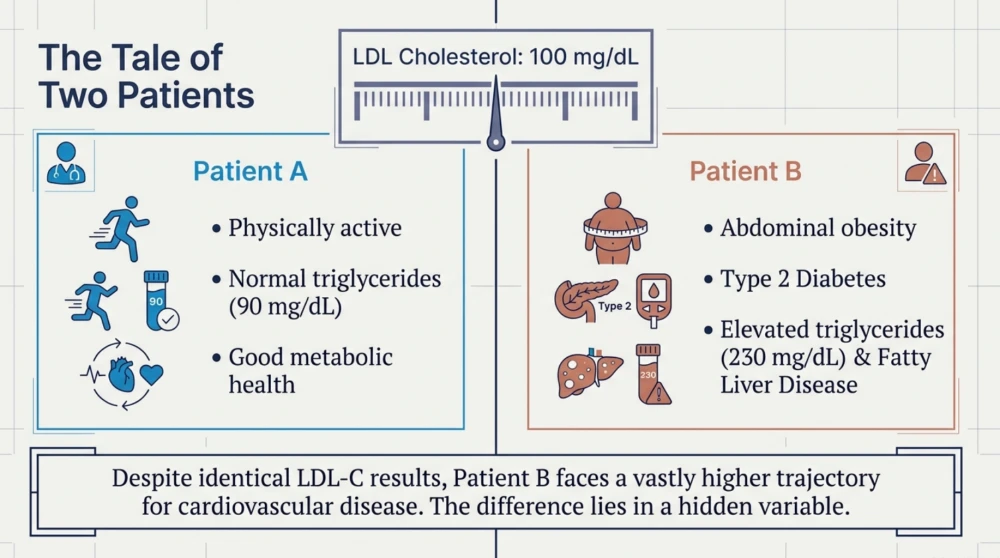
Imagine two people undergoing a routine cholesterol test during their annual health check-up.
Both have an LDL cholesterol level of 100 mg/dL.
The first person is physically active, has normal triglycerides and maintains relatively good metabolic health.
The second person has abdominal obesity, type 2 diabetes, elevated triglycerides and fatty liver disease.
Although their LDL cholesterol results are identical, their cardiovascular risk may be very different.
Some of this difference comes from established risk factors such as diabetes, blood pressure, smoking status and age. However, another important difference may be the number of cholesterol-carrying particles circulating in their blood.
This is where the comparison between ApoB vs LDL cholesterol becomes clinically relevant.
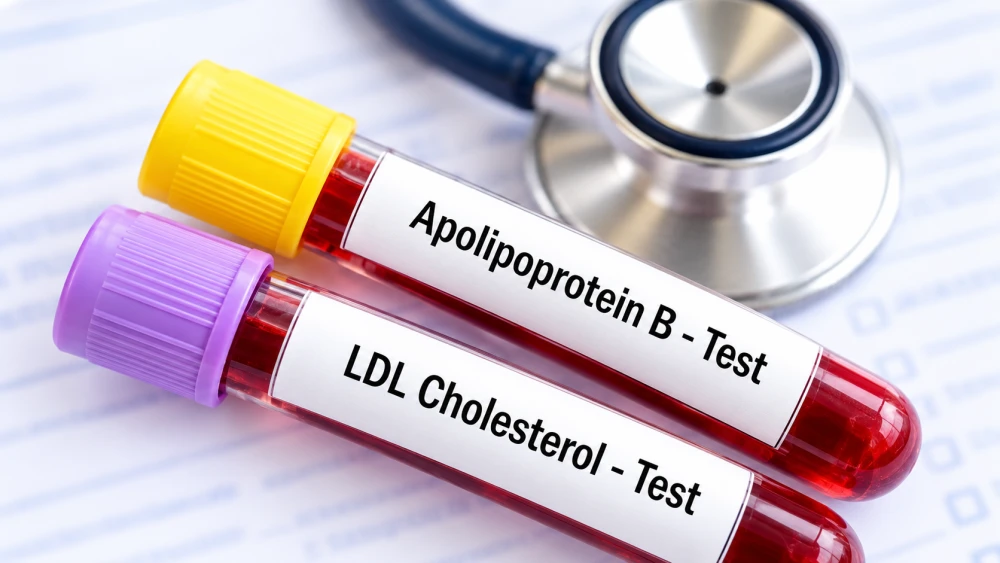
LDL cholesterol measures the amount of cholesterol carried within LDL particles. Apolipoprotein B, commonly called ApoB, provides an estimate of the number of circulating atherogenic lipoprotein particles.
These measurements are closely related, but they are not identical.
In many people, LDL cholesterol provides a useful indication of atherosclerotic cardiovascular risk. However, in certain metabolic conditions, LDL cholesterol may underestimate the number of potentially harmful lipoprotein particles.
Understanding this difference can help explain why some patients develop cardiovascular disease despite having LDL cholesterol levels that appear reasonably controlled.
What Is LDL Cholesterol?
Low-density lipoprotein cholesterol, commonly abbreviated as LDL-C, is one of the most familiar measurements included in a routine lipid profile.
LDL particles transport cholesterol through the bloodstream.
Cholesterol itself is an essential substance used in cell membranes, hormone synthesis and other physiological processes.
However, excessive exposure to atherogenic lipoproteins can contribute to cholesterol accumulation within arterial walls.
Over time, this process can promote atherosclerosis, the formation of plaques within arteries.
Atherosclerotic plaques may eventually contribute to coronary artery disease, myocardial infarction, ischaemic stroke and peripheral arterial disease.
LDL cholesterol has therefore become a central measurement in cardiovascular prevention.
Importantly, numerous randomised clinical trials have demonstrated that lowering LDL cholesterol with appropriate therapies reduces cardiovascular events.
What Does an LDL Cholesterol Value Actually Measure?
An LDL-C result estimates the total mass of cholesterol carried inside LDL particles in a given volume of blood.
It does not directly count how many LDL particles are present.
This distinction becomes important because LDL particles do not all contain exactly the same amount of cholesterol.
Some particles carry relatively more cholesterol, while others carry less.
Consequently, two people with identical LDL cholesterol concentrations may have different numbers of circulating LDL particles.
What Is Apolipoprotein B (ApoB)?
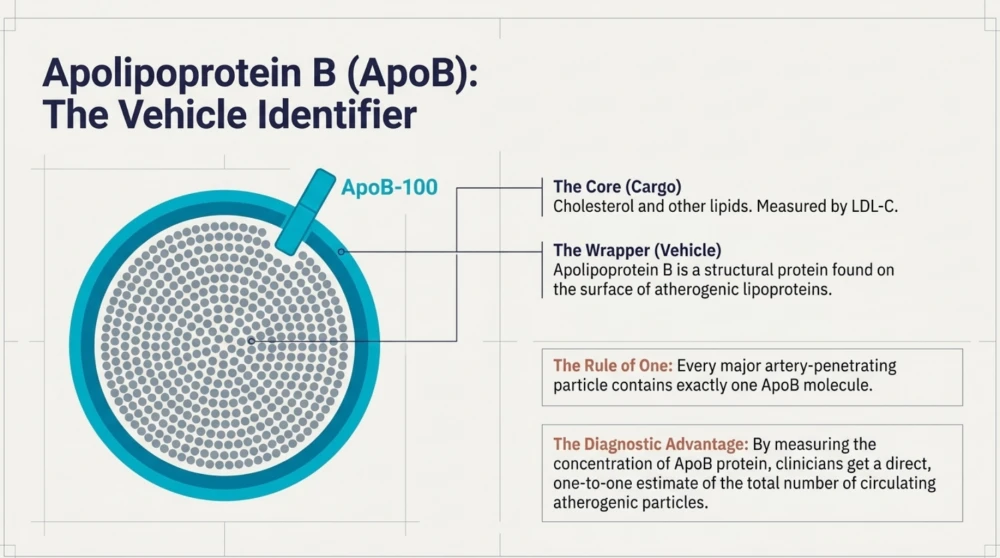
Apolipoprotein B is a structural protein found on several classes of lipoproteins involved in atherosclerosis.
The ApoB blood test measures the concentration of this protein in the circulation.
Because each major atherogenic lipoprotein particle contains one ApoB molecule, the ApoB concentration provides an estimate of the total number of these particles.
In practical terms, ApoB helps describe the burden of potentially artery-penetrating lipoprotein particles rather than simply the amount of cholesterol they contain.
This is why ApoB has attracted increasing attention in cardiovascular risk assessment.
Which Lipoproteins Contain ApoB?
ApoB is present on LDL particles, intermediate-density lipoproteins, very-low-density lipoproteins, remnant particles and lipoprotein(a).
These particles differ in their composition and metabolism, but they share the ability, to varying degrees, to contribute to atherosclerotic processes.
LDL particles usually account for a substantial proportion of circulating ApoB particles, particularly when triglycerides are not markedly elevated.
However, triglyceride-rich lipoproteins and their remnants may become more relevant in people with insulin resistance and metabolic disorders.
Most clinical ApoB measurements predominantly reflect ApoB-100-containing particles. Intestinal chylomicrons contain ApoB-48, and their contribution to a routine ApoB result is generally limited, particularly in the fasting state.
ApoB vs LDL Cholesterol: The Fundamental Difference
The most useful way to understand ApoB vs LDL cholesterol is to distinguish cholesterol quantity from particle number.
LDL-C estimates how much cholesterol is carried by LDL particles.
ApoB estimates the number of atherogenic particles carrying cholesterol and other lipids through the bloodstream.
These measurements usually move in the same direction.
However, their relationship can vary considerably between individuals.
| Feature | LDL Cholesterol (LDL-C) | Apolipoprotein B (ApoB) |
|---|---|---|
| What it measures | Cholesterol carried by LDL particles | Concentration of ApoB protein, reflecting atherogenic particle number |
| Main clinical information | LDL cholesterol burden | Atherogenic lipoprotein particle burden |
| Included in routine lipid profile | Usually yes | Usually requires a separate test |
| Affected by particle cholesterol content | Yes | Less directly affected |
| Clinical guidelines | Primary treatment target in many major guidelines | Additional risk and treatment-assessment marker in selected patients |
| Particularly informative when | Assessing and monitoring established LDL-lowering treatment goals | LDL-C may underestimate particle burden |
Why Particle Number May Matter More Than Cholesterol Quantity in Some Patients
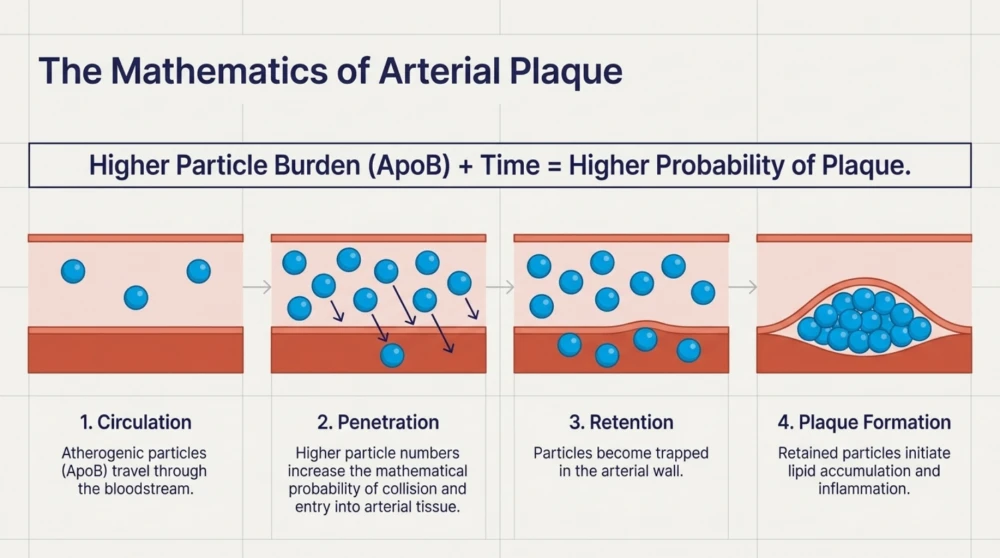
Atherosclerosis develops when atherogenic lipoprotein particles enter and become retained within the arterial wall.
These retained particles can initiate processes involving lipid accumulation, inflammation and plaque development.
The number of circulating particles therefore has biological relevance.
When more atherogenic particles circulate over time, there may be more opportunities for particles to enter and become retained in arterial tissue.
However, cardiovascular risk is not determined by particle number alone.
The duration of exposure, blood pressure, smoking, diabetes, inflammation, genetic factors and other clinical characteristics also influence risk.
ApoB should therefore be viewed as an important part of cardiovascular assessment rather than a complete cardiovascular risk score.
Understanding ApoB and LDL Cholesterol Discordance
One of the most important concepts in lipid management is discordance.
Discordance occurs when LDL cholesterol and ApoB suggest different levels of atherogenic lipoprotein burden.
For example, LDL cholesterol may appear relatively low while ApoB remains elevated.
This can happen when a person has a larger number of cholesterol-depleted lipoprotein particles.
Because LDL-C measures cholesterol mass rather than particle number, it may not fully reflect the underlying particle burden in such circumstances.
High ApoB With Normal LDL Cholesterol
Consider a hypothetical patient with an LDL cholesterol concentration of 95 mg/dL.
At first glance, this result may not appear particularly concerning, depending on the patient's cardiovascular risk category.
However, if the same patient has a substantially elevated ApoB concentration, the result suggests that a relatively large number of atherogenic particles may be circulating despite the LDL-C value.
This finding may be especially relevant in a patient with diabetes, elevated triglycerides or abdominal obesity.
Nevertheless, whether treatment should be intensified depends on the complete clinical picture and the guideline being followed.
Why Two Patients With the Same LDL Cholesterol Can Have Different ApoB Levels
Imagine two hypothetical patients, both with LDL cholesterol of 100 mg/dL.
Patient A has relatively cholesterol-rich LDL particles.
Patient B has a larger number of particles, each carrying less cholesterol on average.
Although the total LDL cholesterol concentration is similar, Patient B may have a higher ApoB concentration.
This difference is particularly relevant when metabolic abnormalities alter lipoprotein composition.
| Parameter | Patient A | Patient B |
|---|---|---|
| LDL cholesterol | 100 mg/dL | 100 mg/dL |
| ApoB | 80 mg/dL | 115 mg/dL |
| Triglycerides | 90 mg/dL | 230 mg/dL |
| Likely lipoprotein pattern | Lower atherogenic particle burden | Higher atherogenic particle burden |
| Interpretation | LDL-C and ApoB may be relatively concordant | LDL-C may underestimate particle burden |
These values are hypothetical and illustrate the principle of discordance. They are not a validated method for calculating ApoB from LDL-C or triglycerides.
The example demonstrates why ApoB can provide additional information beyond LDL cholesterol.
However, the difference in ApoB does not independently quantify the patients' absolute cardiovascular risk without considering other factors.
Why ApoB May Be Particularly Useful in Type 2 Diabetes
Type 2 diabetes is frequently associated with insulin resistance and characteristic changes in lipid metabolism.
Some patients have elevated triglycerides, reduced HDL cholesterol and a greater proportion of smaller, cholesterol-depleted LDL particles.
This pattern is often described as diabetic or atherogenic dyslipidaemia.
In these circumstances, LDL cholesterol may not adequately represent the number of atherogenic particles.
ApoB measurement can therefore provide useful additional information when evaluating cardiovascular risk in selected patients with diabetes.
Why a Normal LDL Result Does Not Eliminate Cardiovascular Risk in Diabetes
Cardiovascular risk in diabetes is influenced by more than cholesterol.
Blood pressure, kidney disease, smoking, duration of diabetes, glycaemic exposure and other factors all contribute.
Even when LDL cholesterol is reasonably controlled, some patients may have residual cardiovascular risk.
ApoB may help identify additional atherogenic lipoprotein burden, but it does not replace assessment of these other factors.
ApoB vs LDL Cholesterol in Insulin Resistance
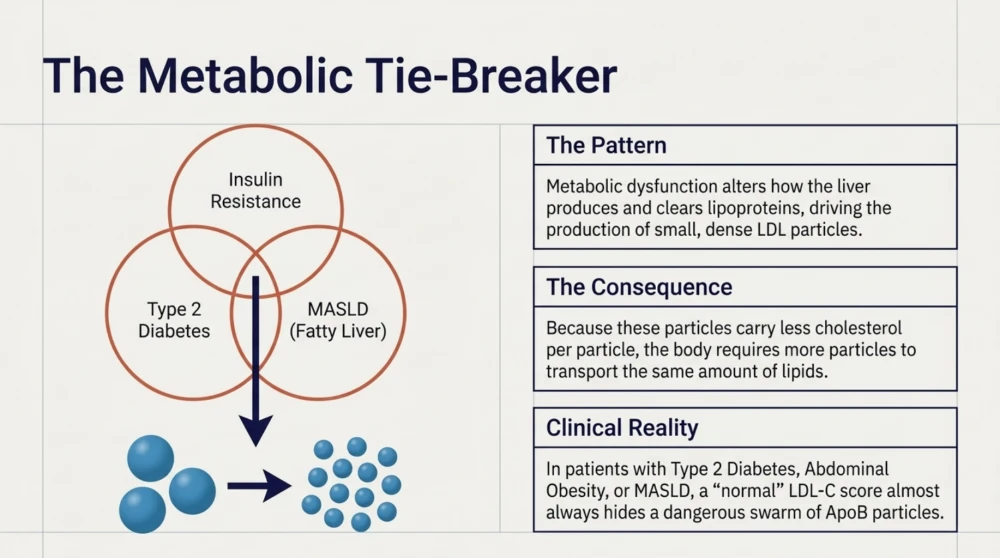
Insulin resistance can influence the production and clearance of triglyceride-rich lipoproteins.
In some individuals, the liver produces increased quantities of very-low-density lipoproteins.
Changes in lipoprotein metabolism may also lead to LDL particles that contain less cholesterol per particle.
As a result, ApoB may be elevated relative to LDL cholesterol.
This pattern can occur in people with abdominal obesity, metabolic syndrome or type 2 diabetes.
However, insulin resistance cannot be diagnosed solely from ApoB or LDL cholesterol results.
ApoB and Fatty Liver Disease (MASLD)
Metabolic dysfunction-associated steatotic liver disease, commonly abbreviated as MASLD, frequently coexists with insulin resistance, obesity and dyslipidaemia.
Because the liver plays a central role in lipoprotein metabolism, metabolic abnormalities associated with MASLD can influence triglycerides, VLDL production and other lipid parameters.
Some patients with MASLD may therefore have elevated ApoB despite LDL cholesterol values that appear relatively unremarkable.
However, ApoB is not a diagnostic test for fatty liver disease and cannot determine the degree of liver fibrosis.
It is a cardiovascular risk-related measurement, not a replacement for appropriate liver assessment.
Are Small Dense LDL Particles More Dangerous?
Small dense LDL particles are frequently discussed in relation to cardiovascular risk.
These particles often occur in people with elevated triglycerides and insulin resistance.
However, the clinical interpretation requires care.
Smaller LDL particles generally carry less cholesterol per particle. Consequently, a person may have more LDL particles for the same LDL cholesterol concentration.
Some of the apparent risk associated with small dense LDL may therefore reflect an increased number of ApoB-containing particles.
This is one reason ApoB can be clinically useful without routinely measuring LDL particle size.
Does Everyone Need an LDL Particle Size Test?
No.
Routine measurement of LDL particle size is not necessary for most patients.
Standard lipid measurements, overall cardiovascular risk assessment and selected use of ApoB generally provide more actionable clinical information.
Specialised particle testing may have a role in particular circumstances, but it should not be ordered indiscriminately.
Does ApoB Predict Cardiovascular Risk Better Than LDL Cholesterol?
Research has shown that ApoB can provide more accurate information about atherogenic particle burden than LDL cholesterol alone, particularly when the two measurements are discordant.
Several observational analyses and expert consensus statements suggest that cardiovascular risk may align more closely with ApoB than LDL-C in such situations.
However, this does not mean LDL cholesterol has become obsolete.
LDL-C remains extensively validated through clinical trials and is still a primary treatment target in major cardiovascular guidelines.
The practical clinical question is not whether one test should universally replace the other.
It is whether ApoB adds meaningful information beyond the standard lipid profile for a particular patient.
Why LDL Cholesterol Remains Important Despite the Advantages of ApoB
LDL cholesterol is widely available, familiar to clinicians and supported by decades of evidence.
Large randomised trials of statins and other lipid-lowering therapies have established that reducing LDL cholesterol lowers the risk of major cardiovascular events.
LDL-C also remains central to treatment decisions in many professional guidelines.
ApoB provides a complementary measure that may improve assessment of residual atherogenic particle burden.
Therefore, the two measurements should usually be interpreted together rather than treated as competing tests.
What Is Non-HDL Cholesterol?
Non-HDL cholesterol is another useful measurement that can be calculated from a routine lipid profile.
It represents total cholesterol minus HDL cholesterol.
Unlike LDL-C, non-HDL cholesterol includes cholesterol carried by LDL and other ApoB-containing lipoproteins.
This makes it particularly useful when triglycerides are elevated.
Non-HDL cholesterol is inexpensive and usually does not require an additional laboratory test.
ApoB vs Non-HDL Cholesterol
ApoB estimates atherogenic particle number, whereas non-HDL cholesterol measures the total cholesterol content carried by atherogenic lipoproteins.
Both may provide additional risk information beyond LDL-C.
When ApoB testing is unavailable or unaffordable, non-HDL cholesterol can be a practical supplementary measure.
However, it is not identical to ApoB because it measures cholesterol mass rather than particle number.
Does High ApoB Mean a Heart Attack Is Inevitable?
No.
An elevated ApoB concentration indicates increased atherogenic lipoprotein particle burden, but it does not mean that a person will definitely experience a heart attack or stroke.
Cardiovascular events result from multiple interacting factors.
Age, smoking, blood pressure, diabetes, kidney function, family history and lifetime exposure to atherogenic lipoproteins all influence risk.
ApoB should therefore be interpreted within a comprehensive cardiovascular risk assessment.
What Is a Normal ApoB Level?
One of the most common questions patients ask after receiving an apolipoprotein B report is whether their ApoB level is normal.
Unlike some laboratory measurements, ApoB cannot be interpreted adequately using a single universal normal range.
A laboratory may report a reference interval based on its testing population. However, being within that interval does not necessarily mean that the ApoB concentration is optimal for cardiovascular prevention.
For example, a patient with established coronary artery disease may require substantially lower atherogenic lipoprotein levels than a young adult without major cardiovascular risk factors.
This is why the clinical interpretation of ApoB vs LDL cholesterol should always consider the patient's cardiovascular risk category.
Commonly Used ApoB Thresholds in Cardiovascular Risk Assessment
Different professional organisations use ApoB in different ways.
Some guidelines provide secondary ApoB treatment goals according to cardiovascular risk, while others recommend ApoB as an additional marker for refining risk assessment or evaluating lipid-lowering treatment.
For example, the 2019 ESC/EAS dyslipidaemia guidelines proposed secondary ApoB goals of less than 65 mg/dL for very-high-risk patients, less than 80 mg/dL for high-risk patients and less than 100 mg/dL for moderate-risk patients.
These values are risk-based treatment goals, not universal diagnostic cut-offs or laboratory reference ranges.
| Cardiovascular Risk Category | ESC/EAS 2019 Secondary ApoB Goal | Clinical Interpretation |
|---|---|---|
| Very high risk | Below 65 mg/dL | A lower particle burden is generally desirable in patients at very high cardiovascular risk |
| High risk | Below 80 mg/dL | May be used as an additional treatment goal |
| Moderate risk | Below 100 mg/dL | May help assess residual atherogenic particle burden |
Important: These are secondary treatment goals from the 2019 ESC/EAS framework. They should not be confused with laboratory reference intervals, universal medication-starting thresholds or targets automatically applicable to every patient.
Other guidelines may use different approaches, and treatment decisions should follow a consistent contemporary framework.
Is ApoB Above 130 mg/dL High?
An ApoB concentration of 130 mg/dL or higher has been recognised as a risk-enhancing factor in the 2018 AHA/ACC cholesterol guideline, particularly in the context of elevated triglycerides.
However, this threshold is not the point at which ApoB suddenly becomes harmful.
Atherosclerotic cardiovascular risk generally relates to cumulative exposure to atherogenic lipoproteins over time.
Therefore, ApoB concentrations below 130 mg/dL may still be clinically important, especially in patients with established cardiovascular disease or other high-risk conditions.
Conversely, an ApoB result above a particular threshold does not independently determine whether medication must be started without considering the patient's overall cardiovascular risk.
Why the Same ApoB Value Can Mean Different Things in Different Patients
Consider two hypothetical patients with ApoB of 95 mg/dL.
The first is a healthy 28-year-old adult without diabetes, hypertension, smoking exposure or a family history of premature cardiovascular disease.
The second is a 62-year-old patient with a previous myocardial infarction.
Although their ApoB concentrations are identical, their cardiovascular risk and treatment priorities are not.
The second patient has established atherosclerotic cardiovascular disease and would generally require intensive evidence-based lipid management.
This illustrates why ApoB values should not be interpreted independently of clinical context.
Who Should Consider an ApoB Blood Test?
ApoB testing is not mandatory for every person undergoing a routine cholesterol assessment.
A standard lipid profile remains an appropriate starting point for most adults.
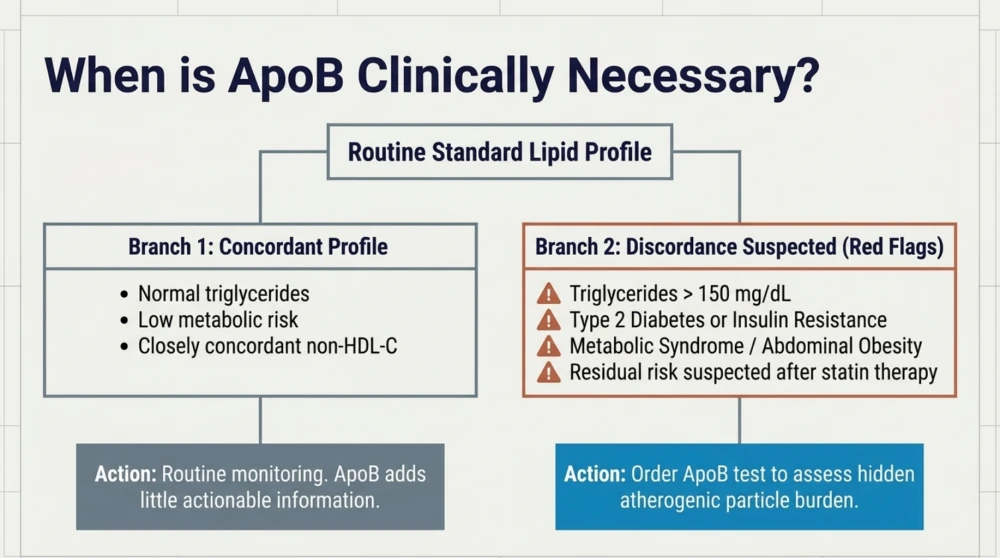
However, ApoB may provide additional information when LDL cholesterol does not appear to reflect the patient's broader metabolic or cardiovascular risk.
ApoB Testing in Type 2 Diabetes
Patients with type 2 diabetes may have increased concentrations of triglyceride-rich lipoproteins and cholesterol-depleted LDL particles.
Consequently, LDL cholesterol may underestimate the number of circulating atherogenic particles in some individuals.
ApoB measurement may help clarify the degree of particle burden, particularly when triglycerides are elevated or LDL-C and other lipid parameters appear discordant.
However, cardiovascular prevention in diabetes should not depend solely on ApoB testing.
ApoB Testing in Metabolic Syndrome
Metabolic syndrome is characterised by a combination of abnormalities that may include abdominal obesity, elevated blood pressure, impaired glucose regulation, elevated triglycerides and low HDL cholesterol.
These metabolic changes can be associated with increased atherogenic particle concentrations.
In selected patients, ApoB can provide additional information about cardiovascular risk beyond LDL cholesterol.
ApoB Testing in Fatty Liver Disease
Metabolic dysfunction-associated steatotic liver disease (MASLD) frequently coexists with insulin resistance and atherogenic dyslipidaemia.
Some patients may have relatively normal LDL cholesterol despite elevated triglycerides and ApoB.
However, ApoB is not a test for diagnosing MASLD or determining liver fibrosis severity.
Its principal relevance in this setting is cardiovascular risk assessment.
ApoB Testing When Triglycerides Are Elevated
Elevated triglycerides can be associated with increased concentrations of triglyceride-rich lipoproteins and remnant particles.
In these circumstances, LDL cholesterol alone may provide an incomplete picture of atherogenic particle burden.
ApoB and non-HDL cholesterol can offer useful additional information.
However, markedly elevated triglycerides also require assessment for pancreatitis risk, which is a separate clinical consideration.
ApoB Testing in Patients Already Taking Statins
Some patients receiving lipid-lowering treatment achieve a relatively low LDL cholesterol concentration while ApoB remains higher than expected.
This may indicate residual atherogenic particle burden.
Whether additional treatment is appropriate depends on cardiovascular risk, the degree of LDL-C reduction, other lipid measurements and the relevant guideline.
ApoB should not automatically override established LDL-C treatment recommendations.
When Might ApoB Testing Add Less Information?
When LDL cholesterol, non-HDL cholesterol and ApoB are closely concordant, ApoB may provide relatively little additional information.
For example, in a person with low triglycerides and no major metabolic abnormalities, LDL-C may already provide a reasonable representation of atherogenic lipoprotein burden.
This does not mean ApoB is inaccurate or irrelevant.
It means the additional result may not materially change the clinical decision.
Does ApoB Testing Require Fasting?
ApoB can generally be measured without fasting.
Unlike triglycerides, ApoB concentrations are usually less affected by recent food intake.
Therefore, a fasting sample is not routinely necessary solely for ApoB measurement.
However, fasting may be requested when the clinician needs additional lipid measurements or when markedly elevated triglycerides require clarification.
Patients should follow the laboratory and clinician's instructions for the complete set of tests being ordered.
How Is ApoB Measured in the Laboratory?
ApoB is commonly measured using immunochemical laboratory methods, such as immunoturbidimetry or immunonephelometry.
These methods quantify ApoB protein concentration in blood.
Results are generally reported in mg/dL or g/L.
The units are important because 1 g/L equals 100 mg/dL.
For example, an ApoB concentration of 0.90 g/L is equivalent to 90 mg/dL.
Can ApoB Be Calculated From LDL Cholesterol?
There are research equations that estimate ApoB using conventional lipid measurements.
However, these estimates are not equivalent to directly measured ApoB, particularly in individuals with substantial lipid discordance.
If the clinical purpose is to clarify particle burden when LDL-C may be misleading, direct ApoB measurement is generally more informative than relying on an approximate calculation.
ApoB vs LDL Cholesterol vs Non-HDL Cholesterol
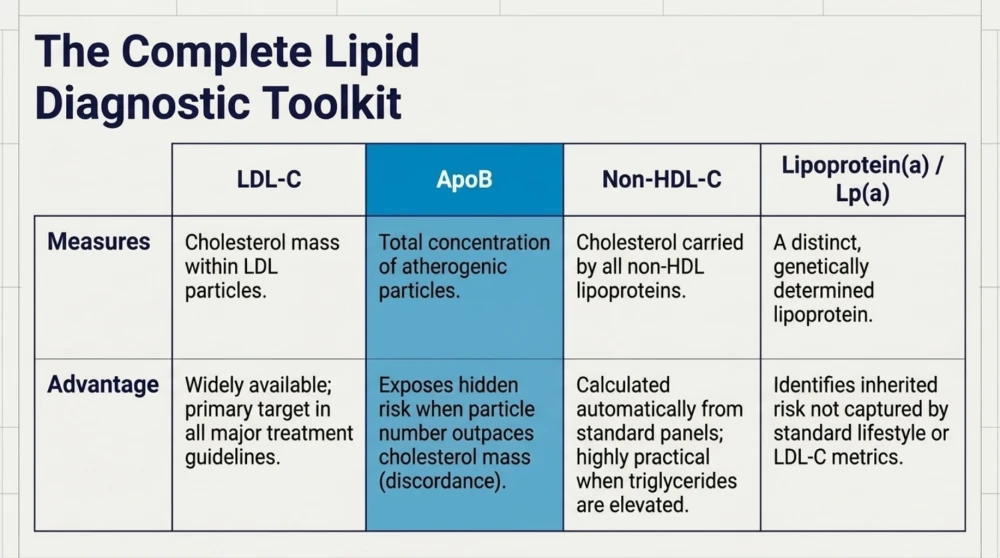
LDL cholesterol, non-HDL cholesterol and ApoB are related but distinct measurements.
LDL-C reflects cholesterol carried by LDL particles.
Non-HDL cholesterol reflects cholesterol carried by all non-HDL lipoproteins, including LDL and several remnant lipoproteins.
ApoB reflects the concentration of atherogenic lipoprotein particles.
| Measurement | What It Represents | Practical Advantage |
|---|---|---|
| LDL-C | Cholesterol mass within LDL particles | Widely available and extensively validated in treatment trials |
| Non-HDL-C | Cholesterol carried by non-HDL lipoproteins | Calculated from a standard lipid profile without additional testing |
| ApoB | Atherogenic particle concentration | Useful when cholesterol content and particle number are discordant |
What Is Lipoprotein(a), and How Is It Different From ApoB?
Lipoprotein(a), commonly abbreviated as Lp(a), is a distinct lipoprotein particle containing an LDL-like component linked to an additional protein called apolipoprotein(a).
Its concentration is largely genetically determined.
Elevated Lp(a) is an established cardiovascular risk factor and may also be associated with calcific aortic valve stenosis.
Although each Lp(a) particle contains ApoB-100, a standard ApoB test does not separately identify how much of the total ApoB concentration comes from Lp(a).
Therefore, ApoB and Lp(a) provide different clinical information.
Should ApoB and Lp(a) Both Be Tested?
In selected patients, both tests may be useful.
ApoB helps assess total atherogenic particle burden.
Lp(a) identifies an additional inherited cardiovascular risk factor that may not be apparent from LDL cholesterol or ApoB alone.
Several professional guidelines support measuring Lp(a) at least once during adult life, although recommendations and availability vary.
Repeat Lp(a) testing is not routinely required in every patient because concentrations are largely genetically determined, although particular clinical circumstances may justify reassessment.
High ApoB With Normal LDL Cholesterol: What Does It Mean?
This is one of the most clinically relevant situations in which ApoB testing can add value.
A patient may have LDL cholesterol that appears acceptable but a higher-than-expected ApoB concentration.
This suggests that the amount of cholesterol carried per atherogenic particle is relatively low, resulting in more particles for a given cholesterol concentration.
The finding is often seen in metabolic conditions associated with elevated triglycerides and insulin resistance.
However, the result should not be interpreted as proof that the patient has significant coronary artery blockage.
ApoB measures circulating particle burden, not the amount of plaque already present in coronary arteries.
Can ApoB Be High Even When Triglycerides Are Normal?
Yes.
Although elevated triglycerides often accompany ApoB–LDL-C discordance, normal triglycerides do not guarantee a low ApoB concentration.
Genetic influences, lipoprotein metabolism and other factors can affect ApoB levels.
Therefore, triglycerides alone cannot reliably substitute for ApoB measurement.
Can LDL Cholesterol Be High While ApoB Is Relatively Low?
Yes, relative discordance can also occur in the opposite direction.
Some individuals have relatively cholesterol-rich LDL particles, producing a higher LDL-C concentration for a given ApoB level.
However, this should not be interpreted as meaning elevated LDL cholesterol is harmless.
LDL-C remains an important, evidence-based treatment target.
The complete risk profile must guide treatment decisions.
Does ApoB Tell Us How Much Plaque Is Present in the Arteries?
No.
ApoB measures circulating atherogenic particle burden.
It does not directly measure coronary plaque, arterial narrowing or calcium deposits.
Coronary artery calcium scoring and other imaging investigations provide different types of information.
Imaging may be useful in selected patients when cardiovascular risk assessment remains uncertain, but it is not automatically required because ApoB is elevated.
ApoB and Coronary Artery Calcium Score: Are They Related?
ApoB and coronary artery calcium scoring assess different aspects of cardiovascular risk.
ApoB reflects atherogenic lipoprotein exposure at the time of testing.
Coronary artery calcium scoring identifies calcified coronary atherosclerotic plaque.
A patient may have elevated ApoB but a calcium score of zero, particularly at a younger age or before calcified plaque has developed.
A calcium score of zero does not eliminate lifetime cardiovascular risk or exclude all non-calcified plaque.
Similarly, a high calcium score indicates established calcified coronary atherosclerosis but does not directly measure current ApoB concentration.
Can ApoB Be Used to Monitor Cholesterol Treatment?
Yes.
ApoB may be useful for assessing changes in atherogenic particle burden during lipid-lowering treatment.
However, monitoring should remain aligned with the patient's cardiovascular risk and the treatment framework being followed.
LDL-C and non-HDL-C remain important measurements, and ApoB should generally complement rather than replace them.
How Often Should ApoB Be Tested?
There is no universal requirement to repeat ApoB at a fixed interval in every adult.
The need for repeat testing depends on why the test was ordered, whether treatment has changed and whether the result will influence clinical management.
For some patients, a baseline ApoB measurement may provide sufficient additional information.
For others receiving lipid-lowering therapy, repeat measurement may help assess treatment response.
The monitoring schedule should be individualised.
Does ApoB Replace a Routine Lipid Profile?
No.
A routine lipid profile provides valuable information about total cholesterol, LDL cholesterol, HDL cholesterol and triglycerides.
These measurements remain important for diagnosis, treatment selection and monitoring.
ApoB adds a different dimension by estimating atherogenic particle burden.
The most informative strategy is often to use ApoB selectively alongside standard lipid measurements.
How Can High ApoB Be Reduced?
When a patient receives an elevated apolipoprotein B result, the first question is often whether the value can be reduced through diet and lifestyle changes or whether medication is necessary.
The answer depends on the patient's overall cardiovascular risk, LDL cholesterol concentration, triglyceride levels, metabolic health and medical history.
Because ApoB reflects the concentration of atherogenic lipoprotein particles, interventions that reduce these particles can lower ApoB.
These may include dietary modification, weight management, regular physical activity and appropriate lipid-lowering medication.
However, the degree of ApoB reduction varies between individuals.
For patients with established atherosclerotic cardiovascular disease or substantially elevated LDL cholesterol, lifestyle changes alone may not provide sufficient risk reduction.
The objective is not simply to improve a laboratory number. It is to reduce atherogenic lipoprotein exposure and the risk of cardiovascular events over time.
Should Treatment Target ApoB or LDL Cholesterol?
This is the central clinical question in the discussion of ApoB vs LDL cholesterol.
LDL cholesterol remains a primary treatment target in many major cardiovascular guidelines because extensive randomised clinical trial evidence supports the cardiovascular benefits of LDL-lowering therapies.
ApoB provides complementary information about the number of circulating atherogenic particles.
When ApoB and LDL-C are discordant, ApoB may help identify residual particle burden that is not fully reflected by LDL cholesterol.
However, ApoB should not automatically replace LDL-C targets or established treatment recommendations.
For many patients, the most useful approach is to assess LDL-C, non-HDL-C, ApoB when indicated and the overall cardiovascular risk together.
Do Statins Lower ApoB?
Yes.
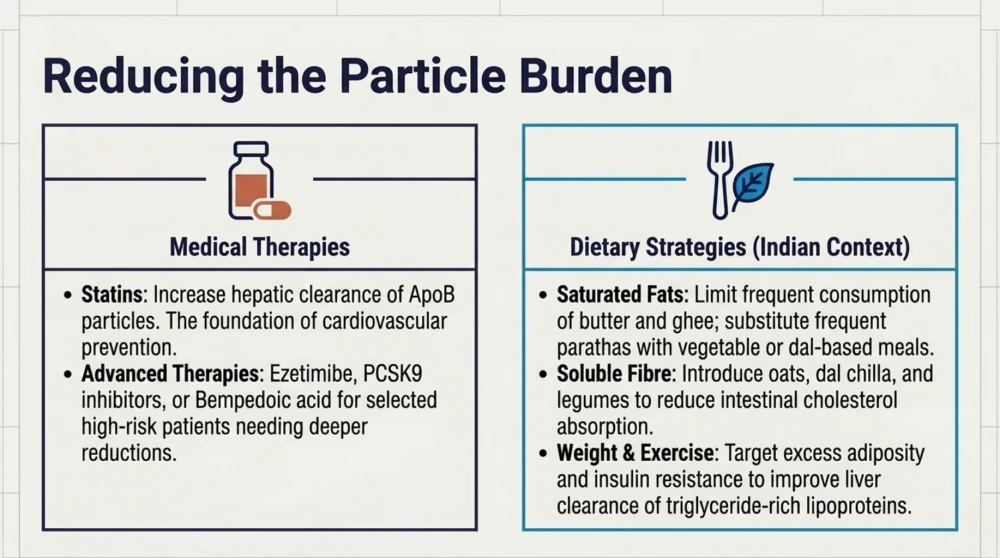
Statins inhibit hepatic cholesterol synthesis and increase LDL receptor-mediated clearance of circulating atherogenic lipoproteins.
As a result, they generally reduce both LDL cholesterol and ApoB concentrations.
Statins are among the most extensively studied treatments for reducing atherosclerotic cardiovascular events.
However, the percentage reduction in ApoB may differ from the percentage reduction in LDL-C because these measurements represent different aspects of lipoprotein burden.
Can ApoB Remain Elevated Despite a Good LDL-C Response?
Yes.
Some patients achieve substantial LDL cholesterol reduction with statin treatment while retaining a relatively higher ApoB concentration.
This discordance may be particularly relevant in patients with elevated triglycerides, diabetes or insulin resistance.
However, the need to intensify treatment should depend on the patient's cardiovascular risk, current medication, treatment tolerance and guideline-based targets.
Patients should not independently increase statin doses solely because ApoB is higher than expected.
Which Medicines Can Reduce ApoB?
Several established lipid-lowering therapies reduce ApoB-containing lipoproteins.
The choice of treatment depends on cardiovascular risk, LDL cholesterol, triglycerides, treatment response, tolerability and other clinical considerations.
| Treatment | Main Action | Clinical Consideration |
|---|---|---|
| Statins | Increase hepatic clearance of LDL and other ApoB-containing particles | Strong cardiovascular outcome evidence |
| Ezetimibe | Reduces intestinal cholesterol absorption | May be added when further LDL-C lowering is indicated |
| PCSK9 monoclonal antibodies | Increase LDL receptor availability | Can produce substantial LDL-C and ApoB reductions in selected high-risk patients |
| Bempedoic acid | Inhibits ATP citrate lyase | An option in selected patients requiring additional LDL lowering |
| Inclisiran | Reduces hepatic PCSK9 production through RNA interference | Lowers LDL-C and ApoB; definitive cardiovascular outcomes evidence remains a separate consideration |
These medications should be prescribed according to appropriate indications. An elevated ApoB result alone does not automatically justify advanced lipid-lowering treatment.
Can ApoB Be Reduced Without Medication?
In some individuals, lifestyle modification can meaningfully improve ApoB and other lipid parameters.
The response depends on the underlying metabolic condition, baseline lipid levels, dietary composition, body weight and genetic factors.
Reducing saturated fat intake, improving dietary fibre intake, maintaining appropriate energy balance and engaging in regular physical activity may help.
However, patients with familial hypercholesterolaemia, established cardiovascular disease or other high-risk conditions should not delay indicated medication while attempting lifestyle changes alone.
Indian Dietary Strategies to Lower ApoB and LDL Cholesterol
A heart-healthy dietary pattern can be developed using familiar Indian foods.
There is no requirement to follow an expensive or highly restrictive diet.
Instead, attention should be directed towards overall dietary quality, the type of fat consumed, fibre intake and appropriate energy balance.
For example, meals based on vegetables, pulses, whole grains and suitable protein sources can support cardiovascular health.
At the same time, frequent consumption of foods rich in saturated fat or industrially produced trans fat should be limited.
Why Saturated Fat Intake Matters
Saturated fats can increase LDL cholesterol in many individuals, although the response varies.
Common dietary sources include butter, ghee, cream, high-fat dairy products and certain bakery or processed foods.
Replacing some saturated fat with unsaturated fats can improve lipid profiles.
However, simply removing fat and replacing it with refined carbohydrates is not necessarily beneficial for overall metabolic health.
The type of replacement food matters.
Are Ghee and Butter Completely Prohibited?
Ghee and butter do not need to be described as universally forbidden foods.
However, both contain substantial saturated fat.
For patients with elevated LDL cholesterol, ApoB or high cardiovascular risk, limiting saturated fat intake is generally advisable.
The appropriate amount depends on the overall dietary pattern and individual clinical circumstances.
Does Soluble Fibre Help Lower ApoB?
Soluble fibre can reduce intestinal cholesterol absorption and influence bile acid metabolism.
Foods containing soluble fibre include oats, barley, legumes and certain fruits.
Psyllium husk is another source of soluble fibre.
Regular intake of suitable soluble fibre sources may help reduce LDL cholesterol and ApoB modestly.
However, fibre should be introduced gradually when necessary, and adequate fluid intake is important unless medically restricted.
Practical Indian Food Changes for Better Lipid Control
| Common Dietary Pattern | Practical Adjustment | Potential Benefit |
|---|---|---|
| Frequent butter-rich parathas | Use less added saturated fat and include vegetables or dal | May reduce saturated fat intake |
| Low-fibre breakfast | Oats, dal chilla or other fibre-rich options | Supports dietary fibre intake |
| Frequent bakery snacks | Whole fruit, unsalted nuts or roasted chana | May improve fat quality and fibre intake |
| Very limited vegetable intake | Include vegetables in lunch and dinner | Improves overall dietary quality |
| Frequent high-fat processed meats | Choose pulses, fish or other suitable less-processed protein sources | May improve saturated fat and overall dietary intake |
These are general dietary examples rather than a fixed prescription. Patients with diabetes, chronic kidney disease or other medical conditions may require additional adjustments.
Do Eggs Increase ApoB?
Eggs contain dietary cholesterol, but their effect on blood lipids varies between individuals.
For many people, saturated fat intake and the overall dietary pattern have a greater influence on LDL cholesterol than dietary cholesterol alone.
However, some individuals experience a more substantial lipid response to dietary cholesterol.
Patients with markedly elevated LDL-C, familial hypercholesterolaemia or very high cardiovascular risk may need more individualised dietary guidance.
ApoB should be interpreted in the context of the complete diet rather than attributing an elevated result to one food.
Can Exercise Lower ApoB?
Regular physical activity supports cardiovascular and metabolic health.
Exercise can improve insulin sensitivity, triglycerides, fitness and body composition.
Its direct effect on ApoB may be modest and variable, particularly when exercise is not accompanied by substantial dietary or weight changes.
Nevertheless, physical activity remains important because cardiovascular risk reduction involves more than ApoB alone.
For many adults, a reasonable goal is at least 150 minutes of moderate-intensity aerobic activity per week, together with muscle-strengthening activity on at least two days.
Exercise recommendations should be adapted for age, fitness, disability and medical conditions.
Weight Loss, Insulin Resistance and ApoB
In people with excess adiposity and insulin resistance, weight reduction can improve several metabolic abnormalities.
These may include elevated triglycerides, hepatic fat accumulation and altered lipoprotein metabolism.
Some patients experience reductions in ApoB during sustained weight management.
However, the response is not identical in every individual, and ApoB may remain elevated because of genetic or other factors.
Weight loss should therefore be viewed as one component of cardiovascular risk management rather than a guaranteed method of normalising ApoB.
Can GLP-1-Based Weight Loss Treatments Reduce ApoB?
GLP-1 receptor agonists and related incretin-based therapies can improve weight and several cardiometabolic parameters in appropriately selected patients.
Some studies have demonstrated favourable changes in lipid measurements, including ApoB.
However, these medicines should not be prescribed solely to lower ApoB.
Their use should follow established indications, such as appropriate diabetes or obesity management, and consider contraindications, adverse effects, affordability and treatment goals.
Cardiovascular outcome benefits also vary according to the specific medicine and patient population studied.
Why Genetics May Keep ApoB Elevated Despite a Healthy Lifestyle
Some individuals maintain elevated atherogenic lipoprotein levels despite regular exercise and a balanced diet.
Genetic factors can influence LDL receptor activity, cholesterol metabolism and lipoprotein production or clearance.
Familial hypercholesterolaemia is one important inherited condition associated with substantially elevated LDL cholesterol and increased lifetime cardiovascular risk.
However, a high ApoB result alone does not establish familial hypercholesterolaemia.
Diagnosis requires assessment of LDL-C levels, family history, clinical findings and sometimes genetic testing.
Should Everyone With High ApoB Start a Statin?
No.
Medication decisions should consider the patient's overall cardiovascular risk and established treatment indications.
A young adult with mildly elevated ApoB and no major risk factors may require a different approach from an older patient with diabetes, chronic kidney disease or previous cardiovascular disease.
In patients with established atherosclerotic cardiovascular disease, intensive LDL-lowering treatment is often indicated regardless of whether ApoB has been measured.
Conversely, ApoB testing should not create unnecessary medication use in otherwise low-risk individuals without an appropriate clinical assessment.
Three Clinical Examples: ApoB vs LDL Cholesterol in Practice
Case 1: Normal LDL-C but Elevated ApoB in Type 2 Diabetes
A hypothetical 48-year-old patient with type 2 diabetes has LDL cholesterol of 92 mg/dL, triglycerides of 240 mg/dL and ApoB of 112 mg/dL.
The LDL-C value alone may not fully represent the patient's atherogenic particle burden.
The elevated ApoB provides additional information that may support a more detailed cardiovascular risk and treatment review.
However, statin eligibility and treatment intensity should also be assessed using established diabetes and cardiovascular prevention recommendations.
Case 2: Elevated LDL-C and ApoB in a Young Adult
A hypothetical 32-year-old patient has LDL cholesterol of 190 mg/dL and elevated ApoB.
The markedly elevated LDL-C itself warrants evaluation for severe hypercholesterolaemia and possible inherited lipid disorders.
ApoB may provide supplementary information, but treatment should not be delayed while waiting for ApoB testing.
Family history and secondary causes of elevated cholesterol should also be assessed.
Case 3: Low LDL-C but Residual ApoB Burden After a Heart Attack
A hypothetical patient with previous myocardial infarction is receiving lipid-lowering therapy.
Their LDL-C has improved substantially, but ApoB remains higher than expected.
This may prompt review of treatment response, adherence, triglycerides and the relevant lipid goals.
However, decisions about additional therapy should remain grounded in established secondary prevention evidence rather than ApoB alone.
Common Myths About ApoB and LDL Cholesterol
Myth 1: LDL Cholesterol Is an Outdated Test
False. LDL-C remains an essential measurement with extensive clinical trial evidence supporting its reduction.
Myth 2: ApoB Should Replace Every Routine Lipid Profile
False. ApoB provides additional information but does not eliminate the value of total cholesterol, LDL-C, HDL-C and triglycerides.
Myth 3: Normal LDL Means There Is No Cardiovascular Risk
False. Cardiovascular risk also depends on blood pressure, diabetes, smoking, genetics, kidney function and other factors.
Myth 4: High ApoB Means Coronary Arteries Are Already Blocked
False. ApoB measures circulating atherogenic particle burden, not existing coronary artery narrowing.
Myth 5: ApoB and Lipoprotein(a) Are the Same Test
False. ApoB measures atherogenic particle concentration, while Lp(a) identifies a specific lipoprotein-related inherited risk factor.
Myth 6: High ApoB Can Always Be Corrected With Diet Alone
False. Genetic factors and baseline cardiovascular risk may make medication necessary.
Myth 7: A Normal Laboratory ApoB Range Means the Result Is Optimal for Everyone
False. Cardiovascular prevention goals depend on the patient's risk category and are not identical to population reference intervals.
Myth 8: Lowering ApoB Guarantees That a Heart Attack Will Never Occur
False. Lowering atherogenic lipoprotein burden reduces an important modifiable risk factor but does not eliminate every cause of cardiovascular disease.
Frequently Asked Questions About ApoB vs LDL Cholesterol
1. Is ApoB a better test than LDL cholesterol?
ApoB can better reflect atherogenic particle number, particularly when LDL-C and ApoB are discordant. However, LDL cholesterol remains a primary treatment target in major guidelines, so the tests are often complementary.
2. Can ApoB be high when LDL cholesterol is normal?
Yes. This can occur when a person has a larger number of cholesterol-depleted atherogenic particles, particularly in association with elevated triglycerides and insulin resistance.
3. What is a good ApoB level?
The appropriate ApoB goal depends on cardiovascular risk. Some guidelines provide secondary targets below 65, 80 or 100 mg/dL for different risk categories. These are not universal normal ranges.
4. Does ApoB testing require fasting?
ApoB measurement generally does not require fasting. However, fasting may be requested for other lipid investigations or specific clinical reasons.
5. Can statins lower ApoB?
Yes. Statins generally reduce both LDL cholesterol and ApoB by increasing the clearance of atherogenic lipoproteins.
6. Is ApoB useful in type 2 diabetes?
ApoB may be particularly useful in selected patients with diabetes because LDL cholesterol can underestimate atherogenic particle burden when triglycerides and lipoprotein composition are abnormal.
7. Is ApoB related to fatty liver?
MASLD frequently coexists with metabolic abnormalities that can affect lipoprotein metabolism. ApoB may provide cardiovascular risk information but does not diagnose fatty liver or liver fibrosis.
8. Can exercise reduce ApoB?
Exercise supports cardiovascular and metabolic health, but its direct effect on ApoB varies. Dietary changes, weight management and medication may also be needed.
9. Should ApoB and Lp(a) both be measured?
They provide different information. ApoB reflects total atherogenic particle burden, while Lp(a) identifies a largely inherited cardiovascular risk factor. Testing decisions depend on the clinical context.
10. Can high ApoB cause a heart attack?
Elevated ApoB reflects greater exposure to atherogenic lipoproteins involved in atherosclerosis. However, it does not mean that a heart attack is inevitable. Overall cardiovascular risk depends on multiple factors.
What I Explain to Patients About ApoB and LDL Cholesterol
When patients bring their lipid reports for consultation, I do not interpret LDL cholesterol in isolation.
I review the complete lipid profile, including triglycerides, HDL cholesterol and non-HDL cholesterol.
I also consider diabetes, blood pressure, smoking status, kidney function, family history and previous cardiovascular events.
For some patients, particularly those with diabetes, elevated triglycerides or metabolic syndrome, ApoB may provide additional information about atherogenic particle burden.
However, I do not recommend ApoB testing indiscriminately for every patient.
If the result is unlikely to change risk assessment or treatment, a routine lipid profile may already provide sufficient information.
Conversely, when LDL cholesterol appears reasonably controlled but the overall metabolic profile suggests residual risk, ApoB may help clarify the picture.
The aim is to identify the patients who need more intensive cardiovascular prevention while avoiding unnecessary testing and treatment.
Good cholesterol management is not about treating one laboratory number. It is about reducing the patient's overall cardiovascular risk.
Key Takeaways: ApoB vs LDL Cholesterol
- LDL-C measures cholesterol carried by LDL particles.
- ApoB reflects the concentration of atherogenic lipoprotein particles.
- Two people with the same LDL-C can have different ApoB concentrations.
- ApoB may be particularly informative when triglycerides are elevated or insulin resistance is present.
- LDL cholesterol remains an important treatment target supported by extensive clinical trial evidence.
- ApoB can provide additional risk information when lipid measurements are discordant.
- ApoB does not directly measure coronary plaque or arterial blockage.
- Non-HDL cholesterol is a useful complementary measurement available from a routine lipid profile.
- Lp(a) and ApoB are different tests.
- Statins and other appropriate lipid-lowering treatments can reduce ApoB.
- Dietary quality, physical activity and weight management support cardiovascular health.
- Treatment decisions should be based on overall cardiovascular risk rather than ApoB alone.
Cholesterol and Cardiovascular Risk Consultation in Dwarka, Delhi
If your LDL cholesterol appears normal but you have diabetes, fatty liver disease, elevated triglycerides or other cardiovascular risk factors, a detailed lipid assessment may help clarify your risk.
Dr. Pankaj Kumar, General & Lifestyle Physician, provides consultations for cholesterol abnormalities, diabetes, hypertension, obesity and related metabolic conditions in Sector 6, Dwarka, New Delhi.
Clinical assessment may include reviewing the lipid profile, ApoB when indicated, blood pressure, glucose status, kidney function and other cardiovascular risk factors.
Treatment is individualised according to the patient's medical history and clinical needs.
Clinic location: Doctors Lane, Sector 6, Dwarka, opposite Dhanwantari Labs, New Delhi.
Scientific References
- National Lipid Association. Role of Apolipoprotein B in the Clinical Management of Cardiovascular Risk in Adults: An Expert Clinical Consensus. Journal of Clinical Lipidology. 2024. National Lipid Association.
- Mach F, et al. 2019 ESC/EAS Guidelines for the Management of Dyslipidaemias: Lipid Modification to Reduce Cardiovascular Risk. European Heart Journal. 2020;41:111–188. https://doi.org/10.1093/eurheartj/ehz455.
- Grundy SM, et al. 2018 AHA/ACC Guideline on the Management of Blood Cholesterol. Circulation. 2019;139:e1082–e1143. https://doi.org/10.1161/CIR.0000000000000625.
- European Society of Cardiology. 2025 Focused Update of the 2019 ESC/EAS Guidelines for the Management of Dyslipidaemias. ESC Clinical Practice Guidelines.
- Ference BA, et al. Low-Density Lipoproteins Cause Atherosclerotic Cardiovascular Disease: Evidence From Genetic, Epidemiologic, and Clinical Studies. European Heart Journal. 2017;38:2459–2472. https://doi.org/10.1093/eurheartj/ehx144.
- World Health Organization. WHO Guidelines on Physical Activity and Sedentary Behaviour. 2020. WHO Physical Activity Guidelines.
Medical disclaimer: This article is intended for general patient education and does not replace individual medical advice. Lipid measurements, cardiovascular risk categories and treatment decisions require appropriate clinical assessment. Do not start, stop or change cholesterol-lowering medication solely on the basis of this article.
Written by Dr. Pankaj Kumar , General & Lifestyle Physician, Dwarka, New Delhi