
















- 4th August 2026
Table of Contents
- What Does Fatty Liver in Normal-Weight Adults Mean?
- Reason 1: Hidden Visceral Fat Can Promote Fatty Liver in Normal-Weight Adults
- Reason 2: Insulin Resistance Can Occur Without Obesity
- Reason 3: Low Muscle Mass Can Increase Metabolic Risk
- Reason 4: Genetics Can Increase Susceptibility to Lean Fatty Liver
- Why the First Four Reasons Often Occur Together
- Reason 5: Refined Carbohydrates and Sugary Drinks Can Promote Fatty Liver in Normal-Weight Adults
- Why Fructose Matters in Fatty Liver in Normal-Weight Adults
- Why “I Do Not Eat Much Fat” Is Not Always Reassuring
- Reason 6: Prolonged Sitting Can Increase Fatty Liver Risk Without Weight Gain
- Why Exercise Alone May Not Fully Offset Long Sitting Hours
- Resistance Training Is Particularly Important
- Reason 7: Poor Sleep and Chronic Stress Can Affect Liver Metabolism
- How Poor Sleep Can Contribute to Fatty Liver in Normal-Weight Adults
- Obstructive Sleep Apnoea Can Occur in Lean Adults
- How Chronic Stress Changes Eating and Activity Patterns
- Reason 8: Alcohol, Medicines, and Other Medical Conditions Can Cause Liver Fat
- Alcohol Can Contribute Even When Body Weight Is Normal
- Medicines Can Occasionally Cause or Worsen Liver Fat
- Endocrine and Metabolic Conditions May Be Relevant
- Rapid Weight Loss Can Sometimes Worsen Liver Stress
- Why Lean Adults Should Not Receive Generic Weight-Loss Advice
- How Fatty Liver in Normal-Weight Adults Is Usually Discovered
- Why Liver Fibrosis Risk Matters More Than Liver Fat Alone
- How Is Fatty Liver in Normal-Weight Adults Diagnosed?
- Why FibroScan Is Important in Fatty Liver in Normal-Weight Adults
- Can Fatty Liver in Normal-Weight Adults Be Reversed?
- Nutrition Strategies for Fatty Liver in Normal-Weight Adults
- Exercise Recommendations for Fatty Liver in Normal-Weight Adults
- When Should You See a Doctor?
- Common Myths About Fatty Liver in Normal-Weight Adults
- Myth 1: Only Obese People Develop Fatty Liver
- Myth 2: Normal Liver Enzymes Mean My Liver Is Healthy
- Myth 3: Weight Loss Is the Only Treatment
- Myth 4: Fatty Liver Always Causes Symptoms
- Key Takeaways About Fatty Liver in Normal-Weight Adults
- References
Fatty liver is commonly associated with obesity, visible belly fat, excessive alcohol intake, or an obviously unhealthy lifestyle. Because of this, adults with a normal body weight often assume that their liver must also be healthy.
That assumption can create false reassurance.
Fatty liver in normal-weight adults is a recognised clinical condition. A person may look lean, have a Body Mass Index within the normal range, and still accumulate excess fat inside the liver. This pattern is sometimes called lean fatty liver, lean MASLD, or normal-weight metabolic dysfunction-associated steatotic liver disease.
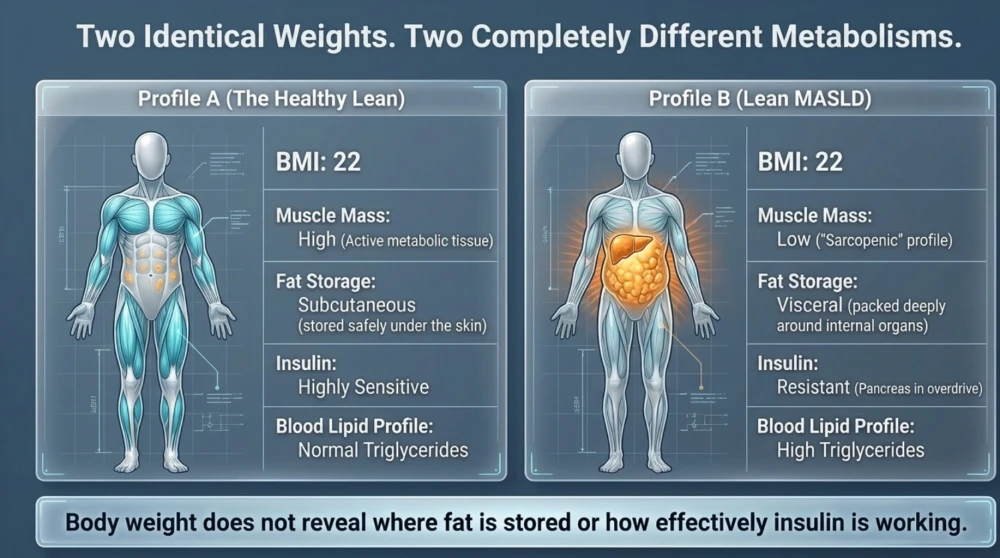
The condition matters because body weight does not reveal where fat is stored, how much muscle a person has, how effectively insulin is working, or whether fat is accumulating around internal organs.
Some lean adults have healthy muscle mass, low visceral fat, good fitness, and normal metabolic markers. Others may have low muscle mass, excess abdominal fat, high triglycerides, insulin resistance, or abnormal glucose regulation despite appearing thin.
This is why fatty liver in normal-weight adults should not be dismissed as impossible or harmless. Normal weight is useful information, but it does not provide a complete assessment of metabolic health.
What Does Fatty Liver in Normal-Weight Adults Mean?
Fatty liver develops when more fat than normal accumulates within liver cells. In metabolic dysfunction-associated steatotic liver disease, this fat accumulation is associated with metabolic risk factors rather than being explained only by heavy alcohol intake.
The term fatty liver in normal-weight adults refers to liver fat occurring in someone whose BMI remains below the ethnicity-specific threshold used to define overweight.
For Asian adults, metabolic risk often develops at a lower BMI than it does in many Western populations. This is particularly relevant for Indian and other South Asian adults, who may develop diabetes, fatty liver, high triglycerides, or abdominal obesity without appearing significantly overweight.
Importantly, “normal weight” does not necessarily mean:
- Low visceral fat.
- Normal insulin sensitivity.
- Healthy liver fat levels.
- Adequate muscle mass.
- Normal triglycerides or blood glucose.
Understanding this distinction is the first step towards recognising why fatty liver in normal-weight adults can occur.
Reason 1: Hidden Visceral Fat Can Promote Fatty Liver in Normal-Weight Adults
The number displayed on a weighing scale does not show where fat is stored. This is one of the biggest limitations of using body weight or BMI alone to assess metabolic health.
Some lean-looking adults carry a relatively high amount of visceral fat—the fat stored deep inside the abdomen around organs such as the liver, pancreas, and intestines.
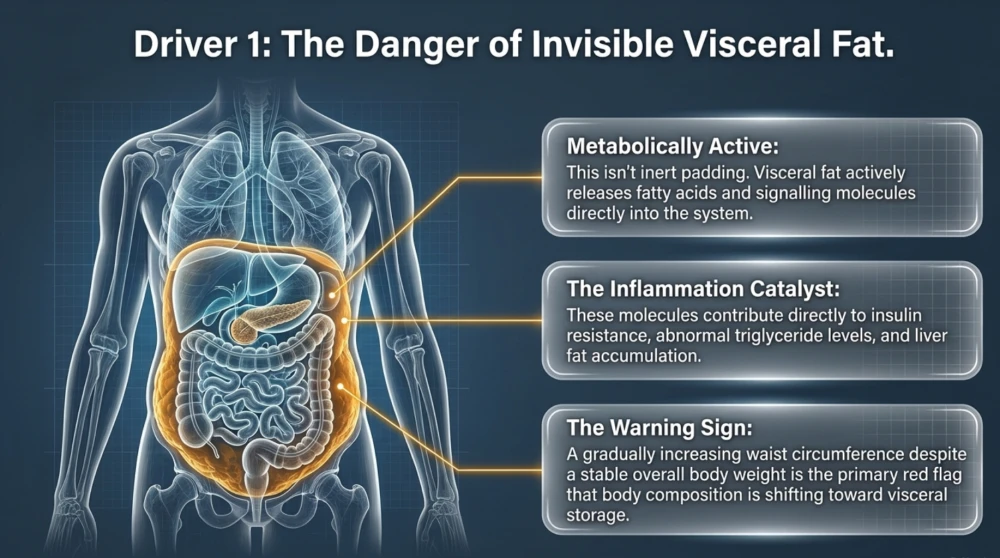
Visceral fat is metabolically active. It releases fatty acids and signalling molecules that may contribute to insulin resistance, inflammation, abnormal triglyceride levels, and liver fat accumulation.
A person can therefore have thin arms and legs, a normal BMI, and relatively little visible fat while still carrying excess fat around the internal organs.
Why Waist Size Matters in Fatty Liver in Normal-Weight Adults
Waist circumference and waist-to-height ratio may sometimes provide more useful metabolic information than total body weight alone.
A gradually increasing waist despite stable body weight may suggest that body composition is changing. Muscle may be declining while abdominal fat is increasing, leaving the weighing scale almost unchanged.
This helps explain why fatty liver in normal-weight adults may be discovered unexpectedly during an ultrasound, FibroScan, or routine health evaluation.
Reason 2: Insulin Resistance Can Occur Without Obesity
Insulin resistance is strongly associated with obesity, but obesity is not required for it to develop.
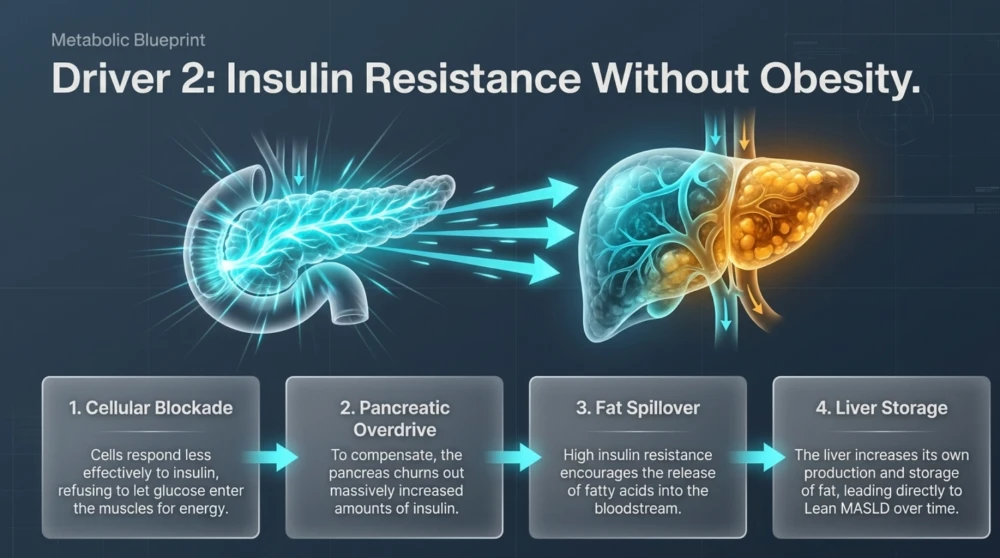
Insulin helps glucose enter muscle and other tissues where it can be used for energy. When cells respond less effectively to insulin, the pancreas compensates by producing more of it.
During the early stages, fasting glucose and HbA1c may remain within the normal range even though insulin levels and metabolic stress are already increasing.
Insulin resistance can encourage the release of fatty acids into the bloodstream and increase the liver’s production and storage of fat. Over time, this may contribute to fatty liver in normal-weight adults.
Possible metabolic clues may include:
- Post-meal sleepiness.
- Frequent carbohydrate cravings.
- High triglycerides.
- Low HDL cholesterol.
- Increasing waist circumference.
- Prediabetes despite normal weight.
These symptoms and laboratory findings are not specific enough to diagnose insulin resistance by themselves. However, when several occur together, they provide a reason to assess metabolic health more carefully.
Normal Blood Sugar Does Not Always Exclude Early Insulin Resistance
Many people assume that a normal fasting glucose result guarantees normal metabolism. In reality, the pancreas may maintain normal glucose for years by producing progressively larger amounts of insulin.
This compensatory phase may precede prediabetes and type 2 diabetes. Liver fat can begin accumulating during this period, which is why fatty liver in normal-weight adults may appear before diabetes is formally diagnosed.
Reason 3: Low Muscle Mass Can Increase Metabolic Risk
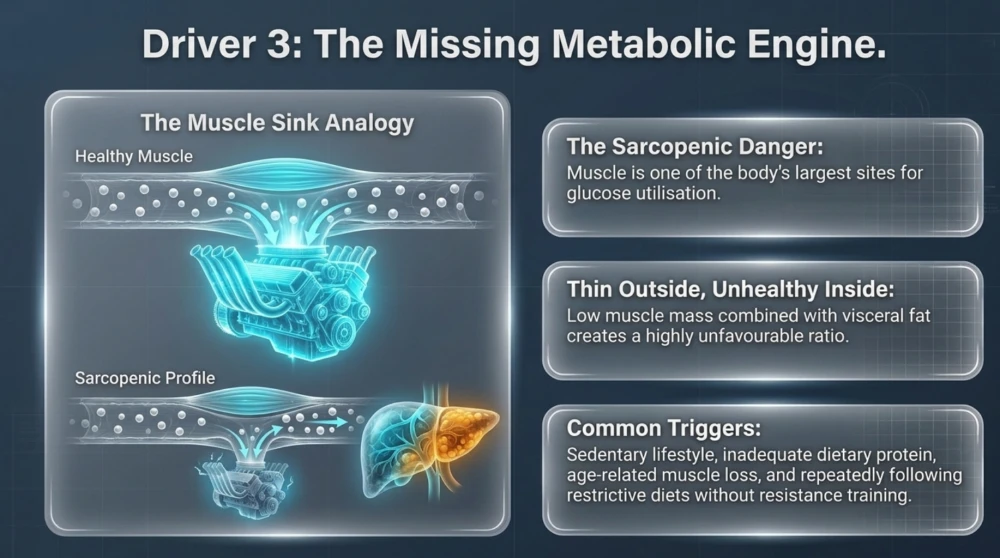
Muscle is not simply important for physical appearance or strength. It is one of the body’s largest sites for glucose utilisation.
Healthy muscle helps remove glucose from the bloodstream after meals and improves insulin sensitivity. When muscle mass is low, the body has less metabolically active tissue available to handle glucose efficiently.
Some normal-weight adults are lean because they have very little muscle rather than because they have an ideal body composition. Their BMI may look reassuring while the ratio of muscle to fat remains metabolically unfavourable.
This pattern may be seen in adults who:
- Perform little or no resistance training.
- Spend most of the day sitting.
- Consume inadequate dietary protein.
- Have repeatedly followed restrictive diets.
- Have gradually lost muscle with age.
Sarcopenic Body Composition and Fatty Liver in Normal-Weight Adults
A person can have low muscle mass and excess visceral fat at the same time without appearing obese. This unfavourable combination is sometimes described as sarcopenic obesity or a “thin outside, metabolically unhealthy inside” body composition.
Low muscle mass may reduce glucose disposal, lower physical capacity, and worsen insulin sensitivity. These changes can increase vulnerability to fatty liver in normal-weight adults, even when calorie intake does not appear excessive.
Reason 4: Genetics Can Increase Susceptibility to Lean Fatty Liver
Not everyone responds to the same diet or lifestyle in the same way. Genetics influence how efficiently the liver handles fat, how body fat is distributed, and how strongly a person develops insulin resistance.
Certain genetic variants are associated with greater susceptibility to liver fat accumulation and liver inflammation. This means some adults may develop fatty liver at a lower body weight and with fewer obvious metabolic abnormalities than others.
A family history of type 2 diabetes, fatty liver, cirrhosis, high triglycerides, or premature cardiovascular disease may therefore provide important clinical information.
Genetic susceptibility does not mean the condition is unavoidable. It means that lifestyle and metabolic risk factors may have a stronger effect in some individuals than in others.
Family History Matters Even When You Are Thin
Lean adults often assume they do not need metabolic screening. However, someone with normal weight and a strong family history of diabetes or liver disease may still benefit from checking glucose, HbA1c, triglycerides, blood pressure, waist circumference, and liver health.
Recognising genetic vulnerability early may help identify fatty liver in normal-weight adults before significant fibrosis or metabolic complications develop.

Why the First Four Reasons Often Occur Together
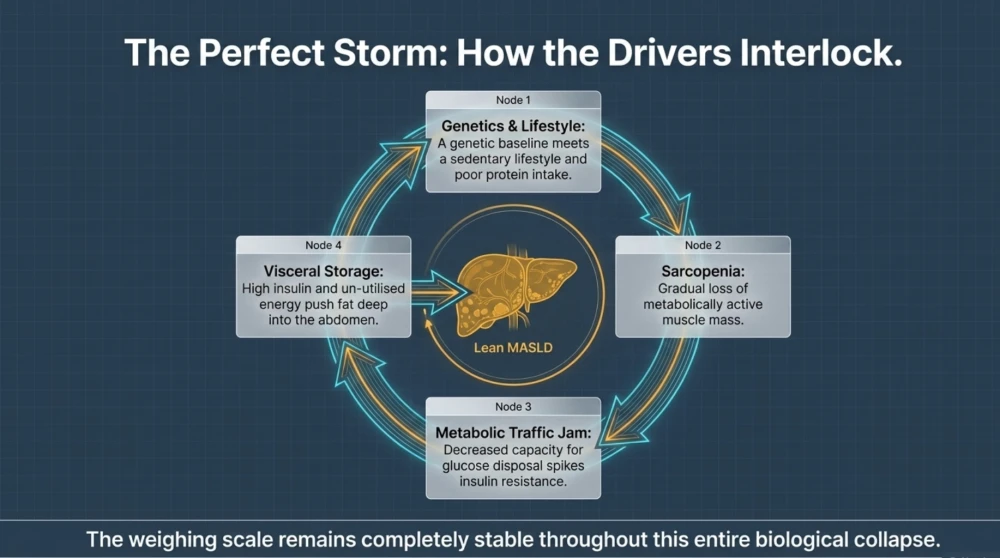
Visceral fat, insulin resistance, low muscle mass, and genetic susceptibility rarely operate in isolation.
A genetically susceptible individual may become sedentary, gradually lose muscle, develop a small increase in abdominal fat, and experience worsening insulin sensitivity without substantial weight gain.
The weighing scale may remain stable throughout this process.
However, internally, the metabolic environment may change considerably. Triglycerides may rise, glucose regulation may worsen, and fat may accumulate inside the liver.
This interconnected pattern explains why fatty liver in normal-weight adults cannot be understood through BMI alone. A more complete evaluation should consider body composition, waist size, family history, physical activity, dietary quality, glucose regulation, lipids, and liver fibrosis risk.
Reason 5: Refined Carbohydrates and Sugary Drinks Can Promote Fatty Liver in Normal-Weight Adults
Many people assume that only visibly fatty foods can increase liver fat. In reality, frequently consuming refined carbohydrates and added sugars may also contribute to fatty liver in normal-weight adults.
The liver plays a central role in processing glucose and fructose. When the body repeatedly receives more rapidly absorbed carbohydrate than it can immediately use or store efficiently, some of that excess energy may be converted into fat within the liver.
This does not mean that carbohydrates are inherently harmful or that rice, roti, fruit, or other carbohydrate-containing foods must be removed from the diet. The metabolic effect depends on the amount, degree of processing, meal composition, physical activity, and the individual’s underlying insulin sensitivity.
The greater concern is a dietary pattern dominated by foods such as:
- Sugar-sweetened soft drinks.
- Packaged fruit drinks.
- Sweetened tea or coffee consumed several times daily.
- Bakery products and desserts.
- Refined-flour snacks.
- Large portions of white rice or refined bread with little protein or fibre.
- Frequent restaurant and takeaway meals.
A lean person may consume these foods regularly without gaining a large amount of visible weight. Genetics, total calorie intake, smoking, low muscle mass, or naturally thin limbs may help maintain a normal appearance. However, liver fat and visceral fat can still increase internally.
Why Fructose Matters in Fatty Liver in Normal-Weight Adults
Fructose is naturally present in whole fruit, but it is also used in sweetened beverages, desserts, syrups, and processed foods. Whole fruit provides fibre, water, vitamins, and a lower energy density, so it should not be treated as equivalent to a sugary drink.
The greater concern is concentrated added sugar consumed in liquid form. Sweetened beverages are easy to drink quickly and may add a substantial amount of energy without producing the same fullness as solid food.
When these drinks are consumed frequently, especially alongside physical inactivity and insulin resistance, they may contribute to fatty liver in normal-weight adults.
Why “I Do Not Eat Much Fat” Is Not Always Reassuring
Some patients are surprised by a fatty liver diagnosis because they rarely eat fried food or visible animal fat. However, liver fat is not determined only by dietary fat intake.
Excess energy from refined carbohydrates, sugary beverages, alcohol, and oversized portions can also contribute. The liver’s response depends on the complete metabolic environment rather than one food category.
This is why simply removing oil from the diet may not correct fatty liver in normal-weight adults if sugary drinks, sedentary behaviour, poor sleep, low muscle mass, or insulin resistance remain unaddressed.
Reason 6: Prolonged Sitting Can Increase Fatty Liver Risk Without Weight Gain
A person does not need to be visibly overweight to be metabolically inactive. Many thin adults spend most of the working day seated in front of a computer, driving, attending meetings, or using digital devices.
Formal exercise may also be absent. Even individuals who walk occasionally may remain sedentary for most of their waking hours.
Prolonged sitting reduces the frequency of muscle contraction. This matters because skeletal muscle is one of the body’s largest sites for glucose utilisation. When muscle remains inactive for long periods, glucose and fat handling may become less efficient.
Over time, physical inactivity may contribute to:
- Reduced insulin sensitivity.
- Loss of muscle mass.
- Higher post-meal glucose levels.
- Increasing visceral fat.
- Reduced cardiorespiratory fitness.
These changes can promote fatty liver in normal-weight adults even when the weighing scale remains stable.
Why Exercise Alone May Not Fully Offset Long Sitting Hours
Some adults exercise for 30 minutes in the morning but remain seated for the next ten or twelve hours. Their workout is beneficial, but it may not completely offset the metabolic effects of prolonged uninterrupted sitting.
Daily movement outside formal exercise also matters. Standing periodically, walking during phone calls, taking short movement breaks, using stairs, and walking after meals help activate muscle tissue throughout the day.
This type of movement is sometimes called non-exercise activity. Although each individual movement may appear small, the cumulative effect can influence glucose regulation, energy expenditure, and the risk of fatty liver in normal-weight adults.
Resistance Training Is Particularly Important
Walking and aerobic exercise support cardiovascular fitness, but resistance training deserves special attention in lean adults with fatty liver.
Strength training helps preserve or build muscle, which improves the body’s capacity to use glucose and store nutrients outside the liver.
Appropriate options may include:
- Bodyweight exercises.
- Resistance bands.
- Weight machines.
- Free weights.
- Supervised functional training.
The programme should be adapted to age, current fitness, joint health, and medical conditions. The goal is not extreme training but consistent muscle activation and gradual progression.
Reason 7: Poor Sleep and Chronic Stress Can Affect Liver Metabolism
Sleep and stress are frequently ignored when discussing liver health. However, both influence appetite, insulin sensitivity, hormonal regulation, food choices, and physical activity.
Adults who sleep poorly often experience:
- Greater hunger.
- Stronger cravings for sugary or highly processed foods.
- Reduced exercise motivation.
- More late-night eating.
- Lower daytime energy.
These changes may gradually create a metabolic environment that favours liver fat accumulation, even when body weight remains within the normal range.
How Poor Sleep Can Contribute to Fatty Liver in Normal-Weight Adults
Chronic sleep restriction may reduce insulin sensitivity and make glucose regulation less efficient. It may also encourage abdominal fat accumulation and reduce the body’s ability to recover from physical and mental stress.
Someone who sleeps five or six hours each night may compensate with caffeine, sweetened beverages, irregular meals, and reduced exercise. Over time, this combination may contribute to fatty liver in normal-weight adults.
The issue is not one poor night of sleep. The concern is a repeated pattern lasting months or years.
Obstructive Sleep Apnoea Can Occur in Lean Adults
Obstructive sleep apnoea is more common in people with obesity, but it can also affect normal-weight adults because of airway anatomy, jaw structure, enlarged tonsils, nasal obstruction, alcohol use, or other factors.
Repeated breathing interruptions during sleep can lead to poor-quality rest and intermittent reductions in oxygen. People may experience:
- Loud snoring.
- Morning headaches.
- Dry mouth on waking.
- Daytime sleepiness.
- Poor concentration.
- Resistant high blood pressure.
Untreated sleep apnoea may worsen metabolic health and should be considered when fatty liver in normal-weight adults occurs alongside significant sleep-related symptoms.
How Chronic Stress Changes Eating and Activity Patterns
Stress does not directly create liver fat through a single pathway. Its effect is usually indirect and cumulative.
People under chronic stress may sleep poorly, remain physically inactive, consume more convenience foods, drink alcohol more frequently, or use sweets as emotional comfort. Stress may also make it harder to follow treatment consistently.
For this reason, stress management should not be presented as a cure for fatty liver. It is better understood as one component of a broader lifestyle plan that supports sleep, nutrition, movement, and metabolic health.
Reason 8: Alcohol, Medicines, and Other Medical Conditions Can Cause Liver Fat
Not every case of liver fat in a lean adult should automatically be labelled as metabolic fatty liver. Several secondary causes must be considered, particularly when the clinical pattern is unusual.
This is one reason fatty liver in normal-weight adults deserves proper medical evaluation rather than being treated only through general weight-loss advice.
Alcohol Can Contribute Even When Body Weight Is Normal
Alcohol is processed primarily by the liver. Regular or excessive intake can contribute to liver fat, inflammation, and fibrosis regardless of a person’s body weight.
Patients often underestimate alcohol exposure because they focus only on daily drinking. Weekend binge drinking, social drinking, and large servings can also be relevant.
A detailed alcohol history should include:
- Type of beverage.
- Serving size.
- Frequency.
- Weekend intake.
- Episodes of heavy drinking.
It is important to distinguish metabolic liver disease from alcohol-related liver disease, while recognising that both may occur together.
Medicines Can Occasionally Cause or Worsen Liver Fat
Certain medicines may contribute to hepatic steatosis or steatohepatitis in susceptible individuals. Examples can include some corticosteroids, hormonal medicines, antiarrhythmic drugs, cancer treatments, and other long-term therapies.
This does not mean these medicines should be stopped without medical advice. Abrupt discontinuation may be harmful.
Instead, the complete medication and supplement list should be reviewed when fatty liver in normal-weight adults is discovered unexpectedly or progresses despite appropriate lifestyle changes.
Endocrine and Metabolic Conditions May Be Relevant
Certain medical conditions can increase the likelihood of liver fat independently of obvious obesity. Depending on the history, doctors may consider:
- Hypothyroidism.
- PCOS and associated insulin resistance.
- Lipodystrophy.
- Malnutrition or rapid weight loss.
- Coeliac disease.
- Rare inherited metabolic disorders.
Most lean adults with fatty liver do not have a rare disease. However, secondary causes become more important when someone is very lean, has severe liver abnormalities, develops disease at a young age, or lacks the usual metabolic risk factors.
Rapid Weight Loss Can Sometimes Worsen Liver Stress
Although sustainable fat loss usually benefits metabolic fatty liver, severe calorie restriction, malnutrition, or rapid unplanned weight loss may occasionally worsen liver stress and promote abnormal fat movement into the liver.
This is another reason crash dieting should not be recommended for fatty liver in normal-weight adults. Many lean patients do not need major weight loss. Their priorities may instead include improving diet quality, increasing muscle mass, reducing visceral fat, and correcting the underlying metabolic or medical cause.
Why Lean Adults Should Not Receive Generic Weight-Loss Advice
A person with obesity and fatty liver may benefit from clinically meaningful weight reduction. A normal-weight adult requires a more individualised approach.
Telling every lean patient simply to “lose weight” can be unhelpful and may even lead to muscle loss, nutritional deficiency, or an unhealthy BMI.
Management of fatty liver in normal-weight adults should focus on the underlying problem, which may include:
- Excess visceral fat.
- Low muscle mass.
- Insulin resistance.
- Poor dietary quality.
- Sedentary behaviour.
- Sleep apnoea.
- Alcohol exposure.
- A medication or secondary medical condition.
Some normal-weight adults may benefit from a modest reduction in waist circumference rather than substantial weight loss. Others may need to maintain weight while improving body composition through resistance training and adequate protein intake.
How Fatty Liver in Normal-Weight Adults Is Usually Discovered
Many lean adults have no liver-related symptoms. The condition is often identified incidentally during:
- An abdominal ultrasound.
- A FibroScan or liver elastography test.
- Evaluation of mildly elevated liver enzymes.
- A diabetes or cholesterol assessment.
- A preventive health check-up.
Normal liver enzymes do not completely exclude fatty liver or liver fibrosis. Similarly, an ultrasound showing fatty liver cannot determine the stage of fibrosis reliably.
Further assessment may include metabolic blood tests, fibrosis scores, elastography, alcohol and medication review, and evaluation for secondary causes.
Why Liver Fibrosis Risk Matters More Than Liver Fat Alone
The amount of liver fat is important, but the presence and stage of fibrosis are more strongly related to long-term liver outcomes.
Some people have fatty liver for years without developing significant scarring, while others progress to steatohepatitis, fibrosis, cirrhosis, or liver-related complications.
Normal weight does not guarantee that progression cannot occur. Therefore, fatty liver in normal-weight adults should be risk-stratified rather than dismissed simply because the patient looks lean.
Non-invasive assessment may include:
- FIB-4 calculation.
- Transient elastography or FibroScan.
- Other validated fibrosis tests.
- Specialist evaluation when risk is elevated.
The appropriate test depends on age, laboratory results, diabetes status, imaging findings, and the overall clinical picture.
How Is Fatty Liver in Normal-Weight Adults Diagnosed?
Diagnosing fatty liver in normal-weight adults requires much more than simply checking body weight. Because many lean adults have few or no symptoms, the condition is frequently identified during routine health screening or while investigating mildly abnormal liver function tests.
A comprehensive evaluation usually combines medical history, physical examination, laboratory investigations, and imaging studies.
Your doctor may recommend:
- Liver function tests (ALT, AST, GGT).
- Fasting blood glucose and HbA1c.
- Lipid profile.
- Kidney function tests.
- Thyroid function tests where appropriate.
- Ultrasound of the liver.
- FibroScan (Transient Elastography).
- Fibrosis risk assessment such as FIB-4.
These investigations help determine not only whether fatty liver in normal-weight adults is present, but also whether liver inflammation or fibrosis has already developed.
Why FibroScan Is Important in Fatty Liver in Normal-Weight Adults
An ultrasound can detect fat within the liver, but it cannot accurately determine the amount of liver scarring.
FibroScan is a non-invasive test that measures:
- Liver stiffness, which reflects fibrosis.
- Liver fat content using the Controlled Attenuation Parameter (CAP).
This information helps identify patients who require closer monitoring or specialist referral.
For many people with fatty liver in normal-weight adults, FibroScan provides valuable information without the need for a liver biopsy.
Can Fatty Liver in Normal-Weight Adults Be Reversed?
In many individuals, the answer is yes.
Early-stage fatty liver in normal-weight adults often improves when the underlying metabolic abnormalities are addressed. The goal, however, is not simply to lose weight.
For lean adults, treatment focuses on improving metabolic health by:
- Reducing visceral fat.
- Improving insulin sensitivity.
- Increasing muscle mass.
- Correcting unhealthy dietary patterns.
- Treating associated medical conditions.
The earlier these changes are made, the greater the opportunity to prevent progression to liver fibrosis.
Nutrition Strategies for Fatty Liver in Normal-Weight Adults
Nutrition remains one of the most important components of managing fatty liver in normal-weight adults. However, the objective is to improve diet quality rather than simply eat less.
Prioritise Whole Foods
A dietary pattern based on vegetables, legumes, fruits, whole grains, nuts, seeds, and good-quality protein provides more fibre and nutrients than one dominated by ultra-processed foods.
Increase Protein Intake
Adequate protein supports muscle preservation, improves satiety, and complements resistance training.
Good sources include:
- Eggs.
- Fish.
- Chicken.
- Paneer.
- Curd or Greek yogurt.
- Tofu.
- Soy products.
- Dal and legumes.
Reduce Added Sugar
Frequent intake of sugar-sweetened beverages, desserts, and refined snacks may worsen fatty liver in normal-weight adults even without obvious weight gain.
Choose Better Carbohydrates
Replacing highly refined carbohydrates with higher-fibre alternatives helps improve meal quality while supporting better glucose regulation.
Exercise Recommendations for Fatty Liver in Normal-Weight Adults
Exercise improves liver health through mechanisms that extend beyond weight loss.
Regular physical activity improves insulin sensitivity, supports muscle maintenance, and reduces visceral fat.
Most adults with fatty liver in normal-weight adults benefit from combining:
- Moderate aerobic exercise.
- Resistance training.
- Daily movement throughout the day.
Walking after meals, climbing stairs, cycling, swimming, and structured strength training all contribute to improved metabolic health.
Do Not Focus Only on the Weighing Scale
Many lean adults become discouraged because their body weight changes very little.
However, improvements in:
- Waist circumference.
- Muscle strength.
- Triglycerides.
- Blood glucose.
- Liver enzymes.
- FibroScan results.
are often far more meaningful than a reduction in body weight alone.
When Should You See a Doctor?
Medical assessment is recommended if you have risk factors for fatty liver in normal-weight adults, especially if you have:
- Type 2 diabetes or prediabetes.
- High triglycerides.
- High blood pressure.
- Family history of fatty liver.
- Persistent abnormal liver enzymes.
- Fatty liver reported on ultrasound.
- Increasing waist circumference despite normal weight.
Early evaluation allows treatment before significant fibrosis develops.
Common Myths About Fatty Liver in Normal-Weight Adults
Myth 1: Only Obese People Develop Fatty Liver
This is false. Fatty liver in normal-weight adults is now well recognised in clinical practice.
Myth 2: Normal Liver Enzymes Mean My Liver Is Healthy
Many individuals with fatty liver have liver enzyme levels within the normal laboratory range.
Myth 3: Weight Loss Is the Only Treatment
Lean adults often benefit more from improving muscle mass, reducing visceral fat, increasing physical activity, and correcting insulin resistance than from substantial weight loss.
Myth 4: Fatty Liver Always Causes Symptoms
Most patients with fatty liver in normal-weight adults feel completely well until the condition is discovered during routine investigations.
Key Takeaways About Fatty Liver in Normal-Weight Adults
- Fatty liver in normal-weight adults is a recognised medical condition and is becoming increasingly common.
- Normal body weight does not always indicate healthy metabolism.
- Hidden visceral fat, insulin resistance, low muscle mass, genetics, poor diet, prolonged sitting, poor sleep, and certain medical conditions all contribute.
- FibroScan and fibrosis assessment are often more informative than liver enzymes alone.
- Treatment focuses on improving metabolic health rather than unnecessary weight loss.
- Resistance training, healthy nutrition, adequate protein intake, and regular physical activity support liver health.
- Early diagnosis offers the best opportunity to prevent liver fibrosis and long-term complications.
You can book a consultation here:
Book an Appointment
References
- European Association for the Study of the Liver (EASL), European Association for the Study of Diabetes (EASD), and European Association for the Study of Obesity (EASO). Clinical Practice Guidelines on Metabolic Dysfunction-Associated Steatotic Liver Disease (MASLD). 2024.
- American Association for the Study of Liver Diseases (AASLD). Practice Guidance on the Clinical Assessment and Management of MASLD. 2024.
- World Gastroenterology Organisation. Global Guidelines for MASLD. Updated 2024.
- Younossi ZM, et al. Global Epidemiology of MASLD. Nature Reviews Gastroenterology & Hepatology.
- World Health Organization. Healthy Diet Fact Sheet. Updated 2025.
- National Institute of Diabetes and Digestive and Kidney Diseases (NIDDK). Fatty Liver Disease. Updated 2025.
Written by Dr. Pankaj Kumar, General & Lifestyle Physician, Dwarka, New Delhi