
















- 13th November 2026
Table of Contents
- High Triglycerides but Normal LDL: Why a Normal Cholesterol Result May Not Tell the Whole Story
- What Are Triglycerides and Why Does Your Body Need Them?
- Triglycerides vs LDL Cholesterol: What Is the Difference?
- Triglycerides, LDL and HDL: Understanding Your Lipid Report
- What Is a Normal Triglyceride Level?
- Why Can Triglycerides Be High When LDL Cholesterol Is Normal?
- Understanding the Hidden Role of VLDL and Remnant Particles
- Why Normal LDL Cholesterol Does Not Always Mean Low Cardiovascular Risk
- High Triglycerides but Normal LDL and Insulin Resistance
- The Typical Lipid Pattern of Insulin Resistance
- How Insulin Resistance Can Affect the Lipid Profile
- Can High Triglycerides Be an Early Sign of Prediabetes?
- Why High Triglycerides Are Common in Type 2 Diabetes
- High Triglycerides but Normal LDL and Fatty Liver
- Can You Have Fatty Liver With Normal LDL Cholesterol?
- Why This Lipid Pattern Matters in Indian Patients
- Clinical Example: Normal LDL but Multiple Metabolic Risk Factors
- When High Triglycerides Become a Pancreatitis Concern
- Does High Triglycerides but Normal LDL Always Mean Heart Disease?
- What Causes High Triglycerides but Normal LDL Cholesterol?
- 1. Excess Refined Carbohydrates and Added Sugars
- 2. Alcohol Consumption
- 3. Insulin Resistance and Central Obesity
- 4. Poorly Controlled Type 2 Diabetes
- 5. Hypothyroidism
- 6. Chronic Kidney Disease and Nephrotic Syndrome
- 7. Certain Medications
- 8. Genetic and Familial Lipid Disorders
- Common Causes of High Triglycerides: Clinical Comparison
- Can Triglycerides Be High After a Meal?
- Fasting vs Non-Fasting Lipid Profile: Which Is Better?
- Fasting and Non-Fasting Lipid Testing
- Why Calculated LDL Cholesterol Can Be Misleading When Triglycerides Are High
- What Is the Friedewald LDL Cholesterol Formula?
- What Is Non-HDL Cholesterol and Why Is It Important?
- Example: Normal LDL but Elevated Non-HDL Cholesterol
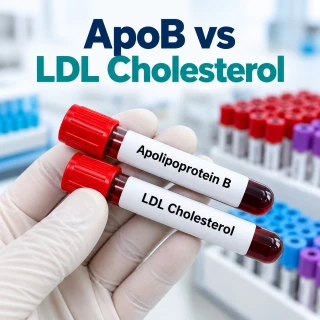
- What Is ApoB and Why Might It Be More Informative Than LDL Cholesterol?
- LDL Cholesterol vs Non-HDL Cholesterol vs ApoB
- Should Everyone With High Triglycerides Get an ApoB Test?
- What About Lipoprotein(a)?
- Is the Triglyceride-to-HDL Ratio Useful?
- Which Tests Should Be Considered When Triglycerides Are High but LDL Is Normal?
- Clinical Investigation Framework
- Do You Need a Fasting Insulin or HOMA-IR Test?
- What If Triglycerides Are Above 500 mg/dL?
- What Does Persistent Hypertriglyceridaemia Mean?
- How Should Cardiovascular Risk Be Assessed?
- Clinical Example: Why Two Patients With the Same Triglycerides May Need Different Management
- How to Lower High Triglycerides When LDL Cholesterol Is Normal
- 1. Reduce Added Sugar and Refined Carbohydrates
- 2. Improve the Quality of Carbohydrates in Indian Meals
- Practical Indian Food Swaps for High Triglycerides
- 3. Reduce Excess Abdominal Fat When Present
- 4. Exercise Regularly to Improve Triglyceride Metabolism
- Example Weekly Activity Plan
- 5. Avoid Alcohol, Especially When Triglycerides Are Severely Elevated
- 6. Manage Diabetes, Hypothyroidism and Other Secondary Causes
- 7. Choose Healthy Dietary Fats
- Indian Diet Example for Moderate Hypertriglyceridaemia
- Do You Need Medication If Triglycerides Are High but LDL Is Normal?
- Statins: Why They May Still Be Needed
- Fibrates: When Are They Considered?
- Omega-3 Fatty Acids: Are Fish Oil Supplements Enough?
- What Is Icosapent Ethyl?
- Medication Options for Elevated Triglycerides
- What Changes When Triglycerides Are Above 500 mg/dL?
- When Should You Repeat the Lipid Profile?
- Clinical Example 1: High Triglycerides With Prediabetes
- Clinical Example 2: High Triglycerides in a Lean Adult
- Clinical Example 3: High Triglycerides With Type 2 Diabetes
- Clinical Example 4: Triglycerides Above 1,000 mg/dL
- Common Myths About High Triglycerides but Normal LDL
- Myth 1: Normal LDL Means My Lipid Profile Is Healthy
- Myth 2: High Triglycerides Are Caused Only by Eating Fat
- Myth 3: High Triglycerides Always Mean Fatty Liver
- Myth 4: Everyone With High Triglycerides Needs a Fibrate
- Myth 5: Any Fish Oil Supplement Prevents Heart Attacks
- Myth 6: If I Am Thin, I Cannot Have High Triglycerides
- Myth 7: A Single High Triglyceride Result Means Lifelong Medication
- Myth 8: Triglycerides of 700 mg/dL Can Wait Until My Next Annual Check-Up
- Frequently Asked Questions About High Triglycerides but Normal LDL
- 1. Can triglycerides be high when LDL cholesterol is normal?
- 2. Is high triglycerides but normal LDL dangerous?
- 3. What is the most common cause of high triglycerides?
- 4. Can high triglycerides indicate insulin resistance?
- 5. Can triglycerides be high with normal blood sugar?
- 6. Is triglycerides of 250 mg/dL serious?
- 7. Is triglycerides of 500 mg/dL dangerous?
- 8. How quickly can triglycerides improve?
- 9. Can walking lower triglycerides?
- 10. Should I stop eating rice?
- 11. Does ghee increase triglycerides?
- 12. Is ApoB useful when triglycerides are high?
- 13. Should I take a statin if LDL is normal?
- 14. Can high triglycerides cause pancreatitis?
- 15. Do I need a fasting lipid profile?
- What I Explain to Patients With High Triglycerides but Normal LDL
- Key Takeaways: High Triglycerides but Normal LDL
- Triglyceride and Cholesterol Consultation in Dwarka, Delhi
- Scientific References and Clinical Guidelines
- About the Author
- Medical Disclaimer
High Triglycerides but Normal LDL: Why a Normal Cholesterol Result May Not Tell the Whole Story
Imagine a 42-year-old man visiting his doctor for a routine health check-up. He has no chest pain, no known heart disease and no significant symptoms. His laboratory report shows LDL cholesterol of 96 mg/dL, which is marked as normal by the laboratory.
However, another result deserves attention. His triglycerides are 285 mg/dL, while HDL cholesterol is only 34 mg/dL. His waist circumference is 98 cm, and his HbA1c is 5.9%.
He asks a common question: "If my bad cholesterol is normal, why should I worry about triglycerides?"
The answer is that high triglycerides but normal LDL can occur in people who have insulin resistance, metabolic syndrome, fatty liver or an increased burden of certain cholesterol-carrying particles.
However, elevated triglycerides do not automatically mean that a person has heart disease or diabetes. Their significance depends on the degree of elevation, the complete lipid profile, other medical conditions and the patient's overall cardiovascular risk.
In some patients, high triglycerides are primarily a marker of an underlying metabolic problem. In others, especially when triglycerides become severely elevated, they may create an additional concern: acute pancreatitis.
A normal LDL cholesterol result is reassuring in one respect, but it does not make the rest of the lipid profile irrelevant.
What Are Triglycerides and Why Does Your Body Need Them?
Triglycerides are a form of fat that the body uses to store and transport energy. They are present in the bloodstream and in adipose tissue.
After eating, dietary fats are packaged into particles called chylomicrons, which transport triglycerides through the circulation.
The liver also produces triglyceride-rich particles called very-low-density lipoproteins, or VLDL.
These particles deliver triglycerides to tissues, where fatty acids may be used for energy or stored.
Triglycerides are therefore not inherently harmful. They serve important physiological functions.
The concern arises when their concentration in the blood remains elevated, particularly when this occurs alongside other metabolic abnormalities.
Persistent hypertriglyceridaemia can reflect increased production, impaired clearance or a combination of both.
The underlying causes may include insulin resistance, diabetes, genetic predisposition, excess alcohol consumption, certain medications and other medical conditions.

Triglycerides vs LDL Cholesterol: What Is the Difference?
Triglycerides and LDL cholesterol are often reported together, but they measure different components of lipid metabolism.
Triglycerides are fats used primarily for energy storage and transport.
LDL cholesterol represents the amount of cholesterol carried within low-density lipoprotein particles.
LDL particles are important contributors to atherosclerosis because they can enter and become retained within the arterial wall.
Triglyceride-rich lipoproteins and their remnants are also relevant to cardiovascular risk, particularly because many remnant particles contain cholesterol and can contribute to atherosclerosis.
Therefore, triglycerides and LDL cholesterol should not be interpreted as interchangeable measurements.
Triglycerides, LDL and HDL: Understanding Your Lipid Report
| Lipid Parameter | What It Represents | Why It Matters |
|---|---|---|
| Triglycerides | Circulating triglyceride concentration | May reflect metabolic dysfunction; severe elevation increases pancreatitis risk |
| LDL cholesterol | Cholesterol carried by LDL particles | Major established cardiovascular risk factor and treatment target |
| HDL cholesterol | Cholesterol carried by HDL particles | Useful risk marker, although raising HDL alone does not necessarily reduce events |
| Non-HDL cholesterol | Total cholesterol minus HDL cholesterol | Captures cholesterol in LDL and other atherogenic particles |
| ApoB | Approximate number of atherogenic lipoprotein particles | Can clarify risk when LDL cholesterol and particle burden differ |
What Is a Normal Triglyceride Level?
Triglyceride concentrations are commonly classified using the following fasting thresholds.
| Fasting Triglyceride Level | Classification | Clinical Significance |
|---|---|---|
| Below 150 mg/dL | Generally normal | Interpret with overall cardiovascular risk |
| 150–199 mg/dL | Mild elevation | Evaluate lifestyle and metabolic factors |
| 200–499 mg/dL | Moderate elevation | Assess secondary causes and atherogenic lipoprotein burden |
| 500–999 mg/dL | Severe elevation | Prompt assessment and treatment to reduce pancreatitis risk |
| 1,000 mg/dL or higher | Very severe elevation | Particularly high pancreatitis concern; urgent clinical management |
For routine non-fasting lipid testing, triglycerides above approximately 175 mg/dL are commonly considered elevated.
When triglycerides are markedly elevated, a fasting repeat measurement may be appropriate.
The 2026 ACC/AHA dyslipidaemia guideline emphasises evaluation of secondary causes and lifestyle management for persistent triglyceride elevation, with additional measures according to cardiovascular and pancreatitis risk.

Why Can Triglycerides Be High When LDL Cholesterol Is Normal?
This apparently contradictory result becomes easier to understand when we examine how lipoproteins are produced and transported.
LDL cholesterol measures the cholesterol content of LDL particles.
Triglycerides, however, are carried mainly in triglyceride-rich lipoproteins, including VLDL and chylomicrons.
A person can therefore have increased triglyceride-rich lipoprotein production without a corresponding rise in measured LDL cholesterol.
In some individuals, especially those with insulin resistance, LDL particles may also contain less cholesterol per particle.
Consequently, the number of atherogenic particles may be higher than the LDL cholesterol concentration alone suggests.
This phenomenon is one reason that non-HDL cholesterol and ApoB can be useful when triglycerides are elevated.
However, not every patient with high triglycerides and normal LDL has increased ApoB. The underlying lipoprotein pattern varies.
Understanding the Hidden Role of VLDL and Remnant Particles
Very-low-density lipoproteins are produced by the liver and carry triglycerides into the circulation.
As triglycerides are removed from these particles, smaller remnant particles may form.
Some remnant lipoproteins can enter the arterial wall and contribute to atherosclerosis.
Therefore, the cardiovascular implications of hypertriglyceridaemia are not explained simply by triglyceride molecules circulating in the blood.
The cholesterol carried by triglyceride-rich lipoproteins and their remnants is also important.
This helps explain why a person may have normal LDL cholesterol but still have a clinically relevant atherogenic lipoprotein burden.
Why Normal LDL Cholesterol Does Not Always Mean Low Cardiovascular Risk
LDL cholesterol is a major established cardiovascular risk factor, but it is not the only determinant of cardiovascular risk.
Diabetes, blood pressure, smoking, kidney disease, family history, age and other lipid abnormalities also matter.
Furthermore, the word "normal" on a laboratory report does not necessarily mean that LDL cholesterol is at the appropriate treatment target for every patient.
For example, a patient with established atherosclerotic cardiovascular disease may require a substantially lower LDL cholesterol level than a younger person without major risk factors.
Therefore, LDL cholesterol should be interpreted according to individual cardiovascular risk rather than a single laboratory reference interval.
A normal-looking LDL result does not automatically exclude residual cardiovascular risk.
High Triglycerides but Normal LDL and Insulin Resistance
One of the common metabolic patterns associated with elevated triglycerides is insulin resistance.
Insulin normally helps regulate glucose metabolism and influences how fatty acids are stored and released from adipose tissue.
When insulin resistance develops, the normal suppression of fatty acid release from adipose tissue may become less effective.
Increased fatty acid delivery to the liver can contribute to hepatic triglyceride production and increased secretion of VLDL particles.
At the same time, clearance of triglyceride-rich particles may be impaired.
These changes can lead to elevated circulating triglycerides.
However, high triglycerides alone do not diagnose insulin resistance.
Genetic factors, alcohol, medications, thyroid dysfunction and other conditions can also produce elevated triglyceride levels.
The Typical Lipid Pattern of Insulin Resistance
Insulin-resistant dyslipidaemia often involves three related findings: elevated triglycerides, reduced HDL cholesterol and alterations in LDL particle composition.
LDL cholesterol concentration may remain relatively normal even when the number or characteristics of atherogenic particles are less favourable.
This pattern is sometimes called atherogenic dyslipidaemia.
However, it should not be assumed that every person with this lipid pattern has the same cardiovascular risk.
The degree of metabolic dysfunction, ApoB concentration, glucose regulation and other risk factors must be considered.
How Insulin Resistance Can Affect the Lipid Profile
Insulin Resistance
↓
Altered adipose tissue fatty acid regulation
↓
Increased fatty acid delivery to the liver
↓
Increased hepatic triglyceride and VLDL production
↓
Elevated Triglycerides
↓
Possible low HDL cholesterol and altered LDL particle composition
This is a simplified illustration of one common metabolic pathway. Triglyceride concentrations also depend on genetic factors, lipoprotein clearance, dietary influences and other physiological processes.

Can High Triglycerides Be an Early Sign of Prediabetes?
Elevated triglycerides are frequently associated with insulin resistance and may occur in people with prediabetes.
However, triglycerides cannot diagnose prediabetes.
Prediabetes is identified using established glucose-based criteria, such as fasting plasma glucose, HbA1c or an oral glucose tolerance test when indicated.
For example, a patient with triglycerides of 260 mg/dL, increased waist circumference and a family history of diabetes may benefit from glucose assessment.
However, another patient with the same triglyceride level may have normal glucose regulation.
Therefore, the lipid result should prompt appropriate evaluation rather than an automatic diagnosis.
Why High Triglycerides Are Common in Type 2 Diabetes
Type 2 diabetes is frequently associated with abnormalities in triglyceride-rich lipoprotein metabolism.
Insulin resistance and insufficient metabolic control can contribute to increased hepatic VLDL production and reduced triglyceride clearance.
As a result, triglyceride concentrations may rise, sometimes substantially.
Severe hypertriglyceridaemia can occur in poorly controlled diabetes, particularly when additional contributing factors are present.
Improving glucose regulation may help reduce triglycerides in these patients.
However, lipid-lowering treatment and cardiovascular risk management may still be necessary according to individual indications.
High Triglycerides but Normal LDL and Fatty Liver
Another important association is metabolic dysfunction-associated steatotic liver disease, or MASLD, previously commonly described as non-alcoholic fatty liver disease.
MASLD frequently occurs alongside abdominal adiposity, insulin resistance, type 2 diabetes and abnormal triglyceride metabolism.
When insulin resistance affects hepatic metabolism, increased fatty acid delivery and altered lipid handling can contribute to triglyceride accumulation within the liver.
The liver may also increase VLDL secretion.
These processes help explain why elevated triglycerides and fatty liver often occur together.
However, the relationship is not diagnostic.
High triglycerides do not confirm fatty liver, and normal triglycerides do not exclude it.
Clinical evaluation should consider metabolic risk factors, liver-related findings and appropriate fibrosis risk assessment when indicated.
Can You Have Fatty Liver With Normal LDL Cholesterol?
Yes.
MASLD can occur in people whose LDL cholesterol falls within the laboratory reference range.
The condition is associated with metabolic dysfunction rather than a requirement for elevated LDL cholesterol.
Some patients have high triglycerides, low HDL cholesterol and increased abdominal fat.
Others have relatively normal lipid measurements.
Therefore, liver risk assessment should not depend solely on whether LDL cholesterol is elevated.
Why This Lipid Pattern Matters in Indian Patients
South Asian populations, including Indians, may develop central adiposity, insulin resistance and type 2 diabetes at relatively lower BMI levels compared with some other populations.
Therefore, a person may have a BMI that appears acceptable while still having increased abdominal fat and metabolic risk.
This makes waist circumference, glucose regulation and lipid patterns particularly relevant during preventive health assessments.
However, ethnicity alone does not determine an individual's metabolic status.
Clinical interpretation should remain personalised.
Clinical Example: Normal LDL but Multiple Metabolic Risk Factors
| Parameter | Hypothetical Result | Interpretation |
|---|---|---|
| LDL cholesterol | 96 mg/dL | May appear normal, but the appropriate target depends on risk |
| Triglycerides | 285 mg/dL | Moderately elevated |
| HDL cholesterol | 34 mg/dL | Low for an adult man |
| Waist circumference | 98 cm | Increased central adiposity using common South Asian thresholds |
| HbA1c | 5.9% | Within the ADA prediabetes range |
In this hypothetical example, normal LDL cholesterol does not eliminate concern because other findings suggest increased metabolic risk.
However, these measurements do not independently establish cardiovascular disease.
The appropriate next step is a comprehensive clinical assessment, including evaluation of cardiovascular risk and potential secondary causes of hypertriglyceridaemia.
When High Triglycerides Become a Pancreatitis Concern
Most patients with mild or moderate triglyceride elevation are evaluated primarily in the context of cardiovascular and metabolic risk.
However, the clinical priority changes when triglycerides become severely elevated.
At triglyceride levels of 500 mg/dL or higher, clinicians should assess secondary causes and consider treatment to reduce pancreatitis risk.
The risk becomes particularly concerning when triglycerides reach approximately 1,000 mg/dL or higher.
Acute pancreatitis is an inflammatory condition of the pancreas that can be serious.
Symptoms may include severe persistent upper abdominal pain, nausea and vomiting.
Patients with these symptoms require urgent medical evaluation.
A triglyceride result of 600 mg/dL should not be managed in the same way as a mildly elevated result of 170 mg/dL, even if LDL cholesterol is normal in both patients.
Does High Triglycerides but Normal LDL Always Mean Heart Disease?
No.
Elevated triglycerides are associated with cardiovascular risk, but they do not establish the presence of coronary artery disease.
Risk depends on multiple factors, including age, diabetes, smoking, blood pressure, kidney function, family history and the concentration of atherogenic lipoproteins.
Some patients with elevated triglycerides have increased ApoB and non-HDL cholesterol.
Others may have triglyceride elevation without a comparable increase in atherogenic particle number.
Therefore, further assessment should focus on the complete clinical picture rather than triglycerides alone.
What Causes High Triglycerides but Normal LDL Cholesterol?
When a lipid profile shows high triglycerides but normal LDL, the next step is to identify why triglycerides are elevated.
Some patients have a combination of insulin resistance, excess abdominal fat, sedentary habits and dietary factors. Others have a medical condition, medication-related changes or an inherited lipid disorder.
Importantly, triglyceride elevation is often multifactorial. A person with a genetic predisposition may develop significantly higher triglycerides when diabetes becomes poorly controlled or alcohol intake increases.
Therefore, treatment should not begin with the assumption that every patient simply needs to stop eating fatty foods.
The 2026 ACC/AHA dyslipidaemia guideline emphasises evaluation and management of secondary causes alongside lifestyle intervention.
1. Excess Refined Carbohydrates and Added Sugars
One common contributor to elevated triglycerides is a dietary pattern containing excessive refined carbohydrates and added sugars, particularly when accompanied by excess calorie intake.
The liver can convert some excess carbohydrate-derived energy into fatty acids through a process called de novo lipogenesis. This can contribute to hepatic triglyceride production and secretion of triglyceride-rich VLDL particles.
However, carbohydrate quality matters. Whole grains, legumes, vegetables and whole fruits should not be grouped together with sugary beverages and highly refined foods.
For Indian patients, the concern is often a combination of large portions of refined starches, sweetened beverages, frequent sweets and low physical activity.
For example, a person may regularly consume sweetened tea several times daily, biscuits between meals, large portions of white rice and sugary drinks on weekends.
Even if LDL cholesterol remains within the laboratory reference range, this dietary pattern may contribute to elevated triglycerides in susceptible individuals.
The practical goal is to reduce added sugars, improve carbohydrate quality and address excess energy intake rather than eliminate carbohydrates completely.
2. Alcohol Consumption
Alcohol is an important and sometimes overlooked contributor to hypertriglyceridaemia.
Alcohol can influence hepatic lipid metabolism and increase triglyceride production, particularly in susceptible individuals.
Some people experience substantial triglyceride elevations even when alcohol intake is not daily.
The effect depends on quantity, drinking pattern, genetics and accompanying metabolic conditions.
Patients with elevated triglycerides should discuss alcohol consumption accurately with their clinician.
For severe hypertriglyceridaemia, alcohol avoidance is especially important because of the risk of pancreatitis.
Alcohol should never be recommended as a method of improving HDL cholesterol when triglycerides are elevated.
3. Insulin Resistance and Central Obesity
Insulin resistance is one of the common metabolic conditions associated with high triglycerides and relatively normal LDL cholesterol.
When insulin action becomes less effective in adipose tissue, fatty acid release into the circulation may increase.
The liver receives more fatty acids and may produce additional triglyceride-rich lipoproteins.
At the same time, clearance of triglycerides from the bloodstream may be impaired.
These processes can produce elevated triglycerides, reduced HDL cholesterol and changes in LDL particle composition.
However, insulin resistance cannot be diagnosed from a triglyceride measurement alone.
Waist circumference, blood pressure, glucose regulation and other metabolic findings help establish the broader clinical picture.
4. Poorly Controlled Type 2 Diabetes
Diabetes is an important secondary cause of hypertriglyceridaemia.
When glucose regulation is poor, disturbances in insulin action can increase VLDL production and impair triglyceride clearance.
In some patients, particularly those with marked insulin deficiency or severe hyperglycaemia, triglycerides can become extremely elevated.
Improving glucose control may substantially reduce triglycerides when hyperglycaemia is a major contributor.
However, a patient with diabetes and normal LDL cholesterol may still require lipid-lowering therapy according to cardiovascular risk and current treatment guidelines.
Therefore, normal LDL should not be interpreted as evidence that diabetes-related cardiovascular risk has been adequately addressed.
5. Hypothyroidism
Thyroid hormones influence lipid metabolism, including the handling and clearance of circulating lipoproteins.
Hypothyroidism is commonly associated with elevated LDL cholesterol, but triglyceride concentrations may also increase.
Therefore, thyroid dysfunction should be considered when lipid abnormalities are unexplained, particularly if the patient has compatible symptoms or other clinical indications.
However, every patient with mildly elevated triglycerides does not automatically require repeated thyroid testing.
TSH assessment should be guided by the clinical context and whether thyroid status is already known.
6. Chronic Kidney Disease and Nephrotic Syndrome
Kidney disease can affect lipid metabolism.
Some patients with chronic kidney disease have impaired clearance of triglyceride-rich lipoproteins.
Nephrotic syndrome may produce substantial lipid abnormalities, including elevated cholesterol and triglycerides.
Kidney function and urine protein assessment may therefore be relevant when other findings suggest renal disease.
However, isolated triglyceride elevation does not establish kidney disease.
7. Certain Medications
Several medications can contribute to elevated triglycerides.
Examples include systemic corticosteroids, oral oestrogens, some beta-blockers, thiazide diuretics, certain antipsychotic medicines, retinoids and selected immunosuppressive or antiretroviral treatments.
The magnitude of the effect varies considerably between medicines and individuals.
Medication-related hypertriglyceridaemia is particularly relevant when triglycerides rise after a new treatment is started or the dose changes.
However, patients should never stop prescribed medication solely because of an abnormal lipid report.
The treating clinician should review whether an alternative is appropriate and whether the benefits of the medicine outweigh its lipid effects.
8. Genetic and Familial Lipid Disorders
Genetic factors influence triglyceride concentrations and the metabolism of triglyceride-rich lipoproteins.
Some individuals have persistently elevated triglycerides despite reasonable dietary habits and physical activity.
Familial combined hyperlipidaemia and other inherited lipid patterns may produce variable triglyceride and cholesterol abnormalities.
Rare disorders such as familial chylomicronaemia syndrome can cause extremely high triglyceride concentrations, often beginning early in life.
However, most patients with moderately elevated triglycerides do not have a rare single-gene disorder.
Very high or persistent triglycerides, a history of pancreatitis or a strong family history may justify specialist evaluation.
Common Causes of High Triglycerides: Clinical Comparison
| Possible Cause | Associated Clues | Clinical Approach |
|---|---|---|
| Excess added sugars and refined carbohydrates | Frequent sugary drinks, sweets, excess calories | Review dietary pattern and energy intake |
| Alcohol | Regular or episodic alcohol consumption | Assess intake; recommend avoidance with severe elevation |
| Insulin resistance | Increased waist, low HDL, impaired glucose regulation | Assess cardiometabolic risk |
| Poorly controlled diabetes | Elevated glucose or HbA1c | Optimise diabetes management |
| Hypothyroidism | Relevant symptoms or abnormal TSH | Evaluate thyroid function when indicated |
| Kidney disease | Reduced kidney function or proteinuria | Assess renal health |
| Medication effects | Rise after starting or changing medication | Review medicines with prescriber |
| Genetic factors | Persistent elevation or family history | Consider specialist assessment when appropriate |
Can Triglycerides Be High After a Meal?
Yes. Triglyceride concentrations normally increase after eating because dietary fat is transported through the bloodstream in triglyceride-rich particles.
Therefore, the time since the last meal can influence the measured triglyceride concentration.
However, this does not mean that every elevated non-fasting result is unimportant.
Non-fasting lipid profiles are suitable for many routine cardiovascular risk assessments.
A non-fasting triglyceride concentration above approximately 175 mg/dL is commonly considered elevated.
When triglycerides are substantially elevated, fasting testing may help clarify the result and guide further evaluation.
Fasting vs Non-Fasting Lipid Profile: Which Is Better?
For routine screening, fasting is not always necessary.
However, fasting measurements can be particularly useful when triglycerides are markedly elevated, when a lipid disorder is being investigated or when the clinician needs to clarify a previous abnormal result.
Patients should follow the laboratory and treating clinician's instructions regarding fasting.
Fasting and Non-Fasting Lipid Testing
| Feature | Fasting Lipid Profile | Non-Fasting Lipid Profile |
|---|---|---|
| Food before testing | Usually 8–12 hours without caloric intake | No fasting requirement |
| Routine cardiovascular screening | Acceptable | Acceptable for many patients |
| Marked triglyceride elevation | Often useful for confirmation and management | May require a fasting repeat |
| Triglyceride interpretation | Less affected by recent food intake | Influenced by recent meals |
Why Calculated LDL Cholesterol Can Be Misleading When Triglycerides Are High
Many laboratories report LDL cholesterol using a calculation rather than measuring it directly.
One traditional method is the Friedewald equation.
When concentrations are expressed in mg/dL, the equation estimates LDL cholesterol by subtracting HDL cholesterol and an estimate of VLDL cholesterol from total cholesterol.
However, the calculation assumes a relatively predictable relationship between triglycerides and VLDL cholesterol.
That relationship becomes less reliable in some patients with hypertriglyceridaemia.
The traditional Friedewald equation is generally not valid when triglycerides are 400 mg/dL or higher.
Even at lower triglyceride levels, it may underestimate LDL cholesterol in certain situations, particularly when LDL cholesterol is low.
Newer LDL estimation methods can improve accuracy, but no calculated value should be interpreted without considering the triglyceride concentration and clinical context.
What Is the Friedewald LDL Cholesterol Formula?
When lipid values are reported in mg/dL:
LDL cholesterol = Total cholesterol − HDL cholesterol − (Triglycerides ÷ 5)
For example, consider a patient with total cholesterol of 205 mg/dL, HDL cholesterol of 35 mg/dL and triglycerides of 250 mg/dL.
The traditional calculation gives an estimated LDL cholesterol of 120 mg/dL.
However, this is an estimate rather than a direct particle count or an exact measurement of LDL cholesterol.
With elevated triglycerides, newer calculation methods or additional lipid markers may provide a more informative assessment.

What Is Non-HDL Cholesterol and Why Is It Important?
Non-HDL cholesterol is calculated by subtracting HDL cholesterol from total cholesterol.
Non-HDL cholesterol = Total cholesterol − HDL cholesterol
Unlike LDL cholesterol, non-HDL cholesterol includes cholesterol carried by several atherogenic lipoproteins, including LDL, VLDL and remnant particles.
This makes it particularly useful when triglycerides are elevated.
It is also easy to calculate because it does not require a separate laboratory test.
Example: Normal LDL but Elevated Non-HDL Cholesterol
Consider a hypothetical patient with the following results:
| Parameter | Result |
|---|---|
| Total cholesterol | 205 mg/dL |
| HDL cholesterol | 35 mg/dL |
| Triglycerides | 250 mg/dL |
| LDL cholesterol, calculated by Friedewald | 120 mg/dL |
| Non-HDL cholesterol | 170 mg/dL |
The non-HDL cholesterol result reflects cholesterol carried across a broader group of atherogenic lipoproteins.
However, whether the value is above the appropriate treatment goal depends on the patient's cardiovascular risk category.
In this particular example, LDL cholesterol is not necessarily normal for every risk category. The purpose is to illustrate how non-HDL cholesterol provides information beyond LDL alone.
What Is ApoB and Why Might It Be More Informative Than LDL Cholesterol?
Apolipoprotein B, or ApoB, is a structural protein present on atherogenic lipoprotein particles.
Each LDL particle contains one ApoB molecule. Other atherogenic particles, including VLDL and lipoprotein(a), also contain ApoB.
Therefore, ApoB provides an estimate of the number of circulating atherogenic lipoprotein particles.
This distinction matters because LDL cholesterol measures the cholesterol carried within LDL particles rather than the number of particles.
In some patients with high triglycerides, the cholesterol content of individual LDL particles is relatively low.
As a result, LDL cholesterol may underestimate the total burden of atherogenic particles.
ApoB can help identify this discordance.
The 2026 ACC/AHA dyslipidaemia guideline supports selective ApoB measurement, particularly in patients with elevated triglycerides, diabetes or other circumstances where standard lipid measurements may underestimate risk.
LDL Cholesterol vs Non-HDL Cholesterol vs ApoB
| Marker | What It Measures | Clinical Usefulness |
|---|---|---|
| LDL cholesterol | Cholesterol within LDL particles | Established cardiovascular risk marker and treatment target |
| Non-HDL cholesterol | Cholesterol in LDL and other atherogenic particles | Especially useful when triglycerides are elevated |
| ApoB | Approximate number of atherogenic particles | Helpful when particle number and LDL cholesterol are discordant |
| Triglycerides | Triglyceride concentration in circulating lipoproteins | Helps identify metabolic dyslipidaemia and pancreatitis risk |
Should Everyone With High Triglycerides Get an ApoB Test?
Not necessarily.
Although ApoB can provide valuable information, its usefulness depends on the patient's risk profile and whether the result is likely to change treatment decisions.
It may be particularly helpful when triglycerides remain elevated, when diabetes or metabolic syndrome is present, or when LDL cholesterol appears relatively low despite other cardiovascular risk factors.
Non-HDL cholesterol can be calculated from the standard lipid profile and is a practical additional measure.
Therefore, testing should be individualised rather than ordered automatically for every mildly elevated triglyceride result.
What About Lipoprotein(a)?
Lipoprotein(a), often abbreviated Lp(a), is a genetically influenced lipoprotein associated with cardiovascular risk.
It is different from triglycerides and is not a routine explanation for high triglyceride concentrations.
However, Lp(a) measurement can help refine cardiovascular risk assessment.
The 2026 ACC/AHA guideline recommends measuring Lp(a) at least once in adulthood.
This is particularly relevant when family history or other risk factors suggest that standard lipid measurements may not capture the complete cardiovascular risk profile.
Is the Triglyceride-to-HDL Ratio Useful?
The triglyceride-to-HDL cholesterol ratio has been studied as a marker associated with insulin resistance and cardiometabolic risk.
When both measurements are expressed in mg/dL, the ratio is calculated by dividing triglycerides by HDL cholesterol.
For example, triglycerides of 240 mg/dL and HDL cholesterol of 40 mg/dL produce a ratio of 6.
However, there is no single universally validated ratio cut-off that diagnoses insulin resistance across all populations.
The ratio is influenced by sex, ethnicity, metabolic status and measurement units.
Therefore, it should not replace glucose testing, clinical assessment or established cardiovascular risk evaluation.
Which Tests Should Be Considered When Triglycerides Are High but LDL Is Normal?
Investigations should be selected according to triglyceride severity, medical history, medication exposure and associated clinical findings.
Not every patient requires an extensive laboratory panel.
Clinical Investigation Framework
| Investigation | Purpose | When It May Be Useful |
|---|---|---|
| Repeat fasting lipid profile | Confirm triglyceride elevation and reassess lipid pattern | Marked or unexpected elevation, or when fasting confirmation is needed |
| HbA1c or fasting glucose | Assess diabetes or prediabetes | When glucose status is unknown or metabolic risk is present |
| TSH | Evaluate thyroid dysfunction | Unexplained lipid abnormalities or clinical suspicion |
| Kidney function | Assess possible renal contributors | Diabetes, kidney disease risk or relevant symptoms |
| Liver assessment | Assess liver disease and possible MASLD | When metabolic risk or clinical findings justify evaluation |
| Non-HDL cholesterol | Assess cholesterol in atherogenic lipoproteins | Can be calculated from any complete lipid profile |
| ApoB | Estimate atherogenic particle number | Selected patients with elevated triglycerides or risk uncertainty |
| Lipoprotein(a) | Assess inherited cardiovascular risk | Generally at least once in adulthood |
| Medication and alcohol history | Identify reversible secondary contributors | Relevant for most patients with unexplained elevation |
Do You Need a Fasting Insulin or HOMA-IR Test?
Not routinely.
Fasting insulin and HOMA-IR are used in research and selected clinical settings to estimate insulin resistance.
However, insulin assays are not sufficiently standardised to support one universal diagnostic threshold for every patient.
Therefore, fasting insulin testing is not generally necessary simply because triglycerides are elevated.
Established measurements such as glucose, HbA1c, blood pressure, waist circumference and lipid markers often provide more directly actionable information.
What If Triglycerides Are Above 500 mg/dL?
When fasting triglycerides reach 500 mg/dL or higher, the clinical priority includes reducing the risk of acute pancreatitis.
The clinician should promptly evaluate secondary causes, including poorly controlled diabetes, alcohol exposure, medications and relevant medical conditions.
Dietary intervention and, in selected patients, prescription triglyceride-lowering medication may be necessary.
At concentrations of approximately 1,000 mg/dL or higher, pancreatitis risk becomes particularly concerning.
Very severe hypertriglyceridaemia requires a different dietary and treatment strategy from ordinary moderate triglyceride elevation.
Patients should not attempt to manage these levels solely through home remedies or supplements.
What Does Persistent Hypertriglyceridaemia Mean?
A single elevated triglyceride result does not always establish persistent hypertriglyceridaemia.
According to the 2026 ACC/AHA guideline, persistent hypertriglyceridaemia generally refers to fasting triglycerides of at least 150 mg/dL after secondary causes have been evaluated and managed, after approximately 4–12 weeks of lifestyle management, and while receiving stable, appropriate statin treatment if indicated.
This definition helps distinguish a temporary abnormality from a sustained lipid problem.
However, patients with severe triglyceride elevation should not wait several weeks before receiving medical assessment.
How Should Cardiovascular Risk Be Assessed?
Cardiovascular risk assessment should consider more than the LDL cholesterol value.
Important factors include age, blood pressure, smoking, diabetes, chronic kidney disease, family history and the burden of atherogenic lipoproteins.
In selected patients, ApoB, Lp(a) or coronary artery calcium assessment may help refine decisions.
However, coronary artery calcium scanning is not routinely required for every patient with elevated triglycerides.
The 2026 ACC/AHA guideline introduces updated risk-assessment approaches, including PREVENT-ASCVD equations for appropriate primary-prevention populations.
Because cardiovascular risk models differ in their validation across populations, risk estimates should be interpreted carefully in Indian patients rather than applied without consideration of population differences.
Clinical Example: Why Two Patients With the Same Triglycerides May Need Different Management
Consider two hypothetical patients with triglycerides of 260 mg/dL.
The first is a 29-year-old nonsmoker with normal glucose, blood pressure and waist circumference, no significant family history and no other known cardiovascular risk factors.
The second is a 58-year-old patient with type 2 diabetes, hypertension, chronic kidney disease and a family history of premature coronary disease.
Although their triglyceride levels are identical, their cardiovascular risk profiles are very different.
The first patient may primarily need evaluation of secondary causes and sustained lifestyle changes.
The second may require more intensive cardiovascular risk management, including appropriate lipid-lowering treatment.
Therefore, triglyceride concentration alone cannot determine the complete treatment plan.
How to Lower High Triglycerides When LDL Cholesterol Is Normal
When a lipid report shows high triglycerides but normal LDL, the treatment should address more than the triglyceride number alone.
The first priority is to understand why triglycerides are elevated. In many patients, the underlying factors include insulin resistance, excess abdominal fat, high intake of added sugars or refined carbohydrates, alcohol consumption, poorly controlled diabetes or a combination of these conditions.
However, treatment also depends on the degree of triglyceride elevation.
A patient with triglycerides of 185 mg/dL may require a different approach from someone whose triglycerides are 750 mg/dL.
For mild to moderate elevation, the focus is generally on improving metabolic health and reducing long-term cardiovascular risk.
For severe hypertriglyceridaemia, preventing acute pancreatitis becomes an additional and sometimes immediate priority.
The 2026 ACC/AHA dyslipidaemia guideline recommends addressing secondary causes, improving dietary quality, increasing physical activity and using medication according to cardiovascular and pancreatitis risk.
The goal is not simply to make triglycerides appear normal on the next laboratory report. It is to reduce the underlying metabolic and cardiovascular risks.
1. Reduce Added Sugar and Refined Carbohydrates
One of the most useful dietary changes for patients with elevated triglycerides is reducing excessive added sugar and refined carbohydrates.
When excess energy is consumed, particularly in a person with insulin resistance, the liver may increase triglyceride production and secretion of VLDL particles.
Common sources of added sugars in Indian diets include sweetened tea, sugary coffee, soft drinks, packaged juices, mithai, sweetened breakfast cereals and bakery products.
Refined carbohydrate intake may also be excessive when meals contain large portions of white bread, biscuits, refined-flour snacks or other highly processed starches.
However, patients should not assume that all carbohydrates increase triglycerides equally.
Legumes, vegetables, whole fruits and fibre-rich whole grains can form part of a healthy dietary pattern.
The practical approach is to improve carbohydrate quality, control portions and avoid excess energy intake.
2. Improve the Quality of Carbohydrates in Indian Meals
Many Indian meals are naturally rich in carbohydrates, but this does not automatically make them unhealthy.
The important factors include food quality, portion size, total calorie intake and the balance between carbohydrate, protein and dietary fat.
For example, a meal consisting mainly of a large portion of white rice with very little dal or vegetables may be less balanced than a meal containing an appropriate rice portion, dal, vegetables and a protein source.
Similarly, replacing refined-flour snacks with more nutritious alternatives may improve overall dietary quality.
Patients with diabetes should also consider the effects of carbohydrate portions on glucose regulation.

Practical Indian Food Swaps for High Triglycerides
| Common Habit | Practical Alternative | Why It May Help |
|---|---|---|
| Sugary tea several times daily | Gradually reduce added sugar or choose unsweetened tea | Reduces added sugar intake |
| Packaged fruit juice | Whole fruit in an appropriate portion | Provides fibre and may improve satiety |
| Biscuits and namkeen as frequent snacks | Roasted chana, plain curd or a small portion of nuts | May improve nutrient quality and reduce refined carbohydrate intake |
| Large portion of white rice with little protein | Moderate rice portion with dal, vegetables and protein | Improves meal balance |
| Refined-flour bread or bakery foods | Whole-grain options with suitable protein | Improves fibre and nutritional quality |
| Frequent sweets after meals | Reduce frequency and portion size | Helps reduce added sugar and excess calories |
These changes are most useful when incorporated into a sustainable eating pattern rather than followed for only a few days before a blood test.
3. Reduce Excess Abdominal Fat When Present
Excess abdominal adiposity is closely associated with insulin resistance and altered triglyceride metabolism.
For patients with overweight or obesity, sustained weight reduction may improve triglycerides, glucose regulation, blood pressure and other metabolic risk factors.
An initial reduction of approximately 5–10% of body weight can provide meaningful metabolic benefits in many patients.
However, the response varies, and weight loss should be individualised according to the patient's health status.
For example, a person weighing 90 kg who loses 4.5 kg has achieved a 5% reduction in body weight.
Importantly, patients who are already lean should not automatically be advised to lose weight simply because triglycerides are elevated.
Genetic factors, dietary composition, alcohol exposure, diabetes and medication effects may be more relevant in those individuals.
4. Exercise Regularly to Improve Triglyceride Metabolism
Physical activity can improve triglyceride metabolism and insulin sensitivity.
Aerobic exercise increases energy expenditure and influences the metabolism of triglyceride-rich lipoproteins.
Resistance training supports muscle mass and glucose utilisation.
Both forms of activity are useful components of cardiometabolic care.
For most adults, a practical target is at least 150 minutes of moderate-intensity aerobic activity per week, alongside muscle-strengthening exercises on at least two days.
Patients who are inactive should begin gradually and increase activity according to their physical capacity.
Exercise can improve metabolic health even when body weight changes only modestly.
Example Weekly Activity Plan
| Activity | Suggested Frequency | Potential Benefit |
|---|---|---|
| Brisk walking | 30 minutes on five days weekly | Supports cardiovascular fitness and triglyceride metabolism |
| Resistance training | Two or three non-consecutive days weekly | Supports muscle mass and glucose utilisation |
| Reducing prolonged sitting | Throughout the day | Reduces sedentary time |
| Cycling or swimming | As an alternative to walking | Provides aerobic activity |
Patients with significant cardiovascular symptoms, unstable medical conditions or physical limitations should obtain appropriate guidance before starting vigorous exercise.
5. Avoid Alcohol, Especially When Triglycerides Are Severely Elevated
Alcohol can substantially increase triglycerides in susceptible individuals.
For patients with severe hypertriglyceridaemia, avoiding alcohol is particularly important.
Even when triglycerides are only moderately elevated, reducing or avoiding alcohol may improve lipid levels.
Alcohol should not be recommended for cardiovascular protection or to increase HDL cholesterol.
6. Manage Diabetes, Hypothyroidism and Other Secondary Causes
Diet and exercise are important, but they may not be sufficient when an untreated medical condition is driving triglyceride elevation.
Poorly controlled diabetes can cause substantial hypertriglyceridaemia.
Improving glucose control may significantly reduce triglycerides when hyperglycaemia is a major contributor.
Hypothyroidism, kidney disease and certain medications can also affect triglyceride metabolism.
Therefore, treating the underlying cause is an essential part of management.
Patients should not stop prescribed medication without discussing the risks and alternatives with their clinician.
7. Choose Healthy Dietary Fats
For patients with mild or moderate hypertriglyceridaemia, dietary management generally includes limiting saturated fat and replacing it with appropriate unsaturated-fat sources.
Examples include suitable portions of nuts, seeds and unsaturated vegetable oils.
However, these foods are energy-dense, so portion size matters.
Patients should not assume that unlimited quantities of nuts, olive oil or other healthy fats will reduce triglycerides.
Equally, adding large amounts of ghee or butter is not an evidence-based treatment for high triglycerides.
Important: Patients with triglycerides of 1,000 mg/dL or higher may require a medically supervised very-low-fat diet. General advice to increase nuts, oils or other high-fat foods is not appropriate for this group.
Indian Diet Example for Moderate Hypertriglyceridaemia
The following is an illustrative meal pattern for an adult with moderately elevated triglycerides. It is not suitable as a standard prescription for severe hypertriglyceridaemia, and portions must be adjusted to individual calorie, protein and medical requirements.
| Meal | Illustrative Indian Food Choice | Nutritional Objective |
|---|---|---|
| Breakfast | Vegetable oats with unsweetened curd, or moong dal chilla | Fibre and protein with minimal added sugar |
| Mid-morning | Whole guava, apple or another suitable fruit | Whole fruit instead of juice |
| Lunch | Whole-wheat roti, dal, cooked vegetables and salad | Balanced carbohydrates, protein and fibre |
| Evening | Roasted chana or a small portion of unsalted nuts | Replace refined snacks with nutrient-dense options |
| Dinner | Appropriate portion of rice or roti with vegetables and tofu, dal, fish or another protein source | Balanced meal without excessive refined carbohydrates |
The most effective dietary pattern is one that the patient can maintain while meeting nutritional needs and managing associated conditions.
Do You Need Medication If Triglycerides Are High but LDL Is Normal?
Not everyone with elevated triglycerides requires triglyceride-lowering medication.
For many patients with mild or moderate elevation, initial management involves addressing lifestyle factors and secondary causes.
However, medication decisions also depend on cardiovascular risk, diabetes, established cardiovascular disease and triglyceride severity.
Normal LDL cholesterol does not automatically mean that lipid-lowering medication is unnecessary.
Statins: Why They May Still Be Needed
Statins are primarily used to reduce LDL cholesterol and cardiovascular risk.
They can also produce modest reductions in triglyceride concentrations.
For patients with diabetes, established cardiovascular disease or sufficiently elevated cardiovascular risk, statins may be appropriate even when LDL cholesterol appears normal on a laboratory report.
However, a statin should not be prescribed solely because a triglyceride result is mildly elevated.
The decision should follow guideline-based cardiovascular risk assessment and shared clinical decision-making.
Fibrates: When Are They Considered?
Fibrates, including fenofibrate, can substantially lower triglyceride concentrations.
They may be considered in selected patients with severe hypertriglyceridaemia, particularly when pancreatitis prevention is a priority.
However, routine addition of fibrates to statin therapy has not consistently demonstrated additional cardiovascular event reduction in broad patient populations.
Medication selection should consider kidney function, possible adverse effects and drug interactions.
When a fibrate is needed alongside a statin, fenofibrate is generally preferred over gemfibrozil because of a lower risk of certain drug interactions and muscle-related adverse effects.
Omega-3 Fatty Acids: Are Fish Oil Supplements Enough?
Prescription omega-3 fatty acid preparations can lower triglycerides at appropriate doses.
However, over-the-counter fish oil supplements should not be considered interchangeable with prescription products.
The amount and composition of active omega-3 fatty acids vary between products.
Importantly, triglyceride reduction does not automatically establish cardiovascular event reduction.
Therefore, patients should not assume that any fish oil supplement will prevent heart attacks.
What Is Icosapent Ethyl?
Icosapent ethyl is a prescription preparation containing a purified form of eicosapentaenoic acid (EPA).
In the REDUCE-IT trial, it reduced cardiovascular events in selected high-risk patients receiving statin therapy who had elevated triglycerides.
However, these findings should not be generalised to all omega-3 supplements or all patients with hypertriglyceridaemia.
The 2026 ACC/AHA guideline considers icosapent ethyl reasonable for certain adults aged 50 years or older with established cardiovascular disease, or diabetes plus additional cardiovascular risk factors, who have persistently elevated triglycerides despite appropriate statin therapy and meet specified lipid criteria.
The decision requires assessment of benefits, adverse effects, availability and patient-specific factors.
Medication Options for Elevated Triglycerides
| Treatment | Main Role | Important Limitation |
|---|---|---|
| Statins | Reduce LDL cholesterol and cardiovascular risk | Not sufficient alone for every case of severe hypertriglyceridaemia |
| Fenofibrate | Lower triglycerides, especially in selected severe cases | Requires assessment of kidney function and interactions |
| Prescription omega-3 fatty acids | Lower triglycerides in selected patients | Not all formulations have demonstrated cardiovascular outcome benefit |
| Icosapent ethyl | Reduce cardiovascular risk in selected statin-treated high-risk patients | Not routinely indicated for everyone with high triglycerides |
| Specialist therapies for rare genetic disorders | Treat selected severe inherited hypertriglyceridaemia syndromes | Require specialist diagnosis, access and monitoring |
What Changes When Triglycerides Are Above 500 mg/dL?
When triglycerides reach 500 mg/dL or higher, treatment should include prompt evaluation of secondary causes and assessment of pancreatitis risk.
Patients may require more intensive dietary changes and prescription triglyceride-lowering treatment.
Alcohol avoidance is particularly important.
When triglycerides reach 1,000 mg/dL or higher, a medically supervised very-low-fat diet and rapid management of contributing conditions may be necessary.
These patients should not follow ordinary high-fat or ketogenic dietary advice without specialist supervision.
Severe persistent upper abdominal pain, especially with vomiting, requires urgent evaluation for pancreatitis or another acute condition.
When Should You Repeat the Lipid Profile?
For patients with mild or moderate triglyceride elevation, a repeat lipid profile after approximately 4–12 weeks of sustained lifestyle intervention and management of secondary causes may be appropriate.
However, the interval should be individualised.
Patients with severe triglyceride elevation may require earlier reassessment.
Follow-up should consider triglycerides, LDL cholesterol, non-HDL cholesterol, ApoB when indicated, glucose regulation and other cardiovascular risk factors.
A reduction in triglycerides is encouraging, but treatment success should also be evaluated through the broader cardiovascular and metabolic picture.
Clinical Example 1: High Triglycerides With Prediabetes
A hypothetical 43-year-old man has triglycerides of 280 mg/dL, LDL cholesterol of 95 mg/dL and HDL cholesterol of 36 mg/dL.
His waist circumference is increased, and HbA1c is 6.0%.
Although LDL appears relatively normal, the overall pattern suggests increased metabolic risk.
Clinical management focuses on dietary quality, physical activity, weight management when appropriate and assessment of cardiovascular risk.
Additional lipid measurements may be useful depending on the clinical context.
Clinical Example 2: High Triglycerides in a Lean Adult
A hypothetical 31-year-old woman has triglycerides of 230 mg/dL and LDL cholesterol of 90 mg/dL.
Her BMI, glucose and blood pressure are normal.
In this situation, the clinician should avoid assuming that obesity or insulin resistance is necessarily the cause.
Dietary factors, medications, thyroid function, alcohol exposure and genetic predisposition may require review.
Management should be based on the findings rather than automatic weight-loss advice.
Clinical Example 3: High Triglycerides With Type 2 Diabetes
A hypothetical 57-year-old patient with type 2 diabetes has triglycerides of 310 mg/dL and LDL cholesterol of 88 mg/dL.
The LDL result does not independently determine whether cardiovascular risk is adequately managed.
The clinician should assess diabetes control, existing cardiovascular disease, kidney function, blood pressure and lipid-lowering treatment.
Appropriate statin therapy and additional treatment decisions should follow the patient's cardiovascular risk profile.
Clinical Example 4: Triglycerides Above 1,000 mg/dL
A hypothetical 39-year-old patient has fasting triglycerides of 1,250 mg/dL.
Even if LDL cholesterol is reported as normal, the immediate concern includes the risk of acute pancreatitis.
In addition, calculated LDL cholesterol may be unreliable at this triglyceride concentration.
Prompt medical evaluation, assessment of secondary causes and intensive triglyceride-lowering management are necessary.
This situation should not be managed solely through general advice to walk more or reduce sweets.
Common Myths About High Triglycerides but Normal LDL
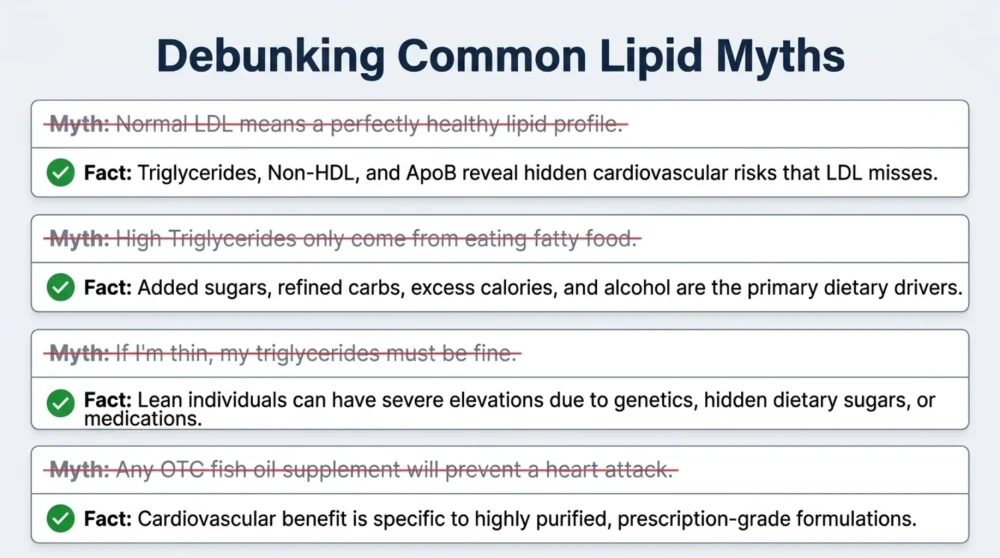
Myth 1: Normal LDL Means My Lipid Profile Is Healthy
False. Triglycerides, non-HDL cholesterol, ApoB and overall cardiovascular risk may provide additional clinically important information.
Myth 2: High Triglycerides Are Caused Only by Eating Fat
False. Added sugars, refined carbohydrates, alcohol, diabetes, genetic factors and other conditions may contribute.
Myth 3: High Triglycerides Always Mean Fatty Liver
False. The conditions are associated, but triglycerides cannot diagnose MASLD.
Myth 4: Everyone With High Triglycerides Needs a Fibrate
False. Treatment depends on triglyceride severity, secondary causes and cardiovascular or pancreatitis risk.
Myth 5: Any Fish Oil Supplement Prevents Heart Attacks
False. Cardiovascular outcome evidence depends on the specific formulation and the patient population studied.
Myth 6: If I Am Thin, I Cannot Have High Triglycerides
False. Lean individuals may develop hypertriglyceridaemia because of genetic, dietary, metabolic or medication-related factors.
Myth 7: A Single High Triglyceride Result Means Lifelong Medication
False. Many patients require confirmation, evaluation of secondary causes and reassessment after appropriate intervention.
Myth 8: Triglycerides of 700 mg/dL Can Wait Until My Next Annual Check-Up
False. Severe hypertriglyceridaemia requires prompt assessment because of pancreatitis risk.
Frequently Asked Questions About High Triglycerides but Normal LDL
1. Can triglycerides be high when LDL cholesterol is normal?
Yes. Triglycerides and LDL cholesterol represent different aspects of lipoprotein metabolism and can be abnormal independently.
2. Is high triglycerides but normal LDL dangerous?
It may indicate increased metabolic or cardiovascular risk. Severe triglyceride elevation also increases pancreatitis risk.
3. What is the most common cause of high triglycerides?
Common contributors include insulin resistance, excess calorie intake, added sugars, alcohol, poorly controlled diabetes and genetic factors.
4. Can high triglycerides indicate insulin resistance?
They may be associated with insulin resistance, especially alongside low HDL and central adiposity, but cannot diagnose it.
5. Can triglycerides be high with normal blood sugar?
Yes. Normal glucose measurements do not exclude genetic, dietary or other causes of hypertriglyceridaemia.
6. Is triglycerides of 250 mg/dL serious?
A level of 250 mg/dL is moderately elevated and warrants evaluation of secondary causes and cardiovascular risk. It does not usually carry the same pancreatitis concern as very severe elevation.
7. Is triglycerides of 500 mg/dL dangerous?
At 500 mg/dL or higher, pancreatitis prevention becomes an additional management priority, and prompt clinical assessment is recommended.
8. How quickly can triglycerides improve?
Triglycerides may improve within weeks when reversible contributors are addressed, but the response depends on the cause and severity.
9. Can walking lower triglycerides?
Yes. Regular aerobic activity can improve triglyceride metabolism and overall cardiometabolic health.
10. Should I stop eating rice?
Not necessarily. Portion size, overall dietary balance, carbohydrate quality and individual metabolic needs matter more than eliminating rice completely.
11. Does ghee increase triglycerides?
Excess calorie and saturated-fat intake may contribute to an unfavourable metabolic profile. Ghee should not be promoted as a treatment for elevated triglycerides.
12. Is ApoB useful when triglycerides are high?
Yes, particularly when LDL cholesterol may underestimate the burden of atherogenic particles.
13. Should I take a statin if LDL is normal?
That depends on cardiovascular risk, diabetes status, established cardiovascular disease and guideline-based treatment indications.
14. Can high triglycerides cause pancreatitis?
Yes. The risk increases with severe triglyceride elevation and is particularly concerning at approximately 1,000 mg/dL or higher.
15. Do I need a fasting lipid profile?
Not always. Non-fasting testing is suitable for many routine assessments, but fasting confirmation may be useful when triglycerides are substantially elevated.
What I Explain to Patients With High Triglycerides but Normal LDL
When patients consult me with elevated triglycerides and apparently normal LDL cholesterol, I explain that the complete lipid profile matters more than any single result.
I review the triglyceride concentration, HDL cholesterol, LDL cholesterol and non-HDL cholesterol, along with glucose regulation, waist circumference, blood pressure and relevant medical history.
In selected patients, ApoB may help clarify atherogenic lipoprotein burden.
I also assess possible secondary causes, including diabetes, thyroid dysfunction, medication effects and alcohol consumption.
For patients with mild or moderate triglyceride elevation, practical lifestyle changes are often an important starting point.
For patients with severe hypertriglyceridaemia, pancreatitis prevention becomes an additional priority.
The aim is not simply to lower triglycerides temporarily, but to identify and address the underlying metabolic and cardiovascular risks.
Key Takeaways: High Triglycerides but Normal LDL
- Normal LDL cholesterol does not exclude other important lipid abnormalities.
- Elevated triglycerides may be associated with insulin resistance, diabetes, MASLD and other metabolic conditions.
- Triglyceride-rich lipoproteins and their remnants contribute to cardiovascular risk.
- Non-HDL cholesterol and ApoB can help assess atherogenic lipoprotein burden.
- Reducing added sugars, refined carbohydrates and excess alcohol can improve triglycerides.
- Regular physical activity and appropriate weight management support metabolic health.
- Statins remain important for cardiovascular risk reduction in appropriately selected patients.
- Fibrates and prescription omega-3 therapies have specific indications.
- Triglycerides of 500 mg/dL or higher require prompt assessment for pancreatitis prevention.
- Triglycerides of approximately 1,000 mg/dL or higher require particularly careful management.
Triglyceride and Cholesterol Consultation in Dwarka, Delhi
If your lipid profile shows high triglycerides, low HDL cholesterol or other abnormalities, a medical consultation can help identify possible causes and determine whether further evaluation or treatment is needed.
Dr. Pankaj Kumar, General & Lifestyle Physician, provides consultations for cholesterol disorders, diabetes, insulin resistance, obesity, fatty liver and related metabolic conditions in Dwarka, New Delhi.
Clinic: Dr. Pankaj Kumar Medical & Lifestyle Clinic, Dwarka, New Delhi.
Scientific References and Clinical Guidelines
- Blumenthal RS, et al. 2026 ACC/AHA/Multisociety Guideline on the Management of Dyslipidemia. Circulation. 2026;153:e1154–e1276. https://doi.org/10.1161/CIR.0000000000001423.
- American Diabetes Association Professional Practice Committee. Cardiovascular Disease and Risk Management: Standards of Care in Diabetes—2026. Diabetes Care. 2026. https://doi.org/10.2337/dc26-s010.
- American Heart Association. 2026 Guideline on the Management of Dyslipidemia: Top Things to Know. AHA Guideline Summary.
- American College of Cardiology. Lipid Manager: Hypertriglyceridemia Management Algorithms. ACC Lipid Manager.
- Virani SS, et al. ACC Expert Consensus Decision Pathway on the Management of ASCVD Risk Reduction in Patients With Persistent Hypertriglyceridemia. Journal of the American College of Cardiology. 2021;78:960–993. https://doi.org/10.1016/j.jacc.2021.06.011.
- European Association for the Study of the Liver, European Association for the Study of Diabetes, and European Association for the Study of Obesity. EASL–EASD–EASO Clinical Practice Guidelines on the Management of Metabolic Dysfunction-Associated Steatotic Liver Disease (MASLD). Journal of Hepatology. 2024.
About the Author
Dr. Pankaj Kumar
MBBS, DNB (Family Medicine)
General & Lifestyle Physician
Dwarka, New Delhi
Dr. Pankaj Kumar focuses on evidence-based management of diabetes, obesity, dyslipidaemia, fatty liver and other metabolic disorders through medical assessment and practical lifestyle interventions.
Website: www.drpankajkumar.com
Medical Disclaimer
This article is intended for general medical education and does not replace personalised medical advice. Lipid results should be interpreted in the context of the patient's medical history, cardiovascular risk, medications and other laboratory findings. Do not start, stop or change lipid-lowering medicines without consulting your treating clinician. Severe abdominal pain, persistent vomiting or symptoms suggesting pancreatitis require urgent medical evaluation.
Written by Dr. Pankaj Kumar , General & Lifestyle Physician, Dwarka, New Delhi