















- 11th November 2026
Table of Contents
- Semaglutide or Tirzepatide and Acid Reflux: Why Heartburn May Begin After Weight-Loss Injections
- What Are Semaglutide and Tirzepatide?
- Semaglutide vs Tirzepatide: How Do They Affect Digestion?
- Why Do GLP-1 Medicines Slow Gastric Emptying?
- How Delayed Gastric Emptying Can Contribute to Acid Reflux
- How GLP-1 Medicines May Contribute to Heartburn
- Does Semaglutide Actually Increase the Risk of GERD?
- Does Tirzepatide Cause Acid Reflux?
- What Does Acid Reflux Feel Like During GLP-1 Treatment?
- Common Digestive Symptoms: What Might They Suggest?
- Why Heartburn May Be Worse After Increasing the Dose
- Can Acid Reflux Begin Even When You Are Eating Less?
- Why Acid Reflux May Be Worse at Night
- Are Sulfur Burps Related to Semaglutide or Tirzepatide?
- Is Acid Reflux the Same as Gastroparesis?
- GERD vs Gastroparesis: Understanding the Difference
- Does Heartburn Mean You Must Stop Semaglutide or Tirzepatide?
- When Heartburn May Be Something More Serious
- Semaglutide or Tirzepatide and Acid Reflux: Who Is More Likely to Develop Heartburn?
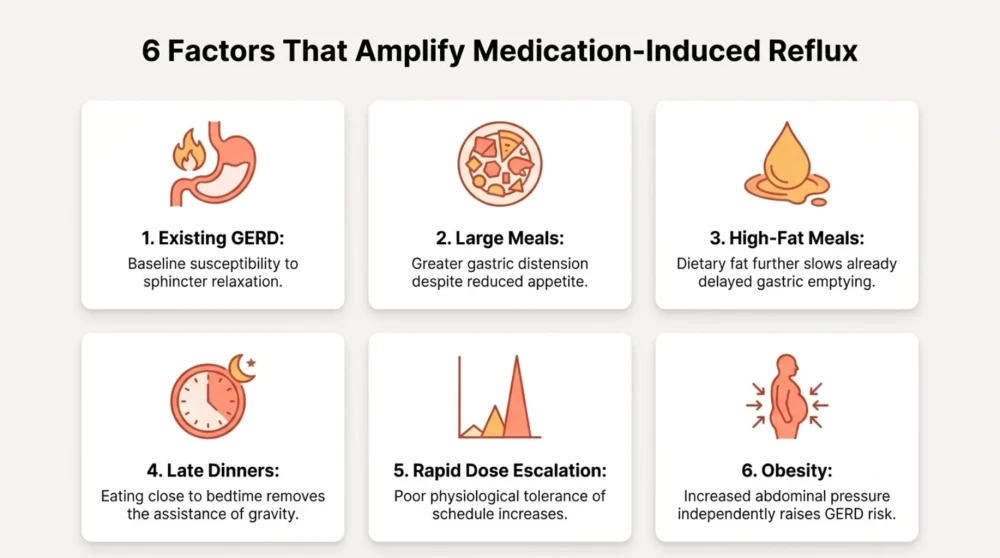
- 1. Existing Gastro-Oesophageal Reflux Disease (GERD)
- 2. Large Meals Despite Reduced Appetite
- 3. High-Fat Meals
- 4. Eating Too Close to Bedtime
- 5. Rapid Dose Escalation or Poor Tolerance of Dose Increases
- 6. Obesity and Increased Abdominal Pressure
- Can Weight Loss Eventually Improve Acid Reflux?
- 7. Type 2 Diabetes and Pre-Existing Gastric Motility Problems
- 8. Constipation and Abdominal Bloating
- Potential Contributors to Reflux During GLP-1 Treatment
- Which Indian Foods May Trigger Heartburn During Semaglutide or Tirzepatide Treatment?
- Common Indian Food Triggers and Practical Alternatives
- Why Eating Very Little Can Also Become a Problem
- How to Tell Whether Heartburn Is Related to the Injection
- Questions Your Doctor May Ask About Acid Reflux
- Does Every Patient With Heartburn Need an Endoscopy?
- When Is Gastric Emptying Testing Considered?
- Can Semaglutide or Tirzepatide Cause Gallbladder Problems That Feel Like Acidity?
- When Should Pancreatitis Be Considered?
- Red Flags: When Acid Reflux Symptoms Need Urgent Attention
- Should You Skip the Next Injection If You Have Heartburn?
- How to Manage Acid Reflux While Taking Semaglutide or Tirzepatide
- 1. Eat Smaller Meals Without Compromising Nutrition
- 2. Avoid Lying Down Immediately After Meals
- 3. Reduce Large, High-Fat Meals
- 4. Identify Personal Food Triggers
- 5. Eat Slowly and Recognise Early Fullness
- 6. Consider Night-Time Reflux Measures
- 7. Maintain Adequate Hydration
- Practical Reflux Management During GLP-1 Treatment
- Indian Diet Plan for Patients Experiencing Reflux on Semaglutide or Tirzepatide
- Example One-Day Indian Meal Pattern
- Can Antacids Help Heartburn During GLP-1 Treatment?
- Are Proton Pump Inhibitors Such as Pantoprazole or Omeprazole Useful?
- What About H2-Receptor Blockers?
- Do Prokinetic Medicines Help?
- Should Semaglutide or Tirzepatide Be Reduced or Stopped?
- Can Switching From Semaglutide to Tirzepatide Reduce Reflux?
- What If Acid Reflux Continues Despite Dietary Changes?
- Clinical Example 1: Mild Heartburn After Starting Semaglutide
- Clinical Example 2: Reflux After Tirzepatide Dose Escalation
- Clinical Example 3: Severe Vomiting Is Not Routine Acidity
- Clinical Example 4: Chest Burning That Is Not GERD
- Common Myths About GLP-1 Medicines and Acid Reflux
- Myth 1: Semaglutide Always Causes Acid Reflux
- Myth 2: Tirzepatide Cannot Cause Heartburn
- Myth 3: Heartburn Means the Medicine Is Working Better
- Myth 4: Every Patient With Reflux Must Stop GLP-1 Treatment
- Myth 5: Pantoprazole Corrects Delayed Gastric Emptying
- Myth 6: Eating Almost Nothing Is the Best Way to Avoid Reflux
- Myth 7: Burping Means You Have Gastroparesis
- Myth 8: Severe Abdominal Pain Is a Normal GLP-1 Side Effect
- Frequently Asked Questions About Semaglutide, Tirzepatide and Acid Reflux
- 1. Can semaglutide cause acid reflux?
- 2. Can tirzepatide cause heartburn?
- 3. Why do GLP-1 medicines cause acid reflux?
- 4. Is reflux worse after increasing the dose?
- 5. Can acid reflux improve after a few weeks?
- 6. Can I take pantoprazole with semaglutide?
- 7. Does tirzepatide cause sulfur burps?
- 8. Should I stop semaglutide if I develop heartburn?
- 9. Does delayed gastric emptying mean I have gastroparesis?
- 10. Can weight loss improve GERD?
- 11. Which foods should I avoid while taking GLP-1 medicines?
- 12. Can GLP-1 medicines cause vomiting?
- 13. Is acid reflux a sign of pancreatitis?
- 14. Can switching from semaglutide to tirzepatide solve reflux?
- 15. When should I see a doctor for reflux during GLP-1 treatment?
- What I Explain to Patients Taking Semaglutide or Tirzepatide
- Key Takeaways: Semaglutide, Tirzepatide and Acid Reflux
- GLP-1 Medicine and Weight Management Consultation in Dwarka, Delhi
- Scientific References and Clinical Guidelines
Semaglutide or Tirzepatide and Acid Reflux: Why Heartburn May Begin After Weight-Loss Injections
A 42-year-old patient starts semaglutide for obesity management. During the first few weeks, appetite decreases, portion sizes become smaller, and weight begins to improve. However, after increasing the dose, the patient notices something unexpected.
There is a burning sensation behind the chest after dinner, frequent burping, an uncomfortable feeling of fullness, and occasional sour-tasting fluid rising into the throat.
Another patient taking tirzepatide describes similar symptoms. Although eating less than before, the patient feels unusually full for several hours after meals and develops heartburn when lying down at night.
These symptoms raise an important question: Can semaglutide or tirzepatide cause acid reflux?
Yes. Semaglutide and tirzepatide can contribute to upper gastrointestinal symptoms, including indigestion, belching and gastro-oesophageal reflux.
However, not every patient taking these medicines develops acid reflux, and not every episode of heartburn is caused by the medication.
The relationship is clinically important because these medicines influence gastrointestinal motility, including the rate at which food leaves the stomach.
When gastric emptying is delayed, some patients experience prolonged fullness, nausea, bloating and symptoms that resemble or aggravate gastro-oesophageal reflux disease (GERD).
Understanding this mechanism can help patients recognise symptoms early and discuss appropriate management with their treating doctor.
The key is to distinguish manageable digestive side effects from symptoms that require further investigation or urgent medical attention.
What Are Semaglutide and Tirzepatide?
Semaglutide and tirzepatide are prescription medicines used for specific indications involving type 2 diabetes and chronic weight management.
They act on hormonal pathways involved in appetite regulation, glucose metabolism and gastrointestinal function.
However, they are not pharmacologically identical.
Semaglutide is a glucagon-like peptide-1 (GLP-1) receptor agonist.
Tirzepatide activates both glucose-dependent insulinotropic polypeptide (GIP) and GLP-1 receptors.
Both medicines can reduce appetite and increase feelings of fullness.
They also affect gastric emptying, particularly during treatment initiation and dose escalation.
These gastrointestinal effects contribute to their therapeutic action but may also produce unwanted digestive symptoms.
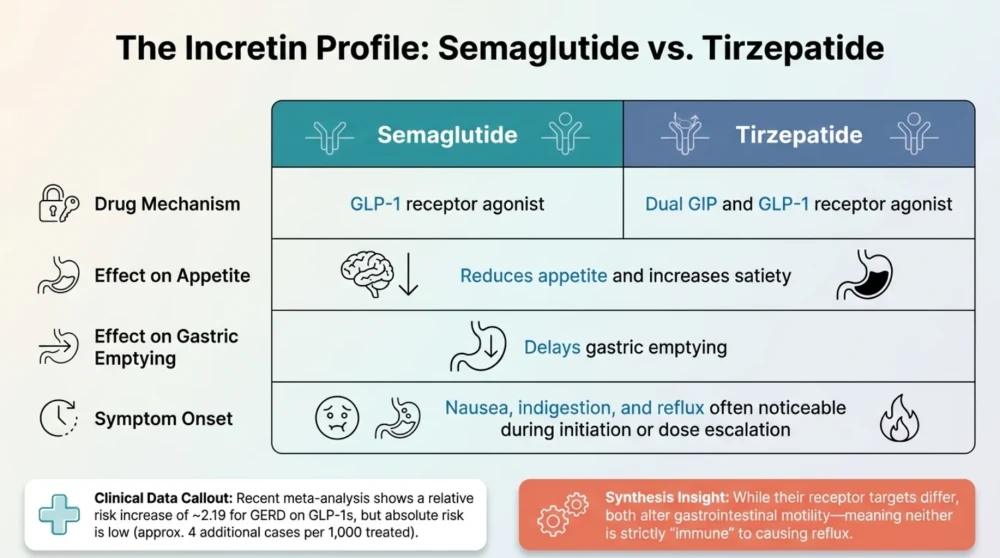
Semaglutide vs Tirzepatide: How Do They Affect Digestion?
| Feature | Semaglutide | Tirzepatide |
|---|---|---|
| Drug mechanism | GLP-1 receptor agonist | Dual GIP and GLP-1 receptor agonist |
| Effect on appetite | Reduces appetite and increases satiety | Reduces appetite and increases satiety |
| Effect on gastric emptying | Can delay gastric emptying | Can delay gastric emptying |
| Common digestive symptoms | Nausea, vomiting, constipation, indigestion, belching and reflux | Nausea, vomiting, constipation, indigestion, belching and reflux |
| When symptoms may become noticeable | During initiation or dose escalation | During initiation or dose escalation |
Both medicines can produce digestive side effects, but available evidence does not establish that one consistently causes more clinically important reflux than the other in every patient.
Why Do GLP-1 Medicines Slow Gastric Emptying?
Under normal circumstances, food enters the stomach, mixes with digestive secretions and gradually passes into the small intestine.
The speed of this process depends on several factors, including meal composition, hormonal signals and gastrointestinal motility.
GLP-1 signalling influences gastric motility and can slow the movement of stomach contents into the small intestine.
This contributes to prolonged satiety and can reduce food intake.
However, the same mechanism may produce uncomfortable fullness, nausea and other upper gastrointestinal symptoms.
The effect on gastric emptying can be particularly noticeable when treatment is started or the dose is increased.
With long-acting GLP-1-based medicines, some gastric-emptying effects may diminish over time because of physiological adaptation, although the extent varies.
Therefore, delayed gastric emptying is an important mechanism, but it should not be assumed to remain equally pronounced throughout treatment.
How Delayed Gastric Emptying Can Contribute to Acid Reflux
Gastro-oesophageal reflux occurs when stomach contents move backward into the oesophagus.
The lower oesophageal sphincter normally helps prevent this backward movement.
Reflux may occur when this barrier is temporarily or persistently ineffective.
Delayed gastric emptying can contribute to reflux symptoms in susceptible individuals by prolonging the presence of food and other contents in the stomach.
Large meals, gastric distension and lying down soon after eating may further increase the likelihood of symptoms.
However, the relationship is not purely mechanical.
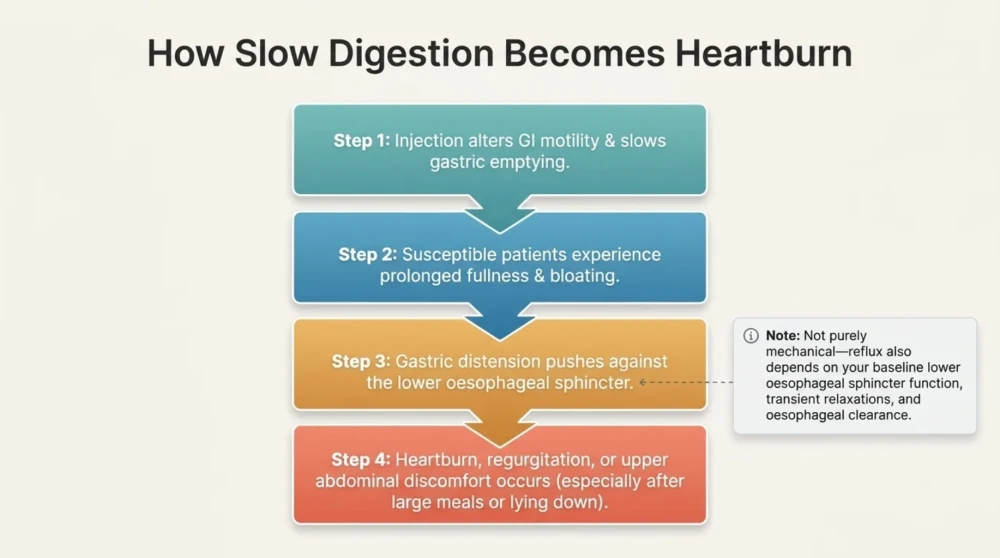
Reflux also depends on lower oesophageal sphincter function, transient sphincter relaxations, hiatal hernia, oesophageal clearance and other physiological factors.
Therefore, delayed gastric emptying is one possible contributor rather than the sole explanation for GERD during GLP-1 treatment.
How GLP-1 Medicines May Contribute to Heartburn
Semaglutide or Tirzepatide
↓
Changes in gastrointestinal motility and gastric emptying
↓
Prolonged fullness, bloating or nausea in susceptible patients
↓
Possible aggravation of reflux, especially after large meals or lying down
↓
Heartburn, regurgitation or upper abdominal discomfort
This diagram illustrates a plausible pathway. Not every patient with delayed gastric emptying develops reflux, and reflux symptoms may arise through other mechanisms.
Does Semaglutide Actually Increase the Risk of GERD?
Recent research suggests that GLP-1 receptor agonist treatment may be associated with an increased risk of gastro-oesophageal reflux disease.
A 2025 systematic review and meta-analysis involving 55 randomised controlled trials and more than 106,000 participants found that GLP-1 receptor agonists probably increased the risk of GERD compared with placebo.
The pooled relative risk was approximately 2.19, with an estimated absolute increase of about four additional cases per 1,000 treated participants.
This distinction between relative and absolute risk is important.
A higher relative risk does not mean that most patients will develop GERD.
The actual probability depends on baseline risk, patient characteristics, the medicine and the way adverse events are measured.
A separate 2025 population-based cohort study of adults with type 2 diabetes also identified a higher rate of GERD among patients starting GLP-1 receptor agonists compared with those starting SGLT2 inhibitors.
However, observational studies cannot completely eliminate the possibility of confounding.
Overall, the evidence supports recognising reflux as a potential adverse effect without assuming that it occurs in every patient.
Does Tirzepatide Cause Acid Reflux?
Tirzepatide can cause gastrointestinal symptoms, including dyspepsia, belching and gastro-oesophageal reflux.
These effects are recognised in prescribing information for tirzepatide-containing medicines.
However, studies comparing reflux outcomes across different incretin-based medicines have limitations.
For example, a 2025 network meta-analysis found a statistically significant GERD signal for semaglutide, while the estimate for tirzepatide was imprecise and did not reach statistical significance.
This does not prove that tirzepatide cannot cause reflux.
It means that the available comparative evidence was insufficient to establish a precise difference in reflux risk between these medicines.
Therefore, clinical decisions should consider the patient's symptoms and response rather than assuming that switching medicines will automatically eliminate reflux.
What Does Acid Reflux Feel Like During GLP-1 Treatment?
Patients may describe a burning sensation behind the breastbone, particularly after meals or when lying down.
Some notice sour-tasting fluid rising into the throat or mouth.
Others report repeated burping, upper abdominal discomfort, nausea or an uncomfortable feeling that food remains in the stomach for several hours.
However, these symptoms are not interchangeable.
Heartburn and regurgitation are more typical of gastro-oesophageal reflux.
Persistent early satiety, nausea and vomiting may suggest a gastric motility problem or another upper gastrointestinal disorder.
Accurate symptom assessment helps determine whether the patient needs reflux management, evaluation for delayed gastric emptying or investigation of another condition.
Common Digestive Symptoms: What Might They Suggest?
| Symptom | Possible Explanation | Important Point |
|---|---|---|
| Burning behind the breastbone | Gastro-oesophageal reflux | New or severe chest symptoms may require cardiac evaluation |
| Sour fluid reaching the throat | Regurgitation | Often worsens after meals or lying down |
| Frequent burping | Belching or gastric distension | Does not independently diagnose GERD |
| Fullness after a small meal | Early satiety or altered gastric motility | Persistent or severe symptoms need assessment |
| Nausea | Medication effect or another gastrointestinal condition | Common during treatment initiation or escalation |
| Repeated vomiting | Medication intolerance or another significant disorder | Requires prompt evaluation, especially with dehydration |
Why Heartburn May Be Worse After Increasing the Dose
Semaglutide and tirzepatide are generally started at lower doses and increased gradually according to the prescribed treatment schedule.
This approach helps improve gastrointestinal tolerability.
However, some patients develop new or worsening digestive symptoms after dose escalation.
They may notice increased nausea, fullness, bloating, burping or heartburn.
In many cases, symptoms improve with time, but persistent or severe symptoms should not be dismissed as an unavoidable part of treatment.
The treating clinician may need to reassess dose escalation, meal patterns, hydration, other medications and possible alternative diagnoses.
Patients should not increase the dose while significant gastrointestinal intolerance remains unresolved without discussing it with their prescriber.
Can Acid Reflux Begin Even When You Are Eating Less?
Yes.
Patients often assume that eating smaller quantities should automatically prevent reflux.
However, meal volume is only one factor influencing reflux symptoms.
If gastric emptying is delayed, even a relatively modest meal may produce prolonged fullness or discomfort in some individuals.
Meal composition also matters.
High-fat meals may remain in the stomach longer and can aggravate reflux symptoms in susceptible patients.
Eating close to bedtime or lying down shortly after a meal may further increase symptoms.
Therefore, reducing total food intake does not guarantee that reflux will disappear.
Why Acid Reflux May Be Worse at Night
Night-time reflux can be particularly uncomfortable because lying down reduces the assistance provided by gravity in keeping stomach contents below the oesophagus.
Patients may experience burning in the chest, sour regurgitation, disturbed sleep or coughing associated with reflux.
Symptoms may be more noticeable when dinner is large, fatty or eaten shortly before bedtime.
For patients taking GLP-1-based medicines, prolonged post-meal fullness may make these patterns more troublesome.
However, nocturnal symptoms should not automatically be attributed to delayed gastric emptying.
Persistent reflux may require evaluation for underlying GERD, hiatal hernia or other gastrointestinal conditions.
Are Sulfur Burps Related to Semaglutide or Tirzepatide?
Some patients taking semaglutide or tirzepatide report unpleasant-smelling burps, sometimes described as sulfur burps or rotten-egg burps.
Belching is a recognised gastrointestinal adverse effect of these medicines.
However, the precise mechanism responsible for sulfur-smelling burps is not fully established.
Altered gastrointestinal transit, dietary factors and microbial processes may contribute.
These symptoms do not automatically indicate acid reflux or gastroparesis.
Persistent sulfur burps accompanied by significant abdominal pain, vomiting, diarrhoea or other concerning symptoms should be medically assessed.
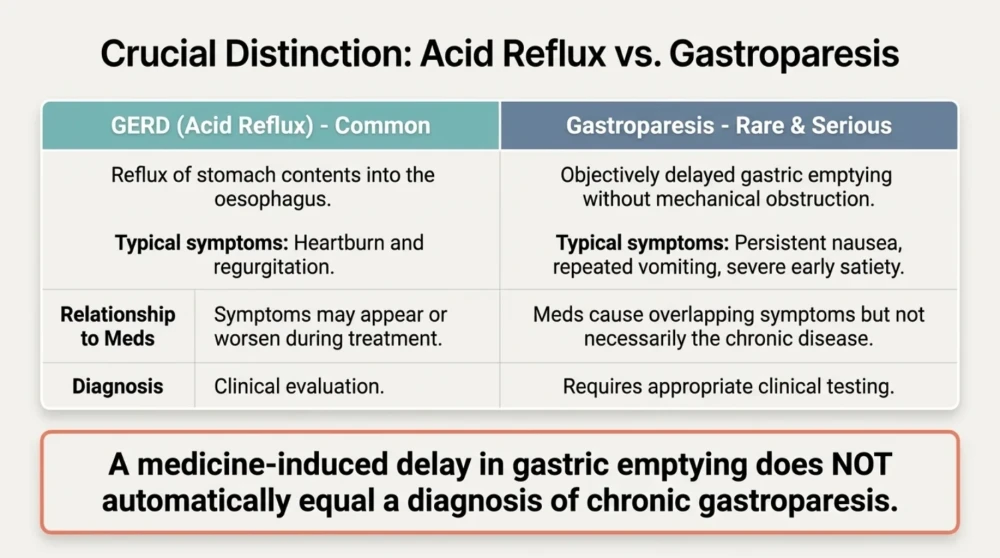
Is Acid Reflux the Same as Gastroparesis?
No.
Gastro-oesophageal reflux disease and gastroparesis are different conditions, although their symptoms may overlap.
GERD involves troublesome reflux of stomach contents into the oesophagus.
Gastroparesis is a condition characterised by objectively delayed gastric emptying in the absence of mechanical obstruction, together with compatible symptoms.
Symptoms of gastroparesis may include persistent nausea, vomiting, early satiety, post-meal fullness and upper abdominal discomfort.
However, symptoms alone cannot confirm gastroparesis.
Diagnostic evaluation may require appropriate testing after excluding other causes.
Importantly, a medicine-induced delay in gastric emptying does not automatically establish a diagnosis of chronic gastroparesis.
GERD vs Gastroparesis: Understanding the Difference
| Feature | GERD | Gastroparesis |
|---|---|---|
| Main problem | Reflux of stomach contents into the oesophagus | Delayed gastric emptying without mechanical obstruction |
| Typical symptoms | Heartburn and regurgitation | Nausea, vomiting, early satiety and post-meal fullness |
| Relationship with GLP-1 medicines | Symptoms may appear or worsen during treatment | Medicines may cause delayed gastric emptying and overlapping symptoms |
| Diagnosis | Clinical evaluation, with testing when indicated | Requires appropriate evidence of delayed emptying and exclusion of obstruction |
Does Heartburn Mean You Must Stop Semaglutide or Tirzepatide?
Not necessarily.
Mild, occasional reflux symptoms may sometimes be managed through meal adjustments and appropriate medical advice.
However, persistent, worsening or severe symptoms require reassessment.
The decision to continue, delay dose escalation, reduce the dose or discontinue treatment depends on symptom severity, clinical findings and the benefits of treatment.
Patients should not independently change their prescribed regimen.
However, severe abdominal pain, repeated vomiting, inability to tolerate fluids or other alarm symptoms should prompt urgent medical assessment rather than waiting for a routine follow-up.
When Heartburn May Be Something More Serious
Not every burning sensation in the chest is caused by acid reflux.
Chest pain associated with sweating, breathlessness, faintness or pain radiating to the arm or jaw may indicate a cardiac emergency.
Severe persistent upper abdominal pain, particularly when radiating to the back or accompanied by vomiting, may require assessment for pancreatitis or another acute abdominal condition.
Persistent vomiting can also cause dehydration and electrolyte disturbances.
Difficulty swallowing, vomiting blood, black stools or unexplained progressive symptoms require medical evaluation.
These warning signs should not be dismissed as routine side effects of weight-loss injections.
Semaglutide or Tirzepatide and Acid Reflux: Who Is More Likely to Develop Heartburn?
Not everyone taking semaglutide or tirzepatide develops acid reflux.
Some patients tolerate treatment without significant gastrointestinal symptoms, while others experience nausea, burping, bloating, indigestion or heartburn.
These differences may reflect underlying gastrointestinal health, meal patterns, medication exposure and individual responses to treatment.
However, there is no validated clinical scoring system that reliably predicts which individual patient will develop reflux specifically because of semaglutide or tirzepatide.
It is therefore more accurate to discuss factors that may contribute to symptoms rather than describe them as proven predictors in every patient.
Patients with pre-existing reflux, troublesome gastrointestinal symptoms or difficulties tolerating dose escalation may need closer clinical attention.
1. Existing Gastro-Oesophageal Reflux Disease (GERD)
Patients with established GERD may notice that their symptoms become more troublesome after starting a GLP-1-based medicine.
GERD occurs when reflux of stomach contents causes troublesome symptoms or complications.
Its development involves several mechanisms, including lower oesophageal sphincter function, transient sphincter relaxations, hiatal hernia and oesophageal clearance.
Because semaglutide and tirzepatide can affect gastric emptying, they may aggravate symptoms in susceptible individuals.
However, a history of uncomplicated GERD does not automatically mean these medicines are contraindicated.
The decision depends on symptom severity, treatment response and other clinical considerations.
2. Large Meals Despite Reduced Appetite
One of the practical challenges during GLP-1 treatment is that patients may continue eating their previous portion sizes even after appetite has decreased.
A meal that was previously comfortable may now produce prolonged fullness, nausea or upper abdominal discomfort.
Large meals can increase gastric distension and may aggravate reflux symptoms.
Therefore, patients often benefit from recognising early satiety and avoiding the habit of finishing large portions despite feeling full.
However, reducing meal size should not lead to inadequate protein intake, dehydration or nutritional deficiencies.
3. High-Fat Meals
Meals containing large amounts of fat can delay gastric emptying and may worsen reflux symptoms in susceptible individuals.
Examples include large portions of fried snacks, heavy cream-based dishes, rich gravies and high-fat restaurant meals.
For patients taking semaglutide or tirzepatide, these meals may be particularly uncomfortable when nausea or post-meal fullness is already present.
However, dietary fat is an essential nutrient and should not be eliminated completely.
The practical approach is to moderate portions, improve fat quality and identify individual food triggers.
4. Eating Too Close to Bedtime
Eating shortly before lying down can aggravate nocturnal reflux.
This is particularly relevant when gastric emptying is delayed and the patient continues to feel full several hours after dinner.
For patients with night-time reflux, avoiding meals within approximately two to three hours of bedtime may be helpful.
Some individuals may benefit from a longer interval depending on symptoms and meal size.
However, meal timing should be individualised, particularly for patients using other glucose-lowering medicines that can cause hypoglycaemia.
5. Rapid Dose Escalation or Poor Tolerance of Dose Increases
Semaglutide and tirzepatide are generally introduced at lower doses and increased gradually according to their approved prescribing schedules.
This approach is intended to improve gastrointestinal tolerability.
However, nausea, fullness, vomiting, indigestion or reflux may become more noticeable after a dose increase.
Patients should not assume that increasing the dose faster will necessarily produce better long-term outcomes.
Similarly, persistent gastrointestinal intolerance should not be ignored simply because a scheduled dose increase is due.
The treating clinician may need to reconsider the escalation schedule or assess whether another condition is contributing to symptoms.
Dose adjustments should be made by the prescriber rather than independently by the patient.
6. Obesity and Increased Abdominal Pressure
Obesity is independently associated with gastro-oesophageal reflux disease.
Increased abdominal pressure, altered gastro-oesophageal anatomy and other physiological factors may contribute.
Therefore, some patients starting GLP-1 treatment already have an increased likelihood of reflux because of obesity-related factors.
During early treatment, medication-related gastrointestinal effects may temporarily worsen symptoms.
However, sustained weight reduction can improve GERD symptoms in some patients with excess body weight.
This creates an important clinical distinction: short-term digestive intolerance and longer-term benefits of weight reduction may occur in the same patient.
Can Weight Loss Eventually Improve Acid Reflux?
Yes, in some patients.
Weight reduction is an established lifestyle intervention for GERD in individuals with overweight or obesity.
However, the relationship between GLP-1 treatment and reflux is not straightforward.
A patient may experience more heartburn during early dose escalation but later notice improvement as body weight decreases.
Another patient may continue to have reflux despite losing weight.
Therefore, improvement should not be assumed, and persistent symptoms require individual assessment.
7. Type 2 Diabetes and Pre-Existing Gastric Motility Problems
Long-standing diabetes can affect gastrointestinal motility in some patients.
Diabetic autonomic neuropathy may contribute to delayed gastric emptying and symptoms such as early satiety, nausea and vomiting.
However, not every person with diabetes has gastroparesis.
Patients with known severe gastroparesis require particular caution because semaglutide and tirzepatide can further affect gastric emptying.
Product prescribing information generally advises against their use in patients with severe gastroparesis.
Therefore, a history of persistent vomiting, substantial early satiety or diagnosed gastric motility disorder should be discussed before treatment begins.
8. Constipation and Abdominal Bloating
Constipation is another gastrointestinal adverse effect reported with GLP-1-based medicines.
Some patients experience constipation together with bloating, belching or upper abdominal discomfort.
These symptoms may coexist with reflux, although constipation does not necessarily cause GERD.
Persistent constipation, significant abdominal distension or worsening pain should prompt assessment rather than repeated self-treatment.
Severe abdominal symptoms may indicate a condition other than routine medication intolerance.
Potential Contributors to Reflux During GLP-1 Treatment
| Factor | How It May Contribute | Clinical Consideration |
|---|---|---|
| Existing GERD | Baseline susceptibility to reflux | Review previous symptoms and treatment response |
| Large meals | Greater gastric distension and prolonged fullness | Consider smaller, nutritionally adequate portions |
| High-fat meals | May slow gastric emptying and aggravate symptoms | Reduce particularly heavy or greasy meals |
| Late dinner | Increased likelihood of reflux when lying down | Allow adequate time before bedtime |
| Dose escalation | Gastrointestinal intolerance may increase | Review escalation with the prescriber |
| Obesity | Can independently increase GERD risk | Consider both short-term symptoms and long-term weight management |
| Severe gastric motility disorder | May worsen delayed-emptying symptoms | Requires medical assessment; severe gastroparesis is a major prescribing concern |
Which Indian Foods May Trigger Heartburn During Semaglutide or Tirzepatide Treatment?
Food triggers vary between individuals.
However, certain meal patterns commonly aggravate reflux or upper gastrointestinal discomfort.
In Indian diets, examples may include large servings of fried foods, rich gravies, heavy restaurant meals and eating shortly before bedtime.
Some patients also report symptoms after spicy foods, tomato-based dishes, citrus fruits, coffee or strong tea.
However, these foods do not trigger reflux in everyone.
Unnecessary elimination of multiple nutritious foods can make dietary adherence difficult and may compromise nutritional adequacy.
Therefore, dietary changes should be guided by actual symptoms rather than a universal list of prohibited foods.
Common Indian Food Triggers and Practical Alternatives
| Potential Trigger | Why It May Cause Discomfort | Practical Alternative |
|---|---|---|
| Large servings of pakora, samosa or puri | High fat content and large portions may worsen fullness | Smaller portions of lighter, non-fried meals |
| Heavy paneer or cream-based gravy | High-fat meals may aggravate symptoms | Paneer or tofu prepared with less oil and cream |
| Large late-night dinner | Full stomach before lying down | Earlier dinner with an appropriate portion size |
| Very spicy food | May trigger symptoms in susceptible individuals | Adjust chilli and spice levels according to tolerance |
| Strong tea or coffee | May aggravate reflux in some individuals | Reduce quantity or choose a tolerated alternative |
| Carbonated drinks | May increase belching and discomfort | Plain water or another tolerated non-carbonated drink |
These are possible triggers, not universal restrictions. Patients should identify which foods actually worsen their symptoms.
Why Eating Very Little Can Also Become a Problem
Some patients respond to nausea or reflux by skipping meals or eating extremely small quantities throughout the day.
Although reducing large meals may help symptoms, excessive food restriction can lead to inadequate protein, energy and micronutrient intake.
This is particularly important during medical weight management because preserving muscle mass and nutritional status remains a priority.
Patients who cannot maintain adequate food or fluid intake should contact their treating clinician.
Persistent inability to eat normally should not be regarded as evidence that the weight-loss medicine is working particularly well.
How to Tell Whether Heartburn Is Related to the Injection
The timing of symptoms may provide useful clues.
For example, a patient who develops heartburn shortly after starting semaglutide, or after increasing tirzepatide, may reasonably suspect a medication-related contribution.
However, timing alone does not prove causation.
GERD, gastritis, peptic ulcer disease, gallbladder disorders and other conditions can produce overlapping symptoms.
A clinical review should consider when symptoms began, whether they are related to meals, whether they worsen when lying down, and whether nausea or vomiting is present.
Medication history, including non-steroidal anti-inflammatory drugs and other medicines, may also be relevant.
Questions Your Doctor May Ask About Acid Reflux
During assessment, the clinician may ask whether the patient experiences burning behind the breastbone or sour regurgitation.
It is also important to determine whether symptoms began before treatment, after the first dose or following dose escalation.
The doctor may review meal size, timing, vomiting, swallowing difficulties, weight changes and hydration.
Patients should report whether symptoms occur mainly after meals, at night or throughout the day.
These details can help distinguish typical reflux from other gastrointestinal problems.
Does Every Patient With Heartburn Need an Endoscopy?
No.
Typical heartburn and regurgitation without alarm features can often be evaluated clinically.
However, upper gastrointestinal endoscopy may be appropriate when alarm symptoms are present or when the diagnosis remains uncertain.
Alarm features include difficulty swallowing, gastrointestinal bleeding, persistent vomiting and other concerning findings.
Patients with symptoms that do not respond to appropriate treatment may also require further investigation.
The decision should be individualised rather than based solely on the use of semaglutide or tirzepatide.
When Is Gastric Emptying Testing Considered?
Gastric emptying testing is not routinely required for ordinary heartburn.
It may be considered when symptoms suggest clinically significant delayed gastric emptying, particularly persistent nausea, vomiting, early satiety or post-meal fullness.
However, mechanical obstruction and other causes should be excluded before diagnosing gastroparesis.
Because GLP-1-based medicines affect gastric emptying, their use must be considered when planning and interpreting gastric emptying tests.
Any decision about temporarily withholding medication before testing should be made by the treating clinician and testing team.
Can Semaglutide or Tirzepatide Cause Gallbladder Problems That Feel Like Acidity?
GLP-1-based treatment and substantial weight loss may be associated with gallbladder-related adverse events.
Gallbladder pain may sometimes be mistaken for indigestion or upper abdominal acidity.
However, gallbladder disease often produces a different symptom pattern.
Pain may occur in the upper right abdomen or upper central abdomen, sometimes after meals, and may be accompanied by nausea or vomiting.
Fever, jaundice or persistent severe pain requires urgent medical assessment.
Patients should not automatically attribute significant upper abdominal pain to reflux.
When Should Pancreatitis Be Considered?
Acute pancreatitis is an important potential safety concern with incretin-based medicines.
Severe persistent abdominal pain, sometimes radiating to the back and possibly accompanied by vomiting, requires urgent medical assessment.
Such symptoms should not be managed as routine heartburn.
If pancreatitis is suspected, prescribing information directs discontinuation of the suspected medicine while urgent evaluation is undertaken.
Patients should not delay emergency assessment while attempting home remedies or over-the-counter acidity medicines.
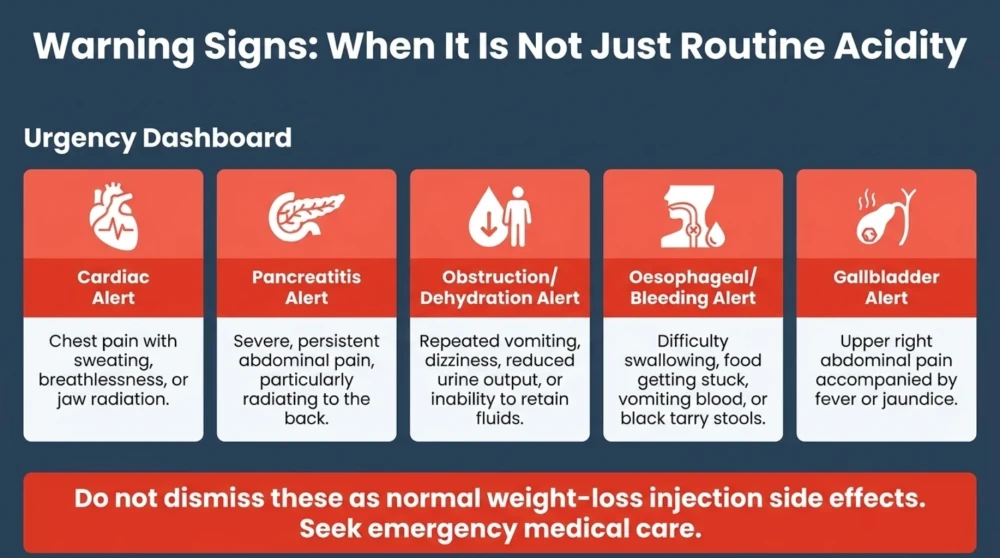
Red Flags: When Acid Reflux Symptoms Need Urgent Attention
| Warning Sign | Possible Concern | Recommended Response |
|---|---|---|
| Chest pain with sweating, breathlessness or radiation to the arm or jaw | Possible cardiac emergency | Seek emergency medical care |
| Severe persistent abdominal pain | Pancreatitis or another acute abdominal disorder | Seek urgent medical assessment |
| Repeated vomiting or inability to retain fluids | Dehydration, significant intolerance or obstruction | Seek prompt medical evaluation |
| Vomiting blood or black, tarry stools | Possible gastrointestinal bleeding | Seek urgent medical care |
| Difficulty swallowing or food getting stuck | Possible oesophageal disease | Arrange prompt medical evaluation |
| Upper abdominal pain with fever or jaundice | Possible gallbladder or biliary disease | Seek urgent medical assessment |
Should You Skip the Next Injection If You Have Heartburn?
Patients should not independently change the prescribed dosing schedule for mild symptoms.
However, significant or worsening gastrointestinal symptoms should be discussed with the prescriber before further dose escalation or the next dose.
The clinician may assess whether the medicine is contributing, whether treatment should be adjusted and whether another diagnosis needs investigation.
Patients with severe abdominal pain, repeated vomiting, dehydration or other alarm symptoms should seek urgent care rather than waiting for routine advice.
How to Manage Acid Reflux While Taking Semaglutide or Tirzepatide
Heartburn during treatment with semaglutide or tirzepatide can be uncomfortable, particularly when it occurs after meals or interrupts sleep.
However, not every episode of acid reflux means that the medicine must be stopped.
For patients with mild symptoms and no warning signs, adjusting meal size, meal timing and other reflux-related habits may help.
Persistent or worsening symptoms require medical assessment because not all upper gastrointestinal discomfort is caused by acid reflux.
The management plan should consider the severity of symptoms, the prescribed dose, recent dose escalation, nutritional intake, hydration and possible underlying gastrointestinal disorders.
The aim is to improve gastrointestinal tolerability without overlooking serious complications or compromising the patient's nutritional health.
1. Eat Smaller Meals Without Compromising Nutrition
Semaglutide and tirzepatide reduce appetite and may delay gastric emptying.
Consequently, meals that were previously comfortable may produce prolonged fullness or nausea.
Reducing large portions may help patients tolerate treatment more comfortably.
However, patients should avoid reducing food intake to the point that they cannot meet their nutritional requirements.
A practical approach is to eat smaller, balanced meals and stop eating when comfortably satisfied rather than forcing additional food.
Protein-containing foods, vegetables, appropriate carbohydrate portions and adequate fluids remain important.
For patients experiencing severe early satiety, persistent vomiting or inadequate intake, medical and nutritional assessment is necessary.
2. Avoid Lying Down Immediately After Meals
Lying down shortly after eating can aggravate reflux symptoms.
Patients with heartburn may benefit from remaining upright for approximately two to three hours after meals.
Eating dinner earlier may be particularly helpful when symptoms occur at night.
However, meal timing should be adapted to the patient's schedule and other medical treatments.
For example, patients using insulin or sulfonylureas may need additional guidance when making substantial changes to meal timing or carbohydrate intake.
3. Reduce Large, High-Fat Meals
High-fat meals may slow gastric emptying and aggravate reflux in susceptible individuals.
During GLP-1 treatment, large servings of fried foods or rich gravies may produce particularly uncomfortable fullness.
Examples include heavy restaurant meals, large portions of pakora or puri, cream-rich curries and meals containing excessive oil.
However, dietary fat should not be eliminated completely.
Patients should focus on appropriate portions and healthier fat sources while maintaining overall nutritional balance.
4. Identify Personal Food Triggers
Some patients experience reflux after spicy food, coffee, strong tea, chocolate, citrus fruits or tomato-based dishes.
However, these foods do not trigger symptoms in everyone.
Therefore, routine elimination of multiple foods is unnecessary.
A short symptom diary may help identify relationships between specific foods, meal size, timing and reflux episodes.
The objective is to make targeted dietary changes rather than impose an unnecessarily restrictive diet.
5. Eat Slowly and Recognise Early Fullness
Patients taking semaglutide or tirzepatide may feel satisfied after eating less food than before.
Eating rapidly can make it difficult to recognise early fullness.
Slower eating, smaller bites and pausing during meals may improve comfort.
However, these strategies are supportive measures rather than proven treatments for GERD.
Persistent symptoms still require appropriate medical evaluation.
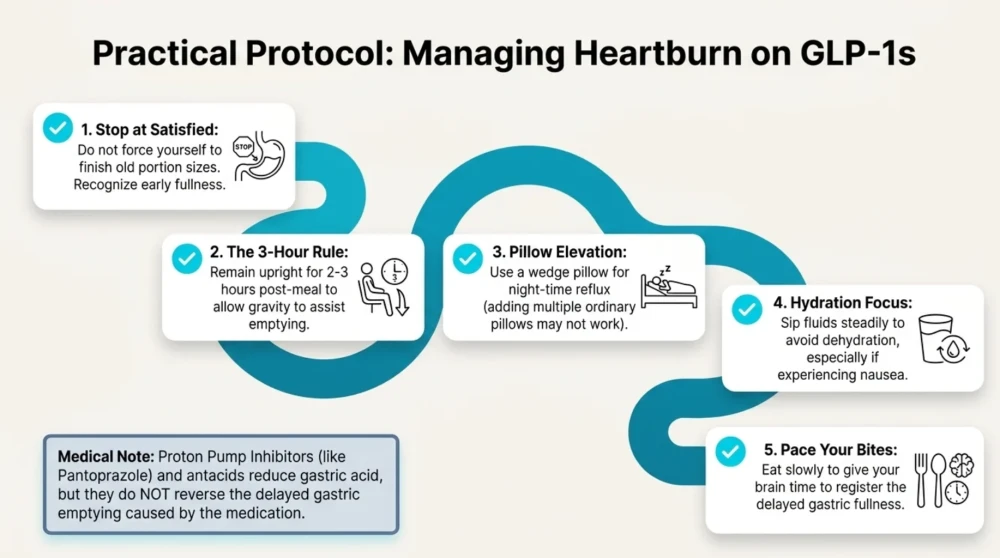
6. Consider Night-Time Reflux Measures
Patients with night-time heartburn may benefit from avoiding late meals and elevating the head of the bed.
A wedge pillow or suitable bed elevation may help reduce nocturnal reflux.
Simply adding multiple ordinary pillows may not provide the same benefit.
Sleeping on the left side may also reduce reflux exposure in some patients.
However, these measures should be individualised according to comfort and other medical conditions.
7. Maintain Adequate Hydration
Nausea and reduced appetite may lead some patients to drink less fluid than usual.
Vomiting or diarrhoea can further increase dehydration risk.
Patients should maintain appropriate fluid intake according to their medical needs.
Those with heart failure, advanced kidney disease or prescribed fluid restrictions require individualised advice.
Persistent vomiting, dizziness, markedly reduced urine output or inability to retain fluids requires prompt medical assessment.
Practical Reflux Management During GLP-1 Treatment
| Problem | Practical Approach | When to Seek Medical Advice |
|---|---|---|
| Heartburn after large meals | Reduce meal size and avoid overeating | If symptoms persist or worsen |
| Night-time reflux | Avoid late dinner and consider head-of-bed elevation | If frequent or sleep-disrupting |
| Fullness after small meals | Use smaller, nutritionally adequate meals | If severe or associated with vomiting |
| Symptoms after dose escalation | Discuss tolerability before further escalation | If symptoms interfere with eating, drinking or daily activities |
| Frequent belching | Review meal size, carbonated drinks and associated symptoms | If persistent or accompanied by significant pain |
| Repeated vomiting | Do not rely on home remedies | Seek prompt medical assessment |
Indian Diet Plan for Patients Experiencing Reflux on Semaglutide or Tirzepatide
Patients taking GLP-1-based medicines often need practical dietary adjustments rather than a completely different eating pattern.
The objective is to maintain nutritional adequacy while reducing meals that provoke fullness, nausea or reflux.
Food tolerance varies, and the following example should not be treated as a fixed prescription.
Example One-Day Indian Meal Pattern
| Meal | Possible Food Choice | Practical Consideration |
|---|---|---|
| Breakfast | Small portion of vegetable oats with curd, if tolerated | Avoid very oily preparation and oversized portions |
| Mid-morning | Small serving of a tolerated whole fruit | Choose according to individual reflux symptoms |
| Lunch | Small portion of roti or rice with dal and cooked vegetables | Include protein while avoiding excessive meal volume |
| Evening | Small portion of curd or another tolerated protein-containing snack | Avoid unnecessary snacking if comfortably satisfied |
| Dinner | Light meal with cooked vegetables, appropriate protein and a modest grain portion | Finish well before bedtime when possible |
This is an illustrative meal pattern, not a complete calorie- or protein-calculated diet. Portions and food choices must be adjusted to meet individual nutritional needs, diabetes treatment requirements and gastrointestinal tolerance.
Can Antacids Help Heartburn During GLP-1 Treatment?
Antacids may provide short-term relief from occasional acid-related symptoms.
However, they do not correct delayed gastric emptying or address every possible cause of upper abdominal discomfort.
Patients with frequent or persistent symptoms should not rely indefinitely on repeated over-the-counter antacid use.
Medication choice should consider kidney function, other medicines and the nature of the symptoms.
Are Proton Pump Inhibitors Such as Pantoprazole or Omeprazole Useful?
Proton pump inhibitors, or PPIs, reduce gastric acid production.
They are effective treatments for many patients with gastro-oesophageal reflux disease.
However, they do not directly reverse the gastric-emptying effects of semaglutide or tirzepatide.
Therefore, a patient whose main problem is persistent nausea, early satiety or vomiting may not improve simply by taking a PPI.
When typical reflux symptoms are present, a clinician may consider an appropriate course of acid-suppressing treatment.
Persistent symptoms despite treatment require reassessment of the diagnosis and medication regimen.
What About H2-Receptor Blockers?
H2-receptor antagonists, such as famotidine, reduce stomach acid production and may be useful in selected patients with reflux symptoms.
However, medication choice depends on symptom frequency, severity, other medical conditions and potential drug interactions.
Patients should avoid combining multiple acid-suppressing medicines without a clear treatment plan.
Do Prokinetic Medicines Help?
Prokinetic medicines are intended to influence gastrointestinal motility.
However, they are not routinely indicated for uncomplicated GERD without evidence of a relevant motility disorder.
Some prokinetic medicines have important adverse effects or restrictions.
For example, domperidone may increase the risk of QT prolongation and cardiac arrhythmias in susceptible individuals.
Metoclopramide also has important neurological adverse-effect risks, particularly with prolonged use.
Therefore, patients should not self-medicate with prokinetic medicines simply because they experience fullness or reflux during GLP-1 treatment.
Should Semaglutide or Tirzepatide Be Reduced or Stopped?
The decision depends on the severity and persistence of symptoms.
For mild reflux without warning signs, supportive measures and clinical monitoring may be sufficient.
For persistent symptoms after dose escalation, the prescriber may consider delaying further escalation or reassessing the current dose.
For severe gastrointestinal intolerance, discontinuation may be necessary after clinical evaluation.
However, treatment changes should not be made independently.
Patients with severe persistent abdominal pain, repeated vomiting, dehydration or other alarm features require urgent assessment.
Can Switching From Semaglutide to Tirzepatide Reduce Reflux?
Some patients tolerate one medicine differently from another.
However, both semaglutide and tirzepatide affect gastrointestinal motility and can cause reflux-related symptoms.
Current evidence does not establish that switching from semaglutide to tirzepatide will reliably resolve GERD.
Therefore, switching should not be presented as a guaranteed solution.
The decision should consider treatment indication, previous response, gastrointestinal tolerability, contraindications and other clinical factors.
What If Acid Reflux Continues Despite Dietary Changes?
Persistent symptoms may indicate established GERD, medication intolerance or another gastrointestinal condition.
Clinical reassessment may include reviewing the timing of symptoms, meal patterns, medication doses and associated features.
Depending on the findings, the clinician may consider acid-suppressing treatment, further investigation or referral to a gastroenterologist.
Patients with alarm symptoms may require endoscopy or other appropriate investigations.
The goal is to identify the actual cause rather than repeatedly treating symptoms without reassessment.
Clinical Example 1: Mild Heartburn After Starting Semaglutide
A hypothetical 38-year-old woman begins semaglutide for obesity management.
During the first few weeks, she experiences occasional heartburn after dinner but has no vomiting, swallowing difficulty or other alarm symptoms.
Her dinner is often large and eaten shortly before bedtime.
After clinical review, she adjusts meal timing and portion size while maintaining adequate nutrition.
Her symptoms improve without requiring immediate discontinuation.
This example illustrates how mild symptoms may sometimes respond to practical adjustments.
Clinical Example 2: Reflux After Tirzepatide Dose Escalation
A hypothetical 46-year-old man develops frequent burping, nausea and heartburn after an increase in his tirzepatide dose.
He reports feeling full for several hours after meals.
His clinician reviews the dose-escalation history, symptoms and nutritional intake.
Further dose escalation is reconsidered while tolerability is assessed.
This example highlights why persistent symptoms should be discussed before increasing the dose again.
Clinical Example 3: Severe Vomiting Is Not Routine Acidity
A hypothetical 52-year-old patient taking semaglutide develops repeated vomiting and is unable to retain fluids.
The patient also reports dizziness and reduced urine output.
These findings suggest possible dehydration and significant gastrointestinal intolerance or another medical problem.
Urgent medical assessment is required.
Repeated antacid use or dietary adjustments alone would not be an appropriate response.
Clinical Example 4: Chest Burning That Is Not GERD
A hypothetical 58-year-old man with diabetes develops chest discomfort while taking tirzepatide.
The discomfort is accompanied by sweating and breathlessness.
Although he initially describes the sensation as acidity, the symptoms may indicate a cardiac emergency.
Immediate emergency medical assessment is necessary.
This example emphasises that not all chest burning should be attributed to reflux or medication side effects.
Common Myths About GLP-1 Medicines and Acid Reflux
Myth 1: Semaglutide Always Causes Acid Reflux
False. Reflux can occur, but many patients do not develop clinically important symptoms.
Myth 2: Tirzepatide Cannot Cause Heartburn
False. Tirzepatide can produce gastrointestinal symptoms, including reflux-related complaints.
Myth 3: Heartburn Means the Medicine Is Working Better
False. Gastrointestinal side effects are not reliable indicators of treatment effectiveness.
Myth 4: Every Patient With Reflux Must Stop GLP-1 Treatment
False. Mild symptoms may sometimes be managed, but persistent or severe symptoms require reassessment.
Myth 5: Pantoprazole Corrects Delayed Gastric Emptying
False. Pantoprazole reduces acid production but does not directly reverse delayed gastric emptying.
Myth 6: Eating Almost Nothing Is the Best Way to Avoid Reflux
False. Excessive food restriction may cause inadequate nutrition and muscle loss.
Myth 7: Burping Means You Have Gastroparesis
False. Belching alone does not diagnose gastroparesis.
Myth 8: Severe Abdominal Pain Is a Normal GLP-1 Side Effect
False. Severe or persistent abdominal pain requires urgent medical assessment.
Frequently Asked Questions About Semaglutide, Tirzepatide and Acid Reflux
1. Can semaglutide cause acid reflux?
Yes. Semaglutide can contribute to reflux-related symptoms, including heartburn and regurgitation, in some patients.
2. Can tirzepatide cause heartburn?
Yes. Tirzepatide can cause gastrointestinal symptoms, including dyspepsia, belching and gastro-oesophageal reflux.
3. Why do GLP-1 medicines cause acid reflux?
They can delay gastric emptying and produce prolonged fullness or gastric distension, which may aggravate reflux in susceptible individuals.
4. Is reflux worse after increasing the dose?
Some patients experience worsening gastrointestinal symptoms after dose escalation, although the response varies.
5. Can acid reflux improve after a few weeks?
Yes. Some gastrointestinal symptoms improve as treatment continues, but persistent or worsening symptoms require reassessment.
6. Can I take pantoprazole with semaglutide?
Pantoprazole may be used when clinically indicated, but the treating clinician should confirm the diagnosis and review the complete medication regimen.
7. Does tirzepatide cause sulfur burps?
Some patients report sulfur-smelling burps, but the precise mechanism is not fully established.
8. Should I stop semaglutide if I develop heartburn?
Not automatically. Mild symptoms may sometimes be managed, while persistent or severe symptoms require medical assessment.
9. Does delayed gastric emptying mean I have gastroparesis?
No. Gastroparesis requires compatible symptoms, objective evidence of delayed gastric emptying and exclusion of mechanical obstruction.
10. Can weight loss improve GERD?
Weight reduction may improve reflux symptoms in some patients with overweight or obesity.
11. Which foods should I avoid while taking GLP-1 medicines?
Patients may benefit from reducing large, high-fat meals and identifying individual reflux triggers. Universal elimination of multiple foods is unnecessary.
12. Can GLP-1 medicines cause vomiting?
Yes. Nausea and vomiting are recognised gastrointestinal adverse effects. Repeated vomiting or inability to retain fluids requires prompt medical assessment.
13. Is acid reflux a sign of pancreatitis?
Ordinary heartburn is not a typical diagnostic feature of pancreatitis. Severe persistent abdominal pain, sometimes radiating to the back, requires urgent evaluation.
14. Can switching from semaglutide to tirzepatide solve reflux?
Not reliably. Both medicines can affect gastric emptying and cause gastrointestinal symptoms.
15. When should I see a doctor for reflux during GLP-1 treatment?
Medical assessment is appropriate when symptoms persist, worsen, interfere with eating or drinking, or occur with warning signs such as repeated vomiting, swallowing difficulty or significant abdominal pain.
What I Explain to Patients Taking Semaglutide or Tirzepatide
When patients consult me about heartburn after starting semaglutide or tirzepatide, I first assess whether the symptoms are typical of gastro-oesophageal reflux or suggest another gastrointestinal problem.
I review when symptoms began, whether they followed dose escalation, and whether the patient has nausea, vomiting, prolonged fullness or difficulty eating.
Meal size, dietary fat, dinner timing and pre-existing GERD may contribute to symptoms.
For mild reflux, practical dietary and lifestyle adjustments may be useful.
However, persistent symptoms should not be repeatedly treated with acidity medicines without reviewing the underlying cause.
I also explain that severe abdominal pain, repeated vomiting, dehydration or other alarm symptoms require urgent assessment.
GLP-1 medicines can provide important benefits for appropriately selected patients, but gastrointestinal tolerability and patient safety must remain part of treatment decisions.
Key Takeaways: Semaglutide, Tirzepatide and Acid Reflux
- Semaglutide and tirzepatide can cause upper gastrointestinal symptoms, including reflux-related complaints.
- Delayed gastric emptying may contribute to prolonged fullness and aggravate reflux in susceptible patients.
- Symptoms may become more noticeable during treatment initiation or dose escalation.
- Large meals, high-fat foods and late dinners may worsen reflux.
- Smaller, nutritionally adequate meals may improve tolerability.
- Patients should avoid lying down immediately after meals.
- PPIs reduce gastric acid but do not directly reverse delayed gastric emptying.
- Persistent nausea, vomiting or early satiety may require evaluation for other gastrointestinal disorders.
- Severe abdominal pain, repeated vomiting, dehydration and other alarm symptoms require urgent medical assessment.
- Medication changes should be discussed with the treating clinician.
GLP-1 Medicine and Weight Management Consultation in Dwarka, Delhi
If you are taking semaglutide or tirzepatide and experiencing heartburn, nausea, persistent fullness or other gastrointestinal symptoms, a medical consultation can help determine whether the symptoms are medication-related or require further evaluation.
Dr. Pankaj Kumar, General & Lifestyle Physician, provides consultations for obesity, diabetes, metabolic health and medical weight management in Dwarka, New Delhi.
Assessment may include reviewing treatment history, medication tolerance, dietary patterns, associated symptoms and the need for further investigations or specialist referral.
Clinic: Dr. Pankaj Kumar Medical & Lifestyle Clinic, Dwarka, New Delhi.
Scientific References and Clinical Guidelines
- U.S. Food and Drug Administration. Wegovy (semaglutide) Prescribing Information. Official product labelling, including gastrointestinal adverse reactions and delayed gastric emptying. FDA Wegovy Prescribing Information.
- U.S. Food and Drug Administration. Zepbound (tirzepatide) Prescribing Information. Official product labelling, including gastrointestinal adverse reactions and delayed gastric emptying. FDA Zepbound Prescribing Information.
- Katz PO, Dunbar KB, Schnoll-Sussman FH, Greer KB, Yadlapati R, Spechler SJ. ACG Clinical Guideline: Diagnosis and Management of Gastroesophageal Reflux Disease. American Journal of Gastroenterology. 2022;117(1):27–56. DOI: 10.14309/ajg.0000000000001538.
- Camilleri M, Kuo B, Nguyen L, et al. ACG Clinical Guideline: Gastroparesis. American Journal of Gastroenterology. 2022;117(8):1197–1220. DOI: 10.14309/ajg.0000000000001874.
- American Diabetes Association Professional Practice Committee. Standards of Care in Diabetes—2025. Diabetes Care. 2025;48(Suppl 1). ADA Standards of Care 2025.
- American Gastroenterological Association. Clinical Practice Update on Management of Gastrointestinal Symptoms Related to GLP-1 Receptor Agonists. Consult current professional guidance and relevant prescribing information for symptom assessment and management.
- World Health Organization. WHO Guidelines on Physical Activity and Sedentary Behaviour. Geneva: WHO; 2020. WHO Physical Activity Guidelines.
Medical disclaimer: This article is intended for general health education and does not replace individual medical advice. Semaglutide and tirzepatide are prescription medicines that should be used only under appropriate medical supervision. Gastrointestinal symptoms may have causes unrelated to these medicines. Do not independently start, stop, switch or change the dose of prescribed treatment. Severe abdominal pain, repeated vomiting, dehydration, gastrointestinal bleeding or concerning chest pain requires urgent medical assessment.
Written by Dr. Pankaj Kumar , General & Lifestyle Physician, Dwarka, New Delhi