






- 22nd August 2026
Table of Contents
- What Are Gallstones?
- Why Can Rapid Weight Loss Increase Gallstone Risk?
- Who Is More Likely to Develop Gallstones After Weight Loss?
- 1. People With Obesity
- 2. People Losing Weight Very Quickly
- 3. People Undergoing Bariatric Surgery
- 4. Women May Have a Higher Baseline Risk
- 5. People With a Previous History of Gallstones
- 6. People With Diabetes or Metabolic Disease
- 7. People With a Family History of Gallstones
- Can GLP-1 Medicines Cause Gallstones?
- Does Everyone Need a Gallbladder Ultrasound Before Starting a GLP-1 Medicine?
- What Does Gallstone Pain Usually Feel Like?
- Gallstone Pain Can Be Mistaken for Acidity
- When Gallstones Become More Than a Painful Attack
- Gallstones After Weight Loss Are Important, but They Should Not Create Fear of Weight Loss
- How Rapid Is Too Rapid for Gallstone Risk?
- Very-Low-Calorie Diets and Gallstones After Weight Loss
- Does Eating Too Little Fat Increase Gallstone Risk?
- Can Skipping Meals Contribute to Gallstone Formation?
- GLP-1 Medicines and Gallstones After Weight Loss
- Does Faster GLP-1 Dose Escalation Prevent or Cause Gallstones?
- Should GLP-1 Treatment Be Stopped if Gallstones Are Found?
- Bariatric Surgery and Gallstones After Weight Loss
- Can Medicine Prevent Gallstones During Rapid Weight Loss?
- Can You Prevent Gallstones After Weight Loss Completely?
- How Are Gallstones Diagnosed?
- Which Blood Tests May Be Needed?
- What if Ultrasound Does Not Explain the Symptoms?
- Could Upper Abdominal Pain Be Pancreatitis Instead?
- What Happens When Gallstones Start Causing Problems?
- When Biliary Colic Becomes Acute Cholecystitis
- What Happens if a Gallstone Enters the Common Bile Duct?
- Gallstones Can Cause Cholangitis
- Gallstones After Weight Loss Can Cause Pancreatitis
- Do Gallstones Always Need Surgery?
- Can Gallstones Be Dissolved Without Surgery?
- Can Diet Remove Gallstones?
- What Should You Eat if You Have Gallstones?
- Can You Continue Losing Weight if You Have Gallstones?
- Should You Stop a GLP-1 Medicine if You Develop Abdominal Pain?
- When Should You Seek Urgent Care for Gallstone Symptoms?
- Common Myths About Gallstones After Weight Loss
- Myth 1: Weight Loss Is Bad for the Gallbladder
- Myth 2: Everyone Taking a GLP-1 Medicine Will Develop Gallstones
- Myth 3: Every Gallstone Needs Surgery
- Myth 4: Eating No Fat Prevents Gallstones
- Myth 5: Gallbladder Cleanses Can Flush Out Stones
- Myth 6: Gallstone Pain Always Happens After Fatty Food
- Myth 7: All Abdominal Pain During Weight-Loss Treatment Is a Medicine Side Effect
- Key Takeaways About Gallstones After Weight Loss
- References
Gallstones After Rapid Weight Loss: Who Is at Risk and What Are the Warning Signs?
Losing excess weight can improve blood sugar, fatty liver, blood pressure, mobility, sleep apnoea, and overall metabolic health. But when weight falls very quickly, one less-discussed complication can occur: gallstones.
Gallstones after weight loss are not inevitable, and most people losing weight will not develop symptomatic gallbladder disease. However, the risk increases when weight loss is rapid or substantial, particularly after bariatric surgery or very-low-calorie diets. Gallbladder-related problems have also received attention during treatment with GLP-1-based weight-loss medicines.
This creates an important clinical balance. The answer is not to avoid medically appropriate weight loss because of fear of gallstones. Instead, people undergoing substantial weight reduction should understand why the risk changes, who is more vulnerable, and which symptoms should not be dismissed as ordinary acidity or indigestion.
A typical gallbladder attack can begin as pain in the upper abdomen after eating and may settle within a few hours. But persistent pain accompanied by fever, jaundice, or repeated vomiting can indicate a complication requiring urgent medical assessment.
What Are Gallstones?
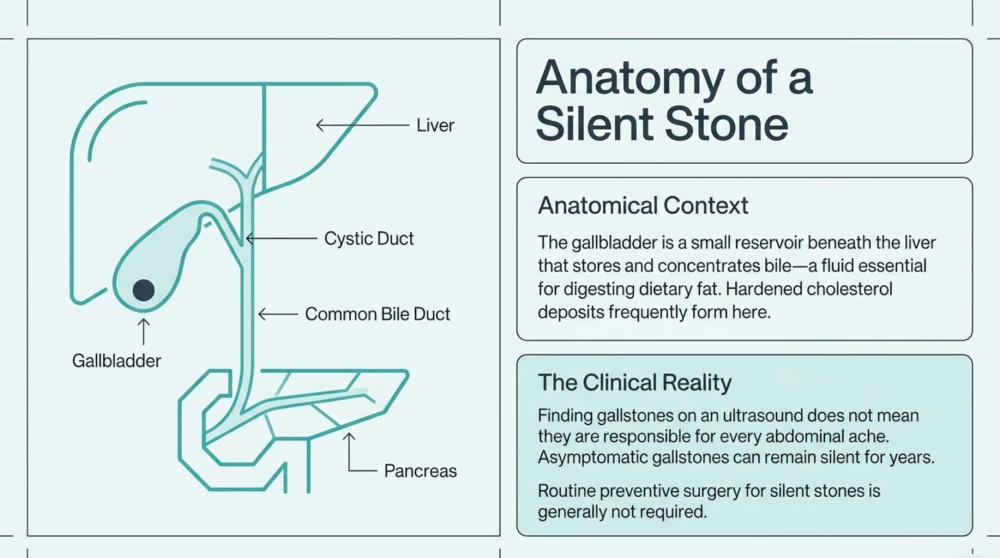
The gallbladder is a small organ located beneath the liver. It stores and concentrates bile, a fluid produced by the liver that helps with the digestion and absorption of dietary fat.
Gallstones are hardened deposits that form within the gallbladder. Most gallstones are predominantly composed of cholesterol, although pigment stones can also occur.
Many people have gallstones without knowing it because the stones produce no symptoms. These are often called silent gallstones.
Gallstones After Weight Loss Do Not Always Cause Symptoms
Finding gallstones on an ultrasound does not automatically mean they are responsible for every episode of abdominal discomfort.
Asymptomatic gallstones may remain silent for years. Problems usually develop when a stone obstructs the normal flow of bile, particularly when it becomes lodged in the cystic duct or moves into the common bile duct.
This distinction is important because gallstones after weight loss should be interpreted according to symptoms and complications rather than the ultrasound finding alone.
Why Can Rapid Weight Loss Increase Gallstone Risk?
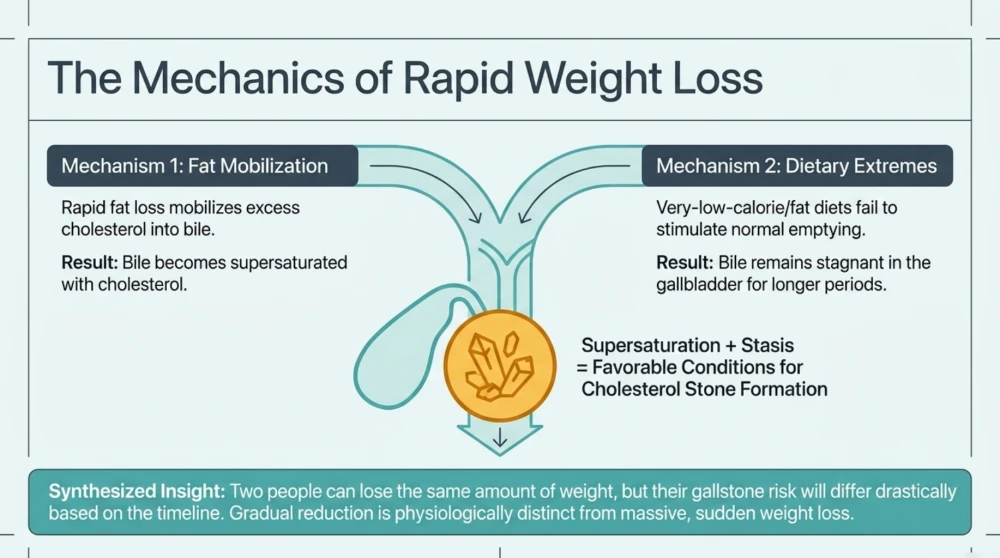
Rapid weight reduction changes both bile composition and gallbladder function.
When the body loses fat quickly, more cholesterol may be mobilised and secreted into bile. This can make bile more likely to become supersaturated with cholesterol, creating conditions favourable for cholesterol stone formation.
At the same time, very-low-calorie or extremely low-fat diets may reduce normal gallbladder emptying. When bile remains in the gallbladder for longer periods, stasis can further encourage stone formation.
Gallstones After Weight Loss Are Related to Speed as Well as Amount
Two people may eventually lose the same number of kilograms but not necessarily have the same gallstone risk.
A gradual reduction achieved over many months differs physiologically from losing a large amount of weight over a very short period.
This is one reason medically supervised weight management focuses not only on how much weight is lost but also on nutritional adequacy, muscle preservation, medication tolerance, and the rate of weight reduction.
Who Is More Likely to Develop Gallstones After Weight Loss?
Rapid weight reduction is only one risk factor. Gallstone formation is influenced by several metabolic, hormonal, genetic, and lifestyle factors.
Risk may be greater in people who already have underlying susceptibility before beginning a weight-loss programme.
1. People With Obesity
Obesity itself increases the risk of cholesterol gallstones.
This creates an apparent paradox: having obesity increases gallstone risk, but losing weight very rapidly can temporarily increase the risk further.
This does not mean weight loss is harmful. Sustainable reduction of excess body fat provides important long-term health benefits. It simply means that aggressive weight-loss strategies require appropriate monitoring.
2. People Losing Weight Very Quickly
The faster and more substantial the weight loss, the greater the concern for gallstone formation.
Very-low-calorie diets and other highly restrictive approaches can therefore increase the likelihood of gallstones after weight loss, particularly when they produce large reductions over a short period.
This is another reason crash dieting should not be viewed as a superior version of gradual weight management.
3. People Undergoing Bariatric Surgery
Bariatric procedures can produce substantial improvements in obesity and metabolic disease, but they can also result in rapid weight reduction during the months after surgery.
Gallstone formation is a recognised complication during this period.
For selected high-risk patients, clinicians may use preventive strategies such as ursodeoxycholic acid during the rapid weight-loss phase. This decision depends on the surgical procedure, individual risk, local protocol, and medical circumstances.
4. Women May Have a Higher Baseline Risk
Gallstones are more common in women, partly because oestrogen can increase cholesterol secretion into bile.
Pregnancy and exposure to certain hormonal treatments can also influence gallstone risk.
A woman beginning a rapid weight-loss programme may therefore have several overlapping risk factors rather than weight loss being the only explanation.
5. People With a Previous History of Gallstones
Someone who already has known gallstones does not need to form a new stone for symptoms to appear during weight loss.
Changes in gallbladder emptying or stone movement may make previously silent disease clinically apparent.
A previous episode of biliary colic or known gallstones should therefore be discussed when planning substantial weight reduction.
6. People With Diabetes or Metabolic Disease
Type 2 diabetes, insulin resistance, obesity, dyslipidaemia, and fatty liver frequently occur together. Several of these metabolic abnormalities are also associated with gallstone disease.
This does not mean diabetes itself guarantees gallstones after weight loss. Rather, the metabolic risk profile of the individual may increase baseline susceptibility.
7. People With a Family History of Gallstones
Genetic factors influence gallstone formation. Someone with several close relatives who developed gallstones may have greater susceptibility even before weight loss begins.
Ethnicity, age, diet, medications, pregnancy history, and other factors can modify this risk further.
Can GLP-1 Medicines Cause Gallstones?
GLP-1 receptor agonists and related incretin-based medicines have transformed the medical management of type 2 diabetes and obesity. They can produce clinically meaningful weight loss and substantial improvements in metabolic health.
However, gallbladder-related adverse events, including cholelithiasis and cholecystitis, have been reported during treatment with this drug class.
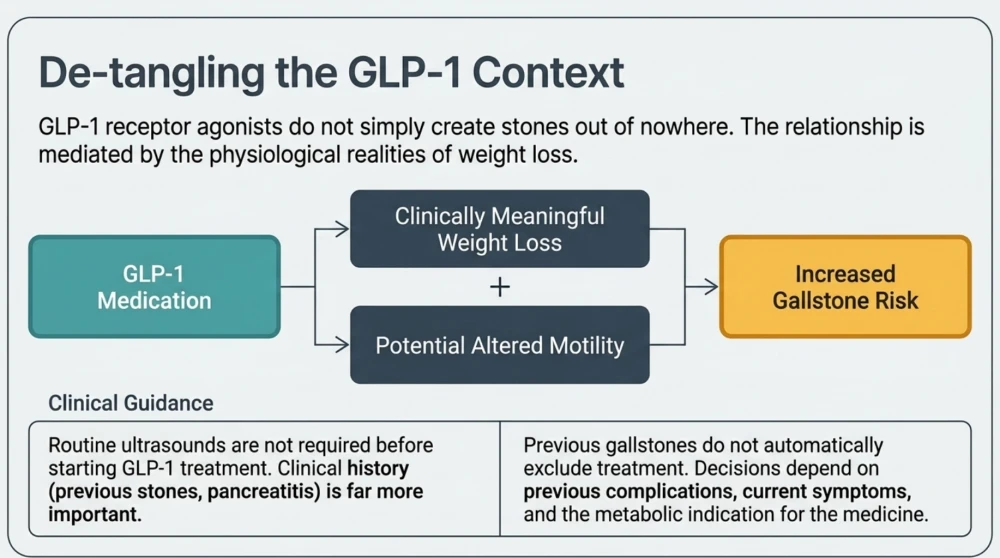
The relationship is not as simple as saying that the medicine directly “creates stones.” Rapid and substantial weight loss itself is an established gallstone risk factor, and changes in gallbladder motility may also contribute.
Gallstones After Weight Loss on GLP-1 Treatment Need Context
Suppose someone taking a GLP-1 medicine loses a substantial amount of weight and later develops gallstones.
Several factors may have contributed:
- Obesity may have increased baseline gallstone risk.
- Gallstones may have existed before treatment.
- Rapid weight loss may have promoted stone formation.
- Changes in gallbladder motility may have contributed.
- Other individual risk factors may also be present.
Therefore, gallstone disease occurring during GLP-1 treatment should be clinically evaluated rather than automatically attributed to one mechanism.
Does Everyone Need a Gallbladder Ultrasound Before Starting a GLP-1 Medicine?
Routine gallbladder ultrasound screening is not generally required for every person simply because a GLP-1 medicine is being considered.
Clinical history is more important.
Someone with previous gallstones, recurrent right upper abdominal pain, previous pancreatitis, jaundice, or known gallbladder disease may require more individualised assessment.
Previous Gallstones Do Not Automatically Exclude GLP-1 Treatment
A history of gallstones does not automatically mean every GLP-1-based treatment is contraindicated.
The decision depends on the individual's gallbladder history, previous complications, current symptoms, metabolic indication for treatment, and the specific medicine being considered.
This is another reason these medicines should be prescribed with appropriate medical assessment rather than treated as routine cosmetic weight-loss injections.
What Does Gallstone Pain Usually Feel Like?
When a gallstone temporarily blocks the outlet of the gallbladder, it can produce biliary colic.
The pain is usually felt in the upper abdomen, often in the right upper quadrant or upper central abdomen.
It may become intense and steady rather than feeling like a brief stabbing sensation.
Warning Symptoms of Gallstones After Weight Loss
Symptoms that may suggest symptomatic gallstone disease include:
- Sudden or steadily increasing pain in the right upper abdomen.
- Pain in the upper central abdomen.
- Pain spreading toward the back or right shoulder region.
- Nausea.
- Vomiting.
- Episodes occurring after meals, particularly heavier meals.
- Repeated similar attacks separated by symptom-free periods.
The relationship with fatty food is common but not universal. A gallbladder attack should therefore not be ruled out simply because the preceding meal was not particularly fatty.
Gallstone Pain Can Be Mistaken for Acidity
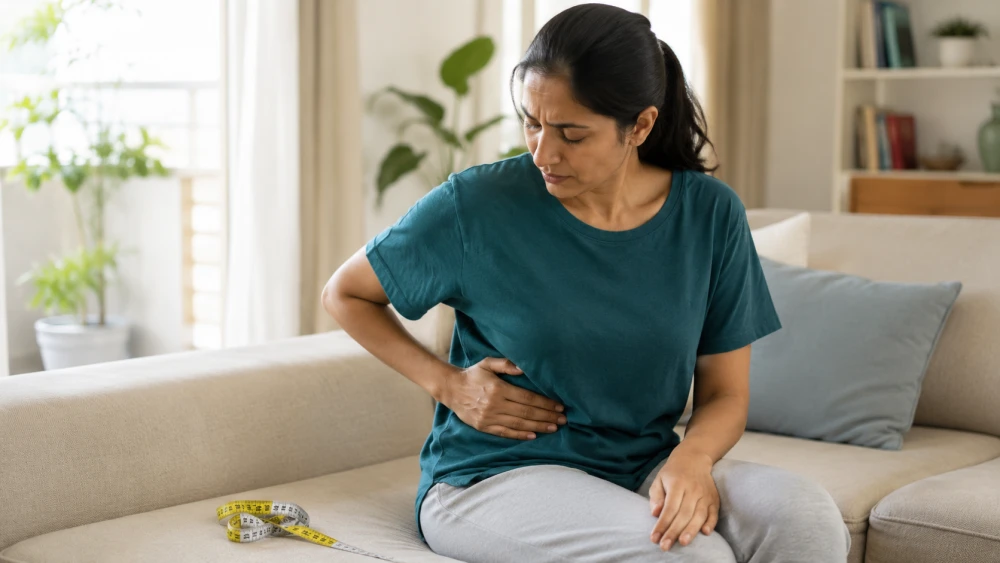
Upper abdominal pain is frequently self-treated as gas, acidity, or indigestion.
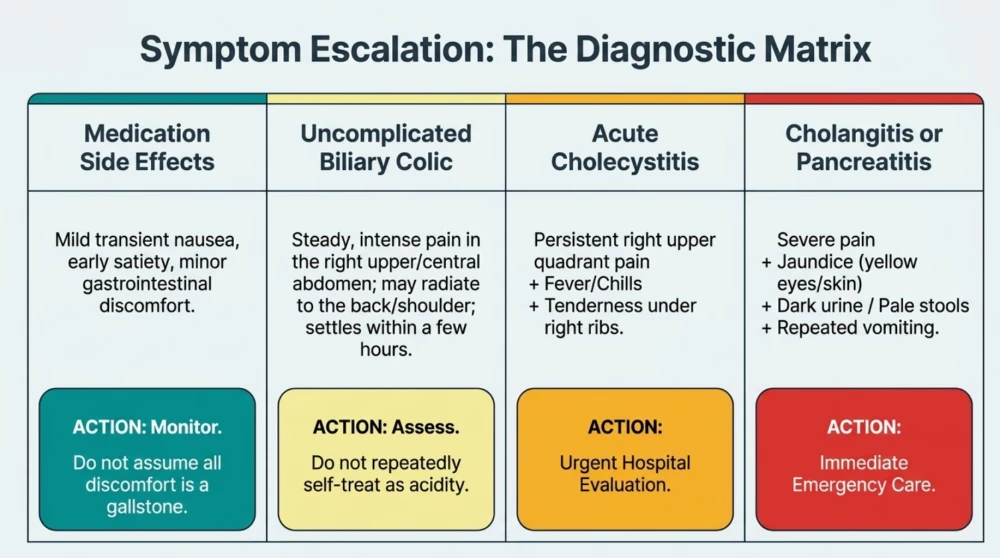
Sometimes that is exactly what it is. But recurrent upper abdominal pain—particularly severe pain under the right ribs—should not automatically be managed with repeated antacids.
Gastro-oesophageal reflux typically causes burning behind the breastbone, sour regurgitation, or related symptoms. Gallbladder pain has a different mechanism and may require ultrasound and other investigations.
Repeated Upper Abdominal Pain After Weight Loss Deserves Attention
If someone has recently lost substantial weight and begins experiencing repeated episodes of upper abdominal pain, gallstones after weight loss should be one of several possible diagnoses considered.
Other causes of upper abdominal pain include gastritis, peptic ulcer disease, pancreatitis, liver conditions, musculoskeletal pain, and occasionally cardiac disease.
The location of pain alone is therefore not enough to make a diagnosis.
When Gallstones Become More Than a Painful Attack
A temporary obstruction may resolve when a stone moves, allowing the pain to settle. But sometimes obstruction persists or a stone travels into the common bile duct.
This can lead to complications including:
- Acute cholecystitis.
- Common bile duct obstruction.
- Cholangitis.
- Gallstone pancreatitis.
These conditions are more serious than uncomplicated biliary colic and may require urgent hospital treatment.
Gallstones After Weight Loss With Fever or Jaundice Are Warning Signs
Seek prompt medical care if upper abdominal pain is accompanied by:
- Fever or chills.
- Yellowing of the eyes or skin.
- Dark urine.
- Pale or unusually light stools.
- Persistent vomiting.
- Severe pain that does not settle.
- Marked weakness or feeling seriously unwell.
These symptoms can suggest inflammation, infection, or obstruction of the biliary system and should not be managed at home as routine indigestion.
Gallstones After Weight Loss Are Important, but They Should Not Create Fear of Weight Loss
The possibility of gallstones should be kept in perspective.
Obesity itself increases gallstone risk and is associated with diabetes, fatty liver, hypertension, sleep apnoea, osteoarthritis, cardiovascular disease, and several other health problems.
For someone with excess body fat, avoiding beneficial weight reduction because gallstones can occasionally occur would therefore be the wrong conclusion.
The more useful message is to avoid unnecessary crash dieting, maintain adequate nutrition, recognise personal risk factors, and seek medical assessment when typical symptoms develop.
Gallstones after weight loss are a potential complication to understand—not a reason to abandon appropriate treatment for obesity and metabolic disease.
How Rapid Is Too Rapid for Gallstone Risk?
There is no single rate of weight loss at which gallstones suddenly begin to form. Risk exists on a continuum and depends on starting weight, total weight lost, duration of weight loss, previous gallbladder disease, diet composition, medications, and individual susceptibility.
In general, gallstones after weight loss become more concerning when weight reduction is rapid and substantial, particularly with very-low-calorie diets or after bariatric surgery.
This is different from saying that every person who loses more than a particular number of kilograms per week will develop gallstones. Individual responses vary considerably.
Do Not Chase the Fastest Possible Weight Loss
When someone has obesity, seeing the weighing scale fall quickly can feel encouraging. But the fastest rate of weight loss is not automatically the healthiest rate.
A well-designed programme should also consider:
- Protein intake.
- Muscle preservation.
- Micronutrient adequacy.
- Hydration.
- Exercise performance.
- Medication tolerance.
- Gallbladder risk.
- Long-term sustainability.
This is particularly important with modern obesity medicines, because some people can now lose substantial amounts of weight that previously occurred mainly after bariatric surgery.
Very-Low-Calorie Diets and Gallstones After Weight Loss
Very-low-calorie diets can produce rapid reductions in body weight. They may have specific medical uses under professional supervision, but they should not be confused with ordinary calorie-controlled diets.
Rapid fat mobilisation can increase cholesterol secretion into bile. At the same time, diets containing very little fat may provide less stimulation for gallbladder contraction.
The combination of cholesterol-rich bile and reduced gallbladder emptying can favour stone formation in susceptible individuals.
Crash Dieting Is Not a Better Version of Weight Management
A common misconception is that if a moderate calorie deficit works, an extreme calorie deficit must work even better.
The weighing scale may certainly fall faster, but very restrictive diets can increase the risk of nutritional inadequacy, muscle loss, fatigue, constipation, and other complications.
Gallstones after weight loss are another reason to avoid unnecessary crash dieting.
Does Eating Too Little Fat Increase Gallstone Risk?
Dietary fat stimulates the release of cholecystokinin, a hormone that helps the gallbladder contract and release bile into the intestine.
When dietary fat becomes extremely low, gallbladder emptying may decrease.
This does not mean that someone trying to prevent gallstones should start eating large quantities of butter, ghee, fried foods, or other high-fat foods.
A Balanced Diet Is Different From a Fat-Free Diet
Moderate amounts of unsaturated fats can be incorporated into a balanced weight-loss diet through foods such as nuts, seeds, fish, and appropriate quantities of cooking oils.
The exact amount should fit within the person's overall calorie requirements and medical circumstances.
The objective is not to deliberately eat a high-fat diet to make the gallbladder contract. It is to avoid unnecessary nutritional extremes.
Can Skipping Meals Contribute to Gallstone Formation?
Prolonged periods without eating reduce the frequency of gallbladder contraction. This may promote bile stasis in some circumstances.
However, the relationship between meal frequency and gallstone disease is more complicated than saying that everyone must eat every few hours.
People can follow different meal patterns while remaining healthy.
Intermittent Fasting Does Not Automatically Cause Gallstones
Intermittent fasting has become common in weight-management programmes. It should not automatically be labelled a cause of gallstones.
The more important concern may be a combination of prolonged fasting, severe calorie restriction, extremely low dietary fat, and rapid weight reduction in a susceptible person.
If an intermittent-fasting plan produces excessive hunger, poor protein intake, nutritional inadequacy, or very rapid weight loss, the overall strategy deserves review regardless of gallstone risk.
GLP-1 Medicines and Gallstones After Weight Loss
GLP-1 receptor agonists and related incretin-based treatments can substantially reduce appetite and energy intake. Depending on the medicine, dose, and individual response, clinically meaningful weight loss can occur.
Clinical trials and meta-analyses have identified a small increase in gallbladder and biliary disease with GLP-1 receptor agonists, particularly when they are used at higher doses, for weight loss, and for longer periods.
However, obesity and rapid weight loss are themselves gallstone risk factors, making the relationship biologically complex.
Do Not Assume Every Abdominal Symptom on a GLP-1 Medicine Is a Gallstone
Nausea, early satiety, reflux, constipation, diarrhoea, and abdominal discomfort can occur during GLP-1 treatment without gallstone disease.
Conversely, persistent right upper abdominal pain should not be dismissed as a routine medication side effect.
The pattern and severity of symptoms matter.
Does Faster GLP-1 Dose Escalation Prevent or Cause Gallstones?
Dose escalation should follow the recommended schedule for the specific medicine and should also take individual tolerability into account.
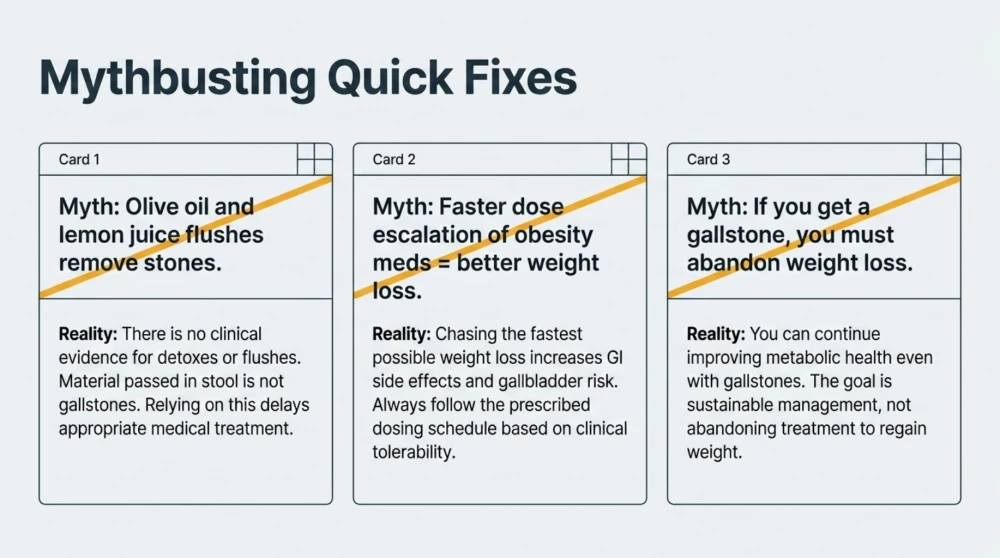
Increasing the dose faster than recommended simply to accelerate weight loss is not a sensible gallstone-prevention strategy and may increase gastrointestinal adverse effects.
Similarly, there is no reason to automatically increase a dose simply because a person has reached the next calendar date if significant adverse effects are still present.
More Medicine Is Not Always Better Weight Management
The objective of obesity pharmacotherapy is not to reach the maximum available dose as quickly as possible.
The appropriate dose is one that provides meaningful clinical benefit with acceptable tolerability according to the prescribing information and individual circumstances.
If appetite suppression becomes so severe that the person is struggling to consume adequate protein, fluids, and basic nutrition, the treatment plan needs review.
Should GLP-1 Treatment Be Stopped if Gallstones Are Found?
Not automatically.
Many gallstones are asymptomatic. An incidental ultrasound finding is different from acute cholecystitis, common bile duct obstruction, or gallstone pancreatitis.
The decision about continuing, pausing, or changing medication depends on the clinical situation and should be made with the prescribing clinician.
Symptoms Matter More Than the Ultrasound Finding Alone
Someone who has one or two small asymptomatic gallstones discovered incidentally requires a different approach from someone presenting with fever, persistent right upper abdominal pain, jaundice, or pancreatitis.
This is why gallstones after weight loss should not be managed by ultrasound results alone.
Bariatric Surgery and Gallstones After Weight Loss
Bariatric surgery can produce substantial and durable improvements in severe obesity, type 2 diabetes, sleep apnoea, fatty liver, and other obesity-related conditions.
Because weight loss can be particularly rapid during the first several months after surgery, gallstone formation becomes an important consideration.
Some patients already have gallstones before surgery, while others develop new stones during the postoperative weight-loss phase.
Does the Gallbladder Need to Be Removed During Bariatric Surgery?
Not routinely in every patient.
Management varies according to symptoms, known gallstone disease, the type of bariatric procedure, surgical assessment, and local protocols.
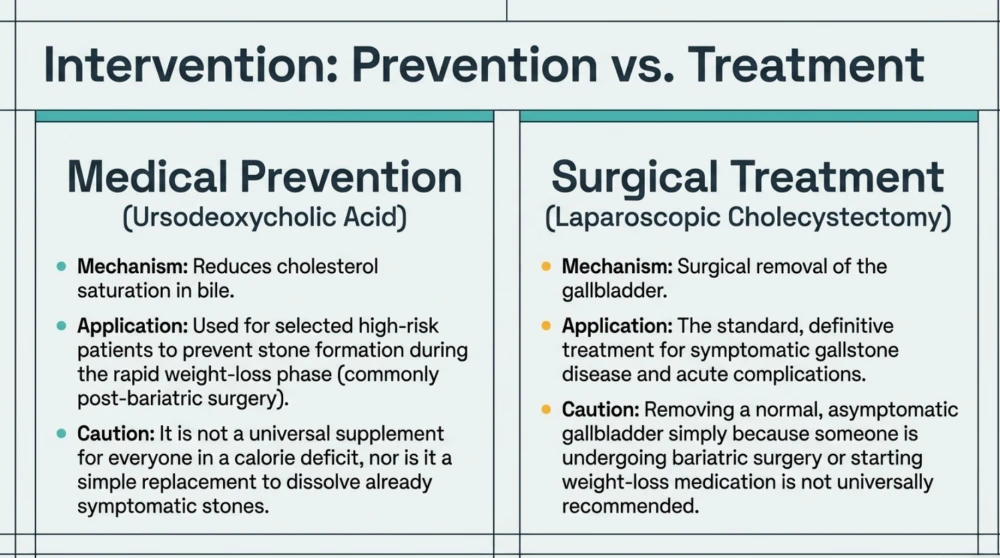
Removing a normal asymptomatic gallbladder simply because bariatric surgery is being performed is not universally recommended.
Can Medicine Prevent Gallstones During Rapid Weight Loss?
Ursodeoxycholic acid, also called ursodiol, can reduce cholesterol saturation of bile and has been studied for prevention of gallstone formation during periods of rapid weight loss.
Evidence supports its use in selected patients after bariatric surgery, and some bariatric programmes prescribe it temporarily during the rapid postoperative weight-loss period.
Ursodeoxycholic Acid Is Not for Everyone Losing Weight
It would be inappropriate to prescribe ursodeoxycholic acid routinely to every person following a calorie deficit or taking a weight-loss medicine.
The potential benefit depends on the person's degree of risk and clinical circumstances.
Someone losing a modest amount of weight gradually is very different from someone experiencing major rapid weight reduction after bariatric surgery.
Preventive medication should therefore be individualised rather than self-started.
Can You Prevent Gallstones After Weight Loss Completely?
No strategy can guarantee that gallstones will not develop.
Some risk factors—such as genetics, age, sex, previous gallstones, and family history—cannot be modified.
However, avoiding unnecessary crash dieting and using a nutritionally balanced weight-loss strategy may reduce avoidable risk.
A Practical Approach to Reducing Gallstone Risk
During weight management:
- Avoid pursuing extreme weight-loss rates without a medical reason.
- Maintain adequate protein and overall nutrition.
- Avoid making the diet unnecessarily fat-free.
- Maintain appropriate hydration.
- Use obesity medicines according to prescribed dosing schedules.
- Report recurrent upper abdominal pain rather than repeatedly self-treating it as acidity.
- Discuss previous gallstones or biliary disease before major weight-loss treatment.
These steps cannot eliminate gallstones after weight loss, but they support a safer and more sustainable weight-management approach.
How Are Gallstones Diagnosed?
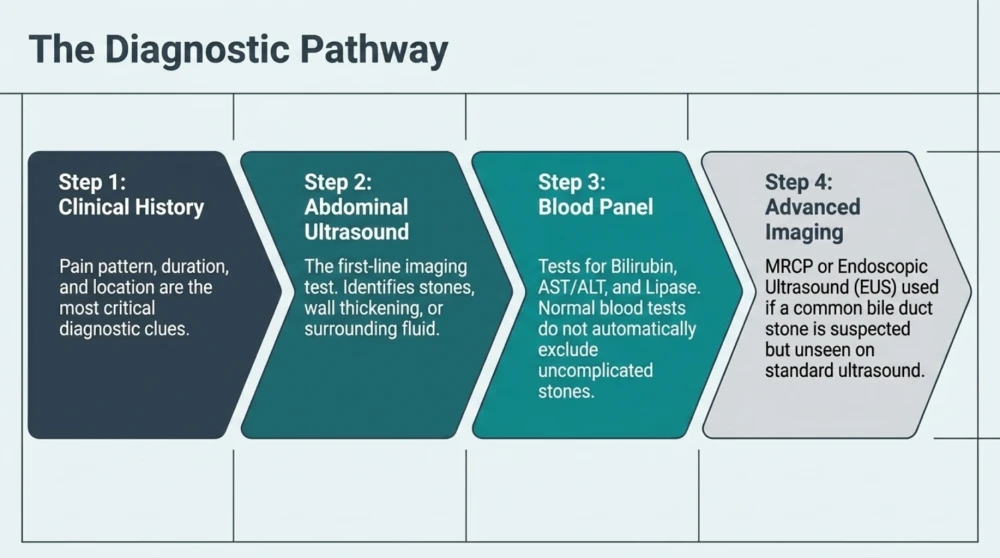
When symptoms suggest gallbladder disease, diagnosis begins with the clinical history and examination.
The location, duration, severity, and pattern of pain are important. Associated fever, vomiting, jaundice, urine colour, stool colour, and previous similar attacks also provide useful clues.
Blood tests and imaging may then be selected according to the clinical picture.
Ultrasound Is Usually the First Imaging Test
Abdominal ultrasonography is generally the first-line imaging test when gallstones or acute gallbladder disease are suspected.
It can identify gallstones and may show features suggesting gallbladder inflammation, such as wall thickening or fluid around the gallbladder.
Ultrasound can also assess bile duct dilatation, although stones within the common bile duct are not always directly visible.
Which Blood Tests May Be Needed?
Blood tests depend on the severity and type of symptoms.
Clinicians may consider:
- Complete blood count.
- Bilirubin.
- ALT and AST.
- Alkaline phosphatase.
- Gamma-glutamyl transferase when appropriate.
- Lipase when pancreatitis is suspected.
- Kidney function and electrolytes in patients who are vomiting or unwell.
Uncomplicated gallstones can exist despite normal liver enzymes, so normal blood tests do not automatically exclude gallstones.
Abnormal Liver Tests Can Suggest Bile Duct Obstruction
If a stone leaves the gallbladder and obstructs the common bile duct, bilirubin and cholestatic liver enzymes may rise.
Jaundice, dark urine, pale stools, and abnormal liver tests therefore raise concern for obstruction beyond uncomplicated gallbladder stones.
What if Ultrasound Does Not Explain the Symptoms?
Further investigation depends on the clinical suspicion.
Magnetic resonance cholangiopancreatography, commonly called MRCP, can provide detailed imaging of the biliary tree and may be used when a common bile duct stone is suspected.
Endoscopic ultrasound is another highly sensitive option in selected cases.
ERCP Is Usually a Treatment Procedure, Not Routine Screening
Endoscopic retrograde cholangiopancreatography, or ERCP, can remove stones from the common bile duct and relieve obstruction.
Because ERCP itself carries risks, including pancreatitis, it is generally reserved for situations where therapeutic intervention is likely to be needed rather than being used simply to look for uncomplicated gallstones.
Could Upper Abdominal Pain Be Pancreatitis Instead?
Yes, and gallstones are themselves an important cause of acute pancreatitis.
Pancreatitis often causes severe persistent upper abdominal pain, frequently radiating toward the back, and may be accompanied by nausea and vomiting.
This is particularly important in someone taking a weight-loss medicine because abdominal symptoms can otherwise be mistakenly attributed to expected gastrointestinal side effects.
Severe Persistent Pain Is Different From Mild Medication-Related Nausea
Someone experiencing mild transient nausea after increasing a GLP-1 dose has a very different clinical picture from someone with severe continuous upper abdominal pain and repeated vomiting.
The latter requires medical assessment.
Understanding this distinction helps ensure that potentially serious gallstones after weight loss and their complications are not overlooked while still avoiding unnecessary alarm over every minor digestive symptom.
What Happens When Gallstones Start Causing Problems?
Many people with gallstones never develop symptoms. Problems usually begin when a stone interferes with the normal flow of bile.
The location and duration of the obstruction determine what happens next. A temporary blockage may cause biliary colic, while persistent obstruction can lead to gallbladder inflammation. A stone entering the common bile duct can cause jaundice, infection, or pancreatitis.
For anyone developing gallstones after weight loss, understanding these differences can help identify when abdominal pain requires prompt medical attention.
Gallstones After Weight Loss Can Cause Biliary Colic
Biliary colic usually occurs when a gallstone temporarily blocks the cystic duct, which drains the gallbladder.
The pain is typically felt in the right upper abdomen or upper central abdomen. It often builds to a steady intensity and may radiate toward the back or right shoulder region.
Nausea and vomiting can occur. The episode may last from around 30 minutes to several hours before improving when the obstruction resolves.
Despite the word “colic,” the pain is often relatively constant during an attack rather than repeatedly coming and going every few minutes.
When Biliary Colic Becomes Acute Cholecystitis
If the cystic duct remains obstructed, inflammation of the gallbladder can develop. This is called acute cholecystitis.
Unlike uncomplicated biliary colic, the pain tends to persist rather than settling within a few hours.
Patients may also develop fever, tenderness under the right ribs, nausea, vomiting, and a general feeling of being unwell.
Persistent Pain With Fever Is a Warning Sign
If upper abdominal pain becomes persistent, particularly when accompanied by fever or marked tenderness, medical assessment should not be delayed.
Acute cholecystitis often requires hospital evaluation, blood tests, imaging, pain control, and sometimes antibiotics. Definitive management frequently involves removal of the gallbladder.
This is why recurrent or worsening symptoms of gallstones after weight loss should not repeatedly be treated as gas or acidity.
What Happens if a Gallstone Enters the Common Bile Duct?
A stone can occasionally leave the gallbladder and enter the common bile duct. This condition is known as choledocholithiasis.
A common bile duct stone may interfere with the flow of bile from the liver into the intestine.
Possible symptoms include abdominal pain, jaundice, dark urine, pale stools, nausea, or vomiting.
Jaundice With Gallstone Symptoms Needs Prompt Assessment
Yellowing of the eyes or skin should not be considered a routine symptom of uncomplicated gallstones.
When jaundice occurs with upper abdominal pain, obstruction of the bile duct needs to be considered.
Blood tests may show an increase in bilirubin and liver enzymes, while ultrasound, MRCP, endoscopic ultrasound, or other investigations may be required depending on the clinical situation.
Gallstones Can Cause Cholangitis
If an obstructed biliary system becomes infected, acute cholangitis can develop.
This is potentially serious and requires urgent medical treatment.
Classically, cholangitis may present with right upper abdominal pain, fever, and jaundice, although not every patient has all three findings.
Fever, Jaundice and Abdominal Pain Should Not Wait
A person who becomes systemically unwell with fever or chills, jaundice, and significant abdominal pain needs urgent medical assessment.
Treatment may require intravenous fluids, antibiotics, and urgent drainage of the obstructed biliary system, commonly through ERCP when indicated.
Gallstones After Weight Loss Can Cause Pancreatitis
Gallstones are an important cause of acute pancreatitis.
A small stone travelling through the biliary system can temporarily obstruct the region where the bile duct and pancreatic duct drain into the intestine. This can trigger pancreatic inflammation.
Gallstone pancreatitis may cause severe, persistent upper abdominal pain, often radiating toward the back, with nausea and vomiting.
Severe Persistent Upper Abdominal Pain Is Not a Normal Weight-Loss Symptom
This point is particularly important for people using GLP-1-based medicines.
Mild nausea, reduced appetite, early fullness, constipation, or occasional gastrointestinal discomfort may occur during treatment. Severe persistent abdominal pain is different.
Do not simply assume that intense or continuing abdominal pain is an expected effect of a weight-loss injection.
Medical assessment may be needed to evaluate pancreatitis, gallbladder disease, and other abdominal conditions.
Do Gallstones Always Need Surgery?
No.
The presence of gallstones on an ultrasound does not automatically mean the gallbladder needs to be removed.
Many people have asymptomatic gallstones discovered incidentally during imaging for another reason. In uncomplicated asymptomatic cases, routine preventive surgery is generally not required.
Symptomatic Gallstones Are Different From Silent Gallstones
When gallstones repeatedly cause typical biliary pain or produce complications such as acute cholecystitis, treatment decisions change.
Laparoscopic cholecystectomy—surgical removal of the gallbladder—is the standard definitive treatment for many patients with symptomatic gallstone disease.
The timing depends on the type of complication, overall health, surgical risk, and clinical circumstances.
Can Gallstones Be Dissolved Without Surgery?
Medicines such as ursodeoxycholic acid can dissolve certain cholesterol stones in selected circumstances, but this is not a simple replacement for surgery in most patients with symptomatic gallstones.
Only certain types and sizes of stones are suitable, treatment may take a long time, and stones can recur after therapy is stopped.
Do Not Confuse Prevention With Treatment
Ursodeoxycholic acid may be used in selected high-risk patients to reduce gallstone formation during rapid weight loss, particularly after some bariatric procedures.
That is different from assuming that the same medicine will reliably eliminate established symptomatic gallstones.
Management should be based on the clinical situation rather than attempting to dissolve stones using supplements or unproven remedies.
Can Diet Remove Gallstones?
No established diet can dissolve existing gallstones.
Dietary changes may reduce symptom triggers in some people while they are awaiting definitive management, but they do not physically remove stones from the gallbladder.
This distinction is important because online claims about “gallbladder flushes” can delay appropriate treatment.
A Gallbladder Flush Is Not a Proven Gallstone Treatment
Olive oil mixtures, lemon juice, herbal preparations, or similar “gallbladder cleanses” have not been shown to reliably remove gallstones.
Material passed in the stool after such preparations should not automatically be assumed to represent gallstones leaving the gallbladder.
People with symptomatic gallstones after weight loss should seek proper assessment rather than relying on gallbladder detoxification programmes.
What Should You Eat if You Have Gallstones?
There is no universal gallstone diet that suits every patient.
Large, high-fat meals can provoke symptoms in some people because fat stimulates gallbladder contraction. If a person has recurrent biliary pain, reducing very fatty meals may therefore reduce symptom episodes while appropriate medical evaluation is arranged.
That does not mean eliminating all dietary fat.
Choose a Balanced Diet Rather Than an Extremely Low-Fat Diet
A practical eating pattern may include:
- Adequate protein from appropriate sources.
- Vegetables and fruit according to individual tolerance.
- Whole grains and pulses when appropriate.
- Moderate amounts of unsaturated fats.
- Smaller meals if large meals repeatedly trigger symptoms.
- Avoidance of foods that consistently provoke biliary pain.
Repeated pain despite dietary modification suggests that the underlying gallstone disease needs assessment rather than increasingly restrictive eating.
Can You Continue Losing Weight if You Have Gallstones?
In many cases, yes.
Having gallstones does not mean that someone with obesity should deliberately regain weight or abandon efforts to improve metabolic health.
The weight-management strategy may need adjustment depending on symptoms, the rate of weight loss, nutritional intake, medication use, and whether gallbladder treatment is planned.
Avoid Weight Cycling After Gallstones Develop
Repeated cycles of losing and regaining substantial amounts of weight are not a desirable solution.
A more sensible approach is sustainable weight management with adequate nutrition, preservation of muscle, regular physical activity, and appropriate medical treatment of gallbladder disease.
Should You Stop a GLP-1 Medicine if You Develop Abdominal Pain?
Do not make long-term medication decisions solely from an internet symptom checklist.
The significance of abdominal pain depends on its severity, duration, location, associated symptoms, and the medicine being used.
Persistent or severe abdominal pain—particularly with vomiting, fever, or jaundice—requires medical assessment.
Gallstones After Weight Loss Need Individual Medication Decisions
If gallbladder disease is confirmed during GLP-1 treatment, the clinician will consider the exact diagnosis, severity, previous history, degree of weight loss, treatment indication, and the prescribing information for the specific medicine.
Some situations may require interruption or reconsideration of therapy, while an incidental asymptomatic gallstone may be approached differently.
There is no scientifically sound rule that every person with an ultrasound-detected gallstone must permanently stop GLP-1 treatment.
When Should You Seek Urgent Care for Gallstone Symptoms?
Do not wait for a routine appointment if abdominal pain is severe, persistent, or accompanied by symptoms suggesting obstruction, infection, or pancreatitis.
Seek prompt medical attention for:
- Severe or persistent upper abdominal pain.
- Upper abdominal pain with fever or chills.
- Yellowing of the eyes or skin.
- Dark urine with jaundice.
- Pale or clay-coloured stools.
- Repeated or persistent vomiting.
- Severe pain radiating toward the back.
- Marked weakness, confusion, or feeling seriously unwell.
Do Not Repeatedly Self-Treat Warning Signs as Acidity
Antacids may temporarily be taken for genuine reflux or indigestion, but they do not treat an obstructed gallbladder, cholecystitis, bile duct stone, cholangitis, or pancreatitis.
Repeated attacks of characteristic upper abdominal pain deserve assessment even if each episode eventually settles.
Common Myths About Gallstones After Weight Loss
Myth 1: Weight Loss Is Bad for the Gallbladder
No. Obesity itself increases gallstone risk and contributes to numerous other diseases. The concern is primarily rapid or substantial weight reduction in susceptible individuals, not healthy weight management itself.
Myth 2: Everyone Taking a GLP-1 Medicine Will Develop Gallstones
No. Gallbladder events occur in only a minority of patients. The absolute risk depends on the medicine, treatment duration, amount and speed of weight loss, and individual risk factors.
Myth 3: Every Gallstone Needs Surgery
No. Many asymptomatic gallstones do not require treatment. Symptomatic disease and complications are managed differently.
Myth 4: Eating No Fat Prevents Gallstones
No. Extremely low-fat intake can reduce gallbladder emptying. A balanced diet is generally more appropriate than attempting to eliminate dietary fat completely.
Myth 5: Gallbladder Cleanses Can Flush Out Stones
There is no reliable clinical evidence that commonly promoted gallbladder flushes remove established gallstones.
Myth 6: Gallstone Pain Always Happens After Fatty Food
No. Fatty meals can trigger gallbladder contraction and symptoms, but attacks are not restricted to people who have just eaten fried or high-fat food.
Myth 7: All Abdominal Pain During Weight-Loss Treatment Is a Medicine Side Effect
No. Gallstones, pancreatitis, ulcers, reflux, bowel disorders, and many other conditions can cause abdominal symptoms. Severe or persistent pain deserves proper evaluation.
Key Takeaways About Gallstones After Weight Loss
- Gallstones after weight loss are more likely when weight reduction is rapid or substantial.
- Obesity itself is also a risk factor for gallstones, so the solution is not to avoid medically appropriate weight loss.
- Very-low-calorie diets and the rapid weight-loss period after bariatric surgery are well-recognised higher-risk situations.
- Gallbladder and biliary events have also been reported with GLP-1-based obesity treatments, with rapid weight loss likely contributing to risk.
- Typical gallstone pain occurs in the right upper or upper central abdomen and may radiate toward the back or right shoulder region.
- Fever, jaundice, persistent pain, or repeated vomiting can indicate a complication and require prompt medical assessment.
- Ultrasound is usually the first imaging test when gallstones are suspected.
- Asymptomatic gallstones do not automatically require gallbladder removal.
- Recurrent symptomatic gallstones and complications may require laparoscopic cholecystectomy.
- There is no proven diet, detox, or gallbladder flush that reliably removes established gallstones.
- Weight management should focus on sustainable fat loss, adequate nutrition, muscle preservation, and appropriate monitoring rather than the fastest possible fall on the weighing scale.
References
- European Association for the Study of the Liver. Clinical guidance on prevention, diagnosis and treatment of gallstone disease.
- American Society for Metabolic and Bariatric Surgery. Current guidance and clinical resources on gallstone disease during rapid weight loss following metabolic and bariatric surgery.
- National Institute of Diabetes and Digestive and Kidney Diseases. Gallstones: symptoms, causes, diagnosis and treatment. Current clinical information.
- He L, Wang J, Ping F, et al. Association of glucagon-like peptide-1 receptor agonist use with risk of gallbladder and biliary diseases: systematic review and meta-analysis of randomized clinical trials. JAMA Internal Medicine. 2022;182(5):513-519.
- Current prescribing information and safety data for GLP-1 receptor agonists and related incretin-based medicines used for type 2 diabetes and chronic weight management.
Written by Dr. Pankaj Kumar, General & Lifestyle Physician, Dwarka, New Delhi