

















- 21st October 2026
Table of Contents
- Foamy Urine: Should You Be Worried About Your Kidneys?
- What Exactly Is Foamy Urine?
- Why Does Urine Become Foamy?
- Common Causes of Foamy Urine That May Not Indicate Kidney Disease
- 1. Forceful or Rapid Urination
- 2. Concentrated Urine
- 3. Toilet Cleaning Products
- 4. Temporary Proteinuria
- 5. Orthostatic Proteinuria
- When Could Foamy Urine Mean Protein Is Leaking From the Kidneys?
- How Do Healthy Kidneys Prevent Protein Loss?
- What Is the Difference Between Proteinuria and Albuminuria?
- Can Protein Leak From the Kidneys Without Foamy Urine?
- Foamy Urine in Diabetes: Could It Be an Early Sign of Kidney Damage?
- Foamy Urine and High Blood Pressure
- Other Kidney Conditions That May Cause Proteinuria
- Can a Urinary Tract Infection Cause Foamy Urine?
- Foamy Urine During Pregnancy: When Is It Concerning?
- Foamy Urine With Swelling of the Face or Legs
- What Is Nephrotic Syndrome?
- Warning Signs That Should Not Be Ignored
- Can Foamy Urine Be the First Sign of Chronic Kidney Disease?
- Does Foamy Urine Always Mean Kidney Failure?
- Which Tests Should Be Done for Persistent Foamy Urine?
- Urine Routine Examination: What Can It Tell Us?
- Can a Urine Dipstick Miss Early Kidney Damage?
- What Is the Urine Albumin-to-Creatinine Ratio (uACR)?
- How to Interpret Urine ACR Results
- Does uACR Above 30 mg/g Mean Chronic Kidney Disease?
- Why Repeat Urine ACR Testing May Be Necessary
- What Is the Urine Protein-to-Creatinine Ratio (uPCR)?
- Urine ACR vs PCR: Which Test Is Better for Foamy Urine?
- Is a 24-Hour Urine Protein Test Necessary?
- Foamy Urine With Normal Creatinine: Can Kidney Disease Still Be Present?
- What Is eGFR?
- Understanding eGFR Categories
- Why uACR and eGFR Should Be Interpreted Together
- Clinical Example: Foamy Urine With Normal Creatinine
- Can Foamy Urine Occur With Normal uACR and eGFR?
- When Should Non-Albumin Proteinuria Be Suspected?
- What Is the Role of Urine Microscopy?
- Foamy Urine With Blood in Urine: Why It Matters
- Can Kidney Ultrasound Detect Protein Leakage?
- When Is Kidney Ultrasound Useful?
- Can Excess Protein Intake Cause Foamy Urine?
- Can Protein Supplements Cause Proteinuria?
- How Often Should Patients With Diabetes Be Tested for Albuminuria?
- When Should a Patient Be Referred to a Nephrologist?
- Practical Investigation Approach for Persistent Foamy Urine
- Can Protein Leakage From the Kidneys Be Treated?
- Can Proteinuria Be Reversed?
- How Is Proteinuria Treated in Patients With Diabetes?
- Why Blood Pressure Control Is Essential in Proteinuria
- ACE Inhibitors and ARBs: How Do They Protect the Kidneys?
- What Is the Role of SGLT2 Inhibitors in Kidney Protection?
- Can Finerenone Help Patients With Albuminuria?
- Can GLP-1 Receptor Agonists Help Protect the Kidneys?
- Medicines Used in Proteinuric Kidney Disease: An Overview
- Does Every Patient With Proteinuria Need Medication?
- What Diet Is Recommended for Proteinuria and Kidney Protection?
- Should Patients With Proteinuria Reduce Salt?
- Should Protein Intake Be Restricted When Protein Is Leaking Into Urine?
- Indian Food Choices for Patients With Proteinuria
- Does Drinking More Water Reduce Proteinuria?
- Can Exercise Help Protect the Kidneys?
- Medicines and Supplements That May Affect Kidney Health
- Does Foamy Urine Mean Dialysis Will Be Required?
- When Does Foamy Urine Require Urgent Medical Attention?
- Three Clinical Examples of Foamy Urine
- Case 1: Foamy Urine With Normal Kidney Tests
- Case 2: Foamy Urine With Diabetes and Albuminuria
- Case 3: Foamy Urine With Swelling and Heavy Proteinuria
- Common Myths About Foamy Urine and Proteinuria
- Myth 1: Every Episode of Foamy Urine Means Kidney Disease
- Myth 2: Normal Creatinine Means There Is No Kidney Damage
- Myth 3: Drinking More Water Cures Proteinuria
- Myth 4: Proteinuria Always Means Kidney Failure
- Myth 5: All Patients With Proteinuria Must Stop Eating Protein
- Myth 6: A Normal Kidney Ultrasound Excludes Kidney Disease
- Myth 7: Proteinuria Cannot Improve
- Myth 8: Herbal Kidney Cleansers Can Stop Protein Leakage
- Frequently Asked Questions About Foamy Urine
- What I Explain to Patients Who Report Foamy Urine
- Key Takeaways: Foamy Urine and Protein Leakage
- Foamy Urine and Kidney Health Consultation in Dwarka, Delhi
- Scientific References
Foamy Urine: Should You Be Worried About Your Kidneys?
Many people notice bubbles or foam in the toilet after passing urine. Sometimes the bubbles disappear almost immediately. At other times, a layer of foam remains visible for longer than expected.
The observation can be unsettling, especially when someone has heard that foamy urine may indicate protein leaking from the kidneys.
However, not every episode of foamy urine is caused by kidney disease.
Urine may appear bubbly because of the speed of urination, the force with which urine strikes the toilet water, concentrated urine or substances already present in the toilet bowl.
On the other hand, persistent or repeatedly occurring foamy urine may sometimes be associated with proteinuria, a condition in which an abnormal amount of protein is present in the urine.
Proteinuria deserves attention because it can be an early indicator of kidney damage, particularly in people with diabetes, hypertension or other conditions affecting kidney health.
The challenge is that the appearance of urine alone cannot reliably distinguish harmless bubbles from clinically important protein loss.
The important question is not simply whether urine looks foamy, but whether testing confirms abnormal protein or albumin excretion.
Understanding the difference can help prevent unnecessary anxiety while ensuring that potentially important kidney problems are not overlooked.
What Exactly Is Foamy Urine?
Foamy urine describes urine that produces visible bubbles or a foam-like layer after entering the toilet.
People may describe the appearance in different ways. Some notice a few large bubbles, while others report many smaller bubbles that seem to form a persistent layer.
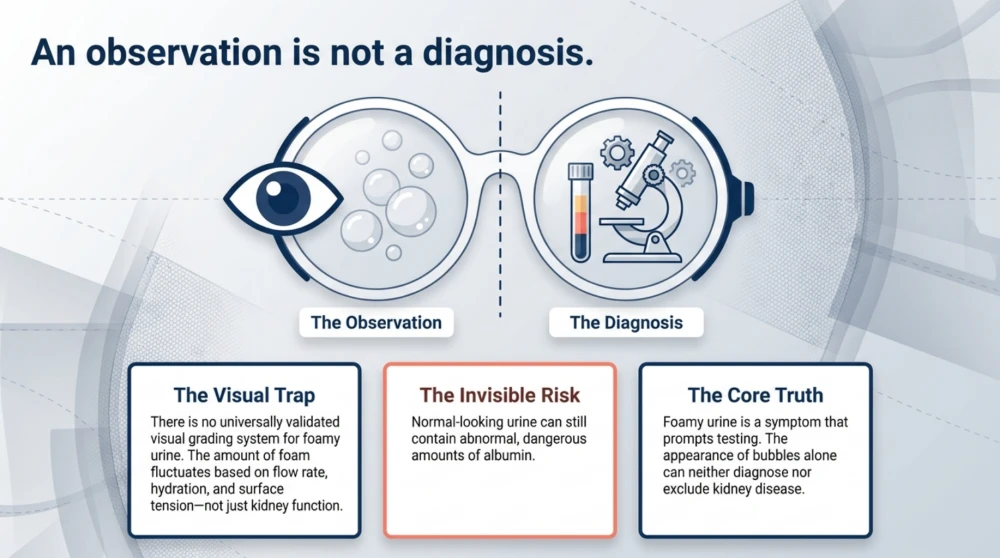
However, there is no universally validated visual grading system that allows patients or clinicians to diagnose proteinuria from the appearance of urine alone.
The amount of foam can be influenced by several physical and chemical factors, including urine concentration, flow rate and the presence of surface-active substances.
Therefore, the appearance may vary from one episode of urination to another without necessarily indicating a change in kidney function.
Is There a Difference Between Bubbly Urine and Foamy Urine?
People sometimes use the terms bubbly urine and foamy urine interchangeably.
In everyday descriptions, bubbly urine may refer to a few larger bubbles that disappear quickly, while foamy urine may describe numerous smaller bubbles that remain visible.
However, this distinction is not sufficiently reliable to diagnose or exclude kidney disease.
Persistent fine foam may justify further evaluation, but it is not proof that protein is leaking from the kidneys.
Likewise, urine that does not appear foamy can still contain abnormal amounts of albumin.
Why Does Urine Become Foamy?
Foam forms when gas bubbles become trapped within a liquid and remain stable for a period of time.
In urine, the formation and persistence of bubbles can be influenced by the physical force of urination and the chemical composition of the liquid.
Some substances can reduce surface tension and make bubbles more stable.
Protein is one possible contributor, but it is not the only explanation.
This is why foamy urine is best understood as a symptom or observation rather than a diagnosis.
Common Causes of Foamy Urine That May Not Indicate Kidney Disease
1. Forceful or Rapid Urination
When urine enters the toilet bowl with considerable force, it can trap air and produce bubbles.
This is particularly noticeable when the bladder is full and the urine stream is strong.
In such situations, bubbles may disappear relatively quickly.
However, the duration of bubbles alone cannot reliably confirm that the kidneys are healthy.
2. Concentrated Urine
Urine becomes more concentrated when the body conserves water.
This may happen after prolonged periods without drinking, excessive sweating or other causes of reduced fluid intake.
Concentrated urine can sometimes appear darker and may be associated with more noticeable bubbling.
However, urine colour and foam are not reliable measurements of protein excretion.
Patients should not assume that drinking additional water will resolve every cause of foamy urine.
3. Toilet Cleaning Products
Detergents and cleaning products remaining in the toilet bowl can produce foam when urine comes into contact with them.
This may make urine appear unusually foamy even when the urine itself does not contain abnormal protein.
When the appearance is inconsistent, observing whether it occurs in different toilets may provide some context.
However, this observation should not replace urine testing when symptoms persist or risk factors are present.
4. Temporary Proteinuria
Protein may occasionally appear in urine temporarily without indicating persistent chronic kidney disease.
Transient proteinuria can occur during certain physiological or medical circumstances, including fever, acute illness and strenuous physical exertion.
When the underlying trigger resolves, the urine protein abnormality may also disappear.
However, temporary proteinuria should not be assumed without appropriate testing and follow-up.
5. Orthostatic Proteinuria
Orthostatic proteinuria is a condition in which protein excretion increases while a person is upright but is normal or substantially lower after prolonged recumbency.
It is more commonly recognised in adolescents and young adults.
It is often benign when appropriately diagnosed and when kidney function and other investigations are reassuring.
However, it should not be diagnosed solely from the appearance of urine.
Comparison of appropriately collected urine samples, including a first-morning specimen, may help establish the pattern.

When Could Foamy Urine Mean Protein Is Leaking From the Kidneys?
Persistent foamy urine may sometimes indicate proteinuria.
Proteinuria occurs when an abnormal amount of protein is excreted in urine.
Albumin is one of the most clinically important proteins measured in urine because increased albumin excretion can indicate kidney damage.
In healthy kidneys, the filtration barrier limits the passage of most circulating proteins into urine.
When this barrier is damaged or other mechanisms of protein handling are disrupted, protein excretion may increase.
However, different kidney diseases cause proteinuria through different mechanisms.
Not all urinary protein loss results from the same type of glomerular injury.
How Do Healthy Kidneys Prevent Protein Loss?
The kidneys contain millions of microscopic filtering units called nephrons.
Each nephron includes a glomerulus, a specialised network of small blood vessels responsible for filtering blood.
The glomerular filtration barrier allows water and many small dissolved substances to pass while restricting the movement of blood cells and most larger proteins.
The renal tubules then modify the filtered fluid by reabsorbing substances that the body needs and excreting others.
Albumin is normally retained in the bloodstream to a substantial degree.
Small quantities may appear in urine, but persistently elevated albumin excretion can indicate abnormalities affecting kidney filtration or other renal processes.
What Happens When the Kidney Filtration Barrier Is Damaged?
Damage to the glomerular filtration barrier may allow increased amounts of albumin and other proteins to enter the urine.
This can occur in several kidney disorders, including diabetic kidney disease and certain glomerular diseases.
However, proteinuria may also arise from tubular abnormalities, excessive production of particular proteins or other mechanisms.
Therefore, the presence of protein in urine requires interpretation rather than automatically assuming a single cause.
What Is the Difference Between Proteinuria and Albuminuria?
Proteinuria is a broad term referring to excessive urinary excretion of protein.
Albuminuria specifically refers to increased urinary excretion of albumin.
Albumin is an important protein produced by the liver and circulating in the bloodstream.
Albuminuria is widely used in the diagnosis and risk assessment of chronic kidney disease.
However, some kidney conditions may produce abnormal urinary proteins other than albumin.
This distinction matters because different urine tests detect different types of protein.
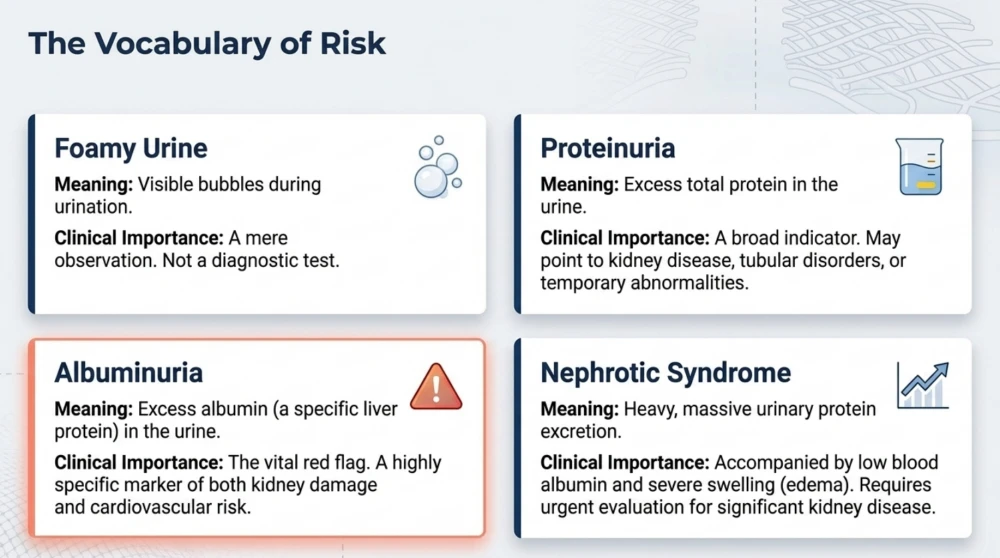
| Term | Meaning | Clinical Importance |
|---|---|---|
| Foamy urine | Visible foam or bubbles during urination | An observation, not a diagnostic test |
| Proteinuria | Excess protein in urine | May indicate kidney disease or a temporary abnormality |
| Albuminuria | Excess albumin in urine | Important marker of kidney damage and cardiovascular risk |
| Nephrotic-range proteinuria | Very high urinary protein excretion | Requires evaluation for significant kidney disease |
Can Protein Leak From the Kidneys Without Foamy Urine?
Yes.
This is an important point because some patients assume that normal-looking urine means their kidneys are functioning normally.
Albuminuria can be present even when urine appears completely ordinary.
Early kidney damage may produce no visible urinary changes and no noticeable symptoms.
This is particularly relevant in patients with diabetes and hypertension.
Therefore, recommended kidney screening should not depend on whether urine appears foamy.
Foamy Urine in Diabetes: Could It Be an Early Sign of Kidney Damage?
Diabetes is an important cause of chronic kidney disease.
Over time, diabetes-related metabolic and haemodynamic changes can affect kidney filtration and other renal structures.
In some patients, increased urinary albumin excretion develops before a substantial reduction in estimated glomerular filtration rate (eGFR).
However, not every patient with diabetic kidney disease develops albuminuria, and albuminuria may also arise from causes unrelated to diabetes.
Persistent foamy urine in a patient with diabetes therefore deserves evaluation, but the appearance alone cannot establish diabetic kidney disease.
Why a Normal Creatinine Result May Not Exclude Early Kidney Damage
Serum creatinine is commonly used to estimate kidney filtration function.
However, creatinine and urinary albumin assess different aspects of kidney health.
A patient may have a relatively preserved eGFR while showing increased urinary albumin excretion.
For this reason, kidney assessment in diabetes often includes both serum creatinine with eGFR and a urine albumin-to-creatinine ratio.
One normal measurement does not automatically make the other unnecessary.
Foamy Urine and High Blood Pressure
Hypertension can damage blood vessels within the kidneys over time.
Kidney disease can also contribute to elevated blood pressure.
This creates an important two-way relationship.
Some patients with hypertension develop albuminuria or reduced kidney function, while others may have no detectable kidney abnormalities.
When persistent foamy urine occurs in a patient with hypertension, urine testing and kidney function assessment may help identify clinically important abnormalities.
However, foamy urine alone cannot establish hypertension-related kidney disease.
Other Kidney Conditions That May Cause Proteinuria
Proteinuria is not exclusive to diabetes and hypertension.
Several kidney disorders can affect the glomeruli or renal tubules and lead to abnormal urinary protein excretion.
Examples include certain forms of glomerulonephritis, immune-mediated kidney disease and other primary or secondary renal disorders.
Some conditions may also cause blood in urine, swelling, elevated blood pressure or changes in kidney function.
However, symptoms and laboratory patterns vary widely.
Identifying the underlying cause may require additional urine testing, blood investigations, imaging or nephrology assessment.
Can a Urinary Tract Infection Cause Foamy Urine?
Urinary tract infections may change the appearance or characteristics of urine.
However, foamy urine is not a reliable diagnostic sign of urinary infection.
Symptoms such as burning urination, urinary frequency, urgency, lower abdominal discomfort or fever may raise suspicion of infection.
Urinalysis and, when indicated, urine culture can help clarify the diagnosis.
Infection can also influence urinary protein measurements, so abnormal findings may require reassessment after the acute condition resolves.
Foamy Urine During Pregnancy: When Is It Concerning?
Proteinuria during pregnancy requires careful interpretation because it may be associated with several conditions, including pre-eclampsia.
Pre-eclampsia typically involves new-onset hypertension after 20 weeks of pregnancy together with proteinuria or other features of maternal organ dysfunction.
However, pre-eclampsia can occur without proteinuria when other diagnostic criteria are present.
Foamy urine alone cannot diagnose pre-eclampsia.
Pregnant patients with elevated blood pressure, severe headache, visual disturbance, upper abdominal pain, sudden significant swelling or other concerning symptoms should seek prompt medical assessment.
Foamy Urine With Swelling of the Face or Legs
Persistent foamy urine accompanied by swelling may be more concerning than an isolated episode of bubbles.
Significant urinary protein loss can sometimes lead to reduced blood albumin concentrations and fluid accumulation in tissues.
This may produce swelling around the eyes, ankles or legs.
However, swelling has many possible causes, including heart disease, liver disease, venous disorders and medication effects.
Therefore, the combination of foamy urine and swelling warrants clinical evaluation rather than assuming a particular diagnosis.
What Is Nephrotic Syndrome?
Nephrotic syndrome is a clinical condition characterised by heavy proteinuria, typically accompanied by low blood albumin and oedema, with other associated metabolic abnormalities.
Patients may notice pronounced foamy urine, swelling and weight gain from fluid retention.
However, not every patient with nephrotic-range proteinuria has the complete nephrotic syndrome.
Likewise, the amount of visible foam cannot reliably determine the quantity of urinary protein loss.
Nephrotic syndrome requires appropriate medical evaluation because it may be associated with complications including thrombosis, infection and kidney dysfunction.
Warning Signs That Should Not Be Ignored
Persistent foamy urine becomes more clinically important when accompanied by other symptoms or risk factors.
- Swelling around the eyes, ankles or legs.
- Visible blood in urine or cola-coloured urine.
- Reduced urine output.
- New or poorly controlled high blood pressure.
- Unexplained breathlessness or significant fluid retention.
- Known diabetes, kidney disease or autoimmune disease.
- Persistent protein detected on previous urine tests.
- Rapid weight gain associated with swelling.
- Fever, flank pain or urinary symptoms suggesting infection.
Severe breathlessness, markedly reduced urine output, severe illness or concerning symptoms during pregnancy may require urgent medical assessment.
Can Foamy Urine Be the First Sign of Chronic Kidney Disease?
Sometimes, but not reliably.
Persistent proteinuria or albuminuria may be an early indicator of chronic kidney disease.
However, chronic kidney disease is diagnosed using abnormalities of kidney structure or function that persist for at least three months and have implications for health.
A single episode of foamy urine does not establish chronic kidney disease.
Similarly, a single abnormal urine protein result may require confirmation and evaluation for temporary causes.
The diagnosis depends on the complete clinical and laboratory assessment.
Does Foamy Urine Always Mean Kidney Failure?
No.
Foamy urine is not equivalent to kidney failure.
Many people experience occasional bubbly urine without clinically significant kidney disease.
Even when proteinuria is confirmed, the underlying cause and severity may vary considerably.
Some patients have temporary abnormalities, while others require long-term kidney monitoring or treatment.
Early identification of persistent albuminuria can be valuable because appropriate treatment may reduce the risk of kidney disease progression in selected patients.
Which Tests Should Be Done for Persistent Foamy Urine?
When a patient reports persistent or repeatedly occurring foamy urine, the most important next step is to determine whether abnormal amounts of protein are actually present in the urine.
The appearance of urine alone cannot reliably establish proteinuria.
Some patients with visibly foamy urine have completely normal urine protein measurements. Others may have clinically important albuminuria despite urine that looks entirely ordinary.
For this reason, testing should focus on identifying measurable abnormalities rather than attempting to diagnose kidney disease from the appearance of bubbles.
In many patients, initial investigations include urine routine examination, urine albumin-to-creatinine ratio and blood tests for kidney function.
However, the choice of investigations depends on age, symptoms, medical history, blood pressure, diabetes status and previous laboratory findings.
The objective is to confirm whether proteinuria exists, determine its severity and identify whether it reflects temporary changes or an underlying kidney disorder.
Urine Routine Examination: What Can It Tell Us?
Urine routine examination, sometimes called urinalysis, is commonly used as an initial investigation when urinary abnormalities are suspected.
It may include physical examination, chemical testing and microscopic examination of urine.
Depending on the laboratory method, the report may provide information about urine protein, blood, glucose, white blood cells, specific gravity and other findings.
These measurements can help identify patterns that warrant further assessment.
For example, protein detected alongside blood in urine may raise different clinical considerations from isolated low-level albuminuria in a patient with diabetes.
However, a routine urine report is not always sufficient to quantify albumin excretion accurately.
What Does Protein Positive in a Urine Report Mean?
A urine report may describe protein as negative, trace, 1+, 2+, 3+ or 4+, depending on the testing system.
These results provide a semi-quantitative indication of urinary protein concentration.
However, the amount detected can be influenced by urine concentration and other factors.
A concentrated urine sample may produce a different dipstick result from a dilute sample even when the total daily protein excretion is similar.
Therefore, a positive dipstick result should generally be confirmed and quantified using an appropriate laboratory measurement.
Can a Urine Dipstick Miss Early Kidney Damage?
Yes.
Conventional urine protein dipsticks are more sensitive to albumin than to many other urinary proteins, but they may not reliably detect relatively small increases in albumin excretion.
This matters because moderately increased albuminuria may occur before substantial changes in kidney filtration function.
For example, a patient with diabetes may have a negative routine protein dipstick while a quantitative urine albumin-to-creatinine ratio is elevated.
Therefore, a negative urine dipstick does not necessarily exclude clinically important albuminuria.
Patients who require albuminuria screening should undergo the appropriate quantitative test rather than relying exclusively on routine urinalysis.
What Is the Urine Albumin-to-Creatinine Ratio (uACR)?
The urine albumin-to-creatinine ratio, commonly abbreviated as uACR or UACR, is an important test for evaluating urinary albumin excretion.
It measures the concentration of albumin relative to creatinine in a urine sample.
Because urinary creatinine concentration helps account for variations in urine dilution, the ratio provides a more useful estimate of albumin excretion than albumin concentration alone.
The test can usually be performed on a spot urine sample without collecting urine for 24 hours.
A first-morning urine specimen is often preferred when practical, particularly when confirming an abnormal result.
However, random urine samples may also be used for initial assessment.
Why uACR Is Important in Diabetes and Hypertension
Diabetes and hypertension are major contributors to chronic kidney disease.
In some patients, increased urinary albumin excretion develops before a substantial decline in estimated glomerular filtration rate.
uACR can therefore help identify kidney damage that might not be apparent from serum creatinine alone.
It also provides prognostic information because higher albuminuria levels are associated with increased risks of kidney disease progression and cardiovascular events.
However, an abnormal uACR result does not automatically establish the underlying cause.
How to Interpret Urine ACR Results
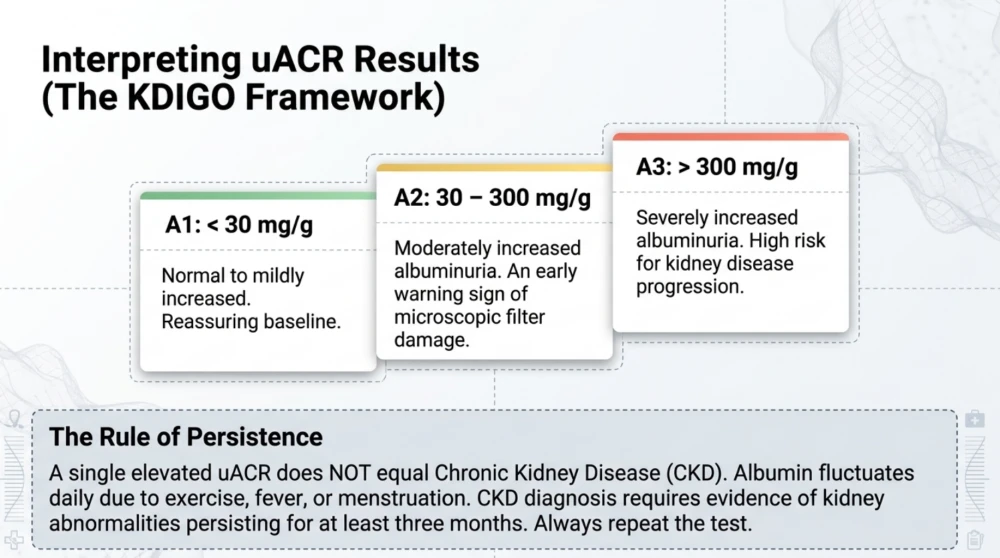
International kidney disease guidelines commonly classify albuminuria into three categories.
These categories are useful for describing the degree of albumin excretion and assessing kidney-related risk.
| Category | uACR (mg/g) | uACR (mg/mmol) | Interpretation |
|---|---|---|---|
| A1 | Below 30 | Below 3 | Normal to mildly increased albuminuria |
| A2 | 30–300 | 3–30 | Moderately increased albuminuria |
| A3 | Above 300 | Above 30 | Severely increased albuminuria |
These categories are based on the KDIGO classification framework.
Values near category boundaries should be interpreted carefully, particularly when different units or laboratory methods are used.
A single elevated uACR result does not necessarily establish persistent kidney disease.
Temporary factors can increase albumin excretion, and repeat testing may be necessary.
Does uACR Above 30 mg/g Mean Chronic Kidney Disease?
Not necessarily after a single test.
An elevated uACR may indicate kidney damage, but chronic kidney disease requires evidence of kidney abnormalities persisting for at least three months.
For example, a patient may have a temporarily elevated uACR during fever, acute illness or after strenuous exercise.
If the result returns to normal after the temporary factor resolves, the interpretation may differ from persistently elevated albuminuria.
However, a markedly abnormal result, especially when accompanied by other concerning findings, should not be ignored while waiting for repeat testing.
Why Repeat Urine ACR Testing May Be Necessary
Urinary albumin excretion can vary substantially from day to day.
Factors such as exercise, fever, infection, menstruation, acute illness and blood pressure changes may influence the result.
Therefore, when an elevated uACR is detected, confirmation with an appropriately collected repeat sample is often recommended.
A first-morning specimen may reduce some sources of variability.
However, the timing of repeat testing depends on the degree of abnormality and the patient's clinical condition.
Patients with severe albuminuria, reduced kidney function, significant haematuria or other concerning features may require prompt evaluation rather than routine delayed follow-up.
What Is the Urine Protein-to-Creatinine Ratio (uPCR)?
The urine protein-to-creatinine ratio, or uPCR, estimates total urinary protein excretion relative to urine creatinine.
Unlike uACR, which specifically measures albumin, uPCR measures total urinary protein.
This distinction can be important because some kidney disorders cause increased excretion of proteins other than albumin.
For example, certain tubular disorders and conditions associated with abnormal circulating proteins may produce urinary protein patterns that are not adequately characterised by albumin measurement alone.
uPCR may therefore be useful when substantial total proteinuria is suspected or when the clinical picture suggests non-albumin protein loss.
Urine ACR vs PCR: Which Test Is Better for Foamy Urine?
For many patients being evaluated for chronic kidney disease, particularly those with diabetes or hypertension, uACR is the preferred initial quantitative urine test.
It is sensitive to clinically important increases in albumin excretion.
However, uPCR may be appropriate when total protein quantification is needed or when non-albumin proteinuria is suspected.
The choice depends on the clinical question.
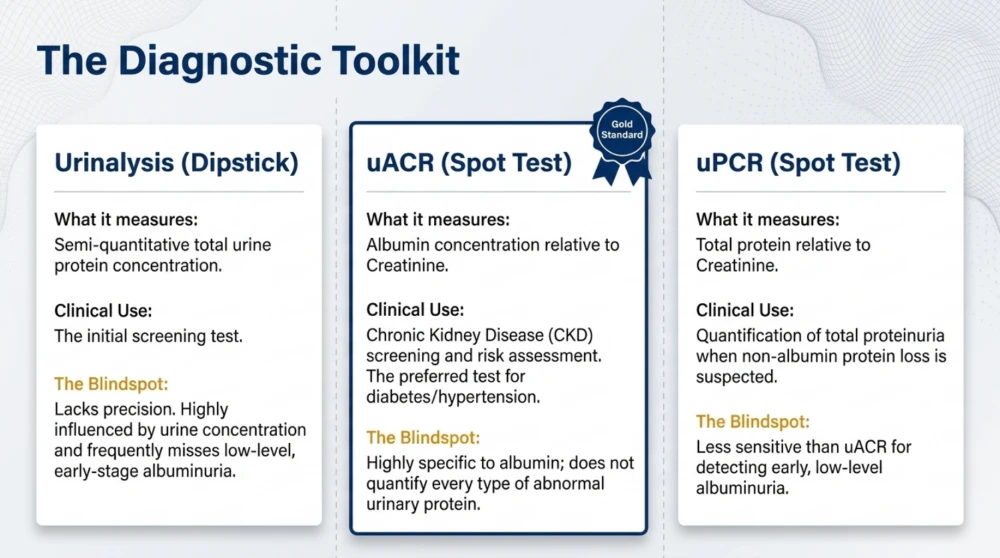
| Test | What It Measures | Typical Clinical Use | Important Limitation |
|---|---|---|---|
| Urine dipstick | Semi-quantitative urine protein concentration | Initial urinalysis | May miss moderately increased albuminuria |
| uACR | Albumin relative to creatinine | CKD screening and risk assessment | Does not quantify every type of urinary protein |
| uPCR | Total protein relative to creatinine | Quantification of total proteinuria | Less sensitive than uACR for low-level albuminuria |
| 24-hour urine protein | Protein excretion over a collection period | Selected situations requiring timed quantification | Collection errors can affect accuracy |
Is a 24-Hour Urine Protein Test Necessary?
Not for every patient.
Spot urine ACR and PCR measurements are often sufficient for initial evaluation and follow-up.
However, a timed urine collection may be useful in selected situations when more precise quantification is required or when spot measurements are difficult to interpret.
The need for a 24-hour collection depends on the clinical context and the type of kidney disorder being investigated.
Foamy Urine With Normal Creatinine: Can Kidney Disease Still Be Present?
Yes.
This is one of the most important misconceptions about kidney health.
Serum creatinine is used to estimate kidney filtration function, but it does not directly measure urinary albumin loss.
Some patients have increased urinary albumin excretion while their serum creatinine and estimated glomerular filtration rate remain within expected ranges.
This may occur in early stages of certain kidney disorders.
Therefore, a normal creatinine result does not automatically exclude kidney damage.
Why Serum Creatinine Alone Is Not Enough
Serum creatinine concentration depends partly on kidney filtration, but it is also influenced by muscle mass, age, diet and other factors.
Consequently, the same creatinine value may correspond to different estimated kidney filtration levels in different individuals.
Reporting eGFR alongside creatinine provides a more clinically useful estimate of filtration function.
However, eGFR and albuminuria should still be considered together when assessing chronic kidney disease.
What Is eGFR?
Estimated glomerular filtration rate, or eGFR, is a calculated estimate of how effectively the kidneys filter blood.
It is commonly derived from serum creatinine using a validated equation that incorporates relevant patient characteristics.
In some clinical situations, cystatin C may provide additional information or improve the accuracy of GFR estimation.
However, eGFR is an estimate rather than a direct measurement.
Its accuracy may be affected by circumstances such as rapidly changing kidney function, unusual muscle mass and certain medical conditions.
Understanding eGFR Categories
Kidney disease guidelines commonly classify GFR into categories that help describe the degree of kidney function impairment.
| GFR Category | eGFR (mL/min/1.73 m²) | Description |
|---|---|---|
| G1 | 90 or higher | Normal or high |
| G2 | 60–89 | Mildly decreased |
| G3a | 45–59 | Mildly to moderately decreased |
| G3b | 30–44 | Moderately to severely decreased |
| G4 | 15–29 | Severely decreased |
| G5 | Below 15 | Kidney failure range |
G1 and G2 categories do not establish chronic kidney disease in the absence of other markers of kidney damage.
Likewise, a reduced eGFR detected once may require reassessment to determine whether the abnormality is acute or chronic.
Why uACR and eGFR Should Be Interpreted Together
uACR and eGFR describe different aspects of kidney health.
eGFR estimates filtration function, while uACR measures albumin excretion relative to urine creatinine.
Two patients with the same eGFR may have substantially different kidney-related risks depending on their albuminuria category.
Similarly, two patients with the same uACR may have different risks depending on kidney filtration function and other clinical factors.
This is why the KDIGO framework combines cause, GFR category and albuminuria category when classifying chronic kidney disease.
However, a complete diagnosis also requires assessment of chronicity and the underlying cause.
Clinical Example: Foamy Urine With Normal Creatinine
Consider a hypothetical 46-year-old patient with type 2 diabetes who reports persistent foamy urine.
The serum creatinine is within the laboratory reference range, and the reported eGFR is 96 mL/min/1.73 m².
However, the urine ACR is 125 mg/g.
This falls within the moderately increased albuminuria category.
The result may indicate kidney damage, but it requires clinical interpretation and confirmation of persistence.
Possible temporary contributors should be considered, and the patient's blood pressure, diabetes control, medication history and other findings should be reviewed.
If albuminuria persists for at least three months, it may support a diagnosis of chronic kidney disease even though eGFR remains preserved.
This is a hypothetical example for patient education, not an individual diagnosis.
Can Foamy Urine Occur With Normal uACR and eGFR?
Yes.
Many patients reporting foamy urine have no measurable kidney abnormality on initial testing.
When urine ACR, urinalysis and kidney function are reassuring, the likelihood of clinically significant albuminuric kidney disease may be lower.
However, the interpretation depends on the patient's symptoms, medical history and the type of urine protein testing performed.
For example, a normal uACR does not exclude every form of non-albumin proteinuria.
Persistent unexplained symptoms or additional abnormal findings may justify further evaluation.
When Should Non-Albumin Proteinuria Be Suspected?
Most routine kidney risk assessment focuses on albuminuria because albumin is a clinically important marker of glomerular damage.
However, some disorders cause increased urinary excretion of other proteins.
These may include certain tubular disorders or conditions associated with abnormal circulating proteins.
In selected patients, discrepancies between urine dipstick findings, uACR and total urine protein measurements may prompt further investigation.
Additional testing might include uPCR, urine protein electrophoresis or other investigations, depending on the clinical context.
Such testing is not routinely necessary for every patient with foamy urine.
What Is the Role of Urine Microscopy?
Urine microscopy can identify red blood cells, white blood cells, casts and other urinary findings.
These findings may help distinguish between different possible causes of kidney or urinary tract abnormalities.
For example, proteinuria accompanied by significant haematuria or certain urinary casts may raise concern for glomerular disease.
However, urine microscopy findings require interpretation alongside symptoms, kidney function and other laboratory results.
Foamy Urine With Blood in Urine: Why It Matters
Proteinuria and haematuria occurring together may indicate a different clinical problem from isolated albuminuria.
Possible causes include glomerular disease, urinary tract infection, stones and other urinary disorders.
Visible blood in urine should not be attributed to proteinuria without appropriate evaluation.
When proteinuria is accompanied by reduced kidney function, elevated blood pressure or concerning urine sediment findings, more urgent assessment may be necessary.
Can Kidney Ultrasound Detect Protein Leakage?
No.
Kidney ultrasound provides information about kidney size, structure and certain anatomical abnormalities.
It may help identify obstruction, structural changes or other conditions.
However, ultrasound does not directly measure urinary albumin or protein excretion.
A normal kidney ultrasound therefore does not exclude albuminuria or early chronic kidney disease.
Likewise, an abnormal ultrasound does not necessarily establish that protein is leaking from the kidneys.
When Is Kidney Ultrasound Useful?
Kidney ultrasound may be appropriate when the clinical picture suggests structural abnormalities, urinary obstruction, unexplained kidney function impairment or other specific indications.
However, it is not automatically required for every episode of foamy urine.
Testing should be guided by clinical findings and the results of initial investigations.
Can Excess Protein Intake Cause Foamy Urine?
Patients sometimes assume that eating a high-protein diet automatically causes protein to leak into urine.
However, dietary protein intake and pathological proteinuria are not equivalent.
Healthy kidneys normally regulate filtration and protein handling.
In people with established kidney disease, dietary protein requirements may need individualisation.
However, an abnormal urine protein result should not simply be attributed to dietary protein intake without appropriate evaluation.
Can Protein Supplements Cause Proteinuria?
Protein supplements do not automatically cause pathological proteinuria in people with healthy kidneys.
However, supplement use may be relevant when assessing overall protein intake, kidney health and other medical conditions.
Patients with known chronic kidney disease should discuss protein intake and supplement use with their treating clinician.
Persistent foamy urine should not be dismissed solely because the patient consumes protein powder.
How Often Should Patients With Diabetes Be Tested for Albuminuria?
Patients with type 2 diabetes are generally advised to undergo kidney assessment at diagnosis and at least annually thereafter, commonly including urine ACR and eGFR.
Patients with type 1 diabetes usually begin routine annual kidney screening after an appropriate duration of disease, often five years, unless clinical circumstances require earlier assessment.
More frequent monitoring may be appropriate when chronic kidney disease, persistent albuminuria or other risk factors are present.
Screening intervals should follow current diabetes and kidney disease guidance and the patient's clinical circumstances.
When Should a Patient Be Referred to a Nephrologist?
Nephrology referral depends on the severity and pattern of kidney abnormalities.
Examples of concerning findings include substantial persistent albuminuria, significant or progressive decline in kidney function, unexplained haematuria with proteinuria, suspected glomerular disease or difficult-to-control complications of kidney disease.
Rapidly worsening kidney function or suspected acute glomerulonephritis may require urgent specialist assessment.
However, not every patient with mildly elevated uACR requires immediate nephrology referral.
Referral decisions should consider the underlying cause, severity, trajectory and available local care pathways.
Practical Investigation Approach for Persistent Foamy Urine
For a patient with persistent foamy urine, the initial clinical approach should begin with a careful history.
The clinician should ask about the duration of symptoms, associated swelling, visible blood in urine, urinary discomfort, recent illness, exercise, medications and relevant medical conditions.
Blood pressure measurement is important, particularly when hypertension is known or suspected.
Initial laboratory evaluation may include urinalysis, urine ACR and serum creatinine with eGFR.
When abnormalities are detected, repeat testing or additional investigations may be necessary.
Patients with diabetes, hypertension, autoimmune disease or a family history of kidney disease may require a more detailed assessment.
The aim is to identify clinically significant kidney disease while avoiding unnecessary investigations in patients with reassuring findings.
Can Protein Leakage From the Kidneys Be Treated?
When urine testing confirms abnormal protein or albumin excretion, treatment depends on the underlying cause, severity and associated kidney abnormalities.
Some forms of proteinuria are temporary and resolve after an acute illness or other triggering condition has passed.
Other forms reflect persistent kidney damage and require ongoing treatment and monitoring.
For example, albuminuria associated with diabetes or hypertension may improve with appropriate management of blood pressure, glucose levels and other kidney-related risk factors.
However, proteinuria caused by certain glomerular diseases may require additional investigations and disease-specific treatment.
The objective is not simply to make foamy urine disappear. It is to identify and manage the condition responsible for abnormal urinary protein excretion.
Can Proteinuria Be Reversed?
Proteinuria can sometimes improve substantially or return to normal, depending on its cause.
Temporary proteinuria associated with fever, strenuous exercise or acute illness may resolve once the triggering condition improves.
In patients with chronic kidney disease, appropriate treatment may reduce albuminuria and slow kidney function decline.
However, a reduction in urinary protein does not necessarily mean that all underlying kidney damage has reversed.
Some kidney disorders cause structural changes that may persist despite improvement in laboratory measurements.
Therefore, long-term monitoring remains important when chronic kidney disease has been established.
How Is Proteinuria Treated in Patients With Diabetes?
Diabetes is an important cause of chronic kidney disease, but kidney abnormalities in a person with diabetes should not automatically be attributed to diabetic kidney disease.
Management generally involves controlling glucose levels, blood pressure and other cardiovascular and kidney risk factors.
Depending on the patient's kidney function, albuminuria, cardiovascular history and medication tolerance, kidney-protective treatments may also be appropriate.
However, treatment selection must consider the complete clinical picture.
Why HbA1c Control Matters
Long-term hyperglycaemia can contribute to kidney damage through several metabolic and vascular mechanisms.
Appropriate glucose management can reduce the risk of diabetic microvascular complications.
However, excessively aggressive glucose lowering may increase hypoglycaemia risk in some patients, particularly those with reduced kidney function or taking insulin or sulfonylureas.
HbA1c targets should therefore be individualised according to age, comorbidities, hypoglycaemia risk and treatment circumstances.
Good glucose control is important, but it does not replace blood pressure management or other kidney-protective interventions.
Why Blood Pressure Control Is Essential in Proteinuria
High blood pressure can damage the kidneys over time, while chronic kidney disease can also contribute to hypertension.
Persistent hypertension increases the risk of kidney disease progression and cardiovascular complications.
For patients with confirmed albuminuria, blood pressure management is often a central part of treatment.
Appropriate treatment may reduce urinary albumin excretion and help preserve kidney function.
However, blood pressure targets should be selected according to the patient's age, kidney function, symptoms, frailty and treatment tolerance.
Accurate blood pressure measurement is important because decisions based on unreliable readings may result in overtreatment or undertreatment.
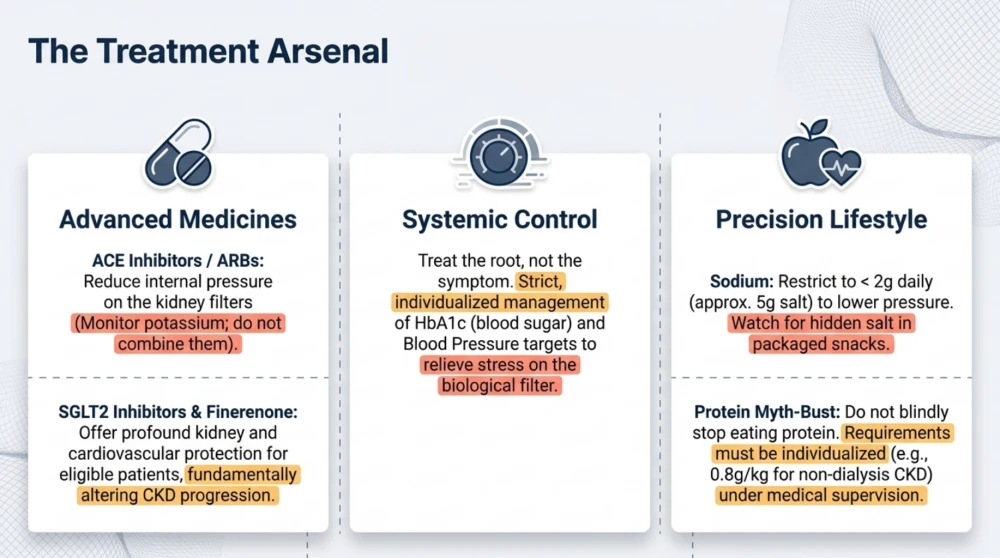
ACE Inhibitors and ARBs: How Do They Protect the Kidneys?
Angiotensin-converting enzyme inhibitors (ACE inhibitors) and angiotensin receptor blockers (ARBs) are important medications in the management of selected patients with albuminuric chronic kidney disease.
These medicines affect the renin–angiotensin system and can reduce pressure within the kidney's filtering units.
They may reduce albuminuria and slow progression of kidney disease in appropriate patients.
Examples include ramipril and losartan, although the choice of medicine depends on clinical circumstances.
These medications are particularly relevant in many patients with hypertension and albuminuric CKD.
However, they should not be prescribed solely because urine appears foamy.
Important Precautions With ACE Inhibitors and ARBs
ACE inhibitors and ARBs can affect serum creatinine and potassium levels.
Kidney function and potassium should generally be checked after starting treatment or increasing the dose, commonly within two to four weeks, depending on clinical circumstances.
A modest initial rise in creatinine may occur, but substantial changes require medical evaluation.
ACE inhibitors and ARBs should not routinely be combined because the combination increases the risk of adverse effects without providing an appropriate overall benefit.
These medicines are contraindicated during pregnancy, and pregnancy planning requires medication review.
What Is the Role of SGLT2 Inhibitors in Kidney Protection?
Sodium-glucose cotransporter-2 inhibitors, commonly called SGLT2 inhibitors, were initially developed as glucose-lowering medications.
However, major clinical trials have demonstrated important kidney and cardiovascular benefits in selected patients with chronic kidney disease, including some patients without diabetes.
These medicines act partly by altering glucose and sodium handling in the kidneys.
Their kidney-protective effects are not explained solely by changes in blood glucose.
Examples include dapagliflozin and empagliflozin.
However, treatment eligibility depends on factors such as eGFR, albuminuria, heart failure status, the specific medication and current prescribing guidance.
Not every patient with foamy urine requires an SGLT2 inhibitor.
Are SGLT2 Inhibitors Suitable for Everyone?
No.
Potential adverse effects include genital fungal infections, volume depletion and, rarely, ketoacidosis.
Patients may require specific advice about temporary interruption during prolonged fasting, acute serious illness or major surgery.
These medicines are not appropriate for every type of diabetes or every clinical situation.
They should be prescribed after reviewing the patient's kidney function, medical history and individual risks.
Can Finerenone Help Patients With Albuminuria?
Finerenone is a non-steroidal mineralocorticoid receptor antagonist with evidence of kidney and cardiovascular benefits in selected patients with type 2 diabetes and chronic kidney disease.
It may be considered when eligibility criteria are met, particularly in patients with persistent albuminuria despite appropriate foundational treatment.
However, finerenone can increase serum potassium and requires monitoring.
It is not a routine treatment for isolated foamy urine or for every patient with proteinuria.
Medication selection should follow current kidney disease guidance and relevant regulatory approvals.
Can GLP-1 Receptor Agonists Help Protect the Kidneys?
GLP-1 receptor agonists are used in selected patients with type 2 diabetes and, for certain agents, obesity.
Some medications in this class have demonstrated cardiovascular benefits and favourable kidney outcomes in clinical trials.
Evidence also supports kidney benefit for certain GLP-1 receptor agonists in specific populations with type 2 diabetes and chronic kidney disease.
However, these effects should not be generalised automatically to every drug or patient.
The decision to use a GLP-1 receptor agonist should consider diabetes management, cardiovascular risk, kidney disease, body weight, tolerability and other relevant factors.
Medicines Used in Proteinuric Kidney Disease: An Overview
| Medication Group | Potential Role | Important Consideration |
|---|---|---|
| ACE inhibitors / ARBs | Reduce albuminuria and slow CKD progression in appropriate patients | Monitor creatinine and potassium; avoid during pregnancy |
| SGLT2 inhibitors | Kidney and cardiovascular protection in eligible CKD populations | Eligibility and precautions depend on clinical circumstances |
| Finerenone | Kidney and cardiovascular risk reduction in selected patients with type 2 diabetes and CKD | Potassium monitoring is important |
| Selected GLP-1 receptor agonists | Glucose management and cardiorenal benefits in eligible populations | Evidence and indications vary by medication |
| Disease-specific treatment | Treats certain immune-mediated or other kidney disorders | Requires an established diagnosis and specialist supervision |
Does Every Patient With Proteinuria Need Medication?
No.
The need for medication depends on whether proteinuria is persistent, its severity, the underlying cause and the patient's overall kidney and cardiovascular risk.
Temporary proteinuria may resolve without kidney-specific medication once the triggering condition improves.
However, persistent albuminuria associated with chronic kidney disease may require treatment even when the patient has no symptoms.
Some patients with suspected glomerular disease need specialist evaluation before disease-specific therapy can be selected.
The treatment decision should be based on confirmed findings rather than the appearance of urine alone.
What Diet Is Recommended for Proteinuria and Kidney Protection?
Dietary advice for patients with proteinuria should be individualised according to kidney function, diabetes status, blood pressure, nutritional condition and the underlying diagnosis.
There is no single kidney diet that is appropriate for every patient with foamy urine.
For example, someone with normal kidney function and no confirmed proteinuria does not automatically need protein restriction.
In contrast, a patient with established chronic kidney disease may benefit from a structured dietary plan that addresses sodium intake, protein requirements and overall nutritional quality.
Unnecessary restrictions can lead to inadequate nutrition and should be avoided.
Should Patients With Proteinuria Reduce Salt?
Excessive sodium intake can contribute to elevated blood pressure and fluid retention.
In patients with chronic kidney disease, reducing excessive dietary sodium may help improve blood pressure control and support the effectiveness of certain kidney-protective treatments.
KDIGO guidance generally suggests a sodium intake below 2 grams daily, equivalent to approximately 5 grams of salt, for many adults with CKD.
However, this recommendation requires individualisation in selected conditions involving sodium loss or other medical considerations.
Patients should remember that sodium is present not only in table salt but also in packaged foods, pickles, papad, sauces and many processed snacks.
Should Protein Intake Be Restricted When Protein Is Leaking Into Urine?
Not automatically.
It may seem logical to reduce dietary protein whenever protein appears in urine, but urinary protein loss and dietary protein intake are not the same process.
For many adults with CKD stages G3–G5 who are not receiving dialysis, KDIGO 2024 suggests a dietary protein intake around 0.8 grams per kilogram of body weight per day.
However, this recommendation is not appropriate for every patient.
People receiving dialysis, pregnant patients, children, individuals with significant malnutrition or other special circumstances may have different protein requirements.
Patients should avoid starting very low-protein diets without medical and nutritional supervision.
Can Excessive Protein Intake Be Harmful in CKD?
Very high protein intake may increase kidney workload and may be inappropriate in some patients with established CKD.
Current kidney disease guidance advises avoiding excessive protein intake in adults with CKD who are at risk of progression.
However, the appropriate amount depends on kidney function, nutritional status and treatment circumstances.
The goal is to maintain adequate nutrition while avoiding unnecessary excess.
Indian Food Choices for Patients With Proteinuria
For patients with confirmed CKD, dietary changes should focus on nutritional adequacy, sodium reduction when indicated and appropriate protein intake.
Indian meals can be adapted without eliminating entire food groups unnecessarily.
| Common Dietary Habit | Practical Consideration | Why It Matters |
|---|---|---|
| Frequent pickles and papad | Limit high-sodium accompaniments | Supports sodium and blood pressure management |
| Packaged namkeen and salty snacks | Choose lower-sodium alternatives | Reduces excess sodium intake |
| Unsupervised high-protein diets | Match protein intake to clinical requirements | Avoids unnecessary protein excess or deficiency |
| Sugar-sweetened beverages | Reduce added sugar, especially with diabetes | Supports glucose and metabolic management |
| Unnecessary avoidance of all fruits and vegetables | Individualise choices based on potassium and kidney status | Prevents avoidable nutritional restriction |
Patients with advanced CKD, elevated potassium or other electrolyte abnormalities may require additional dietary adjustments.
However, potassium and phosphorus restrictions should not be imposed indiscriminately on every person with proteinuria.
Does Drinking More Water Reduce Proteinuria?
Drinking water may change urine concentration and sometimes reduce the visible appearance of bubbles.
However, increasing water intake does not necessarily reduce pathological urinary protein excretion.
If proteinuria results from kidney disease, the underlying condition requires appropriate treatment.
Excessive fluid intake may also be inappropriate in patients with heart failure, advanced kidney disease or certain electrolyte disorders.
Fluid intake should therefore be guided by individual requirements rather than an attempt to eliminate urine foam.
Can Exercise Help Protect the Kidneys?
Regular physical activity supports blood pressure control, glucose regulation, cardiovascular fitness and weight management.
These benefits may indirectly support kidney health.
However, strenuous exercise can sometimes cause temporary increases in urinary protein excretion.
For this reason, urine testing immediately after unusually intense exercise may not accurately reflect a person's usual albumin excretion.
Patients with established CKD should choose activity according to their cardiovascular health, physical capacity and medical advice.
Medicines and Supplements That May Affect Kidney Health
Medication review is an important part of evaluating kidney abnormalities.
Non-steroidal anti-inflammatory drugs, including commonly used pain medicines such as ibuprofen and diclofenac, can affect kidney function in susceptible patients.
Risk may be greater in people with CKD, dehydration, heart failure or certain medication combinations.
Some herbal products and unregulated supplements may also contain nephrotoxic substances or contaminants.
Patients should disclose prescription medicines, over-the-counter products and supplements during kidney assessment.
However, prescribed medication should not be stopped without appropriate medical advice.
Does Foamy Urine Mean Dialysis Will Be Required?
No.
Foamy urine does not establish kidney failure or predict that dialysis will be necessary.
Even when albuminuria is confirmed, many patients have preserved kidney filtration function.
The long-term outlook depends on the cause of proteinuria, kidney function, albuminuria severity, treatment response and other risk factors.
Early identification and appropriate management may reduce the risk of progression in selected patients.
When Does Foamy Urine Require Urgent Medical Attention?
Most isolated episodes of foamy urine are not medical emergencies.
However, certain accompanying symptoms may indicate significant kidney or systemic illness.
- Marked reduction in urine output or inability to pass urine.
- Severe breathlessness or rapidly worsening swelling.
- Visible blood in urine with significant illness or reduced kidney function.
- Severe hypertension accompanied by headache, visual changes, chest pain or neurological symptoms.
- Fever with flank pain, vomiting or signs of systemic infection.
- Pregnancy with elevated blood pressure, severe headache, visual disturbance or upper abdominal pain.
- Rapid deterioration in previously known kidney function.
These situations require prompt medical assessment, and severe symptoms may warrant emergency care.

Three Clinical Examples of Foamy Urine
Case 1: Foamy Urine With Normal Kidney Tests
A hypothetical 29-year-old individual notices occasional bubbles in urine after prolonged periods without drinking water.
Blood pressure is normal, urinalysis is reassuring, urine ACR is within the A1 category and eGFR is preserved.
In this situation, clinically important albuminuric kidney disease is less likely based on the available results.
However, persistent changes or new symptoms may justify reassessment.
Case 2: Foamy Urine With Diabetes and Albuminuria
A hypothetical 54-year-old patient with type 2 diabetes reports persistent foamy urine.
Serum creatinine is within the laboratory reference range, but urine ACR is 180 mg/g.
This represents moderately increased albuminuria.
The finding requires confirmation and evaluation of diabetes control, blood pressure, medication use and other potential causes.
If albuminuria persists, kidney-protective treatment may be appropriate according to the complete clinical picture.
Case 3: Foamy Urine With Swelling and Heavy Proteinuria
A hypothetical 38-year-old patient develops persistent foamy urine, swelling around the eyes and progressive ankle oedema.
Urine testing identifies substantial proteinuria, and blood albumin is reduced.
This pattern raises concern for a significant proteinuric kidney disorder, potentially including nephrotic syndrome.
Prompt medical evaluation and nephrology assessment are important to identify the cause and initiate appropriate treatment.
These cases are hypothetical educational examples and do not represent individual patient diagnoses.
Common Myths About Foamy Urine and Proteinuria
Myth 1: Every Episode of Foamy Urine Means Kidney Disease
False. Urine can become bubbly for several non-pathological reasons.
Myth 2: Normal Creatinine Means There Is No Kidney Damage
False. Albuminuria can occur while eGFR remains preserved.
Myth 3: Drinking More Water Cures Proteinuria
False. Water intake may change urine concentration but does not necessarily treat the underlying cause of protein leakage.
Myth 4: Proteinuria Always Means Kidney Failure
False. Proteinuria has many causes and does not automatically indicate kidney failure.
Myth 5: All Patients With Proteinuria Must Stop Eating Protein
False. Dietary protein requirements depend on kidney function, nutritional status and the underlying condition.
Myth 6: A Normal Kidney Ultrasound Excludes Kidney Disease
False. Early kidney disease and albuminuria may be present despite normal kidney imaging.
Myth 7: Proteinuria Cannot Improve
False. Proteinuria may improve or resolve depending on the underlying cause and treatment response.
Myth 8: Herbal Kidney Cleansers Can Stop Protein Leakage
False. There is no reliable evidence that commercial kidney detox products treat proteinuria, and some may cause harm.
Frequently Asked Questions About Foamy Urine
1. Is foamy urine always a sign of kidney disease?
No. Foamy urine can occur because of forceful urination, concentrated urine or substances in the toilet. Persistent changes may justify urine testing.
2. Which test is best for detecting protein leakage from the kidneys?
Urine albumin-to-creatinine ratio is commonly preferred for detecting albuminuria, especially in patients with diabetes or hypertension. Other tests may be needed depending on the suspected condition.
3. Can foamy urine occur with normal creatinine?
Yes. Some patients have increased urinary albumin excretion despite preserved eGFR or serum creatinine within the laboratory reference range.
4. Can proteinuria be cured?
Some forms of proteinuria resolve completely, while others improve with treatment but require long-term monitoring. The outcome depends on the cause.
5. Is foamy urine common in diabetes?
People with diabetes may develop albuminuria, but foamy urine alone cannot establish diabetic kidney disease. Routine kidney screening remains important.
6. Does drinking more water stop foamy urine?
Additional fluid may reduce urine concentration in some circumstances, but it does not necessarily treat pathological proteinuria. Excessive water intake is not appropriate for everyone.
7. Is protein in urine dangerous?
Persistent proteinuria may indicate kidney damage and can be associated with increased kidney and cardiovascular risk. Its significance depends on the amount, cause and accompanying findings.
8. Should I avoid protein-rich foods if I have foamy urine?
Not unless there is a clinical reason. Dietary protein requirements should be based on confirmed kidney function and nutritional needs.
9. Can kidney disease occur without foamy urine?
Yes. Early kidney disease may produce no visible urine changes or noticeable symptoms.
10. Does foamy urine mean I need dialysis?
No. Foamy urine alone does not indicate kidney failure or the need for dialysis.
11. How often should urine ACR be repeated?
The interval depends on the initial result, medical history and clinical circumstances. Abnormal results often require confirmation, while patients with diabetes or CKD may need ongoing periodic monitoring.
12. When should I consult a doctor for foamy urine?
Consult a doctor if foamy urine persists, repeatedly occurs or is accompanied by swelling, blood in urine, reduced urine output, hypertension or known diabetes or kidney disease.
What I Explain to Patients Who Report Foamy Urine
When a patient reports foamy urine, I first explain that the appearance alone cannot confirm protein leakage from the kidneys.
I review the duration of symptoms, associated swelling, blood pressure, diabetes status, medication history and previous kidney investigations.
When clinically indicated, urine routine examination, urine ACR and serum creatinine with eGFR help clarify whether there is evidence of kidney damage.
If albuminuria is detected, I consider whether the result could be temporary or whether further evaluation is needed.
For patients with persistent abnormalities, treatment focuses on the underlying condition and appropriate kidney protection.
I also explain that normal creatinine does not automatically exclude early kidney disease.
The goal is to identify clinically important abnormalities early without creating unnecessary fear from an isolated episode of foamy urine.
Key Takeaways: Foamy Urine and Protein Leakage
- Foamy urine is an observation, not a diagnosis.
- Persistent foam may sometimes be associated with proteinuria.
- Proteinuria and albuminuria are not exactly the same.
- Urine ACR is an important test for detecting albuminuria.
- Normal creatinine does not exclude early kidney damage.
- uACR and eGFR should be interpreted together.
- Persistent albuminuria may increase kidney and cardiovascular risk.
- Diabetes and hypertension are important causes of CKD.
- ACE inhibitors, ARBs and SGLT2 inhibitors have kidney-protective roles in appropriate patients.
- Protein intake and fluid recommendations must be individualised.
- Swelling, haematuria and reduced urine output require attention.
- Early evaluation can help identify treatable kidney abnormalities.
Foamy Urine and Kidney Health Consultation in Dwarka, Delhi
If you are experiencing persistent foamy urine, have detected protein in a urine report or have diabetes or hypertension with concerns about kidney health, appropriate medical evaluation can help clarify the findings.
Dr. Pankaj Kumar, General & Lifestyle Physician, provides consultations for general medical conditions, diabetes, hypertension and related metabolic disorders in Sector 6, Dwarka, New Delhi.
Assessment may include reviewing urine reports, blood pressure, glucose control, kidney function and the need for additional testing or specialist referral.
Clinic location: Doctors Lane, Sector 6, Dwarka, opposite Dhanwantari Labs, New Delhi.
Book a Consultation Enquire on WhatsApp
Scientific References
- Kidney Disease: Improving Global Outcomes (KDIGO). KDIGO 2024 Clinical Practice Guideline for the Evaluation and Management of Chronic Kidney Disease. Kidney International. 2024. KDIGO CKD Guidelines.
- Kidney Disease: Improving Global Outcomes (KDIGO). KDIGO 2022 Clinical Practice Guideline for Diabetes Management in Chronic Kidney Disease. Kidney International. 2022. KDIGO Diabetes in CKD Guidelines.
- American Diabetes Association. Standards of Care in Diabetes. Chronic Kidney Disease and Risk Management. Diabetes Care. ADA Standards of Care.
- National Kidney Foundation. Albuminuria and the Urine Albumin-Creatinine Ratio. National Kidney Foundation: Albuminuria and Proteinuria.
- National Institute of Diabetes and Digestive and Kidney Diseases. Albuminuria: Albumin in the Urine. NIDDK Kidney Disease Information.
- National Institute for Health and Care Excellence. Chronic Kidney Disease: Assessment and Management (NG203). NICE CKD Guideline.
Medical disclaimer: This article is intended for general health education and does not replace individual medical advice. Foamy urine, proteinuria and albuminuria require interpretation according to the patient's clinical condition. Do not start, stop or adjust prescribed medicines solely on the basis of this article. Seek urgent medical attention for severe symptoms or rapidly worsening kidney-related problems.
Written by Dr. Pankaj Kumar , General & Lifestyle Physician, Dwarka, New Delhi