







- 22nd October 2026
Table of Contents
- Perimenopause and Muscle Loss: Why This Connection Deserves Attention
- What Is Perimenopause?
- What Happens to Estrogen During Perimenopause?
- How Does Estrogen Influence Muscle Health?
- Muscle Mass vs Muscle Strength: Why the Difference Matters
- Why Strength May Decline Before Menopause
- 1. Age-Related Changes in Muscle Function
- 2. Reduced Physical Activity
- 3. Changes in Sleep Quality
- 4. Inadequate Dietary Protein
- 5. Repeated Weight-Loss Dieting
- 6. Medical Conditions That Affect Strength
- Perimenopause and Muscle Loss: Common Contributing Factors
- Can Muscle Loss Begin Before Menstrual Periods Stop?
- Does Perimenopause Cause Sarcopenia?
- Why Muscle Quality Matters More Than Appearance Alone
- Why Body Weight May Stay the Same While Body Composition Changes
- Perimenopause, Abdominal Fat and Insulin Resistance
- Does Perimenopause Affect Exercise Recovery?
- Early Signs That Muscle Function May Be Declining
- When Is Muscle Weakness a Medical Concern?
- How Can Women Recognise Muscle Loss During Perimenopause?
- Muscle Weakness vs Fatigue: Why the Difference Matters
- How Is Muscle Strength Assessed During Perimenopause?
- Handgrip Strength: What Can It Tell Us?
- Chair-Stand Testing and Lower-Body Strength
- Can Body Composition Tests Detect Muscle Loss?
- Which Assessment Is Most Useful for Perimenopause and Muscle Loss?
- Which Blood Tests Are Useful When Strength Declines During Perimenopause?
- Thyroid Function Testing
- Complete Blood Count and Iron Status
- Vitamin B12 and Vitamin D
- Glucose and Metabolic Health
- Do Women Need FSH and Estrogen Tests to Diagnose Perimenopause?
- How Much Protein Do Women Need During Perimenopause?
- Example Protein Requirements at Different Body Weights
- Does Protein Timing Matter for Muscle Health?
- Indian Protein Sources for Perimenopausal Women
- Does Resistance Training Help Prevent Muscle Loss During Perimenopause?
- How Often Should Perimenopausal Women Perform Strength Training?
- What Types of Exercises Are Useful?
- Squat and Sit-to-Stand Movements
- Upper-Body Pushing Exercises
- Pulling Exercises
- Hip-Hinge and Lower-Body Exercises
- Why Progressive Overload Matters
- Is Walking Enough to Preserve Muscle Strength?
- Can Women Build Muscle During Perimenopause?
- What About Creatine Supplements?
- Does Hormone Therapy Prevent Muscle Loss?
- Can Weight-Loss Medicines Affect Muscle Mass During Midlife?
- How Can Women Prevent Muscle Loss During Perimenopause?
- Why Resistance Training Should Become a Priority During Perimenopause
- A Practical Weekly Strength-Training Plan for Perimenopausal Women
- What Should a Beginner Strength-Training Session Include?
- How Much Aerobic Exercise Is Recommended?
- Nutrition for Perimenopause and Muscle Loss: What Matters Most?
- How to Distribute Protein Throughout the Day
- A Practical Indian Meal Pattern to Support Muscle Health
- Can Vegetarian Women Maintain Muscle Strength During Perimenopause?
- Is Protein Powder Necessary During Perimenopause?
- Why Weight Loss During Perimenopause Should Focus on Body Composition
- Can Women Lose Abdominal Fat Without Losing Muscle?
- Perimenopause, Muscle Loss and Bone Health
- Calcium and Vitamin D: Do They Prevent Muscle Loss?
- Sleep, Stress and Muscle Recovery During Perimenopause
- Does Menopausal Hormone Therapy Improve Muscle Strength?
- How Long Does It Take to Improve Muscle Strength?
- How to Track Progress Without Relying Only on Body Weight
- When Should a Woman Seek Medical Advice for Declining Strength?
- Clinical Example: Reduced Strength During Perimenopause
- Common Myths About Perimenopause and Muscle Loss
- Myth 1: Every Woman Loses Muscle During Perimenopause
- Myth 2: Declining Estrogen Is the Only Cause of Muscle Loss
- Myth 3: Walking Is Enough to Maintain All Muscle Strength
- Myth 4: Women Should Avoid Weight Training After Forty
- Myth 5: Protein Powder Is Essential for Muscle Preservation
- Myth 6: Hormone Therapy Can Replace Exercise
- Myth 7: Stable Body Weight Means Muscle Mass Is Unchanged
- Myth 8: Muscle Cannot Be Built After Menopause
- Frequently Asked Questions About Perimenopause and Muscle Loss
- What I Explain to Women Concerned About Muscle Loss During Perimenopause
- Key Takeaways: Perimenopause and Muscle Loss
- Perimenopause, Muscle Health and Lifestyle Consultation in Dwarka, Delhi
- Scientific References and Clinical Guidelines
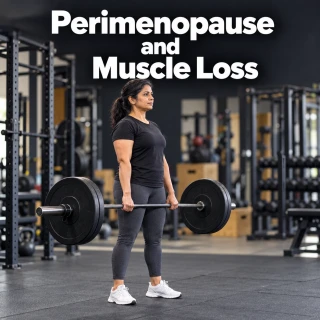
Perimenopause and Muscle Loss: Why This Connection Deserves Attention
Many women associate menopause with hot flashes, irregular periods, sleep disturbances and changes in body weight. However, some begin noticing changes in their physical strength and exercise performance even before their periods have stopped completely.
Activities that previously felt comfortable may gradually become more demanding. Carrying groceries, climbing stairs, lifting household objects or completing a familiar exercise routine may require greater effort.
Some women also notice changes in body composition. Their body weight may remain relatively stable, but muscle definition appears reduced and fat accumulates more noticeably around the abdomen.
These experiences raise an important question: can muscle strength begin to decline during perimenopause, before menopause is officially reached?
The answer is that changes in muscle mass, strength and physical performance can occur during midlife and may overlap with the menopausal transition. However, the relationship is complex.
Ageing, physical activity, nutritional intake, sleep, metabolic health and changing reproductive hormones may all contribute.
Research suggests that the menopausal transition may influence body composition and aspects of muscle function, but the degree to which hormonal changes independently cause muscle loss remains an area of ongoing investigation.
Perimenopause and muscle loss should therefore be understood as a possible interaction between hormonal changes, ageing and lifestyle factors rather than an inevitable consequence of menopause.
What Is Perimenopause?
Perimenopause is the transitional period leading up to menopause, during which ovarian reproductive function changes and menstrual cycles may become less predictable.
During this transition, hormonal patterns can fluctuate considerably.
Some women experience changes in cycle length, menstrual flow, sleep quality, mood and temperature regulation.
Others have relatively few symptoms.
Menopause itself is diagnosed retrospectively after 12 consecutive months without menstruation when no other physiological or pathological explanation is present.
Perimenopause may begin several years before the final menstrual period, although its timing and duration vary between individuals.
At What Age Does Perimenopause Usually Begin?
Many women enter the menopausal transition during their forties, but there is considerable individual variation.
Some notice changes earlier, while others experience them closer to their final menstrual period.
Age alone does not establish whether a woman is perimenopausal.
Menstrual history, symptoms, medication use and relevant medical conditions all influence the assessment.
Symptoms occurring before age 40 require particular attention because premature ovarian insufficiency and other medical conditions may need to be considered.
What Happens to Estrogen During Perimenopause?
Estrogen levels do not simply decline in a smooth, predictable manner throughout perimenopause.
Instead, hormonal fluctuations may become more pronounced as ovarian function changes.
Some cycles may involve relatively high estrogen exposure, while others may be associated with lower levels.
Progesterone patterns also change, particularly when ovulation becomes irregular.
As the transition progresses, estrogen levels generally decline toward the postmenopausal range.
However, a single blood estrogen measurement may not accurately represent the broader hormonal pattern during perimenopause.
This is one reason why routine hormone testing is not always necessary to diagnose perimenopause in otherwise typical presentations among women aged 45 years or older.
How Does Estrogen Influence Muscle Health?
Estrogen has biological effects beyond the reproductive system.
Estrogen receptors are present in several tissues, including skeletal muscle.
Experimental and human studies suggest that estrogen may influence muscle metabolism, inflammation, recovery and aspects of muscle function.
However, translating these biological mechanisms into precise predictions about muscle loss during perimenopause is difficult.
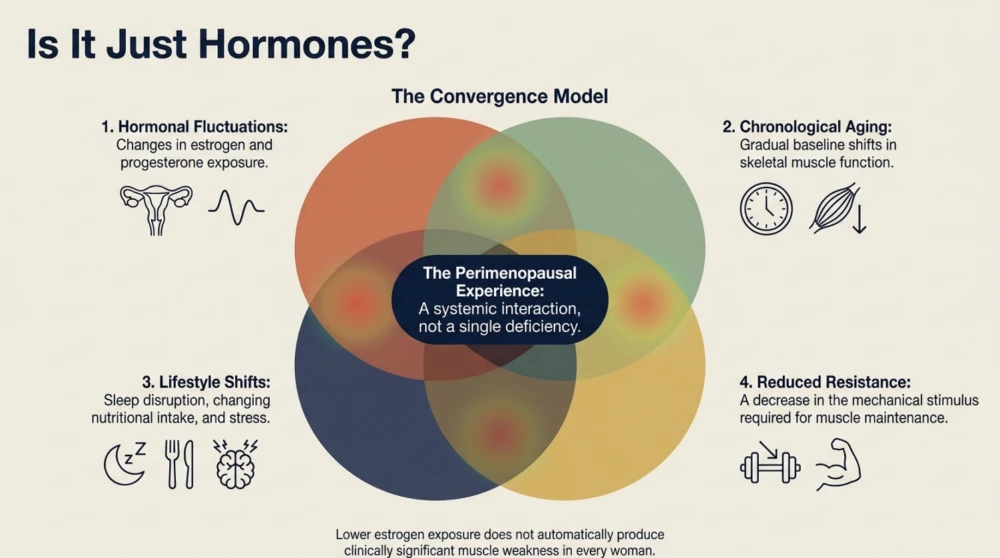
Muscle strength is determined by multiple factors, including muscle size, nervous system activation, muscle quality, training history and overall health.
Therefore, lower estrogen exposure does not automatically produce clinically significant muscle weakness in every woman.
Does Declining Estrogen Directly Cause Muscle Loss?
The relationship is not fully established.
Some observational studies associate menopausal status with differences in lean mass, muscle strength or physical performance.
However, separating the effects of reproductive ageing from chronological ageing, physical inactivity and changes in body fat is challenging.
Women may also experience changes in sleep, symptoms and activity patterns during the transition, which can influence strength independently of muscle mass.
Consequently, estrogen should be considered one possible contributor rather than the sole explanation.
Muscle Mass vs Muscle Strength: Why the Difference Matters
Muscle mass refers to the amount of skeletal muscle tissue present in the body.
Muscle strength refers to the force that muscles can generate.
These characteristics are related, but they are not identical.
A person may experience reduced strength without a substantial measurable reduction in muscle mass.
Changes in neuromuscular coordination, physical conditioning, pain, fatigue or illness may affect performance even when muscle size remains relatively stable.
Similarly, two individuals with comparable muscle mass may have different levels of strength because of differences in training and muscle quality.
This distinction is especially important when discussing perimenopause and muscle loss.
A woman who notices difficulty lifting familiar objects should not automatically assume that hormonal changes have caused loss of muscle tissue.
Why Strength May Decline Before Menopause
Several overlapping processes may contribute to perceived or measurable reductions in strength during midlife.
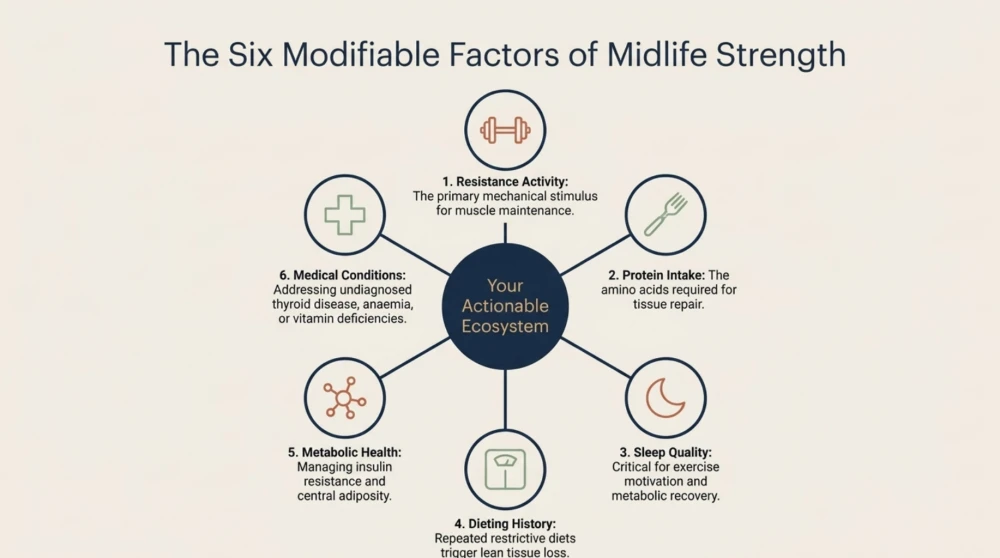
These include age-related changes in muscle function, reduced resistance exercise, insufficient dietary protein, sleep disruption and certain medical conditions.
Hormonal changes during perimenopause may interact with these factors.
However, their relative importance differs from one woman to another.
1. Age-Related Changes in Muscle Function
Skeletal muscle changes gradually with ageing.
Without sufficient physical activity, muscle mass and strength may decline over time.
These changes are not exclusive to women and do not begin suddenly at menopause.
However, the menopausal transition occurs during a period when age-related changes may become more noticeable.
Regular resistance training can substantially influence the trajectory of muscle strength during this stage of life.
2. Reduced Physical Activity
Many women experience competing demands from employment, household responsibilities, caregiving and other commitments during midlife.
These pressures may reduce opportunities for structured exercise.
Walking and general daily activity provide important health benefits, but they may not provide sufficient resistance stimulus to preserve or improve all aspects of muscle strength.
When resistance exercise is absent, gradual reductions in strength may become more apparent.
3. Changes in Sleep Quality
Sleep disturbances are common during the menopausal transition.
Night sweats, insomnia, mood symptoms and other factors may interfere with restorative sleep.
Poor sleep can affect fatigue, exercise motivation, recovery and perceived physical performance.
However, the relationship between sleep disruption and actual muscle loss is complex.
Persistent fatigue should not automatically be attributed to perimenopause without considering other possible causes.
4. Inadequate Dietary Protein
Protein provides amino acids needed for the maintenance and repair of body tissues, including skeletal muscle.
Some women consume relatively little protein, particularly when meals are dominated by refined carbohydrates or when restrictive dieting is common.
Inadequate protein intake may make it more difficult to preserve muscle mass, especially during weight loss or periods of reduced activity.
However, increasing protein intake alone does not guarantee improved strength.
Resistance exercise and overall nutritional adequacy remain important.
5. Repeated Weight-Loss Dieting
Some women attempt repeated restrictive diets in response to midlife weight gain.
Rapid weight reduction without adequate protein intake and resistance training may result in loss of lean tissue alongside fat mass.
This can be particularly concerning when weight loss is achieved through very low-calorie diets without appropriate supervision.
The goal should generally be to improve body composition and metabolic health while preserving muscle function.
6. Medical Conditions That Affect Strength
Not every decline in strength during the forties or fifties is related to menopause.
Thyroid disorders, anaemia, vitamin deficiencies, inflammatory conditions, neurological disorders and medication-related effects may contribute to weakness or fatigue.
Some women also experience joint pain or reduced physical activity because of musculoskeletal conditions.
Therefore, persistent or progressive weakness deserves appropriate medical assessment.
Perimenopause and Muscle Loss: Common Contributing Factors
| Factor | Possible Effect | Clinical Consideration |
|---|---|---|
| Hormonal transition | May influence muscle physiology and recovery | Independent contribution to muscle loss remains uncertain |
| Ageing | Gradual changes in muscle function | Not specific to menopause |
| Low resistance activity | Reduced strength stimulus | Potentially modifiable through training |
| Inadequate protein intake | May compromise muscle maintenance | Assess overall diet and medical conditions |
| Sleep disturbance | Fatigue and reduced exercise performance | Identify sleep and menopausal symptoms |
| Restrictive dieting | Potential loss of lean tissue | Preserve nutrition and muscle during weight loss |
| Thyroid disease or anaemia | Fatigue, weakness or exercise intolerance | Investigate when clinically indicated |
Can Muscle Loss Begin Before Menstrual Periods Stop?
Yes, changes in muscle mass and strength can occur before the final menstrual period.
However, this does not mean that perimenopause is necessarily the cause.
Muscle function changes gradually throughout adult life, and individual experiences vary.
Some women maintain or improve their strength during perimenopause, particularly when they engage in regular resistance training and maintain adequate nutrition.
Others may experience reduced performance because of fatigue, physical inactivity, pain or underlying medical conditions.
Therefore, the timing of strength changes relative to menstrual changes is not sufficient to establish causation.
Does Perimenopause Cause Sarcopenia?
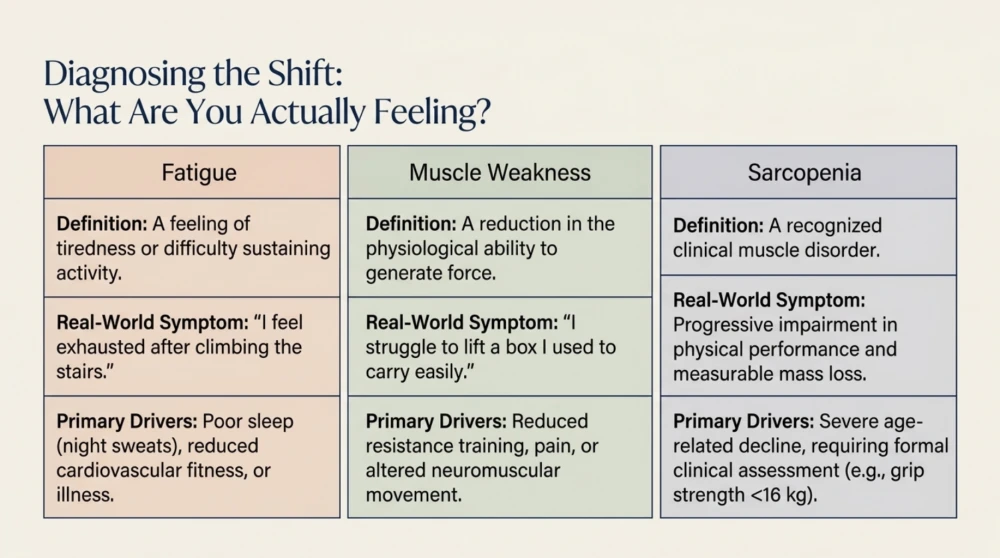
Sarcopenia is a recognised muscle disorder characterised primarily by reduced muscle strength, with low muscle quantity or quality supporting the diagnosis and impaired physical performance indicating greater severity.
It is most commonly discussed in relation to ageing, although muscle dysfunction can occur in other clinical circumstances.
Perimenopause does not automatically mean that a woman has sarcopenia.
Likewise, reduced exercise performance or fatigue alone does not establish the diagnosis.
Formal assessment may include grip strength, chair-stand performance, muscle quantity measurements and other validated methods.
These investigations are generally reserved for appropriate clinical situations rather than routine screening of every woman entering perimenopause.
Why Muscle Quality Matters More Than Appearance Alone
Muscle health cannot be assessed reliably by appearance or body weight alone.
Muscle quality includes characteristics such as the ability to generate force relative to muscle size.
Changes in muscle composition, neuromuscular function and physical conditioning can influence performance.
A woman may have relatively stable body weight while experiencing changes in muscle strength or body composition.
Conversely, improved strength may occur without a dramatic visible change in muscle size.
This is particularly relevant when resistance training begins after a prolonged period of inactivity.
Why Body Weight May Stay the Same While Body Composition Changes
Body weight represents the combined mass of fat, muscle, bone, water and other tissues.
It does not reveal how these components are distributed.
During midlife, some women experience increased central adiposity while lean mass remains stable or changes modestly.
Other women may lose lean tissue during prolonged inactivity or repeated weight-loss attempts.
As a result, the weighing scale may show little change even when body composition and physical performance have changed.
However, body composition changes should not be attributed automatically to estrogen fluctuations without considering energy balance, activity and other factors.
Perimenopause, Abdominal Fat and Insulin Resistance
The menopausal transition is associated with changes in fat distribution in some women, including greater accumulation of abdominal or visceral fat.
Visceral adiposity is associated with insulin resistance, dyslipidaemia and other cardiometabolic risk factors.
However, not all women develop clinically significant insulin resistance during perimenopause.
Muscle tissue plays an important role in glucose uptake and metabolic regulation.
Maintaining muscle strength and regular physical activity may therefore support metabolic health during midlife.
This provides an additional reason to consider resistance training as part of a comprehensive lifestyle programme.
Does Perimenopause Affect Exercise Recovery?
Some women report that they feel more fatigued after exercise or require longer recovery periods during midlife.
Possible contributors include changes in sleep, training load, nutrition, stress and overall health.
Hormonal changes may also influence aspects of muscle physiology, but the evidence does not support a simple rule that all perimenopausal women recover more slowly because of estrogen changes.
Recovery needs should be assessed individually.
Persistent muscle pain, unusual weakness or marked exercise intolerance should not automatically be considered normal menopausal symptoms.
Early Signs That Muscle Function May Be Declining
Changes in muscle function may become noticeable during ordinary daily activities.
A woman may find that climbing stairs requires more effort than previously, or that lifting objects feels more difficult.
She may also notice reduced endurance during resistance exercise or difficulty performing movements that were previously comfortable.
However, these experiences can have multiple explanations.
Fatigue, joint pain, reduced fitness, anaemia and thyroid dysfunction may produce similar complaints.
Therefore, symptoms should be interpreted in context rather than assuming muscle loss from perimenopause.
When Is Muscle Weakness a Medical Concern?
Gradual changes in fitness may occur during periods of reduced activity, but progressive or unexplained weakness requires attention.
Sudden weakness, particularly on one side of the body or accompanied by speech disturbance, requires emergency medical evaluation.
Progressive difficulty rising from a chair, climbing stairs, lifting the arms or performing usual activities may indicate a neuromuscular or systemic condition.
Weakness accompanied by significant muscle pain, dark urine, breathlessness, swallowing difficulty or other concerning symptoms also warrants prompt assessment.
These symptoms should not be attributed to perimenopause without appropriate evaluation.
How Can Women Recognise Muscle Loss During Perimenopause?
When women notice changes in their physical strength during perimenopause, the first step is to determine what has actually changed.
Some women experience measurable reductions in muscle strength, while others mainly report fatigue, reduced exercise tolerance, joint discomfort or difficulty recovering after physical activity.
These experiences are not necessarily caused by the same physiological process.
A woman who feels exhausted after climbing stairs may have reduced cardiovascular fitness, poor sleep, anaemia or another medical condition rather than substantial loss of skeletal muscle.
Similarly, a woman who struggles to lift a previously manageable weight may have experienced a change in strength, but the cause may involve reduced training, pain, illness or neuromuscular factors.
Understanding perimenopause and muscle loss requires distinguishing reduced muscle mass, reduced strength, fatigue and impaired physical performance.
Muscle Weakness vs Fatigue: Why the Difference Matters
Muscle weakness refers to a reduction in the ability to generate force.
Fatigue refers to a feeling of tiredness, reduced energy or difficulty sustaining activity.
Although the two may occur together, they are not interchangeable.
For example, a woman experiencing disrupted sleep because of night sweats may feel physically exhausted even though her muscle strength remains relatively preserved.
Another woman may have objectively reduced strength despite reporting little fatigue.
This distinction matters because the investigations and treatment strategies may differ.
| Complaint | What It May Represent | Important Consideration |
|---|---|---|
| Difficulty lifting familiar objects | Reduced strength, pain or altered movement | Assess muscle function and associated symptoms |
| Feeling exhausted after routine activity | Fatigue, poor sleep, reduced fitness or illness | Not necessarily muscle loss |
| Reduced exercise performance | Detraining, inadequate recovery or reduced strength | Review training history and nutrition |
| Difficulty rising from a chair | Reduced lower-limb strength or mobility limitation | May warrant functional assessment |
| Muscle pain with weakness | Musculoskeletal or systemic disorder | Persistent or progressive symptoms require evaluation |
How Is Muscle Strength Assessed During Perimenopause?
There is no single test specifically designed to diagnose perimenopause-related muscle loss.
Instead, muscle function can be evaluated using established clinical and functional assessments.
The appropriate method depends on the patient's symptoms, age, medical history and physical abilities.
In routine practice, a careful history and physical examination may be sufficient to identify reduced conditioning or other possible contributors.
More formal testing may be useful when significant weakness, functional limitation or suspected sarcopenia is present.
Handgrip Strength: What Can It Tell Us?
Handgrip strength is commonly measured using a handheld dynamometer.
The test provides a practical estimate of upper-limb muscle strength and has been widely studied as a marker of physical function and health outcomes.
However, grip strength does not measure total-body muscle strength.
Results may be affected by hand size, pain, arthritis, neurological disorders and testing technique.
For this reason, grip strength should be interpreted alongside other clinical findings.
Does Low Grip Strength Mean Sarcopenia?
Not automatically.
The European Working Group on Sarcopenia in Older People (EWGSOP2) uses low muscle strength as a key indicator of probable sarcopenia.
However, confirmation generally requires evidence of reduced muscle quantity or quality, and severe sarcopenia is characterised by additional impairment in physical performance.
EWGSOP2 suggests a grip-strength threshold below 16 kg for women, but this threshold was developed primarily for older populations.
It should not be applied indiscriminately to every healthy woman in her forties.
Age, population characteristics, clinical context and the measurement protocol matter.
Chair-Stand Testing and Lower-Body Strength
Chair-stand testing evaluates the ability to rise repeatedly from a seated position.
It provides information about lower-limb function and is commonly used in geriatric and rehabilitation assessments.
Difficulty rising from a chair may reflect reduced strength, impaired balance, pain, mobility limitations or other conditions.
Although chair-stand performance can be useful, it does not establish that hormonal changes are responsible for reduced function.
Patients with significant knee pain, balance problems or cardiovascular limitations may require modified testing.
Can Body Composition Tests Detect Muscle Loss?
Body composition assessment may provide additional information when changes in muscle mass are suspected.
Common methods include dual-energy X-ray absorptiometry (DXA) and bioelectrical impedance analysis (BIA).
These methods estimate different components of body composition, including lean tissue and fat mass.
However, lean mass is not identical to skeletal muscle mass.
Results can also vary according to the equipment, measurement method and patient characteristics.
DXA Scanning for Body Composition
DXA can estimate regional and total-body lean mass and fat mass.
It is also widely used to assess bone mineral density.
However, body composition DXA and bone-density DXA involve different analyses, even when performed using related equipment.
DXA-derived lean mass does not directly measure muscle strength or muscle quality.
Therefore, the result should be interpreted alongside functional measurements.
Bioelectrical Impedance Analysis
BIA estimates body composition by measuring the body's response to a small electrical current.
It is convenient and widely available in some clinical and fitness settings.
However, results can be influenced by hydration status, recent meals, exercise and device-specific algorithms.
Repeated measurements are most useful when performed under reasonably consistent conditions.
A single BIA result should not be treated as a definitive diagnosis of muscle loss.
Which Assessment Is Most Useful for Perimenopause and Muscle Loss?
| Assessment | What It Evaluates | Important Limitation |
|---|---|---|
| Clinical history and examination | Symptoms, functional changes and possible causes | May require additional testing |
| Handgrip dynamometry | Grip strength | Does not measure total-body strength |
| Chair-stand test | Lower-limb functional performance | Affected by pain, balance and mobility |
| DXA body composition | Lean mass and fat distribution | Lean mass is not identical to muscle function |
| BIA | Estimated body composition | Affected by hydration and device variability |
| Exercise performance tracking | Changes in functional strength over time | Influenced by technique, fatigue and training conditions |
Which Blood Tests Are Useful When Strength Declines During Perimenopause?
Not every woman experiencing reduced exercise performance requires extensive laboratory testing.
However, investigations may be appropriate when symptoms are persistent, progressive, unexplained or accompanied by other clinical findings.
The choice of tests should be guided by history and examination.
Possible investigations include a complete blood count, thyroid function testing, glucose assessment and selected nutritional or biochemical measurements.
Routine testing of every hormone, vitamin and mineral is not necessary for all women.
Thyroid Function Testing
Thyroid disorders can cause fatigue, altered body weight, muscle symptoms and reduced exercise tolerance.
Some symptoms overlap with those experienced during perimenopause.
TSH testing may be appropriate when the clinical picture suggests thyroid dysfunction.
However, thyroid testing should not be interpreted in isolation from symptoms and other findings.
Complete Blood Count and Iron Status
Heavy or irregular menstrual bleeding can occur during the menopausal transition.
In some women, prolonged or heavy bleeding contributes to iron deficiency or anaemia.
These conditions may cause fatigue, reduced exercise tolerance, palpitations or breathlessness.
A complete blood count and, when indicated, ferritin or other iron studies may help identify the problem.
Abnormal uterine bleeding also requires appropriate gynaecological assessment rather than simply being attributed to perimenopause.
Vitamin B12 and Vitamin D
Vitamin B12 deficiency can produce neurological symptoms, anaemia and, in some circumstances, weakness.
Vitamin D deficiency may contribute to musculoskeletal symptoms and impaired bone health.
However, routine testing or supplementation without clinical indication does not necessarily improve muscle strength.
Testing should be guided by risk factors, dietary patterns, symptoms and relevant medical conditions.
Glucose and Metabolic Health
Midlife is an appropriate time to review cardiometabolic risk factors, particularly in women with abdominal obesity, a family history of diabetes or other relevant conditions.
Fasting glucose or HbA1c may be appropriate according to screening recommendations and individual risk.
However, abnormal glucose measurements do not automatically explain muscle weakness.
Do Women Need FSH and Estrogen Tests to Diagnose Perimenopause?
In women aged 45 years or older with typical menstrual changes and menopausal symptoms, perimenopause is often diagnosed clinically.
Routine FSH or estradiol testing is usually not necessary because hormone concentrations fluctuate during the transition.
Testing may be appropriate in selected circumstances, particularly when symptoms occur at a younger age or the diagnosis is uncertain.
Women under 40 with suspected ovarian insufficiency require a different diagnostic approach.
Hormonal testing should therefore be used to answer a specific clinical question rather than as a routine explanation for muscle symptoms.
How Much Protein Do Women Need During Perimenopause?
Protein is essential for maintaining and repairing body tissues, including skeletal muscle.
However, there is no single universally established protein requirement that applies specifically to all perimenopausal women.
General adult protein recommendations provide a baseline for preventing deficiency.
Higher protein intake may be appropriate for some physically active adults or those undertaking resistance training, particularly when energy intake is reduced.
However, protein needs depend on body weight, activity, nutritional status, medical conditions and overall dietary intake.
Patients with chronic kidney disease or other relevant conditions may require individualised recommendations.
Is 0.8 g/kg of Protein Enough?
Approximately 0.8 grams of protein per kilogram of body weight per day is commonly used as a reference intake for generally healthy adults.
However, this is not necessarily the optimal intake for every individual seeking to improve muscle strength or preserve lean mass during weight reduction.
Some exercise nutrition guidance supports higher intakes for resistance-trained individuals.
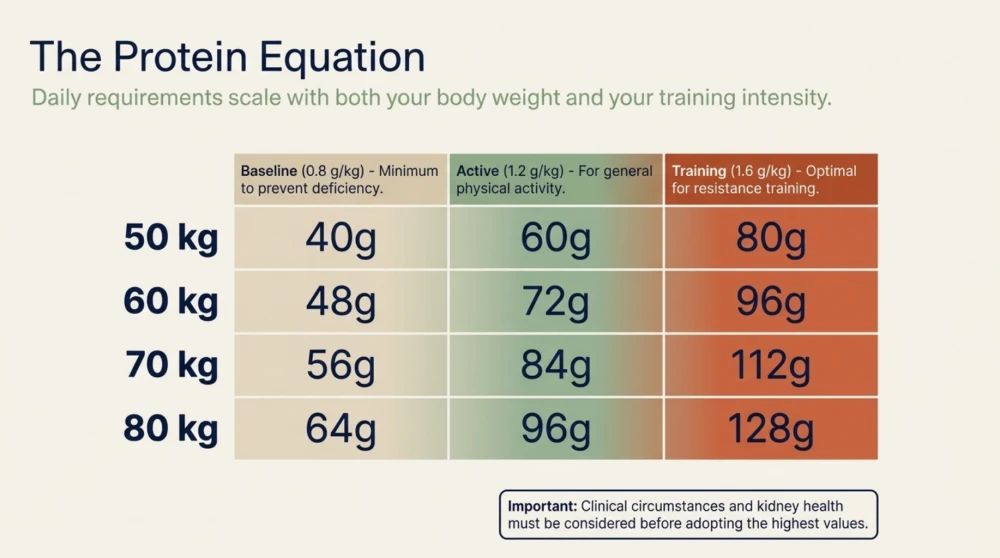
For example, intakes around 1.2–1.6 g/kg/day may be considered in selected healthy adults engaged in structured training.
However, these figures should not be interpreted as a mandatory prescription for every perimenopausal woman.
Clinical circumstances and kidney health must be considered.
Example Protein Requirements at Different Body Weights
The following table illustrates how protein intake changes with body weight.
These figures are educational examples rather than personalised dietary prescriptions.
| Body Weight | At 0.8 g/kg/day | At 1.2 g/kg/day | At 1.6 g/kg/day |
|---|---|---|---|
| 50 kg | 40 g | 60 g | 80 g |
| 60 kg | 48 g | 72 g | 96 g |
| 70 kg | 56 g | 84 g | 112 g |
| 80 kg | 64 g | 96 g | 128 g |
For individuals with obesity, kidney disease or other special circumstances, the choice of body weight used in protein calculations may require adjustment.
Protein targets should be selected according to clinical requirements rather than applying the highest value automatically.
Does Protein Timing Matter for Muscle Health?
Muscle protein synthesis responds to dietary amino acids and resistance exercise.
Some studies suggest that distributing protein intake across meals may support muscle protein synthesis.
However, the long-term importance of precise protein timing remains less certain than achieving adequate total daily protein intake and maintaining regular resistance exercise.
For many women, a practical approach is to include a suitable protein source at breakfast, lunch and dinner.
This may be more sustainable than relying on a large quantity of protein at a single meal.
Indian Protein Sources for Perimenopausal Women
A balanced Indian dietary pattern can provide adequate protein through vegetarian or non-vegetarian foods.
Suitable options may include milk, curd, paneer, tofu, soy products, pulses, eggs, fish, poultry and other foods according to dietary preferences.
However, protein content varies substantially according to portion size, preparation method and the specific food.
For example, cooked dal contains protein but also contributes carbohydrates and water.
Therefore, the protein content of a serving of dal should not be assumed to be equivalent to the same weight of paneer, tofu or eggs.
A well-planned vegetarian diet can meet protein requirements, but portion sizes and food combinations may need attention.
Does Resistance Training Help Prevent Muscle Loss During Perimenopause?
Resistance training is one of the most effective strategies for improving muscle strength and preserving muscle function across adulthood.
It provides a mechanical stimulus that encourages muscles to adapt.
These adaptations may include improved neuromuscular coordination, increased strength and, with appropriate training and nutrition, increased muscle size.
Importantly, resistance training can improve strength even when substantial muscle hypertrophy does not occur.
Women do not need to wait until menopause to begin strength training.
How Often Should Perimenopausal Women Perform Strength Training?
General physical activity guidelines recommend muscle-strengthening activities involving major muscle groups on at least two days per week.
However, the ideal frequency depends on previous training experience, recovery, goals and medical conditions.
Beginners may benefit from two or three non-consecutive sessions per week.
More experienced individuals may use different training schedules.
Progression should be gradual, with attention to technique, comfort and recovery.
What Types of Exercises Are Useful?
Resistance training does not necessarily require a gym membership.
Exercises can be performed using body weight, resistance bands, free weights or suitable machines.
Common movement patterns include squatting, pushing, pulling, hinging and carrying.
However, exercise selection should account for joint health, balance, physical capacity and any existing medical conditions.
Squat and Sit-to-Stand Movements
These exercises can strengthen muscles involved in rising from a chair, climbing stairs and other daily activities.
Beginners may start with supported sit-to-stand movements.
More demanding variations can be introduced as strength and confidence improve.
Upper-Body Pushing Exercises
Wall push-ups, incline push-ups and suitable resistance exercises can help strengthen the chest, shoulders and arms.
The level of difficulty should be matched to the individual's ability.
Pulling Exercises
Resistance-band rows and other pulling movements can help strengthen upper-back and arm muscles.
Correct technique and appropriate resistance are important.
Hip-Hinge and Lower-Body Exercises
Hip-hinge movements and suitable lower-body exercises can help strengthen muscles involved in lifting and maintaining physical function.
Patients with back pain, osteoporosis or other musculoskeletal conditions may require modified movements and professional guidance.
Why Progressive Overload Matters
Muscles adapt to the demands placed upon them.
When an exercise becomes easier, gradual progression may be necessary to continue improving strength.
Progression can involve increasing resistance, repetitions, sets or movement difficulty.
However, increasing exercise intensity too quickly can increase injury risk.
The objective is consistent, manageable progression rather than exercising to exhaustion at every session.
Is Walking Enough to Preserve Muscle Strength?
Walking provides important cardiovascular and metabolic benefits.
It can also support mobility and general physical activity.
However, walking alone may not provide sufficient resistance stimulus to maintain or improve all aspects of muscle strength.
Combining aerobic activity with resistance training offers a more comprehensive approach to physical fitness.
For women experiencing perimenopause and muscle loss concerns, strength training should therefore be considered alongside regular walking or other aerobic activities.
Can Women Build Muscle During Perimenopause?
Yes.
Women can improve strength and build muscle during perimenopause and after menopause.
Although age and other factors may influence the magnitude and rate of adaptation, the capacity to respond to resistance training remains.
Appropriate exercise, adequate nutrition and consistent training can produce meaningful improvements in physical function.
Therefore, the menopausal transition should not be viewed as a point after which muscle improvement is no longer possible.
What About Creatine Supplements?
Creatine monohydrate has been studied extensively in relation to resistance training and muscle performance.
Evidence suggests that creatine supplementation may improve certain strength and training outcomes in some populations, particularly when combined with resistance exercise.
However, studies specifically focused on perimenopausal women remain more limited.
Creatine is not essential for maintaining muscle strength, and it should not replace exercise or adequate dietary intake.
Patients with kidney disease or other relevant medical conditions should seek medical advice before using supplements.
Supplement quality, dose and individual tolerance also require consideration.
Does Hormone Therapy Prevent Muscle Loss?
Menopausal hormone therapy can be effective for certain menopausal symptoms and may have benefits for bone health in appropriately selected patients.
However, it should not be prescribed solely to prevent muscle loss or improve strength.
Studies examining hormone therapy and muscle outcomes have produced mixed findings, and evidence does not support treating it as a substitute for resistance training.
Decisions about menopausal hormone therapy should be based on symptoms, age, time since menopause, medical history, contraindications and individual preferences.
Women with persistent menopausal symptoms should discuss appropriate treatment options with a qualified clinician.
Can Weight-Loss Medicines Affect Muscle Mass During Midlife?
Weight-loss treatments can reduce body fat, but substantial weight reduction may also involve loss of lean tissue.
This is relevant for women using medical weight-management treatments, including GLP-1-based therapies, when clinically indicated.
However, reductions in DXA-measured lean mass should not automatically be interpreted as equivalent losses of functional skeletal muscle.
The effects on strength and physical performance depend on several factors.
Preserving adequate nutrition and incorporating resistance training are important considerations during weight management.
Patients should not discontinue prescribed treatment without medical advice.
How Can Women Prevent Muscle Loss During Perimenopause?
Preserving muscle strength during perimenopause requires more than focusing on estrogen levels or taking nutritional supplements.
The most useful approach is to address the factors that influence muscle function throughout adult life, including physical activity, dietary intake, sleep, body composition and underlying medical conditions.
Although hormonal changes may contribute to differences in muscle physiology, they do not make declining strength inevitable.
Women can continue to improve strength and physical performance during their forties, fifties and beyond.
For many women, the greatest opportunity lies in introducing structured resistance training, maintaining adequate protein intake and avoiding unnecessarily restrictive weight-loss diets.
However, recommendations should be individualised according to medical history, physical capacity, nutritional status and personal goals.
The objective is not simply to prevent a reduction in muscle mass. It is to preserve the strength, mobility and physical independence needed for healthy ageing.
Why Resistance Training Should Become a Priority During Perimenopause
Resistance training provides a direct stimulus for improving muscle strength.
When muscles repeatedly work against an appropriate load, the nervous system and muscle tissue adapt to the demands placed upon them.
These adaptations can improve force production, movement efficiency and physical performance.
With sufficient training and nutritional support, resistance exercise may also increase muscle size.
Importantly, strength improvements can occur even when visible changes in muscle size are modest.
For women concerned about perimenopause and muscle loss, this makes resistance training particularly valuable.
Does Strength Training Require Heavy Weights?
No.
Resistance training can involve body weight, resistance bands, free weights or exercise machines.
The appropriate load depends on the individual's experience and physical ability.
Beginners may initially improve strength using relatively light resistance, provided the exercise offers sufficient challenge.
As strength improves, gradual progression is usually needed to maintain the training stimulus.
However, very heavy lifting is not necessary for every woman, and exercise should not routinely produce significant joint pain or injury.
A Practical Weekly Strength-Training Plan for Perimenopausal Women
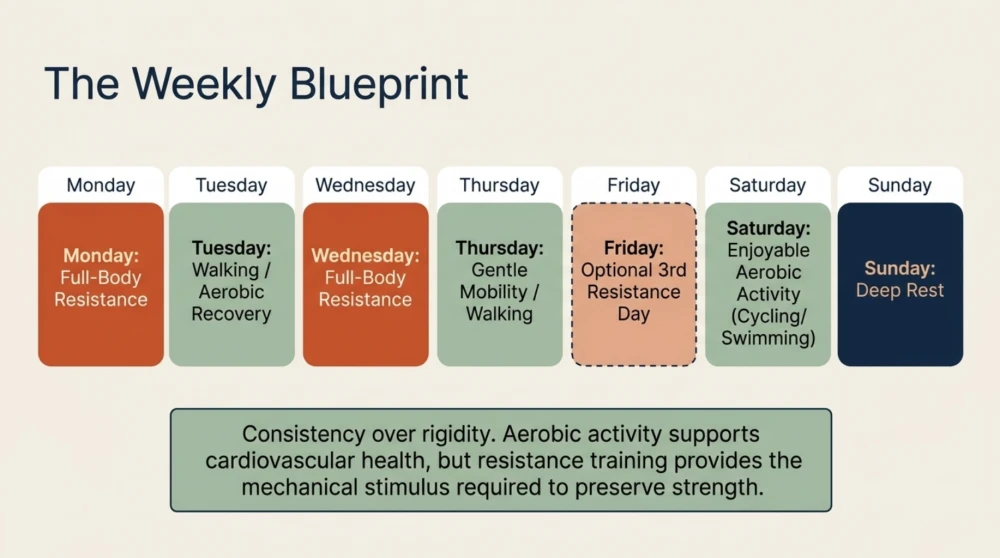
For women who are new to resistance exercise, two or three sessions per week may provide a manageable starting point.
Sessions should involve major muscle groups, with appropriate recovery between more demanding workouts.
The following example is intended for generally healthy beginners without significant exercise limitations.
Women with cardiovascular disease, severe osteoporosis, recent fractures, significant joint problems or unexplained weakness may need individual assessment before beginning.
| Day | Suggested Activity | Main Objective |
|---|---|---|
| Monday | Full-body resistance training | Develop strength in major muscle groups |
| Tuesday | Comfortable walking or other aerobic activity | Support cardiovascular fitness and recovery |
| Wednesday | Full-body resistance training | Improve strength and movement control |
| Thursday | Walking and gentle mobility exercises | Maintain general activity |
| Friday | Optional third resistance-training session | Additional training if recovery is adequate |
| Saturday | Walking, cycling or enjoyable physical activity | Support aerobic fitness and consistency |
| Sunday | Rest or light activity | Allow recovery |
The schedule can be modified according to work commitments, symptoms and personal preferences.
Consistency over time is more important than following a rigid weekly timetable.
What Should a Beginner Strength-Training Session Include?
A balanced resistance-training session can include movements that involve the legs, hips, back, chest, shoulders and trunk.
Examples include sit-to-stand exercises, supported squats, wall push-ups, resistance-band rows and suitable hip-hinge movements.
Beginners may start with one or two sets of approximately 8–12 controlled repetitions per exercise, adjusting the number according to their abilities.
The resistance should be challenging but manageable without sacrificing technique.
As exercise becomes easier, progression may involve additional repetitions, sets or resistance.
Women should stop an exercise that causes concerning symptoms such as chest pain, marked dizziness or unusual breathlessness.
How Much Aerobic Exercise Is Recommended?
Physical activity guidelines generally recommend that adults accumulate at least 150–300 minutes of moderate-intensity aerobic activity per week, or an equivalent amount of vigorous activity.
Muscle-strengthening activities should also be performed on at least two days each week.
These recommendations describe general health targets rather than a requirement to begin at full intensity.
Women who have been inactive can start with smaller amounts and increase gradually.
Walking, cycling, swimming and other enjoyable activities can help improve cardiovascular and metabolic health.
However, aerobic activity should complement rather than replace resistance training when muscle strength is a priority.
Nutrition for Perimenopause and Muscle Loss: What Matters Most?
Nutrition supports muscle maintenance by providing energy, amino acids and other nutrients needed for normal physiological function.
However, there is no single food that prevents muscle loss during perimenopause.
A balanced dietary pattern should provide adequate protein, sufficient energy, dietary fibre, healthy fats and appropriate micronutrients.
For women attempting weight reduction, the diet should also minimise unnecessary loss of lean tissue.
Extreme restriction is generally less desirable than a sustainable approach that supports exercise and overall health.
How to Distribute Protein Throughout the Day
Many women consume relatively little protein at breakfast and larger amounts later in the day.
Including suitable protein sources across meals may make it easier to achieve an appropriate daily intake.
For example, breakfast could include eggs, milk, curd, tofu or another protein-containing food.
Lunch and dinner may include pulses, soy products, paneer, fish, poultry or other options according to dietary preferences.
However, precise protein requirements depend on body weight, activity level, nutritional status and medical conditions.
The total amount consumed over the day remains important.
A Practical Indian Meal Pattern to Support Muscle Health
The following example demonstrates how protein-containing foods can be distributed across a typical Indian day.
It is not a fixed calorie prescription or a personalised diet plan.
| Meal | Vegetarian Example | Non-Vegetarian Alternative |
|---|---|---|
| Breakfast | Besan chilla with curd | Eggs with whole-grain toast and vegetables |
| Mid-morning | Fruit with plain curd | Fruit with plain curd |
| Lunch | Dal, roti, vegetables and paneer or tofu | Roti, vegetables and a suitable serving of chicken or fish |
| Evening snack | Roasted chana with a suitable beverage | Boiled eggs or another protein-containing snack |
| Dinner | Soybean or tofu preparation with vegetables and roti | Fish or chicken with vegetables and a suitable cereal portion |
Portions should be adjusted according to energy requirements, body weight, physical activity and any existing medical conditions.
Women with diabetes, chronic kidney disease or other nutritional concerns may require additional individualisation.
Can Vegetarian Women Maintain Muscle Strength During Perimenopause?
Yes.
A well-planned vegetarian diet can provide sufficient protein and other nutrients to support muscle health.
Useful sources include dairy products, soy foods, pulses, legumes and suitable combinations of plant-based foods.
However, vegetarian diets vary considerably in nutritional quality.
A diet dominated by refined grains, sweets and low-protein snacks may not provide adequate protein even if total calorie intake is high.
Vitamin B12 status may also require attention, particularly in individuals consuming little or no animal-derived food.
The focus should be on overall dietary adequacy rather than assuming vegetarian eating necessarily causes muscle loss.
Is Protein Powder Necessary During Perimenopause?
No.
Protein supplements can be convenient when dietary intake is insufficient or difficult to achieve through regular meals.
However, they are not essential for everyone.
Whole foods provide protein along with other nutrients and can meet requirements in many individuals.
Supplement use should be considered according to dietary intake, exercise goals, tolerability and medical conditions.
Women with kidney disease or other relevant conditions should obtain individual medical advice before increasing protein intake substantially.
Why Weight Loss During Perimenopause Should Focus on Body Composition
Some women experience increased abdominal fat during midlife and respond by attempting rapid weight reduction.
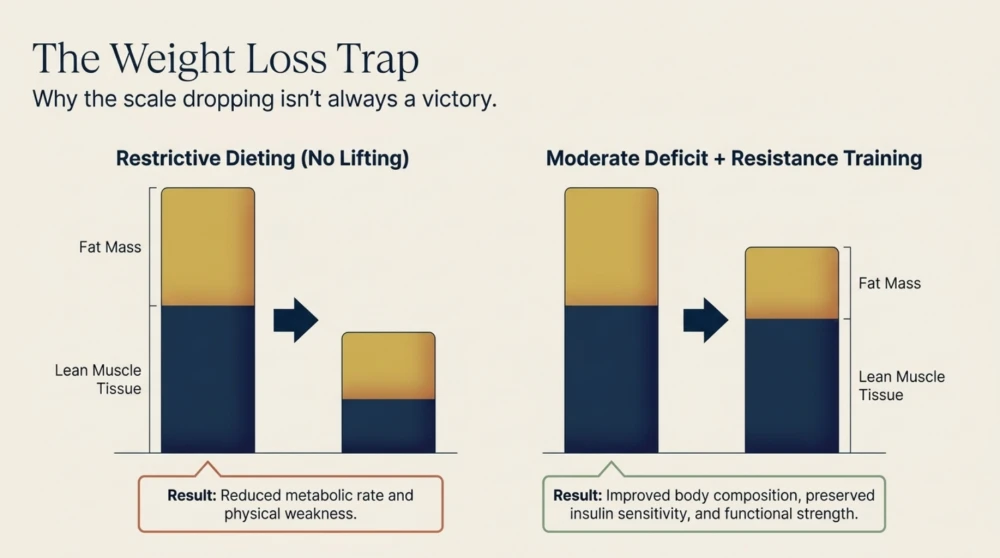
However, weight loss can involve reductions in both fat mass and lean tissue.
When calorie restriction is excessive or resistance training is absent, unnecessary lean tissue loss may occur.
Therefore, the objective should generally be to reduce excess body fat while preserving muscle strength and nutritional status.
This may involve a moderate energy deficit when weight loss is appropriate, adequate dietary protein and regular resistance exercise.
However, weight loss is not necessary or desirable for every perimenopausal woman.
Can Women Lose Abdominal Fat Without Losing Muscle?
It is possible to improve body composition while maintaining much of the existing muscle mass, particularly when weight loss is gradual and accompanied by resistance training.
However, completely preventing changes in lean mass during substantial weight reduction may not always be possible.
The proportion of weight lost from fat and lean tissue depends on several factors, including starting body composition, exercise, nutritional intake and the magnitude of weight loss.
Tracking strength and functional performance may provide useful information beyond changes on the weighing scale.
Perimenopause, Muscle Loss and Bone Health
Muscle and bone health are closely connected.
Muscle contractions generate mechanical forces that influence bone loading.
Resistance and weight-bearing exercise can therefore support both muscle function and skeletal health.
During the menopausal transition and after menopause, changes in estrogen exposure may contribute to accelerated bone loss in some women.
However, muscle loss and bone loss are distinct processes and should not be assumed to occur at the same rate.
Women with osteoporosis, previous fragility fractures or other significant risk factors may require specific exercise precautions and bone health assessment.
Should Every Perimenopausal Woman Have a Bone Density Scan?
No.
Bone-density testing is generally guided by age and fracture risk factors.
Women with early menopause, previous low-trauma fractures, prolonged glucocorticoid use or other important risk factors may require assessment earlier than routine age-based screening.
However, a DXA scan should not automatically be ordered solely because a woman reports reduced muscle strength.
Calcium and Vitamin D: Do They Prevent Muscle Loss?
Calcium and vitamin D are important for normal bone health and physiological function.
However, taking supplements without an established need does not necessarily prevent muscle loss or improve strength.
Vitamin D deficiency can contribute to musculoskeletal symptoms in some patients, and correction may be appropriate when deficiency is confirmed or strongly suspected.
Calcium intake should be evaluated in the context of diet, age and bone health.
Excessive supplementation is not beneficial and may carry risks.
Resistance training and adequate overall nutrition remain central to preserving muscle function.
Sleep, Stress and Muscle Recovery During Perimenopause
Sleep disturbances can become more common during the menopausal transition.
Night sweats, insomnia, mood symptoms and other conditions may interfere with sleep quality.
Poor sleep may affect energy levels, exercise motivation and recovery.
However, sleep disturbance does not automatically establish a hormonal cause or prove that muscle tissue is being lost.
Persistent insomnia, excessive daytime sleepiness or symptoms suggesting obstructive sleep apnoea may require specific assessment.
Managing sleep problems can support general health and make consistent physical activity more achievable.
Does Menopausal Hormone Therapy Improve Muscle Strength?
Menopausal hormone therapy may be appropriate for selected women experiencing troublesome vasomotor or other menopausal symptoms.
It can also have benefits for bone health in suitable patients.
However, evidence regarding its effects on skeletal muscle mass and strength is inconsistent.
Hormone therapy should not be prescribed solely to prevent muscle loss or as a replacement for resistance training.
The decision requires individual assessment of symptoms, age, medical history, contraindications and treatment preferences.
How Long Does It Take to Improve Muscle Strength?
Strength improvements can begin within weeks of starting an appropriate resistance-training programme.
Early improvements often reflect adaptations in the nervous system and movement coordination.
Changes in muscle size may take longer and vary according to training intensity, nutritional intake, previous experience and individual characteristics.
There is no single timeline that applies to every woman.
Progress should be assessed through consistent functional measures rather than expecting rapid visible changes.
How to Track Progress Without Relying Only on Body Weight
Body weight alone does not provide a complete picture of muscle health.
For women undertaking strength training, it may be useful to monitor performance in selected exercises over time.
For example, the ability to perform more controlled repetitions, use slightly greater resistance or complete daily activities with less effort may indicate improved function.
Waist circumference and other measurements may provide additional information when body composition or metabolic health is a concern.
However, frequent measurements should not become a source of unnecessary anxiety.
The most meaningful outcomes include improved strength, mobility, confidence and long-term physical health.
When Should a Woman Seek Medical Advice for Declining Strength?
Some changes in physical performance may be explained by reduced activity or poor recovery.
However, persistent or progressive weakness should not automatically be attributed to perimenopause.
Medical evaluation is particularly important when weakness develops rapidly, interferes with daily activities or is accompanied by other concerning symptoms.
- Progressive difficulty climbing stairs or rising from a chair.
- Difficulty lifting the arms or performing previously manageable activities.
- Unexplained muscle pain, tenderness or significant weakness.
- Persistent fatigue accompanied by breathlessness or palpitations.
- Heavy menstrual bleeding with symptoms suggesting anaemia.
- Unintentional weight loss or unexplained loss of muscle bulk.
- Weakness associated with numbness, balance problems or other neurological symptoms.
- Sudden weakness, particularly on one side of the body, which requires emergency assessment.
These symptoms may have explanations unrelated to the menopausal transition and should be evaluated appropriately.
Clinical Example: Reduced Strength During Perimenopause
Consider a hypothetical 47-year-old woman who reports irregular menstrual cycles, disturbed sleep and difficulty maintaining her previous exercise performance.
She has become less physically active because of work commitments and has recently attempted a restrictive weight-loss diet.
Her symptoms may reflect several overlapping factors, including reduced resistance training, inadequate nutritional intake and poor sleep.
However, medical assessment may also be appropriate to exclude conditions such as anaemia or thyroid dysfunction when suggested by the history and examination.
A management plan could include improving sleep, reviewing dietary adequacy and introducing progressive resistance exercise.
Her progress would be assessed through symptoms, functional strength and other relevant clinical measures rather than body weight alone.
This example is hypothetical and is intended for patient education.
Common Myths About Perimenopause and Muscle Loss
Myth 1: Every Woman Loses Muscle During Perimenopause
False. Muscle changes vary between individuals, and strength can be maintained or improved through appropriate training.
Myth 2: Declining Estrogen Is the Only Cause of Muscle Loss
False. Ageing, activity, nutrition, sleep and medical conditions also contribute.
Myth 3: Walking Is Enough to Maintain All Muscle Strength
False. Walking provides important health benefits, but resistance training offers a more direct stimulus for improving strength.
Myth 4: Women Should Avoid Weight Training After Forty
False. Appropriately selected resistance training is beneficial across adulthood.
Myth 5: Protein Powder Is Essential for Muscle Preservation
False. Adequate protein can often be obtained from a balanced diet.
Myth 6: Hormone Therapy Can Replace Exercise
False. Hormone therapy is not a substitute for resistance training.
Myth 7: Stable Body Weight Means Muscle Mass Is Unchanged
False. Body composition can change even when overall weight remains relatively stable.
Myth 8: Muscle Cannot Be Built After Menopause
False. Women can improve muscle strength and gain muscle after menopause through suitable training and nutrition.
Frequently Asked Questions About Perimenopause and Muscle Loss
1. Can perimenopause cause muscle loss before periods stop?
Changes in muscle mass and strength can occur before menopause, but hormonal changes are not necessarily the sole cause. Ageing, exercise, nutrition and other factors may contribute.
2. Why do my muscles feel weaker in my forties?
Possible explanations include reduced physical activity, inadequate recovery, nutritional factors, hormonal changes and medical conditions such as anaemia or thyroid disease. Persistent weakness requires evaluation.
3. Does estrogen loss cause sarcopenia?
Estrogen may influence muscle physiology, but sarcopenia is a multifactorial disorder. Perimenopause alone does not establish sarcopenia.
4. What is the best exercise for preventing muscle loss during perimenopause?
Progressive resistance training is particularly useful for improving muscle strength. Aerobic activity and balance exercises provide additional health benefits.
5. How much protein should a perimenopausal woman eat?
Protein requirements depend on body weight, activity, nutritional status and medical conditions. There is no single universal target for every perimenopausal woman.
6. Can a vegetarian diet provide enough protein?
Yes. A well-planned vegetarian diet containing appropriate portions of dairy, soy foods, pulses and other protein sources can meet protein requirements.
7. Is creatine necessary for women over forty?
No. Creatine may support certain strength outcomes in some individuals, but it is not essential and should not replace resistance training or adequate nutrition.
8. Does hormone replacement therapy prevent muscle loss?
Evidence regarding muscle outcomes is mixed. Menopausal hormone therapy should not be prescribed solely for preventing muscle loss.
9. Can I build muscle after menopause?
Yes. Resistance training and appropriate nutrition can improve strength and muscle mass after menopause.
10. Why is my weight stable but my body shape changing?
Body composition and fat distribution can change without substantial differences in total body weight. However, the underlying reasons vary.
11. Should I undergo hormone tests for muscle weakness?
Not routinely. Testing should be based on age, menstrual history, symptoms and the clinical question being investigated.
12. When should I consult a doctor for declining muscle strength?
Medical evaluation is appropriate for persistent, progressive or unexplained weakness, particularly when daily activities are affected or other concerning symptoms are present.
What I Explain to Women Concerned About Muscle Loss During Perimenopause
When a woman reports declining strength during perimenopause, I explain that hormonal changes may be relevant but should not automatically be considered the only cause.
I review menstrual history, sleep quality, dietary intake, exercise patterns, weight changes and relevant medical conditions.
When indicated, clinical examination and selected investigations may help identify conditions such as anaemia, thyroid dysfunction or nutritional deficiencies.
I also explain that maintaining muscle strength is possible during midlife.
For many women, the most useful strategy is to introduce progressive resistance exercise, improve dietary adequacy and address sleep or other health concerns.
The objective is not to pursue a particular body shape or weight at the expense of health.
It is to preserve physical function, metabolic health and long-term independence.
Key Takeaways: Perimenopause and Muscle Loss
- Changes in strength can occur before the final menstrual period.
- Hormonal changes may contribute, but they are not the only explanation.
- Muscle mass and muscle strength are different measurements.
- Fatigue does not automatically indicate muscle loss.
- Resistance training can improve strength during perimenopause.
- Adequate protein intake supports muscle maintenance.
- Walking and aerobic exercise complement strength training.
- Rapid weight loss may involve unnecessary lean tissue loss.
- Body weight alone does not reveal body composition.
- Sleep disturbances and medical conditions can affect physical performance.
- Hormone therapy should not be used solely to prevent muscle loss.
- Progressive or unexplained weakness requires medical assessment.
Perimenopause, Muscle Health and Lifestyle Consultation in Dwarka, Delhi
Women experiencing changes in strength, fatigue, body composition, weight or metabolic health during perimenopause may benefit from a comprehensive medical and lifestyle assessment.
Dr. Pankaj Kumar, General & Lifestyle Physician, provides consultations for general medical conditions, weight management, diabetes, metabolic health and lifestyle-related concerns in Dwarka, New Delhi.
Assessment may include reviewing exercise patterns, nutritional intake, sleep, metabolic risk factors and the need for relevant medical investigations or specialist referral.
Clinic location: Doctors Lane, Sector 6, Dwarka, opposite Dhanwantari Labs, New Delhi.
Consultations: In-clinic and online consultations are available.
Book a Consultation Enquire on WhatsApp
Scientific References and Clinical Guidelines
- National Institute for Health and Care Excellence (NICE). Menopause: Identification and Management (NG23). NICE Menopause Guideline.
- World Health Organization. WHO Guidelines on Physical Activity and Sedentary Behaviour. 2020. WHO Physical Activity Guidelines.
- Cruz-Jentoft AJ, Bahat G, Bauer J, et al. Sarcopenia: Revised European Consensus on Definition and Diagnosis. Age and Ageing. 2019;48(1):16–31. DOI: 10.1093/ageing/afy169.
- Janssen I, Powell LH, Crawford S, Lasley B, Sutton-Tyrrell K. Menopause and the Metabolic Syndrome: The Study of Women's Health Across the Nation. Archives of Internal Medicine. 2008;168(14):1568–1575. DOI: 10.1001/archinte.168.14.1568.
- Jäger R, Kerksick CM, Campbell BI, et al. International Society of Sports Nutrition Position Stand: Protein and Exercise. Journal of the International Society of Sports Nutrition. 2017;14:20. DOI: 10.1186/s12970-017-0177-8.
- North American Menopause Society Advisory Panel. The 2022 Hormone Therapy Position Statement of The North American Menopause Society. Menopause. 2022;29(7):767–794. DOI: 10.1097/GME.0000000000002028.
- American College of Sports Medicine. Exercise and Physical Activity Recommendations. American College of Sports Medicine.
Medical disclaimer: This article is intended for general health education and does not replace individual medical advice. Perimenopause, muscle weakness, fatigue and body composition changes have multiple possible causes. Exercise, nutritional supplementation and medical treatment should be individualised according to health status and clinical requirements. Seek urgent medical attention for sudden weakness or other severe symptoms.
Written by Dr. Pankaj Kumar , General & Lifestyle Physician, Dwarka, New Delhi