
















- 24th October 2026
Table of Contents
- Stopping GLP-1 Medicines: Why Does Weight Regain Happen?
- What Are GLP-1 Medicines and How Do They Work?
- How Do Semaglutide and Tirzepatide Help With Weight Loss?
- Why Does Hunger Return After Stopping GLP-1 Medicines?
- What Happens to Appetite Hormones After Weight Loss?
- Does the Body Try to Return to Its Previous Weight?
- Does Metabolism Slow Down After Losing Weight?
- Why Weight Maintenance Is Different From Weight Loss
- What Do Clinical Trials Show About Weight Regain After Stopping Semaglutide?
- What Does the SURMOUNT-4 Trial Show About Stopping Tirzepatide?
- Semaglutide vs Tirzepatide: What Happens After Stopping?
- Does Weight Regain Mean the GLP-1 Medicine Failed?
- Does Everyone Regain Weight After Stopping GLP-1 Medicines?
- Why Does Weight Regain Sometimes Begin Within a Few Months?
- What Happens to Blood Sugar After Stopping GLP-1 Medicines?
- Does Blood Pressure or Cholesterol Rise After Weight Regain?
- Does Stopping GLP-1 Medicines Cause Withdrawal Symptoms?
- Does Stopping GLP-1 Medicines Permanently Damage Metabolism?
- Can Muscle Loss During GLP-1 Treatment Affect Weight Maintenance?
- Why Patients Should Plan for Weight Maintenance Before Stopping Treatment
- How to Stop GLP-1 Medicines Without Regaining Weight
- Should GLP-1 Medicines Be Stopped Suddenly or Gradually?
- Does Gradually Reducing Semaglutide Prevent Weight Regain?
- Can Tirzepatide Be Tapered Before Stopping?
- What Should Be Reviewed Before Stopping GLP-1 Treatment?
- A Practical Pre-Discontinuation Assessment
- How to Manage Hunger After Stopping Semaglutide or Tirzepatide
- Why Protein Becomes Important After Stopping GLP-1 Medicines
- Indian Foods That Can Support Protein Intake
- Why Fibre-Rich Foods May Help With Appetite Management
- Should Patients Follow a Very Low-Calorie Diet After Stopping GLP-1 Medicines?
- Should Meal Timing Be Fixed After Stopping GLP-1 Treatment?
- Can Intermittent Fasting Prevent Weight Regain After GLP-1 Medicines?
- Why Resistance Training Matters After Stopping GLP-1 Medicines
- How Often Should Patients Perform Strength Training?
- A Practical Weekly Activity Framework After GLP-1 Discontinuation
- Is Walking Enough to Maintain Weight Loss After Semaglutide?
- How Important Is Sleep After Stopping GLP-1 Medicines?
- Can Stress Lead to Weight Regain After Stopping GLP-1 Medicines?
- How Often Should Body Weight Be Checked After Stopping GLP-1 Treatment?
- What Amount of Weight Regain Should Trigger Medical Review?
- Should Patients Restart Semaglutide if Weight Begins to Increase?
- Can Tirzepatide Be Restarted After a Treatment Gap?
- Special Considerations for Patients With Type 2 Diabetes
- What if GLP-1 Medicines Are Stopped Because of Side Effects?
- Stopping GLP-1 Medicines Before Pregnancy
- What if Cost Is the Main Reason for Stopping Treatment?
- Can Other Weight-Loss Medicines Be Used After Stopping GLP-1 Therapy?
- Stopping GLP-1 Medicines: Building a Long-Term Weight Maintenance Strategy
- Why Weight Maintenance Should Begin Before the Final Injection
- A Practical Three-Phase Maintenance Framework After GLP-1 Treatment
- What Should an Indian Diet Look Like After Stopping GLP-1 Medicines?
- Sample Indian Meal Pattern for Weight Maintenance After GLP-1 Treatment
- Why Eating More Protein Does Not Automatically Prevent Weight Regain
- Should Patients Avoid Carbohydrates After Stopping Semaglutide?
- How to Handle Increased Cravings After Stopping GLP-1 Medicines
- Can Mindful Eating Help After GLP-1 Discontinuation?
- Why Maintaining Muscle Strength Matters After Weight Loss
- A Beginner-Friendly Strength-Training Plan After GLP-1 Treatment
- Can Walking After Meals Help Maintain Metabolic Health?
- What Is the Role of Long-Term GLP-1 Treatment?
- Is a Lower Maintenance Dose Better Than Stopping Completely?
- Can Patients Restart GLP-1 Treatment After Regaining Weight?
- How to Monitor Weight Regain Without Becoming Anxious About the Scale
- What Should Be Done if Weight Begins to Increase?
- Why Blood Sugar Monitoring Matters After Stopping GLP-1 Medicines
- Should Blood Pressure and Cholesterol Be Rechecked?
- Clinical Example 1: Stopping Semaglutide After Successful Weight Loss
- Clinical Example 2: Weight Regain After Stopping Tirzepatide
- Clinical Example 3: Stopping GLP-1 Treatment in a Patient With Diabetes
- Common Myths About Stopping GLP-1 Medicines
- Myth 1: Everyone Regains All Their Weight After Stopping GLP-1 Medicines
- Myth 2: Weight Regain Means the Medicine Failed
- Myth 3: Gradual Tapering Guarantees Weight Maintenance
- Myth 4: Metabolism Is Permanently Damaged After Stopping GLP-1 Treatment
- Myth 5: A High-Protein Diet Alone Can Prevent Regain
- Myth 6: Exercise Can Always Replace Medication
- Myth 7: GLP-1 Medicines Must Be Taken for Life by Everyone
- Myth 8: Patients Can Restart Their Previous Dose After Any Treatment Gap
- Frequently Asked Questions About Stopping GLP-1 Medicines
- What I Explain to Patients Who Want to Stop Semaglutide or Tirzepatide
- Key Takeaways: Stopping GLP-1 Medicines
- Medical Weight Management and GLP-1 Consultation in Dwarka, Delhi
- Scientific References and Clinical Guidelines
Stopping GLP-1 Medicines: Why Does Weight Regain Happen?
Medicines such as semaglutide and tirzepatide have changed the medical management of obesity and type 2 diabetes. Many patients experience meaningful reductions in body weight while receiving these treatments, particularly when medication is combined with appropriate dietary changes, physical activity and ongoing medical supervision.
However, an important question often arises after several months of successful treatment: what happens when the injections are stopped?
Some patients discontinue treatment because they have achieved their desired weight. Others stop because of adverse effects, cost, pregnancy planning, medication availability or a decision made during medical review.
Many expect that once the weight has been lost, the body will automatically maintain the new weight without further treatment.
Unfortunately, weight regulation is more complicated than that.
Clinical trials have demonstrated that substantial weight regain can occur after discontinuing medicines such as semaglutide and tirzepatide. However, the amount of weight regained varies considerably between individuals.
Some people regain a large proportion of their previous weight loss, while others maintain more of their improvement.
The reason is not simply a lack of discipline.
Obesity involves complex biological mechanisms that influence appetite, satiety, energy expenditure and the body's response to weight loss. Medicines that act on these pathways can make weight reduction more achievable, but stopping treatment may allow some of the biological pressures favouring weight regain to return.
Stopping GLP-1 medicines does not guarantee weight regain, but it can remove an important part of the treatment that was helping regulate appetite and food intake.
Understanding these mechanisms is essential before making decisions about stopping medication or developing a long-term weight maintenance plan.
What Are GLP-1 Medicines and How Do They Work?
Glucagon-like peptide-1, commonly abbreviated as GLP-1, is a hormone released by the intestine in response to food intake.
It participates in several physiological processes, including glucose-dependent insulin secretion, suppression of inappropriate glucagon release and regulation of appetite.
GLP-1 receptor agonist medicines act on this signalling system.
Semaglutide is a GLP-1 receptor agonist. Tirzepatide acts on both the glucose-dependent insulinotropic polypeptide (GIP) and GLP-1 receptors.
Although these medicines are frequently discussed together, their pharmacology is not identical.
For simplicity, the term GLP-1 medicines is often used in patient discussions to describe this broader group of incretin-based treatments.
However, tirzepatide is more accurately described as a dual GIP/GLP-1 receptor agonist.
How Do Semaglutide and Tirzepatide Help With Weight Loss?
These medicines influence appetite regulation and food intake through several mechanisms.
They act on signalling pathways involved in hunger and satiety, helping many patients feel satisfied with smaller meals and reducing the frequency or intensity of food-related thoughts.
They can also slow gastric emptying, although the extent and persistence of this effect vary according to the medicine and duration of treatment.
As a result, many patients find it easier to reduce energy intake without experiencing the same degree of hunger they previously experienced during conventional dieting.
However, these medicines do not permanently reset every mechanism involved in body-weight regulation.
The underlying biological susceptibility to obesity may remain even after substantial weight loss.
Why Appetite Control Matters More Than Patients Realise
Many patients describe a noticeable change in their relationship with food while receiving semaglutide or tirzepatide.
They may experience fewer cravings, less frequent hunger and greater satisfaction after smaller portions.
For some individuals, this reduction in appetite makes it easier to maintain a consistent calorie deficit.
When medication is discontinued, appetite regulation may gradually move back towards its previous state.
This can make maintaining the same eating pattern more difficult, even when the patient remains motivated.
Why Does Hunger Return After Stopping GLP-1 Medicines?
One of the most important reasons for weight regain after GLP-1 discontinuation is the return of appetite.
While treatment is active, the medication helps modify hunger and satiety signalling.
After treatment stops and drug exposure declines, these pharmacological effects gradually diminish.
Patients may notice that they become hungry sooner after meals, feel less satisfied with smaller portions or experience a return of previous food cravings.
These changes do not necessarily occur immediately after the final injection.
Semaglutide and tirzepatide have relatively long elimination half-lives, so their effects decline over time rather than disappearing instantly.
However, once the medication effect has substantially diminished, the previous appetite-related challenges may become more noticeable.
Importantly, the intensity of returning hunger differs between individuals.
What Happens to Appetite Hormones After Weight Loss?
Weight loss itself can trigger physiological adaptations that favour weight regain.
Research has demonstrated that changes in several appetite-related hormones may persist after weight reduction.
These adaptations can increase hunger and reduce feelings of fullness, making weight maintenance more difficult.
Some of these responses are thought to reflect the body's attempt to defend against sustained reductions in energy stores.
This phenomenon is not unique to people taking GLP-1 medicines.
It can occur after weight loss achieved through dietary restriction and other interventions.
However, when a medication that was helping control appetite is discontinued, the combination of returning appetite and post-weight-loss biological adaptations may create additional challenges.
Does the Body Try to Return to Its Previous Weight?
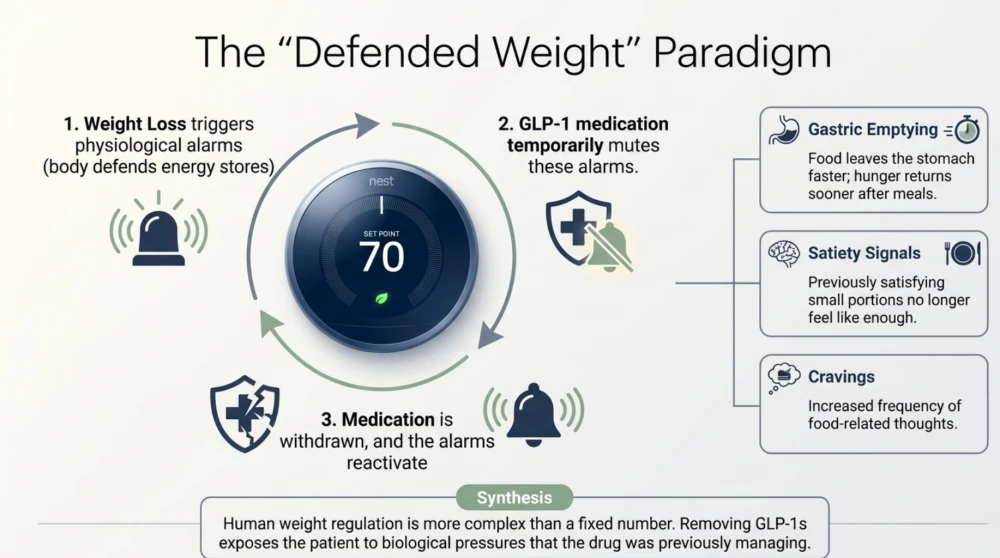
The idea that the body defends a particular weight is often described using the concept of a body-weight set point.
However, human weight regulation is more complex than a single fixed number.
Body weight is influenced by biological feedback systems, environmental factors, food availability, physical activity, medications, sleep and numerous other variables.
Some researchers prefer models involving a defended weight range or a dynamic settling point rather than a permanently fixed set point.
Nevertheless, the underlying clinical observation remains important: after weight loss, biological mechanisms can make maintaining the lower weight more difficult.
Therefore, stopping GLP-1 medicines may expose patients to weight-regain pressures that were previously being partly controlled by treatment.
Does Metabolism Slow Down After Losing Weight?
Energy expenditure usually decreases when body weight decreases.
A smaller body generally requires less energy for movement and basic physiological functions.
In addition, some individuals experience adaptive thermogenesis, meaning energy expenditure decreases beyond what would be expected solely from changes in body size and composition.
The magnitude and persistence of this adaptation vary.
It is therefore inaccurate to claim that every patient develops a permanently damaged metabolism after weight loss.
However, lower energy requirements can contribute to the difficulty of maintaining a reduced body weight.
A dietary pattern that previously produced weight loss may eventually maintain weight or even lead to regain if energy intake increases.
Why Weight Maintenance Is Different From Weight Loss
During active weight reduction, the goal is generally to create an energy deficit while preserving adequate nutrition and muscle function.
During weight maintenance, the objective changes.
The patient needs a sustainable pattern of food intake, physical activity and behavioural support that helps maintain the new weight over time.
However, maintenance is not simply a matter of returning to previous eating habits.
Because energy requirements may be lower after weight loss, resuming previous portions can contribute to weight regain.
Furthermore, the appetite-suppressing effects of medication may no longer be present.
This is why a structured maintenance plan should ideally begin before medication is discontinued.
What Do Clinical Trials Show About Weight Regain After Stopping Semaglutide?
One of the most informative studies on this subject is the STEP 1 trial extension.
In the original STEP 1 trial, adults with overweight or obesity without diabetes received once-weekly semaglutide 2.4 mg or placebo, alongside lifestyle intervention, for 68 weeks.
Participants receiving semaglutide achieved substantial average weight reduction during treatment.
In the extension study, treatment and the structured lifestyle intervention were discontinued, and a subset of participants was followed for an additional year.
During the year after withdrawal, participants previously treated with semaglutide regained approximately two-thirds of their earlier weight loss on average.
However, this finding must be interpreted carefully.
It represents the average experience of a selected trial-extension population, not a prediction that every patient will regain exactly two-thirds of their lost weight.
The study also involved discontinuation of structured lifestyle support, which may have contributed to the observed outcomes.
The STEP 1 extension demonstrated that weight regain can be substantial after semaglutide withdrawal and supports viewing obesity management as a long-term process.
STEP 1 Extension: Understanding the Numbers
Participants receiving semaglutide had lost approximately 17.3% of their starting body weight by week 68 in the extension cohort.
Over the following 52 weeks after withdrawal, they regained approximately 11.6 percentage points of their original body weight on average.
This left a net average weight reduction of approximately 5.6% from baseline at week 120.
These results illustrate the difference between losing weight during treatment and maintaining weight after treatment ends.
They do not mean that semaglutide causes rebound weight gain above the original starting weight in every patient.
What Does the SURMOUNT-4 Trial Show About Stopping Tirzepatide?
The SURMOUNT-4 trial provides important evidence about weight maintenance after tirzepatide treatment.
Participants initially received open-label tirzepatide for 36 weeks.
Those who completed the lead-in phase were then randomly assigned either to continue tirzepatide or switch to placebo for another 52 weeks.
Participants who continued tirzepatide generally maintained or further improved their weight reduction.
In contrast, those switched to placebo experienced substantial average weight regain.
From randomisation to week 88, the placebo group experienced an average weight increase of approximately 14%, while the continued-tirzepatide group experienced an additional average weight reduction of approximately 5.5%.
These figures describe percentage changes from body weight at randomisation, not from the original starting weight.
The study therefore provides strong evidence that continued treatment can help sustain weight reduction in appropriately selected patients.
However, it does not establish that every patient must remain on tirzepatide indefinitely.
Long-term treatment decisions should consider effectiveness, tolerability, cost, medical indications, patient preferences and available alternatives.

Semaglutide vs Tirzepatide: What Happens After Stopping?
Both semaglutide and tirzepatide have demonstrated substantial weight reduction during active treatment.
Withdrawal studies involving both medicines show that weight regain can occur after discontinuation.
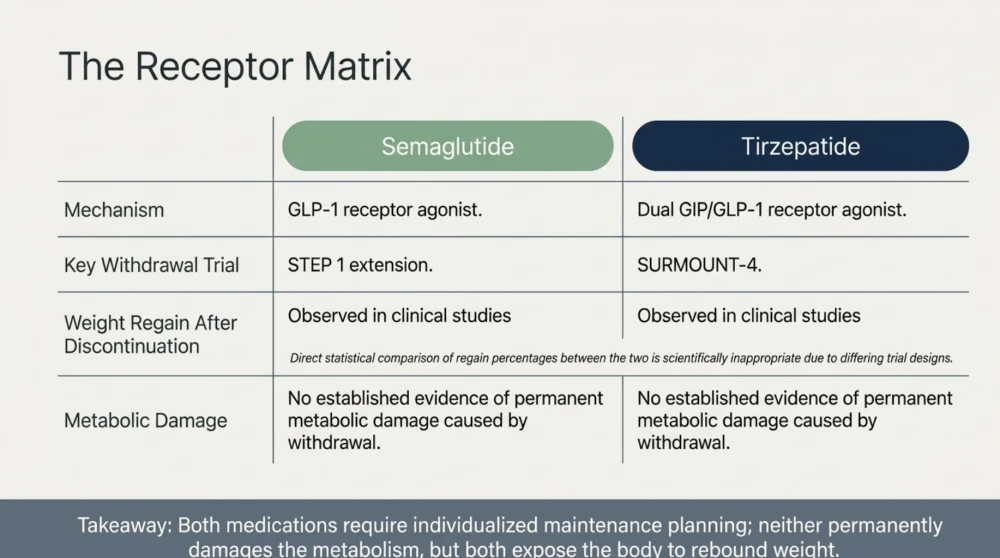
However, the available withdrawal studies differ in design, populations, treatment duration and follow-up methods.
Therefore, it is not scientifically appropriate to compare their reported weight-regain percentages directly and conclude that one medicine necessarily produces more rebound weight gain than the other.
| Feature | Semaglutide | Tirzepatide |
|---|---|---|
| Mechanism | GLP-1 receptor agonist | Dual GIP/GLP-1 receptor agonist |
| Important withdrawal evidence | STEP 1 extension and STEP 4 | SURMOUNT-4 |
| Weight regain after discontinuation | Observed in clinical studies | Observed in clinical studies |
| Does every patient regain weight? | No | No |
| Does stopping cause proven metabolic damage? | No established evidence of permanent metabolic damage caused by withdrawal | No established evidence of permanent metabolic damage caused by withdrawal |
| Long-term approach | Individualised maintenance planning | Individualised maintenance planning |
Does Weight Regain Mean the GLP-1 Medicine Failed?
No.
Weight regain after stopping treatment does not necessarily indicate that the medicine was ineffective.
Obesity is commonly a chronic, relapsing condition.
Many effective treatments for chronic conditions provide benefits while treatment continues, but their effects may diminish after treatment is withdrawn.
For example, blood pressure may rise after stopping an effective antihypertensive medicine, and blood glucose may increase after discontinuing glucose-lowering treatment.
Similarly, the biological effects of weight-management medicines may diminish after withdrawal.
However, the decision to continue or discontinue treatment must consider the individual's circumstances rather than assuming that medication should always continue indefinitely.
Does Everyone Regain Weight After Stopping GLP-1 Medicines?
No.
Clinical trials report average outcomes across groups of participants.
Individual responses vary considerably.
Some patients maintain a substantial proportion of their weight reduction after discontinuation, while others regain weight more rapidly.
Factors such as previous obesity severity, appetite changes, dietary habits, physical activity, sleep, medical conditions and ongoing support may influence outcomes.
However, researchers have not established a simple clinical formula that reliably predicts exactly who will maintain weight after stopping medication.
Therefore, patients should neither assume that regain is inevitable nor expect that weight maintenance will occur automatically.
Why Does Weight Regain Sometimes Begin Within a Few Months?
After stopping GLP-1 medicines, the medication's appetite-regulating effects gradually diminish.
At the same time, the individual may still have the lower energy requirements associated with reduced body weight.
If hunger increases and food intake rises, weight regain may begin.
The timing varies according to the medication, dose, duration of treatment and individual physiology.
Some patients notice appetite changes relatively soon after discontinuation, while others experience a more gradual change.
It is important not to interpret a few days of increased hunger or a small fluctuation on the weighing scale as proof of treatment failure.
Short-term weight changes may also reflect fluid balance, gastrointestinal contents and other factors.
What Happens to Blood Sugar After Stopping GLP-1 Medicines?
For patients receiving semaglutide or tirzepatide for type 2 diabetes, stopping medication may affect more than body weight.
These medicines can improve glucose regulation while treatment continues.
When they are discontinued, their glucose-lowering effects diminish.
Blood glucose levels may rise, particularly if no suitable alternative treatment is provided.
Therefore, patients with diabetes should not stop prescribed GLP-1-based therapy without discussing glucose monitoring and the overall treatment plan with their clinician.
Depending on the individual, adjustments to other diabetes medicines may be necessary.
Does Blood Pressure or Cholesterol Rise After Weight Regain?
Weight reduction can improve several cardiometabolic risk factors, including blood pressure, glucose regulation and lipid measurements.
Some of these improvements may diminish when substantial weight regain occurs.
In the STEP 1 extension, several cardiometabolic improvements moved back towards baseline after treatment withdrawal.
However, this does not mean that every patient immediately develops hypertension, diabetes or abnormal cholesterol after stopping medication.
The degree of change depends on weight regain, underlying health conditions and other treatments.
Long-term monitoring should therefore consider metabolic health rather than focusing exclusively on body weight.
Does Stopping GLP-1 Medicines Cause Withdrawal Symptoms?
GLP-1 medicines are not generally associated with a classical substance-withdrawal syndrome in the way certain dependence-producing medicines are.
However, stopping treatment can lead to the return of appetite, reduced satiety and loss of glucose-lowering effects.
Some patients may also notice changes in gastrointestinal symptoms as medication effects diminish.
These changes should be distinguished from a specific pharmacological withdrawal syndrome.
Patients experiencing severe symptoms after discontinuation should undergo appropriate medical assessment rather than assuming that every symptom is caused by stopping the medicine.
Does Stopping GLP-1 Medicines Permanently Damage Metabolism?
There is no established evidence that discontinuing semaglutide or tirzepatide permanently damages metabolism.
However, weight loss itself can reduce energy requirements, and some individuals experience adaptive changes in energy expenditure.
When medication is stopped, appetite may increase while energy requirements remain lower than before weight loss.
This combination can make weight maintenance difficult.
It is therefore more accurate to describe weight regain as a consequence of interacting biological and behavioural factors rather than permanent metabolic damage caused by medication withdrawal.
Can Muscle Loss During GLP-1 Treatment Affect Weight Maintenance?
Weight reduction achieved through any method may involve changes in both fat mass and lean tissue.
Clinical studies of incretin-based medicines have reported reductions in lean mass alongside reductions in fat mass.
However, measurements of lean mass do not directly represent pure skeletal muscle tissue, and changes in lean mass should not automatically be interpreted as equivalent changes in muscle strength.
Maintaining adequate nutrition and undertaking resistance training may help preserve muscle function during weight reduction.
These strategies may also support long-term physical health after medication discontinuation.
Nevertheless, the extent to which muscle-preservation strategies specifically prevent post-GLP-1 weight regain remains an area of ongoing research.
Why Patients Should Plan for Weight Maintenance Before Stopping Treatment
One of the most important practical lessons from GLP-1 withdrawal studies is that weight maintenance should be discussed before medication is discontinued.
Waiting until substantial regain has already occurred may make management more difficult.
A maintenance plan should consider the original indication for treatment, the amount of weight lost, current nutritional intake, exercise habits, metabolic health and the patient's ability to continue treatment.
It should also address what will happen if appetite increases or weight begins to rise.
For some patients, continuing long-term pharmacotherapy may be appropriate.
For others, discontinuation may be necessary or preferred, making structured follow-up and alternative strategies particularly important.
The goal is not to guarantee that weight regain will never occur. It is to reduce avoidable risk, recognise early changes and respond before significant deterioration develops.
How to Stop GLP-1 Medicines Without Regaining Weight
After achieving meaningful weight loss with semaglutide or tirzepatide, many patients want to know whether they can stop treatment and maintain their results.
There is no established method that guarantees complete prevention of weight regain after discontinuing GLP-1-based medicines.
However, a structured maintenance strategy may help patients manage returning appetite, maintain healthier eating patterns, preserve muscle function and recognise weight changes early.
The most important principle is to develop a long-term plan before discontinuation rather than waiting until substantial weight regain has already occurred.
For some individuals, continuing medication may be appropriate because obesity often requires long-term treatment.
For others, discontinuation may be necessary because of adverse effects, cost, pregnancy planning, availability or individual preferences.
Stopping GLP-1 medicines should be treated as a planned transition in obesity management rather than the automatic end of treatment.
Should GLP-1 Medicines Be Stopped Suddenly or Gradually?
One of the most frequently asked questions is whether semaglutide or tirzepatide should be tapered before discontinuation.
Unlike medicines associated with physiological dependence or a recognised withdrawal syndrome, GLP-1-based medicines generally do not require tapering solely to prevent a classical withdrawal reaction.
However, that does not mean every patient should discontinue treatment without medical review.
The reason for stopping, the indication for treatment, the current dose and the patient's other medical conditions are important.
Patients taking these medicines for type 2 diabetes may require adjustments to their glucose-lowering treatment when the medicine is discontinued.
Those experiencing significant adverse effects may need a different approach from patients stopping after achieving a weight-management goal.
The decision should therefore be individualised.
Does Gradually Reducing Semaglutide Prevent Weight Regain?
Gradual dose reduction is sometimes proposed as a strategy for helping patients adjust to returning appetite.
However, high-quality randomised evidence demonstrating that tapering semaglutide reliably prevents long-term weight regain remains insufficient.
Some observational reports and clinical experiences suggest that gradual dose reduction combined with ongoing lifestyle support may be feasible for selected patients.
However, these findings cannot establish that tapering itself prevents regain.
Patients should not interpret preliminary observations as proof that a particular tapering schedule will maintain weight loss.
There is also no universally validated semaglutide tapering protocol for obesity treatment.
Should Patients Reduce Their Injection Dose Every Week?
Not without medical advice.
Changing doses independently can complicate treatment, particularly when the medicine is being used for diabetes or when the patient has experienced adverse effects.
The appropriate approach depends on the treatment indication, available formulation and individual circumstances.
There is no established evidence-based weekly dose-reduction schedule that guarantees prevention of weight regain.
Can Tirzepatide Be Tapered Before Stopping?
The same general principle applies to tirzepatide.
There is currently no universally established tapering strategy proven to prevent weight regain after tirzepatide discontinuation.
The SURMOUNT-4 trial demonstrated substantial weight regain when participants were switched from tirzepatide to placebo after an initial treatment period.
However, that trial was not designed to establish whether gradual tapering would produce better long-term outcomes.
Therefore, tapering should not be presented as a scientifically proven solution to post-tirzepatide weight regain.
What Should Be Reviewed Before Stopping GLP-1 Treatment?
Before discontinuation, the treating clinician should review the patient's original indication for therapy and the benefits achieved during treatment.
For patients receiving medication primarily for obesity, this may include changes in body weight, waist circumference, blood pressure, glucose regulation, sleep-related symptoms and other relevant health outcomes.
For patients with type 2 diabetes, glycaemic control and the need for alternative treatment are particularly important.
The review should also consider whether the patient is experiencing adverse effects, whether treatment remains affordable and whether there are reasons to avoid continued therapy.
A structured review can help determine whether continued treatment, a change in treatment or discontinuation with follow-up is most appropriate.
A Practical Pre-Discontinuation Assessment
| Assessment Area | What to Review | Why It Matters |
|---|---|---|
| Original indication | Obesity, type 2 diabetes or another approved indication | Determines risks associated with stopping |
| Weight history | Starting weight, current weight and previous weight regain | Provides context for maintenance planning |
| Dietary intake | Meal pattern, protein intake and nutritional adequacy | Helps identify modifiable factors |
| Physical activity | Aerobic exercise and resistance training | Supports physical function and weight maintenance |
| Metabolic health | Blood pressure, glucose and other relevant markers | Identifies changes that may require treatment |
| Reason for stopping | Adverse effects, pregnancy planning, cost or preference | Guides the safest transition |
| Follow-up plan | Monitoring schedule and response to regain | Supports early intervention |
How to Manage Hunger After Stopping Semaglutide or Tirzepatide
Returning hunger is one of the most challenging changes patients may experience after GLP-1 discontinuation.
During treatment, many individuals become accustomed to feeling satisfied after relatively small meals.
Once medication effects diminish, those portions may no longer provide the same degree of satiety.
Some patients respond by trying to ignore hunger or dramatically restricting food intake.
However, excessive restriction can increase dietary dissatisfaction and make long-term adherence more difficult.
A more sustainable strategy is to build meals that provide adequate nutrition and support satiety.
This generally includes suitable amounts of protein, fibre-rich foods, vegetables, whole grains and other minimally processed foods according to individual requirements.
Why Protein Becomes Important After Stopping GLP-1 Medicines
Protein contributes to the maintenance of skeletal muscle and can influence satiety.
During weight loss, adequate protein intake may help limit unnecessary loss of lean tissue, particularly when combined with resistance training.
After medication discontinuation, protein-containing meals may also help patients maintain a structured dietary pattern.
However, protein should not be described as a substitute for the appetite-regulating effects of semaglutide or tirzepatide.
Nor is there evidence that a particular protein target guarantees prevention of post-GLP-1 weight regain.
Protein requirements depend on body weight, age, physical activity, nutritional status and medical conditions.
How Much Protein Is Needed for Weight Maintenance?
The general adult reference intake of approximately 0.8 grams of protein per kilogram of body weight per day provides a baseline for generally healthy adults.
Higher intakes may be appropriate for some individuals undertaking resistance training or attempting to preserve lean mass during weight reduction.
For example, intakes around 1.2–1.6 g/kg/day may be considered in selected physically active adults when clinically appropriate.
However, these values are not mandatory for every patient discontinuing GLP-1 treatment.
Patients with chronic kidney disease or other relevant medical conditions may require individualised recommendations.
For people with obesity, the body weight used to calculate protein targets may also require clinical adjustment.
Indian Foods That Can Support Protein Intake
Protein needs can often be met through ordinary Indian meals without relying on expensive supplements.
Suitable options include eggs, milk, curd, paneer, tofu, soy products, pulses, chickpeas, fish and poultry.
However, portion size and preparation method influence the actual protein content.
For example, cooked dal contributes protein but also contains water and carbohydrates, so it should not be assumed to provide the same protein concentration as paneer, eggs or soy products.
A balanced dietary plan should consider total energy intake and nutritional adequacy rather than focusing exclusively on protein.
Why Fibre-Rich Foods May Help With Appetite Management
Dietary fibre can contribute to satiety and supports gastrointestinal health.
Fibre-rich foods include vegetables, fruits, pulses, legumes and whole grains.
Some types of fibre may slow digestion or influence the physical characteristics of food within the gastrointestinal tract.
However, increasing fibre intake does not reproduce the full pharmacological effects of GLP-1 medicines.
Patients should increase fibre gradually if their previous intake was low, particularly if they experience bloating or other gastrointestinal symptoms.
Adequate fluid intake is also important.
Should Patients Follow a Very Low-Calorie Diet After Stopping GLP-1 Medicines?
Not routinely.
Very restrictive diets may produce short-term weight reduction but can be difficult to sustain.
They may also increase the risk of inadequate protein and micronutrient intake when poorly planned.
After GLP-1 discontinuation, the goal should generally be to establish a realistic maintenance eating pattern rather than repeatedly cycling between severe restriction and overeating.
Patients who regain weight may require an individualised energy deficit, but the approach should be nutritionally adequate and medically appropriate.
Should Meal Timing Be Fixed After Stopping GLP-1 Treatment?
There is no single meal schedule proven to prevent weight regain after GLP-1 withdrawal.
However, a predictable eating pattern may help some patients manage hunger and reduce unplanned snacking.
For example, regular meals containing appropriate protein and fibre may be more sustainable than skipping meals and becoming excessively hungry later in the day.
Other patients may prefer different meal frequencies.
The best pattern is one that supports nutritional adequacy, glycaemic control when relevant and long-term adherence.
Can Intermittent Fasting Prevent Weight Regain After GLP-1 Medicines?
Intermittent fasting is sometimes promoted as a way to maintain weight loss after stopping semaglutide or tirzepatide.
However, there is insufficient direct evidence that intermittent fasting specifically prevents post-GLP-1 weight regain.
Some individuals may find time-restricted eating helpful for managing overall energy intake.
Others may experience excessive hunger, poor dietary adherence or difficulty meeting protein requirements.
Patients taking insulin or sulfonylureas require particular caution because changes in meal timing may increase hypoglycaemia risk.
Therefore, fasting approaches should be individualised rather than presented as a universal solution.
Why Resistance Training Matters After Stopping GLP-1 Medicines
Resistance training is an important component of long-term weight management because it supports muscle strength and physical function.
Weight reduction can involve decreases in lean mass, particularly when substantial weight loss occurs without adequate nutritional support or exercise.
Progressive resistance training provides a stimulus for maintaining or improving muscle strength.
However, the evidence that resistance training alone can completely prevent weight regain after GLP-1 withdrawal is limited.
It should therefore be recommended as part of a comprehensive health strategy rather than as a guaranteed replacement for medication.
How Often Should Patients Perform Strength Training?
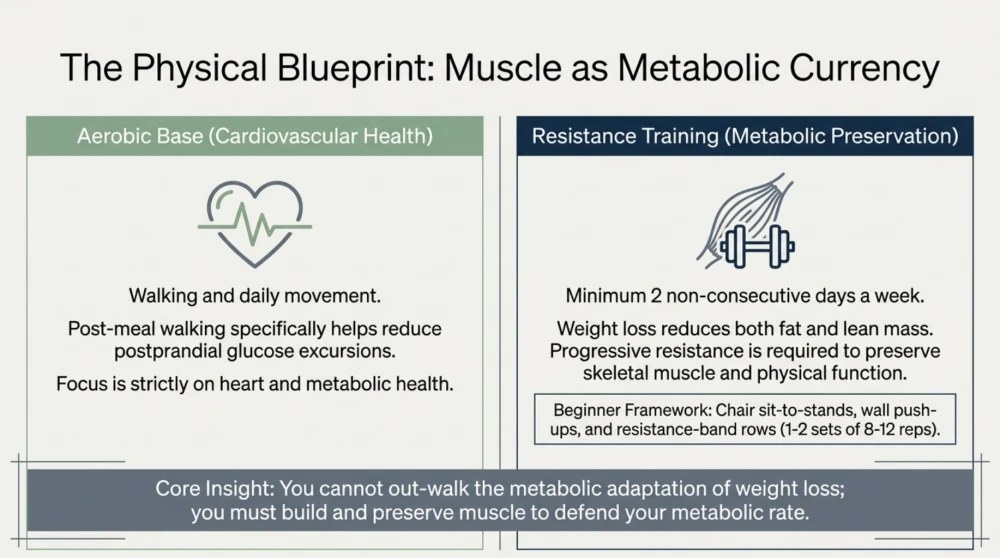
General physical activity guidelines recommend muscle-strengthening activities involving major muscle groups on at least two days per week.
Beginners may start with two or three non-consecutive sessions weekly, depending on physical capacity and recovery.
Exercises can involve body weight, resistance bands, free weights or suitable machines.
Gradual progression is important.
Patients with cardiovascular disease, significant joint problems, recent fractures or other medical limitations may require modified exercise programmes.
A Practical Weekly Activity Framework After GLP-1 Discontinuation
| Activity | General Approach | Main Benefit |
|---|---|---|
| Walking or other aerobic exercise | Build gradually towards recommended activity levels | Cardiovascular and metabolic health |
| Resistance training | At least two days per week when appropriate | Muscle strength and function |
| Daily movement | Reduce prolonged sedentary periods | Supports overall activity |
| Mobility and balance exercises | Include according to age and functional needs | Movement confidence and physical function |
| Recovery | Allow adequate rest between demanding sessions | Supports consistent exercise participation |
Is Walking Enough to Maintain Weight Loss After Semaglutide?
Walking is a useful and accessible form of physical activity.
It can improve cardiovascular fitness, support glucose regulation and contribute to daily energy expenditure.
However, walking alone may not provide sufficient resistance stimulus to preserve or improve all aspects of muscle strength.
A combination of aerobic activity and resistance training is generally preferable for comprehensive physical fitness.
Nevertheless, exercise needs should be adapted to the patient's abilities and medical conditions.
How Important Is Sleep After Stopping GLP-1 Medicines?
Sleep is an important component of long-term weight management.
Insufficient sleep can influence appetite regulation, food choices, daytime energy and physical activity.
Patients who sleep poorly may find it more difficult to maintain consistent eating and exercise patterns.
However, improving sleep does not guarantee that weight regain will be prevented after GLP-1 discontinuation.
Sleep should be addressed as one component of a broader maintenance strategy.
Patients with loud snoring, witnessed breathing pauses or excessive daytime sleepiness may require evaluation for obstructive sleep apnoea.
Can Stress Lead to Weight Regain After Stopping GLP-1 Medicines?
Stress may influence eating behaviour, sleep and daily activity.
Some individuals respond to stress by eating more frequently or choosing highly palatable foods.
Others experience reduced appetite.
Therefore, the relationship between stress and weight change varies.
Stress management, behavioural support and attention to emotional eating may be helpful for selected patients.
However, weight regain should not automatically be attributed to psychological factors when important biological mechanisms are also involved.
How Often Should Body Weight Be Checked After Stopping GLP-1 Treatment?
Regular weight monitoring can help identify trends before substantial regain occurs.
However, the ideal frequency depends on the patient's preferences, psychological wellbeing and treatment plan.
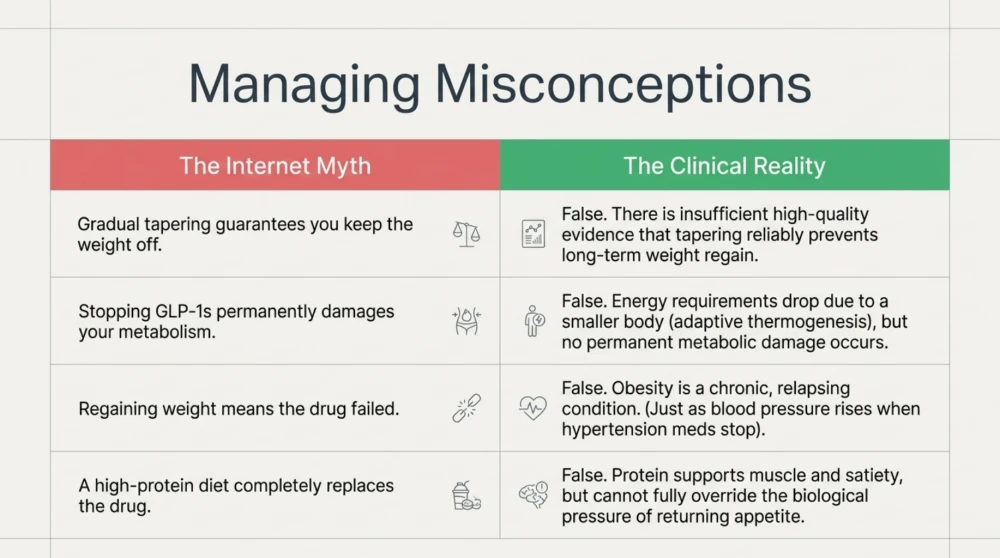
For many adults, checking weight approximately once or twice weekly under consistent conditions may be a practical approach.
Some patients may benefit from more frequent monitoring, while others may find it distressing.
Short-term fluctuations should be interpreted cautiously because body weight changes with hydration, bowel contents and other factors.
The objective is to identify sustained trends rather than react to every individual reading.
What Amount of Weight Regain Should Trigger Medical Review?
There is no universally validated threshold specifically defining when treatment must be restarted after GLP-1 withdrawal.
However, a sustained upward trend deserves attention, especially when accompanied by increasing hunger, worsening glucose control or other metabolic changes.
Some weight-management programmes use predefined action thresholds, such as a percentage increase from the lowest maintained weight.
These thresholds are practical monitoring tools rather than universally established treatment rules.
The appropriate response depends on the patient's starting weight, health conditions, previous treatment response and preferences.
Why Early Intervention Is Better Than Waiting for Major Regain
When a patient notices sustained weight regain, reviewing eating patterns, physical activity, sleep and medical conditions may identify factors that can be addressed.
In some cases, renewed behavioural support may be sufficient.
In others, the clinician may consider restarting or changing pharmacotherapy when appropriate.
However, medication decisions should not be made solely on the basis of a single weight measurement.
Should Patients Restart Semaglutide if Weight Begins to Increase?
Restarting treatment may be considered in selected patients, but it is not automatically appropriate for everyone.
The decision depends on the original indication, current health status, reasons for discontinuation, previous adverse effects and available treatment options.
Importantly, patients who have been off semaglutide for an extended period should not automatically resume their previous high dose.
Reinitiation may require a lower starting dose and gradual escalation to reduce gastrointestinal adverse effects, depending on the product and clinical circumstances.
The prescribing clinician should determine the appropriate approach.
Can Tirzepatide Be Restarted After a Treatment Gap?
Tirzepatide may also require a reassessment of dose and tolerability after an interruption.
Patients should not assume that their previous dose remains appropriate after several missed weeks.
Restarting at a previously tolerated high dose may increase the likelihood of gastrointestinal adverse effects.
The approach depends on the duration of interruption, previous dose, product instructions and clinical assessment.
Patients should contact their prescriber rather than improvising a restart schedule.
Special Considerations for Patients With Type 2 Diabetes
Patients using semaglutide or tirzepatide for type 2 diabetes require particular attention when treatment is stopped.
Discontinuation may lead to deterioration in glycaemic control.
Blood glucose monitoring may need to be increased temporarily, depending on the treatment regimen and clinical circumstances.
Patients receiving insulin or sulfonylureas may also require medication review because changes in food intake and diabetes treatment can affect hypoglycaemia risk.
HbA1c may be reassessed at an appropriate interval after treatment changes, commonly around three months, because it reflects average glycaemia over preceding weeks.
However, patients with significant hyperglycaemia symptoms should not wait for the next routine HbA1c test before seeking medical advice.
What if GLP-1 Medicines Are Stopped Because of Side Effects?
Some patients discontinue treatment because of persistent nausea, vomiting, diarrhoea, constipation or other adverse effects.
In such cases, the priority is to assess the severity and possible cause of symptoms.
Significant dehydration, severe persistent abdominal pain or other concerning symptoms may require urgent medical evaluation.
Patients should not continue treatment despite severe symptoms simply because they are worried about weight regain.
When medication cannot be tolerated, alternative treatment strategies may be considered.
Stopping GLP-1 Medicines Before Pregnancy
Pregnancy planning requires a separate approach because weight-management medicines such as semaglutide and tirzepatide should not be used during pregnancy.
For semaglutide, product information recommends discontinuation at least two months before a planned pregnancy because of its long elimination period.
For tirzepatide, product-specific recommendations should be followed. Some regulatory product information recommends discontinuation at least one month before a planned pregnancy.
Patients should confirm the applicable product guidance with their prescribing clinician.
Women using oral hormonal contraception should also be aware that tirzepatide may affect oral contraceptive exposure, particularly after initiation and dose escalation, and additional contraceptive precautions may be required according to product guidance.
Pregnancy planning should therefore be discussed before discontinuation rather than managed independently.
What if Cost Is the Main Reason for Stopping Treatment?
Cost is a significant barrier to long-term obesity pharmacotherapy for many patients.
When continued treatment is financially difficult, the clinician and patient should discuss realistic alternatives.
These may include structured lifestyle treatment, behavioural support or another evidence-based medical option when appropriate and available.
However, patients should avoid purchasing unverified or counterfeit medicines or changing injection doses without supervision to reduce costs.
The goal is to create a sustainable plan that balances effectiveness, safety and affordability.
Can Other Weight-Loss Medicines Be Used After Stopping GLP-1 Therapy?
Other approved weight-management medicines may be appropriate for selected patients, depending on local availability, indications, contraindications and clinical history.
However, there is no universally established medication-switching strategy proven to prevent all weight regain after semaglutide or tirzepatide withdrawal.
Medication selection should consider obesity severity, associated conditions, previous treatment response, adverse effects and patient preferences.
Combining or switching medicines without medical supervision can increase risk and should be avoided.
Stopping GLP-1 Medicines: Building a Long-Term Weight Maintenance Strategy
One of the most important lessons from clinical research on semaglutide and tirzepatide is that losing weight and maintaining weight loss are two different challenges.
During active treatment, these medicines help regulate appetite and food intake. Many patients find it easier to consume smaller portions, reduce snacking and maintain a calorie deficit.
However, after medication discontinuation, appetite may gradually increase while the body's energy requirements remain lower than before weight loss.
This combination can make long-term weight maintenance difficult.
Therefore, a successful maintenance strategy should not depend entirely on the appetite suppression experienced during treatment.
Instead, patients need a sustainable plan that addresses dietary intake, physical activity, muscle health, sleep, behavioural factors and ongoing medical monitoring.
For some individuals, continued pharmacotherapy may remain an important component of treatment.
For others, medication discontinuation may be necessary or preferred, making structured lifestyle support particularly important.
The objective after stopping GLP-1 medicines is not to guarantee that weight will never fluctuate. It is to reduce avoidable regain, maintain metabolic improvements and respond early when weight or health indicators begin to deteriorate.
Why Weight Maintenance Should Begin Before the Final Injection
Many patients begin thinking about weight maintenance only after their medication has been discontinued.
However, planning earlier may make the transition more manageable.
During active treatment, patients can develop regular meal patterns, establish appropriate protein intake, begin resistance training and identify situations that trigger unplanned eating.
They can also learn to monitor body weight without becoming overly concerned about normal day-to-day fluctuations.
These behaviours may support weight management when the medication's effects diminish.
However, they should not be presented as a guaranteed replacement for pharmacotherapy.
Obesity is a chronic condition, and some patients may require continued medical treatment despite following an appropriate lifestyle programme.
A Practical Three-Phase Maintenance Framework After GLP-1 Treatment
There is no universally validated three-phase protocol for discontinuing GLP-1 medicines.
Nevertheless, dividing the transition into practical stages can help patients and clinicians organise follow-up.
The following framework is an illustrative clinical planning approach rather than a trial-proven discontinuation regimen.
| Phase | Main Focus | Clinical Objective |
|---|---|---|
| Before discontinuation | Review medication indication, eating patterns, activity and metabolic health | Develop an individualised maintenance plan |
| Early period after stopping | Observe appetite changes, weight trends and medication-related health indicators | Identify emerging difficulties and adjust support |
| Long-term maintenance | Maintain sustainable nutrition, exercise and appropriate clinical follow-up | Preserve health improvements and respond to sustained regain |
The timing and intensity of follow-up should depend on the patient's clinical circumstances rather than a fixed schedule applied to everyone.
What Should an Indian Diet Look Like After Stopping GLP-1 Medicines?
Patients often ask whether they should continue eating exactly as they did while receiving semaglutide or tirzepatide.
The answer depends on whether that dietary pattern provides adequate nutrition and remains sustainable without medication-related appetite suppression.
Some patients consume very small meals during active treatment because they feel full quickly.
After discontinuation, appetite may increase, and the same portions may no longer provide adequate satisfaction.
Trying to maintain extremely small portions through willpower alone may lead to repeated hunger and difficulty adhering to the plan.
A more practical approach is to structure meals around suitable portions of protein-containing foods, vegetables, fibre-rich carbohydrates and healthy fats.
The overall energy intake should reflect the patient's current body weight, activity level, metabolic health and weight-management goals.
Sample Indian Meal Pattern for Weight Maintenance After GLP-1 Treatment
The following meal pattern demonstrates how an Indian diet can include protein and fibre throughout the day.
It is an illustrative example rather than a personalised calorie-controlled prescription.
| Meal | Vegetarian Option | Non-Vegetarian Option | Purpose |
|---|---|---|---|
| Breakfast | Besan chilla with plain curd | Eggs with whole-grain toast and vegetables | Include protein and fibre early in the day |
| Mid-morning | Whole fruit with a suitable portion of nuts | Whole fruit with plain curd | Provide a planned snack when needed |
| Lunch | Roti, dal, vegetables and paneer or tofu | Roti, vegetables and chicken or fish | Provide a balanced main meal |
| Evening | Roasted chana or sprouts prepared hygienically | Boiled egg or another suitable protein-containing snack | Reduce reliance on unplanned high-calorie snacks |
| Dinner | Tofu or soy preparation with vegetables and a suitable cereal portion | Fish or chicken with vegetables and a suitable cereal portion | Support nutritional adequacy and meal satisfaction |
Patients with diabetes, chronic kidney disease, gastrointestinal disorders or other medical conditions may require a different dietary approach.
Portions should be individualised, and snacks are optional rather than mandatory.
Why Eating More Protein Does Not Automatically Prevent Weight Regain
Protein is important for maintaining muscle tissue and may support satiety.
However, consuming more protein does not automatically prevent weight regain.
Weight regulation remains influenced by overall energy intake, appetite, physical activity, medications and other factors.
High-protein foods can also contribute substantial calories, depending on their preparation and portion size.
For example, paneer, nuts and certain protein-rich snacks may be nutritionally useful but should still be included in appropriate quantities.
The goal is to meet protein requirements within a balanced dietary pattern rather than adding unlimited protein-containing foods.
Should Patients Avoid Carbohydrates After Stopping Semaglutide?
Complete carbohydrate avoidance is not necessary for most patients.
Carbohydrate-containing foods differ substantially in nutritional quality.
Whole grains, pulses, vegetables and fruits can provide fibre, vitamins and minerals.
Highly refined foods and sugar-sweetened beverages may be easier to overconsume and may contribute to excess energy intake.
However, the most appropriate carbohydrate intake depends on diabetes status, dietary preferences, activity level and overall nutritional requirements.
A sustainable dietary pattern is generally preferable to unnecessary elimination of major food groups.
How to Handle Increased Cravings After Stopping GLP-1 Medicines
Some patients report that food cravings become more noticeable after medication discontinuation.
They may begin thinking about food more frequently or feel less satisfied after meals.
These changes can be frustrating, especially after months of improved appetite control.
However, cravings should not automatically be interpreted as evidence that the patient has lost motivation.
A practical response involves identifying patterns rather than relying exclusively on restriction.
For example, long gaps between meals, inadequate protein intake, poor sleep and easy access to highly palatable snacks may contribute to difficulties in some individuals.
Planned meals, appropriate food availability and behavioural support may help manage these situations.
However, severe or persistent appetite changes may warrant medical review, particularly when accompanied by rapid weight regain.
Can Mindful Eating Help After GLP-1 Discontinuation?
Mindful eating involves paying attention to hunger, fullness, eating pace and the experience of eating.
Some patients may find this useful when appetite regulation changes after medication withdrawal.
For example, eating without distractions and allowing sufficient time for meals may help individuals recognise satisfaction.
However, mindful eating is not a substitute for medical treatment when obesity-related biological pressures remain substantial.
It is best considered one possible behavioural strategy within a comprehensive treatment plan.
Why Maintaining Muscle Strength Matters After Weight Loss
Substantial weight reduction may involve decreases in both fat mass and lean tissue.
Maintaining muscle strength is important for mobility, physical independence and overall metabolic health.
Resistance training provides a direct stimulus for preserving and improving muscle function.
However, it is important to distinguish lean mass from skeletal muscle mass.
Body-composition measurements such as DXA may report changes in lean tissue, which includes more than skeletal muscle alone.
Therefore, changes in lean mass should not automatically be interpreted as equivalent changes in muscle strength.
Monitoring functional performance may provide additional useful information.
A Beginner-Friendly Strength-Training Plan After GLP-1 Treatment
Patients who have not previously performed resistance exercise may begin with a simple programme involving major muscle groups.
The following is an illustrative framework for generally healthy beginners.
Individuals with significant medical conditions, joint limitations or other exercise restrictions should obtain appropriate advice before starting.
| Exercise | Beginner Approach | Main Muscle Groups |
|---|---|---|
| Chair sit-to-stand | 1–2 sets of 8–12 controlled repetitions | Thighs and hips |
| Wall push-ups | 1–2 sets of 8–12 repetitions | Chest, shoulders and arms |
| Resistance-band rows | 1–2 sets of 8–12 repetitions | Back and arms |
| Supported step-ups | Begin with a comfortable number | Legs and hips |
| Supported calf raises | 1–2 sets of 10–15 repetitions | Calf muscles |
| Suitable trunk-stability exercise | Individualise according to ability | Trunk stabilisers |
Sessions may be performed on two or three non-consecutive days each week.
Exercises should be progressed gradually as strength and confidence improve.
Patients should stop exercise and seek medical assessment if they experience concerning symptoms such as chest pain, faintness or unusual breathlessness.
Can Walking After Meals Help Maintain Metabolic Health?
Walking after meals may help reduce postprandial glucose excursions in some individuals.
It can also contribute to daily physical activity and reduce prolonged sedentary time.
For patients with type 2 diabetes or insulin resistance, this may be a useful component of a broader management plan.
However, post-meal walking does not replace resistance training, dietary management or prescribed medication.
Patients using medicines that can cause hypoglycaemia should consider their glucose-management plan when changing activity patterns.
What Is the Role of Long-Term GLP-1 Treatment?
Obesity is increasingly recognised as a chronic, relapsing disease that may require ongoing management.
For some patients, long-term pharmacotherapy may provide sustained benefits in weight regulation and related health outcomes.
Randomised withdrawal trials involving semaglutide and tirzepatide have demonstrated that continued treatment generally maintains weight loss more effectively than discontinuation in the studied populations.
However, long-term treatment is not automatically appropriate for every patient.
The decision should consider medical indications, treatment response, tolerability, contraindications, affordability and patient preferences.
Patients should not be told that lifelong medication is mandatory solely because they have used a GLP-1-based treatment.
Is a Lower Maintenance Dose Better Than Stopping Completely?
Some patients and clinicians consider lower maintenance doses after successful weight reduction.
However, evidence for individualised low-dose maintenance strategies remains limited, and not all lower doses have demonstrated equivalent long-term weight-maintenance benefits.
The doses evaluated in clinical trials may differ from those used in routine practice.
Therefore, lower-dose maintenance should not be assumed to provide the same benefit as an established effective treatment regimen.
Medication changes should follow the relevant product information and individual clinical assessment.
Can Patients Restart GLP-1 Treatment After Regaining Weight?
Restarting treatment may be appropriate in selected individuals when weight regain occurs and medication remains clinically indicated.
However, the decision should consider why the original treatment was stopped.
If discontinuation occurred because of serious adverse effects or contraindications, restarting the same medicine may be inappropriate.
If treatment was stopped because of cost or preference, the clinician may review available alternatives.
After a prolonged interruption, patients should not automatically resume their previous dose.
Reinitiation may require a different dosing approach to reduce adverse effects, depending on the medicine and duration of interruption.
How to Monitor Weight Regain Without Becoming Anxious About the Scale
Weight monitoring can be useful, but it should support decision-making rather than create unnecessary distress.
Daily body weight can fluctuate because of hydration, salt intake, gastrointestinal contents and other factors.
Therefore, a single increase does not necessarily indicate fat regain.
Patients may find it helpful to record weight under reasonably consistent conditions and review trends over several weeks.
Waist circumference, physical activity, strength and relevant metabolic measurements may provide additional information.
The appropriate monitoring approach should be agreed upon with the treating clinician.
What Should Be Done if Weight Begins to Increase?
When sustained weight regain is identified, the first step is to review possible contributing factors.
These may include increased appetite, changes in meal portions, reduced physical activity, sleep disturbances, medication changes or other medical conditions.
For some patients, adjusting the maintenance plan and increasing behavioural support may be helpful.
For others, continued or renewed pharmacotherapy may need to be considered.
However, there is no universally validated weight-regain threshold that automatically requires restarting GLP-1 treatment.
Clinical decisions should consider both weight trends and changes in health status.
Why Blood Sugar Monitoring Matters After Stopping GLP-1 Medicines
Patients who received semaglutide or tirzepatide for type 2 diabetes require particular attention after discontinuation.
The glucose-lowering effects of these medicines diminish when treatment is stopped.
Blood glucose may rise even before substantial weight regain becomes apparent.
Therefore, the treatment plan should include appropriate glucose monitoring and review of other diabetes medicines.
Some patients may require treatment adjustment to maintain glycaemic control.
HbA1c can be reassessed at an appropriate interval after medication changes, but patients with significant hyperglycaemia symptoms should seek earlier medical advice.
Should Blood Pressure and Cholesterol Be Rechecked?
Weight reduction can improve several cardiometabolic risk factors, including blood pressure and lipid measurements.
Some improvements may diminish if weight regain occurs.
However, the extent of change varies between individuals.
Patients with hypertension, dyslipidaemia, diabetes or established cardiovascular disease should continue appropriate monitoring and treatment.
Stopping a weight-management medicine should not lead to discontinuation of other prescribed treatments without clinical review.
Clinical Example 1: Stopping Semaglutide After Successful Weight Loss
Consider a hypothetical 39-year-old woman who has achieved substantial weight reduction while receiving semaglutide under medical supervision.
She wishes to discontinue treatment because of cost.
Before stopping, her clinician reviews dietary intake, physical activity, weight history and relevant metabolic measurements.
She begins a structured resistance-training programme and establishes a sustainable meal pattern.
After discontinuation, she notices a gradual increase in appetite.
Rather than responding with severe dietary restriction, she reviews meal composition and monitors weight trends.
If sustained regain develops, she returns for reassessment.
This approach does not guarantee prevention of weight regain, but it provides a structured framework for managing the transition.
Clinical Example 2: Weight Regain After Stopping Tirzepatide
A hypothetical 46-year-old man stops tirzepatide after achieving significant weight reduction.
Over subsequent months, he experiences increasing hunger and a sustained upward trend in body weight.
His clinician reviews dietary changes, exercise, sleep and metabolic health.
The discussion includes whether renewed pharmacotherapy, another treatment option or intensified lifestyle support is appropriate.
The decision is based on his current clinical circumstances rather than automatically restarting his previous dose.
Clinical Example 3: Stopping GLP-1 Treatment in a Patient With Diabetes
A hypothetical 54-year-old patient with type 2 diabetes has been receiving a GLP-1-based medicine as part of glucose and weight management.
The treatment is discontinued because of persistent gastrointestinal adverse effects.
His clinician reviews the diabetes regimen and develops an alternative glucose-management plan.
Blood glucose is monitored more closely during the transition.
Weight maintenance remains important, but preventing deterioration in glycaemic control is an immediate clinical priority.
These examples are hypothetical and are intended for educational purposes rather than individual treatment recommendations.
Common Myths About Stopping GLP-1 Medicines
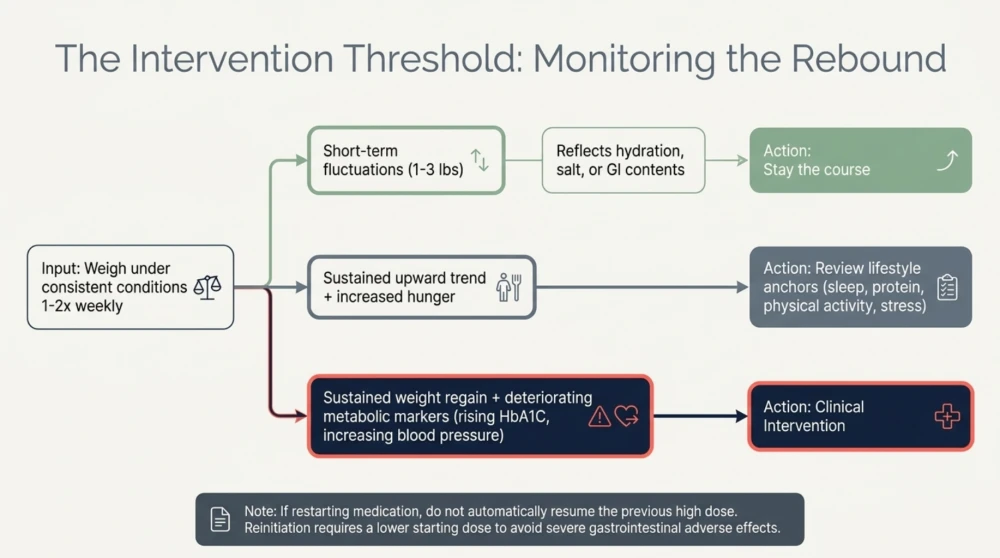
Myth 1: Everyone Regains All Their Weight After Stopping GLP-1 Medicines
False. Weight regain is common in clinical trials, but individual outcomes vary considerably.
Myth 2: Weight Regain Means the Medicine Failed
False. Regain may reflect the return of biological pressures affecting appetite and body-weight regulation after treatment withdrawal.
Myth 3: Gradual Tapering Guarantees Weight Maintenance
False. There is insufficient high-quality evidence that tapering reliably prevents long-term weight regain.
Myth 4: Metabolism Is Permanently Damaged After Stopping GLP-1 Treatment
False. There is no established evidence that discontinuation permanently damages metabolism.
Myth 5: A High-Protein Diet Alone Can Prevent Regain
False. Protein supports nutritional adequacy and muscle maintenance, but weight regulation involves multiple factors.
Myth 6: Exercise Can Always Replace Medication
False. Exercise is beneficial, but some patients require continued pharmacotherapy as part of long-term obesity management.
Myth 7: GLP-1 Medicines Must Be Taken for Life by Everyone
False. Long-term treatment may be appropriate for some individuals, but decisions must be individualised.
Myth 8: Patients Can Restart Their Previous Dose After Any Treatment Gap
False. Restarting after an interruption may require dose reassessment to reduce adverse effects.
Frequently Asked Questions About Stopping GLP-1 Medicines
1. Will I regain weight after stopping semaglutide?
Weight regain is common after semaglutide withdrawal, but the amount varies. Clinical trial results describe averages and cannot predict an individual patient's outcome.
2. What happens when I stop tirzepatide?
Appetite-regulating and glucose-lowering effects diminish after discontinuation. Some patients experience substantial weight regain, while individual outcomes vary.
3. How quickly does weight return after stopping GLP-1 injections?
The timing varies. Appetite may gradually increase as medication effects diminish, and weight regain may develop over subsequent weeks or months.
4. Can I stop semaglutide suddenly?
A classical withdrawal syndrome does not generally require tapering, but stopping should be discussed with the prescribing clinician, especially when the medicine is used for diabetes.
5. Does tapering prevent weight regain?
There is insufficient high-quality evidence that gradual dose reduction reliably prevents long-term weight regain after GLP-1 treatment.
6. How can I control hunger after stopping GLP-1 medicines?
Regular balanced meals, appropriate protein and fibre intake, sleep management and behavioural support may help. Persistent severe hunger or rapid regain may require medical reassessment.
7. What is the best diet after stopping semaglutide?
There is no single proven post-semaglutide diet. A sustainable eating pattern with appropriate energy intake, protein, fibre and nutritional adequacy is generally recommended.
8. Can strength training prevent weight regain?
Resistance training supports muscle strength and physical function. However, it has not been shown to completely prevent weight regain after GLP-1 withdrawal.
9. Should I continue GLP-1 medicines permanently?
Some patients benefit from long-term treatment, but continued medication is not automatically appropriate for everyone. The decision should be individualised.
10. Can I restart semaglutide after regaining weight?
Restarting may be appropriate in selected patients. However, dose and tolerability should be reassessed, especially after a prolonged interruption.
11. Will blood sugar rise after stopping GLP-1 treatment?
Blood glucose may increase when the medicine's glucose-lowering effects diminish, particularly in patients with type 2 diabetes. Appropriate monitoring and treatment review are important.
12. Does stopping GLP-1 medicines cause permanent metabolic damage?
There is no established evidence of permanent metabolic damage caused by withdrawal. However, weight-loss-related adaptations and returning appetite may make weight maintenance difficult.
13. Can I maintain weight loss without medication?
Some individuals maintain substantial weight reduction after stopping treatment, but outcomes vary. Continued lifestyle support and monitoring may help, while some patients require ongoing pharmacotherapy.
14. What if I need to stop GLP-1 treatment because of pregnancy planning?
Pregnancy planning requires advance discussion with the prescribing clinician. Semaglutide product information recommends stopping at least two months before planned pregnancy; tirzepatide recommendations depend on the applicable product information.
15. When should I consult a doctor after stopping GLP-1 medicines?
Seek medical review for sustained weight regain, significant appetite changes, worsening blood glucose, concerning adverse effects or uncertainty about restarting or changing treatment.
What I Explain to Patients Who Want to Stop Semaglutide or Tirzepatide
When a patient wishes to discontinue semaglutide or tirzepatide after successful weight reduction, I explain that obesity treatment should be viewed as long-term management rather than a short course that permanently removes the biological tendency towards weight gain.
During treatment, the medicine may have helped regulate appetite and reduce food intake.
After discontinuation, these effects gradually diminish, and the patient may experience increased hunger or reduced satiety.
I also explain that weight regain is not inevitable, but it is sufficiently common that patients should have a maintenance plan before stopping.
The assessment includes the original indication for treatment, current weight, dietary intake, physical activity, metabolic health and reasons for discontinuation.
For patients with diabetes, glucose monitoring and medication adjustment are particularly important.
I encourage sustainable dietary habits, appropriate protein intake, regular physical activity and resistance training while recognising that these measures may not fully replace the effects of medication for every patient.
If significant weight regain develops, the treatment plan should be reassessed rather than allowing the problem to progress without review.
Key Takeaways: Stopping GLP-1 Medicines
- Weight regain is common after stopping semaglutide or tirzepatide, but individual outcomes vary.
- Returning appetite is an important contributor to post-treatment weight regain.
- Weight loss itself may reduce energy requirements and trigger biological adaptations.
- There is no proven tapering schedule that guarantees prevention of regain.
- Long-term weight maintenance should be planned before medication discontinuation.
- Adequate protein and resistance training support muscle health.
- Balanced meals and fibre-rich foods may help with dietary adherence.
- Exercise supports health but does not always replace pharmacotherapy.
- Patients with type 2 diabetes may experience worsening glucose control after stopping treatment.
- Restarting medication after a prolonged interruption requires medical review.
- Some patients benefit from continued long-term pharmacotherapy.
- Early reassessment of sustained weight regain may help guide treatment adjustments.
Medical Weight Management and GLP-1 Consultation in Dwarka, Delhi
Patients considering stopping semaglutide or tirzepatide may benefit from a medical review before changing treatment.
Dr. Pankaj Kumar, General & Lifestyle Physician, provides consultations for weight management, type 2 diabetes, metabolic health and lifestyle-related conditions in Dwarka, New Delhi.
Assessment may include reviewing treatment response, nutritional intake, physical activity, weight history, glucose control and the need for ongoing medication or alternative management strategies.
Clinic location: Doctors Lane, Sector 6, Dwarka, opposite Dhanwantari Labs, New Delhi.
Consultations: In-clinic and online consultations are available.
Scientific References and Clinical Guidelines
- Wilding JPH, Batterham RL, Calanna S, et al. Once-Weekly Semaglutide in Adults with Overweight or Obesity. New England Journal of Medicine. 2021;384:989–1002. DOI: 10.1056/NEJMoa2032183.
- Wilding JPH, Batterham RL, Davies M, et al. Weight Regain and Cardiometabolic Effects After Withdrawal of Semaglutide: The STEP 1 Trial Extension. Diabetes, Obesity and Metabolism. 2022;24(8):1553–1564. DOI: 10.1111/dom.14725.
- Rubino D, Abrahamsson N, Davies M, et al. Effect of Continued Weekly Subcutaneous Semaglutide vs Placebo on Weight Loss Maintenance in Adults With Overweight or Obesity: The STEP 4 Randomized Clinical Trial. JAMA. 2021;325(14):1414–1425. DOI: 10.1001/jama.2021.3224.
- Aronne LJ, Sattar N, Horn DB, et al. Continued Treatment With Tirzepatide for Maintenance of Weight Reduction in Adults With Obesity: The SURMOUNT-4 Randomized Clinical Trial. JAMA. 2024;331(1):38–48. DOI: 10.1001/jama.2023.24945.
- Sumithran P, Prendergast LA, Delbridge E, et al. Long-Term Persistence of Hormonal Adaptations to Weight Loss. New England Journal of Medicine. 2011;365:1597–1604. DOI: 10.1056/NEJMoa1105816.
- World Health Organization. WHO Guidelines on Physical Activity and Sedentary Behaviour. 2020. WHO Physical Activity Guidelines.
- National Institute for Health and Care Excellence (NICE). Overweight and Obesity Management (NG246). NICE Obesity Management Guideline.
- National Institute for Health and Care Excellence (NICE). Semaglutide for Managing Overweight and Obesity (TA875). NICE Semaglutide Guidance.
- National Institute for Health and Care Excellence (NICE). Tirzepatide for Managing Overweight and Obesity (TA1026). NICE Tirzepatide Guidance.
Medical disclaimer: This article is intended for general health education and does not replace individual medical advice. Semaglutide, tirzepatide and other prescription medicines should be started, adjusted, discontinued or restarted only after appropriate clinical review. Patients with diabetes, pregnancy plans, significant adverse effects or other medical conditions may require specific precautions. Weight-management strategies should be individualised according to clinical circumstances.
Written by Dr. Pankaj Kumar , General & Lifestyle Physician, Dwarka, New Delhi