









- 2nd November 2026
Table of Contents
- Menopause and Bone Loss: Why Women Need to Think Beyond Calcium After 45
- What Happens to Bones During Menopause?
- Why Does Bone Loss Often Accelerate Around Menopause?
- Does Menopause Automatically Cause Osteoporosis?
- Osteopenia vs Osteoporosis: What Is the Difference?
- Why Bone Density Alone Does Not Tell the Whole Story
- Why Muscle Health Becomes Important During Menopause
- Reason 1: Strength Training Provides Mechanical Stimulus to Bones
- Reason 2: Muscle Strength Helps Reduce Fall-Related Fracture Risk
- Reason 3: Adequate Protein Supports Muscle Maintenance and Recovery
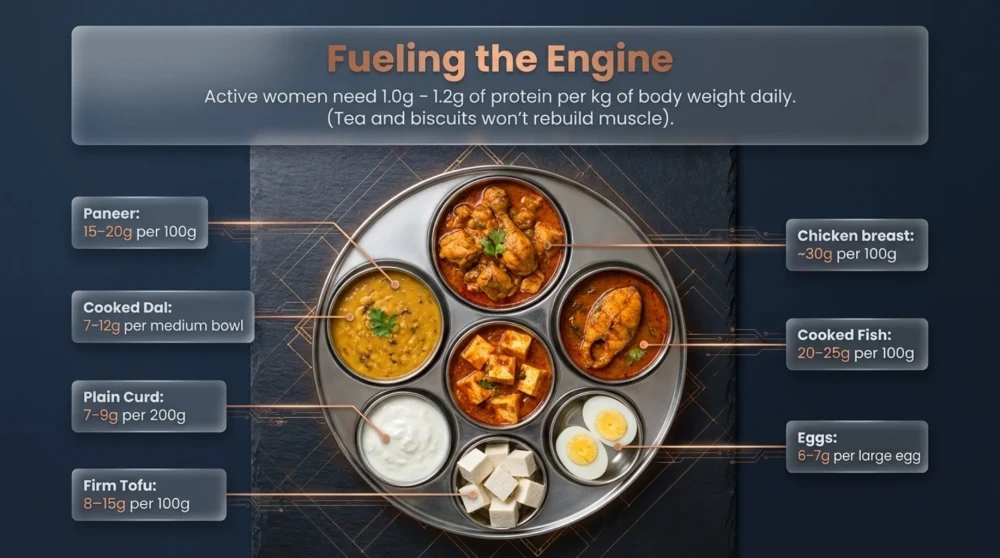
- Why Protein Intake May Be Inadequate in Some Indian Women
- How Much Protein Does a Woman Need After 45?
- Why Protein Quality and Meal Distribution May Matter
- Protein Supplements vs Food: Which Is Better After Menopause?
- Why Calcium Alone Is Not Enough for Bone Health
- Does Every Woman After 45 Need Calcium and Vitamin D Supplements?
- Reason 4: Strength Training Helps Counter Age-Related Muscle Loss
- What Is Sarcopenia and How Is It Different From Osteoporosis?
- Osteoporosis vs Sarcopenia: Understanding the Difference
- Why Muscle Strength May Matter More Than Muscle Size
- Reason 5: Resistance Training Can Improve Body Composition During Midlife
- Why the Weighing Scale Can Be Misleading After 45
- Can Strength Training Reduce Abdominal Fat After Menopause?
- Reason 6: Muscle Health Supports Glucose Regulation and Metabolic Health
- Menopause, Insulin Resistance and Muscle Loss: Is There a Connection?
- Why Women With Prediabetes Should Not Focus Only on Walking
- Reason 7: Protein and Strength Training Help Preserve Functional Independence
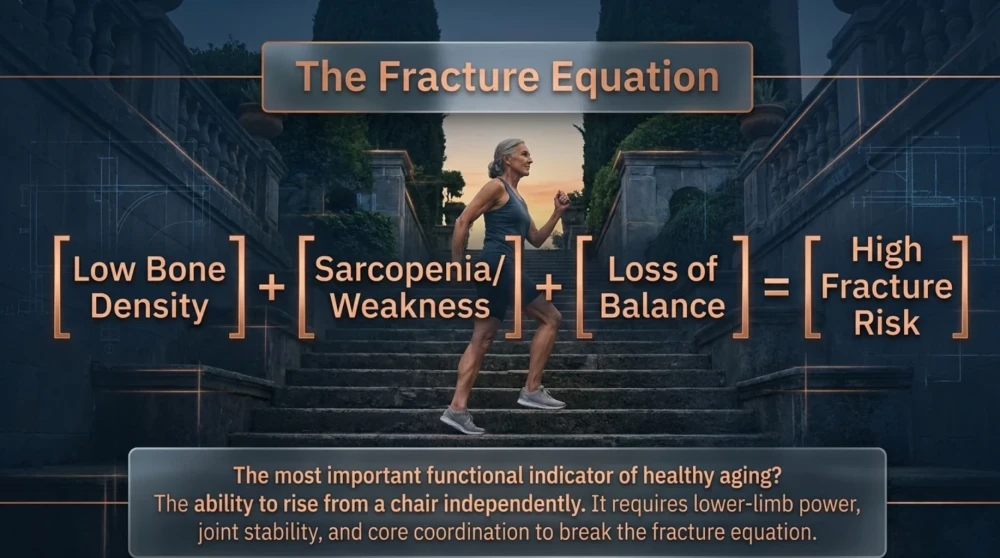
- Why Chair-Rise Ability Is an Important Functional Indicator
- Reason 8: Stronger Muscles Support Long-Term Bone Protection
- Why Bone and Muscle Should Be Assessed Together After Menopause
- All 8 Reasons Strength Training and Protein Matter After 45
- What Type of Strength Training Is Suitable After 45?
- How Often Should Women Perform Strength Training?
- Can Women Begin Strength Training at 50 or 60?
- Does Strength Training Have to Be Heavy to Improve Bone Density?
- Why Exercise Technique Matters More Than Copying Online Workouts
- Protein and Resistance Training: Why the Combination Matters
- How Much Protein Is Appropriate for an Active Woman After Menopause?
- Illustrative Daily Protein Requirements
- Should Protein Be Taken Immediately After Exercise?
- Can Excess Protein Harm the Kidneys?
- Menopause and Bone Loss: How Can Women Protect Their Bones After 45?
- How Should Women Begin Strength Training After Menopause?
- A Beginner-Friendly Strength Training Plan for Women After 45
- How Many Days Per Week Should Women Exercise?
- A Practical Weekly Exercise Schedule After Menopause
- Which Exercises Should Women With Osteoporosis Avoid?
- Can Yoga Replace Strength Training for Bone Health?
- Why Protein Intake Matters Alongside Strength Training
- How Can Indian Women Increase Protein Intake After 45?
- Common Indian Protein Sources
- Sample Indian Protein-Rich Meal Pattern for Women After Menopause
- How Much Calcium Do Women Need After Menopause?
- What About Vitamin D After Menopause?
- When Should Women Have a Bone Density Test?
- Who May Need Earlier Osteoporosis Evaluation?
- What Is FRAX and How Does It Help Assess Fracture Risk?
- Can Osteoporosis Be Present Without Symptoms?
- Does Every Woman With Osteoporosis Need Medication?
- Clinical Example 1: A Woman With Normal Weight but Declining Strength
- Clinical Example 2: Osteopenia With Low Physical Activity
- Clinical Example 3: Osteoporosis With Previous Vertebral Fracture
- Clinical Example 4: Menopause, Prediabetes and Muscle Loss
- Common Myths About Menopause and Bone Loss
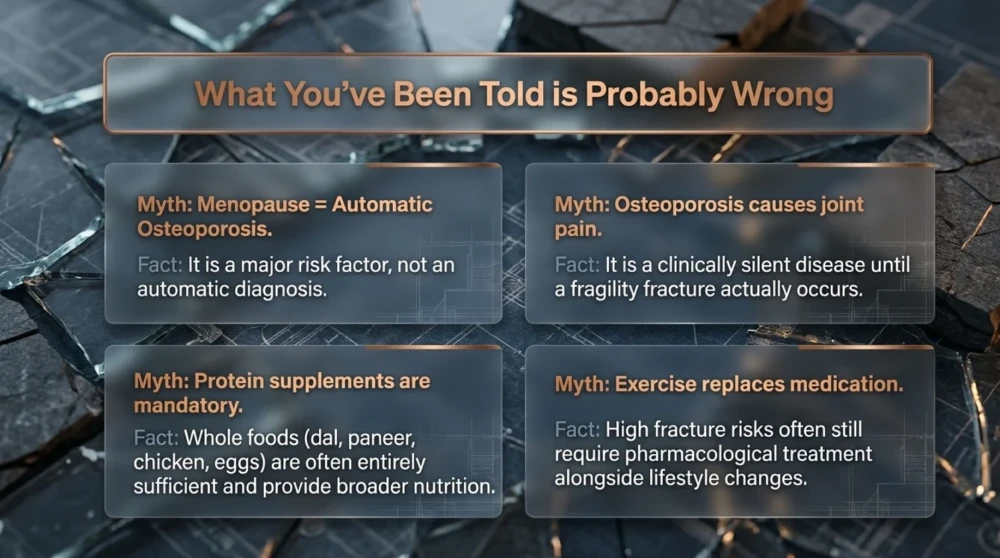
- Myth 1: Every Woman Develops Osteoporosis After Menopause
- Myth 2: Calcium Supplements Alone Prevent Osteoporosis
- Myth 3: Walking Is Always Enough for Bone Strength
- Myth 4: Strength Training Is Unsafe for All Women With Osteoporosis
- Myth 5: Protein Supplements Are Mandatory After Menopause
- Myth 6: Normal Body Weight Means Healthy Muscles and Bones
- Myth 7: Osteoporosis Always Causes Pain
- Myth 8: Exercise Can Replace Osteoporosis Medication
- Frequently Asked Questions About Menopause and Bone Loss
- 1. At what age does menopause-related bone loss begin?
- 2. Can strength training improve bone density after menopause?
- 3. Is walking enough to prevent osteoporosis?
- 4. How much protein should a woman eat after 50?
- 5. Can vegetarian women get enough protein?
- 6. Does menopause cause muscle loss?
- 7. Can women start lifting weights at 60?
- 8. Should every woman over 45 have a DXA scan?
- 9. Is osteopenia the same as osteoporosis?
- 10. Can osteoporosis occur without symptoms?
- 11. Are protein powders necessary after menopause?
- 12. Can strength training improve insulin resistance?
- 13. Is yoga enough for bone health?
- 14. Should women take calcium and vitamin D automatically after menopause?
- 15. Can osteoporosis be reversed through exercise alone?
- What I Explain to Women About Bone and Muscle Health After 45
- Key Takeaways: Menopause and Bone Loss
- Menopause, Bone Health and Lifestyle Consultation in Dwarka, Delhi
- Scientific References and Clinical Guidelines
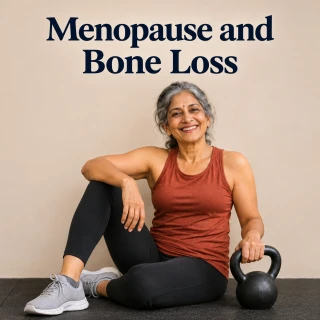
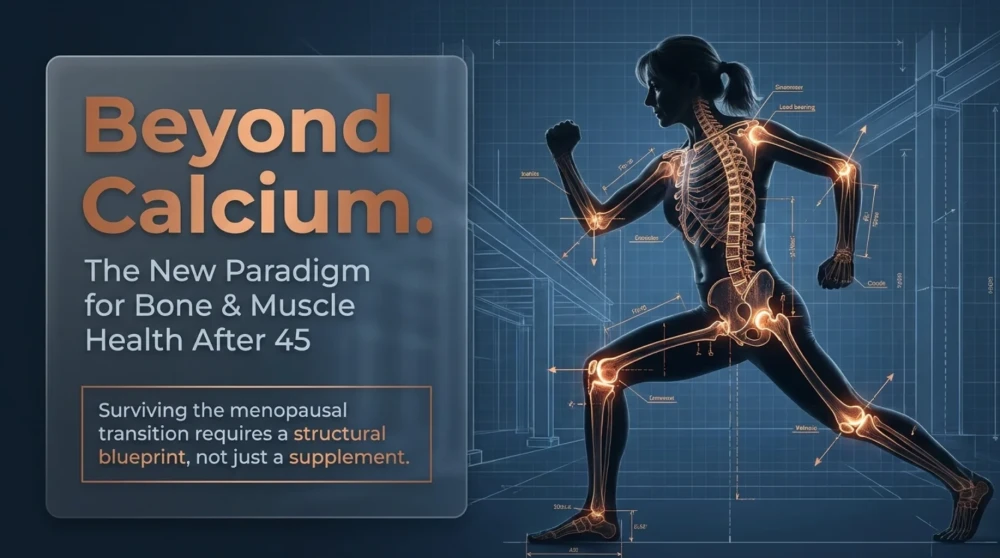
Menopause and Bone Loss: Why Women Need to Think Beyond Calcium After 45
Many women begin thinking seriously about bone health only after experiencing joint discomfort, back pain or an unexpected fracture. Others discover low bone density during a routine health check-up.
However, changes in bone health may begin long before obvious symptoms develop.
During the menopausal transition, declining oestrogen levels can accelerate bone turnover and contribute to loss of bone mineral density. At the same time, age-related changes in muscle mass, physical activity and nutritional intake may influence strength, balance and physical function.
These changes explain why menopause and bone loss should not be approached as a calcium deficiency problem alone.
Calcium and vitamin D are important for skeletal health, but they are only part of the picture.
Muscles provide the forces that stimulate bones during movement. Adequate dietary protein supports muscle maintenance and repair. Resistance exercise helps preserve strength, while balance training may reduce the likelihood of falls.
For women approaching or passing through menopause, these factors become increasingly relevant.
However, it is important to avoid oversimplification. Strength training and protein do not eliminate osteoporosis risk, and they do not replace appropriate medical treatment when osteoporosis is diagnosed.
Instead, they form part of a comprehensive strategy that includes nutrition, physical activity, fracture-risk assessment and medical care when indicated.
The important question after 45 is not simply whether you are getting enough calcium, but whether your bones, muscles and overall health are receiving the support they need.
What Happens to Bones During Menopause?
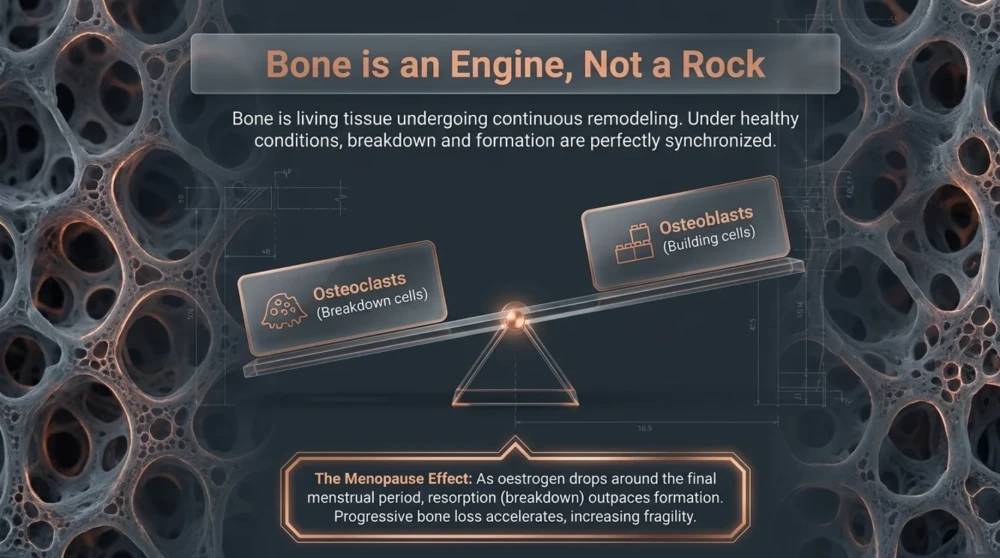
Bone is living tissue that undergoes continuous remodelling throughout life.
During this process, specialised cells called osteoclasts break down existing bone, while osteoblasts help form new bone.
Under healthy conditions, these processes are coordinated to maintain skeletal integrity.
Oestrogen plays an important role in regulating bone remodelling.
As oestrogen levels decline during menopause, bone resorption can increase relative to bone formation.
This imbalance may accelerate bone loss, particularly during the years surrounding the final menstrual period.
However, the rate of bone loss differs between individuals.
Genetics, body composition, physical activity, nutritional status, smoking, medications and other medical conditions can influence skeletal health.
Therefore, not every woman experiences the same degree of bone loss after menopause.
Why Does Bone Loss Often Accelerate Around Menopause?
Bone mineral density generally changes across the lifespan.
Peak bone mass is typically achieved during early adulthood, after which bone remodelling continues.
In women, the menopausal transition introduces an additional period of accelerated bone loss associated with declining oestrogen.
Some longitudinal studies have documented substantial differences in bone-loss rates before, during and after the menopausal transition.
However, individual rates vary, and a single percentage cannot accurately describe every woman's experience.
The clinical concern is that progressive bone loss may eventually increase fracture risk, particularly when combined with other risk factors.
Importantly, bone strength depends on more than bone mineral density alone.
Bone architecture, previous fractures, age, falls and other clinical factors also contribute to fracture risk.
Does Menopause Automatically Cause Osteoporosis?
No.
Menopause increases the risk of bone loss, but it does not mean that every woman will develop osteoporosis.
Osteoporosis is a skeletal disorder associated with compromised bone strength and increased susceptibility to fracture.
Diagnosis may involve bone mineral density testing, particularly dual-energy X-ray absorptiometry (DXA), and clinical assessment of fracture risk.
Some patients may be diagnosed with osteoporosis because of a fragility fracture even when bone-density findings require further interpretation.
Therefore, menopause should be understood as an important risk factor rather than an automatic diagnosis.
Osteopenia vs Osteoporosis: What Is the Difference?
Bone mineral density testing may identify low bone mass before osteoporosis is present.
In postmenopausal women and men aged 50 years or older, DXA T-scores are commonly used to classify bone density.
However, these categories do not capture every aspect of fracture risk.
| Bone Density Category | DXA T-Score | Clinical Interpretation |
|---|---|---|
| Normal bone density | −1.0 or above | Bone density is within the conventional normal range |
| Low bone mass (osteopenia) | Between −1.0 and −2.5 | Bone density is reduced, but fracture risk depends on additional factors |
| Osteoporosis | −2.5 or below | Consistent with osteoporosis when applied to appropriate patients and measurement sites |
These thresholds are generally applied to postmenopausal women and men aged 50 or older, using appropriate DXA sites and reference standards.
For younger adults and premenopausal women, interpretation differs and may involve Z-scores rather than routine use of these T-score categories.
Why Bone Density Alone Does Not Tell the Whole Story
Two women with similar bone mineral density may have different fracture risks.
One may have a history of falls, poor balance and reduced muscle strength.
The other may have better physical function and fewer clinical risk factors.
Although their DXA results are similar, their overall risk profiles may differ.
Factors such as previous fragility fractures, age, parental hip fracture history, glucocorticoid use and certain medical conditions may influence fracture risk.
Therefore, bone health assessment should consider the person rather than only the T-score.
Why Muscle Health Becomes Important During Menopause
Muscle and bone are functionally connected.
Muscles generate forces that act on bones during walking, lifting and other movements.
These mechanical forces contribute to the regulation of bone remodelling.
Muscle strength also supports balance, mobility and the ability to recover from minor disturbances that might otherwise result in a fall.
Age-related muscle changes can occur in both men and women, but the menopausal transition may coincide with changes in body composition and physical function.
However, menopause is not the only cause of muscle loss.
Physical inactivity, inadequate nutrition, illness and ageing itself also contribute.
This is why resistance exercise and adequate protein intake deserve attention alongside bone-focused nutrition.
Reason 1: Strength Training Provides Mechanical Stimulus to Bones
Bones respond to mechanical loading.
When muscles contract during resistance exercise, they exert forces on the skeleton.
Appropriately prescribed loading can help maintain or improve bone-related outcomes, depending on exercise type, intensity, duration and baseline health.
Resistance training is therefore different from simply taking calcium supplements.
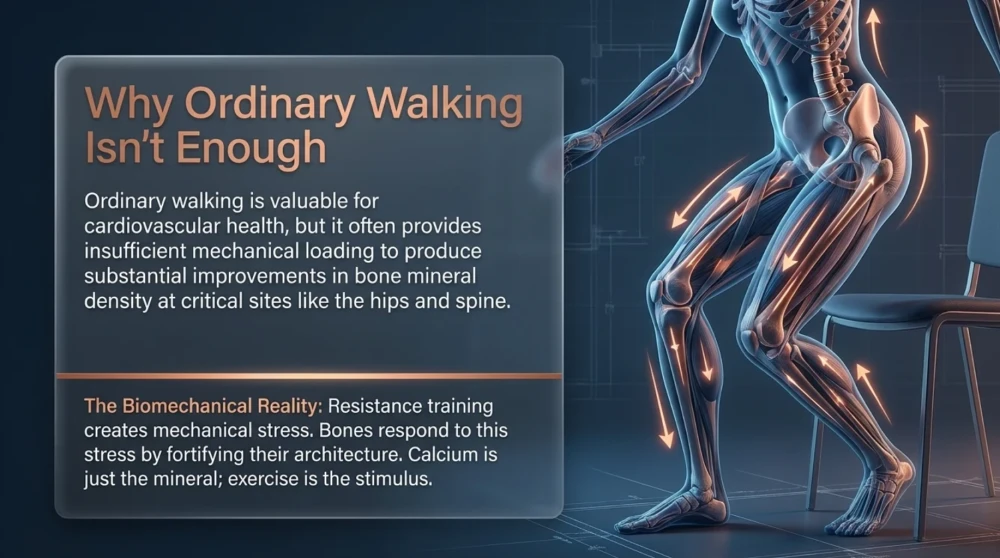
Calcium provides a mineral needed for bone structure, while exercise provides a mechanical stimulus.
Both may be relevant, but they act through different mechanisms.
Does Walking Provide Enough Stimulus to Prevent Bone Loss?
Walking is valuable for cardiovascular health, mobility and general physical activity.
However, ordinary walking may provide insufficient loading stimulus to produce substantial improvements in bone mineral density at certain skeletal sites.
Resistance training and appropriately selected weight-bearing activities may provide additional benefits.
Nevertheless, patients with established osteoporosis, vertebral fractures or significant physical limitations require individualised exercise advice.
High-impact exercise is not appropriate for everyone.
Reason 2: Muscle Strength Helps Reduce Fall-Related Fracture Risk
Many fractures occur after falls.
Therefore, fracture prevention involves more than preserving bone mineral density.
Muscle strength, balance, coordination, vision and environmental safety all contribute to fall risk.
Progressive resistance training can improve muscle strength, while balance-focused exercise can help reduce falls in appropriate populations.
However, resistance training alone should not be assumed to eliminate fall risk.
Older adults and patients with mobility limitations may require a combined programme addressing strength, balance and functional movement.
Why Are Hip Fractures Particularly Important?
Hip fractures can have major consequences for mobility, independence and overall health, especially in older adults.
Recovery may involve surgery, rehabilitation and prolonged assistance with daily activities.
Therefore, preventing falls and maintaining muscle function are important components of healthy ageing.
However, patients at high fracture risk may also require osteoporosis medication.
Reason 3: Adequate Protein Supports Muscle Maintenance and Recovery
Protein supplies amino acids needed for muscle protein synthesis and the maintenance of other body tissues.
As people age, maintaining muscle mass may become more challenging because of changes in physical activity, illness and physiological responses to nutrition.
Resistance exercise provides a stimulus for muscle adaptation, while adequate protein intake supports the body's ability to respond.
For women after 45, this combination may be particularly relevant when physical activity has declined or dietary protein intake is low.
However, protein alone does not prevent osteoporosis.
Its contribution to skeletal health is partly related to maintaining muscle function and supporting overall nutritional adequacy.
The appropriate protein intake depends on body weight, activity level, nutritional status, kidney function and other medical circumstances.
Why Protein Intake May Be Inadequate in Some Indian Women
Some women consume diets that provide adequate calories but relatively little protein.
For example, meals consisting mainly of tea, biscuits, refined cereals and small portions of dal may provide less protein than expected.
This does not mean that vegetarian diets are inherently inadequate.
Well-planned vegetarian diets can provide sufficient protein through foods such as pulses, dairy products, soy foods and other suitable sources.
The main issue is whether total daily intake meets individual requirements.
Protein needs should be evaluated alongside overall dietary quality rather than assuming that one particular food is necessary.
How Much Protein Does a Woman Need After 45?
The standard adult protein recommended dietary allowance is commonly expressed as approximately 0.8 g/kg/day in several international reference systems.
However, some expert groups recommend higher intakes for healthy older adults, particularly when the objective is to preserve muscle mass and function.
For example, approximately 1.0–1.2 g/kg/day is often discussed for healthy older adults, while physically active individuals may require different amounts.
However, these recommendations are not universal prescriptions for every woman over 45.
Women with chronic kidney disease, significant liver disease, frailty or other medical conditions may require individualised dietary advice.
Furthermore, protein requirements should be considered alongside resistance exercise and total energy intake.
Why Protein Quality and Meal Distribution May Matter
Protein quality depends partly on amino acid composition and digestibility.
Foods such as milk, curd, paneer, eggs, fish, poultry and soy products can provide useful protein.
Pulses, legumes, grains, nuts and seeds also contribute to daily protein intake.
Combining different protein sources across the day can help improve nutritional adequacy.
Some studies suggest that distributing protein across meals may support muscle protein synthesis, particularly when combined with resistance exercise.
However, the clinical importance of a specific distribution pattern remains less certain than the importance of obtaining sufficient total daily protein.
Therefore, patients should first ensure adequate total protein intake before focusing on complicated meal-timing rules.
Protein Supplements vs Food: Which Is Better After Menopause?
Protein supplements may be useful when adequate intake cannot be achieved conveniently through regular food.
However, they are not mandatory for every woman after menopause.
Whole foods provide additional nutrients and may be more appropriate for many patients.
Protein powders also vary in composition, quality and suitability.
Patients should avoid assuming that supplements are automatically safer or more effective than food.
For individuals with medical conditions or multiple medications, supplement use should be reviewed with a clinician.
Why Calcium Alone Is Not Enough for Bone Health
Calcium is an essential mineral for bone structure and several physiological functions.
Vitamin D supports calcium absorption and bone mineral metabolism.
However, bone health also depends on mechanical loading, muscle function, hormonal status and other nutritional factors.
Taking calcium without addressing physical inactivity, inadequate protein intake or high fracture risk may leave important aspects of skeletal health untreated.
Furthermore, unnecessary supplementation can create problems in some patients.
Calcium and vitamin D supplements should therefore be used according to dietary intake, clinical risk and appropriate medical guidance.
Does Every Woman After 45 Need Calcium and Vitamin D Supplements?
No.
Supplement requirements depend on dietary calcium intake, vitamin D status, fracture risk and other clinical circumstances.
Some women can obtain sufficient calcium through food, while others may require supplementation.
Vitamin D supplementation may be appropriate in selected patients, particularly when deficiency or other indications are present.
However, routine high-dose supplementation without a clear indication is not advisable.
Patients with kidney disease, recurrent kidney stones or disorders of calcium metabolism require particular caution.
Reason 4: Strength Training Helps Counter Age-Related Muscle Loss
One of the less visible changes associated with ageing is the gradual reduction in skeletal muscle mass, strength and physical performance.
This process can become clinically important when muscle strength and function decline sufficiently to affect everyday activities.
The term sarcopenia is used to describe a progressive skeletal muscle disorder associated with an increased risk of falls, fractures, physical disability and other adverse outcomes.
However, sarcopenia should not be diagnosed simply because a woman has reached menopause or notices that her muscles appear smaller.
Formal assessment considers muscle strength, muscle quantity or quality and, in some diagnostic frameworks, physical performance.
For women over 45, maintaining muscle strength becomes increasingly relevant because ageing, physical inactivity, inadequate nutrition and hormonal changes may interact.
Resistance training is one of the most effective non-pharmacological strategies for improving muscle strength in middle-aged and older adults.
However, the magnitude of improvement depends on baseline fitness, exercise intensity, programme progression, nutritional adequacy and individual health status.
What Is Sarcopenia and How Is It Different From Osteoporosis?
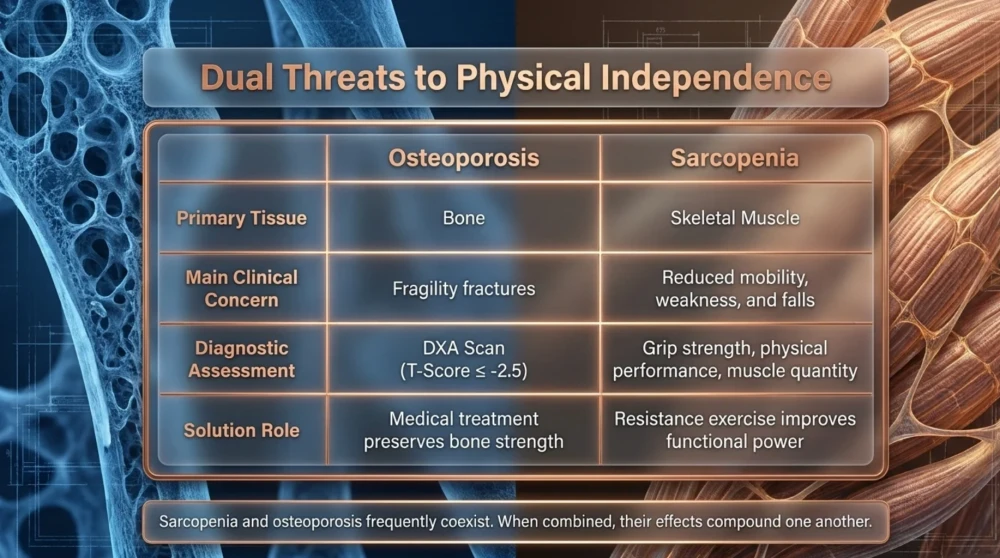
Sarcopenia and osteoporosis affect different tissues, although they frequently coexist in older adults.
Osteoporosis involves reduced bone strength and increased susceptibility to fracture.
Sarcopenia involves impaired skeletal muscle health, particularly reduced muscle strength and associated changes in muscle quantity or quality.
Both conditions may contribute to reduced mobility and increased fracture risk.
For example, a woman with osteoporosis may have fragile bones, while sarcopenia may increase her likelihood of falling because of reduced strength and physical function.
When both conditions are present, their effects may compound one another.
Osteoporosis vs Sarcopenia: Understanding the Difference
| Feature | Osteoporosis | Sarcopenia |
|---|---|---|
| Primary tissue affected | Bone | Skeletal muscle |
| Main clinical concern | Fragility fractures | Reduced strength, mobility and physical function |
| Assessment | DXA, fracture history and clinical risk factors | Muscle strength, quantity or quality and physical performance |
| Role of resistance exercise | May help preserve or improve bone-related outcomes | Improves muscle strength and function |
| Role of protein | Supports nutritional adequacy and musculoskeletal health | Provides amino acids needed for muscle maintenance and adaptation |
Neither condition should be diagnosed from appearance alone.
Why Muscle Strength May Matter More Than Muscle Size
Muscle mass and muscle strength are related, but they are not identical.
Some individuals experience a decline in strength that is greater than the reduction in measured muscle mass.
Changes in muscle quality, neuromuscular function and physical activity may contribute.
Therefore, measuring muscle size alone does not fully describe physical capability.
Functional assessments, such as grip strength or the ability to rise from a chair, may provide useful information in appropriate clinical settings.
For women after menopause, the objective should not simply be to develop visibly larger muscles.
It should be to maintain sufficient strength for daily activities, mobility and long-term independence.
Reason 5: Resistance Training Can Improve Body Composition During Midlife
Many women notice changes in body composition during their forties and fifties.
These may include increased abdominal fat, reduced muscle mass or changes in how body weight is distributed.
However, these changes cannot be attributed entirely to menopause.
Ageing, physical activity, dietary intake, sleep, medications and other factors also contribute.
Resistance training can help preserve or increase lean muscle mass and improve strength.
When combined with appropriate nutrition and other physical activity, it may support healthier body composition.
However, resistance training does not guarantee weight loss.
Some women may gain muscle while losing fat, resulting in relatively little change on the weighing scale.
Therefore, body weight alone may not reflect all the benefits of exercise.
Why the Weighing Scale Can Be Misleading After 45
Body weight represents several components, including fat mass, lean tissue, bone and body water.
A woman may maintain the same weight while experiencing changes in muscle and fat distribution.
For example, reduced physical activity may contribute to loss of muscle and increased adiposity even without substantial weight gain.
Conversely, resistance training may improve strength and body composition without producing rapid changes in total body weight.
Therefore, weight should be interpreted alongside waist circumference, physical function, metabolic health and other relevant measurements.
Body composition devices may provide additional estimates, but their accuracy varies and results should not be overinterpreted.
Can Strength Training Reduce Abdominal Fat After Menopause?
Resistance exercise may contribute to improvements in body composition, including reductions in fat mass in some individuals.
However, it does not selectively remove fat from one body region.
Abdominal fat distribution is influenced by several factors, including age, hormonal changes, genetics and overall energy balance.
A combination of resistance exercise, aerobic activity and appropriate dietary management may be useful when reducing excess adiposity is a clinical goal.
Nevertheless, women should not be encouraged to pursue aggressive weight loss without considering muscle and bone health.
Reason 6: Muscle Health Supports Glucose Regulation and Metabolic Health
Skeletal muscle plays an important role in glucose metabolism.
It is a major site of insulin-stimulated glucose uptake after meals.
Regular physical activity and resistance exercise can improve several aspects of glucose regulation and insulin sensitivity.
These benefits may be particularly relevant for women with prediabetes, type 2 diabetes or other metabolic risk factors.
However, strength training should not be presented as a guaranteed treatment for insulin resistance or diabetes.
Its effects depend on exercise characteristics, baseline metabolic health and other interventions.
For patients with diabetes, resistance exercise complements appropriate nutrition, aerobic activity and prescribed medical treatment.
Menopause, Insulin Resistance and Muscle Loss: Is There a Connection?
The menopausal transition may coincide with changes in fat distribution and metabolic risk.
Some women experience an increase in central adiposity, which may contribute to insulin resistance.
At the same time, reduced physical activity and age-related changes in muscle can influence glucose regulation.
However, menopause itself does not automatically cause diabetes.
Genetics, body composition, dietary intake, physical activity and other factors remain important.
Maintaining muscle strength through resistance exercise may help support metabolic health as women age.
Why Women With Prediabetes Should Not Focus Only on Walking
Walking is beneficial and should remain an important component of physical activity for many patients.
However, resistance training offers additional benefits by improving muscle strength and supporting lean tissue.
For women with prediabetes, combining aerobic and resistance exercise may be useful.
Nevertheless, the exercise programme should be adapted to baseline fitness, joint health, cardiovascular risk and personal preferences.
Patients do not necessarily need a gym membership to begin resistance training.
Body-weight movements, resistance bands and appropriately selected household equipment may be useful starting options.
Reason 7: Protein and Strength Training Help Preserve Functional Independence
One of the most important goals of healthy ageing is maintaining the ability to perform everyday activities independently.
These activities include climbing stairs, carrying groceries, rising from a chair, lifting objects and walking safely.
Such tasks require muscle strength, balance and coordination.
Age-related reductions in physical capacity can make these activities more difficult.
Resistance training can improve functional strength, while adequate protein supports muscle maintenance and adaptation.
However, the benefits depend on the programme and the individual's baseline health.
Women with established mobility limitations may require supervised rehabilitation or physiotherapy.
Why Chair-Rise Ability Is an Important Functional Indicator
Rising from a chair requires coordinated activity of several muscle groups, particularly those of the lower limbs.
Difficulty performing this movement may reflect reduced strength, joint disease, balance problems or other limitations.
Functional tests involving repeated chair rises are used in some clinical assessments of physical performance.
However, difficulty standing from a chair is not specific for sarcopenia.
It may also occur because of knee osteoarthritis, neurological conditions, pain or other medical problems.
Therefore, persistent functional difficulty should be evaluated appropriately.
Reason 8: Stronger Muscles Support Long-Term Bone Protection
Bone and muscle interact throughout life.
Muscle contractions generate mechanical forces that influence bone remodelling.
Muscle strength also supports movement and balance, helping reduce some circumstances that lead to falls.
Therefore, maintaining muscle health may support skeletal health through more than one pathway.
However, stronger muscles do not guarantee that bone density will remain normal.
Women with significant osteoporosis may still require medication to reduce fracture risk.
Resistance exercise and adequate protein should therefore be viewed as important components of comprehensive musculoskeletal care rather than replacements for osteoporosis treatment.
Why Bone and Muscle Should Be Assessed Together After Menopause
Traditional bone-health discussions often focus on calcium, vitamin D and bone mineral density.
However, fracture risk also depends on physical function and the likelihood of falling.
For example, a woman with low bone density and poor balance may face different risks from someone with similar bone density but better functional strength.
Therefore, clinical assessment may include questions about falls, walking ability, muscle weakness and physical activity.
When appropriate, functional testing and referral for supervised exercise may be useful.
All 8 Reasons Strength Training and Protein Matter After 45
| Reason | Main Benefit | Important Limitation |
|---|---|---|
| 1. Mechanical loading | Provides stimulus to bones | Effects depend on exercise type and intensity |
| 2. Fall prevention | Improves strength and supports balance | Balance-specific training may also be needed |
| 3. Muscle maintenance | Protein supports muscle repair and adaptation | Protein alone does not prevent osteoporosis |
| 4. Sarcopenia prevention | Helps preserve strength and physical function | Requires progressive and appropriate exercise |
| 5. Body composition | Supports lean mass and healthier body composition | Does not guarantee weight loss |
| 6. Metabolic health | Supports glucose regulation and insulin sensitivity | Does not replace diabetes treatment |
| 7. Functional independence | Supports everyday movement and mobility | Some patients need supervised rehabilitation |
| 8. Muscle-bone interaction | Supports skeletal loading and movement | Cannot replace indicated osteoporosis medication |
What Type of Strength Training Is Suitable After 45?
Resistance training can involve free weights, machines, resistance bands or body-weight exercises.
The appropriate method depends on fitness level, previous exercise experience, joint health and fracture risk.
For a healthy beginner, exercises targeting major muscle groups may be introduced gradually.
These may include movements involving the legs, hips, back, chest, shoulders and arms.
However, patients with osteoporosis, previous vertebral fractures or significant balance limitations may require modifications.
Exercises involving loaded spinal flexion, twisting or uncontrolled impact may be inappropriate for some high-risk individuals.
Therefore, exercise selection should reflect individual safety considerations.
How Often Should Women Perform Strength Training?
General physical activity guidelines recommend muscle-strengthening activities involving major muscle groups on at least two days per week.
However, the optimal programme for an individual depends on training experience, recovery, goals and medical conditions.
For beginners, two or three non-consecutive resistance-training sessions per week may be a practical starting point.
Progression should be gradual and based on tolerance.
Patients with significant osteoporosis or other medical conditions may benefit from supervised exercise planning.
Can Women Begin Strength Training at 50 or 60?
Yes.
Resistance training can improve strength and physical function even when started later in life.
However, age alone does not determine which exercises are safe or appropriate.
Baseline fitness, fracture history, cardiovascular health, joint disease and other factors should be considered.
For women who have been inactive for several years, beginning with simple movements and gradually increasing resistance may be more appropriate than immediately attempting heavy lifting.
Does Strength Training Have to Be Heavy to Improve Bone Density?
Bone adaptation depends partly on the magnitude and characteristics of mechanical loading.
Some supervised programmes using progressive resistance and impact training have demonstrated improvements in bone-related outcomes in selected postmenopausal populations.
However, this does not mean that every woman should begin heavy lifting.
Higher-intensity programmes require appropriate technique, progression and risk assessment.
Women with vertebral fractures, severe osteoporosis or other limitations may require a modified programme.
The safest and most effective approach is one that matches the individual's capacity and clinical risk.
Why Exercise Technique Matters More Than Copying Online Workouts
Online exercise videos may provide useful ideas, but they cannot assess an individual's fracture risk, balance or movement limitations.
For example, an exercise that is appropriate for a healthy 48-year-old woman may not be suitable for someone with previous vertebral compression fractures.
Incorrect technique, excessive loading or sudden progression may increase injury risk.
Therefore, women with osteoporosis or other significant musculoskeletal conditions should consider professional exercise guidance.
Protein and Resistance Training: Why the Combination Matters
Resistance exercise stimulates muscle adaptation.
Dietary protein provides amino acids that support muscle protein synthesis and repair.
When protein intake is inadequate, the body's response to exercise may be limited.
However, consuming large amounts of protein without appropriate physical activity does not guarantee improved muscle strength.
Similarly, exercise without sufficient nutrition may compromise recovery.
Therefore, a combined approach is generally more useful than focusing exclusively on protein or exercise.
How Much Protein Is Appropriate for an Active Woman After Menopause?
Protein requirements vary according to age, activity level, body composition, nutritional status and medical conditions.
Some expert recommendations for healthy older adults suggest approximately 1.0–1.2 g/kg/day, while higher intakes may be considered in selected physically active individuals.
However, these figures should not be applied automatically to every woman over 45.
Women with chronic kidney disease or other medical conditions may require a different approach.
Patients with obesity may also require an appropriate method for calculating protein targets rather than simply multiplying current body weight without clinical consideration.
Illustrative Daily Protein Requirements
| Body Weight | At 0.8 g/kg/day | At 1.0 g/kg/day | At 1.2 g/kg/day |
|---|---|---|---|
| 50 kg | 40 g | 50 g | 60 g |
| 60 kg | 48 g | 60 g | 72 g |
| 70 kg | 56 g | 70 g | 84 g |
| 80 kg | 64 g | 80 g | 96 g |
These calculations are illustrative and do not represent individual prescriptions.
Protein targets should be adjusted according to medical conditions, nutritional assessment and the body-weight measure appropriate to the patient.
Should Protein Be Taken Immediately After Exercise?
Protein intake after resistance exercise may support muscle recovery and adaptation.
However, the idea that protein must be consumed within a very narrow time window is often overstated.
Total daily protein intake and regular resistance exercise are generally more important than rigid timing rules for most recreationally active adults.
Distributing protein across meals may be practical, particularly when breakfast and lunch contain very little protein.
However, there is no single meal distribution pattern that has been proven optimal for every postmenopausal woman.
Can Excess Protein Harm the Kidneys?
Protein requirements and safety depend on kidney function and overall health.
In healthy adults, protein intakes within commonly recommended ranges for active individuals are generally well tolerated.
However, patients with chronic kidney disease may require individualised protein targets.
Very high protein intake should not be recommended indiscriminately.
Women with diabetes, hypertension or known kidney disease may benefit from kidney function assessment before making substantial dietary changes.
Menopause and Bone Loss: How Can Women Protect Their Bones After 45?
Understanding the relationship between menopause and bone loss is important, but knowledge becomes useful only when it translates into realistic daily habits.
Many women are advised to take calcium supplements after menopause. Others are encouraged to walk regularly or increase their protein intake.
Although these recommendations may be helpful in appropriate circumstances, bone health requires a more comprehensive approach.
Bone mineral density, muscle strength, balance, nutritional adequacy and fracture risk are closely connected.
Therefore, protecting bone health after 45 should involve more than choosing a calcium supplement or following a generic exercise video.
The most useful strategy combines appropriate physical activity, adequate nutrition, identification of osteoporosis risk factors and medical treatment when indicated.
Importantly, women with established osteoporosis, previous fragility fractures or significant medical conditions may require a different approach from otherwise healthy women.
The goal is not simply to prevent a decline in bone density. It is to maintain strength, mobility and independence while reducing the risk of fractures.
How Should Women Begin Strength Training After Menopause?
Women who have never performed resistance exercise may feel uncertain about where to begin.
Some believe that strength training requires heavy gym equipment, while others worry that lifting weights may damage their joints or bones.
However, resistance exercise can be adapted to different levels of physical ability.
For a healthy beginner, training may begin with controlled movements using body weight, resistance bands or light external resistance.
The programme should target major muscle groups and gradually progress as strength and confidence improve.
However, women with known osteoporosis, vertebral fractures, recurrent falls or significant balance problems should obtain individualised guidance before starting exercises involving spinal loading or impact.
A Beginner-Friendly Strength Training Plan for Women After 45
The following programme is an illustrative starting framework for generally healthy women without known high fracture risk or major exercise limitations.
It is not a personalised rehabilitation prescription.
| Exercise | Starting Approach | Main Purpose | Safety Consideration |
|---|---|---|---|
| Chair sit-to-stand | 1–2 sets of 8–12 repetitions | Lower-body strength and functional mobility | Use a stable chair and assistance if needed |
| Wall push-ups | 1–2 sets of 8–12 repetitions | Upper-body strength | Maintain controlled movement |
| Resistance-band rows | 1–2 sets of 8–12 repetitions | Back and upper-body strength | Use secure band anchoring and appropriate resistance |
| Supported heel raises | 1–2 sets of 10–15 repetitions | Calf strength and lower-limb function | Hold stable support |
| Standing hip abduction | 1–2 sets of 8–12 repetitions per side | Hip muscle strength | Avoid uncontrolled movements |
| Supported balance practice | Short supervised or supported intervals | Balance and coordination | Avoid unsupported balance challenges if fall risk is present |
These repetitions are examples rather than mandatory targets.
Women who are very deconditioned may need fewer repetitions, while others may require more challenging exercises to achieve meaningful training adaptations.
Progression should be gradual and based on tolerance, technique and individual goals.
How Many Days Per Week Should Women Exercise?
General physical activity guidelines recommend at least 150 minutes of moderate-intensity aerobic activity per week for adults, alongside muscle-strengthening activities involving major muscle groups on at least two days weekly.
However, these are general public-health recommendations.
Women with osteoporosis, significant cardiovascular disease, mobility limitations or other medical conditions may require modifications.
For older adults with poor balance, multicomponent physical activity incorporating balance and strength training may be particularly useful.
A Practical Weekly Exercise Schedule After Menopause
| Day | Suggested Activity | Main Focus |
|---|---|---|
| Monday | Resistance training and short walk | Muscle strength |
| Tuesday | Brisk walking and supported balance exercises | Cardiovascular fitness and balance |
| Wednesday | Resistance training | Progressive muscle loading |
| Thursday | Walking and gentle mobility exercises | Movement and recovery |
| Friday | Resistance training or appropriate alternative | Strength and function |
| Saturday | Walking, cycling or another suitable activity | Aerobic fitness |
| Sunday | Light activity, stretching or recovery | Recovery and consistency |
This schedule is illustrative. Exercise intensity, duration and frequency should be adjusted to individual capacity.
Which Exercises Should Women With Osteoporosis Avoid?
Exercise advice for osteoporosis should be individualised.
Women with vertebral fractures or high fracture risk may need to avoid or modify movements involving repeated, forceful or loaded spinal flexion and twisting.
Uncontrolled impact activities may also be inappropriate for some patients.
However, osteoporosis does not mean that all resistance exercise is unsafe.
Appropriately prescribed strength and balance training may remain beneficial.
Women with established osteoporosis, previous fragility fractures or significant pain should seek guidance from a clinician or physiotherapist experienced in osteoporosis exercise management.
Can Yoga Replace Strength Training for Bone Health?
Yoga may improve flexibility, balance and some aspects of physical function.
However, yoga is not necessarily equivalent to progressive resistance training for developing muscle strength or providing sufficient skeletal loading.
Some yoga postures involving deep spinal flexion or twisting may also require modification in patients with vertebral osteoporosis.
Therefore, yoga may complement an exercise programme but should not automatically replace resistance training.
Why Protein Intake Matters Alongside Strength Training
Resistance exercise provides a stimulus for muscle adaptation.
Dietary protein supplies amino acids needed for muscle protein synthesis and repair.
When protein intake is inadequate, the body's ability to maintain muscle tissue may be compromised.
However, simply increasing protein intake without appropriate physical activity does not guarantee stronger muscles.
Similarly, strength training without adequate nutrition may limit recovery.
Therefore, combining appropriate exercise with sufficient protein intake is generally more useful than focusing exclusively on either intervention.
How Can Indian Women Increase Protein Intake After 45?
Many Indian meals are built around rice, roti or other cereal-based foods.
These foods can be part of a balanced diet, but meals may contain relatively little protein if pulses, dairy, soy foods, eggs or other protein sources are consumed in small quantities.
For example, a breakfast consisting only of tea and biscuits provides relatively little protein.
Replacing it with a meal containing curd, milk, eggs, besan, soy or another suitable protein source may improve nutritional adequacy.
Vegetarian diets can provide sufficient protein when appropriately planned.
The key consideration is total daily protein intake, not whether a person consumes animal foods.
Common Indian Protein Sources
The following values are approximate and vary with brand, preparation method, water content and serving size.
| Food | Approximate Serving | Approximate Protein |
|---|---|---|
| Milk | 250 mL | 8 g |
| Plain curd | 200 g | 7–9 g |
| Paneer | 100 g | 15–20 g |
| Firm tofu | 100 g | 8–15 g |
| Cooked dal | 1 medium bowl, approximately 150 g | 7–12 g |
| Cooked chickpeas | 100 g | 8–9 g |
| Egg | 1 large egg | 6–7 g |
| Cooked chicken breast | 100 g | Approximately 30 g |
| Cooked fish | 100 g | Approximately 20–25 g |
Protein values are estimates, not precise laboratory measurements.
Patients with kidney disease, significant liver disease or other medical conditions may require individualised protein targets.
Sample Indian Protein-Rich Meal Pattern for Women After Menopause
The following example demonstrates how protein-containing foods can be distributed across the day.
It is not a personalised diet plan and does not prescribe a specific calorie or protein target.
| Meal | Vegetarian Option | Non-Vegetarian Option |
|---|---|---|
| Breakfast | Besan chilla with curd | Eggs with whole-grain toast and vegetables |
| Mid-morning | Milk or unsweetened soy beverage | Milk or plain curd |
| Lunch | Dal, roti, vegetables and paneer or tofu | Chicken or fish with vegetables and roti |
| Evening | Roasted chana or plain curd | Plain curd or another suitable snack |
| Dinner | Tofu or paneer with vegetables and an appropriate cereal portion | Fish, chicken or eggs with vegetables and an appropriate cereal portion |
Portions should be adjusted according to nutritional requirements, body weight, activity level and medical conditions.
Snacks are optional and should not be added automatically when they are unnecessary.
How Much Calcium Do Women Need After Menopause?
Calcium requirements vary according to age and the reference standards used.
For example, the US National Academies recommend approximately 1,000 mg of calcium daily for women aged 19–50 and 1,200 mg daily for women aged 51 and older.
However, recommendations differ between countries and professional organisations.
Dietary calcium intake should be assessed before prescribing supplements.
Calcium-containing foods may include milk, curd, calcium-set tofu, fortified foods and other suitable dietary sources.
Patients with lactose intolerance or dietary restrictions may require alternative sources.
Supplementation should be based on individual need rather than automatically prescribed to every woman after 45.
What About Vitamin D After Menopause?
Vitamin D supports calcium absorption and bone mineral metabolism.
However, routine high-dose vitamin D supplementation is not appropriate for every healthy adult.
Patients with osteoporosis, malabsorption, certain medical conditions or suspected deficiency may require assessment and treatment.
Vitamin D testing and supplementation should be guided by clinical indications.
Excessive supplementation can cause adverse effects, including hypercalcaemia.
When Should Women Have a Bone Density Test?
DXA is the standard imaging technique used to assess bone mineral density.
Many guidelines recommend routine osteoporosis screening for women aged 65 years and older.
Postmenopausal women younger than 65 may also require screening when clinical risk factors indicate increased fracture risk.
Therefore, not every woman needs a DXA scan immediately at age 45.
However, women with a previous fragility fracture, prolonged glucocorticoid use, early menopause or other significant risk factors may require earlier assessment.
Who May Need Earlier Osteoporosis Evaluation?
Clinical factors that may prompt earlier assessment include previous low-trauma fracture, premature menopause, prolonged glucocorticoid treatment, low body weight and conditions associated with secondary osteoporosis.
Family history of hip fracture, smoking and other risk factors may also contribute.
However, these factors should be considered together rather than used as isolated diagnostic criteria.
What Is FRAX and How Does It Help Assess Fracture Risk?
FRAX is a clinical fracture-risk assessment tool that estimates the 10-year probability of major osteoporotic fracture and hip fracture using selected risk factors.
It may be used with or without femoral neck bone mineral density.
However, FRAX has limitations and may not fully capture factors such as recurrent falls, certain medication exposures or all aspects of fracture risk.
Country-specific models should be used where available, and results should be interpreted within the relevant clinical guidance.
Can Osteoporosis Be Present Without Symptoms?
Yes.
Osteoporosis is often clinically silent until a fragility fracture occurs.
Some vertebral fractures may cause back pain or loss of height, while others may not produce obvious symptoms.
Therefore, waiting for pain is not a reliable strategy for identifying osteoporosis.
Risk-based screening and appropriate clinical assessment are important.
Does Every Woman With Osteoporosis Need Medication?
Medication decisions depend on fracture risk, bone density, previous fractures and other clinical factors.
Patients with a previous hip or vertebral fragility fracture or high fracture risk may require pharmacological treatment.
Available treatments include antiresorptive and bone-forming medications, selected according to clinical circumstances.
Exercise, protein, calcium and vitamin D remain important, but they do not replace indicated osteoporosis medication.
Clinical Example 1: A Woman With Normal Weight but Declining Strength
Consider a hypothetical 49-year-old woman whose body weight has remained stable over several years.
However, she notices increasing difficulty carrying groceries and climbing stairs.
Her diet contains relatively little protein, and she performs no resistance exercise.
Although her weight is unchanged, she may have experienced changes in muscle strength or physical function.
Clinical assessment may help identify contributing factors and determine whether progressive resistance training and nutritional changes are appropriate.
Clinical Example 2: Osteopenia With Low Physical Activity
A hypothetical 57-year-old postmenopausal woman undergoes DXA testing because of clinical risk factors.
Her results show low bone mass rather than osteoporosis.
She is physically inactive and has poor lower-body strength.
Her clinician evaluates fracture risk and discusses appropriate exercise, nutritional adequacy and follow-up.
The management plan is based on overall risk rather than the DXA T-score alone.
Clinical Example 3: Osteoporosis With Previous Vertebral Fracture
A hypothetical 66-year-old woman has osteoporosis and a previous vertebral compression fracture.
She wants to begin strength training after watching online exercise videos.
However, certain movements involving loaded spinal flexion may be inappropriate for her.
She requires individualised exercise guidance and assessment of pharmacological osteoporosis treatment.
This example illustrates why exercise recommendations should be adapted to fracture risk.
Clinical Example 4: Menopause, Prediabetes and Muscle Loss
A hypothetical 54-year-old woman has prediabetes, increased waist circumference and reduced physical activity.
She walks regularly but performs no resistance training.
A combined programme involving appropriate aerobic activity, progressive resistance exercise and nutritional assessment may support metabolic and musculoskeletal health.
However, improvements should be monitored using relevant clinical outcomes rather than assuming that exercise alone will prevent diabetes or osteoporosis.
All clinical examples are hypothetical and intended for education.
Common Myths About Menopause and Bone Loss
Myth 1: Every Woman Develops Osteoporosis After Menopause
False. Menopause increases bone-loss risk, but osteoporosis does not develop in every woman.
Myth 2: Calcium Supplements Alone Prevent Osteoporosis
False. Bone health also depends on physical activity, hormonal status, nutritional adequacy and other factors.
Myth 3: Walking Is Always Enough for Bone Strength
False. Walking is beneficial, but resistance training and other appropriate loading activities may provide additional skeletal and muscular benefits.
Myth 4: Strength Training Is Unsafe for All Women With Osteoporosis
False. Appropriately prescribed resistance exercise may be beneficial, although some movements require modification in patients with high fracture risk.
Myth 5: Protein Supplements Are Mandatory After Menopause
False. Many women can meet their protein needs through regular food.
Myth 6: Normal Body Weight Means Healthy Muscles and Bones
False. Muscle weakness and low bone density can occur even when body weight is normal.
Myth 7: Osteoporosis Always Causes Pain
False. Osteoporosis may remain asymptomatic until a fracture occurs.
Myth 8: Exercise Can Replace Osteoporosis Medication
False. Patients at high fracture risk may require medication in addition to exercise and nutritional management.
Frequently Asked Questions About Menopause and Bone Loss
1. At what age does menopause-related bone loss begin?
Bone loss may accelerate during the menopausal transition, although timing and severity vary between individuals.
2. Can strength training improve bone density after menopause?
Appropriately prescribed resistance and loading exercises may help maintain or improve bone-related outcomes, depending on the programme and individual circumstances.
3. Is walking enough to prevent osteoporosis?
Walking is beneficial but may not provide sufficient skeletal loading at all sites. Additional resistance or appropriate weight-bearing exercise may be useful.
4. How much protein should a woman eat after 50?
Protein needs depend on activity, body composition, nutritional status and medical conditions. Some expert groups suggest approximately 1.0–1.2 g/kg/day for healthy older adults, but individual requirements vary.
5. Can vegetarian women get enough protein?
Yes. Well-planned vegetarian diets can provide sufficient protein through pulses, dairy, soy foods and other appropriate sources.
6. Does menopause cause muscle loss?
Menopause may coincide with changes in body composition and muscle function, but ageing, inactivity, nutrition and other factors also contribute.
7. Can women start lifting weights at 60?
Yes. Resistance exercise can improve strength later in life, but the programme should be adapted to health status and physical capacity.
8. Should every woman over 45 have a DXA scan?
No. Screening depends on age and fracture-risk factors. Routine screening is commonly recommended from age 65, with earlier testing for selected higher-risk women.
9. Is osteopenia the same as osteoporosis?
No. Osteopenia refers to low bone mass that does not meet the conventional DXA threshold for osteoporosis, although fracture risk still requires assessment.
10. Can osteoporosis occur without symptoms?
Yes. Osteoporosis may remain silent until a fragility fracture occurs.
11. Are protein powders necessary after menopause?
No. Supplements may be useful when dietary intake is inadequate, but they are not mandatory for everyone.
12. Can strength training improve insulin resistance?
Resistance exercise can improve glucose regulation and insulin sensitivity in many individuals, but it does not replace indicated diabetes treatment.
13. Is yoga enough for bone health?
Yoga may support balance and mobility but may not provide the same progressive loading stimulus as resistance training.
14. Should women take calcium and vitamin D automatically after menopause?
No. Supplementation should be based on dietary intake, clinical risk and medical indications.
15. Can osteoporosis be reversed through exercise alone?
Exercise can improve strength and may support bone density, but established osteoporosis—particularly in patients at high fracture risk—may require medication and comprehensive care.
What I Explain to Women About Bone and Muscle Health After 45
When women consult me about menopause, weight changes or declining physical strength, I explain that bone health cannot be separated from muscle health.
Declining oestrogen levels can accelerate bone loss, while ageing, reduced physical activity and inadequate nutrition may contribute to reduced muscle strength.
Therefore, I encourage women to consider both bone density and physical function.
For some patients, this means assessing fracture risk and determining whether DXA testing is appropriate.
For others, the priority may be improving physical activity, reviewing protein intake and identifying limitations that make exercise difficult.
Women with osteoporosis or previous fractures may require a supervised exercise programme and appropriate medical treatment.
I also explain that supplements should not replace a balanced diet, regular activity or necessary osteoporosis medication.
The objective is to maintain strength, mobility and independence rather than focusing only on bone density numbers or body weight.
Key Takeaways: Menopause and Bone Loss
- Menopause can accelerate bone loss because of declining oestrogen levels.
- Not every woman develops osteoporosis after menopause.
- Bone health depends on more than calcium intake.
- Resistance training provides mechanical loading and improves muscle strength.
- Muscle strength and balance contribute to fall prevention.
- Adequate protein supports muscle maintenance and recovery.
- Vegetarian diets can provide sufficient protein when appropriately planned.
- Women with osteoporosis may require exercise modifications.
- DXA screening should be guided by age and fracture-risk factors.
- Exercise and nutrition do not replace indicated osteoporosis medication.
Menopause, Bone Health and Lifestyle Consultation in Dwarka, Delhi
If you are experiencing changes in weight, muscle strength or metabolic health during menopause, a medical consultation can help identify relevant risk factors and develop an appropriate lifestyle-management plan.
Dr. Pankaj Kumar, General & Lifestyle Physician, provides consultations for metabolic health, weight management, diabetes and lifestyle-related conditions in Dwarka, New Delhi.
Assessment may include reviewing nutritional intake, physical activity, metabolic risk factors and the need for further evaluation or specialist referral.
Clinic: Dr. Pankaj Kumar Medical & Lifestyle Clinic, Dwarka, New Delhi.
Scientific References and Clinical Guidelines
- US Preventive Services Task Force. Screening for Osteoporosis to Prevent Fractures: US Preventive Services Task Force Recommendation Statement. JAMA. 2025. USPSTF Osteoporosis Screening Recommendation.
- Gregson CL, Armstrong DJ, Bowden J, et al. UK Clinical Guideline for the Prevention and Treatment of Osteoporosis. Archives of Osteoporosis. 2022;17:58. DOI: 10.1007/s11657-022-01061-5.
- International Osteoporosis Foundation. Exercise and Bone Health. International Osteoporosis Foundation.
- World Health Organization. WHO Guidelines on Physical Activity and Sedentary Behaviour. 2020. WHO Physical Activity Guidelines.
- International Society for Clinical Densitometry. Official Positions. ISCD Official Positions.
- Kanis JA, Harvey NC, McCloskey E, et al. Algorithm for the Management of Patients at Low, High and Very High Risk of Osteoporotic Fractures. Osteoporosis International. 2020;31:1–12. DOI: 10.1007/s00198-019-05176-3.
- Deutz NEP, Bauer JM, Barazzoni R, et al. Protein Intake and Exercise for Optimal Muscle Function With Aging: Recommendations From the ESPEN Expert Group. Clinical Nutrition. 2014;33(6):929–936. DOI: 10.1016/j.clnu.2014.04.007.
- National Institutes of Health Office of Dietary Supplements. Calcium: Fact Sheet for Health Professionals. NIH Calcium Fact Sheet.
- National Institutes of Health Office of Dietary Supplements. Vitamin D: Fact Sheet for Health Professionals. NIH Vitamin D Fact Sheet.
Medical disclaimer: This article is intended for general health education and does not replace individual medical advice. Women with osteoporosis, previous fragility fractures, significant medical conditions or exercise limitations should seek appropriate clinical guidance before beginning high-intensity resistance training or making substantial dietary changes. Calcium, vitamin D and protein supplements should be used according to individual needs. Patients at high fracture risk may require osteoporosis medication in addition to lifestyle measures.
Written by Dr. Pankaj Kumar , General & Lifestyle Physician, Dwarka, New Delhi