












- 27th November 2025
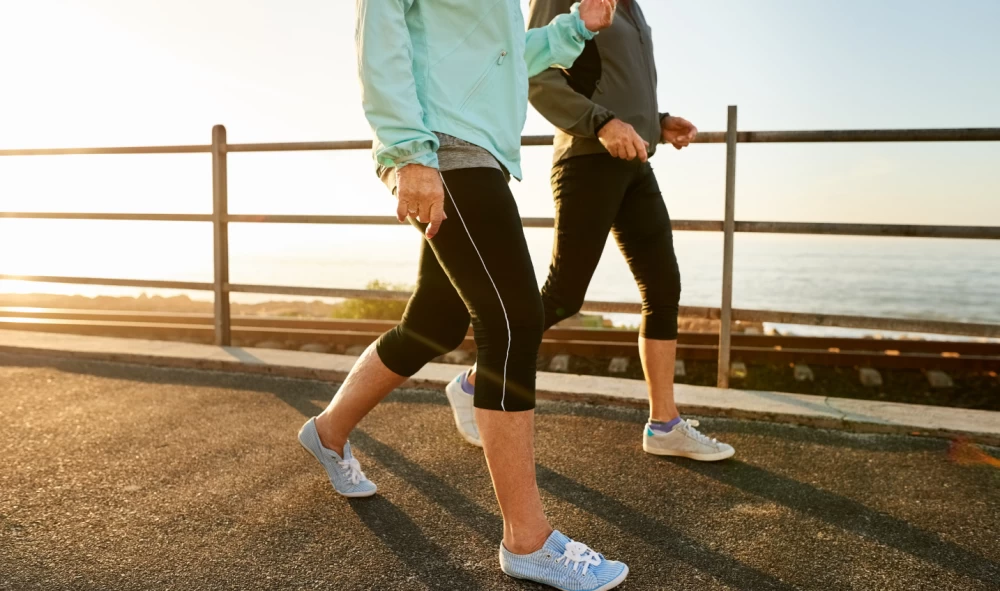
In the last few years, I have noticed a quiet shift in many of my patients in Delhi–NCR. Earlier, people used to proudly say “Doctor, I walk 5,000–10,000 steps in the evening.” Now more and more of them say something different: “Doctor, I walk for 10–15 minutes after each meal.” This sounds like a very small change, but metabolically it can be a game changer.
Walking after meals is not a new concept. Our parents and grandparents often said, “Khane ke baad halka sa walk kar lo” – but we never looked at it as a serious metabolic tool. Today, with rising diabetes, fatty liver, belly fat, and acid reflux in urban India, this old habit is getting a new scientific backing and a new name: post-meal or postprandial walking.
In this article, I want to explain, in simple language, why a short walk after meals is becoming a genuine metabolic trend – not a fad. If you live in Delhi–NCR, with long sitting hours, late dinners, and high stress, this one habit can help your blood sugar, digestion, acidity, sleep, and even weight control, provided it is done correctly.
A) Why Is “Walking After Meals” Suddenly So Popular?
When I ask my patients why they started walking after meals, the answers are very similar:
- “I saw a reel where a doctor said 10 minutes after meals helps sugar.”
- “My friend’s sugar reading improved when he started walking after dinner.”
- “I feel less heaviness and acidity if I walk a bit after lunch.”
- “My smart watch shows lower post-meal spikes when I walk.”
So what has changed? A few important things:
- Continuous glucose monitors (CGMs) have shown people how sharply blood sugar spikes after meals – and how a short walk can flatten that spike.
- Work-from-home and long sitting hours have made us realise that one evening walk cannot undo 10–12 hours of sitting.
- Research on post-meal movement shows better glucose control, especially in people with insulin resistance, fatty liver, and type 2 diabetes.
- People want realistic habits: 10–15 minutes after each meal feels more doable than “go to gym 1 hour daily”.
In a city like Delhi, where meals are often heavy, dinners are late, and office work is mostly sitting, this habit fits beautifully into real life – if we respect some basic rules.
B) What Happens Inside Your Body When You Walk After Eating?
Think of your meal as fuel entering the bloodstream. If you eat and then immediately sit or lie down, that fuel (especially from refined carbs and sugars) enters the blood quickly and your body has to release more insulin to push it into cells. Over years, this repeated pattern can worsen insulin resistance, fatty liver, and weight gain.
A short, light walk after meals changes this picture in three main ways:
- Muscles act like sponges for glucose. When you walk, your leg muscles start using glucose from the bloodstream for energy. This helps lower the post-meal sugar spike.
- Insulin works more efficiently. Gentle movement improves insulin sensitivity in the short term, meaning your body needs less insulin to manage the same meal.
- Digestion and gastric emptying are better regulated. A light walk can reduce the feeling of heaviness, bloating, and some people also notice less acidity after meals.
This is why many patients with diabetes or prediabetes notice that their post-meal sugar readings look better when they walk for even 10–15 minutes soon after eating, compared to doing nothing or walking only once in the evening.
C) How Long and How Fast Should You Walk After Meals?
Many people either underdo or overdo this habit. Some think 2–3 minutes is enough; others try to do a full intense workout right after food and then feel uncomfortable. The sweet spot for most adults is actually quite simple.
1) Duration
- Target around 10–15 minutes of gentle walking after your main meals (especially lunch and dinner).
- If you cannot do 15 minutes in one go, even 5–10 minutes is still helpful – consistency matters more than perfection.
2) Intensity
- Think of this as a “stroll with purpose” – not a sprint, not a lazy shuffle.
- You should be able to talk in full sentences, but still feel that you are moving with a steady pace.
- Right after meals is not the time for high-intensity interval training (HIIT) or running.
3) Frequency
- For most Delhi–NCR adults, even 2 post-meal walks per day (lunch and dinner) can have a noticeable impact.
- If your schedule allows, a short walk after all three meals is even better, especially if you have insulin resistance or diabetes.
Instead of thinking “I have to do 45 minutes of exercise once a day,” think “I will move three times a day for 10–15 minutes after meals.” Metabolically, this spreads out your activity and keeps your blood sugar and insulin levels more stable across the day.
D) Why Post-Meal Walking Fits Delhi–NCR Life So Well
Our lifestyle in Delhi–NCR has some very specific patterns that you and I see every day:
- Long commutes and long sitting hours for office workers.
- Late dinners because of traffic, social events, or work calls.
- Heavier meals with refined carbs, oily gravies, and sweets, especially in winter and festive months.
- Irregular gym attendance because of busy schedules, pollution, or winter laziness.
In such a setting, walking after meals has some unique advantages:
- You do not need special clothes, shoes, or membership – you can walk in your home, society corridor, or office campus.
- You do not need a long continuous time block; 10–15 minutes after meals is easier to protect in a busy day.
- It doubles up as screen-free time, helping digestion and sleep quality.
- In families, it can become a shared routine – spouse, parents, or even children walking together after dinner.
For many of my patients who say “Doctor, I really cannot go to the gym right now,” this is the first habit I help them build. Once this becomes consistent, we gradually add strength training and other activities.
E) Common Mistakes People Make When Walking After Meals
Like any good habit, post-meal walking can also be done in the wrong way. These are some mistakes I see often in Delhi–NCR patients:
- Walking too fast immediately after a very heavy meal – this can cause discomfort, cramping, or even more reflux in some people.
- Using it as an excuse to overeat – “I will walk after this, so it is okay if I take two more rotis or one extra dessert.” The walk is not a license to eat anything in any quantity.
- Walking only on weekends – metabolic benefits come from daily consistency, not just Saturday–Sunday efforts.
- Doing it in highly polluted conditions at night without protection – during peak smog days, especially for those with asthma or heart disease, outdoor night walks may not be safe; indoor or corridor walking is better.
- Thinking “either I do 30 minutes or nothing” – in reality, even 8–10 minutes after meals is far better than 0.
Correcting these mistakes ensures that your post-meal walk remains a gentle, sustainable metabolic tool, not another stressor on your body.
F) Who Benefits the Most from Post-Meal Walking?
Although walking after meals helps almost everyone, some groups experience particularly strong benefits. In my Delhi–NCR practice, these are usually the people who notice significant improvements within 2–4 weeks.
- People with diabetes or prediabetes – because post-meal spikes reduce dramatically with just 10–15 minutes of walking.
- Those with insulin resistance or belly fat – walking after food improves short-term insulin sensitivity.
- People with fatty liver disease – frequent gentle movement prevents sharp glucose-insulin surges that worsen liver fat accumulation.
- Office workers with long sitting hours – post-meal walks help break sitting inertia which is the biggest metabolic enemy.
- People who suffer from acidity or GERD after meals – a light stroll reduces reflux episodes for many.
- Seniors – because digestion, circulation, and glucose handling become naturally slower with age.
For many of these individuals, walking after meals ends up being more effective than one long continuous walk done at the end of the day.
G) How Walking After Meals Helps Diabetes and Fatty Liver
Most people assume diabetes management is all about medicines. But the biggest spikes happen after meals, not in the fasting state. That is why post-meal walking has such a powerful effect.
1) Lower Post-Meal Glucose Spikes
Glucose spikes after food are the strongest predictors of progression from prediabetes to diabetes. Walking immediately uses glucose as fuel, flattening that spike naturally.
2) Better Insulin Sensitivity
Your muscles become more responsive to insulin after even 10 minutes of movement. This reduces insulin levels and supports weight loss.
3) Less Liver Fat Storage
When insulin spikes less, your liver gets a break from converting excess glucose into fat. This directly helps fatty liver recovery.
4) Continuous Small Movements Beat One Big Workout
Your body responds better to multiple short movement bursts than a single long walk. Each post-meal walk prevents a fresh glucose spike.
Many of my patients who start this habit notice that their HbA1c improves within 8–12 weeks along with better energy after lunch and dinner.
H) Does Walking After Meals Reduce Acidity and GERD?
Surprisingly, yes — for many people, especially in Delhi where dinners are late due to traffic, work calls, or social routine. When you lie down or sit in a slump right after dinner, acid reflux becomes easier. A short walk can reduce this tendency.
- Walking helps gastric emptying — food moves more smoothly through the stomach.
- Reduces bloating — which often pushes acid upward.
- Prevents post-dinner heaviness — a major complaint during Delhi winters.
- Improves posture — standing and moving keeps acid from rising.
However, people with severe GERD should avoid walking too fast or jogging after meals because that can worsen symptoms. For most others, a slow, steady, relaxed walk works beautifully.
I) How to Adapt Post-Meal Walking for Delhi Winters
Delhi winter comes with unique challenges — pollution, fog, cold air, and reduced sunlight. Many people skip their movement routine during these months. But you can easily adapt this habit with a few adjustments.
1) Indoor or Corridor Walking During High AQI
On days when AQI crosses 300, especially in the evening, walking outdoors may worsen cough, wheezing, or fatigue. Instead:
- Walk inside your home
- Use your society corridor or covered basement area
- Walk around your office floor gently after lunch
2) Keep Your Chest and Throat Warm
Cold air irritates the airways and can cause palpitations or breathlessness in some people. A light scarf or sweatshirt helps reduce this discomfort.
3) Avoid Vigorous Walking in Very Cold Air
Fast walking increases breathing rate and allows more cold air into the lungs. Stick to a soft, controlled pace.
4) Manage Heavy or Late Dinners
Delhi winters come with heavy meals — parathas, gajar ka halwa, fried food, winter weddings, and late-night dinners. On such days:
- Walk lightly even after a heavy dinner; do not lie down immediately.
- Reduce portion size of late-night sweets.
- Try to keep dinner before 9 pm whenever possible.
With these modifications, post-meal walking becomes a winter-friendly metabolic strategy instead of something you abandon till March.
J) Post-Meal Walking vs One Long Walk: What’s Better for Metabolism?
From a metabolic perspective, the message is clear: frequent small walks beat one big walk.
K) How To Fit Post-Meal Walking Into A Busy Delhi Day
Everything sounds good in theory, but the real question my patients ask is very simple: "Doctor, how do I fit this into my real life?" Let us build a practical daily structure that works for a typical Delhi day with office work, traffic, family responsibilities, and winter weather.
1) Morning: Start The Day On The Front Foot
- If you take breakfast at home, aim for a 5 to 10 minute gentle walk soon after finishing.
- If you have to leave quickly, even 3 to 5 minutes of walking while getting ready and moving around the house is a good start.
- On non-smog days, you can use the balcony, terrace, or society corridor for a short post-breakfast stroll.
2) Lunch: The Most Underrated Slot For Metabolic Health
- This is the time most office workers in Delhi sit continuously and feel sleepy after eating.
- Right after finishing lunch, take 10 minutes to walk inside the office building, on your floor, or even in a quiet corridor.
- Keep your phone away and treat it as a protected "movement break" between two work blocks.
- If you eat very late, still move a little. Avoid going back to your chair immediately and slumping over the laptop.
3) Dinner: Your Most Important Walk If You Have Diabetes, Fatty Liver, Or Acidity
- Try to keep dinner lighter and earlier when possible, especially in winter.
- After dinner, do not lie down. Take a 10 to 15 minute relaxed walk either indoors or in the society compound if AQI allows.
- Make this a family routine when possible. Many of my patients find it easier when the whole family walks after dinner.
- Treat this walk as your "closing the day" ritual and a bridge between food and sleep.
If you manage even two of these three walks most days, your metabolism will be in a far better position than if you depend on one long, irregular walk that often gets cancelled.
L) Quick Do And Avoid Checklist For Post Meal Walking
Do More Of This
- Walk for 10 to 15 minutes after lunch and dinner on most days.
- Use indoor spaces when AQI is poor or late night air is very cold.
- Keep the pace comfortable and relaxed, especially after heavy meals.
- Wear comfortable footwear and keep a light jacket or scarf in winter.
- Combine the walk with screen free time and simple deep breathing when possible.
- Note how you feel before and after the walk so you see your body’s response clearly.
Avoid These Common Mistakes
- Do not run or do high intensity exercise immediately after a big meal.
- Do not use the walk as a reason to overeat desserts or fried food.
- Do not walk in very polluted outdoor air if you have asthma, heart disease, or severe cough. Shift indoors.
- Do not walk with an empty stomach plus heavy medicines if you feel dizzy or weak. Adjust food and medicine timing with medical guidance.
- Do not push through chest pain, severe breathlessness, or giddiness. These need medical attention first.
M) When Should You Be Careful Or Take Medical Advice First
For most healthy adults, walking after meals is a very safe habit. But some people should be a little more cautious and individualise their plan.
- If you have a history of heart disease, angina, or recent cardiac procedure.
- If you get palpitations, chest discomfort, or strong breathlessness with even light walking.
- If you have uncontrolled blood pressure or very high sugar levels.
- If you are on medicines that can cause low sugar and you feel shaky, sweaty, or confused.
- If you have advanced arthritis, balance issues, or risk of falls.
- If you are recovering from recent surgery, severe infection, or hospitalisation.
In these situations, you should discuss the right duration, timing, and pace of walking with your doctor first. Sometimes we may start with even 5 minutes and gradually build up as your heart, joints, and metabolism become stronger.
Final Takeaway: Small Walks, Big Metabolic Impact
Walking after meals looks like a very simple habit, but in a city like Delhi it directly targets the pattern that is harming our health the most - long sitting hours, heavy meals, late dinners, and sharp sugar spikes. When you add even 10 minutes of walking after lunch and dinner, you give your muscles a chance to use glucose, reduce insulin load, support fatty liver recovery, ease acidity, and improve sleep quality.
You do not have to do it perfectly every day. Even if you start with one meal per day and gradually connect it to both lunch and dinner, your body will feel the difference. The key is consistency, not intensity.
If you live in Delhi NCR and want to use simple lifestyle tools like post-meal walking, structured diet, and habit coaching to reverse insulin resistance, fatty liver, or early diabetes, you can book an online or in clinic consultation with me here: https://hplix.in/HPE12868-1.
For a more comprehensive, step by step lifestyle plan, you can also explore my Lifestyle Modification Program and know more about my approach on the About Dr Pankaj Kumar page.
You can book a consultation here: Book Appointment
Written by Dr. Pankaj Kumar, General & Lifestyle Physician, Dwarka, New Delhi