













- 22nd February 2026
Table of Contents
- Why Hypertension in Young Adults Is Rising
- What Counts as Hypertension Today
- Main Causes of Hypertension in Young Adults
- Why Hypertension in Young Adults Often Goes Unnoticed
- What Happens Inside the Body
- When Should Young Adults Get Screened
- What I Recommend in Clinic for Hypertension in Young Adults
- 1. Confirm Diagnosis Properly
- 2. Reduce Central Obesity
- 3. Improve Diet Quality
- 4. Structured Exercise Plan
- 5. Sleep Optimization
- 6. Stress Management
- 7. Limit Alcohol and Tobacco
- 8. Medication When Necessary
- When to Seek Urgent Care
- References
- Take the Next Step
Why Hypertension in Young Adults Is Rising
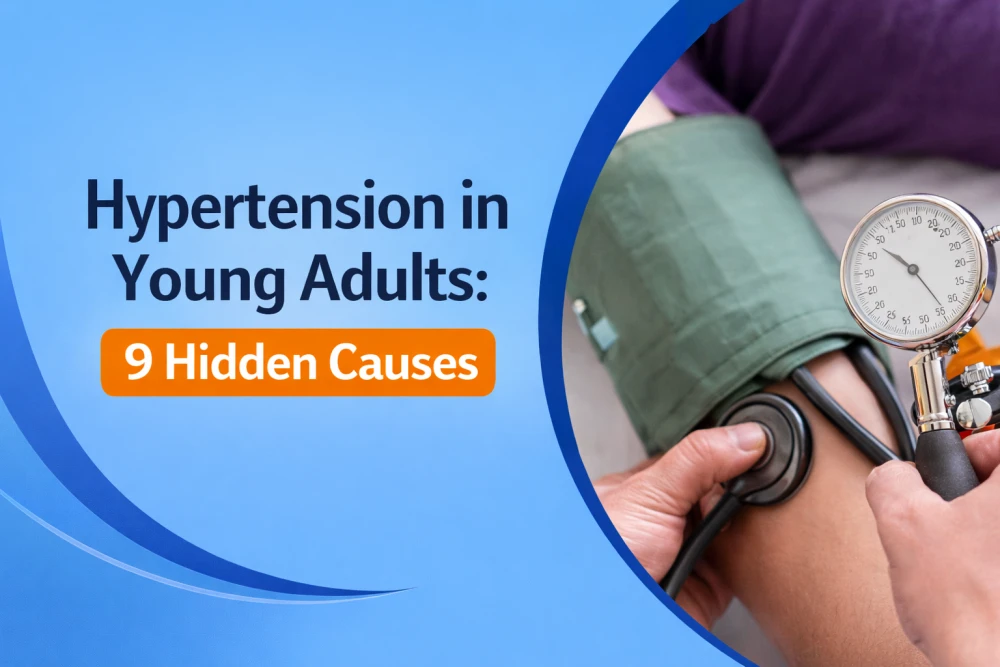
Hypertension in young adults is no longer rare. Ten to fifteen years ago, high blood pressure was mostly seen in people above 45. Today, I routinely diagnose stage 1 hypertension in patients in their late twenties and early thirties.
This trend is not accidental. Urban lifestyle patterns have changed dramatically. Long sitting hours, processed food consumption, sleep deprivation, chronic stress, and rising obesity are driving this shift.
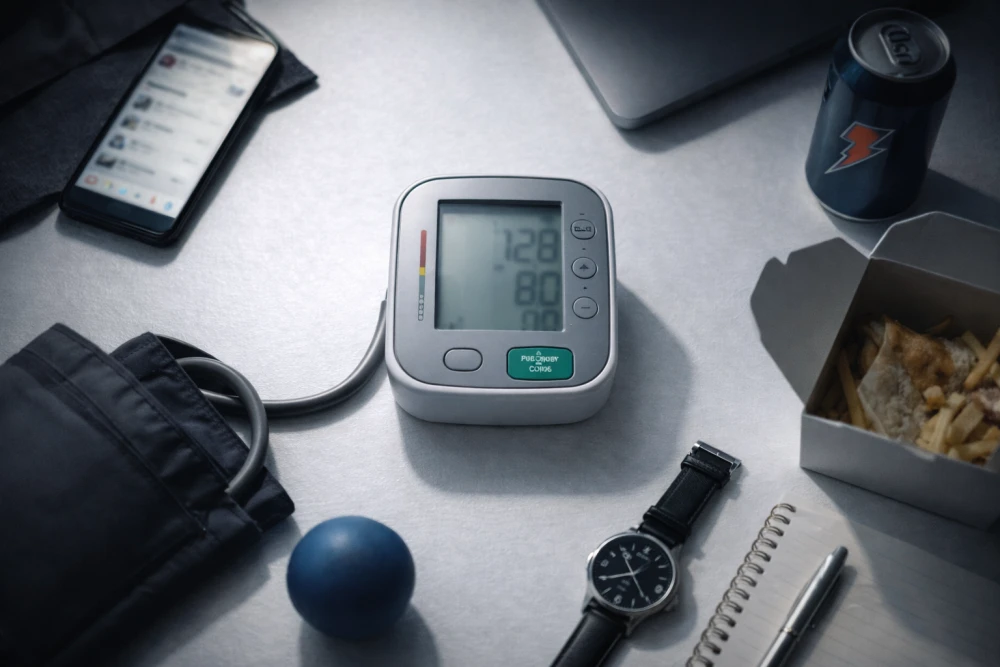
According to global epidemiological data from the World Health Organization, hypertension remains one of the leading risk factors for premature mortality. You can review updated global statistics here: World Health Organization Hypertension Fact Sheet.
What is particularly concerning is that many individuals with high blood pressure in young adults do not feel unwell. There are often no obvious early hypertension symptoms. That is why hypertension is called a silent disease.
Early identification and structured intervention can prevent long term complications such as heart disease, stroke, kidney damage, and vascular dysfunction.
What Counts as Hypertension Today
Blood pressure guidelines have evolved. According to updated international recommendations, blood pressure categories are defined as follows:
- Normal: below 120/80 mmHg
- Elevated: 120 to 129 systolic and below 80 diastolic
- Stage 1 hypertension: 130 to 139 systolic or 80 to 89 diastolic
- Stage 2 hypertension: 140 or above systolic or 90 or above diastolic
You can review detailed classification and management guidelines in the 2023 update available here: Recent international hypertension guideline update (2023).
Many young adults fall into the elevated or stage 1 hypertension category without realizing it. Repeated readings above 130/80 mmHg should not be ignored.
Main Causes of Hypertension in Young Adults
The causes of hypertension in young adults are usually multifactorial. Most cases are primary hypertension driven by lifestyle and genetics.
1. Sedentary Lifestyle
Prolonged sitting reduces vascular flexibility and promotes weight gain. The relationship between sedentary lifestyle and hypertension has been clearly demonstrated in recent observational studies.
2. Obesity and Central Fat
Abdominal fat increases sympathetic nervous system activity and insulin resistance. Both contribute to rising blood pressure.
3. Excess Salt Intake
Frequent consumption of packaged and restaurant food increases sodium load. High sodium intake causes fluid retention and vascular stiffness.
4. Chronic Stress
Stress and blood pressure are closely linked. Persistent stress increases cortisol and adrenaline levels, which elevate heart rate and vascular resistance.
5. Poor Sleep
Sleep deprivation increases sympathetic tone and reduces blood vessel relaxation. Shift workers and late night screen users are at higher risk.
Why Hypertension in Young Adults Often Goes Unnoticed
One of the most dangerous aspects of hypertension in young adults is that it rarely causes symptoms in the early stage. Most individuals feel completely normal. That is why routine screening is essential.
Some patients may report mild headaches, fatigue, or occasional dizziness. However, these are nonspecific and often ignored. In reality, vascular damage may already be developing silently.
A 2022 cohort study available via recent research on early hypertension and cardiovascular risk demonstrated that even stage 1 hypertension in young adults significantly increases long term cardiovascular events if left untreated.
This highlights an important point: elevated readings in your twenties or thirties are not harmless.
What Happens Inside the Body
To understand why hypertension in young adults is concerning, we need to examine what happens physiologically.
Blood pressure rises when blood vessels become stiff or when the heart pumps against increased resistance. Over time, chronic pressure damages the endothelial lining of arteries.
A 2021 mechanistic review available here vascular dysfunction and early hypertension mechanisms explains how persistent elevated pressure leads to microvascular injury.
This damage accelerates atherosclerosis. The risk is cumulative. A 30 year old with untreated stage 1 hypertension carries decades of vascular stress ahead.
Impact on the Heart
High blood pressure in young adults increases left ventricular workload. Over time, this can cause left ventricular hypertrophy.
A 2023 analysis examining cardiac remodeling in early hypertension confirms that structural heart changes can begin earlier than previously thought.
Impact on Kidneys and Brain
The kidneys are highly vascular organs. Persistent elevated pressure damages glomeruli, leading to gradual kidney dysfunction. Similarly, small vessels in the brain may develop microvascular changes.
This is why hypertension screening in India should begin early, especially in individuals with family history or obesity.
When Should Young Adults Get Screened
Screening is not only for older individuals. I recommend blood pressure measurement at least once yearly for adults above 25.
You should screen earlier and more frequently if you:
- Have family history of hypertension
- Are overweight or centrally obese
- Lead a sedentary lifestyle
- Consume high salt diet
- Experience chronic stress
According to updated recommendations from the American Heart Association, regular monitoring improves early detection. You can review screening guidance here: American Heart Association High Blood Pressure Overview.
If elevated readings are found, lifestyle modification for hypertension should begin immediately. Structured intervention is more effective when initiated early.
You can explore a doctor supervised metabolic approach through the Lifestyle Modification Program and understand the science behind it here: Why Lifestyle Modification Program.
What I Recommend in Clinic for Hypertension in Young Adults
When I diagnose hypertension in young adults, the approach is structured and individualized. Not every young patient requires immediate medication. However, no one should ignore persistently elevated readings.
1. Confirm Diagnosis Properly
Blood pressure should be measured on at least two separate occasions. Home blood pressure monitoring helps rule out white coat hypertension.
2. Reduce Central Obesity
Abdominal fat significantly contributes to high blood pressure in young adults. Even a 5 percent reduction in body weight can lower systolic pressure by several points.
3. Improve Diet Quality
Reduce sodium intake to below 5 grams of salt per day. Increase potassium rich foods such as fruits and vegetables. Avoid processed foods and packaged snacks.
4. Structured Exercise Plan
At least 150 minutes of moderate aerobic activity weekly combined with resistance training improves vascular flexibility and lowers resting blood pressure.
5. Sleep Optimization
Seven to eight hours of quality sleep reduces sympathetic overactivity. Poor sleep increases stress hormones that elevate blood pressure.
6. Stress Management
Chronic stress and blood pressure are closely linked. Breathing exercises, structured relaxation, and digital detox periods are effective adjuncts.
7. Limit Alcohol and Tobacco
Even moderate alcohol intake can increase blood pressure. Smoking accelerates vascular damage.
8. Medication When Necessary
If stage 2 hypertension persists or if stage 1 hypertension in young adults is associated with diabetes, kidney disease, or high cardiovascular risk, medication may be required.
If you need structured metabolic and cardiovascular evaluation, you can review patient journeys in my Portfolio or book a detailed assessment.
When to Seek Urgent Care
Although most early hypertension is silent, urgent evaluation is required if you experience:
- Severe headache with very high readings above 180/120 mmHg
- Chest pain
- Sudden shortness of breath
- Vision changes
- Confusion or neurological symptoms
These may indicate hypertensive emergency and require immediate medical attention.
Hypertension in young adults is rising due to sedentary lifestyle, obesity, high sodium intake, chronic stress, and poor sleep. Early detection through routine screening prevents long term heart, kidney, and brain complications. Structured lifestyle modification remains the first line strategy in most young individuals.
References
- World Health Organization Hypertension Fact Sheet
- International hypertension guideline update (2023)
- Early hypertension and cardiovascular risk (2022)
- Vascular dysfunction in early hypertension (2021)
- Cardiac remodeling in early hypertension (2023)
Take the Next Step
If you have elevated readings or want preventive screening, early action protects your long term cardiovascular health.
Disclaimer: This article is for educational purposes only and does not replace individualized medical consultation.
You can book a consultation here: Book Appointment
Written by Dr. Pankaj Kumar, General & Lifestyle Physician, Dwarka, New Delhi