












- 28th February 2026
Table of Contents
- Best Glucometer in India: A Doctor’s Practical Buying Guide
- Who actually needs a glucometer?
- Common mistakes people make while buying
- How I evaluate a good glucometer (doctor criteria)
- 1) Accuracy and standards
- 2) Strip availability and cost per test
- 3) Ease of use (especially for older adults)
- 4) After-sales support and warranty
- 5) Practical features that actually help
- Doctor-recommended options (shortlist)
- Option 1: Best overall for most families
- Option 2: Best for frequent testing
- Option 3: Best for seniors (large display, easiest handling)
- Comparison table (use this to decide in 20 seconds)
- How to use a glucometer correctly (accuracy tips)
- Who should be careful
- My final recommendation
- Medical disclaimer
- References
Best Glucometer in India: A Doctor’s Practical Buying Guide
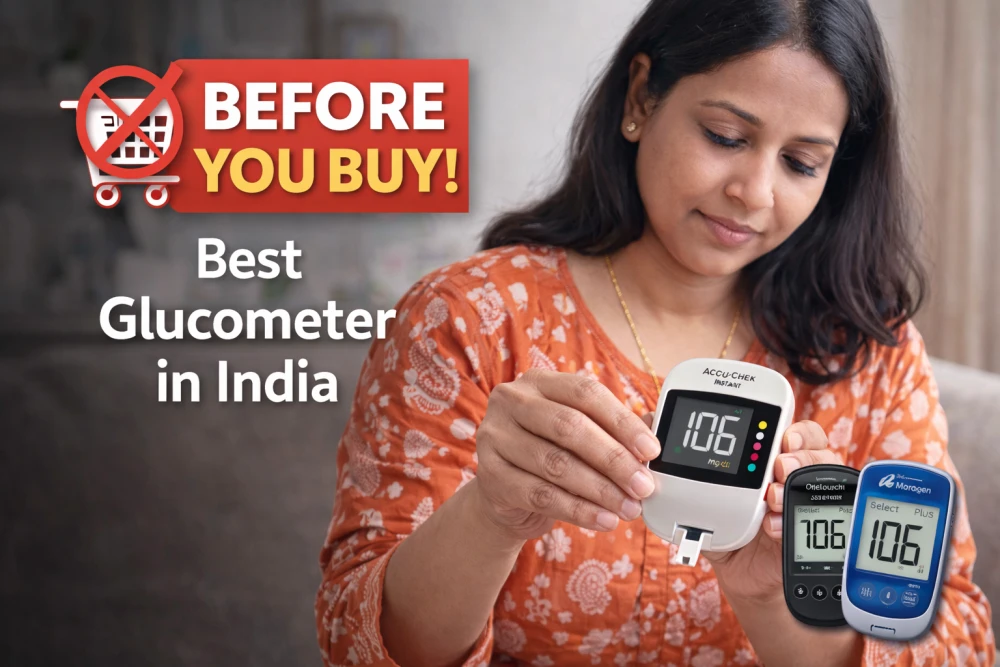
Many people with diabetes buy a glucometer based on price, ads, or Amazon ratings. As a doctor, I see the same problem repeatedly: inaccurate readings lead to unnecessary worry, wrong dose adjustments, and poor confidence in treatment. In this guide, I will show you how to choose a reliable glucometer for home use in India, what features actually matter clinically, and how to avoid common buying mistakes. This is not a random top-10 list. It is a practical medical buying guide.
Who actually needs a glucometer?
A glucometer (blood glucose meter) is most useful if you already have diabetes, are on medicines that can cause low sugar, or you are actively trying to improve sugar control with lifestyle changes. For many people, home monitoring becomes a powerful feedback tool: you learn how your meals, sleep, stress, and exercise affect blood sugar in real life.
Home monitoring is commonly useful for:
- People with type 2 diabetes (especially newly diagnosed)
- People on insulin or sulfonylureas (higher risk of low sugar)
- Pregnancy with diabetes (only under medical guidance)
- People tracking fasting and post-meal sugars to improve HbA1c (glycated haemoglobin)
Common mistakes people make while buying
- Choosing the cheapest meter without checking strip availability and long-term cost
- Ignoring accuracy standards and relying only on online ratings
- Not washing hands properly before testing (gives false highs)
- Using expired strips or storing strips in humid conditions
- Buying a meter with strips that are often out of stock locally
How I evaluate a good glucometer (doctor criteria)
These are the criteria I use when I recommend a home glucose meter to patients. The goal is not fancy features. The goal is reliable readings you can act upon safely.
1) Accuracy and standards
Prefer meters that claim compliance with internationally used accuracy standards such as ISO 15197 (and similar regulatory expectations). In clinical practice, better accuracy matters most when values are near treatment decision points (for example, suspected low sugar or very high readings). See ISO overview here: ISO 15197:2013 standard page. Also see the diabetes technology standards discussion here: Diabetes Technology Standards of Care (2024).
2) Strip availability and cost per test
In India, the real cost is usually not the meter. It is the strip cost. Always check whether strips are easily available in your city and online, and calculate your monthly testing cost based on your testing frequency.
3) Ease of use (especially for older adults)
Large display, easy strip insertion, and simple navigation matter for elderly patients. For people with tremors or arthritis, a stable grip design and quick reading time can be important.
4) After-sales support and warranty
A warranty that is easy to claim and a brand with stable strip supply is safer than a cheap device with uncertain consumable availability.
5) Practical features that actually help
- Memory storage and averaging (7/14/30 days)
- Marking before/after meals
- Mobile app sync (optional, not mandatory)
Now that you know the criteria, here are the options I typically shortlist.
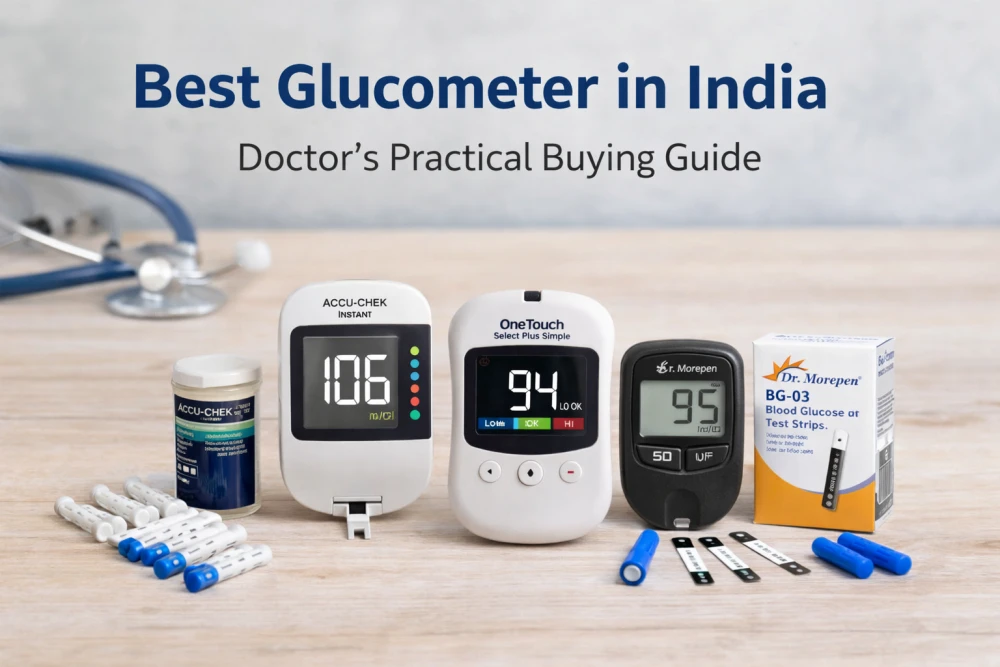
Choosing the right glucometer affects treatment decisions. Below are carefully selected options based on clinical reliability and real-world usability.
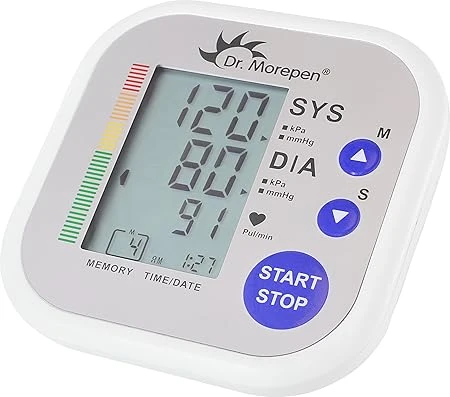
Best Glucometers in India – Doctor’s Buying Guide
-with-Vial-of-10-Strips.webp)

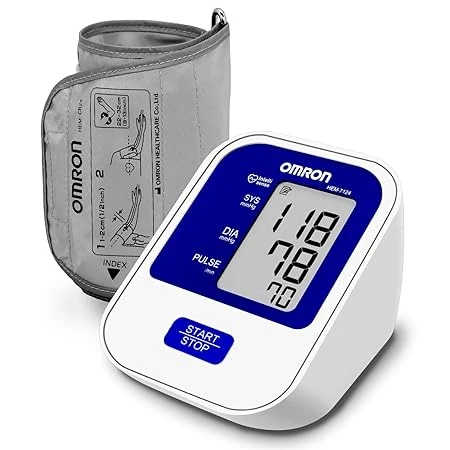
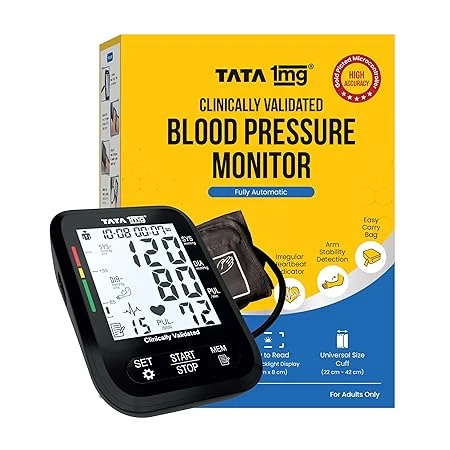
Doctor-recommended options (shortlist)
Important: I recommend keeping your shortlist small. Three to five good options convert better and feel more medically credible than a long list.
Option 1: Best overall for most families
This is the meter I suggest for most households because it balances accuracy, strip availability, and long-term running cost. It is simple enough for parents and older adults.
Best for: Type 2 diabetes, routine fasting and post-meal tracking.
Watch-outs: Ensure strips are consistently available in your area.
Option 2: Best for frequent testing
If you test multiple times per day, prioritize strip cost, easy handling, and consistent repeat readings. This option is chosen mainly for practical convenience.
Best for: People testing 3-6 times/day.
Option 3: Best for seniors (large display, easiest handling)
This option is chosen for readability and usability. It reduces errors caused by poor handling.
Best for: Elderly patients, people with poor vision or shaky hands.
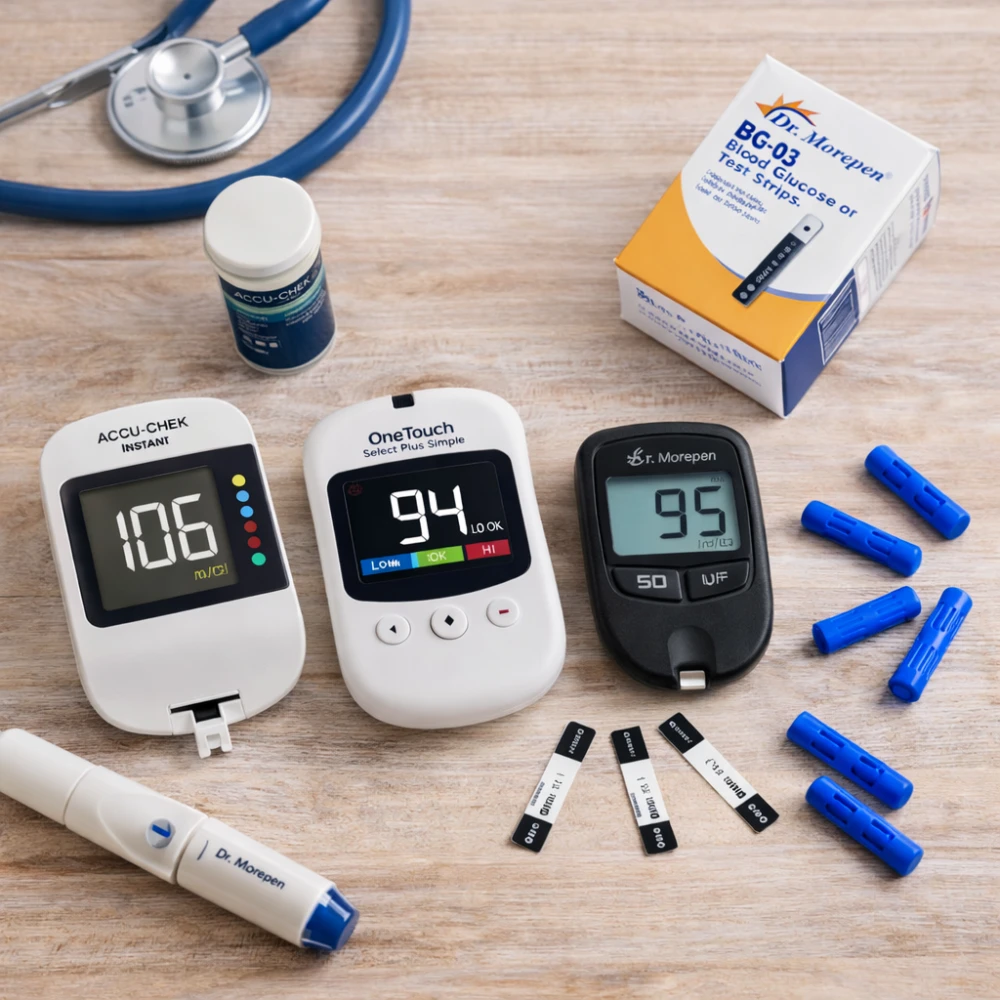
Comparison table (use this to decide in 20 seconds)
| Feature | Option 1 | Option 2 | Option 3 |
|---|---|---|---|
Best for | Most families | Frequent testing | Seniors |
Ease of use | High | Medium-High | Very high |
Strip availability | Check locally | Usually good | Check locally |
My pick if confused | Yes | If you test often | If elderly at home |
How to use a glucometer correctly (accuracy tips)
Even the best meter can give wrong readings if the testing technique is poor. These simple steps improve accuracy dramatically:
- Wash hands with soap and water, dry fully before testing
- Avoid testing immediately after handling fruit or sweets (false high)
- Use the side of the fingertip, not the center (less pain)
- Do not squeeze hard (can dilute the sample)
- Store strips in a dry place, close the cap immediately
- Do not use expired strips
If you want a simple official overview of correct meter use steps, see: How to check blood glucose (ADA).
Who should be careful
Home monitoring is helpful, but interpretation matters. Be extra careful if:
- You get repeated low readings (below 70 mg/dL) or feel symptoms of hypoglycaemia
- You are pregnant and tracking sugars without a plan
- You are adjusting insulin doses without medical guidance
- You have severe anaemia or dehydration (can affect readings)
My final recommendation
If you are newly diagnosed with type 2 diabetes and want a reliable home device, choose the option with the best mix of accuracy claims, strip availability, and easy handling. If someone elderly will use it at home, prioritize readability and ease of use over app features.
If you want a structured lifestyle plan for diabetes and weight management (diet, activity, sleep, stress, and follow-ups), you can explore my Lifestyle Modification Program here: Dr. Pankaj Kumar’s Lifestyle Modification Program.
For personalized guidance and monitoring, you can book an online consultation here: Book an appointment.
Medical disclaimer
This article is for education and does not replace individualized medical advice. If your readings are persistently high, unexpectedly low, or your symptoms worsen, consult a doctor.
References
- Diabetes Technology: Standards of Care in Diabetes (2024)
- Full text: Diabetes Technology Standards of Care in Diabetes (2024)
- ISO 15197:2013 standard overview
- How to check your blood glucose (ADA)
- System accuracy evaluation using ISO 15197 criteria (2024)
- Accuracy evaluation of multiple CE-marked glucose meters (2020)
You can book a consultation here: Book Appointment
Written by Dr. Pankaj Kumar, General & Lifestyle Physician, Dwarka, New Delhi