















- 20th February 2026
Table of Contents
- Why Early Signs of Diabetes Matter
- Most Common Early Signs of Diabetes
- Silent and Overlooked Early Signs of Diabetes
- 6. Slow Wound Healing
- 7. Tingling or Numbness
- 8. Darkening of Skin Folds
- 9. Recurrent Infections
- 10. Abdominal Weight Gain
- What Is Happening Inside the Body
- When Should You Get Tested
- What I Recommend in Clinic If You Notice Early Signs of Diabetes
- 1. Do Not Ignore Mild Symptoms
- 2. Get Proper Blood Tests
- 3. Assess Cardiometabolic Risk
- 4. Improve Lifestyle Immediately
- 5. Reduce Central Obesity
- 6. Sleep and Stress Management
- 7. Follow Structured Monitoring
- When to Seek Urgent Medical Attention
- References
- Take the Next Step
Why Early Signs of Diabetes Matter
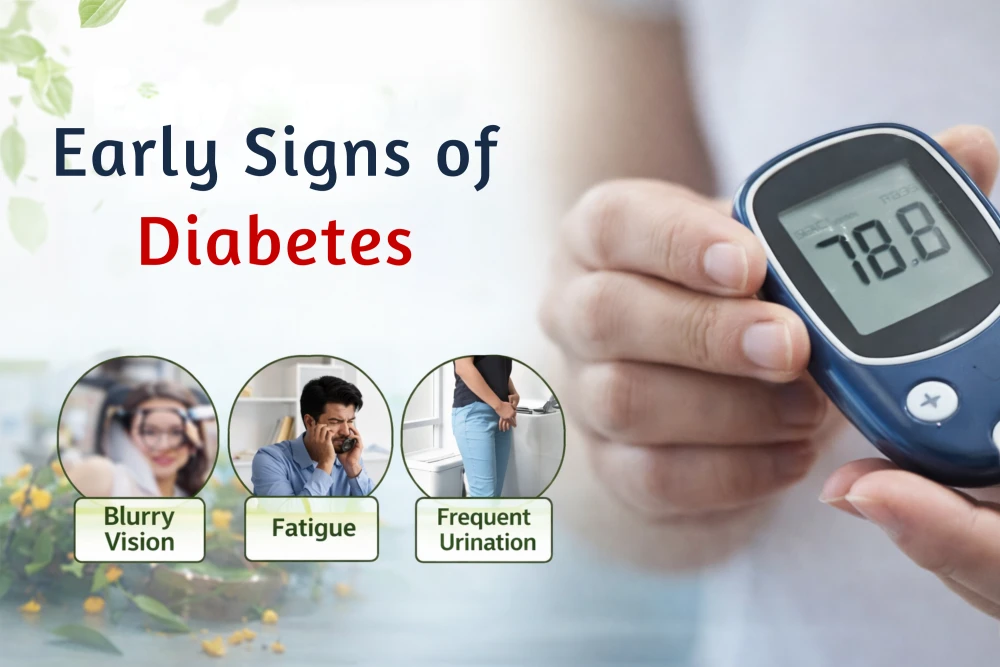
The early signs of diabetes are often subtle. Many people ignore them because they seem harmless. Mild fatigue. Slight increase in thirst. A little more urination than usual. However, these small signals may indicate rising blood sugar levels.
In India, type 2 diabetes is increasing at an alarming rate. What makes it dangerous is not just high sugar levels, but late diagnosis. Most patients I see in clinic have had early symptoms of type 2 diabetes for months or even years before testing.
According to recent epidemiological data from the International Diabetes Federation, India remains one of the countries with the highest number of adults living with diabetes. You can review updated global statistics here: International Diabetes Federation Diabetes Atlas.
The concern is not just diabetes. It is the complications that follow uncontrolled blood sugar. Kidney damage, heart disease, nerve injury, and vision loss often begin silently.
Recognizing the warning signs of high blood sugar early gives you a powerful opportunity. Early detection allows reversal of prediabetes symptoms and better long term control.
Most Common Early Signs of Diabetes
Let us look at the most frequent early signs of diabetes that patients should not ignore.
1. Frequent Urination
One of the classic diabetes symptoms in adults is increased urination, especially at night. When blood sugar rises, the kidneys attempt to remove excess glucose through urine. This increases urine volume.
If you are waking up multiple times at night without increasing fluid intake, it is worth checking fasting glucose.
2. Excessive Thirst
Because urination increases, the body loses more fluids. This triggers excessive thirst. Many patients report carrying water bottles constantly without realizing the metabolic cause.
3. Unexplained Fatigue
High blood sugar prevents glucose from entering cells efficiently. As a result, your body cannot use energy properly. Persistent tiredness without obvious cause may be one of the early signs of diabetes.
4. Increased Hunger
Even after eating, you may feel hungry. This occurs because insulin resistance prevents proper glucose utilization. This pattern is common in individuals with prediabetes symptoms.
5. Blurred Vision
Elevated glucose levels can cause temporary swelling in the lens of the eye. This results in blurred or fluctuating vision. Although reversible in early stages, prolonged hyperglycemia can damage retinal vessels.
Silent and Overlooked Early Signs of Diabetes
While frequent urination and excessive thirst are well known, several early signs of diabetes are subtle and easily ignored.
6. Slow Wound Healing
If minor cuts or skin infections take longer to heal, high blood sugar may be interfering with immune function and circulation. Uncontrolled blood sugar symptoms often include recurrent skin or gum infections.
7. Tingling or Numbness
Mild tingling in hands or feet can indicate early nerve irritation due to glucose toxicity. Although neuropathy is more common in long standing diabetes, early nerve changes can begin during prolonged prediabetes.
8. Darkening of Skin Folds
Thick, dark patches around the neck, underarms, or groin may suggest insulin resistance. This condition, called acanthosis nigricans, is strongly associated with early symptoms of type 2 diabetes.
9. Recurrent Infections
Frequent urinary tract infections, fungal infections, or gum disease may signal impaired immune response due to elevated glucose.
10. Abdominal Weight Gain
Central obesity increases insulin resistance. The connection between visceral fat and rising glucose levels is well established. Abdominal fat often precedes full diabetes diagnosis.
What Is Happening Inside the Body
To understand why these early signs of diabetes appear, we need to look at the mechanism.
Type 2 diabetes develops gradually. Initially, insulin resistance begins in muscle and liver cells. The pancreas compensates by producing more insulin. Blood glucose may remain near normal for some time.
A 2022 review examining pathophysiology of early type 2 diabetes explains how beta cell dysfunction progresses silently before diagnosis.
As insulin resistance worsens, fasting glucose begins to rise. Post meal glucose spikes become more pronounced. This stage is often labeled as prediabetes.
Another large population study available through longitudinal research on progression from prediabetes to diabetes shows that early detection significantly reduces complication risk.
This reinforces a key point: recognizing early symptoms of type 2 diabetes allows intervention before irreversible damage occurs.
When Should You Get Tested
In India, screening should not be delayed until symptoms become severe. The Indian population tends to develop diabetes at lower body mass index compared to Western populations.
According to the American Diabetes Association diagnostic criteria, diabetes can be diagnosed by fasting plasma glucose, oral glucose tolerance test, or HbA1c levels. You can review updated diagnostic thresholds here: Standards of Care in Diabetes 2024.
You should consider screening if you:
- Are above 30 years of age
- Have family history of diabetes
- Are overweight or centrally obese
- Have hypertension or high triglycerides
- Have history of gestational diabetes
Early testing can identify warning signs of high blood sugar before complications begin.
If you want structured metabolic evaluation, you can learn more about my approach through the Lifestyle Modification Program or understand the rationale behind it here: Why Lifestyle Modification Program.
What I Recommend in Clinic If You Notice Early Signs of Diabetes
When patients come to me with early signs of diabetes, the goal is simple: confirm diagnosis early and prevent progression. Diabetes is not a sudden event. It develops gradually. Timely action can delay or even prevent full diabetes in many cases.
1. Do Not Ignore Mild Symptoms
Frequent urination and diabetes often get dismissed as weather related dehydration. Excessive thirst diabetes symptoms are often blamed on summer heat. However, persistent patterns require evaluation.
2. Get Proper Blood Tests
Fasting plasma glucose, post meal glucose, and HbA1c provide clarity. If needed, an oral glucose tolerance test may be advised. Early testing identifies prediabetes symptoms before irreversible damage.
3. Assess Cardiometabolic Risk
Check blood pressure, lipid profile, waist circumference, and liver enzymes. Diabetes rarely exists alone. It is part of a larger metabolic picture.
4. Improve Lifestyle Immediately
Structured dietary correction, increased protein intake, fiber rich meals, and reduction of refined carbohydrates improve insulin sensitivity. Strength training improves glucose utilization.
5. Reduce Central Obesity
Even 5 to 7 percent weight reduction can significantly improve insulin resistance. Abdominal fat reduction lowers the risk of progression from prediabetes to diabetes.
6. Sleep and Stress Management
Chronic sleep deprivation increases cortisol and worsens glucose control. Stress hormones interfere with insulin action. Lifestyle correction must include sleep hygiene.
7. Follow Structured Monitoring
Monitoring fasting glucose and HbA1c every 3 to 6 months helps track progress. Many patients reverse early symptoms of type 2 diabetes with disciplined metabolic correction.
If you need a structured and doctor supervised approach, you can review patient journeys in my Portfolio or book a detailed evaluation directly.
When to Seek Urgent Medical Attention
Although early signs of diabetes are usually gradual, certain symptoms require immediate medical evaluation:
- Very high blood sugar readings above 300 mg/dL
- Persistent vomiting with high glucose
- Severe dehydration
- Sudden unexplained weight loss
- Confusion or drowsiness
These may indicate severe hyperglycemia or diabetic emergencies.
The early signs of diabetes often begin subtly with increased urination, excessive thirst, fatigue, blurred vision, and slow wound healing. Ignoring these warning signs of high blood sugar delays diagnosis and increases complication risk. Early screening, metabolic correction, and structured monitoring are the most effective preventive strategies.
References
- International Diabetes Federation Diabetes Atlas
- Pathophysiology of early type 2 diabetes (2022)
- Progression from prediabetes to diabetes (2022)
- Standards of Care in Diabetes 2024
- Cardiovascular risk in early diabetes (2021)
Take the Next Step
If you are experiencing early symptoms of type 2 diabetes or want preventive screening, early action protects your long term health.
Disclaimer: This article is for educational purposes only and does not replace individualized medical consultation.
You can book a consultation here: Book Appointment
Written by Dr. Pankaj Kumar, General & Lifestyle Physician, Dwarka, New Delhi