











- 3rd March 2026
Table of Contents
- Why High Blood Pressure Is Rising in Dwarka
- What Exactly Is High Blood Pressure?
- Blood Pressure Classification Explained
- High Blood Pressure Symptoms: What to Watch For
- Is Borderline Blood Pressure Serious?
- Common Risk Factors in Dwarka Residents
- How to Monitor BP at Home Correctly
- When Should Dwarka Residents Seek Immediate Evaluation?
- When to See a Doctor Even If It Is Not an Emergency
- What I Recommend for High Blood Pressure in Dwarka
- Why Early Evaluation Saves Years of Medication
- Final Thought for Dwarka Residents
- References
- Book a Consultation
Why High Blood Pressure Is Rising in Dwarka
Over the last decade, I have observed a steady increase in cases of high blood pressure in Dwarka. Long office hours, reduced physical activity, high salt intake, stress, weight gain, and irregular sleep are major contributors.
Many residents discover elevated readings during routine health camps or while checking randomly at home. The concerning part is this: hypertension often produces no symptoms in early stages. That is why it is called a silent condition.
Understanding when to seek evaluation can prevent long-term complications.
What Exactly Is High Blood Pressure?
Blood pressure measures the force of blood against artery walls.
It has two components:
- Systolic pressure - when the heart contracts
- Diastolic pressure - when the heart relaxes
Consistently elevated readings indicate hypertension.
A 2018 clinical guideline update emphasized that even modest elevation increases long-term cardiovascular risk. This means early recognition matters.
Blood Pressure Classification Explained
| Category | Systolic (mmHg) | Diastolic (mmHg) |
|---|---|---|
| Normal | Below 120 | Below 80 |
| Elevated | 120-129 | Below 80 |
| Stage 1 Hypertension | 130-139 | 80-89 |
| Stage 2 Hypertension | 140 or higher | 90 or higher |
Many people with readings around 132/86 assume it is almost normal. It is not. Repeated stage 1 readings indicate early hypertension.
High Blood Pressure Symptoms: What to Watch For
Most individuals with high blood pressure in Dwarka experience no obvious symptoms.
However, some warning signs may include:
- Morning headache
- Dizziness
- Palpitations
- Blurred vision
- Nosebleeds (rare but possible)
Symptoms usually appear only when pressure rises significantly. Research shows that uncontrolled hypertension significantly increases risk of stroke, heart attack, and kidney disease. This is why regular monitoring is critical.
Is Borderline Blood Pressure Serious?
Many patients tell me, “Doctor, it is only slightly high.” Borderline blood pressure usually refers to readings in the elevated or stage 1 hypertension range.
For example:
- 128/82
- 134/86
- 138/88
While these numbers may not cause symptoms, they are not harmless. A large analysis published in JAMA Cardiology showed that even stage 1 hypertension increases long-term cardiovascular risk compared to normal blood pressure.
This does not always mean immediate medication. But it absolutely means structured lifestyle correction and medical evaluation.
Common Risk Factors in Dwarka Residents
In urban settings like Dwarka, the most common contributors to high blood pressure include:
- Sedentary work routines
- High salt intake from packaged foods
- Stress and poor sleep
- Weight gain around the abdomen
- Family history of hypertension
- Smoking or alcohol excess
Hypertension rarely develops overnight. It builds gradually.
How to Monitor BP at Home Correctly
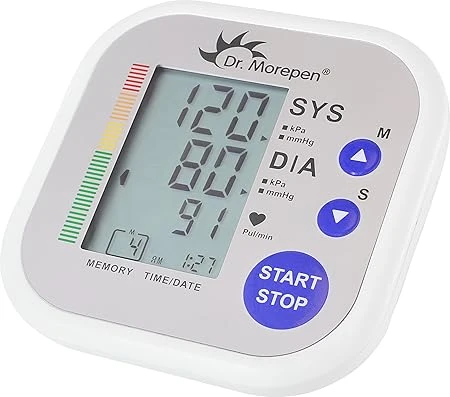
Home BP monitoring is extremely useful if done properly.
• Use a validated digital upper-arm monitor
• Sit quietly for 5 minutes before measuring
• Keep back supported and feet flat on the floor
• Do not talk during measurement
• Take two readings 1 minute apart
• Measure at the same time daily
• Avoid caffeine or smoking 30 minutes before checking
Improper measurement often causes unnecessary anxiety. Bring your machine during consultation if you are unsure about accuracy.
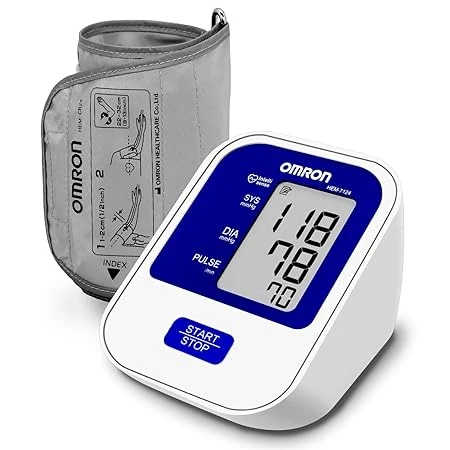
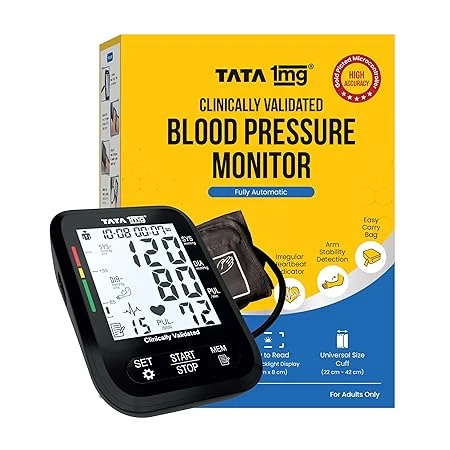
Best BP Machines in India - Doctor’s Buying Guide
 Rank
Site
Features
Score
1

2
3
|
When Should Dwarka Residents Seek Immediate Evaluation?
Seek urgent medical care if blood pressure is:
- 180 systolic or higher
- 120 diastolic or higher
Especially if accompanied by:
- Chest pain
- Severe headache
- Breathlessness
- Visual disturbance
- Confusion
This may indicate hypertensive crisis and requires immediate attention. A 2020 update in Hypertension journal highlighted that rapid evaluation in such cases reduces risk of organ damage. Do not delay emergency care.
When to See a Doctor Even If It Is Not an Emergency
Schedule evaluation if:
- BP repeatedly above 130/80
- Borderline readings persist for more than 2 weeks
- You have diabetes, obesity, or kidney issues
- Family history of stroke or heart attack
- You are above 40 with fluctuating readings
Early consultation helps identify:
- Need for lifestyle correction
- Underlying causes
- Risk assessment
- Whether medication is required
Most importantly, it prevents long-term complications.
What I Recommend for High Blood Pressure in Dwarka
If you are concerned about high blood pressure in Dwarka, the first step is clarity, not panic.
Here is a structured approach I usually advise:
1) Confirm the pattern.
Do not rely on a single reading. Record readings for 7 to 14 days.
2) Evaluate lifestyle factors.
Salt intake, stress levels, sleep duration, alcohol use, and physical activity all influence blood pressure.
3) Check associated risk markers.
Fasting glucose, lipid profile, kidney function, and waist circumference help assess overall cardiovascular risk.
4) Begin lifestyle correction immediately.
Reduce salt intake. Increase potassium-rich foods like vegetables and fruits. Walk daily. Aim for weight reduction if overweight.
5) Decide on medication based on risk, not fear.
Stage 1 hypertension with low overall risk may be managed initially with lifestyle. Higher-risk individuals may need early pharmacological support.
A balanced, individualized approach is safer than either ignoring the issue or starting medication without assessment. You can read more about our structured approach here:
Lifestyle Modification Program
Why Early Evaluation Saves Years of Medication
Hypertension is progressive when ignored.
Early detection allows:
- Prevention of stroke
- Protection of kidney function
- Reduction in heart attack risk
- Reversal of stage 1 hypertension in some cases
Research shows that sustained blood pressure control significantly reduces cardiovascular events over time. Small corrections made early often prevent major complications later.
Final Thought for Dwarka Residents
High blood pressure in Dwarka is becoming increasingly common due to urban lifestyle patterns. But it is manageable.
If your readings are repeatedly elevated, do not wait for symptoms. Consultation is not about labeling disease. It is about protecting long-term health.
References
- Hypertension guideline update (2018)
- Hypertension and cardiovascular risk review
- Hypertensive crisis management update (2020)
- Blood pressure control and cardiovascular risk
Book a Consultation
Disclaimer: This article is for educational purposes only and does not replace individualized medical advice.
You can book a consultation here: Book Appointment
Written by Dr. Pankaj Kumar, General & Lifestyle Physician, Dwarka, New Delhi