













- 13th February 2026
Table of Contents
The Changing Face of Heart Health
Hypertension is no longer just a condition for seniors; it has evolved into a quiet crisis for young adults and children. Over the last three decades, the prevalence of youth hypertension has increased five-fold, yet many cases remain hidden. At the Dr. Pankaj Kumar Medical and Lifestyle Clinic, we emphasize that up to 75 percent of hypertensive youth are currently undiagnosed.
The problem is compounded by a massive screening gap, as only 11 to 35 percent of children undergo regular annual blood pressure checks. This lack of detection places young people at risk for serious long-term cardiovascular damage before they even reach middle age. To address this epidemic, we must first understand the lifestyle drivers behind these rising numbers.
The Silent Drivers: Why Numbers are Rising
Modern lifestyle choices act as silent catalysts for cardiovascular dysfunction. A sedentary lifestyle, characterized by prolonged sitting, is associated with a 16.7 times higher risk of developing hypertension. This behavior is physically damaging because it decreases Nitric Oxide (NO) levels and systemic blood flow, which impairs insulin sensitivity and vascular function.
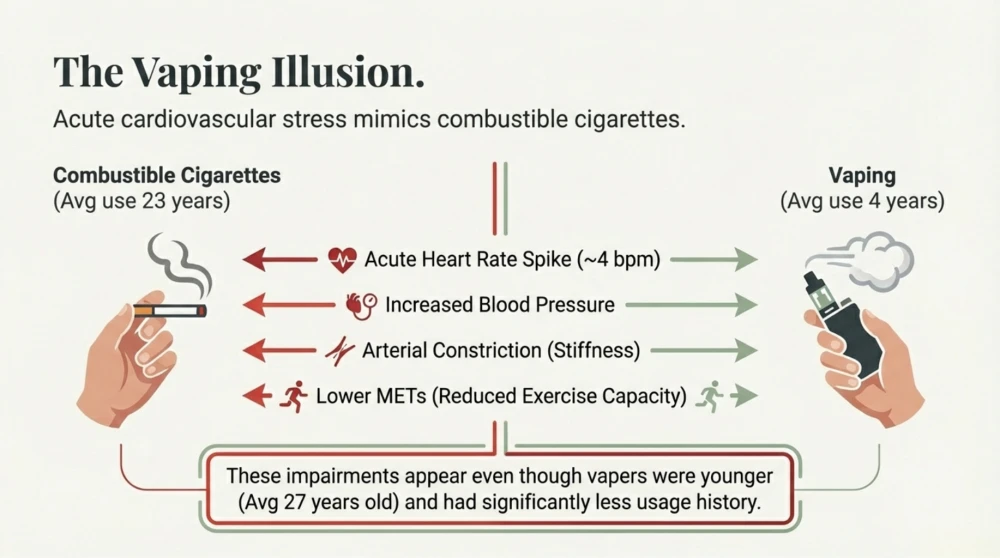
Nutrition also plays a specific physiological role through what researchers call gateway foods. Consumption of ultraprocessed items like candy, store-bought pastries, and frozen desserts often triggers a cycle of broader consumption of other processed foods. These dietary patterns, combined with the vessel-constricting effects of vaping, place immense pressure on the youthful heart.
The High Stakes of Early Hypertension
High blood pressure in youth is clinically significant because these numbers frequently track into adulthood. According to a long-term study of over 25,000 children published in JAMA Pediatrics, youth diagnosed with hypertension face a 2.1 times higher risk of major adverse cardiac events (MACE). This includes a significantly higher likelihood of experiencing a stroke or heart failure.
While the risks for major events like stroke are two to three times higher, the study found no significant difference in cardiovascular death. This suggests a vital window of opportunity where early intervention can manage the condition before it becomes fatal. Taking evidence-based steps now can effectively lower blood pressure and protect the arteries from permanent damage.
10 Practical Ways to Lower Your Blood Pressure Naturally
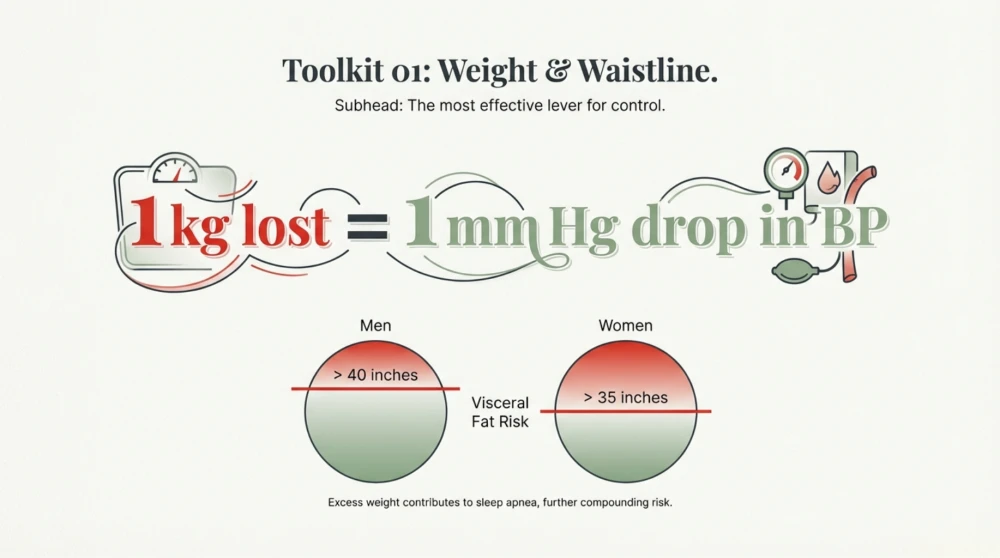
- Weight management is essential because blood pressure often increases as weight increases. Losing just one kilogram can lead to a 1 mm Hg drop in blood pressure. Reducing weight also helps prevent sleep apnea, a condition that disrupts breathing and further elevates heart-straining pressure.
- Aim for at least 30 minutes of aerobic exercise, such as walking, swimming, or cycling, every day. Regular activity can lower high blood pressure by 5 to 8 mm Hg. Consistency is key, as stopping exercise can cause these numbers to rise back to dangerous levels over time.
- The DASH and Mediterranean diets prioritize whole grains and vegetables to support heart health. These eating plans are rich in potassium, which helps the body neutralize the negative effects of table salt. By following these diets, individuals can lower their blood pressure by up to 11 mm Hg.
- Reducing sodium to an ideal limit of 1,500mg daily is a powerful tool for cardiovascular protection. Lower salt intake reduces water retention, which allows the heart to work less hard to pump blood. For most adults, staying under 2,300mg daily is the maximum recommended threshold.
- Limit alcohol intake to no more than one drink daily for women or two for men. Excessive alcohol consumption is known to raise blood pressure by many points. Furthermore, heavy drinking can make blood pressure medications less effective and harder for the body to process.
- Quitting smoking and vaping is non-negotiable for heart health because nicotine causes immediate vessel constriction. Nicotine products activate the fight-or-flight response, which increases the need for oxygen and stresses the artery walls. Stopping these habits leads to immediate improvements in vessel function.
- Target seven to nine hours of quality sleep each night to help regulate your cardiovascular system. Chronic sleep deprivation of fewer than seven hours for several weeks is a known contributor to hypertension. Sticking to a regular sleep schedule helps maintain a stable internal heart rhythm.
- Manage stress by identifying triggers and focusing on tasks you can realistically control. Long-term stress keeps the sympathetic nervous system overstimulated, which exerts constant pressure on the arteries. Taking time each day for deep breathing or hobbies can help lower this physiological strain.
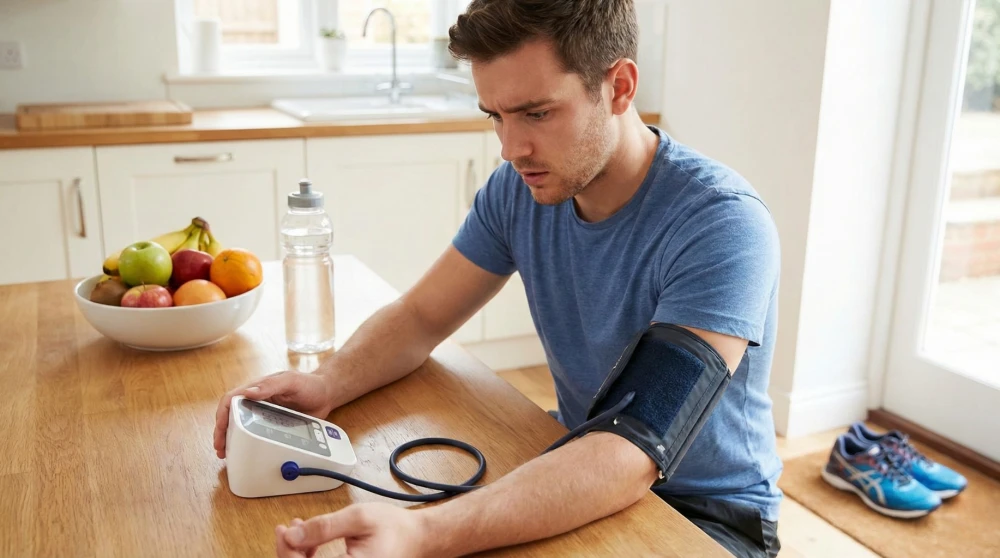
- Monitor your blood pressure at home to track the effectiveness of your lifestyle changes. Home monitors are widely available and provide vital data for your medical team between clinic visits. These regular checks help ensure that your blood pressure stays within a safe, healthy range.
- Managing cholesterol and blood sugar levels is vital because high levels increase the overall risk of heart disease. Healthy habits like exercise and a low-sugar diet help maintain vascular stability. Follow professional guidance to keep your bad cholesterol and glucose levels under control.
Who Should Be Careful?
Certain individuals require closer heart monitoring due to factors they cannot change. Those with a family history of hypertension or individuals who were born with a low birth weight have a higher baseline risk. Clinical evidence from the Robinson study shows that matching birth factors is a key predictor of later cardiovascular health.
People living with preexisting conditions like diabetes or kidney issues must also be extra vigilant. These conditions often interact with blood pressure, leading to faster progression of cardiovascular disease if left unmanaged. If you smoke or vape, seeking professional support to quit is the single most important step you can take.
Key points
- Pediatric hypertension has increased 5-fold in 30 years and up to 75 percent of cases remain undiagnosed.
- A sedentary lifestyle is associated with a 16.7 times higher risk of developing high blood pressure.
- Youth with hypertension face a 2.1 times higher risk of serious heart events like stroke or heart failure.
- Simple changes like reducing sodium to 1,500mg and getting 30 minutes of exercise can lower numbers naturally.
- Early detection through regular screening is the best way to prevent long-term damage to the cardiovascular system.
Medical Disclaimer
The content provided in this article is for educational purposes only and is not a substitute for medical advice.
For personalized guidance on your heart health journey, visit the Dr. Pankaj Kumar Medical and Lifestyle Clinic.
You can book a consultation here: Book Appointment
Written by Dr. Pankaj Kumar, General & Lifestyle Physician, Dwarka, New Delhi