















- 14th February 2026
Table of Contents
The Modern Protein Puzzle
Have you ever felt that protein is the "hero" of every healthy plate? At Dr. Pankaj Kumar Medical and Lifestyle Clinic, we often see patients who are curious about adding more protein to every meal. While it is vital for overall cellular health, there is a strategic reason to understand your intake beyond just building muscle.
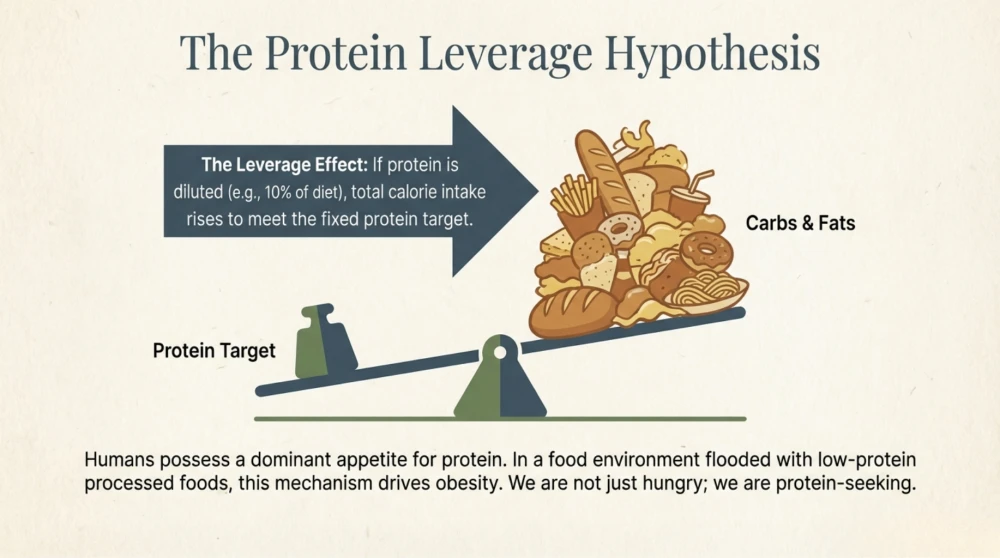
Scientific concepts like the "Protein Leverage Hypothesis" suggest that protein acts as an anchor for your appetite. If you consume a diet too low in protein, your body may actually drive you to overeat fats and carbohydrates just to hit a specific protein target. In fact, dropping protein from 15 percent to 10 percent of your diet can lead to a 12 percent increase in total energy intake.
Finding the right balance is about more than just avoiding hunger; it is about optimizing how your cells function every day. While popular diets often promote "more is better," the evidence suggests that your body performs best when you find your unique middle ground. Let us look at the science behind why we need protein and how much is truly safe.
The Building Blocks of Health: Why We Need Protein
Think of proteins as the primary construction material for your body. They are made of smaller units called amino acids. Your body can make some of these, known as nonessential amino acids, but there are nine "essential" amino acids that you must get from your food because your system cannot produce them on its own.
Beyond the gym, protein is a silent worker. It helps repair your tissues, supports your immune response, and creates essential enzymes and hormones. It even plays a role in blood clotting and maintaining proper fluid balance. While protein is vital for these functions, it is important to remember that more is not always better for your system.
Finding Your "Goldilocks" Zone: How Much Protein Is Enough?
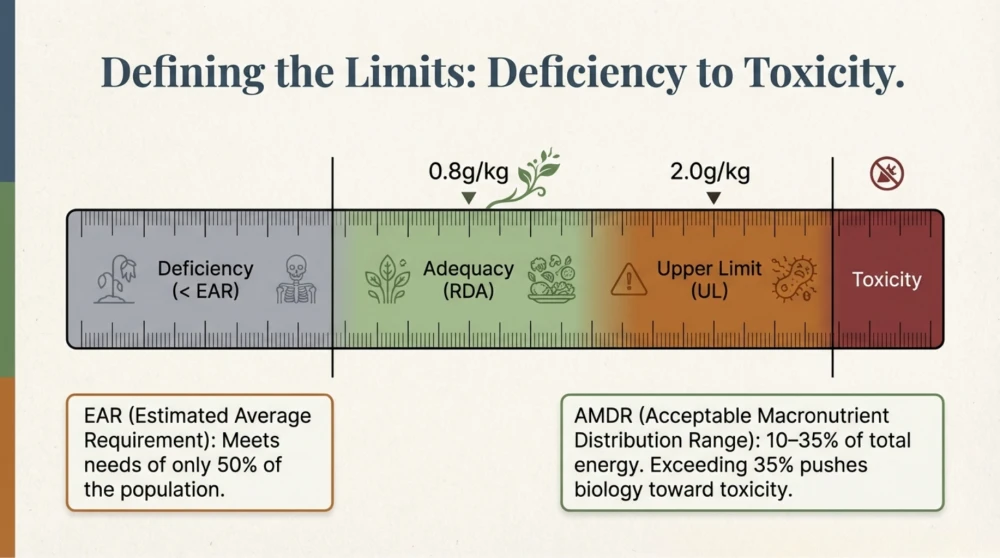
Finding your personal "Goldilocks" zone starts with the Recommended Dietary Allowance (RDA). This is the minimum amount you need to stay healthy and avoid malnutrition. For most adults, this is 0.8 grams per kilogram of body weight, or 0.36 grams per pound of weight.
You can calculate your baseline by using this simple process: (Your weight in pounds) x 0.36 = Daily baseline grams of protein. For a person weighing 140 pounds, the math is 140 x 0.36, which equals 51 grams. A 165-pound person would need approximately 60 grams per day to meet this baseline requirement.
While the RDA is a minimum, the Acceptable Macronutrient Distribution Range (AMDR) suggests that protein can safely make up 10 to 35 percent of your total calories. Your needs will fluctuate based on your activity level and age. For those over 50, we often recommend increasing intake to 1 gram per kilogram to help maintain muscle mass.
Crossing the Line: How Much Is Too Much?
While the math helps us find the baseline, it is equally vital to recognize when the balance shifts from helpful to harmful. For a healthy person, we generally suggest not exceeding 2 grams of protein per kilogram of body weight. For that same 140-pound individual, that is roughly 125 grams a day.
We also watch for "protein poisoning," often called rabbit starvation. This happens when you eat very high amounts of lean protein without enough fats or carbohydrates. Without that balance, you might experience symptoms like nausea, headaches, or mood changes. Your body needs those other macronutrients to process protein safely.
The liver and kidneys have the heavy task of processing nitrogen waste from protein metabolism. When intake is excessive, it increases the levels of ammonia and urea in your blood. Maintaining a balance with fats and carbohydrates is non-negotiable for the optimal functioning of these organs and your body as a whole.
The Protein "Package": Plants vs. Animals
It is helpful to think about the "protein package." When you eat protein, it comes with "hitchhikers" like fiber, fat, and sodium. Animal proteins are "complete" sources, but red and processed meats are often high in saturated fats. These fats can negatively impact your long-term heart health if they are not moderated.
Plant proteins like lentils and nuts provide healthy fiber but are often "incomplete" on their own. Eating a variety of these sources is better for your gut health. Interestingly, research from 2024 suggests that proteins rich in aromatic amino acids might actually support greater fat mass loss compared to other protein types.
Your gut microbiome also plays a critical role in how you process these nutrients. When too much protein reaches the colon, bacteria ferment it. Healthy fermentation of fiber produces beneficial short-chain fatty acids. However, excess protein fermentation produces harmful metabolites like ammonia and sulfides, which are linked to gastrointestinal disorders.
Who should be careful?
At our clinic, we take extra care with certain groups. If you have Chronic Kidney Disease (CKD) or a solitary kidney, your system may struggle to filter out nitrogen waste. In these cases, we often suggest a plant-based approach to reduce the filtration load and protect your remaining kidney function.
If you are prone to kidney stones, you should be particularly mindful of your protein sources. High intake of animal protein, especially red meat, has been shown to increase the risk of stone formation significantly. Choosing plant-based proteins can help lower this risk while still meeting your nutritional needs.
Those dealing with acid reflux or specific metabolic issues should also consult a specialist. Some medications can interact with high-protein diets, and a quick check-in can ensure your diet is supporting your health rather than complicating it. We are here to help you find the balance that works for your unique body.
Key points
- The RDA of 0.8 grams per kilogram is your baseline for avoiding illness and maintaining basic cellular health.
- Avoid exceeding 2 grams per kilogram of body weight daily to prevent organ strain and dietary imbalances.
- Use the "protein leverage" effect to your advantage by ensuring enough protein to manage your overall appetite.
- Prioritize plant proteins to gain fiber and avoid the harmful ammonia and sulfides caused by excess fermentation.
- Consult a professional if you have kidney concerns, as red meat is a primary culprit for increased stone risk.
Medical Disclaimer
Educational only, not a substitute for medical advice. For personalized nutritional guidance and lifestyle management, visit us at Dr. Pankaj Kumar Medical and Lifestyle Clinic.
You can book a consultation here: Book Appointment
Written by Dr. Pankaj Kumar, General & Lifestyle Physician, Dwarka, New Delhi