
















- 12th February 2026
Table of Contents
Finding the Green Flags: A Guide to Nutritious Choices
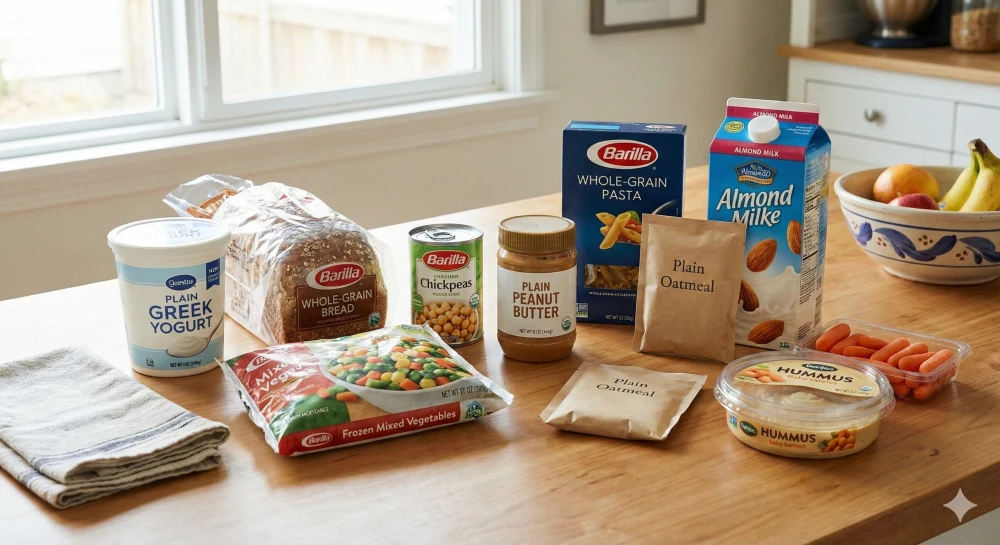
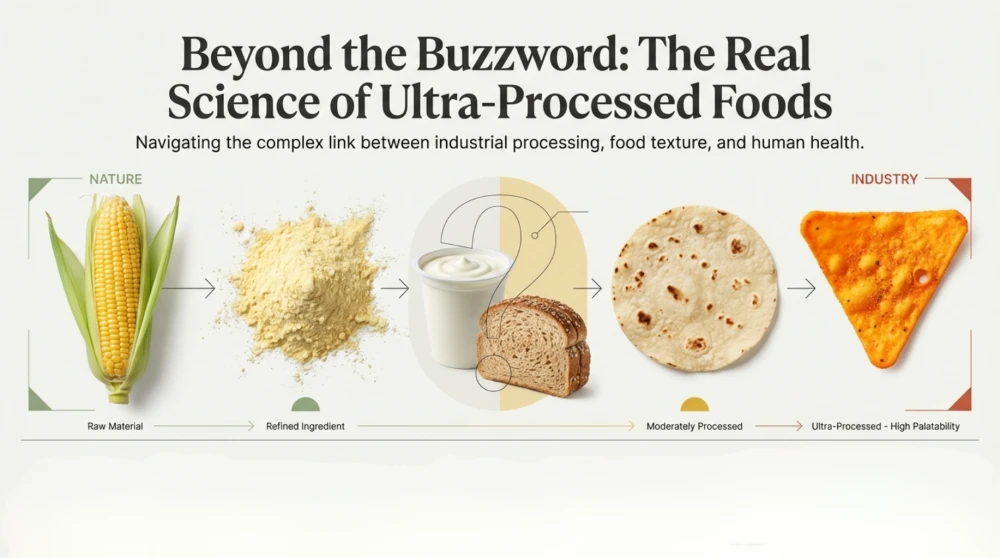
At the Dr. Pankaj Kumar Medical and Lifestyle Clinic, we often find that our patients feel overwhelmed by the negative headlines surrounding ultra-processed foods (UPFs). While it is true that many of these items are linked to weight gain and metabolic dysfunction, they also provide essential convenience in our modern lives. When we consult with families, we explain that processing exists on a spectrum; while some UPFs are indeed nutritional red flags, others are actually "green-flag" foods that offer high-quality nutrition and practicality for your table.
Defining UPFs: The Nova System Simplified
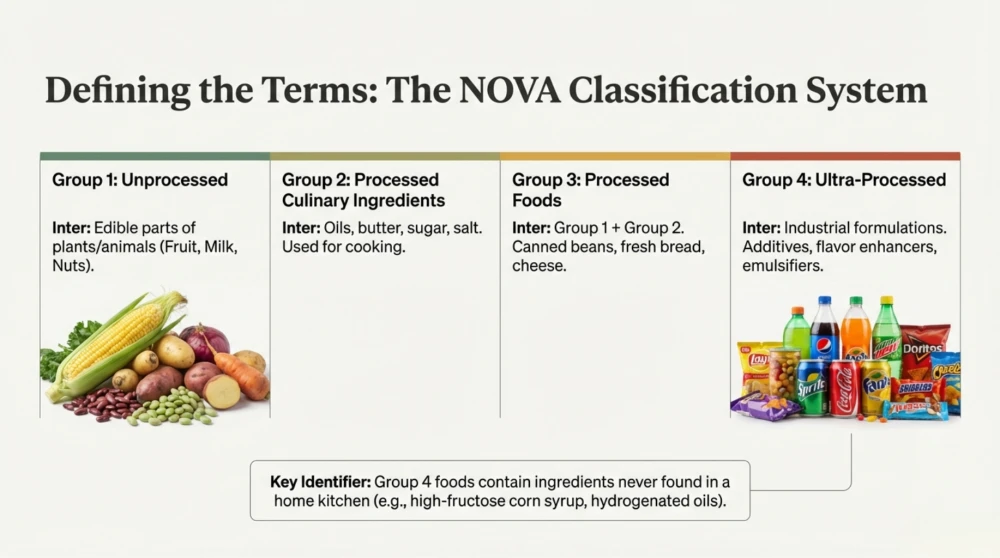
To help our patients navigate the grocery store, we use the NOVA classification system, which categorizes food by the extent of industrial processing rather than just nutrient content. Ultra-processed foods are typically industrial formulations made with additives like emulsifiers, stabilizers, and flavor enhancers that you would not typically find in a home kitchen.
The medical concern regarding these foods often centers on hyper-palatability and energy density. In clinical studies, such as those conducted by Dr. Kevin Hall at the NIH, researchers found that participants on high energy-dense UPF diets consumed roughly 1,000 more calories per day than those on minimally processed diets. Furthermore, the RESTRUCTURE project has shown that changed textures in UPFs can trick the brain; soft, low-fiber foods are consumed faster, preventing satiety signals from reaching the brain. Understanding these industrial mechanisms is the first step toward making informed choices about the healthy exceptions to the rule.
The 9 Healthy Ultra-Processed Foods for Your Table
We believe that not all processing is equal, and many items can help you reach the targets set by the 2025-2030 Dietary Guidelines for Americans, which prioritize "Real Food" and high-quality protein.
- Lightly Salted Nuts and Seeds: These are vital for metabolic health, providing essential heart-healthy fats and minerals. In our clinic, we recommend them as a portable snack because they promote significant satiety, helping to manage appetite between meals while delivering magnesium and zinc.
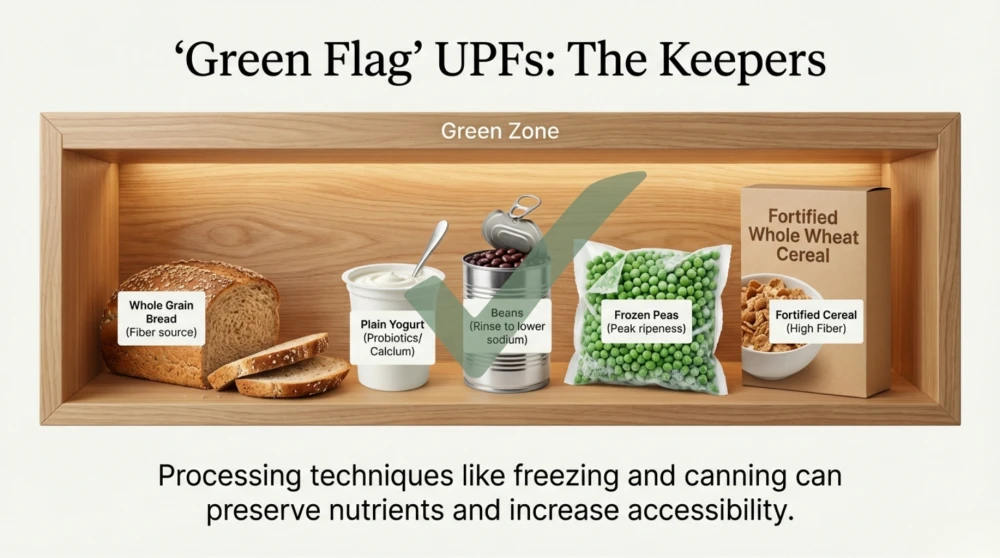
- Low-Sodium Canned Beans: These are a primary source of plant-based protein and fiber, both of which are critical for glycemic control and metabolic wellness. We suggest rinsing them before use to further reduce sodium, making them a heart-healthy staple that supports long-term digestive health.
- Low-Sodium Canned Fish: Canned tuna, salmon, or sardines are rich in omega-3 fatty acids and calcium if the bones are included. Clinical reviews suggest that replacing processed meats with these options can lead to a reduction in LDL cholesterol and C-reactive protein, which are key anti-inflammatory markers for heart health.
- Unsweetened Dried Fruit: This provides concentrated antioxidants and fiber without the metabolic strain of added sugars. They are an excellent way to maintain nutrient intake and provide natural energy when fresh produce is not readily available, provided they are free from oils and extra sweeteners.
- Whole-Grain Breads and Crackers: We often reference the RESTRUCTURE project, which found that harder textures, like crusty wholemeal bread, can slow the eating rate by as much as 40 percent. This slower pace is essential for preventing overconsumption and ensuring complex carbohydrates provide sustained energy.
- High-Fiber Cereals (Low Sugar): Many of these are fortified with iron and Vitamin B1, providing a clinical benefit for those needing nutrient replenishment. Choosing versions with minimal sweeteners and high fiber allows for a quick, nutritious start to the day that supports metabolic regularity.
- Plant-Based Alternatives (Tofu and Soy Milk): These products are instrumental for those following non-dairy diets, offering high-quality protein and calcium. Substitutions like soy milk for dairy have been shown to improve cardio-metabolic markers and reduce cholesterol in clinical settings when used as a transition tool.
- Frozen Fruits and Vegetables: Because these are frozen at peak ripeness, they preserve a high density of vitamins and minerals. This ensures year-round access to high-quality produce that is often as nutritious, if not more so, than fresh alternatives that have spent days in transport.
- Low-Sugar Yogurt: This is a valuable processed food that supports the gut and provides necessary protein for muscle maintenance. Recent research identifies yogurt as a category that, when low in sugar, may actually be associated with reduced cardiovascular risk and improved metabolic balance.
Staying Sharp: Recognizing the Red Flags
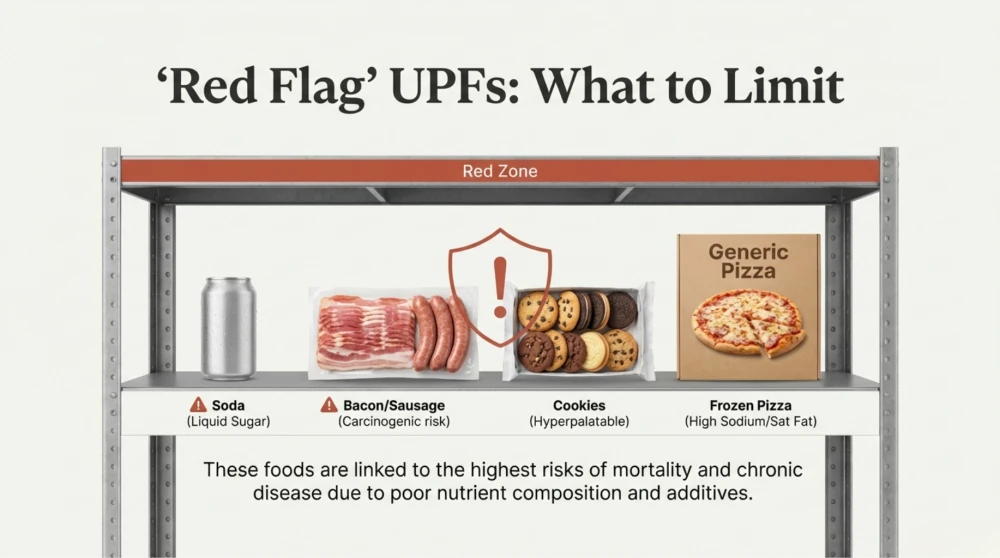
The 2025-2030 Dietary Guidelines for Americans explicitly recommend avoiding "highly processed" foods that are heavy in refined carbohydrates and industrial additives. When we review food journals with our patients, we look for red flags like processed meats (bacon, sausage, and hot dogs), sugar-sweetened beverages, and dairy-based desserts like ice cream.
Other common culprits to limit include white bread, tortillas, and frozen meals containing unhealthy fats or excessive sodium. It is also important to remember that even natural sweeteners like honey or maple syrup should be treated as occasional treats rather than daily staples to maintain optimal glycemic health. Transitioning from these "red flags" to a smarter shopping strategy can dramatically improve your clinical outcomes.
Practical Shopping and Label-Reading Tips
Navigating the aisles requires a strategy centered on clinical transparency and simplicity. First, we advise you to scan ingredient lists for industrial emulsifiers and hidden sugars; shorter lists with recognizable names often indicate less industrial manipulation. Second, always prioritize foods that are high in fiber and protein to support satiety and stable blood sugar throughout the day.
Finally, aim for a protein target of 1.2 to 1.6 grams per kg of body weight, as recommended in the latest federal guidelines for better metabolic health. Balancing convenient green-flag UPFs with fresh, whole produce allows you to maintain a nutritious diet without the stress of total elimination.
Who Should Be Careful?
Certain clinical conditions require a more cautious approach to even the healthier processed items. Patients on medications for hypertension or heart disease must be vigilant about sodium, which is often used as a preservative in canned goods. Those with reflux or digestive issues should be aware that industrial emulsifiers and stabilizers can disrupt the delicate gut microbiome and aggravate symptoms.
For our pregnant patients, while fortified foods provide essential folic acid, there is emerging concern about microplastics from industrial packaging, which have been linked to inflammation and obesity. We recommend focusing on "real food" as much as possible to support both maternal and fetal health during this critical time.
Key Points
- Focus on nutrient density and the presence of protein or fiber rather than just the degree of processing.
- Use green-flag items like frozen produce and low-sodium beans to make healthy eating convenient and sustainable.
- Limit red-flag foods like processed meats and sugary drinks, which are consistently linked to increased heart health risks.
- Leverage the 2025-2030 protein targets of 1.2-1.6g/kg to support fat-free mass and overall metabolic function.
- Slow your eating rate by choosing whole grains with harder textures to help your brain recognize fullness and prevent overeating.
Educational only, not a substitute for medical advice.
We are committed to helping you find a realistic and scientifically sound path to wellness at the Dr. Pankaj Kumar Medical and Lifestyle Clinic.
You can book a consultation here: Book Appointment
Written by Dr. Pankaj Kumar, General & Lifestyle Physician, Dwarka, New Delhi