

| Duration | Price | |
| 4 WEEKS DIAMOND PLANS | Rs 7000 | Express Checkout |
| 14 WEEKS DIAMOND PLANS | Rs 20000 | Express Checkout |
| Duration | Price | |
| Express checkout |
Being underweight is often ignored, but it can be associated with low immunity, fatigue, hair fall, poor muscle mass, menstrual irregularities, and reduced strength. Simply eating junk food to gain weight is not the solution. If you are searching for a Healthy Weight Gain Program in Delhi, the goal should be gaining lean muscle mass, improving strength, and enhancing overall metabolic health.
This is a doctor supervised weight gain program designed to increase healthy body mass, improve appetite regulation, and correct nutritional deficiencies safely.
Random high-calorie eating often leads to fat accumulation without improving muscle strength. Excessive sugar and processed foods may worsen insulin resistance without meaningful health improvement.
A structured calorie surplus with balanced macronutrients ensures healthy and sustainable weight gain.
The program begins with evaluation of body mass index (BMI), body composition, appetite pattern, digestive health, thyroid status, and lifestyle habits.
Calorie intake is increased gradually through nutrient-dense foods, not empty calories.
Protein intake is optimized to promote lean muscle development.
Healthy fats are incorporated to increase calorie density safely.
Structured resistance training is recommended to convert calorie surplus into muscle mass.
Micronutrients such as iron, vitamin B12, vitamin D, and zinc are assessed and corrected if needed.
With structured planning, individuals may experience gradual weight gain, improved muscle strength, better appetite, enhanced immunity, improved energy levels, and overall metabolic balance.
The focus remains on healthy body composition, not just scale weight.
Healthy weight gain is gradual and sustainable.
No. Weight gained from unhealthy foods increases metabolic risk.
Yes. Protein supports muscle development.
Yes. Thyroid evaluation may be required.
Yes. Both in-clinic and online consultations are available.
If you are looking for a doctor supervised Healthy Weight Gain Program in Delhi focused on muscle development and metabolic health, schedule your initial consultation.
Disclaimer: Persistent unexplained weight loss requires medical evaluation. Weight gain planning should be individualized.
.webp)
| Duration | Price | |
| 4 WEEKS GOLD PLANS | Rs 7000 | Express Checkout |
| Duration | Price | |
| 4 WEEKS DIAMOND PLANS | Rs 9999 | Express Checkout |
| Duration | Price | |
| Express checkout |
The ketogenic diet has gained popularity for weight loss, insulin resistance, and metabolic improvement. However, it is a therapeutic diet and should not be followed casually. If you are searching for a doctor supervised Ketogenic Diet in Delhi, the focus should be safe implementation, proper monitoring, and individualized metabolic evaluation.
This is a structured medical keto program designed for selected individuals aiming for fat loss, improved insulin sensitivity, triglyceride reduction, or metabolic reset, while ensuring nutritional adequacy and safety.
A ketogenic diet is a very low carbohydrate, moderate protein, high fat dietary pattern that shifts the body from glucose metabolism to fat metabolism, producing ketone bodies as an alternative energy source.
While this metabolic shift may offer benefits, improper execution can lead to nutrient deficiencies, electrolyte imbalance, muscle loss, or lipid abnormalities.
The program begins with detailed evaluation of fasting glucose, HbA1c (glycated haemoglobin), lipid profile, liver function, kidney function, thyroid status, and body composition.
Not everyone is a candidate for keto. Suitability is determined based on metabolic status and medical history.
Carbohydrates are reduced strategically while protein intake is calculated carefully to prevent muscle loss. Healthy fat sources are selected thoughtfully, avoiding excessive processed or trans fats.
Electrolyte balance, especially sodium, potassium, and magnesium, is monitored during transition.
Resistance training is integrated to preserve lean muscle mass. Regular lab monitoring is advised to track lipid changes and metabolic response.
With proper supervision, individuals may experience fat reduction, improved insulin sensitivity, reduced triglycerides, improved metabolic flexibility, and appetite stabilization.
Long-term sustainability requires structured reintroduction or metabolic transition planning.
Long-term safety depends on individual health status and monitoring. Periodic evaluation is essential.
Lipid response varies. Monitoring is necessary during keto implementation.
Only under medical supervision, especially in individuals with metabolic disorders.
Adequate protein intake and resistance training are required to preserve lean mass.
Yes. Both in-clinic and online consultations are available.
If you are looking for a doctor supervised Ketogenic Diet program in Delhi focused on safe metabolic improvement, schedule your initial consultation.
Disclaimer: Ketogenic diet is a therapeutic intervention. Medical supervision and periodic lab monitoring are recommended.

| Duration | Price | |
| 4 WEEKS DIAMOND PLANS | Rs 7000 | Express Checkout |
| 14 WEEKS DIAMOND PLANS | Rs 20000 | Express Checkout |
| Duration | Price | |
| Express checkout |
Sudden joint pain, especially in the big toe, ankle, or knee, may be a sign of gout. If you are searching for a Gout or High Uric Acid Diet Plan in Delhi, the focus should be on reducing uric acid production, improving its elimination, and correcting metabolic triggers.
Gout occurs when uric acid levels rise and form crystals in joints, leading to severe inflammation and pain. This is a doctor supervised uric acid management program designed to reduce flare frequency and stabilize long-term levels safely.
Uric acid rises due to excessive purine intake, high fructose consumption, alcohol, obesity, insulin resistance, dehydration, kidney clearance issues, or certain medications.
Simply avoiding a few foods is not enough. Structured dietary correction and metabolic stabilization are essential to prevent recurrent attacks.
The program begins with a detailed review of uric acid levels, flare frequency, kidney function, medication history, weight pattern, and dietary habits.
High-purine foods such as organ meats, certain red meats, shellfish, and high-fructose beverages are limited strategically. Alcohol intake, particularly beer, is addressed carefully.
Hydration is optimized. Adequate fluid intake supports uric acid excretion through the kidneys.
Carbohydrate quality is corrected. Excess refined sugar and fructose can worsen uric acid production. Balanced, low glycemic load foods are introduced.
Gradual weight reduction is targeted if overweight. Rapid crash dieting is avoided because it can temporarily increase uric acid levels.
Insulin resistance correction is integrated, as high insulin levels reduce uric acid clearance.
With consistent adherence, patients may observe reduced frequency of gout flares, gradual reduction in uric acid levels, improved joint comfort, weight stabilization, and better metabolic health markers.
Medication adjustments, if required, are coordinated carefully with dietary intervention.
No. Protein is essential. High-purine sources are moderated, while balanced protein intake is maintained.
Hydration is helpful, but no single drink cures gout. Structured dietary management is required.
Yes. Rapid fasting or crash dieting can temporarily raise uric acid levels.
Alcohol, especially beer, should be avoided or strictly limited in gout patients.
Yes. Both in-clinic and online consultations are available.
If you are looking for a doctor supervised Gout or High Uric Acid Diet Plan in Delhi focused on long-term uric acid control and joint protection, schedule your initial consultation.
Disclaimer: Gout management requires individualized medical evaluation. Diet supports uric acid control but does not replace prescribed medication when indicated.

| Duration | Price | |
| 4 WEEKS DIAMOND PLANS | Rs 7000 | Express Checkout |
| 14 WEEKS DIAMOND PLANS | Rs 20000 | Express Checkout |
| Duration | Price | |
| Express checkout |
Sexual health is closely linked to metabolic health. Low energy, abdominal obesity, diabetes, hypertension, hormonal imbalance, and chronic stress often affect libido and performance. If you are searching for a Sexual Wellness Diet Plan in Delhi, the goal should be improving circulation, hormone balance, stamina, and overall vitality through structured nutrition.
This is a doctor supervised sexual wellness nutrition program designed to support testosterone balance, improve blood flow, enhance stamina, reduce metabolic risk factors, and address underlying lifestyle contributors.
Sexual function depends on healthy blood vessels, balanced hormones, stable blood sugar, and adequate energy levels.
Conditions such as obesity, insulin resistance, high cholesterol, and hypertension directly impair vascular function, which may lead to erectile dysfunction or reduced libido.
The program begins with evaluation of body composition, waist circumference, fasting glucose, lipid profile, blood pressure, and lifestyle habits.
A balanced diet focusing on high quality protein, fiber-rich carbohydrates, and healthy fats is structured to improve metabolic stability.
Foods rich in antioxidants are incorporated to support vascular health.
Weight reduction is targeted in overweight individuals, as even moderate fat loss improves hormone balance.
Resistance training and regular physical activity are integrated to improve testosterone levels and circulation.
Stress management and sleep optimization are emphasized, as chronic stress reduces sexual desire.
With structured lifestyle correction, individuals may experience improved stamina, better circulation, enhanced energy levels, improved confidence, and better overall metabolic health.
Sexual wellness improves when underlying metabolic health improves.
Improving vascular and metabolic health can positively influence sexual performance.
Supplements are recommended only if deficiency is identified.
Yes. Abdominal fat reduction improves hormone balance and blood flow.
Chronic stress reduces libido and hormone stability.
Yes. Both in-clinic and online consultations are available.
If you are looking for a doctor supervised Sexual Wellness Diet Plan in Delhi focused on safe metabolic and hormonal improvement, schedule your initial consultation.
Disclaimer: Sexual health concerns require individualized medical evaluation. Addressing underlying metabolic conditions is essential for long-term improvement.

Aging changes the body in many ways. Appetite reduces, digestion slows, muscle mass declines, bone density decreases, and chronic conditions become more common. If you are searching for an Elderly Diet Plan in Delhi, the goal should not be restriction, but nourishment, strength preservation, and metabolic stability.
This is a doctor supervised elderly nutrition program designed to support healthy aging, improve energy, maintain muscle mass, strengthen bones, and protect against diabetes, hypertension, and cardiovascular disease.
With advancing age, protein absorption efficiency reduces, vitamin deficiencies become common, and muscle mass declines in a process known as sarcopenia. Poor nutrition increases the risk of falls, fractures, infections, cognitive decline, and hospitalizations.
Many elderly individuals either eat too little or consume calorie-dense but nutrient-poor foods. Structured nutrition is essential to maintain independence and quality of life.
The program begins with a detailed assessment of medical history, medications, appetite pattern, chewing or swallowing difficulty, digestive tolerance, and activity level. Lab parameters such as vitamin D, vitamin B12, calcium status, blood sugar levels, kidney function, and lipid profile may be reviewed.
Protein intake is optimized to preserve muscle mass. Easily digestible, high-quality protein sources are structured into meals. Micronutrients such as calcium, vitamin D, vitamin B12, magnesium, and iron are corrected if required.
Carbohydrate intake is balanced to prevent glucose spikes, especially in elderly individuals with diabetes. Fiber intake is adjusted carefully to prevent constipation without causing bloating.
Hydration planning is emphasized. Elderly individuals often experience reduced thirst sensation, increasing dehydration risk.
If weight loss has occurred unintentionally, calorie density is increased safely. If overweight, gradual fat reduction is structured without compromising muscle mass.
With structured guidance, elderly patients may experience improved strength, better appetite, stable blood sugar levels, improved bone health markers, reduced constipation, and enhanced overall vitality.
The aim is functional independence, not aggressive dieting.
Not necessarily. They require adequate protein and micronutrients even if total calories are adjusted.
Yes, in appropriate amounts. Protein supports muscle mass and immunity.
Protein and nutrient plans are modified based on kidney function and medical evaluation.
Yes. Nutrition can be customized according to mobility level.
Yes. Both in-clinic and online consultations are available for elderly patients and caregivers.
If you are looking for a doctor supervised Elderly Diet Plan in Delhi focused on strength, metabolic stability, and long-term health protection, schedule your initial consultation.
Disclaimer: Elderly nutrition requires individualized medical evaluation. Diet should be coordinated with existing medications and health conditions.

| Duration | Price | |
| 14 WEEKS DIAMOND PLANS | INR 30000 | Express checkout |
| 4 WEEKS DIAMOND PLANS | INR 7000 | Express checkout |
Kidney disease requires precise nutritional management. Eating without guidance can worsen fluid overload, potassium imbalance, high creatinine levels, or blood pressure fluctuations. If you are searching for a Renal Diet Plan in Delhi, the goal should be protecting remaining kidney function, controlling electrolytes, and preventing complications.
This is a doctor supervised renal nutrition program designed for individuals with chronic kidney disease (CKD), elevated creatinine levels, nephrotic conditions, or those on dialysis who require structured dietary planning.
Kidneys regulate fluid balance, electrolytes such as potassium and sodium, and waste removal. When kidney function declines, improper dietary intake may lead to swelling, high potassium levels, metabolic acidosis, and cardiovascular risk.
Over-restricting food without supervision can also cause protein-energy malnutrition. Balance is essential.
The program begins with evaluation of estimated glomerular filtration rate (eGFR), serum creatinine, potassium, sodium levels, blood pressure, and dialysis status if applicable.
Protein intake is adjusted according to CKD stage. In non-dialysis patients, moderate protein control is structured. In dialysis patients, protein requirements may increase.
Sodium intake is restricted to control fluid retention and blood pressure.
Potassium-rich foods are evaluated carefully based on lab levels.
Phosphorus intake is monitored, particularly in advanced kidney disease.
Fluid allowance is structured depending on urine output and edema status.
With structured renal nutrition, individuals may experience improved electrolyte balance, better blood pressure control, reduced swelling, stable creatinine trends, and improved overall quality of life.
Renal diet planning is highly individualized. Unsupervised restrictions may be harmful.
No. Protein needs are adjusted based on CKD stage, not eliminated entirely.
Potassium intake depends on lab levels, not blanket food bans.
Fluid allowance depends on kidney function and urine output.
While CKD may not be fully reversible, structured nutrition helps slow progression.
Yes. Both in-clinic and online consultations are available.
If you are looking for a doctor supervised Renal Diet Plan in Delhi focused on kidney protection and metabolic stability, schedule your initial consultation.
Disclaimer: Renal diet planning must be individualized based on CKD stage and lab parameters. Regular medical supervision is essential.

Constant tiredness that does not improve with rest can be deeply frustrating. If you are searching for a Chronic Fatigue Syndrome Diet Plan in Delhi, it is important to understand that fatigue is rarely caused by a single factor. It may involve immune dysregulation, mitochondrial stress, sleep disturbance, micronutrient deficiencies, gut imbalance, or hormonal irregularities.
This is a doctor supervised chronic fatigue nutrition program designed to support energy metabolism, stabilize blood sugar, reduce inflammatory load, and improve overall resilience. The focus is not on stimulants or quick fixes, but on structured metabolic support.
Chronic Fatigue Syndrome (also known as Myalgic Encephalomyelitis) is characterized by persistent fatigue lasting more than six months, post-exertional malaise, sleep disturbance, cognitive fog, and reduced functional capacity. Even minor activity may worsen symptoms.
Nutrition alone does not “cure” the condition, but structured dietary correction can significantly support symptom control and energy stabilization.
The program begins with a detailed clinical evaluation of fatigue pattern, sleep cycle, stress levels, digestive health, weight changes, and existing medical conditions. If indicated, lab tests such as vitamin D, vitamin B12, iron profile, thyroid function, fasting glucose, and inflammatory markers are reviewed.
Blood sugar stability is a priority. Frequent glucose spikes and crashes can worsen fatigue. Balanced meals with adequate protein, controlled carbohydrates, healthy fats, and fiber are structured to prevent energy dips.
Micronutrient correction is individualized. Iron, vitamin B12, vitamin D, magnesium, and other nutrients are evaluated and corrected if needed. Supplementation is prescribed only when clinically indicated.
Anti-inflammatory food patterns are emphasized. Ultra-processed foods, excess sugar, and high refined carbohydrate intake are minimized. Whole foods rich in antioxidants and phytonutrients are gradually incorporated.
Gut health is considered because digestive imbalance can worsen fatigue and immune dysregulation. Food tolerance is assessed carefully, avoiding unnecessary elimination diets.
Pacing and energy budgeting strategies are discussed. Overexertion often leads to symptom flare-ups. Gentle, individualized activity guidance is integrated cautiously.
With consistent adherence, patients may notice improved energy stability, reduced crashes, better sleep quality, improved concentration, and gradual enhancement in overall functional capacity. Progress is gradual and individualized.
The aim is not rapid stimulation, but steady metabolic correction and resilience building.
Diet alone does not cure the condition, but it significantly supports symptom management and metabolic stability.
No. The focus is on structured carbohydrates that prevent glucose spikes and crashes.
Supplements are recommended only if lab reports indicate deficiency or clinical need.
Gentle, paced activity may be introduced carefully. Overexertion is avoided.
Yes. Both in-clinic and online consultations are available.
If you are looking for a doctor supervised Chronic Fatigue Syndrome Diet Plan in Delhi focused on safe metabolic correction and long-term energy stability, schedule your initial consultation.
Disclaimer: Chronic Fatigue Syndrome requires individualized medical evaluation. Diet supports symptom control but does not replace comprehensive medical care.

| Duration | Price | |
| 4 WEEKS DIAMOND PLANS | Rs 7000 | Express Checkout |
| 14 WEEKS DIAMOND PLANS | Rs 20000 | Express Checkout |
| Duration | Price | |
| Express checkout |
Polycystic Ovarian Disease (PCOD) or Polycystic Ovary Syndrome (PCOS) is one of the most common hormonal disorders in young women today. Irregular periods, weight gain, acne, hair fall, facial hair growth, difficulty in conceiving, and mood fluctuations are common concerns. If you are searching for a PCOD / PCOS Diet Plan in Delhi, the focus should be correcting insulin resistance and restoring hormonal balance.
This is a doctor supervised PCOS nutrition program designed to regulate menstrual cycles, improve ovulation, reduce abdominal fat, and support long-term metabolic stability.
Insulin resistance plays a major role in PCOS. Elevated insulin levels stimulate excess androgen production, which disrupts ovulation and causes many PCOS symptoms.
Simply taking hormonal medications without addressing lifestyle may provide temporary relief but does not correct the root cause.
The program begins with evaluation of body weight, waist circumference, menstrual history, fasting glucose, HbA1c (glycated haemoglobin), lipid profile, thyroid function, and vitamin D levels.
Carbohydrate quality is structured carefully. Refined sugars and processed foods are reduced, while low glycemic load meals are introduced to stabilize insulin levels.
Protein intake is optimized to improve satiety and reduce cravings.
Healthy fats are included to support hormone production.
Gradual fat loss is targeted in overweight individuals. Even 5 to 10 percent weight reduction can significantly improve menstrual regularity.
Resistance training and regular physical activity are integrated to improve insulin sensitivity.
Stress management and sleep correction are emphasized, as chronic stress can worsen hormonal imbalance.
With consistent adherence, individuals may experience improved menstrual regularity, reduction in abdominal fat, improved ovulation, better skin health, reduced cravings, and improved metabolic markers.
PCOS management requires long-term lifestyle correction, not short-term dieting.
PCOS is a chronic condition, but symptoms can be significantly improved with structured lifestyle correction.
Weight reduction is helpful in overweight individuals, but even lean PCOS patients benefit from insulin stabilization.
No. Carbohydrates are structured and balanced, not completely eliminated.
It may benefit selected individuals, but requires medical supervision.
Yes. Both in-clinic and online consultations are available.
If you are looking for a doctor supervised PCOD / PCOS Diet Plan in Delhi focused on hormonal balance and metabolic correction, schedule your initial consultation.
Disclaimer: PCOS management requires individualized medical evaluation. Diet supports hormonal balance but does not replace medical treatment when required.

| Duration | Price | |
| 4 WEEKS DIAMOND PLANS | ₹ 7000 | Express Checkout |
| 14 WEEKS DIAMOND PLANS | ₹ 20000 | Express Checkout |
| Duration | Price | |
| 14 WEEKS DIAMOND PLANS | $ 289 | Express checkout |
Diabetes management is not just about avoiding sugar. It is about controlling blood glucose trends, improving insulin sensitivity, preserving pancreatic function, protecting organs, and preventing long-term complications. If you are searching for a Diabetes Diet Plan in Delhi that is medically structured and practical, this program focuses on scientific glucose control rather than generic food charts.
This is a doctor supervised diabetes diet program designed for individuals with Type 2 Diabetes, prediabetes, insulin resistance, gestational diabetes (with coordination), or early metabolic syndrome. The goal is stable blood sugar, reduced medication dependency where appropriate, improved HbA1c (glycated haemoglobin), and long-term metabolic protection.
Uncontrolled glucose spikes damage blood vessels, kidneys, nerves, eyes, and heart. However, extreme carbohydrate elimination or crash dieting can be equally harmful. The key is structured carbohydrate distribution, adequate protein, healthy fat balance, fiber optimization, and meal timing correction.
Many patients either over-restrict or eat “diabetic labeled” foods that still cause glucose variability. This program focuses on glycemic stability, not fear-based restriction.
The program begins with a detailed assessment of your medical history, HbA1c levels, fasting and post-meal glucose trends, current medications, weight history, sleep pattern, and physical activity levels.
If needed, additional evaluation such as lipid profile, kidney parameters, liver enzymes, and vitamin D status may be reviewed. Diet is never created in isolation from medication.
Carbohydrate intake is structured rather than eliminated. Low glycemic index sources are incorporated. Protein intake is optimized according to body weight. Fiber intake is gradually increased to improve glucose control.
Meal timing is adjusted to prevent prolonged fasting followed by heavy spikes. Late-night eating is addressed carefully. For suitable individuals, time-restricted eating may be discussed, but only under supervision.
Weight management is integrated if needed. Even modest fat reduction improves insulin sensitivity. Resistance training guidance is included to preserve muscle mass, which plays a critical role in glucose utilization.
With consistent adherence and monitoring, patients may observe improved fasting glucose, reduced post-meal spikes, improved HbA1c levels, better energy stability, gradual weight reduction, and improved lipid profile.
Medication adjustments, if appropriate, are always done carefully and based on glucose trends and medical evaluation.
Some individuals with early Type 2 Diabetes or prediabetes can achieve remission with structured lifestyle correction. Outcomes depend on duration, adherence, and pancreatic reserve.
No. Structured carbohydrate intake is safer and more sustainable than complete elimination.
Yes, in structured portions and proper timing. Fruit choice and quantity are individualized.
Monitoring frequency depends on medication and risk level. Structured monitoring improves dietary adjustments.
Yes. Both in-clinic and online diabetes diet consultations are available.
If you are looking for a doctor supervised Diabetes Diet Plan in Delhi focused on stable glucose control and long-term metabolic protection, schedule your initial consultation.
Disclaimer: Diabetes management requires individualized medical evaluation. Diet supports glucose control but does not replace prescribed medical therapy.

| Duration | Price | |
| 9 Days Navratri Weight Loss Diet Plan | 999 | |
| 9 Days Navratri Intermittent Fasting Diet Plan | 999 |
| Duration | Price | |
| Express checkout |
Navratri fasting is a spiritual practice, but it should not compromise your health. Many people experience weakness, acidity, sugar fluctuations, or weight gain during fasting because meals become high in fried foods, excess sabudana, potatoes, and sweets. If you are searching for a Navratri Diet Plan in Delhi, the goal should be maintaining energy, metabolic stability, and nutritional balance while respecting fasting traditions.
This is a doctor supervised Navratri fasting nutrition plan designed to help you fast safely, maintain blood sugar balance, prevent fatigue, and avoid unnecessary weight gain.
Fasting does not mean starving or overeating fried vrat foods. During Navratri, long gaps between meals combined with high-starch options can cause blood sugar spikes followed by sudden energy crashes.
Excess fried food can worsen acidity, bloating, and triglyceride levels. In people with diabetes, hypertension, thyroid disorders, or fatty liver, unplanned fasting can disturb metabolic control.
Balanced fasting ensures steady energy, stable glucose levels, adequate protein intake, and prevention of muscle loss.
The program begins with assessment of your medical condition, fasting pattern (full fast or partial fast), blood sugar status, and daily routine.
Protein sources suitable for fasting such as milk, curd, paneer, peanuts, makhana, and nuts are structured carefully to prevent muscle breakdown.
Carbohydrate sources such as sabudana, kuttu atta, singhara atta, and potatoes are portion controlled to avoid glucose spikes.
Healthy fats are balanced instead of excessive deep frying. Roasted, boiled, or lightly sautéed options are encouraged.
Hydration guidance is provided, especially for individuals observing nirjala or long fasting hours.
Special care is taken for people with diabetes, hypertension, insulin resistance, or gastric sensitivity.
With structured fasting guidance, individuals may experience steady energy levels, reduced bloating, better glucose control, no unnecessary weight gain, and improved digestive comfort throughout the fasting period.
Fasting should support spiritual discipline, not create metabolic imbalance.
Yes, but only with structured meal planning and glucose monitoring.
It can be included in moderation, but portion control is important.
Weight gain usually happens due to excess fried foods and sweets, not fasting itself.
Meal frequency depends on individual metabolic status and fasting type.
Yes. Both in-clinic and online consultations are available.
If you are looking for a doctor supervised Navratri Diet Plan in Delhi focused on balanced fasting and metabolic safety, schedule your initial consultation.
Disclaimer: Individuals with medical conditions should consult before fasting. Personalized supervision is recommended for safe metabolic management.

| Duration | Price | |
| Nutritional assessment with diet plan | 0 | Express checkout |
| Duration | Price | |
| Report analysis only | 650 | |
| Medical Consultation | 650 | |
| Report analysis with diet consultation | 1999 |
Dr. Pankaj Kumar after clearing MBBS from Calcutta University and DNB Family Medicine from Sir Ganga Ram Hospital, associated with Practo, DocsApp, Mfine, and many other online consultation platforms to help patients online for their day to day health-related problems. Now you can consult with Dr. Pankaj Kumar (online) for your general problem on the Diet Plus Minus platform also.
You need to pay online, after a successful transaction you will get a call at your preferred time. If you have any reports or prescriptions then please upload them after a successful transaction.
1. One Online Consultation with 3 days online follow up



| Duration | Price | |
| 4 WEEKS DIAMOND PLANS | Rs 7000 | Express Checkout |
| 14 WEEKS DIAMOND PLANS | Rs 20000 | Express Checkout |
| Duration | Price | |
| Express checkout |
Elevated cholesterol or triglycerides are silent risk factors for heart disease, stroke, and fatty liver. Most people feel completely normal until complications develop. If you are searching for a High Cholesterol or Triglycerides Diet Plan in Delhi, the goal should be structured lipid correction, not random food elimination.
This is a doctor supervised cholesterol management program designed to reduce LDL cholesterol, control triglycerides, improve HDL levels, and stabilize overall cardiovascular risk safely.
High cholesterol and triglycerides are often linked to insulin resistance, abdominal obesity, excessive refined carbohydrates, high sugar intake, sedentary lifestyle, poor sleep, stress, and genetic predisposition.
Avoiding oil alone does not correct the problem. In many individuals, excess sugar and refined carbohydrates contribute more to triglyceride elevation than dietary fat itself.
The program begins with a detailed review of lipid profile, including LDL, HDL, triglycerides, total cholesterol, and non-HDL cholesterol. Additional markers such as HbA1c (glycated haemoglobin), liver enzymes, body composition, and blood pressure are assessed.
Refined carbohydrates and added sugars are reduced strategically. Ultra-processed foods and trans fats are eliminated. Balanced intake of healthy fats, including omega 3 fatty acids, is incorporated carefully.
Protein intake is optimized to preserve muscle mass, which improves metabolic efficiency. Fiber intake is increased gradually, especially soluble fiber, which helps reduce LDL cholesterol.
Meal timing and portion control are structured to prevent excessive caloric load. Late-night snacking and alcohol intake are addressed.
Resistance training and aerobic activity are integrated. Regular physical activity improves HDL cholesterol and reduces triglycerides.
With consistent adherence, patients may observe reduction in LDL cholesterol, significant triglyceride improvement, increased HDL levels, reduced abdominal circumference, improved insulin sensitivity, and better overall cardiovascular risk profile.
Medication adjustments, if required, are coordinated carefully based on follow-up lab results.
No. Healthy fats are essential. The focus is on eliminating trans fats and balancing overall intake.
In most individuals, moderate whole egg consumption is safe. Personal lipid response is evaluated individually.
Medication decisions depend on risk profile. Diet and lifestyle correction are foundational.
Yes. Even modest fat reduction can significantly lower triglyceride levels.
Yes. Both in-clinic and online consultations are available.
If you are looking for a doctor supervised High Cholesterol or Triglycerides Diet Plan in Delhi focused on long-term cardiovascular protection, schedule your initial consultation.
Disclaimer: Lipid management requires individualized medical evaluation. Diet supports cholesterol correction but does not replace prescribed therapy when indicated.

| Duration | Price | |
| 4 WEEKS DIAMOND PLANS | Rs 7000 | Express Checkout |
| 14 WEEKS DIAMOND PLANS | Rs 20000 | Express Checkout |
| Duration | Price | |
| Express checkout |
Thyroid disorders are among the most common metabolic conditions, especially in women. Unexplained weight gain, fatigue, hair fall, irregular periods, mood fluctuations, and swelling often point toward thyroid imbalance. If you are searching for a Thyroid Diet Plan in Delhi, the goal should be hormonal balance, metabolic stability, and sustainable weight management.
This is a doctor supervised thyroid nutrition program designed to support individuals with hypothyroidism, subclinical thyroid dysfunction, Hashimoto’s thyroiditis, or thyroid-related weight gain.
Thyroid hormones regulate metabolism, energy production, and body temperature. When thyroid function slows, metabolism reduces, leading to weight gain and fatigue.
Improper dieting, excessive calorie restriction, or nutrient deficiencies can further disturb thyroid balance.
The program begins with evaluation of thyroid stimulating hormone (TSH), free T3, free T4 levels, weight pattern, lipid profile, blood sugar status, and lifestyle habits.
Calorie intake is structured carefully. Extreme low-calorie diets are avoided, as they may worsen metabolic slowdown.
Protein intake is optimized to preserve lean muscle mass and improve metabolic rate.
Iodine intake is balanced without unnecessary over-supplementation.
Selenium, zinc, iron, and vitamin D levels are assessed and corrected if needed.
Refined sugar and ultra-processed foods are reduced to improve insulin sensitivity, which commonly coexists with thyroid dysfunction.
Structured physical activity is integrated gradually to enhance metabolic efficiency.
With structured thyroid nutrition, individuals may experience improved energy, gradual weight reduction, reduced hair fall, improved lipid profile, better mood stability, and enhanced metabolic balance.
Thyroid management requires medical monitoring alongside nutrition.
Diet supports metabolic balance, but medication may still be required in many cases.
Most individuals can consume cooked cruciferous vegetables safely in moderation.
Calorie imbalance, insulin resistance, and inactivity may contribute.
Excess iodine can be harmful. Supplementation should be medically guided.
Yes. Both in-clinic and online consultations are available.
If you are looking for a doctor supervised Thyroid Diet Plan in Delhi focused on metabolic balance and sustainable weight management, schedule your initial consultation.
Disclaimer: Thyroid disorders require regular medical monitoring. Nutrition supports but does not replace prescribed thyroid medication.

Most metabolic diseases do not begin suddenly. They develop silently over years due to poor diet, inactivity, stress, sleep deprivation, and weight gain. If you are searching for a Lifestyle Modification Program in Delhi, the goal should be long-term metabolic correction, not temporary symptom control.
This is a doctor supervised comprehensive lifestyle program designed to address obesity, diabetes, hypertension, fatty liver, insulin resistance, thyroid imbalance, high cholesterol, and overall metabolic risk through structured intervention.
Medication may control numbers, but lifestyle correction addresses root causes. Abdominal fat accumulation, insulin resistance, chronic inflammation, and hormonal imbalance are often driven by daily habits.
Sustainable correction requires dietary restructuring, physical activity integration, sleep optimization, stress management, and behavioral accountability.
The program begins with a detailed medical and metabolic assessment. This includes review of body composition, HbA1c (glycated haemoglobin), lipid profile, liver function, thyroid status, blood pressure, and lifestyle habits.
A personalized nutrition strategy is developed based on your condition. Calorie intake, protein requirements, carbohydrate quality, and fat balance are structured scientifically.
Physical activity planning is integrated, including resistance training and aerobic exercise, tailored to age, fitness level, and medical status.
Sleep hygiene correction is emphasized, as poor sleep worsens insulin resistance and weight gain.
Stress management strategies are included, as chronic stress elevates cortisol and promotes abdominal fat deposition.
Regular follow-ups ensure progress tracking, lab monitoring when required, and structured adjustment of the plan.
With consistent adherence, participants may experience gradual fat reduction, improved blood sugar stability, improved lipid profile, reduced blood pressure, improved liver enzymes, enhanced energy levels, and better long-term disease risk reduction.
Sustainable transformation requires consistency. The focus is not rapid weight loss, but metabolic health restoration.
No. It is designed for overall metabolic correction, not just cosmetic weight reduction.
Medication adjustments are considered only after medical evaluation and improvement in markers.
Duration depends on individual goals and medical condition. Structured follow-up is essential.
Yes. Both in-clinic and online lifestyle modification programs are available.
Yes. Lab review and progress tracking are part of structured supervision when required.
If you are looking for a doctor supervised Lifestyle Modification Program in Delhi focused on long-term metabolic health and disease prevention, schedule your initial consultation.
Disclaimer: Lifestyle modification requires individualized medical assessment. Outcomes depend on consistency and structured follow-up.

If you are searching for the best hair fall treatment doctor in Delhi, you are likely looking for something more reliable than temporary fixes. In my clinical practice, I treat hair fall as a medical and metabolic issue, not a cosmetic one. Hair shedding often reflects internal triggers such as protein deficiency, low iron stores (low ferritin), vitamin D or vitamin B12 deficiency, thyroid imbalance, insulin resistance, PCOD (Polycystic Ovarian Disease), chronic stress, poor sleep, or rapid weight loss. When we correct the root cause, hair recovery becomes possible.
This program is designed for patients who want a doctor supervised hair loss treatment with a structured, safe, and realistic approach. Instead of a one-time diet chart, it is built like ongoing care: assessment, personalized nutrition correction, lifestyle support, and follow-up monitoring.
Many people try oils, shampoos, salons, and random supplements. These may help scalp comfort, but they do not correct what is happening inside the body. Hair grows in cycles. When the body is under nutritional or hormonal stress, more hair shifts into the shedding phase. The goal here is to stabilize your internal health so hair can return to a healthier growth cycle.
We begin with a detailed clinical and nutrition assessment. I review your eating pattern, protein intake, weight history, sleep schedule, stress levels, and any relevant medical history (including thyroid, diabetes, or PCOD). If indicated, I guide you on useful lab tests such as iron profile with ferritin, vitamin D, vitamin B12, thyroid profile, and blood sugar markers. Many patients are surprised to learn that a normal hemoglobin does not always mean iron stores are adequate for hair growth.
After we identify the likely trigger, your plan is customized. Protein targets are set according to your body weight. Iron-rich foods are structured properly for better absorption. Omega-3 fats, zinc, and key micronutrients are optimized through food first. Supplements are recommended only when clinically required, and always in a monitored, evidence-based way.
If your hair fall is linked to thyroid imbalance, insulin resistance, PCOD, postpartum changes, or aggressive dieting, we correct those drivers alongside the nutrition strategy. Hair cannot recover consistently if metabolic stress continues. Sleep and stress support are also part of the plan because high cortisol and sleep deprivation can worsen shedding.
Hair improvement takes time. Most patients notice reduced daily shedding first, then better texture and scalp comfort. Visible density changes typically require consistent follow-up over months. This is why the program is subscription-based: it allows monitoring, timely adjustments, and realistic progress tracking.
Most patients first see a reduction in shedding over 4 to 6 weeks if the trigger is corrected and adherence is good. Texture and scalp health usually improve next. Visible thickness and density improvements typically take 3 to 6 months, depending on the cause, baseline deficiencies, and consistency. Genetic pattern thinning can often be slowed and supported, but complete reversal is not guaranteed.
Not always. Many patients improve with food-based correction once protein and micronutrients are structured properly. Supplements are used when labs or clinical signs suggest deficiency, and they are monitored to avoid unnecessary dosing.
Yes. PCOD-related hair loss often overlaps with insulin resistance, inflammation, and nutrient gaps. The plan focuses on metabolic correction along with nutrition and lifestyle changes.
Yes. Even mild thyroid imbalance can affect hair cycling in some people. Treatment depends on symptoms, trends, and overall clinical picture, not a single number.
Not for everyone. Many cases improve significantly with internal correction. Procedures are considered only when medically appropriate and after evaluating underlying causes.
If hair fall is persistent for more than a few weeks, or you notice thinning, widening parting, or rapid shedding, early evaluation is better. Delaying treatment allows deficiencies and triggers to continue, making recovery slower.
If you want a structured, doctor supervised hair loss treatment in Delhi with a personalized anti hair fall diet plan, book an initial consultation. Early assessment improves outcomes.
Disclaimer: Hair fall has multiple causes. Results vary depending on diagnosis, baseline deficiencies, and adherence. A clinical evaluation is required before recommending tests, supplements, or medications.

Chronic stress does not just affect the mind. It alters hormones, increases cortisol levels, disrupts sleep, raises blood sugar, and triggers emotional eating. Many individuals complain of fatigue, weight gain, acidity, headaches, and poor concentration during prolonged stress. If you are searching for a Stress Relieving Diet Plan in Delhi, the goal should be hormonal balance, stable energy, and improved mental resilience.
This is a doctor supervised stress management nutrition program designed to stabilize blood sugar, improve gut health, reduce inflammation, and support healthy sleep cycles.
When stress persists, cortisol levels remain elevated. This increases cravings for sugary foods, promotes abdominal fat accumulation, and worsens insulin resistance.
Poor dietary choices during stress further disturb sleep and energy levels, creating a vicious cycle.
The program begins with assessment of sleep pattern, eating habits, caffeine intake, physical activity level, and metabolic markers when needed.
Balanced meals are structured with adequate protein, fiber-rich carbohydrates, and healthy fats to maintain stable blood sugar levels.
Refined sugars and excessive caffeine are gradually reduced.
Magnesium-rich foods, omega-3 sources, and antioxidant-rich vegetables are incorporated.
Meal timing is optimized to prevent late-night stress eating.
Lifestyle components such as light exercise, breathing techniques, and sleep hygiene are integrated alongside dietary correction.
With structured nutrition and lifestyle guidance, individuals may experience improved sleep, reduced cravings, better mood stability, improved energy levels, reduced abdominal fat, and enhanced overall well-being.
Stress management requires both mental and metabolic correction.
Balanced blood sugar and nutrient adequacy significantly improve stress tolerance.
Moderate caffeine intake is individualized. Excess consumption may worsen anxiety.
Cortisol increases desire for quick energy foods.
Chronic stress promotes abdominal fat deposition.
Yes. Both in-clinic and online consultations are available.
If you are looking for a doctor supervised Stress Relieving Diet Plan in Delhi focused on sustainable hormonal balance and mental wellness, schedule your initial consultation.
Disclaimer: Persistent anxiety or mood disorders require comprehensive medical evaluation. Nutrition supports but does not replace psychological care.

| Duration | Price | |
| 4 WEEKS DIAMOND PLANS | Rs 7000 | Express Checkout |
| 14 WEEKS DIAMOND PLANS | Rs 20000 | Express Checkout |
| Duration | Price | |
| Express checkout |
Pregnancy is a critical phase where nutrition directly influences both maternal health and fetal development. Eating for two does not mean eating double. It means eating balanced, nutrient-dense food with proper structure. If you are searching for a Pregnancy Diet Plan in Delhi, the goal should be supporting healthy weight gain, preventing nutritional deficiencies, and reducing pregnancy-related complications.
This is a doctor supervised pregnancy nutrition program designed to support fetal growth, prevent anemia, manage blood sugar, and maintain maternal strength throughout all trimesters.
Inadequate or unbalanced nutrition may increase the risk of anemia, gestational diabetes, excessive weight gain, hypertension, or low birth weight.
At the same time, extreme dieting or unnecessary food restrictions can compromise fetal development.
The program begins with assessment of trimester, pre-pregnancy weight, hemoglobin levels, thyroid function, blood sugar status, and current eating pattern.
Calorie intake is adjusted according to trimester and body mass index (BMI). Excessive weight gain is avoided, while ensuring adequate nourishment.
Protein intake is optimized to support fetal tissue development and maternal muscle preservation.
Iron-rich foods are structured carefully to prevent pregnancy-related anemia.
Calcium and vitamin D are balanced to support fetal bone development.
Fiber intake is optimized to reduce constipation, which is common during pregnancy.
Special planning is provided for women with gestational diabetes, thyroid imbalance, or high blood pressure.
With structured pregnancy nutrition, mothers may experience stable energy, reduced anemia risk, healthy fetal growth, controlled weight gain, improved digestion, and reduced pregnancy-related complications.
Proper nutrition supports both safe delivery and postpartum recovery.
Weight gain depends on pre-pregnancy BMI and trimester.
Aggressive dieting is not recommended. Balanced structured nutrition is advised.
Yes. Protein supports fetal growth and maternal strength.
Food safety guidance is individualized based on pregnancy stage.
Yes. Both in-clinic and online consultations are available.
If you are looking for a doctor supervised Pregnancy Diet Plan in Delhi focused on safe maternal and fetal health, schedule your initial consultation.
Disclaimer: Pregnancy nutrition must be individualized. Regular obstetric and medical supervision is essential.

| Duration | Price | |
| 1 Month Diet + Consultation with 3 Revisions | INR 10000 | Express checkout |
Ryle’s Tube (RT) feeding is required when a patient cannot consume food orally due to neurological conditions, stroke, critical illness, post-surgery recovery, cancer, or swallowing difficulty. Nutrition during this phase is not optional. It directly impacts recovery, immunity, wound healing, and survival. If you are searching for a RT Feeding Diet Plan in Delhi, the goal should be safe, balanced, and medically supervised enteral nutrition.
This is a doctor supervised tube feeding nutrition program designed to provide adequate calories, protein, fluids, and micronutrients while preventing complications such as aspiration, diarrhea, electrolyte imbalance, or malnutrition.
Improper homemade blends or incorrect feeding volumes can lead to infection, tube blockage, dehydration, or poor nutritional status.
Many caregivers struggle with portion size, feeding frequency, protein calculation, and hygiene maintenance. A structured medical plan reduces risk significantly.
The program begins with assessment of underlying diagnosis, weight, body mass index (BMI), lab parameters, kidney and liver function, and swallowing status.
Calorie requirements are calculated based on medical condition and activity level.
Protein intake is structured carefully to support wound healing, muscle preservation, and immune function.
Feeding schedule is customized, including bolus feeding or continuous feeding depending on patient tolerance.
Micronutrients such as iron, vitamin B12, vitamin D, and electrolytes are monitored.
Caregiver education is provided regarding: proper blending, hygiene, tube flushing, feeding position, and monitoring warning signs.
With structured RT feeding, patients may experience improved strength, better wound healing, stabilized weight, reduced infection risk, improved tolerance to feeding, and better overall recovery.
Proper nutrition through RT feeding plays a vital role in medical stabilization.
Yes, but it must be properly blended, filtered, and nutritionally calculated.
Feeding frequency depends on total calorie requirement and patient tolerance.
Feed composition, hygiene, and volume must be reviewed immediately.
Yes, depending on underlying condition, with structured monitoring.
Yes. Caregiver guidance and monitoring can be provided online.
If you are looking for a doctor supervised RT Feeding Diet Plan in Delhi focused on safe enteral nutrition and recovery support, schedule your initial consultation.
Disclaimer: RT feeding requires individualized medical supervision. Caregiver training and regular monitoring are essential for safety.

| Duration | Price | |
| 4 WEEKS DIAMOND PLANS | Rs 7000 | Express Checkout |
| Duration | Price | |
| Express checkout |
Immunity is not built overnight. It is the result of consistent nutrition, adequate sleep, metabolic balance, and gut health. If you are searching for an Immunity Boosting Diet Plan in Delhi, the goal should be strengthening your body’s natural defense system through structured and evidence-based nutrition.
This is a doctor supervised immunity support program designed to improve immune resilience, reduce frequency of infections, support faster recovery, and enhance overall vitality. It is suitable for adults, elderly individuals, working professionals, and those recovering from illness.
Immune health depends on adequate protein intake, micronutrients such as vitamin D, vitamin C, zinc, iron, a healthy gut microbiome, stable blood sugar levels, quality sleep, and stress regulation.
Simply consuming herbal drinks or supplements without correcting nutritional deficiencies does not provide sustained immune support.
The program begins with a detailed assessment of infection frequency, fatigue levels, sleep quality, dietary pattern, stress levels, and medical history. If required, lab markers such as vitamin D, vitamin B12, iron profile, blood sugar levels, and inflammatory markers are reviewed.
Protein intake is optimized according to body weight, as immune cells require adequate amino acids for proper function.
Micronutrient correction is individualized. Vitamin D deficiency, iron deficiency, and low zinc status are common contributors to poor immune response.
Antioxidant-rich foods such as colorful vegetables, seasonal fruits, nuts, seeds, and legumes are incorporated in balanced portions.
Gut health is emphasized. Fiber intake is structured carefully, and fermented foods may be introduced if tolerated. The gut plays a central role in immune regulation.
Blood sugar stabilization is addressed. Frequent glucose spikes can impair immune efficiency.
Sleep and stress management are integrated. Chronic sleep deprivation and high stress weaken immune defense significantly.
With consistent adherence, individuals may experience improved energy levels, reduced infection frequency, faster recovery, improved sleep quality, and better overall metabolic health.
Immunity improvement is gradual and requires consistency, not short-term detox approaches.
Supplements are recommended only if deficiency is confirmed or clinically indicated.
No. Immune health depends on overall nutrient balance, not a single vitamin.
Excess refined sugar intake can impair immune response and increase inflammation.
Yes. Chronic stress negatively impacts immune regulation.
Yes. Both in-clinic and online consultations are available.
If you are looking for a doctor supervised Immunity Boosting Diet Plan in Delhi focused on long-term immune resilience and metabolic health, schedule your initial consultation.
Disclaimer: Immune health depends on multiple factors. A medical evaluation is recommended before starting any structured program.

Celiac disease is not a simple food intolerance. It is an autoimmune condition in which gluten damages the lining of the small intestine, affecting nutrient absorption and long-term health. If you are searching for a Celiac Disease Diet Plan in Delhi that is medically structured and safe, this program focuses on strict gluten elimination along with nutritional rehabilitation.
Many patients are told to “avoid wheat” and are left without proper guidance. However, gluten is present in wheat, barley, rye, and many hidden food products. Even small exposures can trigger inflammation and intestinal damage. That is why this is a doctor supervised gluten free diet program designed for long-term intestinal healing.
In celiac disease, ingestion of gluten activates the immune system, leading to damage of the intestinal villi. This reduces absorption of essential nutrients such as iron, calcium, vitamin D, vitamin B12, and folate. Symptoms may include chronic diarrhea, bloating, weight loss, fatigue, anemia, skin rashes, infertility, or even no obvious symptoms at all.
Strict lifelong gluten avoidance is the only proven treatment. However, eliminating gluten without balancing nutrition can lead to new deficiencies. The goal of this program is not just gluten removal, but complete metabolic and nutritional stabilization.
The program begins with a detailed assessment of your diagnosis, symptoms, lab reports, weight history, and dietary habits. I review antibody reports, nutritional markers, and any coexisting deficiencies.
A structured gluten free plan is then customized. Safe alternatives such as rice, millet, quinoa, buckwheat, and certified gluten free grains are incorporated carefully. Cross contamination risks are explained in detail, especially for patients eating outside food or sharing kitchens.
Nutritional rehabilitation is equally important. Protein intake is optimized. Iron, calcium, vitamin D, vitamin B12, and folate levels are corrected if deficient. Gut healing foods are introduced gradually depending on tolerance.
For children or adolescents with celiac disease, growth monitoring and balanced calorie intake are emphasized. For adults, weight management and metabolic stability are integrated.
With strict adherence, patients may experience reduced gastrointestinal symptoms, improved nutrient absorption, correction of anemia, better energy levels, and improved long-term gut health. Intestinal healing typically takes months and requires consistency.
Even occasional gluten exposure can reverse progress, which is why structured education and supervision are critical.
No. Celiac disease is an autoimmune disorder confirmed through testing. Gluten intolerance does not cause intestinal damage in the same way.
Only certified gluten free oats are considered safe, and tolerance varies between individuals.
Yes. Celiac disease requires permanent gluten elimination.
Most patients experience significant healing with strict adherence, but time required varies individually.
Supplements are recommended if lab tests show deficiencies. The goal is to restore balance through diet wherever possible.
If you are looking for a doctor supervised Celiac Disease Diet Plan in Delhi focused on safe gluten elimination and long-term intestinal health, schedule your initial consultation.
Disclaimer: Celiac disease requires confirmed diagnosis and strict lifelong gluten avoidance. Diet plans should be supervised to prevent nutritional deficiencies.

| Duration | Price | |
| 4 WEEKS DIAMOND PLANS | Rs 7000 | Express Checkout |
| 14 WEEKS DIAMOND PLANS | Rs 20000 | Express Checkout |
| Duration | Price | |
| Express checkout |
The postpartum period is a time of physical recovery, hormonal adjustment, and emotional transition. Many women experience weight retention, fatigue, hair fall, low hemoglobin, thyroid imbalance, or difficulty managing appetite after delivery. If you are searching for a Post-Pregnancy Diet Plan in Delhi, the goal should be safe recovery, nourishment, and gradual fat loss, not crash dieting.
This is a doctor supervised postnatal nutrition program designed to support healing, improve energy, stabilize hormones, promote healthy weight reduction, and enhance overall maternal well-being.
Pregnancy and delivery place significant nutritional demand on the body. Iron stores may be low, protein requirements increase, and sleep deprivation affects metabolic balance.
Sudden calorie restriction after delivery can impair recovery, worsen fatigue, and affect milk supply in breastfeeding mothers. A structured, balanced approach is essential.
The program begins with assessment of delivery type (normal or cesarean), breastfeeding status, weight retention, hemoglobin levels, thyroid profile, and overall metabolic health.
Protein intake is optimized to support tissue repair, muscle preservation, and recovery.
Iron-rich foods are structured carefully, especially in women with postpartum anemia.
Calcium, vitamin D, vitamin B12, and other micronutrients are evaluated and corrected if required.
Calorie intake is balanced to support breastfeeding, while enabling gradual fat loss in overweight individuals.
Hydration guidance is emphasized, particularly in lactating mothers.
Gentle physical activity guidance is introduced gradually once medically cleared.
With structured guidance, women may experience improved energy levels, gradual fat reduction, better hemoglobin levels, improved digestion, stable mood, and overall healthier postpartum recovery.
The objective is long-term health restoration, not rapid weight loss.
Gentle structured nutrition can begin early, but aggressive weight loss should be avoided initially.
Severe calorie restriction can affect milk supply. Balanced planning prevents this.
Gradual weight loss is safer and more sustainable.
Postpartum hair fall is common, but nutritional correction can help minimize severity.
Yes. Both in-clinic and online consultations are available.
If you are looking for a doctor supervised Post-Pregnancy Diet Plan in Delhi focused on safe recovery and long-term health, schedule your initial consultation.
Disclaimer: Postpartum recovery varies for each woman. Individualized medical supervision is recommended.

| Duration | Price | |
| 4 WEEKS DIAMOND PLANS | Rs 7000 | Express Checkout |
| 14 WEEKS DIAMOND PLANS | Rs 20000 | Express Checkout |
| Duration | Price | |
| Express checkout |
Persistent acidity, heartburn, throat irritation, bloating, or a sour taste in the mouth may indicate Gastroesophageal Reflux Disease (GERD). If you are searching for a GERD Diet Plan in Delhi, the focus should be on correcting dietary triggers, improving meal timing, reducing abdominal pressure, and protecting the esophagus.
GERD occurs when stomach acid flows back into the esophagus due to a weak lower esophageal sphincter, increased abdominal pressure, delayed gastric emptying, or poor meal timing. This is a doctor supervised GERD diet and lifestyle program designed to reduce reflux episodes safely and sustainably.
Large meals, excess refined carbohydrates, spicy food, fried items, caffeine, late-night eating, alcohol, and obesity can worsen reflux symptoms. Simply taking acid suppressing medication without addressing triggers often leads to recurring symptoms.
The goal of this plan is not extreme restriction, but structured trigger identification and long-term digestive stability.
The program begins with a detailed assessment of symptom frequency, trigger foods, meal timing, portion size, body weight, stress levels, sleep posture, and medication history.
Portion control is optimized. Overeating stretches the stomach and increases reflux risk. Smaller, balanced meals are structured through the day.
Trigger foods are identified individually. Not every patient reacts to the same foods. Common triggers such as excess caffeine, carbonated drinks, high-fat meals, chocolate, and very spicy food are reviewed carefully.
Late-night eating is corrected. A minimum gap of two to three hours between dinner and bedtime is encouraged.
Weight reduction is integrated if overweight. Even modest fat loss reduces abdominal pressure and reflux frequency.
Stress management and sleep posture guidance are included because stress increases acid production, and improper posture worsens symptoms.
With consistent adherence, patients may notice reduced heartburn episodes, improved digestion, less bloating, better sleep quality, and reduced dependence on acid suppressing medications under medical supervision.
Long-term improvement depends on sustained lifestyle changes, not short-term medication alone.
Not necessarily. Tolerance varies between individuals. Trigger identification is personalized.
Milk may provide temporary relief, but it can sometimes increase acid production later.
Yes. Reducing abdominal fat can significantly decrease reflux frequency.
Yes. Stress can increase acid production and worsen digestive symptoms.
Yes. Both in-clinic and online consultations are available.
If you are looking for a doctor supervised GERD Diet Plan in Delhi focused on long-term reflux control and digestive comfort, schedule your initial consultation.
Disclaimer: Persistent GERD symptoms require medical evaluation. Diet supports reflux control but does not replace prescribed therapy when indicated.
-Diet-Plan.webp)
| Duration | Price | |
| 4 WEEKS DIAMOND PLANS | Rs 7000 | Express Checkout |
| 14 WEEKS DIAMOND PLANS | Rs 20000 | Express Checkout |
| Duration | Price | |
| Express checkout |
Snoring is not just a social inconvenience. In many overweight individuals, it signals airway narrowing caused by excess fat around the neck and abdomen. Persistent snoring may be associated with obstructive sleep apnea, daytime fatigue, poor concentration, hypertension, and increased metabolic risk. If you are searching for a Snoring Treatment Diet Plan in Delhi, the focus should be structured weight reduction and airway support through lifestyle correction.
This is a doctor supervised obesity-related snoring management program designed to reduce body fat, improve breathing during sleep, and address metabolic contributors such as insulin resistance and hypertension.
Excess fat deposition around the neck and upper airway reduces airway diameter during sleep. Abdominal obesity also reduces lung capacity, worsening breathing patterns at night.
Weight gain is one of the strongest reversible causes of snoring and mild to moderate sleep apnea.
The program begins with assessment of body mass index (BMI), neck circumference, waist measurement, blood pressure, blood sugar, and sleep quality.
A structured calorie deficit is planned to achieve gradual and sustainable fat loss.
Refined carbohydrates and ultra-processed foods are reduced to improve insulin sensitivity and prevent late-night overeating.
Protein intake is optimized to preserve lean muscle mass during weight loss.
Sodium intake is moderated to reduce fluid retention that may worsen airway narrowing.
Evening meal timing is structured to avoid heavy late-night dinners.
Physical activity and resistance training are integrated to accelerate fat reduction and improve respiratory efficiency.
With structured weight reduction, individuals may experience reduced snoring intensity, improved breathing during sleep, better daytime energy, improved blood pressure, and overall metabolic health improvement.
Even 5 to 10 percent weight loss can significantly reduce snoring severity.
Yes. Fat reduction around the neck and abdomen improves airway patency during sleep.
If severe symptoms are present, a sleep study may be recommended.
Heavy late dinners may worsen snoring. Structured meal timing helps.
Regular exercise improves weight reduction and respiratory muscle strength.
Yes. Both in-clinic and online consultations are available.
If you are looking for a doctor supervised Snoring (Due to Obesity) Diet Plan in Delhi focused on safe weight reduction and better sleep quality, schedule your initial consultation.
Disclaimer: Persistent loud snoring or suspected sleep apnea requires medical evaluation. Weight management should be supervised for safe outcomes.

| Duration | Price | |
| 4 WEEKS DIAMOND PLANS | Rs 7000 | Express Checkout |
| 14 WEEKS DIAMOND PLANS | Rs 20000 | Express Checkout |
Joint pain is not just about age. It is often about inflammation, excess weight, metabolic imbalance, and nutritional gaps. If you are searching for an arthritis diet plan in Delhi that focuses on reducing inflammation and improving joint health naturally, this program is designed with a medical approach.
Arthritis, whether osteoarthritis, rheumatoid arthritis, or metabolic-related joint pain, is influenced by lifestyle factors. Chronic inflammation, obesity, high blood sugar levels, poor muscle support, vitamin D deficiency, and gut imbalance can worsen symptoms. Addressing these internal drivers can significantly improve joint comfort and mobility.
This is a doctor supervised arthritis nutrition program that aims to reduce inflammatory load, support cartilage health, improve muscle strength, and stabilize weight.
The program begins with a detailed clinical and dietary evaluation. I assess your pain pattern, body weight, inflammatory risk factors, metabolic markers, vitamin levels, activity level, and sleep quality. If required, relevant lab tests such as vitamin D, inflammatory markers, lipid profile, or blood sugar parameters are reviewed.
The nutrition plan is then customized. Highly processed foods and refined sugars, which can worsen inflammation, are reduced. Anti-inflammatory whole foods, omega 3 rich sources, adequate protein, and micronutrients that support joint function are structured into your routine.
Weight reduction, if needed, is gradual and safe. Even a modest reduction in body weight can significantly reduce stress on weight-bearing joints like knees and hips. Protein intake is optimized to preserve muscle mass, as stronger muscles reduce joint strain.
Lifestyle correction is equally important. Structured low-impact exercise guidance, sleep optimization, and stress reduction are integrated into the plan. Poor sleep and chronic stress can worsen inflammatory responses.
With consistent adherence, patients may experience reduced joint stiffness, improved mobility, better energy levels, gradual weight reduction (if needed), and improved metabolic health markers.
Diet alone does not replace prescribed medical treatment for autoimmune arthritis, but it can significantly support symptom control and long-term joint preservation.
Diet can influence inflammation levels and body weight, both of which affect joint stress and pain intensity.
Not necessarily. Blanket elimination is not required unless a specific individual sensitivity is identified.
Yes. Even a small reduction in body weight can reduce load on the knee joint and improve symptoms.
Supplements are considered only if clinically appropriate. Nutrition and weight control remain foundational.
Yes. The plan is customized according to age, mobility level, and medical conditions.
If you are looking for a doctor supervised arthritis diet plan in Delhi focused on reducing inflammation and improving joint function safely, schedule your initial consultation.
Disclaimer: Arthritis management requires individualized medical evaluation. Diet supports joint health but does not replace prescribed medical therapy.

Ulcerative colitis is a chronic inflammatory bowel disease that affects the colon and causes symptoms such as abdominal pain, diarrhea, rectal bleeding, urgency, weight loss, and fatigue. While medication controls inflammation, diet plays a crucial role in symptom management and nutritional stability. If you are searching for a Ulcerative Colitis Diet Plan in Delhi, the focus should be reducing flare triggers, preventing malnutrition, and supporting gut healing.
This is a doctor supervised ulcerative colitis nutrition program designed to minimize digestive irritation, maintain adequate calorie intake, correct deficiencies, and support long-term remission.
During flare-ups, the inflamed colon becomes sensitive. High fiber, spicy foods, excess dairy, or fatty meals may worsen symptoms.
Recurrent diarrhea can lead to dehydration, protein loss, iron deficiency anemia, and vitamin B12 deficiency if not monitored.
The program begins with assessment of disease severity, frequency of flares, weight changes, hemoglobin levels, inflammatory markers, and medication history.
During active flare, low residue, easy to digest foods are structured to reduce bowel irritation.
During remission phase, gradual fiber reintroduction is planned to support gut microbiome health.
Protein intake is optimized to prevent muscle loss and support healing.
Iron-rich foods are structured carefully in patients with anemia.
Lactose tolerance is assessed individually. Blanket dairy elimination is avoided unless intolerance exists.
Hydration planning is emphasized, particularly in individuals with frequent stools.
With structured dietary correction, individuals may experience reduced flare frequency, improved digestive comfort, stabilized weight, improved hemoglobin levels, better hydration, and enhanced overall quality of life.
Diet does not replace medication, but it significantly supports symptom control.
Ulcerative colitis is a chronic condition. Diet supports management but does not cure it.
Fiber restriction is usually required only during active flares.
Dairy intolerance varies by individual. Assessment is personalized.
Chronic inflammation and reduced intake may lead to weight loss.
Yes. Both in-clinic and online consultations are available.
If you are looking for a doctor supervised Ulcerative Colitis Diet Plan in Delhi focused on structured digestive support and remission maintenance, schedule your initial consultation.
Disclaimer: Ulcerative colitis requires ongoing medical supervision. Diet supports disease management but does not replace prescribed therapy.
| Duration | Price | |
| 4 WEEKS DIAMOND PLANS | Rs 7000 | Express Checkout |
| 14 WEEKS DIAMOND PLANS | Rs 20000 | Express Checkout |
| Duration | Price | |
| 14 WEEKS DIAMOND PLANS | $ 289 | Express checkout |
Fatty liver disease is now one of the most common metabolic conditions in adults. It is often detected incidentally on ultrasound and ignored until liver enzymes rise or symptoms appear. If you are searching for a Fatty Liver Diet Plan in Delhi, the focus should not be temporary detox, but structured metabolic correction.
Fatty liver, also known as non-alcoholic fatty liver disease, is strongly linked to insulin resistance, abdominal obesity, high triglycerides, and excess refined carbohydrate intake. This is a doctor supervised fatty liver treatment through diet and lifestyle designed to reduce liver fat safely and sustainably.
When excess glucose and refined carbohydrates are consumed, the liver converts them into fat. Over time, this fat accumulates within liver cells, leading to inflammation and potential progression to steatohepatitis or fibrosis if not corrected.
Rapid weight loss, alcohol excess, sedentary lifestyle, and metabolic syndrome can worsen liver fat accumulation. The solution is structured nutritional correction and gradual fat reduction.
The program begins with a detailed evaluation of ultrasound findings, liver enzyme reports, HbA1c (glycated haemoglobin), lipid profile, body composition, dietary pattern, and physical activity level.
Carbohydrate quality and quantity are restructured. Refined sugars, sweetened beverages, and excess processed foods are reduced. Whole food sources with controlled glycemic load are introduced.
Protein intake is optimized to preserve muscle mass and improve insulin sensitivity. Healthy fats such as omega 3 sources are incorporated to support anti-inflammatory pathways.
Gradual weight reduction is targeted if overweight. Even a 5 to 10 percent reduction in body weight can significantly reduce liver fat.
Resistance training and regular physical activity are integrated. Muscle mass plays a crucial role in glucose utilization and reducing liver fat deposition.
Meal timing correction and late-night eating reduction are emphasized to reduce continuous liver stress.
With consistent adherence, patients may observe improved liver enzyme levels, reduction in liver fat grade, improved blood sugar stability, reduction in abdominal circumference, and improved lipid profile.
Liver recovery is gradual and requires consistency. Structured lifestyle correction can significantly reverse early-stage fatty liver.
Early-stage fatty liver is often reversible with structured weight loss and metabolic correction.
No. The focus is on reducing refined carbohydrates and unhealthy fats while including balanced healthy fats.
Fruit is allowed in structured portions, avoiding excessive fructose intake.
Alcohol should be avoided or strictly limited in individuals with fatty liver.
Improvement in liver enzymes may be seen within months, but sustained lifestyle change is required for long-term reversal.
If you are looking for a doctor supervised Fatty Liver Diet Plan in Delhi focused on safe liver fat reduction and metabolic correction, schedule your initial consultation.
Disclaimer: Fatty liver management requires individualized evaluation. Diet supports liver recovery but does not replace necessary medical supervision.
Aging is natural. But accelerated aging is often metabolic. If you are searching for an anti aging diet plan in Delhi that is medically structured rather than cosmetic, this program focuses on slowing biological aging from the inside out.
Most people associate aging only with wrinkles or grey hair. In reality, aging reflects declining muscle mass, hormonal shifts, rising inflammation, insulin resistance, reduced mitochondrial efficiency, poor sleep, and micronutrient deficiencies. When these internal factors are corrected, skin quality improves, energy levels rise, muscle preservation improves, and metabolic health stabilizes.
This is not a “detox” or crash diet. It is a doctor supervised anti aging nutrition program designed to support healthy longevity using evidence-based lifestyle strategies.
Anti aging in medical terms means slowing the processes that accelerate cellular damage. Chronic inflammation, oxidative stress, high blood sugar spikes, poor sleep, low protein intake, and muscle loss all speed up biological aging. The goal of this program is to reduce those stressors and build metabolic resilience.
We begin with a detailed assessment of your dietary habits, body composition, metabolic markers, sleep quality, stress load, and activity levels. If indicated, I may guide relevant lab evaluations such as lipid profile, fasting glucose, HbA1c (glycated haemoglobin), vitamin D, vitamin B12, and inflammatory markers.
Based on this assessment, your nutrition plan is customized. Protein intake is optimized to preserve lean muscle mass. Refined carbohydrates are structured to reduce glucose spikes. Healthy fats, including omega 3 fatty acids, are balanced to support cardiovascular and brain health. Antioxidant-rich whole foods are incorporated strategically rather than randomly.
Muscle preservation is central to healthy aging. Therefore, dietary strategy is combined with practical resistance training guidance suitable for your age and physical capacity. Without muscle support, no anti aging strategy is complete.
Sleep correction, stress management, and circadian rhythm alignment are integrated into the plan. Poor sleep accelerates hormonal imbalance and increases cortisol, which can worsen abdominal fat and skin aging.
This plan is suitable for adults who experience:
With consistent adherence, patients may observe improved energy, better body composition, reduced central fat, improved blood sugar control, improved lipid profile, better sleep, and enhanced overall vitality. Skin quality often improves gradually as inflammation reduces.
Anti aging is not about reversing time. It is about improving biological health so aging occurs more gracefully.
Diet influences inflammation, blood sugar stability, oxidative stress, and muscle preservation. These factors significantly affect biological aging.
Supplements are recommended only if deficiency is present or clinically indicated. Food remains the primary foundation.
Not necessarily. Time-restricted eating may be considered in selected individuals, but it is customized and not mandatory.
Yes. In fact, structured protein intake and muscle preservation become even more important after 50.
Healthy aging requires long-term consistency. The program is structured as a subscription model to allow ongoing monitoring and adjustment.
If you are looking for a doctor supervised anti aging diet plan in Delhi focused on metabolic longevity rather than cosmetic quick fixes, schedule your initial consultation.
Disclaimer: Anti aging outcomes depend on individual health status, adherence, and baseline metabolic condition. A clinical evaluation is recommended before starting any structured nutrition program.
.webp)
| Duration | Price | |
| 4 WEEKS DIAMOND PLANS | Rs 7000 | Express Checkout |
| 14 WEEKS DIAMOND PLANS | Rs 20000 | Express Checkout |
| Duration | Price | |
| Express checkout |
Obesity is one of the most common and reversible causes of infertility in both men and women. If you are searching for an Infertility Diet Plan due to Obesity in Delhi, the focus should be on correcting insulin resistance, reducing excess body fat, restoring hormonal balance, and improving reproductive function naturally.
This is a doctor supervised fertility support program designed specifically for individuals struggling with conception where excess weight, metabolic imbalance, or hormonal disturbance plays a contributing role.
In women, obesity can disrupt ovulation, worsen polycystic ovarian syndrome, increase estrogen imbalance, and reduce egg quality. In men, excess body fat may lower testosterone levels, reduce sperm quality, and increase oxidative stress.
Insulin resistance plays a central role. Elevated insulin levels disturb reproductive hormone signaling, making conception more difficult.
The program begins with a detailed assessment of body weight, menstrual history or semen parameters, metabolic markers such as fasting glucose, HbA1c (glycated haemoglobin), lipid profile, thyroid function, and vitamin D status.
Calorie intake is structured to promote gradual fat loss. Rapid crash dieting is avoided because it can worsen hormonal imbalance.
Carbohydrate quality is optimized to reduce insulin spikes. Refined sugars and ultra-processed foods are limited. Balanced low glycemic load meals are structured.
Protein intake is optimized to preserve lean muscle mass, which improves metabolic efficiency. Healthy fats, including omega 3 sources, are incorporated to support hormone production.
Micronutrients such as vitamin D, iron, folate, zinc, and antioxidants are evaluated and corrected if required.
Structured physical activity is integrated, including resistance training, which improves insulin sensitivity and hormonal balance.
With consistent adherence, individuals may observe improved menstrual regularity, improved ovulation patterns, improved sperm parameters, reduction in abdominal fat, improved insulin sensitivity, and enhanced overall reproductive potential.
Fertility improvement requires patience and structured metabolic correction. Sustainable lifestyle change is more effective than quick weight loss.
Yes. Even a 5 to 10 percent reduction in body weight can significantly improve ovulation and hormonal balance.
No. Carbohydrates are structured, focusing on quality and portion control.
Supplements are recommended only if deficiencies are identified or clinically indicated.
Yes. The program can support metabolic optimization before assisted reproductive procedures.
Yes. Both in-clinic and online consultations are available.
If you are looking for a doctor supervised Infertility Diet Plan due to Obesity in Delhi focused on hormonal balance and safe metabolic correction, schedule your initial consultation.
Disclaimer: Infertility requires comprehensive medical evaluation. Diet supports hormonal balance but does not replace specialized reproductive care.

| Duration | Price | |
| 4 WEEKS DIAMOND PLANS | Rs 7000 | Express Checkout |
| 14 WEEKS DIAMOND PLANS | Rs 20000 | Express Checkout |
| Duration | Price | |
| Express checkout |
Constipation is more than just infrequent bowel movements. It can cause bloating, abdominal discomfort, straining, hemorrhoids, poor appetite, fatigue, and reduced quality of life. If you are searching for a constipation relieving diet plan in Delhi, this program focuses on correcting the root causes rather than providing temporary laxative relief.
Chronic constipation is often linked to low fiber intake, inadequate hydration, sedentary lifestyle, irregular meal timing, stress, poor gut motility, thyroid imbalance, medication side effects, or excessive refined food consumption. This is a doctor supervised constipation treatment through diet and lifestyle designed for long-term bowel regulation.
The gut depends on fiber, fluid balance, movement, and healthy gut bacteria to maintain regular bowel function. Simply increasing fiber without proper hydration may worsen symptoms. Similarly, relying on stimulant laxatives does not correct underlying dietary imbalance.
The goal of this plan is to normalize bowel movement frequency, improve stool consistency, reduce straining, and restore gut comfort safely.
The program begins with a detailed evaluation of bowel pattern, stool consistency, dietary intake, water consumption, physical activity, sleep quality, stress level, and medical history. If indicated, thyroid function, blood sugar levels, or other relevant investigations are reviewed.
Fiber intake is structured gradually. Both soluble and insoluble fiber sources are incorporated carefully to avoid excessive bloating. Whole fruits, vegetables, seeds, and appropriate whole grains are balanced based on tolerance.
Hydration strategy is optimized. Many individuals consume fiber without sufficient fluid intake, which may worsen constipation. Fluid timing and electrolyte balance are addressed.
Gut motility is supported through meal timing regularization. Skipping meals or irregular eating can disrupt bowel rhythm. Breakfast timing is often adjusted to stimulate the gastrocolic reflex.
Physical movement is integrated. Even moderate daily walking improves bowel motility. Core strengthening and posture correction may also help.
In cases of stress-related constipation, sleep optimization and stress reduction techniques are discussed. Chronic stress can slow gut movement significantly.
With consistent adherence, patients may experience improved bowel regularity, softer stool consistency, reduced abdominal discomfort, improved appetite, and better overall digestive comfort.
Sustainable bowel correction requires consistency. Quick fixes provide temporary relief but do not restore gut balance.
Fiber supplements may help in selected cases, but improper use without hydration or supervision can worsen bloating.
Warm water may help some individuals, but structured diet and lifestyle correction are more important.
Yes. Stress affects gut motility and may slow bowel movement.
Chronic constipation can lead to hemorrhoids, fissures, and discomfort. Persistent symptoms require medical evaluation.
Yes. Both in-clinic and online consultations are available.
If you are looking for a doctor supervised constipation relieving diet plan in Delhi focused on long-term digestive health, schedule your initial consultation.
Disclaimer: Persistent constipation requires individualized evaluation. Diet supports bowel regulation but does not replace medical diagnosis when needed.

| Duration | Price | |
| 4 WEEKS DIAMOND PLANS | Rs 7000 | Express Checkout |
| 14 WEEKS DIAMOND PLANS | Rs 20000 | Express Checkout |
| Duration | Price | |
| 14 WEEKS PLATINUM PLANS | $ 299 | Express checkout |
Weight gain is rarely just about overeating. It is usually linked to insulin resistance, hormonal imbalance, poor sleep, sedentary lifestyle, stress eating, or metabolic slowdown. Crash diets may reduce weight temporarily, but most people regain it within months. If you are searching for a Weight Loss Program in Delhi, the goal should be sustainable fat loss, muscle preservation, and long-term metabolic correction.
This is a doctor supervised weight loss program designed to reduce abdominal fat, improve blood sugar control, correct hormonal imbalance, and prevent weight regain.
Extreme calorie restriction slows metabolism, reduces muscle mass, and increases cravings. Once the diet stops, rapid weight regain follows.
Sustainable weight loss requires structured planning, not temporary restriction.
The program begins with detailed evaluation of body mass index (BMI), waist circumference, body composition, fasting glucose, HbA1c (glycated haemoglobin), lipid profile, thyroid function, and lifestyle pattern.
A scientifically structured calorie deficit is planned without extreme restriction.
Protein intake is optimized to preserve lean muscle mass.
Refined sugars and ultra-processed foods are reduced, while fiber-rich whole foods are increased.
Strength training is integrated to enhance fat loss and metabolic rate.
Sleep correction and stress management are included as essential components.
Progress is monitored regularly to prevent plateau and rebound weight gain.
With structured guidance, individuals may experience gradual fat loss, improved blood sugar control, better lipid profile, improved energy levels, reduced waist circumference, and long-term weight stability.
Even 5 to 10 percent weight loss significantly improves metabolic health.
Safe and sustainable fat loss varies by individual and metabolic status.
Supplements are prescribed only if deficiency exists.
Yes. Structured home-based activity plans are provided.
The program is customized according to medical condition.
Yes. Both in-clinic and online consultations are available.
If you are looking for a doctor supervised Weight Loss Program in Delhi focused on safe fat reduction and long-term results, schedule your initial consultation.
Disclaimer: Weight loss results vary by individual. Structured medical supervision improves safety and sustainability.

Building muscle is not just about lifting heavy weights or consuming random high-protein foods. Sustainable muscle gain requires structured nutrition, progressive training, hormonal balance, and metabolic stability. If you are searching for a Muscle Gain Diet Plan in Delhi, the focus should be lean muscle development without excess fat gain.
This is a doctor supervised muscle building nutrition program designed for beginners, fitness enthusiasts, athletes, and individuals recovering from weight loss who want to increase lean body mass safely.
Many individuals overeat calories without proper protein distribution, leading to fat gain instead of muscle gain. Others consume excessive supplements without structured training.
Muscle growth depends on adequate protein intake, calorie surplus management, resistance training stimulus, and proper recovery.
The program begins with assessment of body composition, current lean mass, metabolic rate, activity level, and dietary pattern.
Calorie intake is structured with a controlled surplus, avoiding unnecessary fat accumulation.
Protein intake is calculated according to body weight, usually distributed evenly across meals to optimize muscle protein synthesis.
Carbohydrates are timed strategically around workouts to support performance and recovery.
Healthy fats are balanced to support hormonal health, including testosterone optimization in men.
Resistance training guidance is integrated, as nutrition without training cannot build muscle.
Sleep and recovery strategies are emphasized, since muscle repair occurs during rest.
With consistent adherence, individuals may experience gradual lean mass increase, improved strength, better workout recovery, improved metabolic rate, and enhanced physical performance.
Muscle gain is a gradual process. Sustainable progress is prioritized over rapid bulk phases.
Protein requirement depends on body weight and activity level. It is calculated individually.
Supplements may be used if dietary intake is insufficient, but whole food sources are prioritized.
Controlled calorie surplus minimizes fat gain while supporting muscle growth.
Noticeable changes usually require consistent effort over several months.
Yes. Both in-clinic and online consultations are available.
If you are looking for a doctor supervised Muscle Gain Diet Plan in Delhi focused on lean muscle development and metabolic balance, schedule your initial consultation.
Disclaimer: Muscle gain requires structured training and nutritional planning. Results vary depending on consistency and individual metabolic response.

Bariatric surgery is a powerful tool for weight loss and metabolic improvement, but long-term success depends heavily on structured nutrition after surgery. Without proper dietary planning, patients may experience weakness, nutrient deficiencies, hair loss, muscle loss, or weight regain. If you are searching for a Post Bariatric Surgery Diet Plan in Delhi, the focus should be safe recovery, nutrient optimization, and long-term weight stability.
This is a doctor supervised post bariatric nutrition program designed to support healing, preserve lean muscle mass, prevent deficiencies, and ensure sustainable metabolic improvement.
After bariatric procedures such as sleeve gastrectomy or gastric bypass, stomach capacity is reduced and nutrient absorption may change. Eating patterns must adapt carefully.
Inadequate protein intake can lead to muscle loss and fatigue. Deficiencies of iron, vitamin B12, vitamin D, calcium, and other micronutrients are common if not monitored.
The program begins with review of surgical history, current dietary tolerance, weight trajectory, and lab parameters explained by the surgical team.
Diet progression is structured in phases: liquid phase, semi-solid phase, soft diet phase, and long-term balanced diet phase, based on recovery timeline.
Protein intake is prioritized. High biological value protein sources are included in small, frequent portions.
Portion control education is emphasized, as overeating can cause discomfort, dumping syndrome, or vomiting.
Micronutrient supplementation is reviewed and coordinated reinforcing surgeon’s prescription.
Hydration strategy is structured carefully, avoiding drinking large volumes during meals.
Long-term maintenance planning is introduced to prevent weight regain after the initial rapid loss phase.
With structured guidance, individuals may experience better recovery, stable weight loss, preserved muscle mass, improved energy, prevention of nutritional deficiencies, and long-term metabolic stability.
Bariatric surgery is a tool. Nutrition determines long-term success.
Protein requirements vary and are calculated individually based on weight and recovery stage.
Yes, but gradually and in controlled portions according to recovery phase.
Hair loss may occur due to rapid weight loss or protein deficiency.
Yes, without structured long-term maintenance planning.
Yes. Both in-clinic and online consultations are available.
If you are looking for a doctor supervised Post Bariatric Surgery Diet Plan in Delhi focused on safe recovery and long-term success, schedule your initial consultation.
Disclaimer: Post bariatric nutrition must be individualized. Regular medical monitoring and lab evaluation are essential.

| Duration | Price | |
| 4 WEEKS GOLD PLANS | Rs 3000 | Express Checkout |
| Duration | Price | |
| 4 WEEKS DIAMOND PLANS | Rs 5000 | Express Checkout |
| Duration | Price | |
| Express checkout |
Losing weight is only half the journey. The real challenge begins after the weight loss phase. Many individuals regain lost weight within months because they return to old eating patterns. If you are searching for a Maintenance Diet Plan for Weight Maintenance in Delhi, the goal should be stabilizing your new weight while protecting metabolic health.
This is a doctor supervised weight maintenance program designed to prevent rebound weight gain, preserve lean muscle mass, and maintain long-term metabolic balance after weight loss.
After weight loss, the body adapts. Metabolic rate may reduce, hunger hormones may increase, and appetite control may weaken. Without a structured maintenance strategy, calorie intake gradually exceeds expenditure.
Crash dieting followed by sudden calorie increase is one of the most common causes of rebound weight gain.
The program begins with reassessment of body composition, current weight stability, activity levels, and metabolic markers such as fasting glucose, HbA1c (glycated haemoglobin), and lipid profile if required.
Calorie intake is gradually adjusted to a true maintenance level, avoiding sudden overeating. Reverse dieting principles may be applied when appropriate.
Protein intake remains optimized to preserve lean muscle mass and maintain satiety.
Carbohydrates are restructured based on tolerance, activity levels, and metabolic status.
Resistance training is strongly encouraged, as muscle mass helps maintain resting metabolic rate.
Behavioral strategies are integrated to manage social eating, travel, stress eating, and festive dietary patterns.
With structured maintenance planning, individuals may experience stable body weight, preserved muscle mass, improved energy levels, stable blood sugar, and reduced anxiety around food.
The objective is not continued weight loss, but metabolic stability and long-term sustainability.
Weight maintenance is a long-term strategy. Structured guidance during the transition phase significantly reduces regain risk.
Yes, but gradually and based on metabolic response.
It requires discipline, but is less restrictive than an active fat loss phase.
Yes. Physical activity is essential for weight stability.
Yes. Both in-clinic and online consultations are available.
If you are looking for a doctor supervised Maintenance Diet Plan for Weight Maintenance in Delhi focused on preventing rebound weight gain and preserving metabolic health, schedule your initial consultation.

Insulin resistance is the silent stage before many metabolic diseases. It often precedes Type 2 Diabetes, fatty liver, polycystic ovarian syndrome, abdominal obesity, and high triglycerides. If you are searching for an Insulin Resistance Diet Plan in Delhi, the goal should be restoring insulin sensitivity through structured nutrition and lifestyle correction.
This is a doctor supervised insulin resistance management program designed to stabilize blood sugar levels, reduce abdominal fat, improve hormonal balance, and prevent progression to diabetes.
Insulin is a hormone that helps glucose enter cells for energy. In insulin resistance, cells do not respond efficiently, so the body produces more insulin to compensate. Over time, high insulin levels lead to fat accumulation, increased hunger, sugar cravings, and rising blood sugar.
It is often associated with central obesity, acanthosis nigricans (dark neck pigmentation), high triglycerides, and borderline elevated fasting glucose.
The program begins with a detailed review of fasting glucose, HbA1c (glycated haemoglobin), lipid profile, body composition, waist circumference, thyroid function, and lifestyle pattern.
Carbohydrate intake is structured carefully. Refined sugars, sweetened beverages, and ultra-processed foods are reduced. Low glycemic load foods are incorporated in balanced portions.
Protein intake is optimized according to body weight to preserve muscle mass and improve satiety. Adequate protein helps reduce insulin spikes.
Healthy fats are balanced to improve metabolic flexibility. Fiber intake is gradually increased to improve glucose control.
Gradual fat loss is targeted if overweight. Even a 5 to 7 percent reduction in body weight can significantly improve insulin sensitivity.
Structured resistance training is integrated, as muscle mass plays a key role in glucose utilization. Sleep and stress management are emphasized because both influence insulin regulation.
With consistent adherence, patients may observe improved fasting glucose levels, reduced HbA1c, decreased abdominal circumference, improved triglyceride levels, reduced sugar cravings, and better overall metabolic stability.
Early correction of insulin resistance significantly reduces long-term diabetes risk.
In many cases, yes. Structured weight loss and lifestyle correction can significantly improve insulin sensitivity.
No. Carbohydrates are structured, not eliminated.
It may be considered in selected individuals under supervision, but it is not mandatory.
Yes. Chronic stress increases cortisol, which can worsen insulin resistance.
Yes. Both in-clinic and online consultations are available.
If you are looking for a doctor supervised Insulin Resistance Diet Plan in Delhi focused on metabolic correction and diabetes prevention, schedule your initial consultation.
Disclaimer: Insulin resistance management requires individualized medical evaluation. Diet supports metabolic correction but does not replace necessary medical supervision.

| Duration | Price | |
| 4 WEEKS DIAMOND PLANS | Rs 7000 | Express Checkout |
| 14 WEEKS DIAMOND PLANS | Rs 20000 | Express Checkout |
| Duration | Price | |
| Express checkout |
Childhood obesity is not just about appearance. It increases the risk of early insulin resistance, fatty liver, vitamin deficiencies, hormonal imbalance, low confidence, and long-term metabolic disease. If you are searching for a childhood weight loss program in Delhi that is medically safe and growth focused, this program is designed specifically for children and adolescents.
Children are not small adults. Their nutrition plan cannot be a reduced version of an adult diet. Growth, brain development, bone health, and puberty timing must be protected. This is a doctor supervised childhood obesity management program focused on fat reduction while preserving height growth and lean muscle.
Excess weight in childhood increases the likelihood of adult obesity, type 2 diabetes, hypertension, fatty liver, and PCOD in girls. Many children already show early signs such as acanthosis nigricans, elevated triglycerides, or borderline blood sugar levels.
Early correction improves long-term outcomes and reduces the need for aggressive medical intervention later.
The program begins with a detailed assessment of growth charts, body mass index percentile, dietary habits, sleep pattern, screen time exposure, physical activity level, and family history. If indicated, lab evaluation such as fasting glucose, lipid profile, vitamin D, liver enzymes, or insulin levels may be reviewed.
The focus is not starvation. The goal is structured nutrition. Ultra-processed snacks, sugary beverages, and excess refined carbohydrates are gradually reduced. Balanced meals with adequate protein, fiber, healthy fats, and micronutrients are structured.
Portion education is taught to both parents and child. Family involvement is essential because children eat what is available at home. School tiffin planning, festive eating strategies, and restaurant guidance are included.
Physical activity is optimized in an age-appropriate way. The aim is at least 60 minutes of active play or structured activity daily. Resistance-based activities are encouraged safely to preserve muscle mass.
Sleep correction is emphasized because poor sleep increases appetite hormones and worsens insulin resistance. Screen time boundaries are discussed realistically.
With structured intervention, children may experience gradual fat reduction, improved stamina, better concentration, improved lab markers, and enhanced confidence. Height growth is preserved while body composition improves.
The goal is not rapid weight loss. The goal is metabolic correction, sustainable habits, and long-term health protection.
Crash dieting is unsafe. Structured, balanced nutrition supervised by a doctor is safe and growth supportive.
The program focuses on balance, not complete elimination. Occasional treats are managed, not banned.
Gradual fat reduction is expected. Rapid weight loss is avoided to protect growth and hormonal balance.
Not always. Testing is guided by clinical assessment and risk factors.
Yes. Both in-clinic and online consultations are available for families seeking structured guidance.
If you are looking for a doctor supervised childhood weight loss program in Delhi that prioritizes growth, metabolic health, and long-term habit correction, schedule an initial consultation.
Disclaimer: Childhood weight management requires individualized evaluation. Rapid weight loss approaches are not recommended for growing children.
| Duration | Price | |
| 14 WEEKS DIAMOND PLANS | Rs 20000 | Express Checkout |
| Duration | Price | |
| Express checkout | ||
| 14 WEEKS PLATINUM PLANS | 289 | Express checkout |
Intermittent fasting has become one of the most discussed nutrition strategies for weight loss and metabolic health. However, it is not suitable for everyone, and it should not be practiced without understanding your metabolic status. If you are searching for a doctor supervised Intermittent Fasting program in Delhi, the goal should be structured implementation, not random skipping of meals.
This program is designed to improve insulin sensitivity, support fat loss, stabilize blood sugar levels, and reduce metabolic risk markers, while ensuring safety and sustainability.
Intermittent fasting is a structured eating pattern that alternates between eating windows and fasting periods. Common formats include 12:12, 14:10, 16:8, or medically supervised extended fasting protocols.
The aim is to allow insulin levels to fall during fasting, promoting fat utilization and metabolic flexibility. However, improper fasting can worsen stress hormones, increase cravings, or trigger overeating.
The program begins with evaluation of body weight, fasting glucose, HbA1c (glycated haemoglobin), lipid profile, thyroid function, sleep pattern, stress levels, and current eating habits.
Not everyone starts with a 16-hour fast. Fasting duration is introduced gradually. The eating window is structured with adequate protein, balanced carbohydrates, healthy fats, and fiber to prevent muscle loss.
Hydration during fasting is emphasized. Black coffee or plain tea may be allowed depending on individual tolerance.
Resistance training is integrated to preserve muscle mass during fat loss. Sleep optimization is critical, as poor sleep can negate metabolic benefits.
In individuals with diabetes, hypertension, thyroid disorders, or hormonal imbalance, fasting is customized carefully.
With proper supervision, individuals may experience gradual fat reduction, improved insulin sensitivity, reduced triglycerides, improved metabolic flexibility, and better appetite control.
Sustainable benefit depends on structured eating during the non-fasting window. Fasting alone without diet quality correction is not effective.
Both approaches can be effective. The best method depends on individual metabolic profile.
Plain black coffee may be allowed in moderation, depending on tolerance.
Muscle preservation requires adequate protein intake and resistance training.
It can be safe only under medical supervision with medication adjustment if required.
Yes. Both in-clinic and online consultations are available.
If you are looking for a doctor supervised Intermittent Fasting program in Delhi focused on safe metabolic improvement, schedule your initial consultation.
Disclaimer: Intermittent fasting may not be suitable for everyone. Medical evaluation is recommended before starting structured fasting.

Surgery may correct the medical problem, but recovery depends heavily on nutrition. Poor appetite, weakness, constipation, delayed wound healing, and muscle loss are common after surgical procedures. If you are searching for a Post Surgery Recovery Diet Plan in Delhi, the focus should be accelerating healing, preventing complications, and restoring strength safely.
This is a doctor supervised post surgical nutrition program designed to support wound healing, improve immunity, preserve lean muscle mass, and reduce recovery time.
Surgical stress increases protein breakdown and raises the body’s energy demand. Inadequate protein intake can delay wound healing and increase infection risk.
Blood loss, inflammation, and reduced mobility may lead to weakness, constipation, and micronutrient deficiencies if not addressed.
The program begins with review of surgical type, current tolerance to food, appetite level, pain management medications, and relevant lab parameters.
Protein intake is prioritized. High quality protein sources are distributed across meals to support tissue repair and muscle preservation.
Adequate calories are provided to prevent catabolism while avoiding unnecessary fat gain.
Micronutrients such as vitamin C, zinc, iron, vitamin B12, and vitamin D are assessed and corrected if required.
Hydration planning is emphasized, especially in individuals experiencing constipation due to pain medications.
Gradual mobility and light activity guidance is coordinated according to surgical advice.
With structured recovery nutrition, individuals may experience faster wound healing, improved strength, reduced infection risk, better digestive comfort, and smoother overall recovery.
Adequate nutrition shortens recovery time and improves surgical outcomes.
Protein needs are higher during recovery and are calculated individually.
Small, frequent, nutrient dense meals are structured.
Pain medications and reduced movement commonly cause constipation.
Diet progression depends on surgical type and tolerance.
Yes. Both in-clinic and online consultations are available.
If you are looking for a doctor supervised Post Surgery Recovery Diet Plan in Delhi focused on safe healing and strength restoration, schedule your initial consultation.
Disclaimer: Post surgical recovery varies by procedure and individual health status. Medical supervision is essential for optimal healing.

| Duration | Price | |
| Nutritional assessment only | 999 | |
| Nutritional assessment with diet plan | 1999 |
| Duration | Price | |
| Express checkout |
The word nutrition itself means "the process of nourishing or being nourished, especially the process by which we assimilate food and use it for growth and replacement of tissues".
Nutrients are substances that are essential to life and must be supplied by food. A majority of the population is deficient in one nutrient or the other but the amazing fact is that most of them aren't even aware of it! At DietPlusMinus, we take your blood test to do your nutritional assessment and study your body profile. After a detailed study of your body profile and tests thoroughly, we prepare scientific diet charts and exercise plans just for you!
Today more than ever, obtaining nutritional knowledge can make a big difference in lives. Air, soil, and water pollution in addition to modern farming techniques have depleted soils of vital minerals. The widespread use of food additives, chemicals, sugar, and unhealthy fats in diets contributes to many of the degenerative diseases of the day such as cancer, heart disease, arthritis, and osteoporosis.
The nutritional care process begins with a nutritional assessment. Nutrition assessment is the evaluation of an individual’s nutritional status and nutrient requirements. It is a systematic process of obtaining, verifying, and interpreting data to make decisions about the nature and cause of nutrition-related problems. The purpose of nutrition assessment is to:
1. Obtain adequate information to identify nutrition-related problems.
2. Define accurately an individual’s nutritional status
3. Determine the level of nutritional support that individuals need, and
4. Monitor changes in the nutritional status and the effect of nutritional intervention
A stands for Anthropometric measures: It measures growth in children and shows changes in weight in all populations that can reflect diseases and help to monitor progress in fat loss or gain.
B stands for Biochemical investigations: These help to reveal nutrients and metabolites in blood and/ or urine, and /or feces that indicate an infection or a disease.
|
ABCD analysis for Nutritional Assessment |
|
|---|---|
|
A |
Anthropometric measures |
|
B |
Biochemical investigations |
|
C |
Clinical analysis |
|
D |
Diet history and nutrient intake |
C stands for Clinical analysis: This analysis includes a complete physical examination and a medical history. The physical examination begins with the patient’s general appearance. Nutrition-oriented aspects of the physical examination focus on the skin, hair, head, eyes, mouth, nails, extremities, abdomen, skeletal muscle, and fat stores.
D stands for Diet history and nutrient intake: This is used to evaluate diet for nutrient or food intake. Common methods used include the 24-hour diet recall, diet history, food frequency questionnaire, weighment method, etc.
Once you’ve reached your goal weight and are looking towards transitioning towards a normal way of eating after weight loss, it is more difficult to navigate food choices. The most successful way to maintain your weight loss is by making lifestyle changes that work for you. The transition from dieting to regular eating needs some precautions as most of the time it is a difficult task.
Normally after achieving desired weight or getting revealed a painful symptom, people return to their pre-packaged diet and also lifestyle. It can make the situation even more drastic. So, at DietPlusMinus, we have a maintenance diet plan for you.

| Duration | Price | |
| 4 WEEKS DIAMOND PLANS | Rs 7000 | Express Checkout |
| Duration | Price | |
| 14 WEEKS PLATINUM PLANS | INR 20000 | Express checkout |
A healthy diet is not a temporary challenge or a social media trend. It is a structured, sustainable way of eating that supports energy, metabolism, immunity, muscle strength, hormonal balance, and long-term disease prevention. If you are searching for a Healthy Diet Plan in Delhi, the goal should be balanced nutrition tailored to your lifestyle and health profile.
This is a doctor supervised healthy nutrition program designed for individuals who want preventive care, metabolic stability, weight balance, and improved overall well-being. It is suitable for working professionals, homemakers, students, and seniors.
Healthy eating is not about extreme restriction. It is about appropriate calorie balance, structured protein intake, controlled refined carbohydrates, balanced healthy fats, adequate fiber, and micronutrient sufficiency.
Many people either overeat processed foods or follow overly restrictive diets that are not sustainable. The aim of this program is to build lifelong habits that protect against obesity, diabetes, hypertension, fatty liver, and cardiovascular disease.
The program begins with a detailed assessment of your medical history, weight goals, daily routine, sleep pattern, stress levels, and activity level. If needed, baseline parameters such as lipid profile, blood sugar markers, vitamin D, and body composition may be reviewed.
Calorie intake is structured according to your goal, whether weight maintenance, fat reduction, or muscle gain. Protein intake is calculated based on body weight. Carbohydrate quality is optimized to reduce unnecessary glucose spikes.
Fiber-rich vegetables, fruits, whole grains, legumes, nuts, and seeds are incorporated in appropriate portions. Hydration planning is included.
Lifestyle integration is emphasized. Regular physical activity, strength training, sleep correction, and stress management are key components of long-term health.
With consistent adherence, individuals may experience improved energy levels, stable weight, better digestion, improved sleep quality, enhanced concentration, and improved long-term metabolic markers.
The focus is not short-term transformation, but lifelong metabolic health.
It can be structured for weight loss, maintenance, or muscle gain, depending on your goal.
No. Carbohydrates are structured, not eliminated.
Supplements are recommended only if deficiencies are identified.
Yes. The plan is designed to be sustainable and adaptable to your lifestyle.
Yes. Both in-clinic and online consultations are available.
If you are looking for a doctor supervised Healthy Diet Plan in Delhi focused on preventive care and metabolic stability, schedule your initial consultation.
Disclaimer: Individual nutrition needs vary. A medical evaluation is recommended before starting any structured diet program.
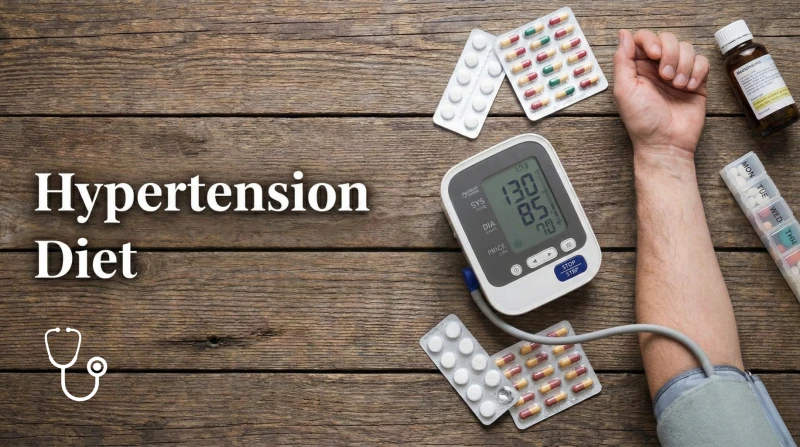
| Duration | Price | |
| 4 WEEKS DIAMOND PLANS | Rs 7000 | Express Checkout |
| 14 WEEKS DIAMOND PLANS | Rs 20000 | Express Checkout |
| Duration | Price | |
| Express checkout |
High blood pressure is often called a silent condition because it may not cause symptoms until serious complications occur. Stroke, heart attack, kidney damage, and vision problems are long-term risks of uncontrolled hypertension. If you are searching for a Hypertension Diet Plan in Delhi, the focus should be structured blood pressure control, not just salt restriction alone.
This is a doctor supervised hypertension management program designed to stabilize blood pressure, reduce cardiovascular risk, improve vascular health, and support safe medication coordination when required.
Hypertension is influenced by excess sodium intake, low potassium consumption, obesity, insulin resistance, chronic stress, poor sleep, alcohol intake, sedentary lifestyle, and genetic predisposition.
Simply removing table salt is not enough. Processed foods, hidden sodium, poor metabolic health, and abdominal obesity all contribute significantly.
The program begins with a detailed review of blood pressure trends, current medications, kidney function, lipid profile, blood sugar levels, body weight, dietary habits, and physical activity levels.
Sodium intake is structured carefully, including identification of hidden sources in packaged foods. Potassium-rich whole foods are incorporated when medically appropriate.
Refined carbohydrates and added sugars are reduced, especially in patients with insulin resistance. Weight reduction is integrated if overweight, as even modest fat loss can lower blood pressure.
Adequate protein intake is maintained to preserve muscle mass during weight correction. Healthy fats are balanced, focusing on cardiovascular support.
Alcohol intake is addressed, and caffeine sensitivity is reviewed individually.
Lifestyle factors such as sleep duration, stress levels, and physical activity are integrated into the plan. Resistance and aerobic exercise guidance are included safely.
With consistent adherence, patients may experience improved blood pressure readings, reduced medication requirement under supervision, improved lipid profile, better energy levels, and reduced cardiovascular risk markers.
Long-term stability requires sustained lifestyle correction along with medical monitoring.
Severe restriction is not always necessary. Structured sodium management is individualized.
Caffeine tolerance varies. Blood pressure response is evaluated individually.
Yes. Even modest weight reduction can significantly reduce systolic and diastolic pressure.
In some individuals, improved lifestyle may allow medication adjustment under medical supervision.
Yes. Both in-clinic and online consultations are available.
If you are looking for a doctor supervised Hypertension Diet Plan in Delhi focused on safe blood pressure control and cardiovascular protection, schedule your initial consultation.
Disclaimer: Hypertension management requires individualized medical evaluation. Diet supports blood pressure control but does not replace prescribed therapy when indicated.
-Diet-Plan.webp)
| Duration | Price | |
| 4 WEEKS SILVER PLANS | Rs 7000 | Express Checkout |
| 14 WEEKS DIAMOND PLANS | Rs 20000 | Express Checkout |
| Duration | Price | |
| Express checkout |
Recurrent bloating, abdominal pain, gas, diarrhea, constipation, or alternating bowel patterns may indicate Irritable Bowel Syndrome (IBS). If you are searching for an IBS Diet Plan in Delhi, the focus should be identifying triggers, improving gut tolerance, and stabilizing bowel function without unnecessary food fear.
This is a doctor supervised IBS nutrition program designed to reduce symptom frequency, improve digestive comfort, and restore confidence in eating.
IBS is a functional gut disorder, meaning routine tests may appear normal, but symptoms persist. It is influenced by gut sensitivity, stress, food triggers, microbiome imbalance, and altered gut motility.
Over-restricting food groups without supervision can lead to nutritional deficiencies and anxiety around eating. A structured approach is essential.
The program begins with a detailed assessment of symptom pattern, bowel type (IBS-C, IBS-D, or mixed), food tolerance, stress levels, sleep quality, and medical history.
A structured elimination and reintroduction strategy may be used if indicated. Certain fermentable carbohydrates may be reduced temporarily under supervision.
Fiber intake is individualized. Some patients benefit from soluble fiber, while excess insoluble fiber may worsen symptoms.
Meal timing regularization is emphasized. Large irregular meals can worsen gut sensitivity.
Stress management is integrated, as the gut-brain axis plays a significant role in IBS.
Gut microbiome support is considered carefully, including probiotic evaluation when appropriate.
With consistent adherence, individuals may experience reduced bloating, improved bowel regularity, less abdominal pain, improved digestive confidence, and better overall gut comfort.
IBS management requires patience and gradual adjustments. Rapid extreme dietary changes may worsen symptoms.
IBS is a chronic condition, but symptoms can be effectively managed with structured diet and lifestyle correction.
Dairy tolerance varies. It is assessed individually rather than universally eliminated.
Not always. Gluten sensitivity is evaluated carefully before elimination.
Yes. Stress significantly influences gut motility and sensitivity.
Yes. Both in-clinic and online consultations are available.
If you are looking for a doctor supervised IBS Diet Plan in Delhi focused on symptom control and digestive stability, schedule your initial consultation.
Disclaimer: IBS diagnosis and management require individualized medical evaluation. Diet supports symptom control but does not replace necessary medical assessment.

| Duration | Price | |
| 4 WEEKS DIAMOND PLANS | Rs 7000 | Express Checkout |
| 14 WEEKS DIAMOND PLANS | Rs 20000 | Express Checkout |
| Duration | Price | |
| 14 WEEKS PLATINUM PLANS | $ 289 | Express checkout |
Prediabetes is the warning stage before Type 2 Diabetes. Fasting glucose may be slightly elevated, or HbA1c (glycated haemoglobin) may fall between normal and diabetic range. Many individuals ignore this stage because symptoms are minimal. If you are searching for a Prediabetes Diet Plan in Delhi, the goal should be reversing insulin resistance and preventing progression to diabetes.
This is a doctor supervised prediabetes management program designed to stabilize blood sugar, reduce abdominal fat, improve insulin sensitivity, and protect long-term metabolic health.
Prediabetes indicates that the body is already struggling with insulin resistance. Without structured lifestyle correction, many individuals progress to diabetes within a few years.
Early intervention at this stage offers the best opportunity for reversal.
The program begins with detailed evaluation of fasting glucose, HbA1c, lipid profile, waist circumference, body composition, and lifestyle habits.
Carbohydrate quality is optimized. Refined sugars, sweetened beverages, and ultra-processed foods are reduced. Low glycemic load meals are structured to prevent glucose spikes.
Protein intake is calculated according to body weight to improve satiety and reduce cravings.
Healthy fats are balanced to support metabolic stability.
Gradual fat loss is targeted in overweight individuals. Even 5 to 7 percent weight reduction can significantly improve insulin sensitivity.
Resistance training and daily physical activity are integrated, as muscle mass improves glucose utilization.
Sleep correction and stress management are emphasized, since both influence insulin function.
With consistent adherence, individuals may experience improved HbA1c levels, reduced fasting glucose, decreased abdominal circumference, improved lipid profile, reduced cravings, and lower diabetes risk.
Prediabetes is often reversible with structured lifestyle modification.
Yes, in many individuals, structured weight loss and lifestyle correction can normalize glucose levels.
Refined sugars are minimized, but the plan focuses on overall carbohydrate quality and balance.
Some individuals may require medication, but lifestyle correction remains foundational.
Monitoring frequency depends on individual risk profile.
Yes. Both in-clinic and online consultations are available.
If you are looking for a doctor supervised Prediabetes Diet Plan in Delhi focused on preventing Type 2 Diabetes, schedule your initial consultation.
Disclaimer: Prediabetes management requires individualized medical evaluation. Early lifestyle correction significantly reduces long-term diabetes risk.
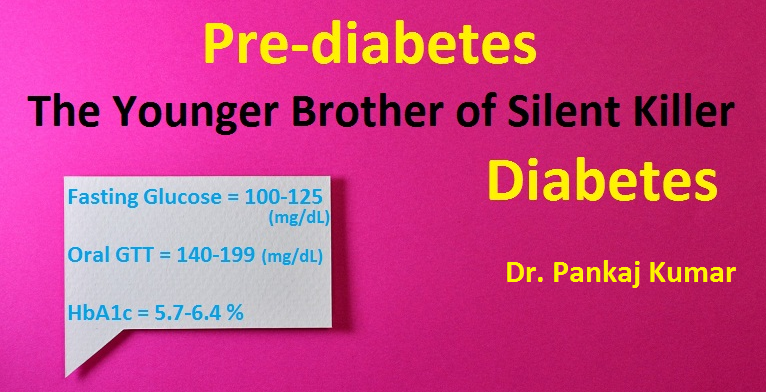
Other useful Links:
Register/Login I Blog I Subscription Plans I Calculator I Exercises I All Testimonials I Before and After I Recipe I Amazon Pantry 
Read More
Read More
Read More