










- 12th March 2026
Table of Contents
- Why Your Waistline Can Increase Even When Your Weight Looks Stable
- Why Waist Circumference Matters More Than Body Weight
- What Is Visceral Fat and Why Does It Increase
- Insulin Resistance and Abdominal Fat Storage
- Muscle Loss Can Hide Fat Gain
- Stress and Hormones That Promote Belly Fat
- Poor Sleep and Metabolic Changes
- Lifestyle Habits That Expand Your Waistline
- Why Abdominal Fat Is a Metabolic Warning Sign
- How to Reduce Abdominal Fat Even When Weight Looks Stable
- What Doctors Look For When Waist Size Increases
- Warning Signs That Should Not Be Ignored
- Key Takeaways
- About the Author
- Structured Lifestyle Support
- Need Personalized Metabolic Evaluation?
- References
Why Your Waistline Can Increase Even When Your Weight Looks Stable
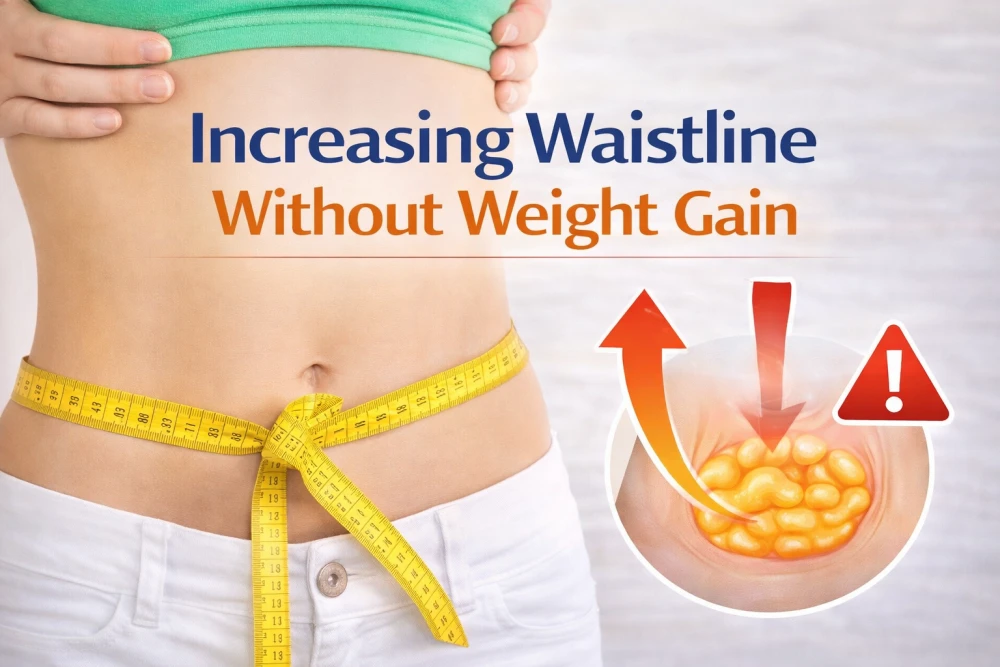
Many people feel confused when they notice their clothes becoming tighter around the waist while the weighing scale shows little or no change. This situation, often described as increasing waistline without weight gain, is more common than most people realize.
Body weight alone does not always reflect what is happening inside the body. A person may maintain the same weight but still experience changes in body composition.
In many cases, muscle mass gradually decreases while body fat increases. Because muscle is denser than fat, these changes may not significantly alter total body weight.
However, fat often accumulates in specific areas, particularly around the abdomen. This type of fat accumulation leads to an expanding waistline even though the scale appears unchanged.
Understanding the causes of increasing waistline without weight gain is important because abdominal fat is closely linked to metabolic health risks.
Why Waist Circumference Matters More Than Body Weight
Most people monitor their weight to track health and fitness. However, waist circumference is often a more important indicator of metabolic health.
Excess abdominal fat, especially fat surrounding internal organs, is known as visceral fat. This type of fat behaves differently from fat stored under the skin.
Visceral fat produces inflammatory chemicals and hormones that influence metabolism, insulin sensitivity, and cardiovascular risk.
Research examining abdominal fat distribution shows that central fat accumulation significantly increases the risk of metabolic diseases.
This explains why increasing waistline without weight gain should not be ignored even if the scale appears normal.
What Is Visceral Fat and Why Does It Increase
Visceral fat is the fat stored deep inside the abdominal cavity. It surrounds vital organs such as the liver, pancreas, and intestines.
Unlike subcutaneous fat, which lies just beneath the skin, visceral fat is metabolically active and strongly associated with insulin resistance.
Several factors can contribute to increasing visceral fat levels:
- Sedentary lifestyle
- Chronic stress
- Poor sleep patterns
- Highly processed diets
- Hormonal changes
These factors gradually influence metabolic pathways, leading to fat accumulation around the abdomen.
This process often explains why individuals experience increasing waistline without weight gain despite maintaining similar eating habits.
Insulin Resistance and Abdominal Fat Storage
One of the most important metabolic mechanisms behind abdominal fat accumulation is insulin resistance.
Insulin is a hormone responsible for regulating blood glucose levels. When the body becomes resistant to insulin, glucose cannot efficiently enter cells for energy.
As a result, the body stores more energy in the form of fat, particularly around the abdominal region. Research has demonstrated a strong link between insulin resistance and central fat accumulation.
Because of this relationship, increasing waistline without weight gain may sometimes represent an early warning sign of metabolic dysfunction.
Muscle Loss Can Hide Fat Gain
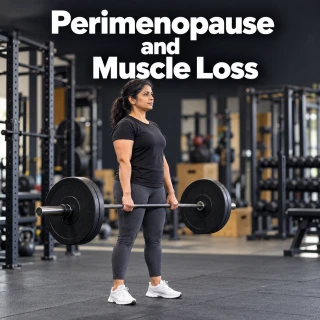
One of the most overlooked reasons behind increasing waistline without weight gain is gradual loss of muscle mass combined with fat gain.
This phenomenon is sometimes called sarcopenic obesity. It occurs when muscle tissue slowly decreases while body fat increases.
Because muscle is denser than fat, losing muscle while gaining fat may keep total body weight relatively unchanged.
However, the distribution of body composition changes significantly. Fat tends to accumulate around the abdomen, which leads to a visibly larger waistline. Scientific research describing sarcopenic obesity explains how muscle loss can mask fat accumulation and create metabolic risk.
This mechanism often explains why people who stop regular exercise or strength training may notice their waist expanding even though their weight remains stable.
Stress and Hormones That Promote Belly Fat
Chronic stress can significantly influence body fat distribution.
When the body experiences prolonged stress, it produces higher levels of cortisol. This hormone helps the body respond to stress but also affects fat storage.
Cortisol tends to promote fat accumulation around the abdomen. Over time, elevated cortisol levels may lead to a noticeable increase in waist circumference.
Because of this hormonal effect, increasing waistline without weight gain is frequently observed in individuals with chronic stress, sleep deprivation, or high work pressure.
Managing stress levels therefore becomes an important component of maintaining metabolic health.
Poor Sleep and Metabolic Changes
Sleep is one of the most underestimated factors influencing metabolic health. When sleep duration or quality declines, several metabolic hormones become disrupted. These include cortisol, insulin, ghrelin, and leptin.
Reduced sleep may increase hunger signals while simultaneously decreasing insulin sensitivity. Over time, this hormonal imbalance may encourage fat storage around the abdomen. Research examining lifestyle factors and abdominal fat distribution suggests that sleep patterns strongly influence visceral fat accumulation.
This is another reason why increasing waistline without weight gain can occur even when dietary habits appear unchanged.
Lifestyle Habits That Expand Your Waistline
| Lifestyle Factor | Metabolic Effect | Impact on Waistline |
|---|---|---|
| Sedentary lifestyle | Reduced muscle mass | Fat accumulates around abdomen |
| Chronic stress | Elevated cortisol levels | Central fat storage increases |
| Poor sleep | Hormonal imbalance | Greater visceral fat accumulation |
| Highly processed diet | Frequent glucose spikes | Fat storage around organs |
| Low physical activity | Reduced metabolic rate | Gradual waistline expansion |
Why Abdominal Fat Is a Metabolic Warning Sign
Abdominal fat is not just a cosmetic concern. It often represents deeper metabolic changes inside the body.
Visceral fat releases inflammatory molecules that can affect insulin sensitivity, cholesterol metabolism, and cardiovascular health.
Because of these metabolic effects, increasing waistline without weight gain may sometimes signal early stages of metabolic syndrome.
Recognizing these early warning signs allows individuals to adopt lifestyle changes before metabolic problems progress further.
How to Reduce Abdominal Fat Even When Weight Looks Stable
If you notice increasing waistline without weight gain, the solution is not simply eating less. Instead, improving body composition and metabolic health becomes the primary goal.
Several lifestyle strategies can help reduce abdominal fat while preserving or increasing muscle mass.
- Engage in regular resistance training to preserve muscle mass.
- Increase daily physical activity such as walking or cycling.
- Focus on balanced meals with adequate protein intake.
- Reduce consumption of highly processed and refined carbohydrate foods.
- Prioritize consistent sleep patterns.
- Manage chronic stress through relaxation practices.
- Avoid prolonged sedentary behavior during the day.
These interventions help improve metabolic function and gradually reduce visceral fat.
Clinical studies examining lifestyle interventions show that consistent behavioral changes can significantly improve metabolic health.
What Doctors Look For When Waist Size Increases
When patients report increasing waistline without weight gain, doctors often evaluate metabolic risk factors rather than focusing only on body weight.
Common assessments may include:
- Waist circumference measurement
- Fasting blood glucose
- HbA1c (glycated hemoglobin)
- Lipid profile
- Blood pressure evaluation
These tests help detect early metabolic abnormalities such as insulin resistance, prediabetes, or metabolic syndrome.
Addressing these factors early can prevent long-term health complications.
Warning Signs That Should Not Be Ignored
Although gradual changes in waist size may occur naturally with aging, certain symptoms may indicate underlying metabolic problems.
- Rapid increase in waist circumference
- Persistent fatigue
- Elevated fasting blood sugar
- High triglyceride levels
- Family history of diabetes or cardiovascular disease
If these signs appear along with increasing waistline without weight gain, a medical evaluation is recommended.
Key Takeaways
- Increasing waistline without weight gain often reflects changes in body composition rather than total weight.
- Visceral fat accumulation is closely linked to metabolic health risks.
- Muscle loss combined with fat gain can keep body weight stable while waist size increases.
- Stress, poor sleep, sedentary habits, and processed diets may promote abdominal fat storage.
- Early lifestyle changes can improve metabolic health and reduce abdominal fat.
About the Author
This article is written by Dr. Pankaj Kumar, a physician specializing in metabolic health, obesity management, and lifestyle medicine.
His clinical approach focuses on identifying early metabolic risk factors and helping patients adopt sustainable lifestyle changes.
Structured Lifestyle Support
For individuals struggling with abdominal fat, insulin resistance, or metabolic health concerns, structured lifestyle programs may help provide guided support.
You can explore the doctor-supervised program here: Lifestyle Modification Program
To understand how the program works: Why Lifestyle Modification Program
Need Personalized Metabolic Evaluation?
References
Disclaimer: This article is for educational purposes only and does not replace professional medical advice. Consult a qualified healthcare professional for personalized evaluation.
You can book a consultation here: Book Appointment
Written by Dr. Pankaj Kumar, General & Lifestyle Physician, Dwarka, New Delhi