












- 13th October 2026
Table of Contents
- PCOS and Sleep Apnoea: Understanding the Hidden Connection
- What Is Polycystic Ovary Syndrome?
- What Is Obstructive Sleep Apnoea?
- Why Are PCOS and Sleep Apnoea Linked?
- Insulin Resistance: An Important Metabolic Overlap
- Intermittent Hypoxia: Why Breathing Interruptions Matter
- Can Hormonal Changes in PCOS Influence Sleep Apnoea?
- How Common Is Sleep Apnoea in Women With PCOS?
- What Are the Symptoms of Sleep Apnoea in Women With PCOS?
- Why Snoring May Be More Important Than You Think
- Can Lean Women With PCOS Develop Sleep Apnoea?
- Why Sleep Apnoea May Remain Undiagnosed in Women
- What Do International PCOS Guidelines Say About Sleep Apnoea?
- What Should Be Asked During a PCOS Consultation?
- Why the Connection Matters for Long-Term Health
- How Can Sleep Apnoea Affect Metabolic Health in Women With PCOS?
- PCOS, Sleep Apnoea and Insulin Resistance
- Does Treating Sleep Apnoea Improve Insulin Resistance in PCOS?
- PCOS, Sleep Apnoea and Abdominal Obesity
- Can Weight Reduction Improve Both PCOS and Sleep Apnoea?
- What About Lean PCOS?
- PCOS, Sleep Apnoea and High Blood Pressure
- Can Sleep Apnoea Affect Cholesterol and Triglycerides?
- Sleep Apnoea and Daytime Fatigue: Why Symptoms Overlap With PCOS
- How Is Sleep Apnoea Screened in Women With PCOS?
- STOP-Bang Questionnaire: What Does It Measure?
- Epworth Sleepiness Scale: Measuring Daytime Sleepiness
- What Does the International PCOS Guideline Recommend?
- How Is Obstructive Sleep Apnoea Diagnosed?
- What Is Polysomnography?
- What Is a Home Sleep-Apnoea Test?
- Home Sleep Test vs Polysomnography
- What Is the Apnoea–Hypopnoea Index?
- Can a Smartwatch Diagnose Sleep Apnoea?
- Who With PCOS Should Be Considered for Sleep Assessment?
- Should Every Woman With PCOS Undergo a Sleep Study?
- What Should Happen After a Positive Screening Questionnaire?
- Why a Negative Screening Result May Not End the Evaluation
- How Is Sleep Apnoea Treated in Women With PCOS?
- Continuous Positive Airway Pressure (CPAP): A Major Treatment Option
- Does CPAP Improve Insulin Resistance in PCOS?
- Why Regular CPAP Use Matters
- Can Weight Loss Improve Sleep Apnoea in PCOS?
- What Is a Realistic Weight-Management Approach for PCOS?
- Dietary Management When PCOS and Sleep Apnoea Coexist
- Sample Indian Meal Plan for a Woman With PCOS and Obesity
- Does Eating Late at Night Cause Sleep Apnoea?
- Exercise: An Important Part of PCOS and Sleep Apnoea Management
- Does Sleeping on Your Side Help?
- What Are Oral Appliances for Sleep Apnoea?
- Can Surgery Treat Sleep Apnoea?
- Should Women With PCOS Take Melatonin for Snoring?
- Alcohol and Sedative Medicines Can Make Sleep Apnoea Worse
- Can Treating Sleep Apnoea Restore Regular Periods?
- Does Treating Sleep Apnoea Improve Fertility?
- What About Women Planning Pregnancy?
- How Should Follow-Up Be Planned?
- When Is Repeat Sleep Testing Necessary?
- Common Myths About PCOS and Sleep Apnoea
- Myth 1: Sleep Apnoea Only Affects Men
- Myth 2: Every Woman With PCOS Has Sleep Apnoea
- Myth 3: Snoring Always Means Sleep Apnoea
- Myth 4: Normal BMI Rules Out Sleep Apnoea
- Myth 5: Sleeping Eight Hours Means Sleep Quality Is Normal
- Myth 6: CPAP Will Cure PCOS
- Myth 7: Weight Loss Always Eliminates Sleep Apnoea
- Myth 8: A Smartwatch Can Reliably Diagnose OSA
- Myth 9: If I Am Not Sleepy During the Day, I Cannot Have OSA
- Myth 10: Every Woman With PCOS Needs a Sleep Study
- When Should a Woman With PCOS Consult a Doctor About Snoring?
- A Practical Checklist for Women With PCOS
- What I Tell Patients With PCOS Who Complain of Snoring
- Key Takeaways: PCOS and Sleep Apnoea
- References
PCOS and Sleep Apnoea: Understanding the Hidden Connection
A 32-year-old woman visits her doctor because she has been struggling with irregular periods, weight gain and persistent tiredness. She was diagnosed with polycystic ovary syndrome (PCOS) several years ago and has been trying to improve her diet and exercise routine.
Despite sleeping for seven or eight hours every night, she rarely wakes up feeling refreshed. She experiences morning headaches, difficulty concentrating and occasional daytime sleepiness.
When asked about her sleep, she casually mentions that her husband frequently complains about her loud snoring. Sometimes, he notices that she briefly stops breathing during sleep.
She has never considered this an important medical problem. Like many women, she assumes that sleep apnoea mainly affects older men with obesity.
However, PCOS and sleep apnoea may be connected through several overlapping hormonal, metabolic and physiological factors.
PCOS is commonly discussed in relation to irregular menstrual cycles, acne, excessive facial hair, infertility and weight gain. Yet it is also associated with metabolic abnormalities, including insulin resistance, central adiposity and increased cardiometabolic risk.
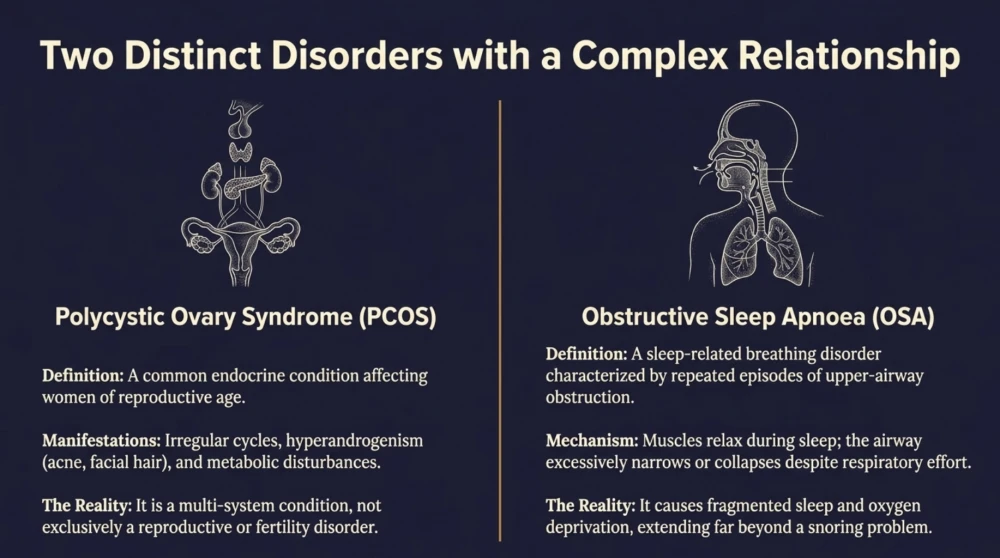
Obstructive sleep apnoea (OSA) is a sleep-related breathing disorder in which the upper airway repeatedly becomes partially or completely obstructed during sleep.
These breathing interruptions can fragment sleep, reduce oxygen levels and contribute to persistent daytime symptoms.
Not every woman with PCOS develops sleep apnoea, and snoring alone does not establish the diagnosis. Nevertheless, recognising possible OSA is important because a treatable sleep disorder may otherwise remain undetected.
What Is Polycystic Ovary Syndrome?
Polycystic ovary syndrome is a common endocrine condition affecting women of reproductive age. Its manifestations vary considerably between individuals.
Some women experience irregular or absent menstrual periods because ovulation occurs infrequently. Others have acne, excessive facial hair growth or scalp hair thinning associated with androgen excess.
Many women with PCOS also experience metabolic disturbances, although these are not universal.
Insulin resistance is particularly important because it can contribute to compensatory insulin secretion and may interact with ovarian androgen production.
PCOS Is More Than a Reproductive Disorder
PCOS can affect several aspects of health beyond menstrual cycles and fertility.
Depending on the individual's risk profile, assessment may include glucose regulation, lipid abnormalities, blood pressure, weight-related concerns, psychological well-being and sleep symptoms.
This broader perspective is important because focusing exclusively on hormone reports or ovarian ultrasound findings may overlook other clinically relevant conditions.
What Is Obstructive Sleep Apnoea?
Obstructive sleep apnoea is characterised by repeated episodes of upper-airway obstruction during sleep.
Normally, muscles surrounding the upper airway help maintain an open passage for airflow.
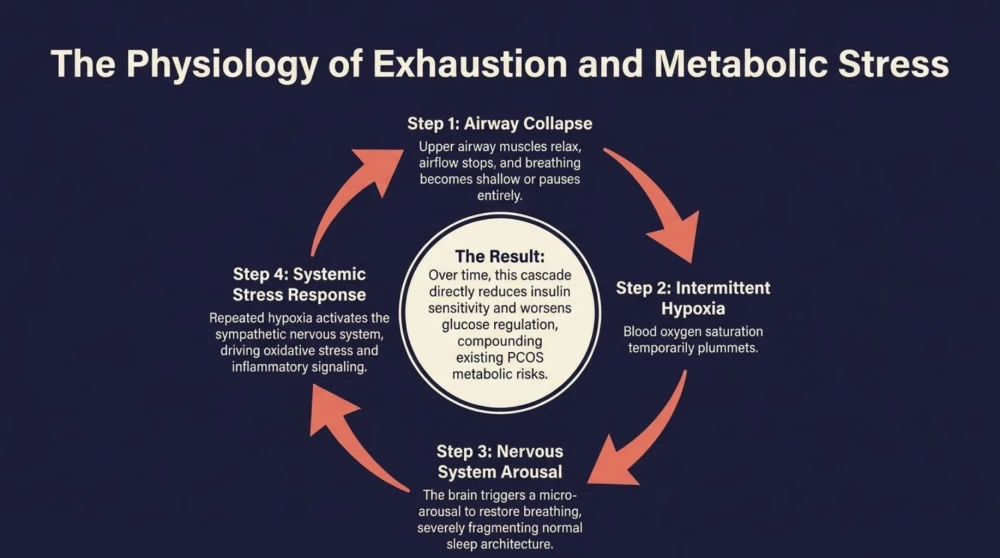
During sleep, these muscles relax. In susceptible individuals, the airway becomes excessively narrow or collapses.
Breathing may become shallow or temporarily stop despite continued respiratory effort.
The brain responds to the disturbance by briefly increasing arousal and restoring airflow.
These episodes may occur repeatedly throughout the night.
Why Eight Hours of Sleep May Still Leave You Exhausted
Sleep duration and sleep quality are not interchangeable.
A person may spend eight hours in bed but experience repeated breathing disturbances that interrupt normal sleep architecture.
Even when the individual does not remember waking, these interruptions can affect the restorative quality of sleep.
Consequently, a woman may wake with fatigue, headaches or difficulty concentrating despite apparently adequate sleep duration.
Why Are PCOS and Sleep Apnoea Linked?
Research suggests that obstructive sleep apnoea is more prevalent among women with PCOS than among women without the condition.
However, the relationship is complex.
Obesity, central fat distribution, insulin resistance, hormonal differences and other factors may contribute to the observed association.
It is important to distinguish association from causation. Current evidence does not establish that PCOS directly causes OSA in every affected woman.
The Role of Central Obesity
Excess adiposity is one of the most established risk factors for obstructive sleep apnoea.
Fat accumulation around the neck and upper airway can influence airway anatomy and increase susceptibility to collapse during sleep.
Abdominal obesity may also affect respiratory mechanics.
Some women with PCOS have increased central adiposity, which may contribute to their risk of OSA.
However, obesity is not present in every woman with PCOS, and a normal BMI does not completely exclude sleep apnoea.
Insulin Resistance: An Important Metabolic Overlap
Insulin resistance is frequently observed in PCOS and is also common among people with obstructive sleep apnoea.
In insulin resistance, tissues such as skeletal muscle, liver and adipose tissue respond less effectively to insulin.
The pancreas may compensate by producing more insulin to maintain glucose concentrations.
Over time, this metabolic pattern may contribute to impaired glucose regulation in susceptible individuals.
Does Insulin Resistance Directly Cause Sleep Apnoea?
Not necessarily.
Insulin resistance and sleep apnoea share several risk factors, particularly obesity and central adiposity.
OSA itself may also adversely influence glucose regulation through intermittent hypoxia, sleep fragmentation and increased sympathetic activity.
These relationships may operate in both directions, but the evidence does not support reducing the connection to one simple hormonal mechanism.
Intermittent Hypoxia: Why Breathing Interruptions Matter
During some obstructive breathing events, blood oxygen saturation falls temporarily.
When normal airflow resumes, oxygen levels recover.
This repeated pattern is called intermittent hypoxia.
Intermittent hypoxia can activate several physiological responses, including increased sympathetic nervous system activity, oxidative stress and inflammatory signalling.
How Sleep Apnoea May Affect Metabolic Health
Experimental and observational research suggests that intermittent hypoxia and sleep fragmentation may adversely affect insulin sensitivity and glucose regulation.
However, the magnitude of these effects varies, and obesity and other metabolic factors can influence study findings.
For women with PCOS who already have metabolic risk factors, coexisting OSA may represent an additional concern deserving assessment.
Can Hormonal Changes in PCOS Influence Sleep Apnoea?
PCOS is frequently associated with hyperandrogenism, meaning increased androgen concentrations or clinical signs of androgen excess.
Researchers have investigated whether androgen-related differences influence upper-airway function, respiratory regulation or susceptibility to sleep-disordered breathing.
Although hormonal mechanisms are biologically plausible, their independent contribution to OSA in women with PCOS remains incompletely understood.
Does High Testosterone Mean You Will Develop Sleep Apnoea?
No.
Androgen excess alone cannot diagnose or reliably predict obstructive sleep apnoea.
Women with mild androgen abnormalities may develop OSA, while others with more prominent hyperandrogenism may not.
Sleep symptoms and established clinical risk factors remain essential in assessment.
How Common Is Sleep Apnoea in Women With PCOS?
Studies have reported increased OSA prevalence among women with PCOS, but estimates differ substantially.
Study populations vary in age, obesity prevalence, ethnicity and recruitment setting. Diagnostic methods also differ.
For example, women recruited from obesity clinics may have a different OSA risk profile from women diagnosed with PCOS in general practice.
Consequently, quoting one prevalence percentage for every woman with PCOS can be misleading.
Individual Risk Matters More Than One Population Percentage
A 23-year-old woman with PCOS, a healthy BMI and no sleep-related symptoms may have a different probability of OSA from a 38-year-old woman with PCOS, obesity, hypertension and habitual snoring.
This is why symptom-based assessment and clinical judgement are more useful than assuming that every woman with PCOS requires the same investigations.
What Are the Symptoms of Sleep Apnoea in Women With PCOS?
The symptoms of OSA are not identical in every person.
Some women report classic features such as loud snoring and witnessed breathing pauses.
Others primarily describe fatigue, disturbed sleep, morning headaches or difficulty concentrating.
| Symptom | Possible Significance |
|---|---|
| Loud habitual snoring | May indicate upper-airway narrowing during sleep |
| Witnessed breathing pauses | Important warning sign of possible OSA |
| Gasping or choking during sleep | May occur when breathing resumes after obstruction |
| Unrefreshing sleep | May reflect repeated sleep fragmentation |
| Morning headaches | Can occur with OSA but have several other causes |
| Daytime sleepiness | May indicate clinically important sleep disruption |
| Difficulty concentrating | May result from poor sleep quality |
| Persistent fatigue | Common but nonspecific; requires broader evaluation |
Why Snoring May Be More Important Than You Think
Snoring occurs when airflow causes vibration of tissues in the upper airway.
It can occur without obstructive sleep apnoea, so snoring alone is not sufficient for diagnosis.
However, habitual loud snoring becomes more concerning when accompanied by witnessed breathing pauses, choking episodes, unrefreshing sleep or excessive daytime sleepiness.
A Woman May Not Know She Stops Breathing During Sleep
Many obstructive events occur without the person becoming fully conscious.
A patient may therefore be unaware of repeated breathing interruptions.
Information from a bed partner can be useful, although the absence of such observations does not exclude OSA.
Can Lean Women With PCOS Develop Sleep Apnoea?
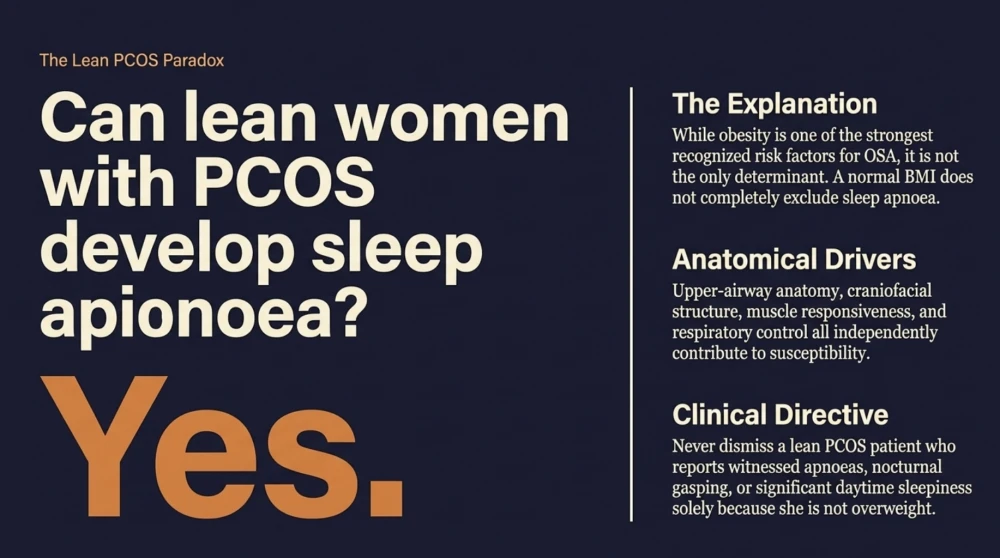
Yes.
Although obesity substantially increases the risk of OSA, the condition can also occur in people with a normal BMI.
Upper-airway anatomy, craniofacial structure, respiratory control and other factors contribute to susceptibility.
A woman with lean PCOS who reports witnessed apnoeas, nocturnal gasping or significant daytime sleepiness should not be dismissed solely because she is not overweight.
Why Sleep Apnoea May Remain Undiagnosed in Women
Obstructive sleep apnoea has historically been associated with middle-aged men with obesity.
This perception can contribute to under-recognition in women.
Women may describe fatigue, insomnia symptoms, headaches or poor concentration rather than emphasising snoring.
These symptoms overlap with several other conditions, including depression, thyroid dysfunction and iron deficiency.
In women with PCOS, they may also be incorrectly attributed entirely to hormonal imbalance.
Persistent Fatigue Should Not Automatically Be Blamed on PCOS
If a woman with PCOS remains exhausted despite apparently adequate sleep, a broader assessment may be appropriate.
Sleep history should be considered alongside medical history, medication use, psychological symptoms and other potential causes of fatigue.
Sleep apnoea becomes particularly relevant when there is habitual snoring, witnessed breathing interruption or daytime sleepiness.
What Do International PCOS Guidelines Say About Sleep Apnoea?
The 2023 International Evidence-based Guideline for the Assessment and Management of Polycystic Ovary Syndrome recognises that obstructive sleep apnoea is more prevalent among women with PCOS.
The guideline recommends assessment for symptoms of OSA and appropriate screening or referral when clinically indicated.
Importantly, this does not mean every woman with PCOS automatically needs a sleep study.
The decision should reflect symptoms, clinical risk factors and the likelihood that further evaluation will affect management.
What Should Be Asked During a PCOS Consultation?
Alongside questions about menstrual cycles, androgen-related symptoms, weight and metabolic health, a brief sleep history can identify important clues.
- Do you snore loudly or regularly?
- Has anyone noticed pauses in your breathing during sleep?
- Do you wake up gasping or choking?
- Do you feel refreshed after sleeping?
- Do you experience excessive daytime sleepiness?
- Do you frequently wake with headaches?
- Do you have difficulty concentrating during the day?
- Have you developed hypertension or worsening metabolic risk factors?
These questions do not diagnose OSA, but they help determine whether a more formal assessment is appropriate.
Why the Connection Matters for Long-Term Health
The importance of recognising possible sleep apnoea in PCOS extends beyond improving snoring.
Both conditions can coexist with obesity, insulin resistance, dyslipidaemia and elevated blood pressure.
Untreated OSA may add to the burden of disturbed sleep and cardiometabolic risk.
However, treating OSA should not be presented as a guaranteed way to reverse PCOS, restore ovulation or produce substantial weight loss.
The benefits of treatment depend on the individual and the outcomes being assessed.
How Can Sleep Apnoea Affect Metabolic Health in Women With PCOS?
When a woman with polycystic ovary syndrome complains of persistent fatigue, difficulty managing weight or worsening glucose regulation, the discussion often focuses on insulin resistance, diet, exercise and hormonal abnormalities.
These are important aspects of PCOS management. However, sleep quality deserves attention because an unrecognised sleep disorder may coexist with these metabolic problems.
The relationship between PCOS and sleep apnoea is particularly relevant because both conditions are associated with obesity, insulin resistance and cardiometabolic abnormalities.
Obstructive sleep apnoea (OSA) does not simply cause snoring. Repeated breathing interruptions can fragment sleep, produce intermittent reductions in oxygen saturation and activate physiological stress responses.
These changes may influence glucose regulation, blood pressure, appetite and daytime functioning.
Nevertheless, the effects vary considerably between individuals. It would be incorrect to assume that sleep apnoea is responsible for every metabolic abnormality in a woman with PCOS.
PCOS, Sleep Apnoea and Insulin Resistance
Insulin resistance is a common metabolic feature of PCOS, although its severity differs between women.
In insulin resistance, tissues such as skeletal muscle, liver and adipose tissue respond less effectively to insulin. The pancreas may compensate by releasing additional insulin to maintain normal glucose concentrations.
Over time, some individuals develop impaired glucose tolerance or type 2 diabetes, particularly when other metabolic risk factors are present.
Obstructive sleep apnoea is also associated with insulin resistance, making glucose metabolism an important area of overlap.
How Can Interrupted Sleep Influence Insulin Sensitivity?
Several mechanisms have been proposed.
Repeated sleep fragmentation can disturb normal neuroendocrine regulation and increase physiological stress.
Intermittent hypoxia may activate sympathetic nervous system activity and influence inflammatory and oxidative pathways.
These processes may adversely affect insulin signalling and glucose metabolism.
Experimental research supports the possibility that sleep disruption and intermittent hypoxia can reduce insulin sensitivity under certain conditions.
However, observational studies cannot always separate the independent effects of sleep apnoea from obesity, age and other metabolic factors.
Does Treating Sleep Apnoea Improve Insulin Resistance in PCOS?
This is an important question because an association between two conditions does not automatically mean that treating one will reverse the other.
Continuous positive airway pressure (CPAP), a common treatment for obstructive sleep apnoea, improves airway patency during sleep and reduces obstructive respiratory events when used effectively.
Some small studies in women with PCOS have suggested improvements in certain metabolic or cardiovascular measures following CPAP treatment.
However, the available evidence is limited, and findings from broader OSA populations have been inconsistent for measures such as insulin sensitivity and HbA1c.
Therefore, CPAP should not be presented as a direct treatment for PCOS or as a guaranteed method of improving insulin resistance.
The Main Reason to Treat OSA
The primary reason to treat clinically significant OSA is to address the sleep-related breathing disorder and its consequences.
Depending on the patient, treatment may improve daytime sleepiness, sleep-related symptoms and quality of life.
Potential metabolic benefits are an additional consideration, not a guaranteed outcome.
PCOS, Sleep Apnoea and Abdominal Obesity
Obesity is one of the strongest recognised risk factors for obstructive sleep apnoea.
Excess adipose tissue around the neck and upper airway can contribute to anatomical narrowing and increased airway collapsibility.
Abdominal adiposity may also influence respiratory mechanics and lung volumes.
Many women with PCOS experience difficulty managing weight, although PCOS can occur across the entire BMI range.
Central obesity is particularly relevant because it is associated with insulin resistance and other cardiometabolic abnormalities.
Can Sleep Apnoea Make Weight Management More Difficult?
Sleep apnoea may contribute indirectly to weight-management difficulties.
A woman who wakes feeling exhausted may struggle to maintain regular physical activity.
Sleep fragmentation may also affect appetite regulation, food preferences and perceived hunger.
However, these effects do not mean that OSA inevitably causes weight gain.
Weight regulation depends on multiple factors, including energy intake, physical activity, medications, genetics, body composition and the broader metabolic environment.
Furthermore, CPAP treatment does not consistently produce weight loss. Weight management generally requires its own structured intervention.
Can Weight Reduction Improve Both PCOS and Sleep Apnoea?
For women with excess adiposity, sustained weight reduction may improve several features of metabolic health.
In PCOS, weight management can improve metabolic risk factors and may help certain reproductive outcomes, although responses vary.
In obstructive sleep apnoea, weight reduction can reduce disease severity in many patients with overweight or obesity.
The improvement is not always proportional to weight lost, and residual OSA may persist even after substantial weight reduction.
Weight Loss Does Not Automatically Cure Sleep Apnoea
A patient who loses weight and feels better may still have clinically significant respiratory events during sleep.
Therefore, prescribed OSA treatment should not be discontinued simply because body weight has decreased.
Reassessment may be appropriate when substantial weight changes occur and the result could alter management.
What About Lean PCOS?
Women with PCOS who have a normal BMI can also experience insulin resistance and sleep-related breathing disorders.
Although obesity is a major contributor to OSA risk, it is not the only determinant.
Upper-airway anatomy, craniofacial structure, muscle responsiveness and respiratory control can influence susceptibility.
This means that a woman with lean PCOS and convincing symptoms of sleep apnoea should not be excluded from evaluation because her weight is normal.
PCOS, Sleep Apnoea and High Blood Pressure
Hypertension is another important area of overlap.
Women with PCOS may have an increased prevalence of cardiovascular risk factors, including elevated blood pressure.
Obstructive sleep apnoea is also associated with hypertension.
Repeated respiratory events can produce intermittent hypoxia, sleep disruption and sympathetic nervous system activation.
These responses may contribute to abnormalities in blood-pressure regulation.
Why Night-Time Blood Pressure Matters
Blood pressure normally follows a circadian pattern and often decreases during sleep.
In some patients with OSA, this normal night-time reduction may be diminished.
Such patterns are associated with cardiovascular risk, although they are not specific to sleep apnoea.
For a woman with PCOS, hypertension and habitual snoring, assessment for OSA may be clinically relevant.
However, a normal clinic blood-pressure reading does not rule out OSA.
Can Sleep Apnoea Affect Cholesterol and Triglycerides?
Dyslipidaemia is common in people with insulin resistance and metabolic dysfunction.
Women with PCOS may have elevated triglycerides, reduced HDL cholesterol or other lipid abnormalities.
OSA is also associated with adverse lipid profiles in some studies.
However, obesity, dietary patterns, genetics and other metabolic factors complicate the relationship.
It would therefore be inaccurate to conclude that OSA is the direct cause of an abnormal lipid profile in every patient.
Regardless of the contribution of OSA, lipid abnormalities should be assessed and managed according to overall cardiovascular risk.
Sleep Apnoea and Daytime Fatigue: Why Symptoms Overlap With PCOS
Persistent fatigue is one of the most challenging symptoms encountered in routine clinical practice.
A woman with PCOS may describe tiredness despite apparently adequate sleep.
It is easy to attribute this entirely to hormonal imbalance, weight gain or insulin resistance.
However, fatigue is nonspecific and can have several explanations.
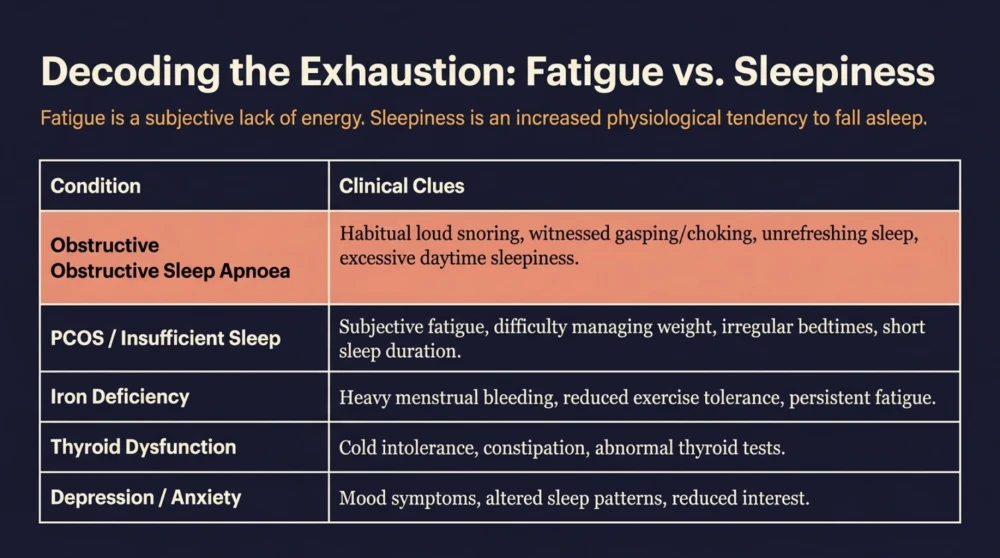
| Possible Contributor | Clues That May Help |
|---|---|
| Obstructive sleep apnoea | Snoring, witnessed apnoeas, gasping, unrefreshing sleep and daytime sleepiness |
| Insufficient sleep | Short sleep duration, irregular bedtime or insufficient opportunity for sleep |
| Iron deficiency or anaemia | Heavy menstrual bleeding, reduced exercise tolerance and relevant laboratory findings |
| Thyroid dysfunction | Cold intolerance, constipation, fatigue and abnormal thyroid function tests |
| Depression or anxiety | Mood symptoms, altered sleep, reduced interest and impaired functioning |
| Medication effects | Symptoms beginning or worsening after medication changes |
| Other sleep disorders | Insomnia, restless legs symptoms or persistent sleep disruption without typical OSA features |
Fatigue and Sleepiness Are Not Exactly the Same
Fatigue generally refers to a subjective lack of energy or exhaustion.
Sleepiness refers more specifically to an increased tendency to fall asleep.
A patient may feel tired without being sleepy, or may experience both.
Understanding the difference helps clinicians decide whether a sleep disorder should be investigated.
How Is Sleep Apnoea Screened in Women With PCOS?
The first stage is usually a clinical assessment rather than immediate sleep testing.
A clinician reviews sleep symptoms, medical history, weight-related factors, blood pressure, medication use and other relevant conditions.
Screening questionnaires can help organise this assessment.
However, questionnaires estimate risk. They do not diagnose OSA.
STOP-Bang Questionnaire: What Does It Measure?
STOP-Bang is a widely used screening questionnaire for obstructive sleep apnoea.
Its name represents eight clinical features.
| Component | What It Assesses |
|---|---|
| S — Snoring | Loud snoring |
| T — Tiredness | Daytime tiredness or sleepiness |
| O — Observed apnoea | Witnessed breathing interruptions |
| P — Pressure | High blood pressure |
| B — BMI | BMI above the questionnaire threshold |
| A — Age | Age above the questionnaire threshold |
| N — Neck circumference | Neck circumference above the specified threshold |
| G — Gender | Male sex in the original scoring system |
STOP-Bang can be useful for identifying patients who may require further assessment, but its performance varies between populations.
An Important Limitation in Younger Women With PCOS
The original STOP-Bang questionnaire includes age, BMI, neck circumference and male sex as scoring components.
A younger woman with PCOS may therefore receive a relatively low score despite clinically important symptoms.
This is particularly relevant for lean women or those with witnessed breathing pauses but few traditional demographic risk factors.
A low STOP-Bang score should not automatically override a convincing clinical history.
Epworth Sleepiness Scale: Measuring Daytime Sleepiness
The Epworth Sleepiness Scale assesses the likelihood of dozing in different everyday situations.
Examples include sitting and reading, watching television or sitting quietly after lunch.
The questionnaire helps quantify subjective daytime sleepiness.
However, it does not measure respiratory events during sleep and cannot establish an OSA diagnosis.
Can You Have Sleep Apnoea Without Excessive Daytime Sleepiness?
Yes.
Some patients with OSA report prominent sleepiness, while others describe fatigue, insomnia or unrefreshing sleep without a strong tendency to doze.
A normal or relatively low Epworth score therefore does not exclude obstructive sleep apnoea.
What Does the International PCOS Guideline Recommend?
The 2023 International Evidence-based Guideline for PCOS recognises the increased prevalence of OSA in women with PCOS.
It recommends assessing for OSA symptoms, particularly snoring combined with waking unrefreshed, daytime sleepiness or fatigue.
Women with suggestive symptoms may undergo screening using a validated questionnaire and be referred for appropriate sleep assessment when indicated.
The guideline also recognises that screening questionnaires have limitations and do not replace diagnostic sleep testing.
How Is Obstructive Sleep Apnoea Diagnosed?
Obstructive sleep apnoea is diagnosed using appropriate objective sleep testing interpreted in the context of clinical symptoms and medical history.
Two commonly used approaches are:
1. In-laboratory polysomnography.
2. Home sleep-apnoea testing in appropriately selected adults.
The choice depends on the patient's clinical circumstances.
What Is Polysomnography?
Polysomnography is a comprehensive overnight sleep study performed in a sleep laboratory.
It records several physiological signals to assess sleep and breathing.
Depending on the equipment and protocol, these may include:
- Brain electrical activity.
- Eye movements.
- Muscle activity.
- Airflow.
- Respiratory effort.
- Oxygen saturation.
- Heart rate and rhythm.
- Body position.
Why Is Polysomnography Considered the Reference Standard?
Polysomnography can distinguish sleep from wakefulness and evaluate respiratory events in relation to actual sleep time.
It can also identify certain other sleep-related abnormalities when clinically relevant.
This makes it particularly useful in complex cases or when a simpler home test may not provide adequate information.
What Is a Home Sleep-Apnoea Test?
Home sleep-apnoea testing allows selected patients to undergo respiratory monitoring outside a sleep laboratory.
Depending on the device, it may record airflow, respiratory effort, oxygen saturation and other signals.
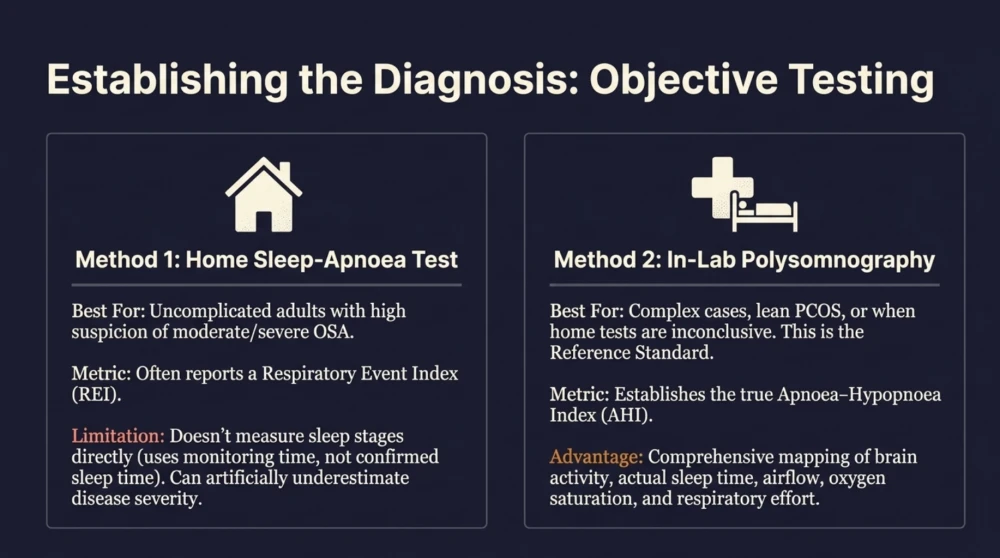
Home testing can be convenient and clinically useful for appropriately selected adults with suspected moderate-to-severe OSA.
However, it is not suitable for every patient.
Home Testing Can Underestimate Sleep Apnoea
Many home tests do not measure sleep stages directly.
They may calculate respiratory-event frequency using monitoring time rather than confirmed sleep time.
This can underestimate disease severity, particularly when the person spends considerable time awake during recording.
Technical failure or insufficient data can also affect interpretation.
If a home test is negative, inconclusive or technically inadequate despite persistent clinical suspicion, in-laboratory polysomnography may be required.
Home Sleep Test vs Polysomnography
| Feature | Home Sleep-Apnoea Test | Polysomnography |
|---|---|---|
| Location | Usually at home | Sleep laboratory |
| Sleep-stage measurement | Often unavailable | Available |
| Respiratory monitoring | Yes, depending on device | Comprehensive |
| Best suited for | Selected uncomplicated adults with suspected moderate-to-severe OSA | Complex cases, selected comorbidities or inconclusive home testing |
| Main limitation | May underestimate OSA and miss other sleep disorders | Requires laboratory resources and an overnight study |
What Is the Apnoea–Hypopnoea Index?
The apnoea–hypopnoea index (AHI) describes the average number of apnoeas and hypopnoeas per hour of sleep during polysomnography.
It is commonly used to classify the severity of obstructive sleep apnoea in adults.
| AHI | Common Adult Severity Classification |
|---|---|
| Below 5 events/hour | Below the usual AHI threshold for OSA |
| 5 to below 15 | Mild range |
| 15 to below 30 | Moderate range |
| 30 or more | Severe range |
AHI is important, but it does not describe every aspect of the condition.
Symptoms, oxygen desaturation, sleep fragmentation, cardiovascular comorbidities and other findings also influence clinical interpretation.
AHI and REI Are Not Always Interchangeable
Home sleep-apnoea tests often report a respiratory event index (REI), which may use monitoring time rather than actual sleep time.
Therefore, an REI obtained from a home test should not automatically be interpreted as identical to an AHI measured during polysomnography.
Can a Smartwatch Diagnose Sleep Apnoea?
Some wearable devices provide estimates of sleep duration, oxygen variation or possible breathing disturbances.
These features may encourage a person to seek medical assessment.
However, consumer wearables are not substitutes for an appropriate diagnostic sleep study.
A normal wearable report cannot reliably exclude OSA, and an abnormal alert does not independently establish the diagnosis.
Who With PCOS Should Be Considered for Sleep Assessment?
Clinical suspicion is particularly relevant when a woman with PCOS reports habitual loud snoring together with other suggestive symptoms.
- Witnessed pauses in breathing during sleep.
- Gasping or choking episodes at night.
- Persistent unrefreshing sleep.
- Excessive daytime sleepiness.
- Morning headaches with other OSA symptoms.
- Obesity or increased central adiposity.
- Hypertension alongside suggestive sleep symptoms.
- Persistent symptoms despite adequate opportunity for sleep.
These features support further assessment but do not establish the diagnosis.
Likewise, the absence of obesity should not prevent evaluation when the clinical history strongly suggests OSA.
Should Every Woman With PCOS Undergo a Sleep Study?
No.
PCOS alone is not a sufficient reason to order polysomnography in every patient.
Routine assessment for relevant sleep symptoms is reasonable, but the decision to perform objective testing should be based on clinical suspicion and the likely benefit of diagnosis.
This approach avoids unnecessary testing while reducing the risk of overlooking clinically important OSA.
What Should Happen After a Positive Screening Questionnaire?
A positive screening result indicates increased suspicion rather than a confirmed diagnosis.
The next step is an appropriate clinical evaluation to determine whether objective sleep testing is indicated.
The type of test depends on the individual's symptoms, comorbidities and the possibility of other sleep disorders.
CPAP treatment should not be prescribed solely because a screening questionnaire score is elevated.
Why a Negative Screening Result May Not End the Evaluation
Questionnaires are imperfect, particularly when applied outside the populations in which they were originally validated.
A young woman with PCOS may score relatively low on a tool that assigns points for older age or male sex.
If she has repeated witnessed apnoeas, nocturnal gasping and significant daytime symptoms, clinical suspicion may remain despite a low questionnaire score.
In such situations, further assessment may still be appropriate.
The most useful approach is to assess the whole patient rather than treating menstrual symptoms, metabolic health and sleep as unrelated problems.
How Is Sleep Apnoea Treated in Women With PCOS?
Once obstructive sleep apnoea (OSA) has been diagnosed, treatment should be selected according to disease severity, symptoms, anatomical factors, associated medical conditions and patient preferences.
For women with polycystic ovary syndrome (PCOS), management should also consider metabolic health, weight-related concerns, insulin resistance and reproductive goals.
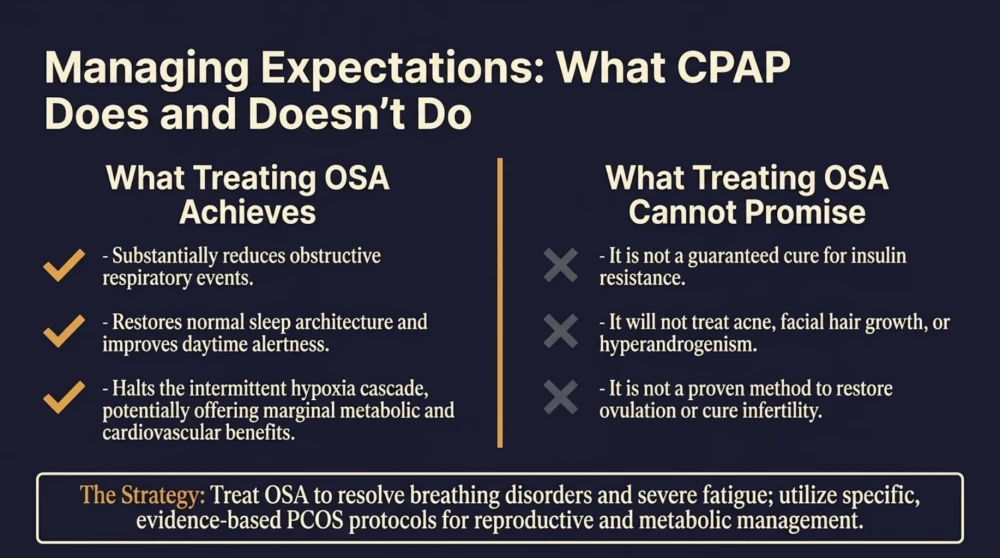
However, it is important to understand that PCOS and sleep apnoea are two distinct conditions. Treating sleep apnoea does not automatically treat the underlying hormonal abnormalities of PCOS.
The primary goal of OSA treatment is to reduce obstructive breathing events, improve sleep-related symptoms and address the consequences of disrupted breathing during sleep.
Several effective treatment options are available. The most appropriate approach depends on the individual rather than the PCOS diagnosis alone.
Continuous Positive Airway Pressure (CPAP): A Major Treatment Option
Continuous positive airway pressure, commonly called CPAP, is one of the most established treatments for obstructive sleep apnoea.
A CPAP device delivers pressurised air through a mask worn during sleep.
The air pressure helps prevent the upper airway from collapsing, allowing more consistent airflow.
When properly adjusted and used regularly, CPAP can substantially reduce obstructive respiratory events.
How CPAP May Help a Woman With PCOS
Consider a woman with PCOS who has obesity, loud snoring, repeated breathing pauses and excessive daytime sleepiness.
If a sleep study confirms clinically significant OSA, effective CPAP treatment may reduce respiratory disturbances and improve daytime functioning.
She may experience better alertness, less sleepiness and improved quality of life.
However, improvement is not identical in every patient. Persistent fatigue may require assessment for other causes, even when CPAP effectively controls respiratory events.
Does CPAP Improve Insulin Resistance in PCOS?
Because insulin resistance is common in PCOS, patients often ask whether treating sleep apnoea will also improve their metabolic health.
There is a biologically plausible connection.
OSA can produce intermittent hypoxia, sleep fragmentation and increased sympathetic activity. These processes may adversely affect glucose regulation.
Some small studies involving women with PCOS have reported improvements in selected metabolic or cardiovascular measures after CPAP treatment.
However, the evidence remains limited.
Studies involving broader OSA populations have produced variable results regarding insulin sensitivity and glycaemic control.
Therefore, CPAP should not be prescribed with the promise that it will reverse insulin resistance, normalise insulin concentrations or eliminate the need for other PCOS treatments.
CPAP Is Not a Treatment for Every PCOS Symptom
CPAP is not established as a treatment for acne, excessive facial hair growth, irregular ovulation or infertility.
These manifestations require assessment and management according to established PCOS guidelines.
Nevertheless, treating coexisting OSA can address an important component of overall health that may otherwise remain neglected.
Why Regular CPAP Use Matters
CPAP works while it is being used.
If the device is removed during sleep, the upper airway may again become vulnerable to obstruction.
Patients sometimes discontinue CPAP because of mask discomfort, nasal dryness, air leakage or difficulty adjusting to the sensation of pressurised air.
These problems should be addressed rather than assuming that CPAP is unsuitable.
Common CPAP Problems Can Often Be Managed
Mask refitting, humidification, treatment of nasal obstruction and review of pressure settings may improve comfort.
Device-generated information can also help clinicians assess usage, mask leakage and residual respiratory events.
Follow-up is therefore an important part of successful treatment.
Can Weight Loss Improve Sleep Apnoea in PCOS?
For women with overweight or obesity, weight management may improve both cardiometabolic health and obstructive sleep apnoea severity.
Excess adipose tissue can influence upper-airway anatomy and respiratory mechanics.
Reducing excess body weight may decrease these effects in some patients.
Weight management may also improve insulin resistance, glucose regulation and other metabolic abnormalities associated with PCOS.
However, weight reduction should not be presented as a guaranteed cure for OSA.
Sleep Apnoea Can Persist After Significant Weight Loss
Upper-airway anatomy, craniofacial structure and other physiological factors also influence OSA risk.
Consequently, some patients continue to have clinically important sleep apnoea despite substantial weight reduction.
Patients should not independently discontinue CPAP or another prescribed treatment simply because their weight has decreased.
Clinical reassessment and repeat sleep testing may be appropriate when a substantial weight change could alter treatment decisions.
What Is a Realistic Weight-Management Approach for PCOS?
Women with PCOS frequently encounter unrealistic weight-loss expectations.
They may be advised to follow highly restrictive diets, eliminate entire food groups or undertake excessive exercise.
Such approaches can be difficult to sustain and may adversely affect nutritional adequacy.
A more practical strategy focuses on long-term dietary quality, appropriate energy intake, physical activity, muscle preservation and behavioural support.
For women with excess adiposity, even modest sustained weight reduction may improve several metabolic risk factors.
However, there is no single weight-loss percentage that guarantees improvement in every PCOS symptom or cures sleep apnoea.
Dietary Management When PCOS and Sleep Apnoea Coexist
There is no special diet proven to cure both PCOS and obstructive sleep apnoea.
Nevertheless, an appropriate dietary pattern can support weight management, metabolic health and overall nutritional adequacy.
The 2023 International Evidence-based PCOS Guideline does not identify one specific dietary composition as universally superior for all women with PCOS.
Dietary advice should therefore be individualised according to food preferences, metabolic risk, nutritional needs and sustainability.
A Balanced Indian Dietary Pattern
For many Indian women, a practical dietary approach can include vegetables, pulses, appropriate portions of whole grains, whole fruit, adequate protein and suitable sources of unsaturated fat.
Common foods such as dal, rajma, chana, curd, paneer, tofu, eggs, fish and chicken can contribute to protein intake.
Roti and rice do not need to be eliminated automatically.
Portion size, meal composition and total energy intake are generally more important than labelling individual staple foods as harmful.
Sample Indian Meal Plan for a Woman With PCOS and Obesity
The following is an illustrative balanced eating pattern, not a personalised prescription. Portions should be adjusted according to age, body size, activity, metabolic health and treatment goals.
| Meal | Illustrative Food Choices | Purpose |
|---|---|---|
| Breakfast | Moong chilla with vegetables and curd | Provides protein, fibre and carbohydrate |
| Mid-morning | Whole fruit if hungry | Provides fibre and micronutrients |
| Lunch | Roti or rice with dal, vegetables and curd | Balanced main meal |
| Evening | Roasted chana or another suitable snack if needed | Provides a more filling alternative to sugary snacks |
| Dinner | Paneer, tofu, eggs, fish or chicken with vegetables and an appropriate carbohydrate portion | Supports protein adequacy and balanced nutrition |
Additional snacks are not mandatory if meals adequately meet nutritional needs.
Women with diabetes, pregnancy, kidney disease or other medical conditions may require different dietary recommendations.
Does Eating Late at Night Cause Sleep Apnoea?
Late-night eating does not independently establish or directly cause obstructive sleep apnoea.
However, large meals close to bedtime may worsen reflux or interfere with sleep comfort in susceptible individuals.
Excess energy intake over time may also contribute to weight gain, which is an established OSA risk factor.
Therefore, meal timing can be considered as part of overall sleep and metabolic management, but it should not be confused with treatment of upper-airway obstruction.
Exercise: An Important Part of PCOS and Sleep Apnoea Management
Regular physical activity supports cardiovascular fitness, insulin sensitivity, body composition and psychological well-being.
For women with PCOS, exercise is an important component of lifestyle management regardless of whether substantial weight loss occurs.
Physical activity may also improve some measures of OSA severity and sleep-related functioning, although it does not replace prescribed airway treatment when that treatment is needed.
Aerobic Exercise
Walking, cycling, swimming and other aerobic activities can improve cardiorespiratory fitness.
Adults are generally encouraged to work towards 150–300 minutes of moderate-intensity aerobic activity per week, or an appropriate vigorous-intensity equivalent.
People who are currently inactive can begin with shorter sessions and progress gradually.
Resistance Training
Resistance training helps preserve or increase skeletal muscle and supports metabolic health.
It is particularly relevant during weight reduction because aggressive calorie restriction without muscle-strengthening activity may contribute to loss of lean tissue.
Exercises using resistance bands, machines, free weights or body weight can be selected according to individual ability.
Muscle-strengthening activity on at least two days per week is a reasonable general target for adults.
Does Sleeping on Your Side Help?
Some people have positional obstructive sleep apnoea, in which respiratory events are more frequent while sleeping on the back.
For appropriately selected patients, positional therapy may reduce respiratory events.
However, positional therapy is not equally effective for every form of OSA.
The suitability of this approach depends on the findings of the sleep study and clinical assessment.
What Are Oral Appliances for Sleep Apnoea?
Custom-fitted mandibular advancement devices are another treatment option for selected adults with OSA.
These devices reposition the lower jaw during sleep to help maintain upper-airway patency.
They may be considered when clinically appropriate, including in some patients who prefer an oral appliance or cannot tolerate CPAP.
Professional Fitting and Follow-Up Matter
An oral appliance should be fitted and monitored by an appropriately qualified dental professional working with the sleep clinician.
Potential adverse effects include jaw discomfort, dental changes and bite alterations.
Follow-up sleep testing may be needed to confirm treatment effectiveness.
Can Surgery Treat Sleep Apnoea?
Surgical treatment may be considered in selected patients with relevant anatomical abnormalities or when other treatment approaches are unsuitable or unsuccessful.
The choice depends on upper-airway anatomy, OSA severity, comorbidities and specialist assessment.
PCOS itself is not an indication for sleep-apnoea surgery.
Should Women With PCOS Take Melatonin for Snoring?
Melatonin is involved in circadian rhythm regulation, but it does not correct upper-airway obstruction.
Therefore, melatonin should not be used as a substitute for assessment or treatment of suspected OSA.
Similarly, sleeping pills do not treat obstructive sleep apnoea and may require particular caution in patients with untreated sleep-related breathing disorders.
Alcohol and Sedative Medicines Can Make Sleep Apnoea Worse
Alcohol and certain sedating medications can affect upper-airway muscle activity, arousal responses and respiratory control.
In susceptible individuals, they may worsen sleep-related breathing disturbances.
Patients with OSA should discuss sedative medication use with their clinician and avoid assuming that medication-induced sleep is equivalent to restorative sleep.
Can Treating Sleep Apnoea Restore Regular Periods?
There is insufficient evidence to promise that OSA treatment will restore regular ovulation or menstrual cycles in women with PCOS.
Menstrual irregularity in PCOS involves complex endocrine mechanisms that are not corrected simply by improving breathing during sleep.
Management of menstrual dysfunction may require lifestyle intervention and appropriate medical treatment depending on reproductive goals.
Does Treating Sleep Apnoea Improve Fertility?
Sleep and reproductive health are biologically connected, and research continues to investigate whether sleep disorders influence reproductive outcomes.
However, evidence is currently insufficient to claim that CPAP treatment directly improves fertility or pregnancy rates in women with PCOS.
OSA should be treated for established clinical indications, while fertility-related concerns should receive appropriate PCOS-specific evaluation.
What About Women Planning Pregnancy?
Women with PCOS who are planning pregnancy may benefit from assessment of weight-related risk, blood pressure, glucose regulation and other relevant medical conditions.
If significant OSA is suspected, evaluation before pregnancy may be appropriate.
Pregnancy itself can influence sleep-related breathing, particularly in the presence of obesity or other risk factors.
Treatment decisions during pregnancy require individual clinical assessment.
How Should Follow-Up Be Planned?
Follow-up should assess both sleep-related outcomes and broader health.
For patients receiving CPAP, this may include treatment adherence, residual respiratory events, mask comfort and changes in symptoms.
For women with PCOS, follow-up should also consider menstrual symptoms, metabolic risk factors, weight-related concerns and psychological well-being as clinically indicated.
| Monitoring Area | Why It Matters |
|---|---|
| Sleep symptoms | Assesses snoring, sleepiness, fatigue and sleep quality |
| CPAP usage and treatment data | Helps assess adherence and treatment effectiveness |
| Weight and waist circumference | Tracks relevant adiposity and metabolic changes |
| Blood pressure | Identifies and monitors hypertension |
| Glucose status | Assesses prediabetes or diabetes risk using appropriate tests |
| Lipid profile | Supports cardiovascular risk assessment |
| Menstrual and androgen-related symptoms | Monitors PCOS-specific clinical outcomes |
| Psychological well-being | Identifies mood symptoms and quality-of-life concerns |
When Is Repeat Sleep Testing Necessary?
Routine repeat sleep testing is not required at fixed intervals for every patient who is doing well on established OSA treatment.
Repeat testing may be appropriate when symptoms persist despite treatment, when there are substantial weight changes, or when the results could alter the treatment plan.
Patients using oral appliances may also require objective confirmation of treatment effectiveness.
The decision should be individualised.
Common Myths About PCOS and Sleep Apnoea
Myth 1: Sleep Apnoea Only Affects Men
False. Women can develop OSA, including women of reproductive age. Symptoms may be less stereotypical, contributing to under-recognition.
Myth 2: Every Woman With PCOS Has Sleep Apnoea
False. PCOS is associated with increased OSA prevalence, but the risk varies with symptoms, adiposity, age and other factors.
Myth 3: Snoring Always Means Sleep Apnoea
False. Snoring can occur without OSA. Objective testing is required when a clinical diagnosis needs to be established.
Myth 4: Normal BMI Rules Out Sleep Apnoea
False. OSA can occur in lean individuals because airway anatomy and other physiological factors also contribute.
Myth 5: Sleeping Eight Hours Means Sleep Quality Is Normal
False. Repeated breathing interruptions can fragment sleep even when total time in bed appears adequate.
Myth 6: CPAP Will Cure PCOS
False. CPAP treats obstructive sleep apnoea. It is not established as a cure for PCOS or its reproductive manifestations.
Myth 7: Weight Loss Always Eliminates Sleep Apnoea
False. Weight reduction can improve OSA severity, but residual disease may persist.
Myth 8: A Smartwatch Can Reliably Diagnose OSA
False. Wearable alerts may provide useful clues but cannot replace appropriate diagnostic sleep testing.
Myth 9: If I Am Not Sleepy During the Day, I Cannot Have OSA
False. Some patients experience fatigue, insomnia or unrefreshing sleep without prominent daytime sleepiness.
Myth 10: Every Woman With PCOS Needs a Sleep Study
False. Symptom assessment is important, but objective testing should be selected according to clinical suspicion and individual circumstances.
When Should a Woman With PCOS Consult a Doctor About Snoring?
Occasional mild snoring without other symptoms may not indicate a significant sleep disorder.
However, medical assessment is appropriate when snoring is habitual, loud or accompanied by concerning features.
- Repeated witnessed pauses in breathing.
- Gasping or choking during sleep.
- Persistent unrefreshing sleep.
- Excessive daytime sleepiness.
- Morning headaches with other OSA symptoms.
- Difficulty concentrating due to poor sleep.
- Hypertension alongside suggestive sleep symptoms.
- Sleepiness while driving or performing potentially hazardous activities.
Marked sleepiness while driving is particularly important because it creates an immediate safety risk. Driving should be avoided when the person is too sleepy to remain alert.
A Practical Checklist for Women With PCOS
If you have PCOS, consider discussing the following questions during your next medical consultation.
- Do I snore regularly?
- Has anyone noticed breathing pauses while I sleep?
- Do I wake gasping or choking?
- Do I feel refreshed after adequate sleep?
- Do I struggle with excessive daytime sleepiness?
- Do I have hypertension or other cardiometabolic risk factors?
- Could another condition explain my fatigue?
- Would a sleep questionnaire be useful?
- Do my symptoms justify a sleep study?
- If OSA is diagnosed, which treatment is most appropriate?
- How should my PCOS and metabolic health be monitored alongside sleep treatment?
What I Tell Patients With PCOS Who Complain of Snoring
When a woman with PCOS tells me that she snores loudly, wakes feeling tired and struggles with daytime fatigue, I do not automatically assume that these symptoms are caused by hormonal imbalance.
I first try to understand the sleep pattern.
Is the snoring habitual?
Has anyone noticed breathing pauses?
Does she wake gasping?
Is she sleepy during the day or simply fatigued?
Does she have obesity, hypertension or other relevant risk factors?
I also consider other explanations for fatigue, including insufficient sleep, thyroid dysfunction, iron deficiency, mood disorders and medication effects.
If the history suggests obstructive sleep apnoea, appropriate sleep assessment may be warranted.
The aim is not to order sleep studies for every woman with PCOS.
The aim is to avoid overlooking a treatable condition simply because the patient already has a hormonal diagnosis.
Key Takeaways: PCOS and Sleep Apnoea
- PCOS and sleep apnoea can coexist, particularly in women with obesity and other metabolic risk factors.
- Women with PCOS have an increased prevalence of OSA in several studies, but risk varies considerably.
- Snoring alone does not diagnose obstructive sleep apnoea.
- Witnessed breathing pauses, gasping, unrefreshing sleep and daytime sleepiness are important symptoms.
- Lean women with PCOS can also develop OSA.
- Insulin resistance and obesity are important overlapping metabolic features.
- Sleep fragmentation and intermittent hypoxia may adversely influence metabolic regulation.
- Screening questionnaires can support assessment but cannot establish an OSA diagnosis.
- Home sleep-apnoea testing and polysomnography are used according to clinical circumstances.
- CPAP is an established treatment for appropriately selected patients with OSA.
- CPAP is not a proven cure for PCOS or infertility.
- Weight reduction can improve OSA severity in some patients but does not guarantee resolution.
- Diet, physical activity and metabolic risk management remain important components of PCOS care.
- Sleep symptoms should be assessed rather than automatically attributed to hormonal imbalance.
References
- Teede HJ, et al. Recommendations from the 2023 International Evidence-based Guideline for the Assessment and Management of Polycystic Ovary Syndrome. Human Reproduction. 2023. https://doi.org/10.1093/humrep/dead156
- Patil SP, et al. Treatment of Adult Obstructive Sleep Apnea with Positive Airway Pressure: An American Academy of Sleep Medicine Clinical Practice Guideline. Journal of Clinical Sleep Medicine. 2019. https://doi.org/10.5664/jcsm.7640
- Kapur VK, et al. Clinical Practice Guideline for Diagnostic Testing for Adult Obstructive Sleep Apnea. Journal of Clinical Sleep Medicine. 2017. https://doi.org/10.5664/jcsm.6506
- Ramar K, et al. Clinical Practice Guideline for the Treatment of Obstructive Sleep Apnea and Snoring with Oral Appliance Therapy: An Update for 2015. Journal of Clinical Sleep Medicine. 2015. https://doi.org/10.5664/jcsm.4858
- World Health Organization. WHO Guidelines on Physical Activity and Sedentary Behaviour. 2020. https://www.who.int/publications/i/item/9789240015128
- International Evidence-based PCOS Guideline resources. Monash University. https://www.monash.edu/medicine/mchri/pcos/guideline
Medical disclaimer: This article provides general health information and does not replace individual medical assessment. Snoring alone does not establish obstructive sleep apnoea. Diagnosis and treatment should be based on appropriate clinical evaluation and objective sleep testing when indicated.