















- 30th September 2026
Table of Contents
- What Is Insulin Resistance?
- How Can Blood Sugar Stay Normal When Insulin Is High?
- Normal Glucose Does Not Mean Prediabetes
- Why Fasting Glucose Can Miss Early Metabolic Abnormalities
- Is Fasting Insulin a Standard Test for Diagnosing Insulin Resistance?
- What About HOMA-IR?
- What Is the Gold Standard for Measuring Insulin Resistance?
- So What Does High Fasting Insulin but Normal Blood Sugar Actually Mean?
- 7 Signs That May Suggest Underlying Insulin Resistance
- Waist-to-Height Ratio Can Add Context
- High Triglycerides Plus Low HDL Deserve Attention
- Fatty Liver Can Appear Before Diabetes
- Do Not Assume Every Dark Neck Is Acanthosis Nigricans
- PCOS Can Occur Even With Normal Fasting Glucose
- Metabolic Syndrome Is About Clustering
- Are There Symptoms of Early Insulin Resistance?
- What About Sugar Cravings?
- What About Feeling Sleepy After Meals?
- What About Difficulty Losing Weight?
- Clinical Clues Are More Useful When They Cluster
- Why Waiting for Blood Sugar to Become High Is Not Ideal
- What Should You Check if Fasting Insulin Is High but Glucose Is Normal?
- Do You Need to Keep Repeating Fasting Insulin?
- Can Insulin Resistance Improve Before Blood Sugar Becomes Abnormal?
- Which Tests Actually Help When Insulin Resistance Is Suspected?
- Fasting Glucose, HbA1c and OGTT Measure Different Things
- Why Can the OGTT Find Abnormalities That Fasting Glucose Misses?
- Which Test Diagnoses Prediabetes?
- Fasting Insulin: Useful Context or Overused Test?
- Why Do Fasting Insulin Reference Ranges Differ?
- What Exactly Is HOMA-IR?
- Should HOMA-IR Be Used to Diagnose “Hidden Insulin Resistance”?
- What About Post-Meal Insulin Levels?
- What About C-Peptide?
- Can CGM Detect Hidden Insulin Resistance?
- CGM Is Not Currently a Diagnostic Test for Prediabetes
- Do Normal CGM Readings Prove Excellent Insulin Sensitivity?
- Triglyceride-to-HDL Ratio: Can It Reveal Insulin Resistance?
- Triglycerides Can Still Be Extremely Useful
- Why Visceral Fat Is Central to Insulin Resistance
- Can Someone With a Normal BMI Have Insulin Resistance?
- Fatty Liver Can Be an Important Metabolic Signal
- Does Fatty Liver Mean You Definitely Have Insulin Resistance?
- PCOS and Insulin Resistance
- Why an OGTT Can Be Particularly Informative in PCOS
- What About Obstructive Sleep Apnoea?
- Can Lack of Sleep Worsen Insulin Sensitivity?
- Can Insulin Resistance Be Present in a Physically Active Person?
- Does Strength Training Improve Insulin Sensitivity?
- Walking After Meals Can Help Glucose Regulation
- Do You Need to Remove Carbohydrates Completely?
- Should Fruit Be Avoided Because It Raises Insulin?
- Does Intermittent Fasting Reverse Insulin Resistance?
- Weight Loss Can Be a Powerful Intervention
- What if Your Weight Is Normal?
- Should Metformin Be Started for High Fasting Insulin?
- What About GLP-1-Based Weight-Loss Treatment?
- What Should You Actually Monitor?
- A Practical Clinical Scenario
- What if Everything Else Is Normal?
- Can Insulin Resistance Be Improved Before Blood Sugar Becomes Abnormal?
- 1. Reduce Excess Visceral Fat When Present
- 2. Build and Preserve Skeletal Muscle
- Resistance Training Is Particularly Valuable
- 3. Add Regular Aerobic Activity
- 4. Walk After Meals
- 5. Improve Carbohydrate Quality Rather Than Becoming Afraid of Carbohydrates
- Meal Composition Matters
- 6. Include Adequate Protein
- 7. Protect Your Sleep
- How Quickly Can Insulin Sensitivity Improve?
- What Happens if You Stop Exercising?
- Should You Repeat Fasting Insulin to See if Treatment Is Working?
- How Often Should Blood Sugar Be Rechecked?
- When Does Medication Become Relevant?
- Can Insulin Resistance Be “Reversed”?
- Does Normalising Fasting Insulin Mean You Are Metabolically Healthy?
- Common Myths About High Fasting Insulin and Insulin Resistance
- Myth 1: High Fasting Insulin Means I Have Prediabetes
- Myth 2: Normal Fasting Sugar Means I Definitely Do Not Have Insulin Resistance
- Myth 3: HOMA-IR Above One Particular Number Diagnoses Insulin Resistance in Everyone
- Myth 4: Sugar Cravings Prove Insulin Resistance
- Myth 5: Feeling Sleepy After Lunch Means Your Insulin Is Too High
- Myth 6: A CGM Can Diagnose Insulin Resistance
- Myth 7: You Must Stop Eating Carbohydrates
- Myth 8: Fruit Is Bad Because It Raises Insulin
- Myth 9: Insulin Resistance Makes Weight Loss Impossible
- Myth 10: The Goal Is to Keep Insulin as Low as Possible
- A Practical Metabolic Health Checklist
- What I Tell Patients in Clinic
- When Should You Seek Medical Evaluation?
- Key Takeaways
- References
High Fasting Insulin but Normal Blood Sugar: 7 Signs of Hidden Insulin Resistance
Your fasting blood sugar is 92 mg/dL.
Your HbA1c is normal.
So naturally, you assume your glucose metabolism is completely normal.
But another test shows that your fasting insulin is considerably higher than expected.
This creates an obvious question:
“How can my insulin be high when my blood sugar is normal?”
This situation can occur because glucose and insulin are not measuring the same thing.
Blood glucose tells us how much glucose is circulating in the bloodstream at that particular time.
Insulin tells us something about the hormone the pancreas is producing to regulate glucose and other aspects of metabolism.
In some people, the body can maintain apparently normal glucose levels by producing more insulin.
This compensatory state may occur when tissues such as skeletal muscle, liver and adipose tissue become less responsive to insulin.
However, there is an important medical caution before we go further.
A high fasting insulin result by itself does not diagnose insulin resistance.
There is no universally accepted fasting-insulin cut-off that can be applied across all laboratories and populations to diagnose routine insulin resistance. Insulin assays are also less standardised than glucose testing.
Therefore, when I see high fasting insulin but normal blood sugar, I do not diagnose a patient from one insulin number. I look at the entire metabolic picture.
What Is Insulin Resistance?
Insulin is produced by beta cells in the pancreas.
One of its best-known functions is helping regulate blood glucose, but its metabolic effects extend far beyond blood sugar alone.
After a meal, carbohydrates are digested and glucose enters the bloodstream.
The pancreas responds by releasing insulin.
Insulin then helps coordinate the storage and utilisation of nutrients, including facilitating glucose uptake in insulin-sensitive tissues and suppressing excessive glucose production by the liver.
When the Body Becomes Less Responsive to Insulin
In insulin resistance, tissues do not respond to insulin as effectively as they should.
The pancreas may compensate by secreting more insulin.
For a period of time, this compensation can help keep blood glucose within the normal range.
This is why normal fasting glucose does not necessarily tell us everything about insulin sensitivity.
How Can Blood Sugar Stay Normal When Insulin Is High?
Think of this as compensation.
Imagine that a particular metabolic job initially requires a relatively modest insulin response.
As tissues become less responsive, a larger insulin response may be required to achieve a similar metabolic effect.
As long as pancreatic beta cells can compensate sufficiently, glucose may remain relatively normal.
The Pancreas May Be Working Harder to Maintain the Same Glucose
This does not mean that every person with a higher fasting insulin value will eventually develop diabetes.
Nor does it mean that normal glucose should be dismissed as meaningless.
It simply illustrates why glucose regulation exists on a continuum.
Type 2 diabetes generally develops through a combination of insulin resistance and progressive inability of pancreatic beta cells to compensate adequately.
Normal Glucose Does Not Mean Prediabetes
This distinction is extremely important.
If your fasting glucose, HbA1c and glucose-tolerance testing are within normal diagnostic ranges, you should not be labelled as having prediabetes simply because fasting insulin is elevated.
Prediabetes has defined glucose-based diagnostic criteria.
| Test | Normal | Prediabetes | Diabetes |
|---|---|---|---|
| Fasting plasma glucose | Below 100 mg/dL | 100–125 mg/dL | ≥126 mg/dL* |
| HbA1c | Below 5.7% | 5.7–6.4% | ≥6.5%* |
| 2-hour glucose during 75-g OGTT | Below 140 mg/dL | 140–199 mg/dL | ≥200 mg/dL* |
*In an asymptomatic person without unequivocal hyperglycaemia, an abnormal result generally requires confirmation according to accepted diagnostic criteria.
Why Fasting Glucose Can Miss Early Metabolic Abnormalities
Fasting glucose is extremely useful, but it provides a snapshot of glucose regulation after an overnight fast.
It does not directly tell us how much insulin was required to maintain that glucose.
It also does not show what happens after a carbohydrate-containing meal.
Post-Meal Glucose Can Become Abnormal Before Fasting Glucose
Some people maintain normal fasting glucose but have impaired glucose tolerance after a glucose challenge.
This is one reason fasting glucose, HbA1c and the oral glucose tolerance test do not always identify exactly the same people.
A normal fasting glucose therefore should not be interpreted as proof that every aspect of glucose metabolism is optimal.
Is Fasting Insulin a Standard Test for Diagnosing Insulin Resistance?
No.
This is one of the most important points in this article.
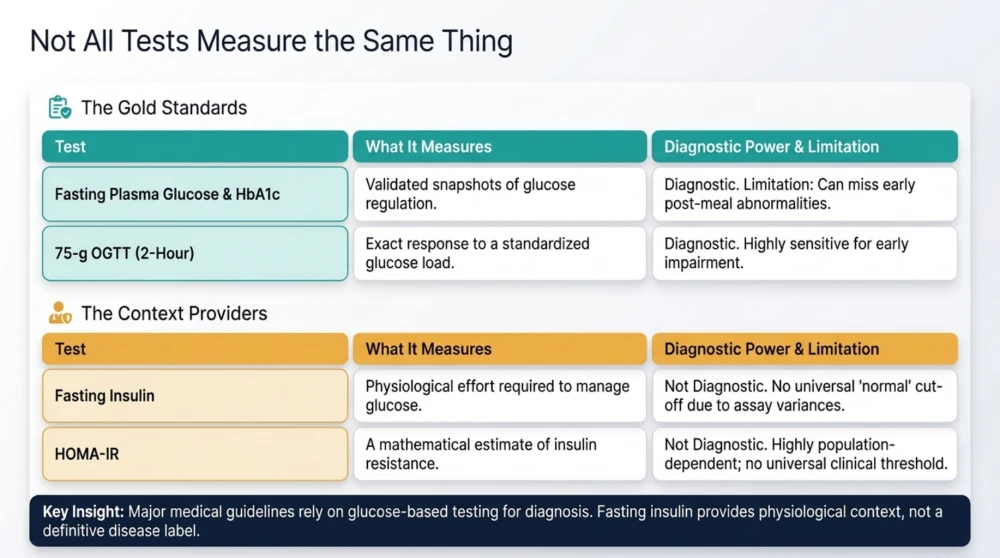
Fasting insulin is frequently measured in metabolic and weight-management settings, but major diabetes guidelines do not use fasting insulin to diagnose prediabetes or type 2 diabetes.
In routine clinical practice, glucose-based testing remains the standard.
Why Is There No Universal “Normal Fasting Insulin” Cut-Off?
Insulin measurement presents several challenges.
Laboratory assays differ.
Insulin secretion varies according to multiple biological factors.
Population reference ranges differ.
And there is no single universally accepted threshold at which insulin resistance suddenly begins.
This is why an isolated insulin value should always be interpreted cautiously.
What About HOMA-IR?
HOMA-IR stands for Homeostatic Model Assessment of Insulin Resistance.
It is calculated using fasting glucose and fasting insulin.
The calculation is frequently used in metabolic research and sometimes in clinical practice.
HOMA-IR Is Not a Universal Diagnostic Test
There is no single HOMA-IR cut-off that reliably diagnoses insulin resistance in every population.
Values vary according to ethnicity, age, metabolic characteristics and laboratory methodology.
Therefore, HOMA-IR can provide contextual information but should not be treated like HbA1c, where established diagnostic thresholds exist for prediabetes and diabetes.
What Is the Gold Standard for Measuring Insulin Resistance?
Research methods such as the hyperinsulinaemic-euglycaemic clamp can measure insulin sensitivity much more directly.
But these methods are complex, time-consuming and impractical for routine clinical care.
That is why doctors usually assess metabolic risk using clinical findings, glucose testing and associated cardiometabolic abnormalities rather than trying to directly measure insulin resistance in every patient.
So What Does High Fasting Insulin but Normal Blood Sugar Actually Mean?
It depends on the context.
It may be compatible with compensatory hyperinsulinaemia in someone with insulin resistance.
But one abnormal fasting-insulin result is not sufficient to establish that diagnosis.
I would look for supporting metabolic clues.
These clues are often more informative when they occur together.
7 Signs That May Suggest Underlying Insulin Resistance
1. Increasing Waist Circumference
One of the most useful clues is increasing abdominal adiposity.
Where body fat is stored matters metabolically.
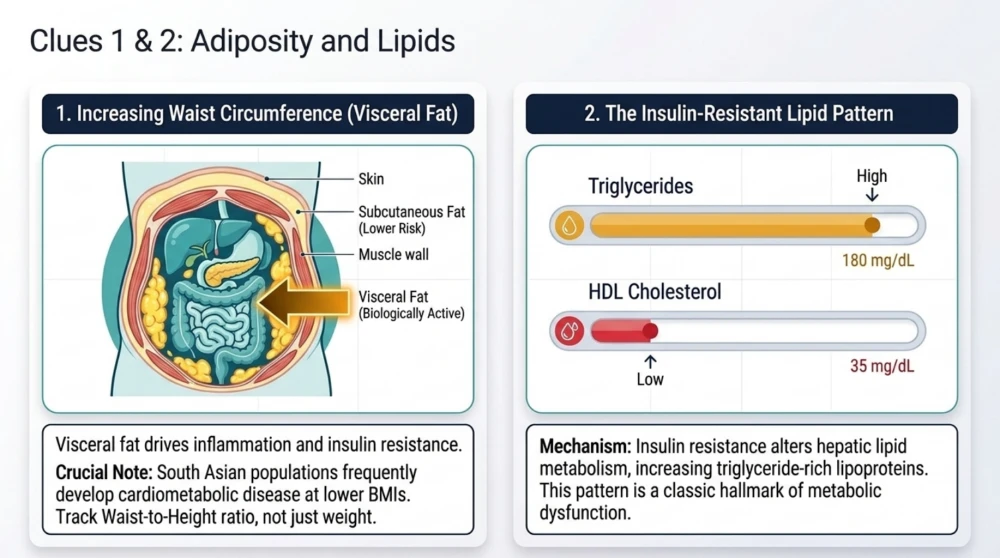
Visceral adipose tissue—the fat stored around abdominal organs—is strongly associated with insulin resistance and cardiometabolic disease.
A patient may therefore have a BMI that does not appear dramatically high but still carry substantial metabolic risk because of central fat distribution.
Why This Is Particularly Relevant in South Asians
South Asian populations can develop metabolic abnormalities at comparatively lower BMI levels.
This means that relying only on conventional obesity appearance can miss people with substantial central adiposity and metabolic risk.
Waist circumference therefore adds useful information.
Waist-to-Height Ratio Can Add Context
A simple additional measure is waist-to-height ratio.
It is calculated by dividing waist circumference by height using the same units.
Keeping waist circumference below approximately half of height is commonly used as a simple public-health screening message.
It is not a diagnostic test for insulin resistance, but it can help identify central adiposity.
2. High Triglycerides
Elevated triglycerides commonly accompany insulin resistance.
Insulin resistance alters adipose-tissue and hepatic lipid metabolism.
More fatty acids may reach the liver, while hepatic production of triglyceride-rich lipoproteins can increase.
This can produce a characteristic metabolic pattern.
High Triglycerides Plus Low HDL Deserve Attention
The combination of elevated triglycerides and low HDL cholesterol is frequently seen in insulin-resistant states.
Again, neither measurement alone diagnoses insulin resistance.
But when this pattern occurs alongside abdominal obesity, fatty liver, hypertension or abnormal glucose regulation, the overall metabolic picture becomes more convincing.
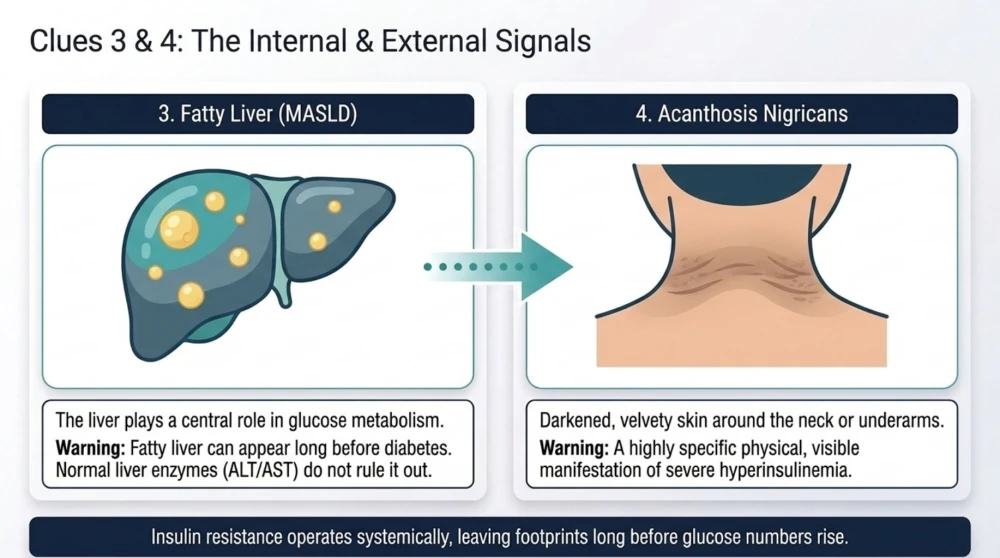
3. Fatty Liver
Metabolic dysfunction-associated steatotic liver disease, or MASLD, is strongly associated with insulin resistance.
The liver plays a central role in both glucose and lipid metabolism.
When hepatic insulin sensitivity deteriorates, regulation of hepatic glucose production and lipid metabolism becomes abnormal.
Fatty Liver Can Appear Before Diabetes
A patient can have fatty liver while fasting glucose remains normal.
This is particularly important because MASLD may be discovered incidentally during an ultrasound performed for another reason.
A report showing fatty liver should therefore prompt consideration of the broader metabolic picture rather than being dismissed simply because liver enzymes and fasting glucose are normal.
4. Acanthosis Nigricans
Acanthosis nigricans refers to areas of darkened, thickened or velvety skin.
It commonly occurs around the neck, underarms and certain skin folds.
It has a strong association with hyperinsulinaemia and insulin resistance, particularly when occurring in the appropriate metabolic context.
Do Not Assume Every Dark Neck Is Acanthosis Nigricans
Skin pigmentation has many causes.
A proper examination is useful before attributing darkened skin automatically to insulin resistance.
But genuine acanthosis nigricans can be an important visible metabolic clue.
5. PCOS
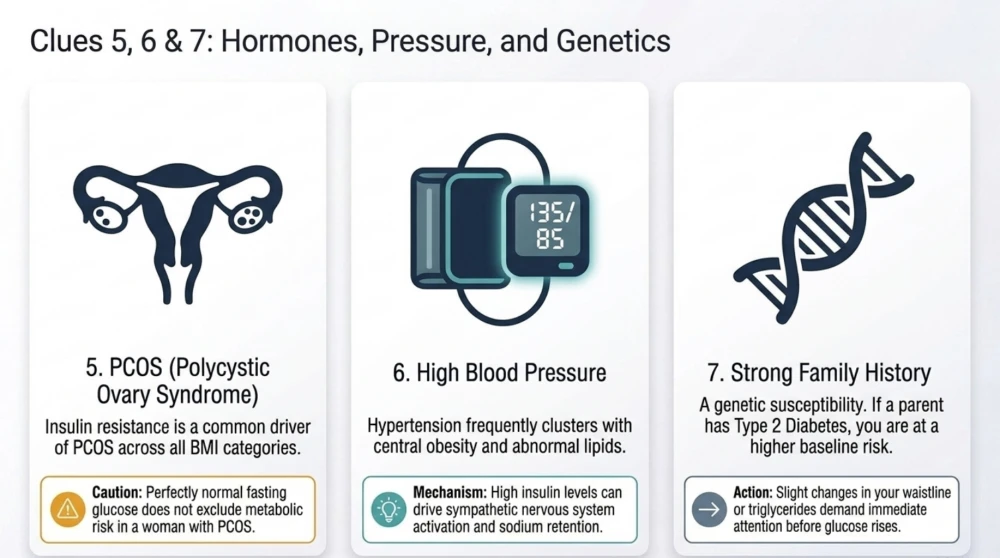
Polycystic ovary syndrome is frequently associated with insulin resistance.
Women with PCOS may experience:
- Irregular menstrual cycles.
- Ovulatory dysfunction.
- Acne.
- Increased facial or body hair.
- Difficulty with weight management.
- Acanthosis nigricans.
Not every woman with PCOS has obesity, and not every woman with PCOS has the same degree of insulin resistance.
PCOS Can Occur Even With Normal Fasting Glucose
This is important.
Normal fasting glucose does not exclude metabolic risk in a woman with PCOS.
Glucose testing should therefore be interpreted according to overall risk rather than assuming that one normal fasting value ends the discussion.
6. High Blood Pressure and Metabolic Clustering
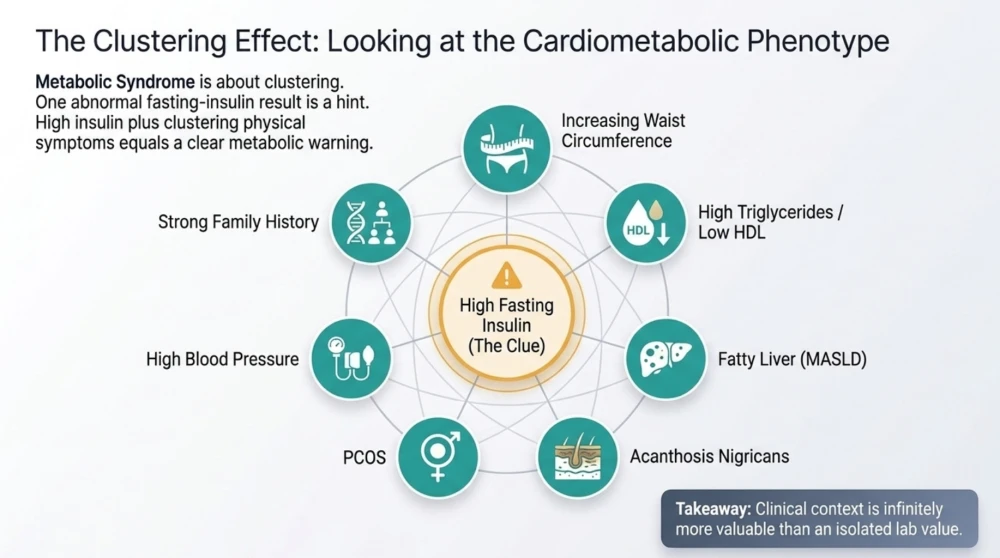
Insulin resistance commonly occurs as part of a broader cardiometabolic phenotype.
This may include:
- Central obesity.
- High blood pressure.
- Elevated triglycerides.
- Low HDL cholesterol.
- Abnormal glucose regulation.
- Fatty liver.
When several of these abnormalities occur together, metabolic risk becomes much more clinically meaningful than an isolated fasting-insulin number.
Metabolic Syndrome Is About Clustering
This is why metabolic syndrome frameworks focus on readily measurable features such as waist circumference, blood pressure, glucose, triglycerides and HDL cholesterol.
They do not require fasting insulin as a diagnostic component.
7. Strong Family History Plus Increasing Metabolic Risk
A family history of type 2 diabetes does not mean diabetes is inevitable.
But it can identify someone with greater underlying susceptibility.
If a person with a strong family history begins developing increasing waist circumference, fatty liver, elevated triglycerides or borderline glucose values, these changes deserve attention even before diabetes develops.
Are There Symptoms of Early Insulin Resistance?
Usually, there are no reliable symptoms.
This point is often misunderstood online.
Insulin resistance itself commonly develops silently.
Many people feel completely normal.
What About Sugar Cravings?
Cravings are nonspecific.
They can be influenced by food habits, sleep deprivation, stress, restrictive dieting and many other factors.
Sugar cravings cannot diagnose insulin resistance.
What About Feeling Sleepy After Meals?
Post-meal sleepiness is also nonspecific.
Meal size, sleep deprivation, circadian rhythm and meal composition can all influence how alert someone feels after eating.
It should not be presented as proof of insulin resistance.
What About Difficulty Losing Weight?
Insulin resistance and obesity frequently coexist, but difficulty losing weight alone is not a diagnostic sign of insulin resistance.
Body weight is influenced by energy intake, physical activity, sleep, medications, genetics, environment and numerous biological factors.
Clinical Clues Are More Useful When They Cluster
| Finding | Relationship With Insulin Resistance | Does It Diagnose Insulin Resistance? |
|---|---|---|
| High fasting insulin | May reflect compensatory hyperinsulinaemia | No |
| Increasing waist circumference | Central adiposity strongly associated with metabolic risk | No |
| High triglycerides/low HDL | Common dyslipidaemic pattern in insulin-resistant states | No |
| MASLD | Strongly associated with metabolic dysfunction and insulin resistance | No |
| Acanthosis nigricans | Important clinical clue to hyperinsulinaemia/insulin resistance | No |
| PCOS | Frequently associated with insulin resistance | No |
| Normal fasting glucose | Does not exclude impaired glucose tolerance or underlying metabolic risk | Does not establish normal insulin sensitivity |
Why Waiting for Blood Sugar to Become High Is Not Ideal
Type 2 diabetes does not usually appear overnight.
Metabolic risk can accumulate over many years.
Increasing visceral adiposity, physical inactivity, fatty liver, dyslipidaemia and insulin resistance may precede overt hyperglycaemia.
This creates an opportunity for prevention.
But Prevention Does Not Require Labelling Everyone as Prediabetic
This distinction matters.
If glucose tests are normal, we should not invent a diagnosis that the patient does not meet.
Instead, we can recognise the presence of modifiable metabolic risk factors and address them appropriately.
What Should You Check if Fasting Insulin Is High but Glucose Is Normal?
The appropriate evaluation depends on the individual, but commonly useful information includes:
- Repeat or confirm fasting glucose when clinically appropriate.
- HbA1c.
- Lipid profile, particularly triglycerides and HDL cholesterol.
- Blood pressure.
- Weight trend.
- Waist circumference.
- Family history of type 2 diabetes.
- Physical activity.
- Features of PCOS where relevant.
- Clinical examination for acanthosis nigricans.
- Assessment for fatty liver/MASLD when clinically indicated.
An oral glucose tolerance test may provide additional information in selected patients when suspicion remains despite normal fasting glucose or when clinical circumstances make it useful.
Do You Need to Keep Repeating Fasting Insulin?
Usually, repeatedly chasing fasting-insulin numbers is less useful than following validated metabolic outcomes.
Depending on the patient, I would be more interested in whether:
- Waist circumference is decreasing.
- Excess body fat is reducing.
- Blood pressure is controlled.
- Triglycerides are improving.
- Physical fitness is increasing.
- Glucose and HbA1c remain healthy.
- Fatty liver is being appropriately managed.
The goal is to improve metabolic health—not simply to make one laboratory number lower.
Can Insulin Resistance Improve Before Blood Sugar Becomes Abnormal?
Yes, and this is exactly why identifying metabolic risk early can be useful.
Regular physical activity, reduction of excess adiposity, improved diet quality, adequate sleep and management of associated metabolic conditions can improve insulin sensitivity.
You do not need to wait until diabetes develops before adopting these measures.
Which Tests Actually Help When Insulin Resistance Is Suspected?
After seeing high fasting insulin but normal blood sugar, many patients immediately start searching for additional tests.
They may arrive with a long list:
- HOMA-IR.
- Fasting insulin.
- Post-meal insulin.
- C-peptide.
- Continuous glucose monitoring.
- Triglyceride-to-HDL ratio.
- Oral glucose tolerance testing.
Some of these measurements can provide useful information in the right clinical setting.
But they do not all have the same diagnostic value.
The first step is to separate three different questions:
- Does the person currently have diabetes or prediabetes?
- Does the overall clinical picture suggest insulin resistance or increased metabolic risk?
- What modifiable factors are driving that metabolic risk?
A fasting-insulin number cannot answer all three.
Fasting Glucose, HbA1c and OGTT Measure Different Things
These tests are often spoken about as though they are interchangeable.
They are not.
Fasting Plasma Glucose
Fasting glucose measures plasma glucose after an overnight fast.
It is inexpensive, widely available and convenient.
But it provides information about glucose regulation in the fasting state rather than showing how the body handles a glucose challenge.
HbA1c
HbA1c reflects longer-term exposure of haemoglobin to glucose and provides an estimate of average glycaemic exposure over the preceding weeks to months.
It does not require fasting.
However, HbA1c can be misleading in certain conditions that alter red-cell lifespan or haemoglobin characteristics.
75-g Oral Glucose Tolerance Test
The OGTT evaluates the glucose response after a standardised glucose load.
A patient may have normal fasting glucose but an abnormal 2-hour glucose response.
This is called impaired glucose tolerance when the 2-hour value falls within the prediabetes range.
Why Can the OGTT Find Abnormalities That Fasting Glucose Misses?
Fasting and post-challenge glucose regulation depend on overlapping but not identical physiology.
During fasting, hepatic glucose production plays an important role.
After glucose is consumed, the body must rapidly secrete insulin, suppress excessive hepatic glucose production and move glucose into tissues, particularly skeletal muscle.
A person may manage fasting glucose reasonably well while having greater difficulty handling a glucose load.
This Is Why “My Fasting Sugar Is Normal” Does Not Always End the Assessment
If clinical risk is high, an appropriate physician may sometimes consider additional glucose testing despite normal fasting glucose.
This does not mean everyone needs an OGTT.
Testing should be guided by clinical circumstances.
Which Test Diagnoses Prediabetes?
| Measurement | Useful for Prediabetes Diagnosis? | Important Limitation |
|---|---|---|
| Fasting plasma glucose | Yes | May not detect isolated impaired glucose tolerance |
| HbA1c | Yes | Affected by some conditions involving haemoglobin or red-cell turnover |
| 2-hour 75-g OGTT glucose | Yes | Less convenient and requires a standardised glucose challenge |
| Fasting insulin | No | No universally accepted diagnostic threshold |
| HOMA-IR | No | Population and assay-dependent; no universal diagnostic cut-off |
| CGM | Not currently recommended for diagnosis | Interesting glucose patterns do not replace validated diagnostic criteria |
Fasting Insulin: Useful Context or Overused Test?
Fasting insulin can provide physiological information.
If insulin is consistently elevated in someone with central obesity, fatty liver, high triglycerides and a strong family history of type 2 diabetes, compensatory hyperinsulinaemia becomes biologically plausible.
But problems arise when fasting insulin is treated like fasting glucose.
There Is No Universal Diagnostic Cut-Off
You may see online claims such as:
“Fasting insulin must be below 5.” Or: “Anything above 8 means insulin resistance.” Or: “Insulin above 10 means prediabetes.”
These statements are too simplistic.
Unlike fasting glucose and HbA1c, fasting insulin does not have a universally accepted diagnostic threshold for prediabetes or insulin resistance applicable across laboratories and populations.
Why Do Fasting Insulin Reference Ranges Differ?
Part of the problem is analytical.
Insulin assays are not completely interchangeable between laboratories.
Reference populations can also differ.
Age, body composition, ethnicity, medications, recent diet and underlying metabolic characteristics may influence measured insulin concentrations.
Therefore, comparing an insulin result from one laboratory with an “optimal range” from an online chart can be misleading.
What Exactly Is HOMA-IR?
HOMA-IR uses fasting insulin and fasting glucose to estimate insulin resistance under fasting steady-state conditions.
It is particularly useful in epidemiological and research settings because performing sophisticated direct measurements of insulin sensitivity on thousands of people would be impractical.
HOMA-IR Is an Estimate, Not a Direct Measurement
The result depends heavily on the fasting insulin measurement.
Therefore, assay variability affecting insulin also affects HOMA-IR.
Furthermore, HOMA-IR distributions vary among populations.
This makes a single universal cut-off problematic.
Should HOMA-IR Be Used to Diagnose “Hidden Insulin Resistance”?
Not as a stand-alone diagnostic test.
It can provide supportive information in selected settings, but it should not be presented to patients as though a particular decimal value definitively proves or excludes insulin resistance.
Clinical context matters more.
What About Post-Meal Insulin Levels?
Some laboratories and metabolic clinics measure insulin alongside glucose during an oral glucose challenge.
This can demonstrate how strongly the pancreas responds to glucose.
But routine post-glucose insulin testing has an important limitation:
there are no widely accepted clinical diagnostic thresholds defining insulin resistance from these insulin values.
More Insulin Does Not Always Mean More Disease
Insulin secretion depends on several factors, including:
- Degree of insulin sensitivity.
- Beta-cell function.
- Glucose concentration.
- Timing of the blood sample.
- Gastrointestinal and incretin responses.
- Individual physiology.
Therefore, interpreting a 30-minute, 60-minute or 120-minute insulin value using arbitrary internet cut-offs can create unnecessary diagnoses.
What About C-Peptide?
C-peptide is released when the pancreas produces endogenous insulin.
It can be very useful clinically when we need information about a person's own insulin production.
For example, it may help in selected situations when differentiating severe insulin deficiency from preserved endogenous insulin secretion.
C-Peptide Is Not a Routine Insulin-Resistance Test
A high or normal C-peptide value should not automatically be translated into a diagnosis of insulin resistance.
The reason for ordering the test matters.
Can CGM Detect Hidden Insulin Resistance?
Continuous glucose monitoring has transformed diabetes management.
It provides detailed information about glucose patterns throughout the day and night.
Increasing numbers of people without diabetes are also using CGM to understand their glucose response to meals and exercise.
But this creates another important distinction.
CGM Measures Glucose, Not Insulin
A CGM sensor does not directly measure insulin resistance.
It measures glucose in interstitial fluid.
A relatively flat glucose response could theoretically occur partly because the pancreas released substantial insulin.
Conversely, a brief glucose rise after eating does not automatically indicate pathological insulin resistance.
CGM Is Not Currently a Diagnostic Test for Prediabetes
Current diagnostic criteria for prediabetes rely on fasting plasma glucose, HbA1c or the 2-hour glucose value during a 75-g OGTT.
CGM patterns may be clinically interesting in selected situations, but they should not be used to invent new diagnostic thresholds.
Do Normal CGM Readings Prove Excellent Insulin Sensitivity?
No.
Glucose is the final regulated variable.
CGM does not tell us how much insulin was required to maintain that glucose profile.
This is exactly the physiological concept behind high fasting insulin but normal blood sugar.
The glucose can look reassuring while insulin demand may be greater than expected.
Triglyceride-to-HDL Ratio: Can It Reveal Insulin Resistance?
The triglyceride-to-HDL cholesterol ratio is sometimes used as a simple marker associated with insulin resistance and cardiometabolic risk.
There is biological and epidemiological rationale for this.
Insulin-resistant dyslipidaemia often involves elevated triglycerides and lower HDL cholesterol.
But It Is Not a Diagnostic Test
The relationship varies across sex, ethnicity and metabolic phenotype.
A high triglyceride-to-HDL ratio may strengthen concern about cardiometabolic risk, but it cannot independently establish insulin resistance.
Triglycerides Can Still Be Extremely Useful
Instead of focusing excessively on the ratio, I pay attention to the complete lipid profile.
High triglycerides occurring together with central adiposity, fatty liver, hypertension and abnormal glucose regulation provide a recognisable metabolic pattern.
This clustering is often more informative than chasing a single calculated index.
Why Visceral Fat Is Central to Insulin Resistance
Two people with the same BMI can have very different metabolic profiles.
One may carry more fat subcutaneously around the hips and limbs.
Another may accumulate more visceral and ectopic fat around abdominal organs and within tissues such as the liver.
The second pattern is generally associated with greater metabolic risk.
Visceral Fat Is Biologically Active
Excess visceral adiposity is associated with altered adipokine signalling, inflammation, increased fatty-acid flux and insulin resistance.
This is one reason waist circumference adds useful information beyond BMI.
Can Someone With a Normal BMI Have Insulin Resistance?
Yes.
BMI is useful at a population level but does not directly measure visceral fat, liver fat, muscle mass or fat distribution.
A person can have a BMI within the conventional normal range while carrying relatively high abdominal or ectopic fat.
This Is Particularly Relevant in South Asians
South Asians frequently develop type 2 diabetes and cardiometabolic disease at lower BMI levels than many Western populations.
This is one reason waist circumference, family history and metabolic markers deserve attention even when someone does not appear markedly overweight.
Fatty Liver Can Be an Important Metabolic Signal
MASLD is closely intertwined with insulin resistance.
Excess fatty-acid delivery to the liver, increased hepatic fat production and abnormalities in insulin signalling contribute to the metabolic environment in which hepatic steatosis develops.
Normal Liver Enzymes Do Not Exclude Fatty Liver
A person can have significant hepatic steatosis while ALT and AST remain within the laboratory reference range.
Conversely, elevated liver enzymes have many possible causes and should not automatically be attributed to MASLD.
Does Fatty Liver Mean You Definitely Have Insulin Resistance?
No single finding should be interpreted in isolation.
But metabolic fatty liver substantially increases the relevance of evaluating glucose, lipids, blood pressure, waist circumference and other cardiometabolic risk factors.
PCOS and Insulin Resistance
Insulin resistance is common in PCOS and can occur across BMI categories.
Hyperinsulinaemia may also interact with ovarian androgen production and other aspects of PCOS physiology.
This is why glucose-metabolism assessment is important in women with PCOS.
Do Women With PCOS Need Fasting Insulin Testing?
Not routinely for diagnosis.
Insulin assays have limited usefulness for routine clinical assessment of insulin resistance in PCOS.
Glucose status is more appropriately evaluated using validated glucose-based testing, with the choice of test guided by individual risk and clinical context.
Why an OGTT Can Be Particularly Informative in PCOS
Some women with PCOS can have normal fasting glucose while demonstrating abnormal glucose tolerance after a glucose load.
This again illustrates why fasting glucose does not provide a complete picture of glucose regulation.
What About Obstructive Sleep Apnoea?
Sleep is another component of metabolic health that is frequently overlooked.
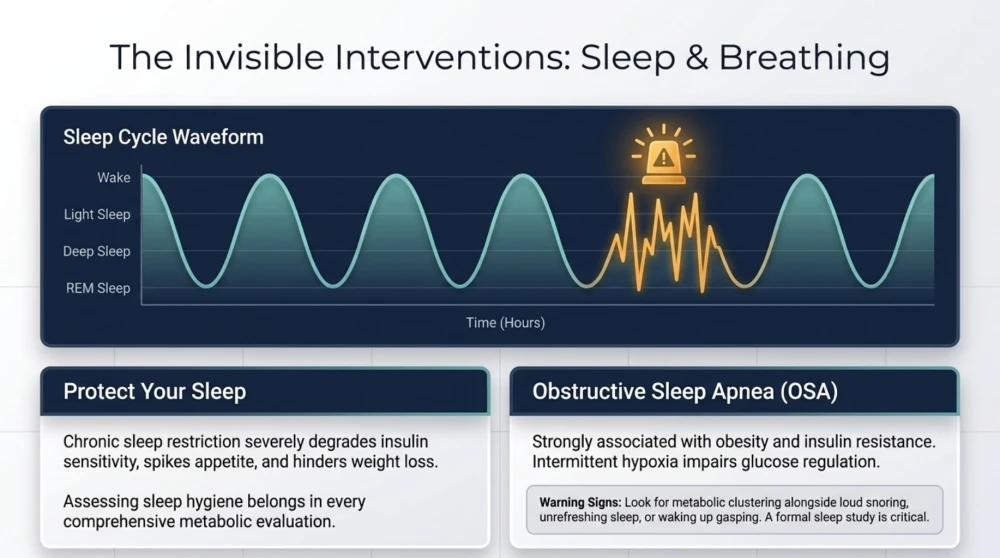
Obstructive sleep apnoea is strongly associated with obesity and insulin resistance.
Repeated sleep fragmentation, intermittent hypoxia and sympathetic activation may contribute to impaired glucose regulation.
Consider OSA When Metabolic Risk Occurs With:
- Loud habitual snoring.
- Witnessed pauses in breathing.
- Choking or gasping during sleep.
- Unrefreshing sleep.
- Excessive daytime sleepiness.
- Morning headaches.
- Hypertension.
- Central obesity.
Not everyone with insulin resistance needs a sleep study, but obvious symptoms of sleep apnoea should not be ignored.
Can Lack of Sleep Worsen Insulin Sensitivity?
Experimental sleep-restriction studies support the idea that inadequate sleep can adversely affect glucose regulation and insulin sensitivity.
In real life, insufficient sleep may also increase hunger, reduce physical activity and make weight management more difficult.
Sleep therefore belongs in a comprehensive metabolic assessment.
Can Insulin Resistance Be Present in a Physically Active Person?
Yes.
Physical activity substantially improves insulin sensitivity, but metabolic health is influenced by multiple factors.
Genetics, visceral adiposity, diet, sleep, medications, ageing and certain medical conditions also contribute.
Exercise reduces risk; it does not create complete immunity from metabolic disease.
Does Strength Training Improve Insulin Sensitivity?
Yes.
Skeletal muscle is a major site of glucose disposal.
Resistance training improves muscular function and can improve insulin sensitivity and glucose regulation.
It also helps preserve or increase lean tissue, which becomes particularly important during weight loss and with ageing.
Walking After Meals Can Help Glucose Regulation
Muscle contraction increases glucose utilisation.
Short periods of walking after meals can therefore help reduce post-meal glucose excursions.
This is a practical example of why physical activity can improve metabolic physiology even before substantial weight loss occurs.
Do You Need to Remove Carbohydrates Completely?
No.
Insulin resistance does not mean carbohydrates must be eliminated.
The quality, quantity and context of carbohydrate intake matter.
A diet dominated by refined carbohydrates, sugary drinks and excess calories is very different metabolically from one containing appropriate portions of minimally processed whole grains, pulses, vegetables, fruit and other nutrient-dense foods.
Think About the Whole Meal
Combining carbohydrate with protein, fibre-rich foods and appropriate portions can improve satiety and alter the glucose response.
The goal is not to fear every glucose rise after eating.
Glucose is expected to increase after carbohydrate consumption.
Should Fruit Be Avoided Because It Raises Insulin?
For most people, no.
Whole fruit provides fibre, water, micronutrients and phytochemicals and should not be equated with sugar-sweetened beverages.
Portion and individual circumstances still matter, but eliminating whole fruit is generally unnecessary simply because someone has suspected insulin resistance.
Does Intermittent Fasting Reverse Insulin Resistance?
Time-restricted eating or intermittent fasting can help some people reduce overall calorie intake and body weight.
When excess adiposity decreases, insulin sensitivity can improve.
But fasting is not metabolically magical.
If a person compensates by consuming excessive calories during the eating window, expected weight and metabolic benefits may be limited.
Weight Loss Can Be a Powerful Intervention
When excess adiposity is a major contributor to insulin resistance, sustained fat loss can substantially improve insulin sensitivity.
This is particularly true when visceral and liver fat decrease.
But Do Not Sacrifice Muscle to Make the Scale Fall Faster
A good weight-management programme should aim to reduce excess fat while preserving useful lean tissue.
That generally means combining an appropriate calorie deficit with:
- Adequate protein.
- Resistance training.
- Aerobic activity.
- Regular everyday movement.
- Adequate recovery and sleep.
What if Your Weight Is Normal?
If someone with normal body weight has metabolic abnormalities, aggressive weight loss is not automatically the answer.
The focus may instead involve:
- Reducing central adiposity where present.
- Improving muscle mass and strength.
- Increasing physical activity.
- Improving diet quality.
- Addressing fatty liver.
- Managing lipids and blood pressure.
- Improving sleep.
Should Metformin Be Started for High Fasting Insulin?
Not simply because one fasting-insulin value is elevated.
Metformin has established clinical uses, including type 2 diabetes and selected high-risk prediabetes situations, and is also used in particular PCOS contexts.
Medication decisions should be based on the patient's diagnosis, risk profile and clinical indications rather than an arbitrary insulin threshold.
What About GLP-1-Based Weight-Loss Treatment?
GLP-1 receptor agonist or GLP-1/GIP-based treatment may be appropriate for selected patients with obesity or other approved indications.
These medicines can produce substantial weight loss and improvements in several metabolic outcomes.
But they should not be prescribed simply to “lower fasting insulin” in a person who otherwise has no appropriate indication.
The treatment target is the underlying clinical condition, not an isolated laboratory value.
What Should You Actually Monitor?
Instead of repeatedly checking fasting insulin every few weeks, consider whether validated metabolic outcomes are improving.
| Marker | Why It Matters |
|---|---|
| Waist circumference | Practical indicator of central adiposity |
| Weight trend | Useful when excess adiposity is being treated |
| Fasting glucose | Validated measure of fasting glycaemia |
| HbA1c | Reflects longer-term glycaemic exposure |
| OGTT when indicated | Can detect impaired glucose tolerance despite normal fasting glucose |
| Triglycerides and HDL | Important components of cardiometabolic risk |
| Blood pressure | Major cardiovascular risk factor that commonly clusters with metabolic dysfunction |
| Physical fitness and strength | Important indicators of metabolic and functional health |
| Liver assessment when appropriate | MASLD may identify important metabolic and fibrosis risk |
A Practical Clinical Scenario
Consider a 38-year-old man whose fasting glucose is 94 mg/dL and HbA1c is 5.5%.
His fasting insulin was ordered elsewhere and reported as elevated.
If we stop at glucose alone, we might simply say everything is normal.
If we stop at insulin alone, we might incorrectly label him as having a disease based on a test without a universal diagnostic threshold.
Neither approach is ideal.
Now Look at the Complete Picture
Suppose he also has:
- Increasing waist circumference.
- Triglycerides of 220 mg/dL.
- Low HDL cholesterol.
- Ultrasound-confirmed fatty liver.
- A father with type 2 diabetes.
- A sedentary occupation.
His glucose tests may not currently meet criteria for prediabetes, but his overall cardiometabolic risk deserves attention.
The clinical response should be risk reduction—not arguing over whether an arbitrary fasting-insulin cut-off makes him “insulin resistant.”
What if Everything Else Is Normal?
Now consider a different patient.
Fasting glucose is normal.
HbA1c is normal.
Waist circumference is healthy.
Triglycerides and HDL are favourable.
Blood pressure is normal.
There is no fatty liver, PCOS or acanthosis nigricans.
The person is physically active.
But one fasting-insulin measurement is slightly above an online “optimal” range.
Do Not Create Disease From One Number
In this situation, automatically labelling the person as having severe insulin resistance may cause more anxiety than benefit.
The test should be interpreted using the laboratory method, clinical context and reason it was ordered.
Can Insulin Resistance Be Improved Before Blood Sugar Becomes Abnormal?
Yes.
In fact, this may be one of the most useful periods in which to act.
A person does not need to wait for fasting glucose or HbA1c to enter the prediabetes range before improving metabolic health.
If someone has central adiposity, fatty liver, high triglycerides, PCOS, physical inactivity or other features associated with insulin resistance, these factors can be addressed even while glucose remains normal.
The aim is not simply to make fasting insulin lower.
The broader goals are to improve insulin sensitivity, reduce excess visceral and ectopic fat, preserve muscle, improve fitness and reduce the future risk of type 2 diabetes and cardiovascular disease.
1. Reduce Excess Visceral Fat When Present
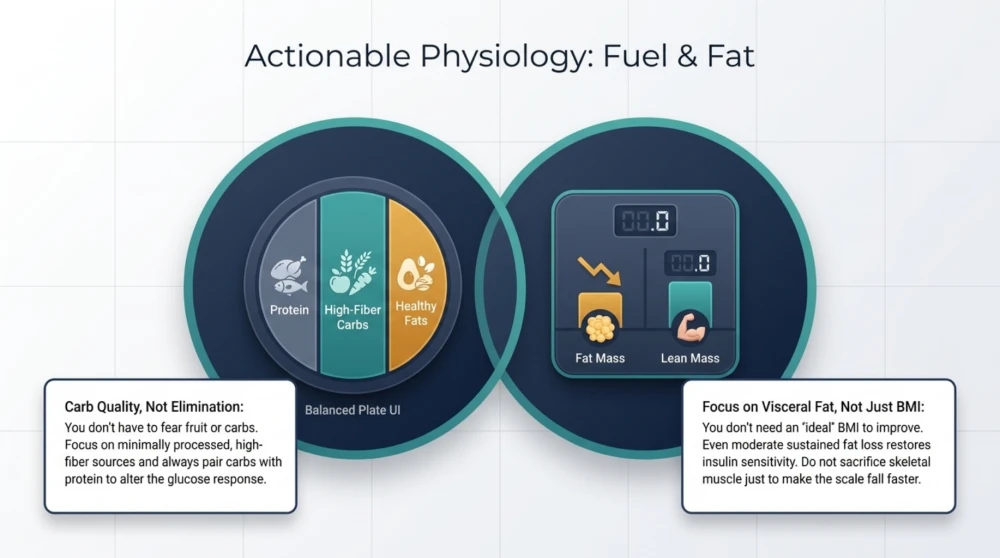
When excess adiposity is present, reducing it is one of the most effective strategies for improving insulin sensitivity.
But where fat is lost also matters.
Visceral fat and ectopic fat stored in organs such as the liver are closely associated with metabolic dysfunction.
You Do Not Need to Reach an “Ideal Weight” Before Metabolism Improves
Clinically meaningful metabolic improvements can occur before someone reaches their final weight goal.
Even moderate sustained weight reduction can improve glucose regulation, blood pressure, triglycerides and other metabolic abnormalities in people with excess weight.
Greater weight loss may provide additional benefit in selected patients, particularly when obesity-related complications are present.
2. Build and Preserve Skeletal Muscle
Muscle should be part of almost every discussion about insulin resistance.
Skeletal muscle is a major site of glucose disposal after meals.
When muscle contracts during exercise, glucose uptake can increase through mechanisms that are not completely dependent on insulin.
Regular training also improves insulin sensitivity over time.
Muscle Is Metabolic Tissue
This is why I do not like weight-management programmes that focus only on making the scale fall as quickly as possible.
If substantial muscle is lost during weight reduction, the number on the scale may look impressive while body composition and physical reserve become less favourable.
A better strategy is usually to reduce excess fat while preserving as much useful muscle as reasonably possible.
Resistance Training Is Particularly Valuable
Resistance training provides a direct stimulus for muscle strength and preservation.
Examples include:
- Squats or appropriately modified sit-to-stand exercises.
- Rows.
- Pressing movements.
- Hip-hinge movements.
- Step-ups.
- Resistance-band exercises.
- Machine-based resistance training.
- Free-weight exercises where appropriate.
The programme should match the person's fitness, age, medical conditions, joint health and previous training experience.
3. Add Regular Aerobic Activity
Walking, cycling, swimming, jogging and other aerobic activities can improve cardiorespiratory fitness and insulin sensitivity.
Current physical-activity guidance generally recommends that adults work towards at least 150–300 minutes of moderate-intensity aerobic activity per week, or an appropriate equivalent of vigorous activity, alongside muscle-strengthening exercise.
More Is Not Always Better on Day One
A previously sedentary person does not need to suddenly start exercising for an hour every day.
Progressive increases in activity are more sustainable and reduce the risk of injury.
Even moving from very low activity to regular walking can be meaningful.
4. Walk After Meals
Post-meal activity is one of the simplest strategies for improving glucose handling.
After eating, glucose enters the circulation and skeletal muscle becomes an important destination for that glucose.
Muscle contraction increases glucose utilisation.
A short walk after meals can therefore reduce post-meal glucose excursions in many people.
It Does Not Need to Be a Workout
A gentle or brisk 10–15 minute walk after a meal can be practical for many patients.
The important concept is reducing prolonged inactivity and using skeletal muscle regularly throughout the day.
5. Improve Carbohydrate Quality Rather Than Becoming Afraid of Carbohydrates
Insulin resistance has generated an enormous amount of fear around carbohydrates.
But all carbohydrate-containing foods should not be treated as metabolically identical.
A glass of sugar-sweetened beverage is very different from a meal containing dal, vegetables, curd and an appropriate portion of whole-grain roti.
Prioritise Minimally Processed Sources
Depending on individual tolerance, culture and clinical needs, carbohydrate sources can include:
- Whole grains.
- Pulses and legumes.
- Vegetables.
- Whole fruit.
- Appropriate portions of traditional staple foods.
Refined carbohydrates, sugar-sweetened beverages and highly processed foods are much easier to overconsume and often provide less fibre and satiety.
Meal Composition Matters
Eating carbohydrate as part of a mixed meal containing protein, fibre-rich vegetables and appropriate fat generally produces a different physiological response from consuming a large quantity of rapidly absorbed carbohydrate alone.
This is one reason dietary advice should focus on meals rather than simply labelling individual foods as “insulin-spiking.”
6. Include Adequate Protein
Protein helps support muscle maintenance, particularly during weight loss.
It can also improve satiety and make a calorie-controlled eating pattern easier to sustain.
Protein requirements vary according to age, body size, activity, calorie intake, kidney function and other clinical circumstances.
Protein Should Not Be Left Entirely for Dinner
Many Indian diets contain relatively little protein at breakfast and sometimes lunch, followed by most daily protein at dinner.
Distributing meaningful protein-containing foods across meals can make it easier to meet overall requirements and support muscle preservation.
7. Protect Your Sleep
Sleep is often ignored when discussing metabolic health.
Chronic sleep restriction can adversely affect insulin sensitivity, appetite regulation and food choices.
Someone sleeping five hours per night may also feel too exhausted to exercise consistently or remain active during the day.
Do Not Miss Sleep Apnoea
Obstructive sleep apnoea deserves particular attention when metabolic abnormalities occur alongside:
- Loud habitual snoring.
- Witnessed pauses in breathing.
- Gasping or choking during sleep.
- Unrefreshing sleep.
- Excessive daytime sleepiness.
- Central obesity.
- Hypertension.
OSA requires appropriate assessment and should not be diagnosed simply from snoring or a smartwatch reading.
How Quickly Can Insulin Sensitivity Improve?
Some physiological effects of exercise occur rapidly.
A single exercise session can temporarily improve glucose uptake and insulin sensitivity.
However, long-term metabolic improvement depends on consistency.
This is why occasional intense workouts are less useful than a sustainable pattern of regular activity.
What Happens if You Stop Exercising?
Some exercise-related improvements in insulin sensitivity diminish when regular activity stops.
Exercise should therefore be viewed less like a short treatment course and more like an ongoing component of metabolic health.
The goal is to find forms of activity that can realistically continue for years.
Should You Repeat Fasting Insulin to See if Treatment Is Working?
Usually, I would not make repeated fasting-insulin measurements the centre of follow-up.
There are more clinically established outcomes worth monitoring.
| What to Follow | Why It Is Useful |
|---|---|
| Weight trend when excess adiposity is present | Shows progress in total body-weight management |
| Waist circumference | Provides practical information about central adiposity |
| Blood pressure | Important component of cardiovascular and metabolic risk |
| Fasting glucose | Validated measure for assessing fasting glycaemia |
| HbA1c | Provides information about longer-term glycaemic exposure |
| OGTT when clinically indicated | Can identify impaired glucose tolerance missed by fasting glucose |
| Triglycerides and HDL cholesterol | Important components of cardiometabolic risk |
| Strength and physical fitness | Shows functional improvement that laboratory testing cannot capture |
| MASLD/fibrosis risk when relevant | Addresses an important metabolic complication and its long-term liver risk |
How Often Should Blood Sugar Be Rechecked?
The appropriate interval depends on the patient's baseline results and overall risk.
A person with completely normal glucose testing and few risk factors does not require the same follow-up schedule as someone with obesity, PCOS, MASLD, strong family history or previous gestational diabetes.
People who already meet criteria for prediabetes require appropriate periodic monitoring for progression to diabetes.
Testing Should Follow Risk, Not Anxiety
Repeating glucose, insulin and HbA1c every few weeks in an otherwise stable person usually adds little useful information.
Metabolic change takes time, and the monitoring interval should be chosen according to clinical need.
When Does Medication Become Relevant?
Lifestyle intervention remains foundational, but medication can be appropriate when a recognised clinical indication exists.
The decision should not be based simply on whether fasting insulin exceeds an arbitrary target.
Metformin
Metformin is widely used for type 2 diabetes and has a role in selected people at high risk of developing diabetes.
It is also used in certain PCOS settings.
However, prescribing metformin solely because a fasting-insulin number appears high is not the same as treating an established indication.
Anti-Obesity Medication
For selected people living with obesity or overweight with appropriate weight-related complications, evidence-based obesity pharmacotherapy may form part of comprehensive treatment.
Depending on the individual and approved indications, this can include GLP-1-based or dual-incretin treatment.
The objective is to treat obesity and associated disease—not merely to suppress an insulin result.
Can Insulin Resistance Be “Reversed”?
Insulin sensitivity can improve substantially.
For example, reducing visceral and liver fat, increasing physical activity and improving muscle function can produce major metabolic improvements.
However, I prefer describing what has actually improved rather than promising that a complex biological predisposition has permanently disappeared.
A person who improves metabolic health may still retain genetic or environmental susceptibility and can redevelop abnormalities if excess adiposity and inactivity return.
Does Normalising Fasting Insulin Mean You Are Metabolically Healthy?
Not necessarily.
No single biomarker provides a complete metabolic-health certificate.
Someone could have a favourable fasting insulin value while still having hypertension, smoking-related cardiovascular risk, high LDL cholesterol or other important problems.
Conversely, someone with an insulin result outside a laboratory reference range should not automatically be labelled metabolically unhealthy without context.
Common Myths About High Fasting Insulin and Insulin Resistance
Myth 1: High Fasting Insulin Means I Have Prediabetes
False.
Prediabetes is diagnosed using established glucose-based criteria such as fasting plasma glucose, HbA1c or 2-hour glucose during an OGTT.
Fasting insulin is not a diagnostic criterion for prediabetes.
Myth 2: Normal Fasting Sugar Means I Definitely Do Not Have Insulin Resistance
Not necessarily.
Compensatory insulin secretion may maintain normal glucose despite reduced insulin sensitivity.
Normal fasting glucose also does not exclude impaired glucose tolerance.
Myth 3: HOMA-IR Above One Particular Number Diagnoses Insulin Resistance in Everyone
False.
HOMA-IR is influenced by population characteristics and insulin-assay methodology, and there is no universally accepted diagnostic threshold applicable to every patient.
Myth 4: Sugar Cravings Prove Insulin Resistance
False.
Cravings are nonspecific and can be affected by sleep, eating behaviour, food restriction, stress and many other factors.
Myth 5: Feeling Sleepy After Lunch Means Your Insulin Is Too High
Not necessarily.
Post-meal sleepiness has numerous possible explanations and is not a diagnostic test for insulin resistance.
Myth 6: A CGM Can Diagnose Insulin Resistance
No.
CGM measures interstitial glucose, not insulin sensitivity. Current diagnostic criteria for prediabetes and diabetes do not use CGM patterns to establish the diagnosis.
Myth 7: You Must Stop Eating Carbohydrates
False.
Carbohydrate quality, portion size, overall energy intake and meal composition matter more than simply declaring all carbohydrates harmful.
Myth 8: Fruit Is Bad Because It Raises Insulin
Whole fruit should not be equated with refined sugar or sugar-sweetened drinks.
For most people, appropriate portions of whole fruit can be part of a healthy dietary pattern.
Myth 9: Insulin Resistance Makes Weight Loss Impossible
False.
Weight management can be more complex in insulin-resistant states, but fat loss remains achievable.
Nutrition, physical activity, sleep, behaviour and appropriate medical treatment all contribute.
Myth 10: The Goal Is to Keep Insulin as Low as Possible
No.
Insulin is an essential physiological hormone.
The objective is normal metabolic function and appropriate insulin sensitivity—not eliminating normal insulin responses to food.
A Practical Metabolic Health Checklist
If you have high fasting insulin but normal blood sugar, a more useful conversation with your doctor may include the following:
- Is my fasting glucose genuinely normal?
- What is my HbA1c?
- Would an OGTT add useful information in my situation?
- What is my waist circumference?
- Is my waist increasing over time?
- Are my triglycerides elevated?
- Is my HDL cholesterol low?
- Is my blood pressure normal?
- Do I have fatty liver?
- If I have MASLD, has fibrosis risk been appropriately considered?
- Do I have PCOS or previous gestational diabetes?
- Is there acanthosis nigricans?
- Do I have a strong family history of type 2 diabetes?
- How physically active am I?
- Am I doing resistance training?
- Am I carrying excess abdominal fat?
- How well am I sleeping?
- Do I have symptoms suggesting obstructive sleep apnoea?
What I Tell Patients in Clinic
When a patient shows me a report with elevated fasting insulin but normal glucose, I do not want them to panic about one number.
I also do not want to dismiss it without looking at the context.
If the same patient has a large waist circumference, fatty liver, triglycerides of 250 mg/dL, hypertension and a strong family history of diabetes, the overall metabolic picture deserves attention even if fasting glucose is currently 94 mg/dL.
On the other hand, if glucose and HbA1c are normal, waist circumference is healthy, lipids and blood pressure are favourable, the person is physically active and there are no other metabolic abnormalities, a mildly elevated insulin value should not automatically create a diagnosis.
Risk Assessment Is More Useful Than Labelling
The practical question is:
“Is this person's metabolic trajectory moving towards diabetes and cardiovascular disease, and what can we change now?”
That question is more useful than debating whether an isolated fasting-insulin value should be called “optimal.”
When Should You Seek Medical Evaluation?
Medical review becomes particularly useful when normal fasting glucose occurs alongside multiple metabolic risk factors.
Examples include:
- Rapidly increasing waist circumference.
- Obesity.
- Fatty liver.
- High triglycerides.
- Hypertension.
- PCOS.
- Acanthosis nigricans.
- Previous gestational diabetes.
- Strong family history of type 2 diabetes.
- Previous borderline glucose or HbA1c results.
These factors can help determine whether additional glucose testing, closer follow-up or more intensive lifestyle and weight-management intervention is appropriate.
Key Takeaways
- High fasting insulin but normal blood sugar can occur when increased insulin secretion helps compensate for reduced insulin sensitivity.
- An elevated fasting-insulin result alone does not diagnose insulin resistance.
- There is no universally accepted fasting-insulin threshold that diagnoses insulin resistance across all laboratories and populations.
- HOMA-IR can provide useful research or contextual information but does not have a single universal clinical diagnostic cut-off.
- Prediabetes is diagnosed using validated glucose-based criteria—not fasting insulin.
- Normal fasting glucose does not necessarily exclude impaired glucose tolerance.
- A 75-g OGTT can identify abnormal glucose tolerance in some people whose fasting glucose remains normal.
- CGM does not directly measure insulin resistance and is not currently a standard diagnostic test for prediabetes.
- Central adiposity, high triglycerides, low HDL, MASLD, acanthosis nigricans, PCOS and hypertension can provide important metabolic context.
- Insulin resistance often has no obvious symptoms.
- Sugar cravings, post-meal sleepiness and difficulty losing weight are not specific enough to diagnose insulin resistance.
- Reducing excess visceral fat can substantially improve insulin sensitivity.
- Resistance training and aerobic activity are both valuable.
- Skeletal muscle is an important organ for glucose disposal and metabolic health.
- Short walks after meals can help reduce post-meal glucose excursions.
- Adequate sleep and assessment for sleep apnoea may be relevant in selected patients.
- The goal is not simply to lower fasting insulin—it is to improve the entire cardiometabolic risk profile.
References
- American Diabetes Association Professional Practice Committee. Standards of Care in Diabetes—2026: Diagnosis and Classification of Diabetes. Diabetes Care. Diagnostic criteria and risk-based assessment for prediabetes and diabetes.
- American Diabetes Association Professional Practice Committee. Standards of Care in Diabetes—2026: Prevention or Delay of Diabetes and Associated Comorbidities. Diabetes Care.
- National Institute of Diabetes and Digestive and Kidney Diseases. Insulin Resistance and Prediabetes. Overview of insulin resistance, prediabetes and validated diagnostic testing.
- World Health Organization. WHO Guidelines on Physical Activity and Sedentary Behaviour. Recommendations concerning aerobic and muscle-strengthening physical activity.
- European Association for the Study of the Liver, European Association for the Study of Diabetes and European Association for the Study of Obesity. Clinical Practice Guidelines on the Management of Metabolic Dysfunction-Associated Steatotic Liver Disease.
- International evidence-based guidance on polycystic ovary syndrome. Recommendations concerning metabolic risk, glucose assessment and the limitations of routine insulin assays in PCOS.
- Matthews DR, Hosker JP, Rudenski AS, Naylor BA, Treacher DF, Turner RC. Homeostasis model assessment: insulin resistance and beta-cell function from fasting plasma glucose and insulin concentrations in man. Diabetologia.
- Peer-reviewed systematic reviews and metabolic studies examining skeletal muscle, resistance exercise, aerobic activity, post-meal physical activity, visceral adiposity and insulin sensitivity.
Medical note: This article is intended for general education and should not be used to diagnose insulin resistance, prediabetes or diabetes from an isolated laboratory result. Interpretation should consider symptoms, examination, laboratory methodology, glucose-based testing, medications and the individual's complete cardiometabolic risk profile.
Written by Dr. Pankaj Kumar , General & Lifestyle Physician, Dwarka, New Delhi