











- 3rd October 2026
Table of Contents
- What Is Reactive Hypoglycaemia?
- What Happens to Blood Sugar After a Normal Meal?
- When Does a Glucose Fall Become Hypoglycaemia?
- Whipple’s Triad: The Most Important Concept
- Why Symptoms Alone Are Not Enough
- What Does True Hypoglycaemia Feel Like?
- Why Can Sugar Drop After Eating?
- 7 Reasons Your Sugar May Drop After Eating
- The Meal Pattern Can Matter
- Reactive Hypoglycaemia Does Not Automatically Mean Prediabetes
- Post-Bariatric Hypoglycaemia Can Be Clinically Significant
- Not Every Diabetes Medicine Has the Same Hypoglycaemia Risk
- Alcohol Can Make Glucose Patterns Harder to Interpret
- Do Not Assume Every Post-Meal Glucose Drop Is an Insulinoma
- You Can Feel a “Sugar Crash” Without Being Hypoglycaemic
- The Sugar-Crash Cycle
- Can a Glucometer Diagnose Reactive Hypoglycaemia?
- Can CGM Diagnose Reactive Hypoglycaemia?
- What Is Compression Low?
- What About a Glucose Reading Below 70 mg/dL?
- What About Symptoms When Glucose Is 80 or 90 mg/dL?
- Is the Oral Glucose Tolerance Test Useful for Reactive Hypoglycaemia?
- What Is a Mixed-Meal Test?
- What Blood Tests Matter During a Genuine Low?
- Why Timing the Blood Sample Matters
- When Is Reactive Hypoglycaemia More Concerning?
- What Should You Record Before Seeing Your Doctor?
- Why Can a High-Carbohydrate Meal Make You Feel as if Your Sugar Has Crashed?
- The Glucose Rise Begins With the Meal
- Insulin Then Helps Bring Glucose Down
- A Rapid Fall Is Not the Same as a Low Glucose
- Can You Feel Symptoms During a Rapid Glucose Fall Even if Glucose Is Not Low?
- Does a High Glycaemic Meal Cause Reactive Hypoglycaemia?
- What Happens if Protein and Fibre Are Added?
- Does Reactive Hypoglycaemia Mean You Have Insulin Resistance?
- Can Reactive Hypoglycaemia Be an Early Sign of Prediabetes?
- What About High Fasting Insulin?
- Post-Bariatric Hypoglycaemia Is Different
- What Is the Role of GLP-1?
- Is Post-Bariatric Hypoglycaemia the Same as Dumping Syndrome?
- Why Previous Surgery Must Always Be Asked About
- What About People Who Have Never Had Bariatric Surgery?
- CGM Has Changed the Conversation Around “Low Sugar”
- Why CGM and Blood Glucose Can Differ
- What Should You Do With an Unexpected CGM Low?
- Why a Mixed-Meal Test May Be More Physiological
- Why a Prolonged OGTT Can Be Misleading
- Why Insulin Should Be Measured During Hypoglycaemia
- Why Measure C-Peptide?
- Why Measure Beta-Hydroxybutyrate?
- Why Test for Sulfonylureas?
- What About Insulinoma?
- Can Adrenal Problems Cause Hypoglycaemia?
- Can Liver or Kidney Disease Cause Low Sugar?
- How Can Meal Composition Reduce Post-Meal Glucose Swings?
- 1. Avoid Carbohydrate-Only Meals
- 2. Choose Less Refined Carbohydrates More Often
- 3. Increase Vegetables and Fibre
- 4. Include Adequate Protein
- 5. Avoid Large Quantities of Liquid Sugar
- 6. Avoid Excessively Large Meals if They Trigger Symptoms
- 7. Avoid Long Gaps Only When They Are Actually a Trigger
- Do You Need to Eliminate Carbohydrates?
- Should You Eat Something Sweet Whenever You Feel Shaky?
- What if Glucose Is Truly Below 70 mg/dL?
- Exercise Can Change Post-Meal Glucose
- Keep a Structured Diary Before Making Major Dietary Restrictions
- How Do You Manage Reactive Hypoglycaemia After Meals?
- Step 1: Confirm the Pattern Before Restricting Your Diet
- Step 2: Avoid Large Loads of Rapidly Absorbed Carbohydrate
- Step 3: Combine Carbohydrate With Protein and Fibre
- A Practical Indian Plate
- What Can You Eat for Breakfast?
- Option 1: Moong Chilla
- Option 2: Besan Chilla
- Option 3: Eggs With a Balanced Accompaniment
- Option 4: Paneer or Tofu
- Option 5: Oats—but Make Them a Complete Meal
- What About Poha and Upma?
- Can You Eat Fruit?
- Fruit Juice Is Different
- Do You Need to Eat Every Two Hours?
- When Is a Snack Useful?
- Do You Need a Low-Carbohydrate Diet?
- Protein Can Help, but More Is Not Always Better
- What About Caffeine?
- Sleep Deprivation Can Also Complicate the Picture
- What About Stress and Anxiety?
- Can Exercise Help Reactive Hypoglycaemia?
- Should You Walk After Meals?
- How Should a Confirmed Low Glucose Be Treated?
- Chocolate Is Not the Ideal First Treatment for an Acute Low
- What if the Person Is Unconscious?
- Repeated Lows Require More Than Repeated Sugar
- How Is Post-Bariatric Hypoglycaemia Managed?
- What if Diet Is Not Enough After Bariatric Surgery?
- Should You Take Acarbose for Ordinary Reactive Hypoglycaemia?
- When Should an Endocrine Cause Be Investigated?
- What if Symptoms Occur Only After Meals and Glucose Is Always Normal?
- Common Myths About Reactive Hypoglycaemia
- Myth 1: Feeling Shaky After Eating Proves My Sugar Is Low
- Myth 2: A Rapid CGM Drop Means Hypoglycaemia
- Myth 3: One CGM Reading of 65 mg/dL Means I Have Reactive Hypoglycaemia
- Myth 4: Reactive Hypoglycaemia Means I Have Prediabetes
- Myth 5: Reactive Hypoglycaemia Proves I Have Insulin Resistance
- Myth 6: I Need to Stop Eating Carbohydrates
- Myth 7: I Need to Eat Every Two Hours for the Rest of My Life
- Myth 8: Fruit Is Dangerous Because It Contains Sugar
- Myth 9: If Eating Sugar Makes Me Feel Better, That Proves I Was Hypoglycaemic
- Myth 10: Recurrent Severe Hypoglycaemia Can Be Managed With Diet Alone
- A Practical “Sugar Crash” Checklist
- When Is It an Emergency?
- What I Tell Patients Who Say “My Sugar Crashes After Every Meal”
- Key Takeaways
- References
Reactive Hypoglycaemia After Meals: 7 Reasons Your Sugar May Drop After Eating
You eat breakfast normally.
For the next couple of hours, everything seems fine.
Then suddenly you begin feeling hungry.
Your hands may start trembling.
You feel sweaty, weak, anxious or light-headed.
You may find it difficult to concentrate.
Someone checks your glucose and tells you that your blood sugar has fallen.
This raises an understandable question:
“Why would my blood sugar become low after I have just eaten?”
One possible explanation is reactive hypoglycaemia after meals, also called postprandial hypoglycaemia.
But this diagnosis is frequently overused.
Many people experience fatigue, hunger, palpitations, shakiness or sleepiness after meals without actually developing biochemical hypoglycaemia.
And increasingly, continuous glucose monitors can display brief low readings that may not represent clinically meaningful hypoglycaemia.
Therefore, before discussing why glucose can fall after eating, we first need to establish whether true hypoglycaemia is actually occurring.
What Is Reactive Hypoglycaemia?
Reactive hypoglycaemia refers to hypoglycaemia occurring after food intake rather than during prolonged fasting.
Symptoms typically develop within several hours after eating, although timing varies according to the underlying mechanism.
The term “reactive” reflects the fact that the glucose fall occurs in relation to a meal.
Reactive Hypoglycaemia Is Different From Fasting Hypoglycaemia
This distinction matters.
Someone whose glucose becomes low four hours after eating may require a different evaluation from someone who develops recurrent hypoglycaemia after an overnight fast.
| Pattern | Typical Relationship to Food | Examples of Situations Considered |
|---|---|---|
| Postprandial/reactive hypoglycaemia | Occurs after eating | Post-bariatric hypoglycaemia, altered meal-related insulin response and other postprandial disorders |
| Fasting hypoglycaemia | Occurs during fasting or prolonged periods without food | Medication effects, critical illness, hormone deficiency and endogenous hyperinsulinaemic disorders among other causes |
The distinction is not absolute in every disease, but the timing of symptoms provides an important diagnostic clue.
What Happens to Blood Sugar After a Normal Meal?
After eating a carbohydrate-containing meal, carbohydrates are broken down into glucose and other absorbable sugars.
Glucose enters the bloodstream.
The pancreas responds by releasing insulin.
Insulin helps regulate glucose by facilitating glucose uptake and storage and by suppressing excessive glucose production by the liver.
As glucose is cleared from the bloodstream, the concentration gradually moves back towards the pre-meal range.
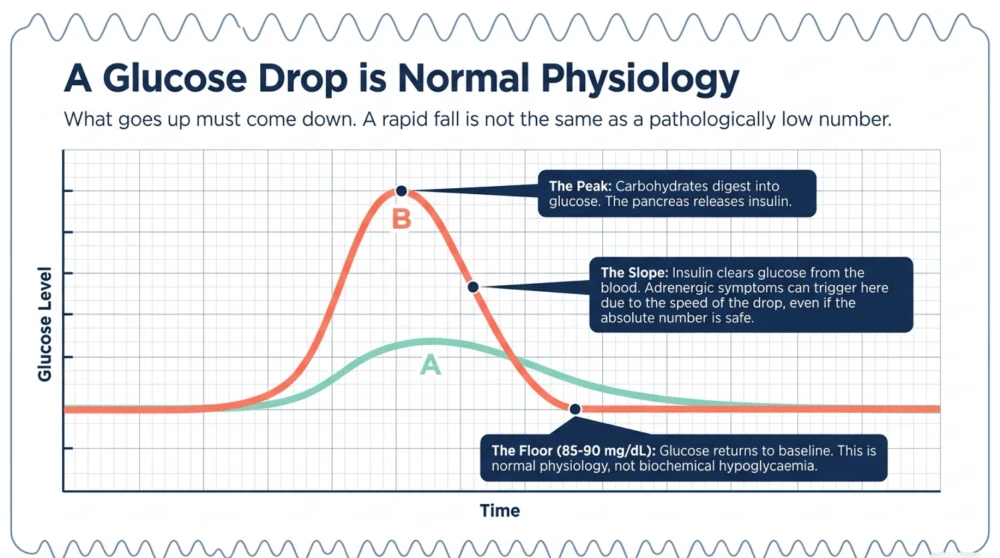
A Fall After a Meal Is Normal
This point is important.
Glucose is supposed to come down after it rises.
If glucose rises from 90 mg/dL to 135 mg/dL after eating and later returns to 90 mg/dL, that is not hypoglycaemia.
Even if the decline feels rapid on a CGM graph, the glucose has not necessarily entered a pathologically low range.
When Does a Glucose Fall Become Hypoglycaemia?
In people with diabetes receiving glucose-lowering treatment, glucose below 70 mg/dL is widely used as an alert threshold requiring attention.
But diagnosing a spontaneous hypoglycaemic disorder in someone without diabetes is a different clinical problem.
In that setting, symptoms and laboratory glucose need to be considered together.
Whipple’s Triad: The Most Important Concept
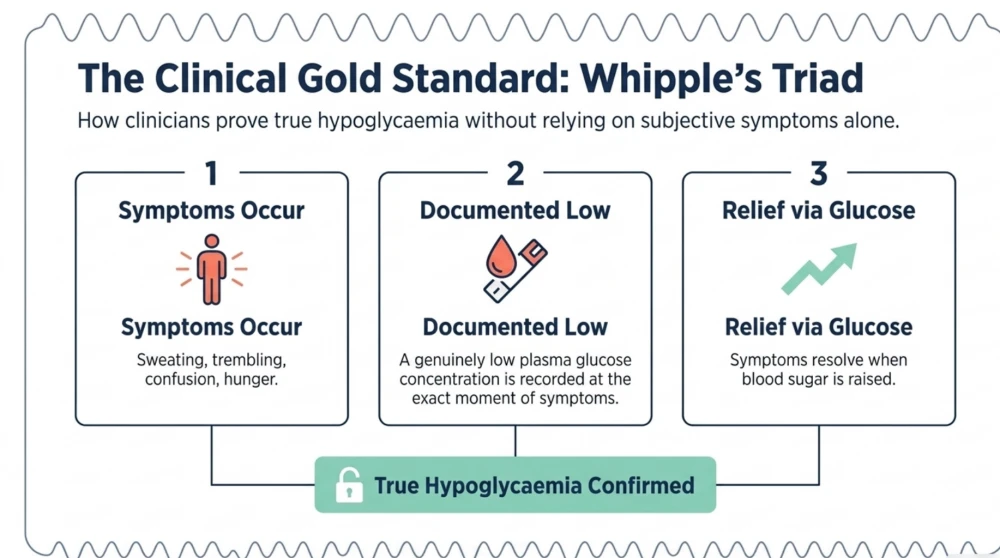
When evaluating suspected hypoglycaemia in a person who is not receiving diabetes treatment, clinicians traditionally look for Whipple’s triad.
1. Symptoms consistent with hypoglycaemia occur.
2. A genuinely low plasma glucose concentration is documented while those symptoms are occurring.
3. The symptoms improve when glucose is raised.
This prevents patients from being labelled with a hypoglycaemic disorder simply because they feel tired, hungry or shaky after meals.
Why Symptoms Alone Are Not Enough
Many symptoms commonly attributed to “low sugar” are nonspecific.
They can occur with:
- Anxiety.
- Sleep deprivation.
- Dehydration.
- Caffeine.
- Large meals.
- Post-meal blood-pressure changes.
- Palpitations.
- Medication effects.
- Other medical conditions.
This does not mean the symptoms are imaginary.
It means the cause should not be assumed without evidence.
What Does True Hypoglycaemia Feel Like?
Hypoglycaemic symptoms can broadly be divided into autonomic symptoms and neuroglycopenic symptoms.
Autonomic Symptoms
As glucose falls, the body activates counter-regulatory responses.
Symptoms can include:
- Trembling.
- Sweating.
- Palpitations.
- Hunger.
- Anxiety or a sense of uneasiness.
Neuroglycopenic Symptoms
If glucose falls sufficiently, inadequate glucose availability to the brain can produce more concerning symptoms such as:
- Difficulty concentrating.
- Confusion.
- Visual disturbance.
- Unusual behaviour.
- Marked weakness.
- Loss of consciousness.
- Seizures in severe cases.
These symptoms require more urgent attention than simply feeling mildly sleepy after lunch.
Why Can Sugar Drop After Eating?
The mechanisms are not identical in every patient.
Some people have a genuine disorder of meal-related glucose regulation.
Others are experiencing symptoms that resemble hypoglycaemia without documented low glucose.
And some people have an identifiable medical or surgical explanation.
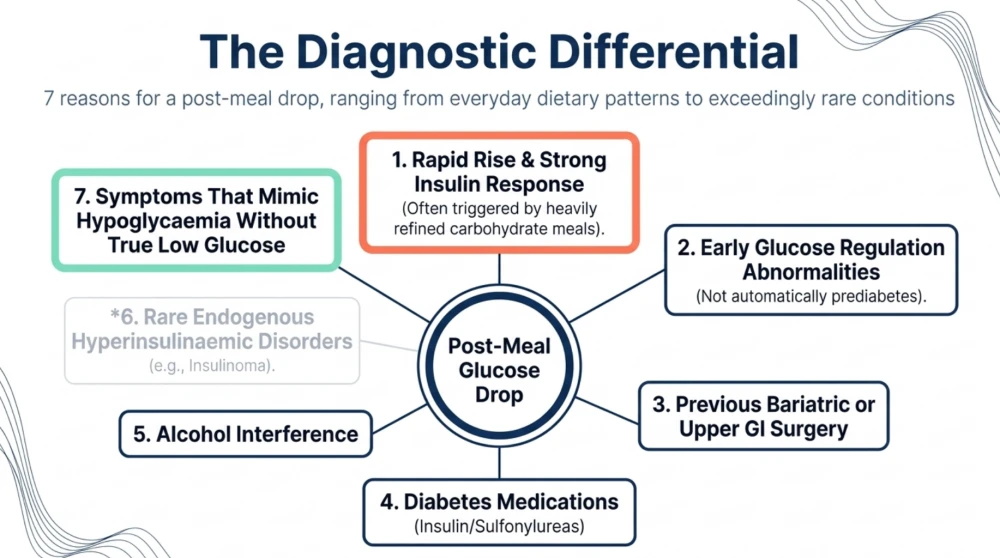
Here are seven important possibilities.
7 Reasons Your Sugar May Drop After Eating
1. A Rapid Glucose Rise Followed by a Strong Insulin Response
A meal containing a large amount of rapidly absorbed carbohydrate can produce a relatively rapid increase in glucose.
The pancreas responds by secreting insulin.
In susceptible individuals, the subsequent glucose decline may be pronounced.
The Meal Pattern Can Matter
Examples of meals that can produce a rapid glucose excursion include large quantities of:
- Sugary beverages.
- Sweets.
- Refined bakery products.
- Highly refined breakfast cereals.
- Large portions of refined carbohydrate with little protein or fibre.
However, a rapid glucose rise followed by a fall does not automatically equal true hypoglycaemia.
The Absolute Glucose Value Still Matters
Imagine glucose rises from 90 mg/dL to 160 mg/dL and then falls to 85 mg/dL.
On a CGM graph, the downward slope may look dramatic.
But 85 mg/dL is not hypoglycaemia.
This distinction is crucial when interpreting post-meal symptoms.
2. Early Abnormalities in Glucose Regulation
Some individuals with impaired glucose regulation may have an altered relationship between glucose rise and insulin secretion.
Historically, certain patterns of late postprandial glucose decline have been described in people with insulin resistance or early dysglycaemia.
But this concept needs careful interpretation.
Reactive Hypoglycaemia Does Not Automatically Mean Prediabetes
It is tempting to assume:
“My glucose dropped after eating, therefore I must have insulin resistance.”
That conclusion is too strong.
Insulin resistance, prediabetes and reactive hypoglycaemia are related to glucose physiology, but they are not interchangeable diagnoses.
If metabolic risk is suspected, it should be assessed using validated measurements such as fasting plasma glucose, HbA1c and, when appropriate, a 75-g oral glucose tolerance test rather than diagnosing insulin resistance from symptoms alone.
3. Previous Bariatric or Upper Gastrointestinal Surgery
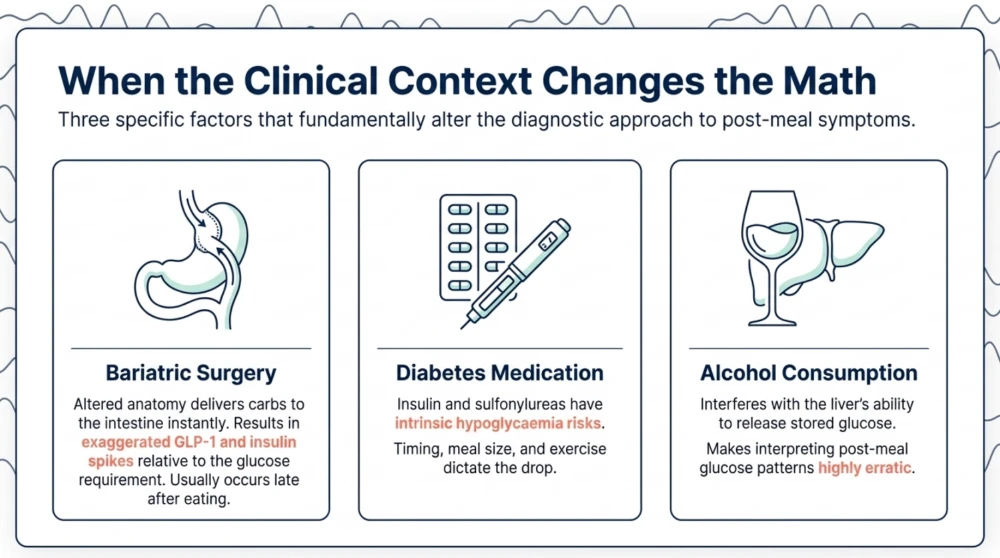
This is one of the most important causes of genuine postprandial hypoglycaemia.
After certain bariatric procedures, particularly operations that substantially alter nutrient delivery through the gastrointestinal tract, carbohydrates can reach the intestine rapidly.
This can produce exaggerated hormonal and insulin responses.
Glucose may initially rise quickly and then fall excessively.
Post-Bariatric Hypoglycaemia Can Be Clinically Significant
Symptoms can occur one to several hours after eating and may include:
- Sweating.
- Trembling.
- Palpitations.
- Hunger.
- Difficulty concentrating.
- Confusion.
- In severe cases, loss of consciousness or seizures.
A history of bariatric surgery therefore changes the diagnostic approach considerably.
4. Diabetes Medication
For someone being treated for diabetes, medication becomes an obvious consideration.
Insulin can cause hypoglycaemia.
Insulin secretagogues such as sulfonylureas can also cause hypoglycaemia.
The relationship between medication timing, meal size, carbohydrate intake and physical activity can influence when the low glucose occurs.
Not Every Diabetes Medicine Has the Same Hypoglycaemia Risk
Many modern glucose-lowering medications have little intrinsic risk of hypoglycaemia when used without insulin or insulin-secretagogue therapy.
Therefore, medication history should be specific rather than assuming that every diabetes tablet causes low sugar.
5. Alcohol
Alcohol can interfere with the liver's ability to release glucose, particularly when hepatic glycogen stores are limited or alcohol is consumed without adequate food.
The timing can vary, and alcohol-related hypoglycaemia is not necessarily confined to the immediate post-meal period.
Alcohol Can Make Glucose Patterns Harder to Interpret
A patient describing recurrent “sugar crashes” should therefore be asked about:
- Amount of alcohol consumed.
- Whether it was consumed with food.
- Timing relative to symptoms.
- Diabetes medications.
- Exercise performed around the same time.
6. Rare Endogenous Hyperinsulinaemic Disorders
Rare conditions can cause inappropriate endogenous insulin secretion.
An insulinoma is a classic example.
However, insulinoma more commonly presents with fasting hypoglycaemia, although the clinical pattern can vary and some patients may report postprandial episodes.
Do Not Assume Every Post-Meal Glucose Drop Is an Insulinoma
Insulinoma is rare.
It should not be the first explanation for someone who feels hungry three hours after eating.
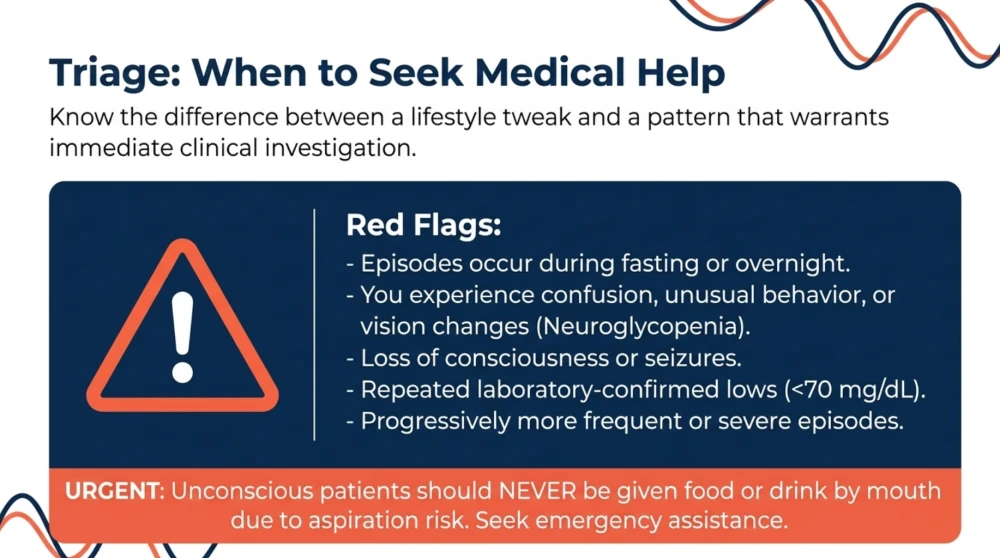
But recurrent documented hypoglycaemia—particularly when severe, occurring during fasting or overnight, or associated with neuroglycopenic symptoms—requires appropriate medical evaluation.
7. Symptoms That Mimic Hypoglycaemia Without True Low Glucose
This is probably one of the most underappreciated explanations.
Some people develop classic “low sugar” symptoms after meals but glucose measurement during the episode is not actually low.
This has sometimes been described using terms such as postprandial syndrome.
You Can Feel a “Sugar Crash” Without Being Hypoglycaemic
For example, a person may experience:
- Shakiness.
- Hunger.
- Palpitations.
- Anxiety.
- Weakness.
- Fatigue.
while glucose remains 80–100 mg/dL.
In this situation, repeatedly treating the symptoms with sugar may actually create an unhelpful cycle.
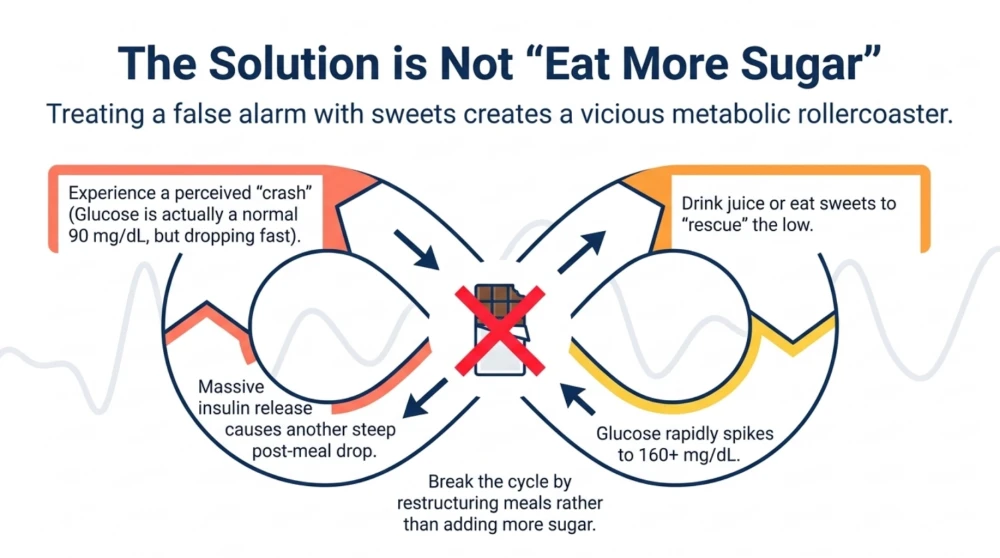
The Sugar-Crash Cycle
Imagine this pattern:
A person eats a high-sugar snack.
Two hours later they feel shaky.
They assume their glucose is dangerously low.
They drink juice or eat sweets.
Glucose rises rapidly again.
Later they experience another perceived crash.
The cycle repeats.
The Solution Is Not Always “Eat More Sugar”
If glucose is genuinely low, it needs appropriate treatment.
But if glucose is normal during symptoms, repeatedly consuming rapidly absorbed sugar may not address the underlying problem.
Can a Glucometer Diagnose Reactive Hypoglycaemia?
A home glucose meter can be useful for recognising patterns, particularly if a reading is obtained during symptoms.
But home meters have measurement limitations, especially at lower glucose concentrations.
A low meter reading in a person without diabetes should therefore be interpreted carefully.
Laboratory Plasma Glucose Is More Reliable for Diagnostic Confirmation
When investigating a spontaneous hypoglycaemic disorder, documenting plasma glucose during a symptomatic episode is much more informative than relying solely on occasional home readings.
Can CGM Diagnose Reactive Hypoglycaemia?
Continuous glucose monitoring can reveal interesting post-meal patterns.
It can show:
- How rapidly glucose rises.
- When it begins to fall.
- Whether apparent lows recur.
- Whether episodes occur overnight.
But CGM measures glucose in interstitial fluid rather than directly measuring plasma glucose.
CGM Is Less Reliable in the Low-Glucose Range
Sensor lag, pressure on the sensor and measurement error can sometimes produce apparent low readings.
This is especially important in people without diabetes who are using CGM for metabolic tracking.
A sensor showing 58 mg/dL while the person feels completely normal should not automatically lead to a diagnosis of hypoglycaemia.
What Is Compression Low?
If pressure is applied to a CGM sensor—for example, while sleeping on the arm where the sensor is placed—interstitial fluid dynamics around the sensor can change.
The device may temporarily report an artificially low glucose value.
This phenomenon is often referred to as a compression low.
It is particularly relevant when apparently severe overnight lows occur without symptoms.
What About a Glucose Reading Below 70 mg/dL?
In diabetes management, below 70 mg/dL is an important alert threshold.
For someone taking insulin or a medication capable of causing hypoglycaemia, it should be taken seriously and treated according to their diabetes plan.
But diagnosing a spontaneous hypoglycaemic disorder in an otherwise healthy adult requires more than seeing a single sensor reading of 68 mg/dL.
The Clinical Context Changes the Meaning of the Number
Ask:
- Was the person symptomatic?
- Was the glucose confirmed?
- Was the reading from plasma, a meter or CGM?
- Is the person taking glucose-lowering medication?
- Was alcohol involved?
- Has the person undergone bariatric surgery?
- Does hypoglycaemia also occur during fasting?
What About Symptoms When Glucose Is 80 or 90 mg/dL?
These glucose values are generally not hypoglycaemic.
Some people may perceive symptoms during a rapid decline from a higher glucose concentration, but this should not automatically be labelled true biochemical hypoglycaemia.
The distinction matters because the diagnostic and treatment approach is different.
Is the Oral Glucose Tolerance Test Useful for Reactive Hypoglycaemia?
This requires caution.
A standard oral glucose tolerance test involves consuming a concentrated glucose solution.
It does not resemble a normal mixed meal.
Some people can develop low glucose values late during an OGTT without experiencing the same phenomenon during ordinary meals.
An OGTT Can Overdiagnose Reactive Hypoglycaemia
For this reason, a prolonged OGTT should not automatically be considered the ideal diagnostic test for suspected postprandial hypoglycaemia.
If symptoms consistently occur after meals and diagnostic confirmation is necessary, a supervised mixed-meal approach may better reproduce the physiological situation in selected patients.
What Is a Mixed-Meal Test?
A mixed-meal test uses a meal containing carbohydrate, protein and fat rather than pure glucose.
The patient is monitored for symptoms and glucose changes over several hours.
If genuine hypoglycaemia occurs, appropriately timed blood samples can help determine the underlying mechanism.
What Blood Tests Matter During a Genuine Low?
If spontaneous hypoglycaemia is documented and the cause is unclear, the most informative tests are often obtained during the hypoglycaemic episode.
Depending on the clinical situation, evaluation may include measurements such as:
- Plasma glucose.
- Insulin.
- C-peptide.
- Proinsulin.
- Beta-hydroxybutyrate.
- Screening for insulin-secretagogue exposure where appropriate.
The purpose is not simply to discover whether insulin is “high.”
It is to determine whether insulin activity is inappropriately present when glucose is genuinely low.
Why Timing the Blood Sample Matters
Suppose a patient's glucose is low at 2:00 PM but insulin is measured at 4:00 PM after glucose has normalised.
That insulin result may provide little useful information about the actual hypoglycaemic episode.
Diagnostic interpretation depends on what glucose, insulin and related markers are doing at the same time.
When Is Reactive Hypoglycaemia More Concerning?
Certain patterns deserve more careful evaluation.
| Finding | Why It Matters |
|---|---|
| Repeated documented low glucose | Makes a genuine hypoglycaemic disorder more likely |
| Confusion or abnormal behaviour | May indicate neuroglycopenia |
| Loss of consciousness or seizure | Severe hypoglycaemia requires urgent assessment |
| Episodes during fasting or overnight | Broadens the differential beyond simple postprandial symptoms |
| Previous bariatric surgery | Raises suspicion for post-bariatric hypoglycaemia |
| Use of insulin or sulfonylurea | Medication-related hypoglycaemia becomes an important possibility |
| Progressively frequent or severe episodes | Requires investigation rather than repeated self-treatment |
What Should You Record Before Seeing Your Doctor?
A short symptom-and-food diary can be surprisingly useful.
For each episode, record:
- What you ate.
- What time you ate.
- When symptoms began.
- Exactly what symptoms occurred.
- Glucose during symptoms, if available.
- Whether the value came from CGM or a glucose meter.
- Exercise performed that day.
- Alcohol intake.
- Medication taken.
- What relieved the symptoms.
This provides much more useful information than simply saying, “My sugar keeps crashing.”
Why Can a High-Carbohydrate Meal Make You Feel as if Your Sugar Has Crashed?
One of the most common stories I hear is:
“I ate something sweet or had a carbohydrate-heavy breakfast, felt fine initially, and then two or three hours later I became hungry, shaky and tired.”
It is tempting to describe every such episode as reactive hypoglycaemia after meals.
But several different physiological patterns can produce similar symptoms.
Some involve genuine biochemical hypoglycaemia.
Others involve a rapid glucose decline that remains within the normal range.
And sometimes the symptoms have another explanation altogether.
Understanding what happens after a meal helps separate these situations.
The Glucose Rise Begins With the Meal
Carbohydrate-containing foods are digested into absorbable sugars, particularly glucose.
The speed and magnitude of the glucose rise depend on several factors, including:
- The amount of carbohydrate eaten.
- The type and degree of carbohydrate processing.
- Fibre content.
- Protein and fat consumed with the meal.
- Gastric emptying.
- Insulin sensitivity.
- Pancreatic insulin secretion.
- Physical activity around the meal.
- Previous meals and glycogen status.
This is why two meals containing similar amounts of carbohydrate can produce quite different glucose curves.
Insulin Then Helps Bring Glucose Down
As glucose enters the circulation, pancreatic beta cells release insulin.
Insulin helps skeletal muscle and other insulin-sensitive tissues utilise glucose, promotes energy storage and suppresses excessive glucose production by the liver.
The post-meal glucose concentration therefore eventually falls.
This Decline Is Normal Physiology
A glucose curve that rises after eating and subsequently returns towards baseline is exactly what we expect.
The presence of a downward arrow on a CGM is not itself evidence of disease.
A Rapid Fall Is Not the Same as a Low Glucose
Consider two hypothetical glucose patterns.
| Pattern | Peak Glucose | Later Glucose | Interpretation |
|---|---|---|---|
| A | 165 mg/dL | 88 mg/dL | Large decline, but not biochemical hypoglycaemia |
| B | 145 mg/dL | Documented genuinely low glucose with compatible symptoms | Requires evaluation in the appropriate clinical context |
Both graphs may look like a “crash.”
But clinically, they are not equivalent.
Can You Feel Symptoms During a Rapid Glucose Fall Even if Glucose Is Not Low?
Some people report adrenergic-type symptoms during a relatively rapid fall from a higher post-meal glucose concentration even though the final glucose remains within a physiologically normal range.
This can feel very similar to hypoglycaemia.
But if glucose remains normal, it should not automatically be labelled biochemical hypoglycaemia.
Why the Distinction Matters
If every episode is immediately treated with sweets or juice, the patient may repeatedly create another rapid glucose rise.
This can encourage a cycle of:
rapid carbohydrate intake → glucose rise → glucose decline → symptoms → more rapid carbohydrate.
Breaking this cycle often requires improving meal composition rather than simply adding more sugar whenever symptoms appear.
Does a High Glycaemic Meal Cause Reactive Hypoglycaemia?
It can contribute to large postprandial glucose and insulin excursions in susceptible individuals, but not everyone who eats a high-glycaemic meal develops true hypoglycaemia.
The response depends on the person's physiology as well as the meal.
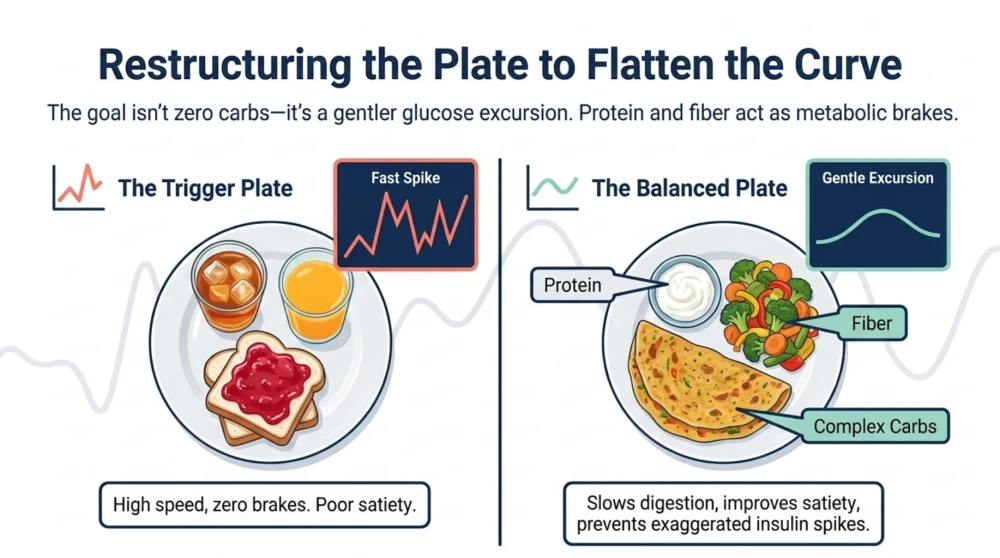
A Typical Problematic Breakfast
Consider a breakfast consisting predominantly of:
- Sweetened tea or coffee.
- Fruit juice.
- Sweet breakfast cereal.
- White bread with jam.
- Biscuits.
This meal may contain substantial rapidly available carbohydrate but relatively little protein and fibre.
For some people, it can produce a sharper glucose excursion and poorer satiety than a more balanced meal.
What Happens if Protein and Fibre Are Added?
Protein and fibre can alter the rate of nutrient absorption, improve satiety and reduce the need for a meal to consist predominantly of rapidly absorbed carbohydrate.
Fat also slows gastric emptying, although simply adding large quantities of fat is not an ideal strategy because energy intake can increase substantially.
A More Balanced Breakfast Might Include
- Besan or moong chilla with curd.
- Eggs with vegetables and an appropriate whole-grain accompaniment.
- Paneer or tofu with vegetables.
- Unsweetened curd with appropriate fruit, seeds and nuts.
- Oats combined with a meaningful protein source rather than eaten as a predominantly carbohydrate meal.
The objective is not to eliminate carbohydrate.
It is to improve the overall structure of the meal.
Does Reactive Hypoglycaemia Mean You Have Insulin Resistance?
Not necessarily.
This is one of the most important misconceptions surrounding post-meal symptoms.
Insulin resistance means that insulin-sensitive tissues require a greater insulin signal to achieve a given metabolic effect.
The pancreas may compensate by secreting more insulin.
But demonstrating reactive symptoms or even a post-meal low glucose does not by itself diagnose insulin resistance.
Do Not Diagnose “Hyperinsulinaemia” From Symptoms
Statements such as:
“I become hungry after eating carbohydrates, therefore my insulin must be extremely high.”
are physiologically plausible as a hypothesis but are not a diagnosis.
Insulin concentrations vary substantially after meals and must be interpreted in relation to glucose, timing and clinical context.
Can Reactive Hypoglycaemia Be an Early Sign of Prediabetes?
Some abnormal postprandial glucose patterns have been described in people with impaired glucose regulation.
However, reactive hypoglycaemia should not be used as a substitute diagnosis for prediabetes.
If prediabetes is suspected, it should be evaluated with established diagnostic criteria.
Tests Used to Diagnose Prediabetes Include
- Fasting plasma glucose.
- HbA1c.
- Two-hour plasma glucose following a standard 75-g oral glucose tolerance test when clinically appropriate.
A CGM graph showing a peak and subsequent decline is not itself a diagnostic test for prediabetes.
What About High Fasting Insulin?
Fasting insulin can sometimes provide metabolic information in selected situations, but there is no universally accepted fasting-insulin cut-off that independently diagnoses insulin resistance in routine clinical practice.
Insulin assays also vary between laboratories.
This is why metabolic assessment should not be reduced to one insulin number.
Post-Bariatric Hypoglycaemia Is Different
Patients who have undergone bariatric surgery deserve separate consideration.
Post-bariatric hypoglycaemia is a recognised condition and can be substantially more severe than ordinary post-meal symptoms.
It is particularly associated with procedures that alter gastrointestinal anatomy and nutrient delivery.
Why Does It Happen?
After certain bariatric operations, nutrients—especially rapidly absorbed carbohydrates—can enter the small intestine more quickly than before surgery.
This can produce a rapid glucose rise.
Gut incretin hormones can also rise substantially.
Insulin secretion may become exaggerated relative to the subsequent glucose requirement.
Glucose can then fall to genuinely low concentrations.
What Is the Role of GLP-1?
GLP-1 is an incretin hormone released from the intestine in response to nutrients.
Among its actions, it enhances glucose-dependent insulin secretion.
Following some bariatric procedures, meal-related GLP-1 responses can become markedly exaggerated.
This contributes to the abnormal insulin response involved in post-bariatric hypoglycaemia.
Is Post-Bariatric Hypoglycaemia the Same as Dumping Syndrome?
No, although the conditions can overlap and terminology has historically caused confusion.
Early dumping syndrome usually occurs relatively soon after eating and is related to rapid movement of hyperosmolar nutrients into the intestine and associated fluid and hormonal changes.
Symptoms can include:
- Abdominal discomfort.
- Bloating.
- Diarrhoea.
- Palpitations.
- Flushing.
- Dizziness.
These symptoms do not necessarily represent hypoglycaemia.
Post-Bariatric Hypoglycaemia Usually Occurs Later
Post-bariatric hypoglycaemia typically occurs later after the meal and involves documented low glucose.
| Feature | Early Dumping | Post-Bariatric Hypoglycaemia |
|---|---|---|
| Timing | Usually relatively soon after eating | Typically later after eating |
| Main mechanism | Rapid nutrient delivery with osmotic and neurohormonal effects | Exaggerated meal-related insulin response |
| Low glucose required? | No | Yes, for confirmation of hypoglycaemia |
Why Previous Surgery Must Always Be Asked About
A patient may not initially connect an operation performed several years earlier with current episodes of confusion or shakiness after meals.
Therefore, previous bariatric or upper gastrointestinal surgery should be specifically considered when evaluating recurrent postprandial symptoms.
What About People Who Have Never Had Bariatric Surgery?
True postprandial hypoglycaemia can occur without bariatric surgery, but recurrent spontaneous hypoglycaemia in an otherwise healthy adult is uncommon enough that confirmation becomes particularly important.
The goal is to avoid two mistakes:
- Ignoring genuine recurrent hypoglycaemia.
- Diagnosing hypoglycaemia in everyone who feels tired after lunch.
CGM Has Changed the Conversation Around “Low Sugar”
Continuous glucose monitors allow people to see glucose every few minutes.
This can be extremely useful in diabetes management.
But CGM use in people without diabetes has also exposed normal glucose variability that previously went unnoticed.
A person who would never have checked glucose after lunch may now watch every rise, peak and fall.
More Data Does Not Automatically Mean More Disease
A brief sensor reading below a chosen threshold does not necessarily establish a hypoglycaemic disorder.
The device measures interstitial glucose, and accuracy is not perfect—particularly around rapidly changing or low glucose values.
Why CGM and Blood Glucose Can Differ
Glucose first changes in the bloodstream.
The change is then reflected in interstitial fluid.
During rapid glucose movement, this physiological lag can contribute to differences between a CGM value and contemporaneous blood glucose.
Sensor accuracy and other technical factors add further variation.
What Should You Do With an Unexpected CGM Low?
If a person without diabetes repeatedly sees low CGM readings, especially if these do not match symptoms, the readings should be interpreted cautiously.
When clinically important hypoglycaemia is suspected, confirmation with an appropriate glucose measurement during symptoms is more useful than relying solely on the CGM trace.
Do Not Chase Every Sensor Dip With Sugar
Repeatedly eating sweets because a CGM briefly shows a low value can increase unnecessary calorie intake and create larger glucose excursions.
The response should depend on the clinical situation, symptoms and whether genuine hypoglycaemia is likely.
Why a Mixed-Meal Test May Be More Physiological
If a patient repeatedly develops symptoms after ordinary meals and spontaneous documentation is difficult, clinicians may sometimes use a supervised mixed-meal test.
The test attempts to reproduce the patient's normal postprandial physiology more realistically than drinking pure glucose.
What Happens During the Test?
The patient consumes a mixed meal under supervision.
Symptoms and glucose are then monitored over several hours.
If sufficiently low plasma glucose occurs, samples can be collected for biochemical evaluation.
Why a Prolonged OGTT Can Be Misleading
A glucose tolerance test creates an unusual physiological challenge: a concentrated glucose load is consumed without the normal mixture of protein, fat and fibre found in most meals.
Some healthy individuals can develop relatively low late glucose values after such a challenge.
This can create a false impression of clinically important reactive hypoglycaemia.
Therefore, the OGTT should not be used indiscriminately to diagnose a postprandial hypoglycaemic disorder.
Why Insulin Should Be Measured During Hypoglycaemia
Insulin is supposed to decrease when glucose becomes low.
That physiological suppression protects against further glucose decline.
If insulin remains inappropriately present during genuine hypoglycaemia, it provides an important diagnostic clue.
Absolute Insulin Levels Can Be Misleading
The question is not simply:
“Is the insulin number above the laboratory's fasting reference range?”
The more relevant question during a hypoglycaemic episode is:
“Is insulin appropriately suppressed for this glucose concentration?”
Why Measure C-Peptide?
When the pancreas produces insulin, it also releases C-peptide.
Injected insulin does not contain C-peptide.
Therefore, the relationship between insulin and C-peptide during documented hypoglycaemia can help determine whether insulin is coming from the patient's own pancreas or from an external source.
Why Measure Beta-Hydroxybutyrate?
When insulin is appropriately low during fasting, the body increases fat breakdown and ketone production.
Insulin suppresses ketogenesis.
Therefore, unexpectedly low beta-hydroxybutyrate during genuine hypoglycaemia can provide additional evidence of excessive insulin action.
Why Test for Sulfonylureas?
Sulfonylureas stimulate the pancreas to release insulin.
Biochemically, sulfonylurea-associated hypoglycaemia can resemble endogenous insulin overproduction because both insulin and C-peptide may be present.
A medication screen can therefore be essential in selected unexplained cases.
What About Insulinoma?
An insulinoma is a rare insulin-secreting pancreatic neuroendocrine tumour.
It is an important diagnosis not to miss, but it should remain in perspective.
Most people who experience hunger or shakiness after eating do not have an insulinoma.
Features That Raise Greater Concern Include
- Repeated objectively documented hypoglycaemia.
- Neuroglycopenic symptoms.
- Confusion or unusual behaviour.
- Episodes during fasting.
- Overnight episodes.
- Symptoms precipitated by exercise or prolonged periods without food.
- Loss of consciousness or seizure.
These patterns require proper medical investigation rather than dietary experimentation alone.
Can Adrenal Problems Cause Hypoglycaemia?
Adrenal insufficiency can contribute to hypoglycaemia, although it would not usually be diagnosed simply because someone feels shaky after a carbohydrate-rich meal.
Other clinical features may include weight loss, low blood pressure, gastrointestinal symptoms, weakness and characteristic biochemical abnormalities depending on the cause.
Hormonal disorders should be investigated when the broader clinical picture supports them.
Can Liver or Kidney Disease Cause Low Sugar?
Severe liver, kidney or systemic illness can impair normal glucose regulation and contribute to hypoglycaemia.
These situations are quite different from uncomplicated reactive symptoms in an otherwise healthy outpatient.
Clinical context again determines the differential diagnosis.
How Can Meal Composition Reduce Post-Meal Glucose Swings?
For patients with recurrent postprandial symptoms who do not have an immediately dangerous underlying disorder, meal structure can be extremely useful.
The objective is generally to avoid very large, rapidly absorbed carbohydrate loads while maintaining nutritionally adequate meals.
1. Avoid Carbohydrate-Only Meals
A plate consisting almost entirely of refined carbohydrate may produce a faster glucose excursion and provide poor satiety.
Combine carbohydrate with an appropriate protein source and fibre-rich foods.
2. Choose Less Refined Carbohydrates More Often
Whole grains, pulses and minimally processed foods generally produce different metabolic responses from highly refined starches and sugars.
Portion size still matters.
3. Increase Vegetables and Fibre
Vegetables, legumes and other fibre-rich foods can improve meal quality and slow nutrient absorption.
4. Include Adequate Protein
Protein can improve satiety and makes a meal less dependent on rapidly absorbed carbohydrate.
Suitable choices depend on dietary preference and medical conditions.
5. Avoid Large Quantities of Liquid Sugar
Sugary drinks and fruit juices deliver carbohydrate rapidly and generally provide less satiety than solid foods.
6. Avoid Excessively Large Meals if They Trigger Symptoms
Some people tolerate moderate meals better than very large carbohydrate-heavy meals.
This can be particularly important after bariatric surgery.
7. Avoid Long Gaps Only When They Are Actually a Trigger
Advice to “eat every two hours” is often given automatically to anyone reporting reactive hypoglycaemia.
This is not necessary for everyone.
Some patients do better with three structured meals, while others benefit from strategically planned smaller meals or snacks.
The pattern should be based on documented symptoms and individual response rather than a universal rule.
Do You Need to Eliminate Carbohydrates?
No.
A zero-carbohydrate diet is not the standard treatment for reactive hypoglycaemia.
The more useful approach is usually to modify carbohydrate quantity, quality and distribution and combine carbohydrate with other macronutrients.
Should You Eat Something Sweet Whenever You Feel Shaky?
Not automatically.
If glucose is genuinely low, particularly in someone taking insulin or a medication capable of causing hypoglycaemia, prompt treatment is important.
But if glucose is normal and symptoms occur repeatedly, treating every episode with sweets may perpetuate the problem rather than solve it.
What if Glucose Is Truly Below 70 mg/dL?
For a conscious person with diabetes whose glucose is below 70 mg/dL and who can swallow, a commonly used approach is approximately 15 g of fast-acting carbohydrate followed by reassessment after about 15 minutes, with repeat treatment if glucose remains low.
Medication-related recurrent hypoglycaemia also requires review of the treatment regimen rather than repeated carbohydrate rescue alone.
Severe Hypoglycaemia Is Different
If someone is confused, unconscious, having a seizure or unable to swallow safely, do not give food or drink by mouth.
Emergency medical assistance is required.
Exercise Can Change Post-Meal Glucose
Skeletal muscle can increase glucose uptake during and after exercise.
In people taking insulin or insulin secretagogues, exercise can therefore increase hypoglycaemia risk depending on medication dose, timing, meal intake and exercise intensity.
In people without diabetes medication, exercise-related glucose changes generally need to be interpreted differently.
Keep a Structured Diary Before Making Major Dietary Restrictions
If episodes recur, record them for several days.
| Record | Why It Helps |
|---|---|
| Meal and portion | Identifies repeat dietary triggers |
| Meal time | Establishes relationship between food and symptoms |
| Time symptoms begin | Helps distinguish immediate and delayed postprandial patterns |
| Symptoms | Separates autonomic from neuroglycopenic features |
| Glucose during symptoms | Helps determine whether biochemical hypoglycaemia is present |
| Medication | Identifies medication-related risk |
| Exercise | May explain altered glucose utilisation |
| Alcohol | May affect hepatic glucose production |
How Do You Manage Reactive Hypoglycaemia After Meals?
The first step in managing reactive hypoglycaemia after meals is not automatically eating more sugar.
It is establishing what is actually happening.
Is glucose genuinely becoming low?
Does the low occur at the same time as the symptoms?
Is the person taking insulin or a medication capable of causing hypoglycaemia?
Has there been previous bariatric or upper gastrointestinal surgery?
Do episodes also occur during fasting or overnight?
Or is the person experiencing post-meal symptoms while glucose remains within the normal range?
These situations can feel similar but may require very different management.
Step 1: Confirm the Pattern Before Restricting Your Diet
Patients sometimes arrive after eliminating rice, roti, fruit, potatoes, milk and almost every other carbohydrate-containing food because they believe carbohydrates are causing hypoglycaemia.
That degree of restriction is usually unnecessary.
Before making major dietary changes, document:
- What you ate.
- How much you ate.
- When symptoms started.
- What symptoms occurred.
- Glucose during symptoms, if available.
- Whether glucose was measured by CGM or finger-stick meter.
- What you did immediately before the episode.
- Medication taken.
- Alcohol consumed.
- Whether eating relieved the symptoms.
A repeated pattern is much more informative than one unusual afternoon.
Step 2: Avoid Large Loads of Rapidly Absorbed Carbohydrate
For many people with recurrent post-meal symptoms, the most useful dietary change is reducing meals dominated by rapidly absorbed carbohydrate.
Examples include:
- Large quantities of sweets.
- Sugar-sweetened beverages.
- Fruit juice.
- Sweetened breakfast cereals.
- Large portions of refined bakery products.
- Biscuits with sweetened tea as a meal.
- Large portions of refined carbohydrate eaten without much protein or fibre.
The Goal Is a Gentler Glucose Excursion
This does not mean glucose should remain completely flat after eating.
Glucose is expected to rise after a carbohydrate-containing meal.
The practical goal is to avoid unnecessarily large glucose excursions while providing adequate nutrition and satiety.
Step 3: Combine Carbohydrate With Protein and Fibre
A useful meal generally contains more than carbohydrate alone.
Protein and fibre can improve satiety and alter the rate at which nutrients are absorbed.
For example:
Tea + biscuits
and:
Moong chilla + curd + vegetables
are very different breakfasts metabolically, even though both contain carbohydrate.
A Practical Indian Plate
| Meal Component | Examples | Purpose |
|---|---|---|
| Protein | Dal, curd, paneer, tofu, soya, eggs, fish or chicken | Supports satiety and muscle maintenance |
| Fibre-rich vegetables | Mixed vegetables, leafy vegetables, salad | Adds fibre, volume and micronutrients |
| Carbohydrate | Roti, rice, oats, dal, millets or other appropriate staples | Provides energy; quantity and quality can be individualised |
| Healthy fat | Nuts, seeds and appropriate cooking oils | Adds essential fats and can contribute to satiety |
What Can You Eat for Breakfast?
Breakfast is a common time for symptoms because many conventional breakfast choices are heavily carbohydrate-based.
Option 1: Moong Chilla
Moong chilla with vegetables and curd can provide a combination of carbohydrate, protein and fibre.
Option 2: Besan Chilla
Besan chilla with vegetables and curd can be another practical option.
Option 3: Eggs With a Balanced Accompaniment
Eggs with vegetables and an appropriate portion of whole-grain carbohydrate can provide better satiety than bread, jam and juice alone.
Option 4: Paneer or Tofu
Paneer or tofu with vegetables and an appropriate carbohydrate portion can work particularly well for vegetarian patients.
Option 5: Oats—but Make Them a Complete Meal
Oats should not automatically be considered metabolically perfect simply because they are labelled healthy.
Combine them with an appropriate protein source and avoid turning them into a high-sugar meal with honey, sugar, sweetened dried fruit and flavoured syrups.
What About Poha and Upma?
Both can fit into a healthy diet.
But a large bowl eaten by itself may be predominantly carbohydrate.
Adding vegetables and pairing the meal with a meaningful protein source can improve its overall nutritional composition.
Can You Eat Fruit?
Yes.
Whole fruit does not need to be automatically eliminated because someone experiences post-meal symptoms.
Whole fruit contains fibre, water and micronutrients and differs considerably from fruit juice.
If Fruit Alone Triggers Symptoms
Some people may tolerate fruit better when it is combined with a protein- or fat-containing food such as unsweetened curd or a small portion of nuts.
This is an individual strategy rather than a universal requirement.
Fruit Juice Is Different
Juice allows a relatively large carbohydrate quantity to be consumed quickly while removing much of the intact structure and fibre of whole fruit.
For someone prone to large post-meal glucose excursions, whole fruit is generally preferable to juice.
Do You Need to Eat Every Two Hours?
No.
This is another common recommendation that has become almost automatic.
Some patients with documented postprandial hypoglycaemia may benefit from smaller, appropriately structured meals or planned snacks.
But everyone with post-meal symptoms does not need six or eight meals per day.
Frequent Eating Can Backfire
If every snack adds unnecessary calories, frequent eating can make weight management more difficult.
This becomes particularly relevant when obesity, insulin resistance or fatty liver is also present.
The meal frequency should therefore be individualised.
When Is a Snack Useful?
A planned snack may be reasonable when there is a reproducible long interval between meals associated with symptoms or when a specific clinical condition requires more frequent intake.
Rather than sweets or biscuits, a snack might include an appropriate combination such as:
- Unsweetened curd.
- A small portion of nuts.
- Whole fruit with an appropriate protein or fat source if needed.
- Roasted chana.
- Another minimally processed protein- and fibre-containing option.
Do You Need a Low-Carbohydrate Diet?
Not necessarily.
Some people may benefit from reducing excessive carbohydrate intake, particularly highly refined carbohydrate.
But the solution is not automatically a ketogenic or extremely low-carbohydrate diet.
Carbohydrate amount, quality and distribution should be individualised.
Protein Can Help, but More Is Not Always Better
Protein improves satiety and helps maintain muscle.
However, there is no need to convert every meal into an extremely high-protein meal.
Protein requirements depend on:
- Body size.
- Age.
- Physical activity.
- Weight-management goals.
- Kidney function.
- Other medical conditions.
The objective is adequacy and sensible distribution rather than excess.
What About Caffeine?
Caffeine can produce symptoms that resemble hypoglycaemia in susceptible people.
These can include:
- Trembling.
- Palpitations.
- Anxiety.
- Sweating.
- A feeling of internal restlessness.
If these symptoms repeatedly occur after strong coffee or multiple cups of tea while glucose remains normal, caffeine deserves consideration.
Sleep Deprivation Can Also Complicate the Picture
Poor sleep can increase hunger, alter food choices and worsen insulin sensitivity.
Someone who sleeps inadequately may also interpret afternoon fatigue as a “sugar crash.”
Improving sleep therefore matters even when glucose is not genuinely low.
What About Stress and Anxiety?
Adrenergic symptoms of anxiety can overlap substantially with symptoms attributed to hypoglycaemia.
Palpitations, sweating, trembling and a sense of uneasiness can occur in both.
This is another reason objective glucose documentation during recurrent episodes is useful.
Symptoms should not automatically be dismissed as anxiety, but neither should every adrenergic symptom be labelled hypoglycaemia.
Can Exercise Help Reactive Hypoglycaemia?
Regular physical activity improves insulin sensitivity and overall metabolic health.
However, the immediate glucose response to exercise depends on timing, intensity, food intake and medication.
Exercise Requires More Planning if You Take Insulin or Sulfonylureas
In these patients, exercise can increase the risk of hypoglycaemia.
Medication dose, carbohydrate intake and glucose monitoring may therefore need individual adjustment.
Do not repeatedly compensate for medication-related lows with extra calories without reviewing the treatment regimen.
Should You Walk After Meals?
For many people, light post-meal activity can improve postprandial glucose handling.
A short walk after eating may therefore be useful for general metabolic health.
But someone with recurrent documented postprandial hypoglycaemia should individualise the timing and intensity of exercise rather than assuming that more activity immediately after every meal is always appropriate.
How Should a Confirmed Low Glucose Be Treated?
The answer depends partly on whether the person has diabetes and is taking glucose-lowering medication.
For a conscious person with diabetes whose glucose is below 70 mg/dL and who can swallow, a commonly used approach is:
Take approximately 15 g of fast-acting carbohydrate.
Recheck glucose after approximately 15 minutes.
If glucose remains low, repeat treatment.
Examples of rapidly absorbed carbohydrate can include glucose tablets or an appropriate measured amount of glucose-containing drink.
Do Not Overtreat
A common response to hypoglycaemia is to eat a large quantity of sweets, biscuits, chocolate and other foods at once.
This can produce a substantial rebound glucose rise and unnecessary calorie intake.
Measured treatment is generally preferable when the person is conscious and able to swallow.
Chocolate Is Not the Ideal First Treatment for an Acute Low
Chocolate contains substantial fat.
Fat can slow gastric emptying and glucose absorption.
A rapidly absorbed glucose source is therefore generally preferred when prompt correction of hypoglycaemia is required.
What if the Person Is Unconscious?
Never give food, water, juice or glucose by mouth to someone who is unconscious or unable to swallow safely.
This creates an aspiration risk.
Severe hypoglycaemia requires emergency treatment.
Glucagon may be used where prescribed and available, while emergency medical assistance should be sought.
Repeated Lows Require More Than Repeated Sugar
If someone taking diabetes medication repeatedly develops hypoglycaemia, the long-term solution is not simply carrying more sweets.
The treatment regimen needs review.
Relevant factors include:
- Insulin dose.
- Medication type and dose.
- Meal timing.
- Carbohydrate intake.
- Weight change.
- Kidney function.
- Exercise.
- Alcohol.
How Is Post-Bariatric Hypoglycaemia Managed?
Post-bariatric hypoglycaemia requires a more structured approach because genuine neuroglycopenic hypoglycaemia can occur.
Dietary intervention is generally the foundation.
Strategies may include:
- Smaller meals.
- Controlled carbohydrate portions.
- Avoidance of large rapidly absorbed carbohydrate loads.
- Preference for lower-glycaemic carbohydrate sources.
- Adequate protein.
- Appropriate meal spacing.
- Avoidance of unnecessary liquid carbohydrate.
Management should ideally involve clinicians familiar with post-bariatric hypoglycaemia.
What if Diet Is Not Enough After Bariatric Surgery?
Medication can be considered for clinically significant post-bariatric hypoglycaemia that persists despite appropriate dietary management.
Acarbose is commonly considered a first-line pharmacological option in established guidance.
It delays carbohydrate digestion and can reduce the rapid post-meal glucose excursion that precedes hypoglycaemia.
More Complex Cases Require Specialist Management
Additional pharmacological options can be considered in selected patients when first-line strategies fail.
These are not treatments for ordinary post-meal tiredness and should not be self-prescribed.
Should You Take Acarbose for Ordinary Reactive Hypoglycaemia?
Not automatically.
The first step is establishing whether genuine hypoglycaemia exists and determining the likely cause.
Medication should follow a diagnosis rather than being used to treat an unconfirmed “sugar crash.”
When Should an Endocrine Cause Be Investigated?
More extensive evaluation becomes important when there is convincing evidence of spontaneous hypoglycaemia.
Features That Deserve Particular Attention Include:
- Repeated objectively documented hypoglycaemia.
- Confusion during episodes.
- Unusual behaviour.
- Visual or neurological symptoms.
- Loss of consciousness.
- Seizures.
- Episodes occurring during fasting.
- Overnight hypoglycaemia confirmed by appropriate testing.
- Episodes triggered by prolonged exercise or fasting.
- Increasing frequency or severity.
- No obvious medication explanation.
These patterns should not simply be managed by eating snacks every few hours.
What if Symptoms Occur Only After Meals and Glucose Is Always Normal?
This substantially changes the situation.
If reliable measurements repeatedly show normal glucose during typical symptoms, a hypoglycaemic disorder becomes less likely.
Other explanations should then be considered.
The patient may still benefit from better meal composition, improved sleep, hydration and review of caffeine or other triggers, but repeatedly treating normal glucose as hypoglycaemia is unlikely to solve the problem.
Common Myths About Reactive Hypoglycaemia
Myth 1: Feeling Shaky After Eating Proves My Sugar Is Low
False.
Shakiness is nonspecific. Glucose should ideally be documented during symptoms when recurrent spontaneous hypoglycaemia is suspected.
Myth 2: A Rapid CGM Drop Means Hypoglycaemia
False.
A glucose fall from 160 mg/dL to 85 mg/dL may look dramatic but 85 mg/dL is not hypoglycaemia.
Myth 3: One CGM Reading of 65 mg/dL Means I Have Reactive Hypoglycaemia
Not necessarily.
CGM has limitations in the low-glucose range and measures interstitial rather than plasma glucose.
Symptoms, repeatability and appropriate confirmation matter.
Myth 4: Reactive Hypoglycaemia Means I Have Prediabetes
False.
Prediabetes is diagnosed using established glucose-based criteria. Reactive hypoglycaemia is not itself a diagnostic criterion for prediabetes.
Myth 5: Reactive Hypoglycaemia Proves I Have Insulin Resistance
False.
Neither post-meal symptoms nor a glucose decline independently diagnoses insulin resistance.
Myth 6: I Need to Stop Eating Carbohydrates
Usually not.
Carbohydrate quantity, quality and distribution are more useful targets than indiscriminately eliminating all carbohydrate-containing foods.
Myth 7: I Need to Eat Every Two Hours for the Rest of My Life
No.
Meal frequency should be individualised according to the cause and documented pattern.
Myth 8: Fruit Is Dangerous Because It Contains Sugar
Whole fruit can generally remain part of a healthy diet.
Fruit juice and large rapidly absorbed carbohydrate loads are different issues.
Myth 9: If Eating Sugar Makes Me Feel Better, That Proves I Was Hypoglycaemic
Not necessarily.
Symptoms can improve after eating for several reasons. Proper diagnosis requires more than symptom relief alone.
Myth 10: Recurrent Severe Hypoglycaemia Can Be Managed With Diet Alone
Not always.
Repeated documented hypoglycaemia, particularly with neuroglycopenic symptoms, requires investigation for the underlying cause.
A Practical “Sugar Crash” Checklist
If you repeatedly feel that your sugar drops after eating, work through these questions:
| Question | Why It Matters |
|---|---|
| What exactly are my symptoms? | Separates nonspecific fatigue from autonomic or neuroglycopenic symptoms |
| How long after eating do they occur? | Timing provides important diagnostic information |
| Was glucose actually low? | Central to distinguishing symptoms from true hypoglycaemia |
| How was glucose measured? | CGM, home meter and laboratory plasma glucose have different limitations |
| Am I taking insulin or a sulfonylurea? | Raises the probability of medication-related hypoglycaemia |
| Have I had bariatric surgery? | Changes the differential diagnosis substantially |
| Do episodes happen while fasting? | Suggests a broader hypoglycaemia evaluation may be needed |
| Do I become confused or lose consciousness? | Suggests clinically important neuroglycopenia |
| Are meals predominantly refined carbohydrate? | Provides a potentially modifiable trigger |
| Do caffeine, alcohol or exercise influence episodes? | May identify additional triggers or confounders |
When Is It an Emergency?
Severe hypoglycaemia can impair the brain's ability to function normally.
Urgent medical attention is appropriate when suspected hypoglycaemia is associated with:
- Loss of consciousness.
- Seizure.
- Severe confusion.
- Inability to swallow safely.
- Persistent or recurrent severe low glucose despite treatment.
An unconscious person should never be forced to eat or drink.
What I Tell Patients Who Say “My Sugar Crashes After Every Meal”
I first try to separate the sensation of a crash from documented hypoglycaemia.
If your glucose rises to 150 mg/dL after eating and falls to 85 mg/dL while you feel tired, you have experienced a substantial glucose decline—but you have not demonstrated biochemical hypoglycaemia.
If, on the other hand, you repeatedly develop compatible symptoms while appropriately measured glucose is genuinely low and those symptoms improve as glucose is corrected, the situation deserves proper evaluation.
The distinction prevents unnecessary dietary restriction and unnecessary fear.
It also prevents us from overlooking the smaller number of patients with clinically important hypoglycaemic disorders.
Key Takeaways
- Reactive hypoglycaemia after meals refers to genuine hypoglycaemia occurring in relation to food intake.
- Feeling hungry, shaky, weak or sleepy after eating does not by itself diagnose hypoglycaemia.
- In adults without diabetes, evaluation of a spontaneous hypoglycaemic disorder generally centres on documenting Whipple's triad.
- A rapid glucose decline is not the same as a pathologically low glucose concentration.
- CGM can reveal patterns but should not independently establish spontaneous hypoglycaemia.
- Unexpected CGM lows may require confirmation, particularly when they do not match symptoms.
- Post-bariatric hypoglycaemia is a distinct and clinically important cause of post-meal hypoglycaemia.
- Insulin and sulfonylureas are important causes of hypoglycaemia in people being treated for diabetes.
- Reactive hypoglycaemia does not automatically mean prediabetes.
- It also does not independently diagnose insulin resistance.
- Large quantities of rapidly absorbed carbohydrate can contribute to pronounced post-meal glucose excursions in susceptible people.
- Combining appropriate carbohydrate portions with protein and fibre can improve meal structure.
- Whole fruit generally does not need to be eliminated.
- Everyone does not need to eat every two hours.
- Recurrent severe or fasting hypoglycaemia requires investigation rather than repeated dietary self-treatment.
References
- Cryer PE, Axelrod L, Grossman AB, et al. Evaluation and Management of Adult Hypoglycemic Disorders: An Endocrine Society Clinical Practice Guideline. Journal of Clinical Endocrinology & Metabolism.
- Society for Endocrinology. Guidelines for the Diagnosis and Management of Post-Bariatric Hypoglycaemia. Endocrine Connections.
- American Diabetes Association Professional Practice Committee. Standards of Care in Diabetes—2026. Sections addressing glycaemic goals, hypoglycaemia, diabetes diagnosis and glucose-lowering treatment.
- International and specialist guidance concerning post-bariatric hypoglycaemia, dumping syndrome and non-diabetic hypoglycaemic disorders.
- Peer-reviewed physiological studies evaluating postprandial glucose, insulin, incretin responses and mixed-meal testing.
- Peer-reviewed literature concerning continuous glucose-monitor performance and limitations in the hypoglycaemic range.
Medical note: This article provides general health information and is not intended to diagnose a hypoglycaemic disorder. Recurrent documented low glucose, particularly when associated with confusion, loss of consciousness, seizure, fasting episodes or glucose-lowering medication, requires appropriate medical evaluation.
Written by Dr. Pankaj Kumar , General & Lifestyle Physician, Dwarka, New Delhi