













- 25th September 2026
Table of Contents
- What Is Fatty Liver?
- What Is Obstructive Sleep Apnoea?
- Why Fatty Liver and Sleep Apnoea Often Occur Together
- But Obesity Does Not Explain the Entire Connection
- What Happens to Oxygen During Sleep Apnoea?
- Why Might Intermittent Hypoxia Affect the Liver?
- The Liver May Be Working While You Are Sleeping
- How Sleep Apnoea May Affect Insulin Resistance
- Why Can Morning Blood Sugar Be High in Someone Who Snores?
- Sleep Apnoea and High Blood Pressure Often Travel Together
- Why Snoring Alone Does Not Diagnose Sleep Apnoea
- Can You Have Sleep Apnoea Without Being Very Obese?
- Can a Thin Person Have Fatty Liver and Sleep Apnoea?
- What Symptoms of Sleep Apnoea Should a Fatty Liver Patient Watch For?
- Do You Need Daytime Sleepiness to Have OSA?
- Could Your Morning Headache Be Related to Sleep Apnoea?
- What About Waking With a Dry Mouth?
- Why Fatty Liver Patients May Miss the Sleep Connection
- Does Everyone With Fatty Liver Need a Sleep Study?
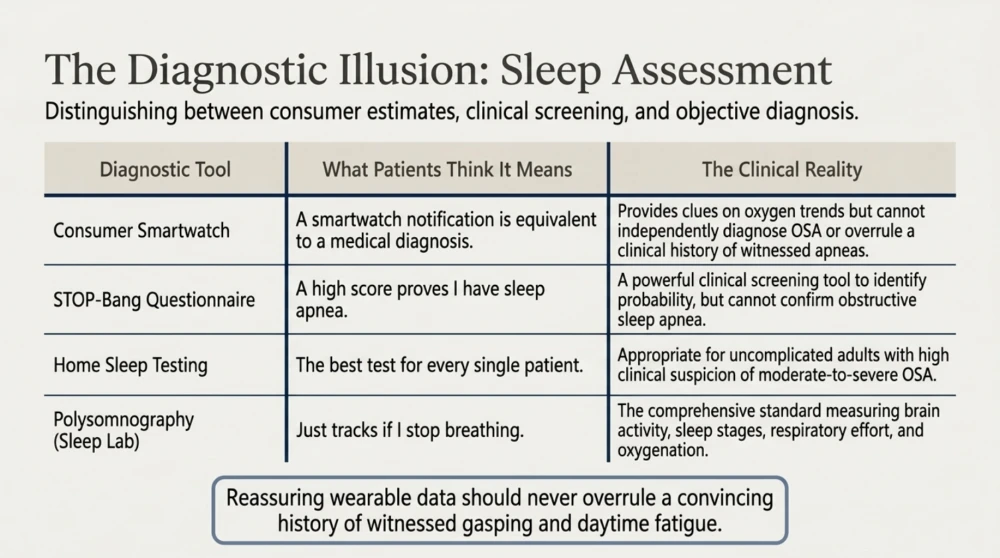
- What Is STOP-Bang?
- How Is Sleep Apnoea Actually Diagnosed?
- What Does the AHI Mean?
- How Could Sleep Apnoea Affect Fatty Liver?
- Intermittent Hypoxia May Be an Important Link
- Intermittent Hypoxia and Oxidative Stress
- Could Sleep Apnoea Promote Liver Inflammation?
- Why Fibrosis Matters More Than Just Liver Fat
- Does More Severe Sleep Apnoea Mean More Severe Fatty Liver?
- AHI Is Only One Measure of Sleep Apnoea
- Why Oxygen Desaturation Burden May Matter
- How Does Sleep Apnoea Affect Insulin Resistance?
- The Liver Can Produce Too Much Glucose
- Why Triglycerides Often Rise in the Same Patient
- Visceral Fat Is More Important Than Weight Alone
- Can Sleep Apnoea Worsen Fatty Liver in Someone Who Is Not Severely Obese?
- Can Sleep Apnoea Cause Fatty Liver in a Thin Person?
- Normal ALT Does Not Exclude Fatty Liver
- What Tests Are Useful in Fatty Liver?
- What Is the FIB-4 Score?
- Where Does FibroScan Fit In?
- Does Everyone With Fatty Liver and Sleep Apnoea Need FibroScan?
- Does Treating Sleep Apnoea Improve Fatty Liver?
- What Is CPAP?
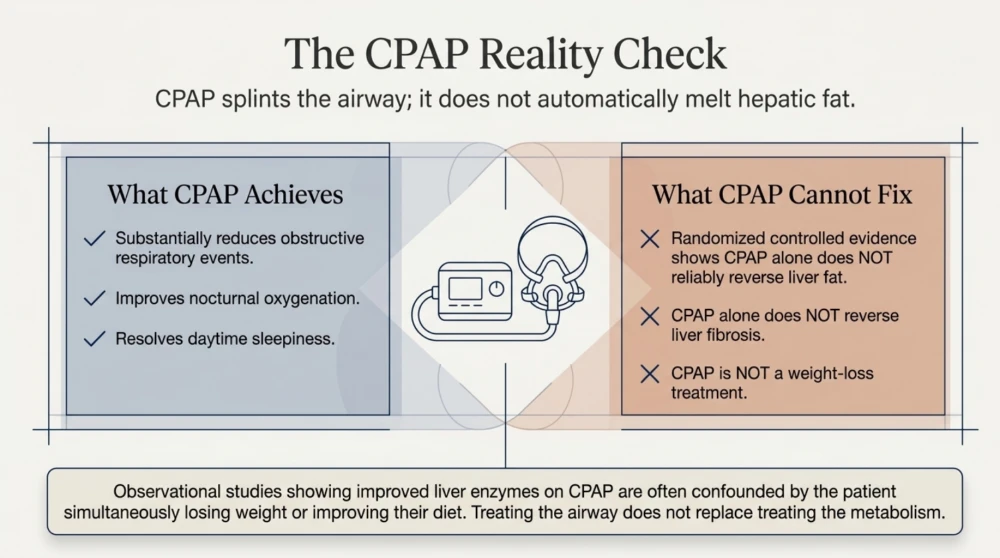
- Does CPAP Reduce Liver Fat?
- Why Do Some Studies Show Better Liver Enzymes With CPAP?
- What Does the Overall CPAP Evidence Suggest?
- So Is CPAP Still Important?
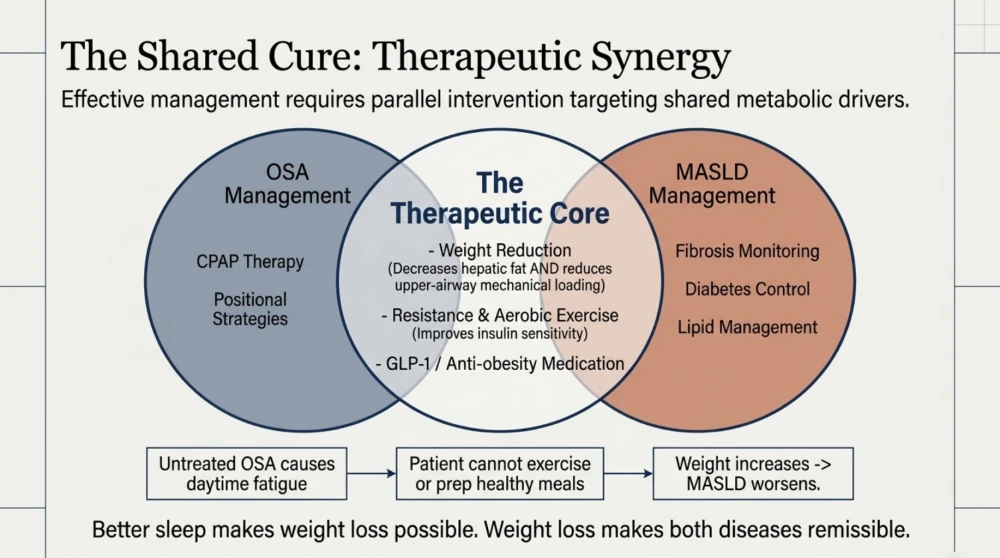
- Why Weight Loss Can Improve Both Conditions
- Does Losing 5% of Body Weight Help Fatty Liver?
- Can Exercise Help Even Without Major Weight Loss?
- Can Better Sleep Make Weight Loss Easier?
- What About GLP-1-Based Weight-Loss Treatment?
- Can Fatty Liver Improve While Sleep Apnoea Remains?
- What Should Be Checked in a Patient With Fatty Liver and Suspected OSA?
- Do Not Treat the Ultrasound Report in Isolation
- Who With Fatty Liver Should Be Evaluated for Sleep Apnoea?
- How Can STOP-Bang Help?
- Home Sleep Test or Overnight Polysomnography?
- When Is Laboratory Polysomnography More Appropriate?
- Can a Smartwatch Diagnose Sleep Apnoea?
- What Happens After Sleep Apnoea Is Diagnosed?
- CPAP Adherence Matters
- Can Weight Loss Improve Sleep Apnoea?
- Can Sleep Apnoea Go Into Remission After Weight Loss?
- Why Weight Management Is Particularly Powerful When Fatty Liver and Sleep Apnoea Coexist
- Does Sleeping on Your Side Help?
- What About Elevating the Head of the Bed?
- Alcohol Before Bed Can Make OSA Worse
- Can Sleeping Tablets Make Sleep Apnoea Worse?
- Do Nasal Strips Cure Sleep Apnoea?
- What About Mouth Taping?
- Can Treating Nasal Blockage Help?
- The Driving Risk Many Patients Underestimate
- What Symptoms Need More Urgent Assessment?
- Can You Have Severe Sleep Apnoea Without Feeling Sleepy?
- Can Fatty Liver Improve if Sleep Remains Poor?
- A Practical Fatty Liver and Sleep Apnoea Checklist
- Common Myths About Fatty Liver and Sleep Apnoea
- Myth 1: Only People With Severe Obesity Get Sleep Apnoea
- Myth 2: Snoring Means You Definitely Have Sleep Apnoea
- Myth 3: If I Am Not Sleepy During the Day, I Cannot Have OSA
- Myth 4: My Smartwatch Says My Oxygen Is Fine, So I Do Not Need a Sleep Study
- Myth 5: CPAP Will Cure My Fatty Liver
- Myth 6: Losing Weight Means I Can Stop CPAP
- Myth 7: Normal ALT Means My Fatty Liver Is Mild
- Myth 8: Grade 1 Fatty Liver Does Not Need Any Attention
- What Should the Treatment Plan Actually Target?
- Key Takeaways
- References
Fatty Liver and Sleep Apnoea: The Night-Time Connection Many Patients Miss
A patient comes to me because an ultrasound has shown fatty liver.
We discuss weight, waist circumference, blood sugar, triglycerides, physical activity and diet. Then I ask another question that initially seems unrelated:
“Do you snore loudly at night?”
Sometimes the patient looks surprised.
What does snoring have to do with the liver?
Potentially quite a lot.
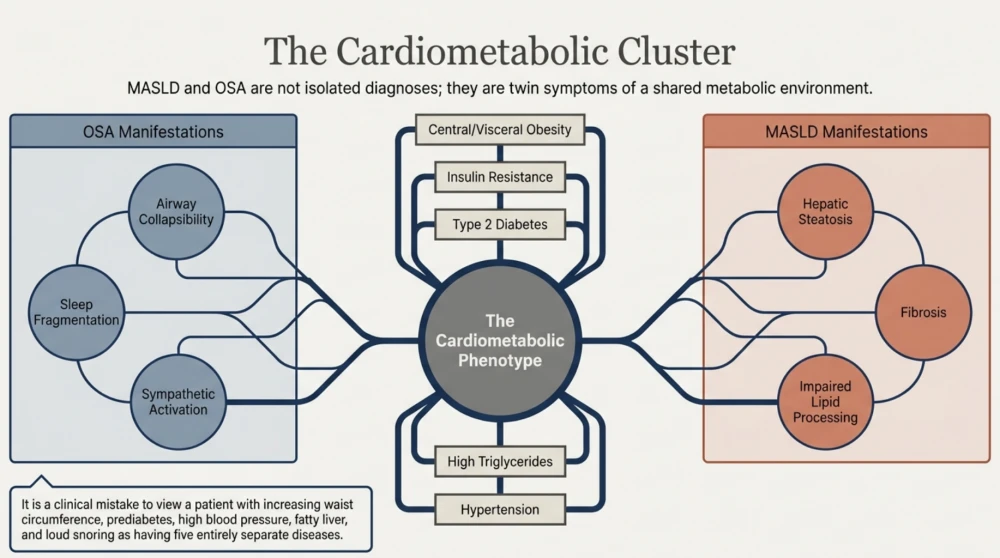
Fatty liver and sleep apnoea frequently occur in the same metabolic setting. Obesity, particularly central obesity, insulin resistance, type 2 diabetes and hypertension increase the likelihood of both metabolic dysfunction-associated steatotic liver disease (MASLD) and obstructive sleep apnoea (OSA).
But the relationship may extend beyond simply sharing the same risk factors.
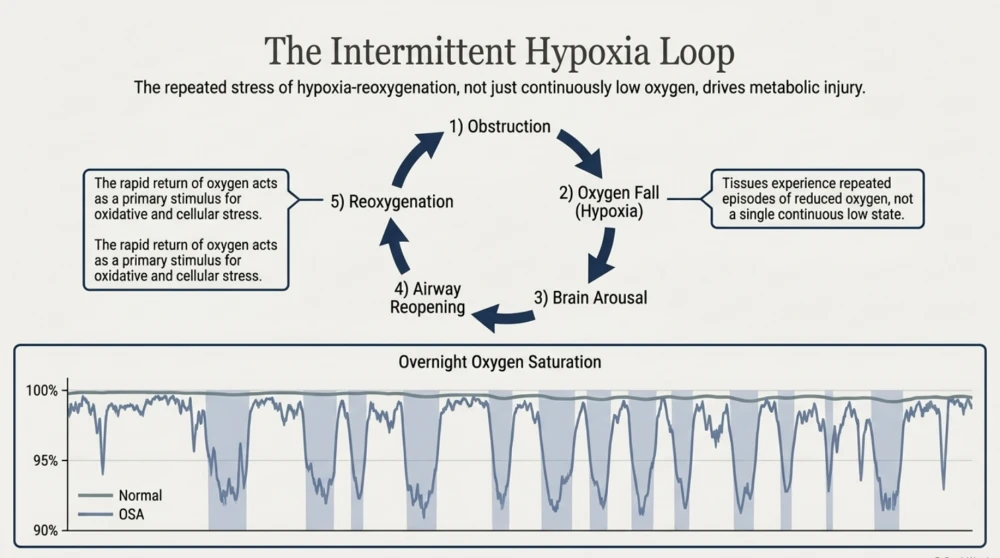
In obstructive sleep apnoea, breathing repeatedly becomes partially or completely obstructed during sleep. Blood oxygen can fall, followed by reoxygenation when breathing resumes.
This cycle can occur repeatedly throughout the night.
Researchers have investigated whether this pattern of intermittent hypoxia, together with sleep fragmentation and sympathetic activation, may contribute to metabolic dysfunction and potentially influence fatty liver severity.
This does not mean that everyone who snores has liver disease or that sleep apnoea directly causes every case of fatty liver.
It means that when metabolic disease is being assessed, sleep should not be treated as an unrelated part of health.
What Is Fatty Liver?
Fatty liver describes excessive accumulation of fat within liver cells.
Today, the term metabolic dysfunction-associated steatotic liver disease, or MASLD, is increasingly used for fatty liver occurring in association with cardiometabolic risk factors.
These can include excess weight, abdominal obesity, abnormal blood glucose, hypertension and abnormal blood lipids.
Fatty Liver Is Not Simply a Liver Problem
I prefer patients to think of MASLD as part of a broader metabolic picture rather than an isolated ultrasound finding.
The same patient may have:
- Increased waist circumference.
- Insulin resistance.
- Prediabetes or type 2 diabetes.
- High triglycerides.
- Low HDL cholesterol.
- Hypertension.
- Obstructive sleep apnoea.
These conditions frequently cluster because they share several underlying metabolic drivers.
What Is Obstructive Sleep Apnoea?
Obstructive sleep apnoea is a sleep-related breathing disorder in which the upper airway repeatedly narrows or closes during sleep.
Airflow decreases or temporarily stops even though the body is still attempting to breathe.
The brain then briefly activates sufficiently to reopen the airway.
The person may take a loud breath, snort, gasp or choke and then fall back into deeper sleep.
This Can Repeat Many Times During the Night
The patient may have little or no memory of these events the next morning.
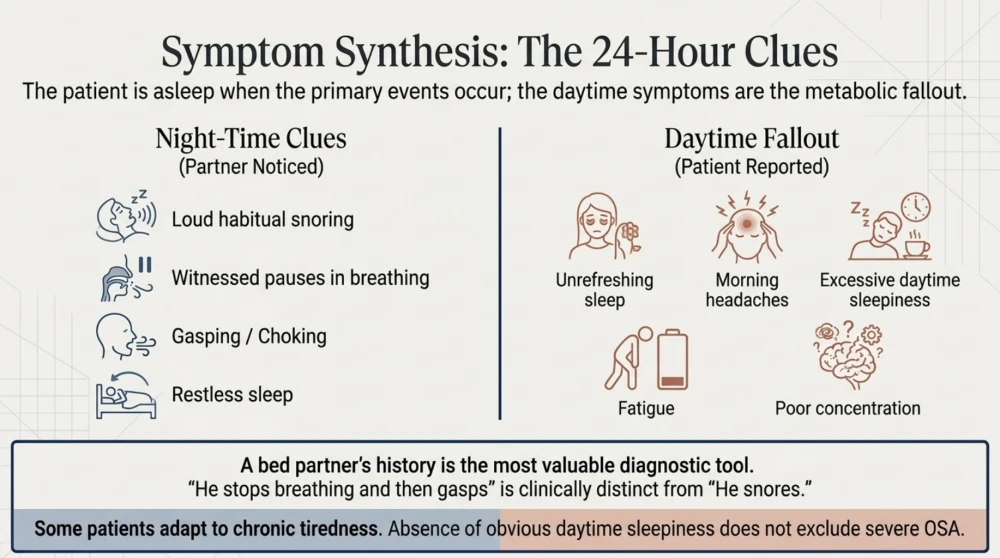
A bed partner is often the first person to recognise the problem.
They may describe:
- Loud habitual snoring.
- Breathing pauses during sleep.
- Gasping or choking.
- Restless sleep.
- Repeated awakenings.
During the daytime, the patient may complain of tiredness, unrefreshing sleep, morning headaches, poor concentration or excessive sleepiness.
Why Fatty Liver and Sleep Apnoea Often Occur Together
There is an obvious reason for some of the overlap: both disorders are strongly associated with metabolic dysfunction.
Central obesity is particularly important.
Excess abdominal and visceral fat is closely linked with insulin resistance and MASLD.
At the same time, excess fat around the neck and upper airway can increase the tendency of the airway to collapse during sleep.
One Metabolic Patient Can Therefore Develop Both Problems
Consider a patient with:
- A waist circumference that has gradually increased.
- Triglycerides of 220 mg/dL.
- HbA1c in the prediabetes range.
- Fatty liver on ultrasound.
- Blood pressure around 145/90 mmHg.
- Loud nightly snoring.
It would be a mistake to view each finding as an entirely separate disease.
They may represent different manifestations of a common cardiometabolic phenotype.
But Obesity Does Not Explain the Entire Connection
This is where the relationship between fatty liver and sleep apnoea becomes particularly interesting.
Research has found associations between OSA, nocturnal oxygen abnormalities and markers of liver injury or fibrosis even after attempts are made to account for obesity and other metabolic factors.
Observational evidence cannot prove that OSA independently causes progressive liver disease in every patient.
However, it provides a biologically plausible reason to take sleep-disordered breathing seriously when evaluating someone with metabolic fatty liver.
What Happens to Oxygen During Sleep Apnoea?
During normal sleep, breathing continues sufficiently to maintain oxygenation.
In OSA, repeated upper-airway obstruction can temporarily reduce airflow.
If the event lasts long enough, blood oxygen saturation may fall.
The airway then reopens, ventilation improves and oxygen levels recover.
This creates repeated cycles of:
Obstruction → oxygen fall → arousal → airway reopening → reoxygenation.
This Pattern Is Called Intermittent Hypoxia
It differs from a continuously low oxygen level.
Instead, tissues may experience repeated episodes of reduced oxygen followed by reoxygenation throughout the night.
The severity of this disturbance varies considerably between patients.
Why Might Intermittent Hypoxia Affect the Liver?
The liver is a central metabolic organ.
It regulates glucose metabolism, lipid processing, energy storage and many aspects of systemic metabolism.
Repeated hypoxia-reoxygenation has been studied as a potential contributor to oxidative stress, inflammatory signalling and disturbances in glucose and lipid metabolism.
Several Mechanisms May Overlap
| OSA-Related Disturbance | Possible Metabolic Effect | Potential Relevance to MASLD |
|---|---|---|
| Intermittent hypoxia | Oxidative and cellular stress | May contribute to pathways involved in liver injury |
| Repeated sleep fragmentation | Poor sleep quality and neurohormonal disruption | May worsen metabolic regulation and weight-control behaviours |
| Sympathetic activation | Increased stress-response activity | May contribute to hypertension and metabolic dysfunction |
| Insulin resistance | Reduced metabolic response to insulin | Promotes the metabolic environment associated with hepatic fat accumulation |
| Abnormal lipid metabolism | Altered handling of circulating fatty acids and triglycerides | May contribute to hepatic lipid accumulation |
These mechanisms are biologically plausible and supported to varying degrees by experimental and observational research, but they should not be interpreted as proof that treating OSA alone will reverse fatty liver.
The Liver May Be Working While You Are Sleeping
Patients often think of fatty liver almost entirely in terms of what they eat during the day.
Diet clearly matters.
But metabolic physiology continues throughout the night.
Repeated oxygen fluctuations, fragmented sleep, sympathetic activation and hormonal changes may influence the same metabolic pathways we are trying to improve with diet, exercise and weight reduction.
This is why asking about sleep can be relevant during a metabolic consultation.
How Sleep Apnoea May Affect Insulin Resistance
Insulin resistance is one of the central abnormalities associated with MASLD.
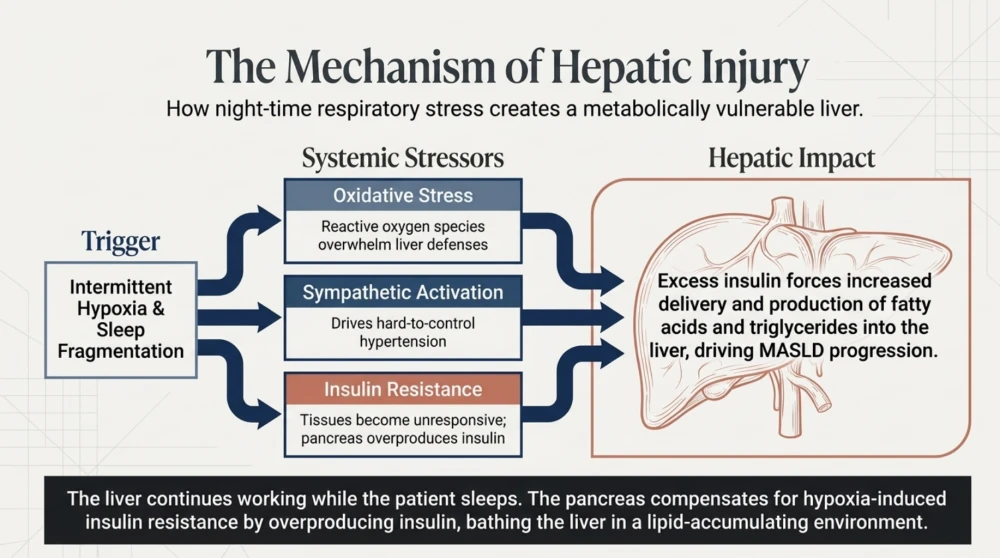
When tissues become less responsive to insulin, the pancreas often compensates by producing more insulin.
This metabolic environment promotes increased delivery and production of fatty acids and triglycerides within the liver.
OSA May Add Another Metabolic Stress
Sleep fragmentation and intermittent hypoxia have both been associated with impaired glucose metabolism and insulin resistance.
Again, this relationship is complicated because obesity itself contributes strongly to both OSA and insulin resistance.
But clinically, the combination matters.
A patient with central obesity, prediabetes, fatty liver and untreated OSA may have several overlapping drivers of metabolic dysfunction operating simultaneously.
Why Can Morning Blood Sugar Be High in Someone Who Snores?
Morning glucose is influenced by many factors, including hepatic glucose production, insulin sensitivity, sleep duration, circadian physiology and diabetes treatment.
Sleep-disordered breathing may add to this metabolic burden through repeated arousals and sympathetic activation.
Therefore, poor overnight breathing is worth considering in a patient who has metabolic abnormalities together with classic symptoms of OSA.
It should not, however, be assumed to be the sole explanation for an elevated fasting glucose.
Sleep Apnoea and High Blood Pressure Often Travel Together
Repeated episodes of airway obstruction activate the sympathetic nervous system.
Heart rate and blood pressure can surge around respiratory events.
OSA is consequently closely associated with hypertension and is particularly relevant when hypertension is difficult to control.
Look at the Whole Pattern
A patient with fatty liver plus:
- Central obesity.
- Hypertension.
- Type 2 diabetes.
- Loud snoring.
- Witnessed apnoeas.
deserves a different level of suspicion for OSA than a patient with an incidental mild fatty liver and none of these features.
Why Snoring Alone Does Not Diagnose Sleep Apnoea
Snoring is common.
Not every person who snores has obstructive sleep apnoea.
At the same time, dismissing loud habitual snoring as harmless can miss clinically important sleep-disordered breathing.
The More Useful Question Is What Accompanies the Snoring
Suspicion becomes stronger when snoring occurs together with:
- Witnessed pauses in breathing.
- Gasping or choking during sleep.
- Excessive daytime sleepiness.
- Unrefreshing sleep.
- Morning headaches.
- Obesity.
- Large neck circumference.
- Hypertension.
- Type 2 diabetes.
These features can help identify people who need formal sleep evaluation.
Can You Have Sleep Apnoea Without Being Very Obese?
Yes.
Obesity is an important risk factor, but OSA is not exclusively a disease of people with severe obesity.
Upper-airway anatomy, craniofacial structure, neck anatomy, age and other factors also influence airway collapsibility.
This Is Particularly Important in Indian Patients
South Asian populations can develop cardiometabolic abnormalities at lower BMI levels than would traditionally be considered severely obese.
Therefore, neither fatty liver nor suspected sleep apnoea should be dismissed simply because the patient does not appear extremely overweight.
Can a Thin Person Have Fatty Liver and Sleep Apnoea?
Yes.
MASLD can occur in people who are not obese by conventional BMI criteria, sometimes referred to as lean MASLD.
Similarly, non-obese individuals can develop OSA because of anatomical and physiological factors affecting the upper airway.
Finding both conditions in a lean person should therefore prompt thoughtful metabolic and sleep assessment rather than assuming that the diagnoses are impossible.
What Symptoms of Sleep Apnoea Should a Fatty Liver Patient Watch For?
| Night-Time Clue | Daytime Clue |
|---|---|
| Loud habitual snoring | Unrefreshing sleep |
| Witnessed pauses in breathing | Excessive daytime sleepiness |
| Gasping or choking | Morning headache |
| Restless or fragmented sleep | Poor concentration |
| Repeated awakenings | Fatigue or reduced daytime performance |
| Partner notices abnormal breathing | Sleepiness while sitting, reading, watching television or driving |
Do You Need Daytime Sleepiness to Have OSA?
No.
This is another reason sleep apnoea can remain undiagnosed.
Some patients do not describe themselves as sleepy.
They may instead report poor-quality sleep, morning headaches, reduced concentration, fatigue or simply feeling that they never wake refreshed.
Others have adapted to chronic tiredness and consider it normal.
A Bed Partner's History Can Be Extremely Helpful
The patient is asleep when apnoeas occur.
A spouse or family member may therefore provide information that the patient cannot.
“He stops breathing for several seconds and then suddenly gasps” is much more clinically informative than simply saying, “He snores.”
Could Your Morning Headache Be Related to Sleep Apnoea?
Morning headaches can occur in people with OSA, but they are not specific to it.
Headaches have many possible causes.
However, morning headache combined with loud snoring, witnessed breathing pauses and unrefreshing sleep should increase suspicion of sleep-disordered breathing.
What About Waking With a Dry Mouth?
Mouth breathing and snoring can contribute to waking with a dry mouth.
Again, this symptom alone does not diagnose OSA.
It becomes more meaningful when it occurs as part of a cluster of symptoms.
Why Fatty Liver Patients May Miss the Sleep Connection
Fatty liver is often discovered incidentally during an ultrasound performed for abdominal symptoms or a routine health check.
The patient is then advised to lose weight, exercise and avoid excessive calories.
Those recommendations are important.
But if nobody asks about sleep, significant OSA can remain untreated in the background.
The Patient May Think Snoring Is Harmless
Many people have been snoring for years.
The family jokes about it.
The patient assumes it is merely an inconvenience for the spouse.
But loud snoring accompanied by witnessed apnoeas or choking is not something I would dismiss simply because it has been present for a long time.
Does Everyone With Fatty Liver Need a Sleep Study?
No.
Fatty liver alone does not mean that every patient should automatically undergo polysomnography.
The sensible approach is to assess symptoms and OSA risk.
Validated screening tools such as STOP-Bang can help identify people who have a higher probability of clinically important OSA.
Screening Is Not the Same as Diagnosis
A questionnaire can identify increased risk.
It cannot confirm obstructive sleep apnoea.
Diagnosis requires appropriate sleep testing when clinically indicated.
What Is STOP-Bang?
STOP-Bang is a commonly used screening questionnaire that considers features such as snoring, tiredness, observed apnoea, blood pressure, BMI, age, neck circumference and sex.
It is useful because these questions can be asked quickly in routine clinical practice.
However, it should be used as a screening tool rather than as a substitute for a sleep study.
How Is Sleep Apnoea Actually Diagnosed?
Depending on the patient and clinical circumstances, diagnosis may involve an overnight laboratory sleep study called polysomnography or an appropriately supervised home sleep apnoea test.
Polysomnography provides detailed information about sleep stages, airflow, breathing effort, oxygen saturation, heart rate and other physiological signals.
Home sleep apnoea testing uses fewer channels and is appropriate for selected uncomplicated adults with a sufficiently high clinical suspicion of OSA.
A Consumer Smartwatch Is Not a Diagnostic Sleep Study
Wearable devices can provide interesting information about sleep, heart rate or oxygen trends, but abnormal smartwatch readings should not be used independently to diagnose OSA.
Likewise, reassuring wearable data should not overrule a convincing history of witnessed apnoeas, gasping and significant daytime symptoms.
What Does the AHI Mean?
The apnoea-hypopnoea index, or AHI, represents the average number of qualifying apnoeas and hypopnoeas per hour of sleep during polysomnography.
It has traditionally been used to classify OSA severity.
But AHI does not capture every dimension of the disorder.
Two Patients With the Same AHI May Have Different Oxygen Exposure
One person may experience relatively shallow events with modest oxygen changes.
Another may experience longer events accompanied by substantial desaturation.
This has led to increasing research interest in measures such as oxygen-desaturation burden and cumulative nocturnal hypoxaemia.
For the fatty liver and sleep apnoea relationship, the degree and duration of overnight hypoxaemia may be particularly relevant biologically.
How Could Sleep Apnoea Affect Fatty Liver?
The relationship between fatty liver and sleep apnoea is more complicated than simply saying that people with obesity tend to develop both conditions.
Obesity is certainly a major shared risk factor.
However, obstructive sleep apnoea creates a distinctive physiological environment during the night: repeated airway obstruction, intermittent falls in oxygen saturation, brief arousals from sleep and recurrent activation of the sympathetic nervous system.
These events can occur dozens of times per hour in severe OSA.
The question researchers have been asking is whether this repeated night-time stress can contribute to the metabolic and inflammatory pathways involved in MASLD.
Intermittent Hypoxia May Be an Important Link
One of the most distinctive features of obstructive sleep apnoea is intermittent hypoxia.
When the airway closes, oxygen saturation may fall. When breathing resumes, oxygen levels recover.
The cycle then repeats.
This means the body may experience repeated hypoxia-reoxygenation episodes rather than one continuous period of low oxygen.
Why Does Reoxygenation Matter?
Repeated hypoxia followed by reoxygenation has been studied as a stimulus for oxidative stress.
Reactive oxygen species and cellular stress signalling may activate inflammatory pathways and influence metabolic regulation.
Experimental studies provide biological plausibility for these mechanisms, although translating experimental findings directly into the progression of human MASLD requires caution.
Intermittent Hypoxia and Oxidative Stress
Oxidative stress occurs when the production of reactive molecules exceeds the body's ability to neutralise them effectively.
The liver is particularly relevant because it is continuously involved in processing nutrients, lipids and metabolic substrates.
In MASLD, oxidative stress is already one of several mechanisms being investigated in the transition from relatively uncomplicated steatosis toward hepatocellular injury and fibrosis.
OSA May Add Another Source of Metabolic Stress
Repeated night-time oxygen fluctuations may therefore interact with an already metabolically vulnerable liver.
This does not mean that every oxygen desaturation damages the liver.
Rather, chronic exposure to significant intermittent hypoxia is being investigated as one factor that may help explain why OSA has been associated with more severe liver abnormalities in observational studies.
Could Sleep Apnoea Promote Liver Inflammation?
Potentially.
Intermittent hypoxia, sympathetic activation, oxidative stress and metabolic dysfunction can influence inflammatory signalling.
MASLD itself represents a spectrum.
Some patients have predominantly hepatic steatosis, while others develop metabolic dysfunction-associated steatohepatitis, or MASH, with hepatocellular injury and inflammation.
A proportion of these patients subsequently develop fibrosis.
But Association Does Not Prove Progression
Studies have found associations between OSA and more severe features of fatty liver disease, including fibrosis.
However, patients with severe OSA frequently also have more visceral obesity, diabetes, hypertension and other metabolic abnormalities.
Separating the contribution of OSA from the contribution of these overlapping conditions is difficult.
Why Fibrosis Matters More Than Just Liver Fat
Patients often focus entirely on whether their ultrasound says “Grade 1,” “Grade 2” or “Grade 3 fatty liver.”
But the amount of fat is not the only clinically important question.
For long-term liver outcomes, the presence and severity of fibrosis are particularly important.
What Is Liver Fibrosis?
Fibrosis refers to the accumulation of scar tissue within the liver following chronic injury.
Early fibrosis may produce no symptoms and may occur even when routine liver enzymes are only mildly abnormal—or completely normal.
Progressive fibrosis can eventually lead to advanced fibrosis and cirrhosis in a subset of patients.
This is why modern fatty liver assessment increasingly focuses on identifying people at risk of significant fibrosis rather than relying only on ultrasound grading.
Does More Severe Sleep Apnoea Mean More Severe Fatty Liver?
Observational studies have reported relationships between OSA severity, nocturnal hypoxaemia and measures of hepatic steatosis or liver injury.
Meta-analyses have also reported associations between OSA and NAFLD, steatohepatitis and fibrosis.
However, these results should be interpreted as associations rather than a simple dose-response rule for every patient.
A person with severe OSA does not automatically have severe liver fibrosis, and someone with mild OSA can still have clinically important MASLD because of diabetes, obesity or other metabolic risk factors.
AHI Is Only One Measure of Sleep Apnoea
The apnoea-hypopnoea index, or AHI, counts the average number of qualifying breathing disturbances per hour of sleep.
It is widely used to describe OSA severity.
But two people with the same AHI can experience very different physiological consequences.
Consider Two Patients With an AHI of 25
Patient A experiences relatively short respiratory events with modest oxygen falls.
Patient B experiences longer events with repeated substantial desaturation.
Both may receive a similar AHI classification, yet their overnight oxygen exposure is not identical.
Why Oxygen Desaturation Burden May Matter
Researchers increasingly examine measures beyond AHI, including:
- Oxygen desaturation index.
- Lowest overnight oxygen saturation.
- Time spent below a particular oxygen saturation threshold.
- Depth and duration of oxygen desaturations.
- Overall hypoxic burden.
These measurements attempt to describe how much physiological stress is produced by the respiratory events rather than simply counting them.
This May Be Relevant to the Liver
If intermittent hypoxia contributes to metabolic or liver injury, the depth and duration of oxygen disturbances could theoretically be more informative than simply knowing how many respiratory events occurred.
Clinical research is continuing to refine which sleep-related measurements best predict cardiometabolic consequences.
How Does Sleep Apnoea Affect Insulin Resistance?
Insulin resistance sits near the centre of the relationship between fatty liver and sleep apnoea.
Insulin normally helps regulate glucose and lipid metabolism.
When tissues become resistant to insulin, the pancreas compensates by producing more insulin.
At the same time, increased release of fatty acids from adipose tissue and altered hepatic metabolism can favour triglyceride accumulation within the liver.
Sleep Fragmentation May Add to the Problem
Repeated arousals during OSA disturb normal sleep architecture.
Even if the patient believes they have slept for seven or eight hours, the sleep may have been repeatedly interrupted at a physiological level.
Sleep disruption, sympathetic activation and intermittent hypoxia have all been investigated as contributors to impaired insulin sensitivity.
The Liver Can Produce Too Much Glucose
One important feature of insulin resistance is inadequate suppression of hepatic glucose production.
The liver continues releasing glucose into the bloodstream even when the metabolic situation does not require as much glucose.
This contributes to elevated fasting glucose and eventually may contribute to prediabetes or type 2 diabetes.
Therefore, a patient with MASLD, OSA and abnormal fasting glucose may have several overlapping metabolic processes rather than three unrelated diagnoses.
Why Triglycerides Often Rise in the Same Patient
Insulin resistance also affects lipid metabolism.
More fatty acids may reach the liver, while hepatic production and export of triglyceride-rich particles can also become abnormal.
This helps explain a common clinical pattern:
Abdominal obesity + high triglycerides + low HDL + fatty liver + prediabetes + hypertension + loud snoring.
Instead of treating these as six unrelated abnormalities, it is often more useful to recognise the underlying cardiometabolic clustering.
Visceral Fat Is More Important Than Weight Alone
BMI is useful for population-level assessment, but it does not tell us where body fat is stored.
Visceral fat—the fat surrounding internal abdominal organs—is particularly metabolically active.
It is strongly associated with insulin resistance and MASLD.
This Is Why Waist Circumference Matters
A person may not look severely obese according to BMI but may still have substantial central adiposity.
This is particularly relevant in South Asian populations, where metabolic risk can develop at comparatively lower BMI levels.
Waist circumference and overall metabolic health therefore provide information that BMI alone may miss.
Can Sleep Apnoea Worsen Fatty Liver in Someone Who Is Not Severely Obese?
Possibly, although the relationship is difficult to separate completely from other metabolic factors.
Research has found associations between OSA and fatty liver abnormalities even after statistical adjustment for BMI in some studies.
This supports the possibility that OSA-related physiological stress may contribute independently.
However, statistical adjustment cannot eliminate every confounding factor.
Do Not Dismiss OSA Because BMI Is 24 or 25
If a patient has loud snoring, witnessed apnoeas, hypertension, unrefreshing sleep and fatty liver, OSA remains worth considering even when BMI does not appear dramatically elevated.
Can Sleep Apnoea Cause Fatty Liver in a Thin Person?
It would be too strong to make that conclusion from the current evidence.
A lean person can develop both OSA and MASLD, but multiple factors may be involved, including visceral adiposity, genetics, insulin resistance, diet, physical inactivity and upper-airway anatomy.
The presence of OSA may contribute to the metabolic burden without necessarily being the sole cause of liver fat.
Normal ALT Does Not Exclude Fatty Liver
This is one of the most important practical lessons in MASLD.
ALT and AST are useful blood tests, but they are not sufficiently sensitive to determine whether significant fatty liver or fibrosis is present.
A patient can have MASLD with liver enzymes inside the laboratory reference range.
Normal Liver Enzymes Do Not Mean the Liver Is Automatically Normal
Conversely, mildly elevated ALT does not tell us how much fibrosis is present.
ALT can fluctuate and may be influenced by multiple conditions.
Therefore, fibrosis risk assessment should not depend solely on whether ALT is highlighted in red on a laboratory report.
What Tests Are Useful in Fatty Liver?
Evaluation depends on the individual patient, but commonly considered information includes:
- ALT and AST.
- Platelet count.
- Blood glucose and HbA1c.
- Lipid profile.
- Blood pressure.
- Body weight and waist circumference.
- Alcohol history.
- Medication history.
- Other potential causes of liver disease when clinically appropriate.
Non-invasive fibrosis assessment can then help identify patients who may need more detailed evaluation.
What Is the FIB-4 Score?
FIB-4 is a commonly used non-invasive fibrosis risk score calculated using age, AST, ALT and platelet count.
It is useful as an initial risk-stratification tool in many adults with suspected or established MASLD.
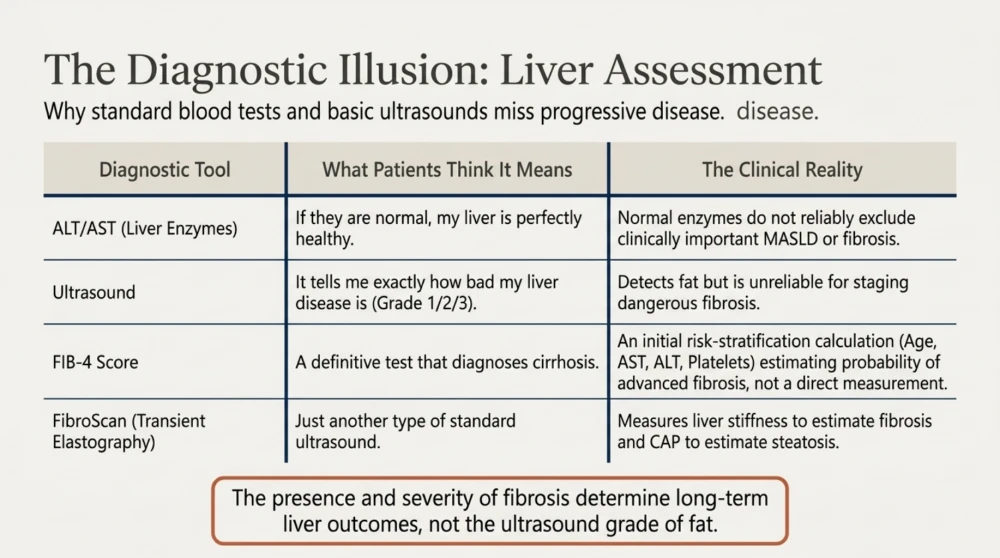
FIB-4 Does Not Directly Measure Liver Fibrosis
It estimates the probability of advanced fibrosis.
A low-risk result can help identify patients who are unlikely to have advanced fibrosis, while an indeterminate or elevated result may prompt additional testing.
Age affects interpretation, and FIB-4 performs differently in younger and older adults, so it should not be treated as an infallible stand-alone test.
Where Does FibroScan Fit In?
Transient elastography, commonly known by the FibroScan brand name, provides non-invasive information about liver stiffness.
Liver stiffness can help estimate the probability of significant fibrosis.
Many devices also provide a controlled attenuation parameter, or CAP, which estimates hepatic steatosis.
FibroScan Answers a Different Question From Ultrasound
A conventional ultrasound is useful for detecting hepatic steatosis when sufficient fat is present, but it is not a reliable method for staging fibrosis.
FibroScan provides additional information about liver stiffness and can therefore help with fibrosis risk stratification.
Does Everyone With Fatty Liver and Sleep Apnoea Need FibroScan?
No.
The need for transient elastography depends on overall fibrosis risk.
Age, diabetes, obesity, liver enzymes, platelet count, FIB-4 and other clinical factors can help determine who would benefit most from further non-invasive assessment.
Type 2 Diabetes Changes the Level of Concern
People with type 2 diabetes have a higher prevalence of MASLD and a greater risk of clinically significant fibrosis than metabolically healthy individuals.
Therefore, the combination of diabetes, fatty liver and OSA deserves particularly careful cardiometabolic assessment.
Does Treating Sleep Apnoea Improve Fatty Liver?
This is where we need to separate a logical hypothesis from what clinical trials have actually demonstrated.
If intermittent hypoxia contributes to liver injury, it seems logical that eliminating nocturnal hypoxia with CPAP should improve the liver.
But clinical evidence is not that straightforward.
What Is CPAP?
Continuous positive airway pressure, or CPAP, delivers pressurised air through a mask during sleep.
The pressure acts as a pneumatic splint that helps prevent the upper airway from collapsing.
For appropriately selected patients with OSA, effective CPAP can substantially reduce obstructive respiratory events and improve overnight oxygenation.
CPAP Treats the Airway Obstruction
That is its primary purpose.
It should be prescribed for appropriate sleep-apnoea indications rather than as a stand-alone fatty liver treatment.
Does CPAP Reduce Liver Fat?
The evidence is mixed, and the better-controlled trials require caution.
Some observational studies have reported improvements in liver enzymes after sustained CPAP treatment.
However, improvements in ALT or AST do not necessarily mean that hepatic fat or fibrosis has improved.
A randomised controlled trial involving patients with OSA and fatty liver compared effective CPAP with subtherapeutic CPAP for six months.
Although measures of OSA severity and nocturnal hypoxaemia correlated with hepatic steatosis, effective CPAP did not produce a significant improvement in liver fat or fibrosis compared with the control treatment.
Weight Change Was More Closely Related to Liver Improvement
In that trial, changes in body weight correlated with changes in intrahepatic triglyceride and CAP measurements.
This is an important practical finding.
Treating OSA is important when OSA is present, but CPAP should not replace weight management, physical activity, diabetes control and broader metabolic treatment for MASLD.
Why Do Some Studies Show Better Liver Enzymes With CPAP?
Several possibilities exist.
CPAP may improve certain physiological stresses associated with OSA. Patients who adhere well to CPAP may also make other health changes simultaneously.
Weight can change during follow-up. Medication can change. Diet and physical activity can change.
Observational studies have difficulty separating these factors.
Liver Enzymes Are Surrogate Markers
A reduction in ALT is encouraging when ALT was elevated, but ALT is not the same thing as liver fat, inflammation or fibrosis.
This is why randomised trials using imaging or other direct liver outcomes are especially important.
What Does the Overall CPAP Evidence Suggest?
| Outcome | What the Evidence Suggests |
|---|---|
| OSA respiratory events | Effective CPAP can substantially reduce obstructive respiratory events when used appropriately |
| Nocturnal oxygenation | Often improves when airway obstruction is adequately controlled |
| Daytime sleepiness | Can improve in appropriately selected symptomatic patients |
| ALT and AST | Some studies show modest improvement, but results are inconsistent |
| Liver fat | Randomised evidence has not established reliable improvement from CPAP alone |
| Liver fibrosis | No convincing evidence that CPAP alone reverses fibrosis |
| Body weight | CPAP is not a weight-loss treatment |
So Is CPAP Still Important?
Absolutely—when a patient has an appropriate indication for CPAP.
The mistake would be expecting one treatment to solve two complex diseases automatically.
CPAP addresses obstructive sleep apnoea.
MASLD requires management of the broader metabolic drivers that determine hepatic fat accumulation and fibrosis risk.
Why Weight Loss Can Improve Both Conditions
Weight reduction is one of the most powerful areas of overlap between OSA and MASLD in patients with excess adiposity.
Reducing excess weight can decrease liver fat and improve insulin sensitivity.
It can also reduce upper-airway mechanical loading and improve OSA severity in many patients.
This Creates a Useful Therapeutic Synergy
Instead of thinking:
“CPAP for sleep and diet for liver,”
it is more useful to develop an integrated plan addressing:
- Excess body weight when present.
- Waist circumference and visceral adiposity.
- Diet quality and energy intake.
- Physical activity.
- Resistance training.
- Diabetes or prediabetes.
- Triglycerides and other lipid abnormalities.
- Blood pressure.
- Sleep apnoea treatment.
- Alcohol exposure.
- Fibrosis risk.
Does Losing 5% of Body Weight Help Fatty Liver?
Even modest weight reduction can decrease hepatic steatosis in people with excess weight.
Greater sustained weight loss is generally associated with greater potential improvement in steatohepatitis and fibrosis-related outcomes.
The precise goal should be individualised rather than treating one percentage as a magic threshold.
Weight Loss Should Preserve Muscle
This is especially important when patients attempt rapid weight reduction.
An effective metabolic programme should aim to reduce excess fat while maintaining adequate protein intake, resistance exercise and muscle mass.
Simply eating dramatically less without attention to nutritional quality is not an ideal strategy.
Can Exercise Help Even Without Major Weight Loss?
Yes.
Physical activity can improve cardiometabolic health and reduce liver fat even when the scale changes relatively little.
A combination of aerobic activity and resistance training can be useful.
This is another reason I do not judge improvement in fatty liver only by body weight.
Can Better Sleep Make Weight Loss Easier?
Potentially.
Untreated OSA can leave patients tired during the day.
Someone who wakes unrefreshed may find it harder to exercise consistently, prepare meals, regulate eating behaviour or remain active during the day.
Treating significant sleep apnoea may therefore support a broader lifestyle programme even if CPAP itself does not directly melt liver fat.
What About GLP-1-Based Weight-Loss Treatment?
For appropriate patients with obesity or type 2 diabetes, modern pharmacological weight-management strategies can produce substantial weight loss and metabolic improvement.
Because weight reduction can improve several drivers shared by MASLD and OSA, medical weight-loss treatment may form part of an integrated plan in selected patients.
However, anti-obesity medication does not replace appropriate diagnosis or treatment of clinically significant sleep apnoea.
Weight Loss Can Change CPAP Requirements
If substantial weight reduction occurs, OSA severity may improve.
But patients should not stop CPAP simply because they have lost weight or stopped snoring.
Reassessment may be appropriate before changing prescribed sleep-apnoea therapy.
Can Fatty Liver Improve While Sleep Apnoea Remains?
Yes.
Liver fat may improve substantially with weight loss, exercise and better metabolic control even if OSA persists because of airway anatomy or other factors.
Similarly, CPAP may control OSA very effectively while significant fatty liver remains because obesity, diabetes or other metabolic drivers have not been adequately addressed.
This Shows Why the Conditions Need Parallel Management
They overlap, but they are not interchangeable.
Treating one does not guarantee resolution of the other.
What Should Be Checked in a Patient With Fatty Liver and Suspected OSA?
| Area | What May Be Assessed |
|---|---|
| Sleep | Snoring, witnessed apnoea, choking, sleepiness, morning headache and formal sleep testing when indicated |
| Adiposity | Weight, BMI, waist circumference and recent weight trend |
| Glucose metabolism | Fasting glucose and HbA1c as clinically appropriate |
| Lipids | Triglycerides, LDL cholesterol, HDL cholesterol and overall cardiovascular risk |
| Blood pressure | Hypertension and adequacy of BP control |
| Liver biochemistry | ALT, AST and other tests according to the clinical situation |
| Fibrosis risk | FIB-4 and additional non-invasive testing such as transient elastography when appropriate |
| Lifestyle | Diet, physical activity, alcohol, smoking and sleep routine |
Do Not Treat the Ultrasound Report in Isolation
A report saying “Grade 2 fatty liver” is not a complete metabolic assessment.
Likewise, an AHI value from a sleep study is not a complete assessment of the patient's cardiometabolic health.
The clinically useful approach is to connect the findings.
Does the patient have diabetes?
Is blood pressure controlled?
Are triglycerides elevated?
Is waist circumference increasing?
Is fibrosis risk low or high?
Is OSA being adequately treated?
Are weight and muscle mass moving in the right direction?
Who With Fatty Liver Should Be Evaluated for Sleep Apnoea?
Not every person with fatty liver needs a sleep study.
However, when I evaluate a patient with MASLD, I think it is useful to ask a few questions about sleep—particularly when obesity, hypertension, diabetes or daytime fatigue are also present.
The combination of fatty liver and sleep apnoea is common enough that overlooking obvious symptoms of OSA can mean missing an important component of the patient's overall cardiometabolic health.
Suspicion Should Increase When Fatty Liver Occurs With:
- Loud habitual snoring.
- Witnessed pauses in breathing during sleep.
- Gasping or choking during the night.
- Excessive daytime sleepiness.
- Persistent unrefreshing sleep.
- Morning headaches.
- Obesity or increasing waist circumference.
- Hypertension, particularly when difficult to control.
- Type 2 diabetes.
- Atrial fibrillation or established cardiovascular disease.
One symptom alone does not diagnose OSA. A cluster of these findings makes formal assessment more reasonable.
How Can STOP-Bang Help?
STOP-Bang is a widely used screening questionnaire for obstructive sleep apnoea.
The letters refer to clinical features involving snoring, tiredness, observed apnoeas, blood pressure, BMI, age, neck circumference and sex.
It can be useful in a busy clinic because it quickly identifies patients with a higher probability of OSA.
STOP-Bang Is a Screening Tool, Not a Sleep Study
A high score does not prove that someone has OSA.
Similarly, treatment should not be prescribed solely because a questionnaire suggests increased risk.
Clinical assessment determines whether objective sleep testing is appropriate.
Home Sleep Test or Overnight Polysomnography?
Both approaches can be useful, but they are not interchangeable in every patient.
Polysomnography performed in a sleep laboratory remains the standard comprehensive diagnostic test for OSA.
It measures considerably more than oxygen saturation alone.
Depending on the system, measurements include brain activity, sleep stages, airflow, respiratory effort, oxygen saturation, heart rhythm, limb movement and body position.
When Can Home Sleep Apnoea Testing Be Useful?
Home sleep apnoea testing can be appropriate for selected uncomplicated adults who have symptoms and clinical features suggesting an increased likelihood of moderate-to-severe OSA.
It is more convenient than laboratory polysomnography and allows the patient to sleep in their usual environment.
However, it records fewer physiological signals and may underestimate disease in some situations.
When Is Laboratory Polysomnography More Appropriate?
Formal polysomnography becomes particularly important when the clinical situation is more complicated.
Examples include significant cardiorespiratory disease, suspected sleep-related hypoventilation, certain neuromuscular disorders, chronic opioid use, previous stroke or severe insomnia.
It may also be necessary when a home study is negative or inconclusive despite a convincing clinical suspicion of OSA.
A Negative Home Test Does Not Always End the Investigation
If a patient has loud snoring, witnessed apnoeas, repeated choking and significant daytime sleepiness but the home study is technically inadequate or unexpectedly negative, further assessment may still be required.
Can a Smartwatch Diagnose Sleep Apnoea?
Consumer wearables are becoming increasingly sophisticated.
Some estimate oxygen saturation, sleep stages, respiratory patterns or possible breathing disturbances.
These technologies may provide useful clues, but they should not be considered equivalent to a clinically appropriate sleep study.
A smartwatch notification should therefore prompt appropriate evaluation rather than automatically becoming a diagnosis.
What Happens After Sleep Apnoea Is Diagnosed?
Treatment depends on OSA severity, symptoms, anatomy, body weight, associated medical conditions and patient preferences.
Options may include positive airway pressure therapy, weight management, oral appliances in selected patients, positional strategies and, in specific circumstances, surgical or other interventions.
CPAP Remains an Important Treatment
Continuous positive airway pressure prevents the upper airway from repeatedly collapsing during sleep.
When appropriately prescribed and consistently used, it can markedly reduce obstructive respiratory events.
Patients with significant daytime sleepiness may notice substantial improvement in daytime functioning once treatment becomes effective.
CPAP Adherence Matters
Owning a CPAP machine is not the same as receiving effective treatment.
The machine has to be used.
Common reasons patients struggle initially include:
- Mask discomfort.
- Air leakage.
- Dry mouth or nasal dryness.
- Nasal blockage.
- Feeling claustrophobic.
- Difficulty tolerating pressure.
- Removing the mask unconsciously during sleep.
These problems should often be troubleshooted rather than assuming that CPAP has “failed.”
Early Follow-Up Can Improve Treatment Use
Mask fitting, humidification, patient education and adjustment of therapy can make a considerable difference.
Current sleep-medicine guidance emphasises follow-up after PAP initiation rather than simply prescribing a machine and leaving the patient to manage it alone.
Can Weight Loss Improve Sleep Apnoea?
Yes, particularly when excess body weight is an important contributor.
Weight reduction can decrease mechanical loading around the upper airway and improve several metabolic abnormalities associated with OSA.
Substantial weight loss can lead to meaningful improvement in OSA severity in some patients.
But Weight Loss Does Not Guarantee That OSA Has Disappeared
Airway anatomy, age and other physiological factors continue to matter.
A patient who loses significant weight should therefore not independently stop CPAP simply because snoring has improved.
When weight changes substantially, repeat sleep assessment may sometimes be appropriate to determine whether treatment requirements have changed.
Can Sleep Apnoea Go Into Remission After Weight Loss?
It can in some patients, particularly when obesity was a major driver and substantial weight reduction is maintained.
But remission is not guaranteed.
Some people continue to have clinically significant OSA even after considerable weight loss.
This is why objective reassessment is preferable to assuming that absence of snoring means the disorder has resolved.
Why Weight Management Is Particularly Powerful When Fatty Liver and Sleep Apnoea Coexist
When excess adiposity is present, weight management targets an important driver shared by both diseases.
For MASLD, sustained weight reduction can decrease hepatic fat and improve several cardiometabolic abnormalities.
For OSA, weight reduction may reduce disease severity.
One Intervention Can Therefore Influence Multiple Problems
| Intervention | Potential MASLD Benefit | Potential OSA Benefit |
|---|---|---|
| Sustained weight reduction | Can reduce hepatic steatosis and improve metabolic health | Can reduce OSA severity when excess weight contributes |
| Regular physical activity | Can reduce liver fat and improve insulin sensitivity | Supports weight management and overall cardiometabolic fitness |
| Improved diet quality | Supports energy control, glucose regulation and lipid improvement | Supports weight reduction when appropriate |
| CPAP when indicated | Not established as a stand-alone treatment for reversing liver fat or fibrosis | Directly treats upper-airway obstruction during sleep |
| Diabetes and lipid management | Addresses important cardiometabolic drivers and cardiovascular risk | Improves the overall metabolic risk profile rather than directly opening the airway |
Does Sleeping on Your Side Help?
OSA severity can be strongly influenced by sleep position in some patients.
The airway is often more collapsible when lying on the back.
Some people therefore have substantially more respiratory events in the supine position than while sleeping on their side.
This Is Called Positional OSA
For selected patients, positional therapy may form part of management.
However, simply telling every patient with moderate or severe OSA to “sleep on your side” is not an adequate replacement for properly prescribed therapy.
What About Elevating the Head of the Bed?
Some patients find that sleeping with the upper body elevated reduces snoring or breathing difficulty.
This may be a useful supportive strategy in selected situations, but it should not be assumed to adequately treat clinically important OSA.
Alcohol Before Bed Can Make OSA Worse
Alcohol can reduce upper-airway muscle tone and worsen airway collapsibility during sleep.
It can also increase snoring and worsen sleep quality.
For a patient with fatty liver and sleep apnoea, alcohol deserves attention for another obvious reason: alcohol exposure can also contribute to liver injury.
The Liver History Should Include Alcohol Honestly
The presence of metabolic fatty liver does not mean alcohol becomes irrelevant.
Patients can have overlapping metabolic and alcohol-related contributors to hepatic steatosis and liver injury.
Reducing or avoiding alcohol may therefore be important depending on the individual's liver disease and drinking pattern.
Can Sleeping Tablets Make Sleep Apnoea Worse?
Certain sedative medications can affect breathing, arousal responses or upper-airway function.
The effect depends on the medication, dose and individual clinical situation.
Patients with suspected or confirmed OSA should therefore discuss regular sedative use with their treating clinician rather than stopping prescribed medicines abruptly.
Do Nasal Strips Cure Sleep Apnoea?
No.
Nasal strips may improve nasal airflow or snoring in selected people, but obstructive sleep apnoea commonly involves collapse of the upper airway beyond the nose.
Reducing snoring does not necessarily mean apnoeas and oxygen desaturations have been eliminated.
What About Mouth Taping?
Mouth taping has become popular on social media as a supposed way to improve sleep and prevent mouth breathing.
It should not be considered a treatment for suspected obstructive sleep apnoea.
A person who snores loudly, gasps or has witnessed breathing pauses needs appropriate assessment rather than attempting to physically keep the mouth closed during sleep.
Can Treating Nasal Blockage Help?
Chronic nasal obstruction can contribute to poor sleep and make PAP therapy less comfortable.
Identifying and appropriately treating nasal disease can therefore be useful.
However, improving nasal breathing does not necessarily eliminate collapse occurring deeper in the upper airway.
The Driving Risk Many Patients Underestimate
One of the most immediate dangers of untreated OSA is not related to the liver at all.
It is excessive sleepiness.
A patient who repeatedly struggles to remain awake while driving should take the symptom seriously.
Do Not Try to Fight Severe Sleepiness Behind the Wheel
Opening the window, turning up music or drinking coffee should not be treated as reliable solutions when someone is repeatedly becoming sleepy while driving.
Significant driving-related sleepiness warrants prompt medical evaluation, particularly when accompanied by loud snoring or witnessed apnoeas.
What Symptoms Need More Urgent Assessment?
OSA is usually a chronic disorder rather than an emergency diagnosis, but certain symptoms should not simply be blamed on poor sleep.
- Repeated near-miss accidents because of falling asleep while driving.
- Actual episodes of falling asleep while driving or operating machinery.
- Severe breathlessness while awake.
- Chest pain.
- Fainting.
- New neurological symptoms.
- Markedly low oxygen saturation while awake.
- Severe daytime somnolence that creates an immediate safety risk.
These findings may require assessment beyond routine sleep-apnoea evaluation.
Can You Have Severe Sleep Apnoea Without Feeling Sleepy?
Yes.
The absence of obvious daytime sleepiness does not exclude OSA.
Some patients describe fatigue rather than sleepiness. Others have gradually adapted to poor-quality sleep and no longer recognise how impaired they feel.
This is why witnessed apnoeas, snoring, hypertension and metabolic risk remain important even when the patient says, “I never fall asleep during the day.”
Can Fatty Liver Improve if Sleep Remains Poor?
Yes, particularly if weight, physical activity, diet and metabolic control improve.
But that does not make untreated OSA irrelevant.
Similarly, excellent CPAP adherence does not mean that liver fat will automatically disappear if excess weight, insulin resistance and other metabolic drivers remain unchanged.
Treat Both Conditions for Their Own Indications
This is perhaps the most important principle in the entire discussion.
Do not treat OSA merely because you hope CPAP will reverse fatty liver.
Do not treat MASLD while ignoring obvious symptoms of OSA.
Each condition deserves appropriate assessment and management while recognising their metabolic overlap.
A Practical Fatty Liver and Sleep Apnoea Checklist
| Question | Why It Matters |
|---|---|
| Do you snore loudly? | Common clue to upper-airway obstruction, although snoring alone does not diagnose OSA |
| Has anyone seen you stop breathing? | Witnessed apnoea substantially increases clinical suspicion |
| Do you wake choking or gasping? | Another important symptom of sleep-disordered breathing |
| Do you wake refreshed? | Repeated arousals may produce poor-quality sleep despite adequate time in bed |
| Are you sleepy while driving? | Important immediate safety issue |
| What is your waist circumference and weight trend? | Central adiposity contributes strongly to metabolic risk and often to OSA |
| Do you have diabetes or prediabetes? | Important metabolic risk factor in MASLD and commonly associated with OSA |
| Is your blood pressure controlled? | OSA is associated with hypertension and may be relevant when BP is difficult to control |
| Has fibrosis risk been assessed? | Long-term liver risk depends more on fibrosis than simply the ultrasound grade of fatty liver |
| If CPAP was prescribed, are you actually using it? | Treatment effectiveness depends on adequate use and follow-up |
Common Myths About Fatty Liver and Sleep Apnoea
Myth 1: Only People With Severe Obesity Get Sleep Apnoea
False.
Obesity is an important risk factor, but airway anatomy, age and other factors also contribute. OSA can occur in people who are not severely obese.
Myth 2: Snoring Means You Definitely Have Sleep Apnoea
False.
Snoring is common and does not establish the diagnosis. Witnessed apnoeas, choking, daytime symptoms and other clinical factors help determine whether sleep testing is needed.
Myth 3: If I Am Not Sleepy During the Day, I Cannot Have OSA
False.
Not every patient with OSA reports excessive daytime sleepiness.
Myth 4: My Smartwatch Says My Oxygen Is Fine, So I Do Not Need a Sleep Study
Not necessarily.
Consumer wearables should not replace clinically appropriate diagnostic testing when suspicion of OSA is significant.
Myth 5: CPAP Will Cure My Fatty Liver
Not established.
CPAP effectively treats airway obstruction in appropriate patients, but clinical trials have not demonstrated reliable reversal of hepatic steatosis or fibrosis from CPAP alone.
Myth 6: Losing Weight Means I Can Stop CPAP
Not automatically.
Weight loss may substantially improve OSA, but residual disease can persist. Reassessment may be appropriate before changing prescribed treatment.
Myth 7: Normal ALT Means My Fatty Liver Is Mild
False.
Normal liver enzymes do not reliably exclude clinically important MASLD or fibrosis.
Myth 8: Grade 1 Fatty Liver Does Not Need Any Attention
Not necessarily.
The ultrasound grade does not tell the complete story. Diabetes, metabolic risk and fibrosis assessment may be more important for determining long-term risk.
What Should the Treatment Plan Actually Target?
When fatty liver and sleep apnoea coexist, treatment should not focus on a single number from the ultrasound or sleep study.
A more useful plan addresses the complete metabolic picture.
- Confirm and appropriately treat obstructive sleep apnoea.
- Reduce excess body fat when present.
- Reduce waist circumference and visceral adiposity.
- Preserve or improve muscle mass.
- Perform regular aerobic activity.
- Include resistance training.
- Improve overall diet quality.
- Control diabetes or prediabetes.
- Manage hypertension.
- Treat dyslipidaemia according to cardiovascular risk.
- Assess alcohol intake.
- Stop smoking.
- Assess liver fibrosis risk rather than relying only on ultrasound grading.
- Monitor the response over time.
Key Takeaways
- Fatty liver and sleep apnoea commonly coexist because both are strongly linked with obesity and metabolic dysfunction.
- Obstructive sleep apnoea causes repeated airway obstruction, sleep fragmentation and intermittent hypoxia.
- Intermittent hypoxia may contribute to oxidative stress, sympathetic activation and abnormalities in glucose and lipid metabolism.
- Observational evidence links OSA with MASLD severity, but association does not prove that OSA independently causes liver progression in every patient.
- Loud snoring alone does not diagnose OSA.
- Witnessed apnoeas, choking, excessive sleepiness, obesity, hypertension and diabetes increase clinical suspicion.
- STOP-Bang can help identify increased OSA risk but cannot confirm the diagnosis.
- Polysomnography remains the standard comprehensive diagnostic test; home sleep apnoea testing is appropriate for selected uncomplicated adults.
- CPAP effectively treats obstructive airway events when appropriately prescribed.
- CPAP has not been shown consistently to reverse hepatic steatosis or liver fibrosis by itself.
- Weight reduction can be particularly valuable because it may improve both MASLD and OSA in patients with excess adiposity.
- Normal ALT does not exclude significant fatty liver or fibrosis.
- Fibrosis risk assessment is more informative for long-term liver risk than relying only on ultrasound fatty-liver grade.
- Severe daytime sleepiness, particularly sleepiness while driving, should not be ignored.
References
- American Association for the Study of Liver Diseases. Practice guidance on the clinical assessment and management of non-alcoholic fatty liver disease and metabolic risk assessment.
- European Association for the Study of the Liver, European Association for the Study of Diabetes and European Association for the Study of Obesity. Clinical practice guidance concerning metabolic dysfunction-associated steatotic liver disease.
- American Academy of Sleep Medicine. Clinical practice guideline for diagnostic testing for adult obstructive sleep apnoea.
- American Academy of Sleep Medicine. Clinical practice guideline on positive airway pressure treatment of obstructive sleep apnoea in adults.
- American Academy of Sleep Medicine. Clinical guidance concerning longitudinal management and repeat sleep testing following clinically significant weight change.
- Randomised controlled clinical evidence evaluating continuous positive airway pressure and hepatic steatosis/fibrosis in patients with obstructive sleep apnoea and fatty liver.
- Systematic reviews and meta-analyses examining obstructive sleep apnoea, intermittent hypoxia, hepatic steatosis, steatohepatitis and liver fibrosis.
- Peer-reviewed literature examining intermittent hypoxia, insulin resistance, oxidative stress, sympathetic activation and cardiometabolic consequences of obstructive sleep apnoea.
Medical note: This article is intended for general education and does not replace individual medical assessment. Fatty liver should be evaluated according to metabolic and fibrosis risk, while suspected obstructive sleep apnoea requires appropriate clinical evaluation and objective sleep testing when indicated. Patients with severe daytime sleepiness should take driving and occupational safety seriously.
Written by Dr. Pankaj Kumar , General & Lifestyle Physician, Dwarka, New Delhi