















- 18th September 2026
Table of Contents
- What Happens During Perimenopause and Menopause?
- What Is Insulin Resistance?
- Why Are Menopause and Insulin Resistance Connected?
- Oestrogen Influences More Than Reproductive Function
- Why Belly Fat After Menopause Is Different From Simply Gaining Weight
- Menopause Belly Fat Is Not Caused by Oestrogen Alone
- Muscle Loss Is an Underestimated Part of Menopause and Insulin Resistance
- This Can Produce Sarcopenic Obesity
- Why Blood Sugar May Start Rising During Menopause
- Does Menopause Cause Type 2 Diabetes?
- Why South Asian Women Should Pay Particular Attention to Waist Gain
- Sleep Can Connect Menopause and Insulin Resistance
- Do Not Forget Obstructive Sleep Apnoea
- Stress and Mood Can Influence Metabolic Behaviour
- Seven Metabolic Clues Worth Watching Around Menopause
- Does Menopause Cause a Sudden Metabolic Slowdown?
- Should Fasting Insulin Be Checked During Menopause?
- What About HOMA-IR?
- When Should Blood Sugar Be Checked Around Menopause?
- The Most Important Message
- How Do You Know if Insulin Resistance Is Developing Around Menopause?
- Which Blood Tests Are Actually Useful?
- Fasting Glucose Can Look Normal While Metabolic Risk Is Increasing
- What Does HbA1c Add?
- When Can an Oral Glucose Tolerance Test Help?
- What About Fasting Insulin and HOMA-IR?
- Why Triglycerides Often Rise With Insulin Resistance
- Menopause, Insulin Resistance and Fatty Liver
- Why Waist Circumference Deserves More Attention After Menopause
- Waist-to-Height Ratio Can Add Another Useful Perspective
- Why Muscle Becomes Increasingly Important After 40
- Why Aggressive Dieting Can Backfire During Menopause
- How Much Protein Is Needed Around Menopause?
- Does Leucine Matter After Menopause?
- Resistance Training Is One of the Most Useful Tools After Menopause
- Why Strength Matters Beyond Blood Sugar
- Do You Still Need Cardio?
- Walking After Meals Can Be Surprisingly Useful
- NEAT Matters More Than Most People Realise
- Why Sleep Treatment Can Help Metabolic Management
- Stress Management Is Not a Substitute for Medical Treatment
- What About Intermittent Fasting During Menopause?
- Do Carbohydrates Need to Be Eliminated?
- Can Menopausal Hormone Therapy Improve Insulin Resistance?
- What Should You Track Instead of Weight Alone?
- Why This Approach Works Better Than Chasing a Lower Scale Weight
- The Main Lesson From Part 2
- How Can You Reduce Menopause Belly Fat Without Losing Muscle?
- Avoid the Cycle of Crash Dieting and Weight Regain
- What Should a Menopause-Friendly Meal Look Like?
- Does Breakfast Matter for Menopause and Insulin Resistance?
- Do You Need to Stop Eating Fruit?
- Healthy Foods Can Still Cause Weight Gain if Portions Become Large
- What About Alcohol During and After Menopause?
- What if Diet and Exercise Are Not Enough?
- Does Metformin Treat Menopause and Insulin Resistance?
- What About GLP-1 Medicines After Menopause?
- Do GLP-1 Medicines Permanently Fix Insulin Resistance?
- Can Menopausal Hormone Therapy Prevent Belly Fat?
- Does Hormone Therapy Cause Weight Gain?
- Could Thyroid Disease Be Causing the Weight Gain?
- When Does Rising Blood Sugar Become Prediabetes?
- Prediabetes Is a Warning, Not an Inevitable Progression to Diabetes
- A Practical 12-Week Strategy for Menopause and Insulin Resistance
- Weeks 1–4: Establish the Baseline
- Weeks 5–8: Build Muscle and Improve Meal Structure
- Weeks 9–12: Review Trends Rather Than Perfection
- What Does Successful Progress Actually Look Like?
- Common Myths About Menopause and Insulin Resistance
- Myth 1: Menopause Automatically Causes Diabetes
- Myth 2: Belly Fat After Menopause Is Entirely Due to Low Oestrogen
- Myth 3: If Your Weight Has Not Increased, Your Metabolic Health Has Not Changed
- Myth 4: A Normal Fasting Glucose Rules Out Insulin Resistance
- Myth 5: Everyone Needs a Fasting Insulin and HOMA-IR Test
- Myth 6: Carbohydrates Must Be Completely Eliminated
- Myth 7: Walking Is Enough to Prevent Muscle Loss
- Myth 8: Hormone Therapy Is a Weight-Loss Treatment
- Myth 9: Weight Gain Means You Have a Hormonal Imbalance
- When Should You Discuss Rising Blood Sugar With a Doctor?
- Menopause and Insulin Resistance: A Practical Checklist
- Key Takeaways: Menopause and Insulin Resistance
- References
Menopause and Insulin Resistance: Why Belly Fat and Blood Sugar May Rise
Many women notice a frustrating change during their 40s and 50s.
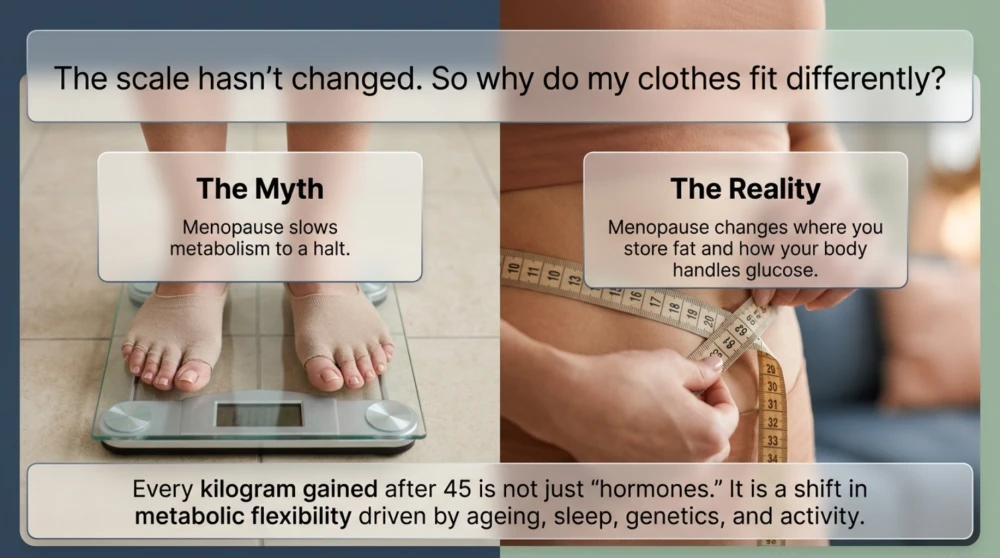
Their body weight may not have changed dramatically, yet the waist becomes larger. Clothes fit differently around the abdomen. A fasting glucose or HbA1c that was previously normal may begin moving upward. Triglycerides may rise, and losing abdominal fat suddenly seems much harder than it was ten years earlier.
It is tempting to explain all of this by saying, “Menopause slows metabolism.”
The reality is more complicated.
Menopause and insulin resistance are connected through changes in ovarian hormones, body-fat distribution, skeletal muscle, physical activity, sleep and ageing. Falling oestrogen levels appear to favour a shift toward greater abdominal and visceral fat, while age-related muscle loss and changes in lifestyle can further reduce metabolic flexibility.
But menopause does not automatically cause diabetes, and every kilogram gained after the age of 45 should not be blamed on hormones.
Ageing itself, calorie intake, physical activity, sleep, genetics, medications and pre-existing metabolic risk remain important.
The useful question is therefore not simply, “Are my hormones making me fat?”
It is: What changes around menopause can increase metabolic risk, and which of those changes can we actually modify?
What Happens During Perimenopause and Menopause?
Menopause is reached after 12 consecutive months without menstruation when there is no other pathological or physiological explanation.
It does not usually happen overnight.
The years leading up to the final menstrual period are commonly called the menopausal transition or perimenopause. During this period, ovarian function becomes more variable and hormone concentrations fluctuate.
Women may experience changes in menstrual pattern, hot flushes, night sweats, sleep disturbance, mood symptoms and changes in body composition.
Metabolic Changes May Begin Before the Final Period
A woman does not need to wait until menstruation has completely stopped before noticing changes in waist circumference, body composition or glucose regulation.
Some of these changes emerge during the menopausal transition, while others reflect the simultaneous effects of ageing.
Separating menopause from ageing scientifically is difficult because both occur at approximately the same time.
What Is Insulin Resistance?
Insulin is a hormone produced by the pancreas. One of its major roles is to help regulate blood glucose by facilitating glucose uptake and controlling glucose production by the liver.
When tissues such as skeletal muscle, liver and adipose tissue respond less effectively to insulin, the body may compensate by producing more insulin.
This state is broadly described as insulin resistance.
Blood Sugar Can Remain Normal for Years
Insulin resistance does not necessarily mean that fasting glucose immediately becomes abnormal.
Early in the process, pancreatic beta cells may compensate by secreting more insulin.
Blood glucose can therefore remain within the normal range despite underlying metabolic stress.
If compensation eventually becomes inadequate, glucose may rise into the prediabetes or diabetes range.
Why Are Menopause and Insulin Resistance Connected?
There is no single mechanism.
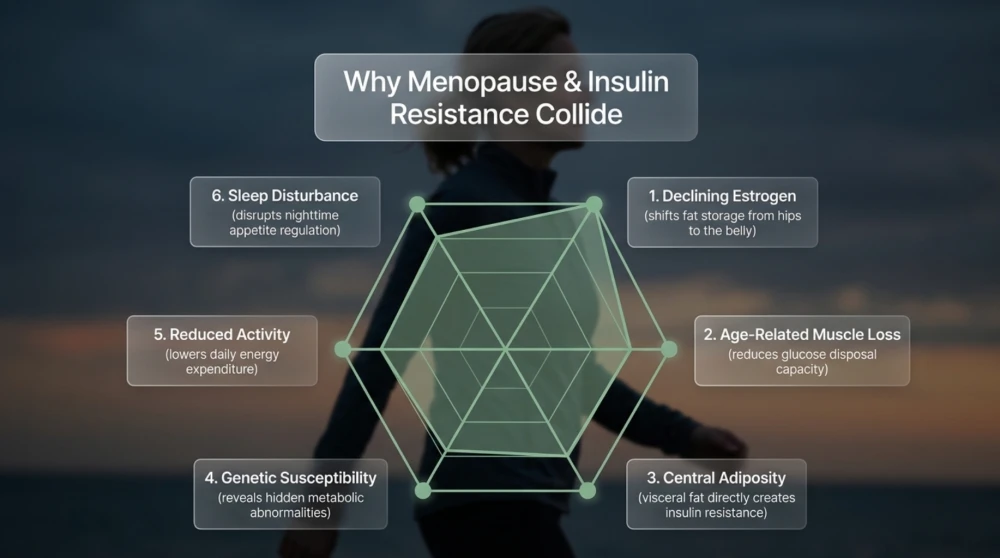
The relationship between menopause and insulin resistance involves several overlapping changes.
These include:
- Declining ovarian oestrogen exposure.
- A shift toward abdominal and visceral fat accumulation.
- Age-related loss of skeletal muscle.
- Reduced physical activity in some women.
- Sleep disturbance and vasomotor symptoms.
- Changes in appetite and energy expenditure.
- Pre-existing genetic and metabolic susceptibility.
Understanding these mechanisms helps explain why simply eating less is not always the most useful response.
Oestrogen Influences More Than Reproductive Function
Oestrogen receptors are present in several metabolically active tissues, including adipose tissue, skeletal muscle, liver and the central nervous system.
Oestrogen therefore participates in processes involving energy balance, fat distribution and glucose metabolism.
As ovarian oestrogen exposure declines through the menopausal transition, some of these metabolic relationships change.
Falling Oestrogen May Favour Central Fat Accumulation
Before menopause, women tend to store a greater proportion of body fat in gluteofemoral areas such as the hips and thighs.
After menopause, fat distribution often shifts toward the abdomen.
This means that body shape can change even without dramatic overall weight gain.
Why Belly Fat After Menopause Is Different From Simply Gaining Weight
Not all body fat has identical metabolic consequences.
Subcutaneous fat sits beneath the skin. Visceral fat accumulates deeper inside the abdominal cavity around internal organs.
Greater visceral adiposity is strongly associated with insulin resistance, dyslipidaemia, fatty liver, hypertension and type 2 diabetes.
The Weighing Scale Can Miss the Important Change
Imagine a woman whose weight increases from 65 kg to only 67 kg over several years.
She may conclude that very little has changed.
But if she has simultaneously lost muscle and gained abdominal fat, the metabolic change can be considerably greater than the two-kilogram difference suggests.
This is why waist circumference and body composition can sometimes provide useful information beyond body weight alone.
Menopause Belly Fat Is Not Caused by Oestrogen Alone
Hormonal change influences fat distribution, but total weight gain around midlife also reflects ageing, energy intake, physical activity, sleep and individual behaviour.
Resting energy expenditure may decline with age, particularly as lean mass decreases.
Daily movement may also gradually fall because of work patterns, joint discomfort, caregiving responsibilities or a more sedentary lifestyle.
A Small Daily Energy Surplus Can Become Significant Over Time
The difference does not have to be dramatic.
A modest mismatch between energy intake and expenditure repeated over months and years can gradually increase body fat.
This is why women may feel that they are “eating exactly the same as before” while their body composition slowly changes.
Muscle Loss Is an Underestimated Part of Menopause and Insulin Resistance
Skeletal muscle is one of the body's largest sites for insulin-stimulated glucose disposal.
After a meal, muscle helps remove glucose from the circulation and store or use it for energy.
Maintaining adequate muscle therefore matters for metabolic health.
Less Muscle Can Mean Less Capacity to Handle Glucose
Muscle mass and strength tend to decline with ageing unless actively protected through physical activity, resistance training and adequate nutrition.
The menopausal transition may overlap with this age-related decline.
If muscle decreases while visceral fat increases, insulin sensitivity may worsen even when total body weight has changed only modestly.
This Can Produce Sarcopenic Obesity
Sarcopenic obesity refers broadly to the coexistence of excess adiposity with low muscle mass or impaired muscle function.
A woman does not necessarily have to look markedly obese for this pattern to be metabolically relevant.
She may have a BMI that appears only mildly elevated—or sometimes even within the conventional normal range—while carrying excess abdominal fat and relatively little muscle.
Body Composition Matters More After Midlife
This is one reason focusing exclusively on weight can become counterproductive.
A successful menopause health strategy should not simply aim to make the weighing scale fall as rapidly as possible.
Preserving or building muscle while reducing excess visceral fat is often a more meaningful goal.
Why Blood Sugar May Start Rising During Menopause
Several mechanisms can converge.
More visceral fat can increase insulin resistance. Less muscle can reduce glucose disposal. Poor sleep can adversely affect glucose regulation and appetite. Reduced physical activity lowers both energy expenditure and insulin sensitivity.
In genetically susceptible women, these changes may reveal metabolic abnormalities that had previously remained compensated.
The First Abnormality May Not Be Fasting Glucose
Early insulin resistance can exist while fasting glucose remains within the reference range.
Some women first show a rise in post-meal glucose, HbA1c, triglycerides or waist circumference.
Over time, fasting glucose may also rise.
Does Menopause Cause Type 2 Diabetes?
It is more accurate to say that the menopausal transition can contribute to a metabolic environment that may increase diabetes risk, particularly when other risk factors are present.
Menopause should not be treated as an inevitable pathway to diabetes.
Risk Depends on the Whole Metabolic Picture
Important factors include:
- Family history of type 2 diabetes.
- Previous gestational diabetes.
- Overweight or obesity.
- Increasing waist circumference.
- Physical inactivity.
- High blood pressure.
- Elevated triglycerides.
- Fatty liver disease.
- Poor sleep or obstructive sleep apnoea.
- Smoking.
- Age and genetic susceptibility.
A woman entering menopause with several of these factors deserves more attention to glucose and cardiovascular risk than someone without them.
Why South Asian Women Should Pay Particular Attention to Waist Gain
South Asian populations can develop type 2 diabetes and other metabolic complications at lower BMI levels than many European-origin populations.
Greater visceral adiposity and lower lean mass at a given BMI are among the factors thought to contribute.
This makes abdominal fat accumulation particularly relevant for Indian women during and after menopause.
A “Normal” BMI Does Not Guarantee Low Metabolic Risk
A woman may weigh 58 or 60 kg and assume that diabetes screening is unnecessary because she is not overweight according to a conventional BMI threshold.
But family history, waist circumference, blood pressure, physical activity, previous gestational diabetes and laboratory markers may tell a different story.
Metabolic screening should therefore be based on risk rather than appearance alone.
Sleep Can Connect Menopause and Insulin Resistance
Hot flushes and night sweats can repeatedly disrupt sleep during the menopausal transition.
Other women develop insomnia independently of vasomotor symptoms.
Sleep disturbance matters metabolically because insufficient or fragmented sleep can influence insulin sensitivity, appetite regulation, food choices and physical activity.
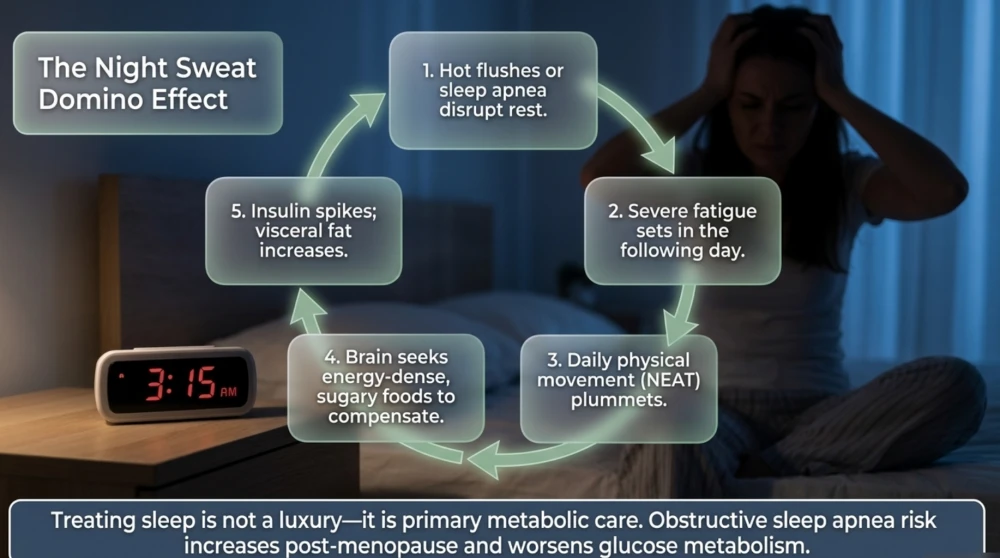
Poor Sleep Can Create a Difficult Cycle
A woman sleeps poorly because of night sweats.
The following day she feels tired, moves less and may seek more energy-dense food. Exercise becomes less appealing. Hunger regulation can become more difficult.
If this pattern continues for months, it can contribute to weight and metabolic changes.
Do Not Forget Obstructive Sleep Apnoea
Sleep apnoea is not only a condition affecting men with severe obesity.
Risk increases in women after menopause, and symptoms can sometimes be mistaken for ordinary menopausal fatigue.
Clues include loud snoring, witnessed pauses in breathing, waking with headaches, non-restorative sleep and excessive daytime sleepiness.
Sleep Apnoea Can Worsen Metabolic Health
Untreated obstructive sleep apnoea is associated with hypertension, impaired glucose metabolism and increased cardiovascular risk.
Therefore, persistent fatigue in a woman with increasing abdominal obesity should not automatically be blamed on hormones or ageing.
Stress and Mood Can Influence Metabolic Behaviour
Midlife can coincide with substantial psychological and social stress—career demands, caregiving, changes in family structure, ageing parents and concerns about personal health.
Menopausal symptoms can add another layer.
Stress itself does not magically create abdominal fat, but chronic stress can influence sleep, food choices, alcohol intake, physical activity and adherence to healthy routines.
Emotional Eating May Become More Important Than “Slow Metabolism”
A woman may eat balanced meals yet repeatedly consume calorie-dense snacks in the evening because she is exhausted or stressed.
Unless this pattern is identified, increasingly restrictive daytime dieting may make the situation worse rather than better.
Seven Metabolic Clues Worth Watching Around Menopause
| Change | Why It May Matter |
|---|---|
| 1. Increasing waist circumference | May reflect increasing central and visceral adiposity |
| 2. Rising fasting glucose | May indicate deteriorating glucose regulation |
| 3. Rising HbA1c | Can identify progression toward prediabetes or diabetes |
| 4. Higher triglycerides | Often accompanies insulin-resistant metabolic patterns |
| 5. Declining muscle strength | May indicate loss of metabolically important lean tissue |
| 6. Increasing blood pressure | Often clusters with metabolic and cardiovascular risk |
| 7. Fatty liver | Can be an important marker of underlying metabolic dysfunction |
Does Menopause Cause a Sudden Metabolic Slowdown?
The popular idea that metabolism suddenly “switches off” at menopause is too simplistic.
Age-related changes in energy expenditure, lean mass and activity occur gradually. Menopause appears to have particularly important effects on body-fat distribution, while ageing and lifestyle contribute substantially to overall weight gain.
The Distinction Is Actually Encouraging
If every metabolic change were an unavoidable consequence of ovarian ageing, there would be little that women could do.
Fortunately, many of the factors affecting menopause and insulin resistance are modifiable.
Muscle can be trained. Physical activity can increase. Dietary quality can improve. Sleep disorders can be treated. Excess visceral fat can be reduced. Blood pressure, prediabetes and dyslipidaemia can be identified early and managed.
Should Fasting Insulin Be Checked During Menopause?
Fasting insulin is frequently marketed as a way to detect “hidden insulin resistance.”
Although insulin measurements are useful in research and selected clinical circumstances, fasting insulin is not a universally standardised diagnostic test for insulin resistance in routine clinical practice.
There is no single fasting-insulin cut-off that reliably separates every insulin-sensitive person from every insulin-resistant person.
Focus on Clinically Meaningful Metabolic Outcomes
Depending on individual risk, assessment may include fasting glucose, HbA1c, lipid profile, blood pressure, waist circumference and, when clinically appropriate, an oral glucose tolerance test.
Liver health and other cardiovascular risk factors may also deserve attention.
What About HOMA-IR?
HOMA-IR is calculated from fasting insulin and glucose and is widely used in research.
However, proposed thresholds vary between populations and laboratories, partly because insulin assays are not fully standardised.
It can provide useful contextual information in selected situations but should not be treated as a universal diagnostic test.
When Should Blood Sugar Be Checked Around Menopause?
There is no rule that every woman must wait until menopause to start diabetes screening.
Screening should follow age and individual risk factors.
Women with overweight or obesity plus additional diabetes risk factors may warrant earlier assessment. Previous gestational diabetes is particularly important because it substantially increases future type 2 diabetes risk.
Do Not Wait for Classic Diabetes Symptoms
Prediabetes and early type 2 diabetes frequently cause no symptoms.
Excessive thirst, frequent urination and unexplained weight loss generally occur later or with more significant hyperglycaemia.
Routine metabolic assessment can identify abnormal glucose much earlier.
The Most Important Message
Menopause and insulin resistance are connected, but the relationship is not simply “less oestrogen equals weight gain.”
Menopause can alter where fat is stored, favouring greater abdominal and visceral adiposity. At the same time, ageing may reduce muscle mass and daily energy expenditure. Sleep disturbance, reduced activity and pre-existing metabolic risk can further affect insulin sensitivity.
This combination helps explain why some women notice a larger waist, higher triglycerides or rising blood sugar during their 40s and 50s even when their overall body weight has changed surprisingly little.
The encouraging part is that many of these metabolic changes can be addressed.
How Do You Know if Insulin Resistance Is Developing Around Menopause?
There is no single symptom that proves insulin resistance.
Increasing belly fat, difficulty losing weight, tiredness after meals or carbohydrate cravings may occur in people with metabolic problems, but none of these can diagnose insulin resistance on its own.
This distinction is important because many symptoms attributed to menopause and insulin resistance can also result from poor sleep, anaemia, thyroid dysfunction, stress, inadequate physical activity or other medical conditions.
A more useful approach is to examine measurable metabolic risk rather than trying to diagnose insulin resistance from symptoms alone.
Which Blood Tests Are Actually Useful?
For most women, the first priority is not measuring insulin itself. It is determining whether glucose regulation and cardiovascular risk are beginning to change.
Depending on age and individual risk, useful assessments may include fasting plasma glucose, HbA1c, lipid profile and blood pressure. An oral glucose tolerance test may be appropriate in selected situations.
Waist circumference and changes in body weight provide additional information that blood tests cannot.

Think Beyond One “Insulin Resistance Test”
Metabolic health is better understood by combining several pieces of information.
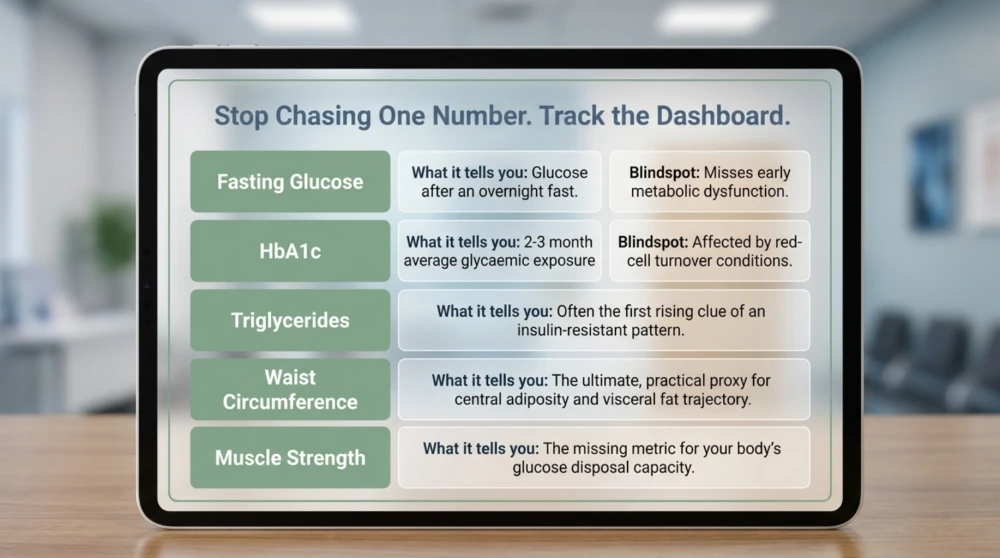
| Assessment | What It Tells You | Important Limitation |
|---|---|---|
| Fasting glucose | Glucose regulation after an overnight fast | Can remain normal during earlier metabolic dysfunction |
| HbA1c | Average glycaemic exposure over approximately 2–3 months | Can be affected by some conditions altering red-cell turnover |
| 75-g OGTT | Response to a standard glucose challenge | More time-consuming than fasting glucose or HbA1c |
| Lipid profile | Triglycerides, HDL, LDL and overall lipid pattern | Does not diagnose insulin resistance by itself |
| Waist circumference | Practical marker of central adiposity | Does not directly measure visceral fat |
| Blood pressure | Important cardiometabolic risk marker | Should be interpreted from properly measured readings |
Fasting Glucose Can Look Normal While Metabolic Risk Is Increasing
Fasting glucose is useful, but it captures only one moment in glucose regulation.
During early insulin resistance, pancreatic beta cells may compensate by secreting more insulin. This compensation can keep fasting glucose within the reference range for a considerable period.
Normal Fasting Sugar Does Not Always Mean Perfect Glucose Metabolism
A woman may have a fasting glucose of 92 mg/dL and assume that diabetes risk is negligible.
But if her waist circumference has increased, triglycerides are rising, physical activity has fallen and there is a strong family history of type 2 diabetes, the overall metabolic picture deserves more attention than the fasting glucose alone suggests.
What Does HbA1c Add?
HbA1c estimates average glycaemic exposure over the preceding several weeks and is widely used to screen for and diagnose prediabetes and diabetes.
It is convenient because fasting is not required.
However, HbA1c and fasting glucose measure different aspects of glycaemia, so they do not always classify the same person identically.
HbA1c Also Has Limitations
Iron deficiency, anaemia, altered red-cell survival, haemoglobin variants, recent blood loss and certain medical conditions can affect HbA1c interpretation.
When the HbA1c seems inconsistent with glucose measurements or the clinical picture, the discrepancy should be investigated rather than automatically assuming one result must be correct.
When Can an Oral Glucose Tolerance Test Help?
An oral glucose tolerance test, or OGTT, examines how the body handles a standard glucose load.
After an overnight fast, fasting glucose is measured, 75 grams of glucose is consumed, and blood glucose is measured again according to the testing protocol.
This can reveal impaired glucose tolerance that may not be apparent from fasting glucose alone.
Not Every Woman in Menopause Needs an OGTT
The test is most useful when there is a clinical reason for additional assessment—for example, discordant results, substantial diabetes risk or a history such as gestational diabetes where more careful surveillance may be appropriate.
What About Fasting Insulin and HOMA-IR?
Many commercial health packages now offer fasting insulin and calculate HOMA-IR.
These measurements can provide physiological information, particularly in research, but they have limitations for routine diagnosis.
Insulin assays are not fully standardised, and proposed thresholds for HOMA-IR vary among populations and studies.
Do Not Let One Insulin Number Define Your Metabolic Health
There is no universally accepted fasting-insulin or HOMA-IR cut-off that diagnoses insulin resistance in every woman.
Clinical decisions are generally better grounded in established outcomes such as glucose status, blood pressure, lipids, adiposity and overall cardiovascular risk.
Why Triglycerides Often Rise With Insulin Resistance
Insulin resistance affects much more than glucose.
When adipose tissue becomes less responsive to insulin, greater amounts of free fatty acids can reach the liver. The liver may increase production of triglyceride-rich lipoproteins, contributing to elevated circulating triglycerides.
Insulin-resistant patterns may therefore include elevated triglycerides together with lower HDL cholesterol, increasing waist circumference and abnormal glucose regulation.
Triglycerides Can Be an Early Metabolic Clue
A woman whose fasting glucose remains normal but whose triglycerides have risen substantially over several years may deserve a broader metabolic assessment, particularly if abdominal adiposity has also increased.
Triglycerides are influenced by many factors, however, including alcohol, diet, genetics, thyroid disease, diabetes and medications. They should not be interpreted as a stand-alone insulin resistance test.
Menopause, Insulin Resistance and Fatty Liver
Metabolic dysfunction-associated steatotic liver disease (MASLD), commonly called fatty liver, is closely associated with insulin resistance and visceral adiposity.
As abdominal fat and metabolic risk increase during midlife, liver fat can also become relevant.
You Can Have Fatty Liver Without Being Obviously Overweight
This is particularly important in South Asian populations.
A woman may have a BMI that does not appear very high while carrying excess visceral fat and developing fatty liver, dyslipidaemia or abnormal glucose metabolism.
Normal liver enzymes do not reliably exclude fatty liver either.
Why Waist Circumference Deserves More Attention After Menopause
The weighing scale measures total body mass. It cannot tell whether weight represents muscle, subcutaneous fat, visceral fat, bone or water.
Waist circumference provides a simple additional measure of central adiposity.
For Indian and other South Asian women, a waist circumference of 80 cm or more is commonly used as a threshold indicating increased cardiometabolic risk, although risk exists on a continuum rather than suddenly appearing at one number.
Track the Trend, Not Just the Threshold
If a woman's waist has increased from 72 cm to 79 cm over several years, the fact that she has not yet crossed a particular threshold does not make the change irrelevant.
Direction and trajectory matter.
Waist-to-Height Ratio Can Add Another Useful Perspective
Waist-to-height ratio adjusts waist circumference for body size.
It is calculated by dividing waist circumference by height using the same units.
A simple public-health message sometimes used is to keep waist circumference below approximately half of height.
Do Not Treat 0.5 as a Magical Diagnostic Boundary
Waist-to-height ratio is a risk-screening measure, not a diagnosis of insulin resistance or diabetes.
Its usefulness lies in drawing attention to central adiposity, especially in someone whose BMI may appear reassuring.
Why Muscle Becomes Increasingly Important After 40
If there is one component of menopause and insulin resistance that deserves more attention, it is skeletal muscle.
Muscle is not merely something that improves appearance or athletic performance. It is metabolically active tissue that plays a major role in glucose disposal.
With ageing, muscle mass, muscle quality and strength can gradually decline unless they are actively protected.
The Goal Should Not Be Weight Loss at Any Cost
Imagine two women who each lose 6 kg.
One loses predominantly body fat while preserving muscle through adequate protein and resistance exercise.
The other follows a severe calorie-restricted diet, consumes inadequate protein and performs little strength training, losing substantial muscle along with fat.
The weighing scale shows the same result.
The metabolic outcome may not be the same.
Why Aggressive Dieting Can Backfire During Menopause
Very low-calorie diets can produce rapid weight loss, which can feel rewarding initially.
But inadequate energy and protein combined with little resistance exercise can increase loss of lean tissue.
Repeated cycles of severe restriction followed by regain may leave a woman lighter temporarily without improving long-term body composition.
Protect Muscle While Losing Fat
When weight reduction is appropriate, the objective should usually be sustainable fat loss while minimising unnecessary muscle loss.
This means combining a reasonable calorie deficit with adequate protein, resistance training, regular daily movement and sufficient recovery.
How Much Protein Is Needed Around Menopause?
Protein requirements vary according to body size, activity, kidney function, total calorie intake and health status.
There is therefore no single protein prescription for every menopausal woman.
However, relying on a low-protein breakfast, small dal portion at lunch and mostly carbohydrate-based dinner can make it difficult to distribute adequate protein through the day.
Think About Protein Per Meal, Not Only Per Day
A practical strategy is to include a meaningful protein source at breakfast, lunch and dinner rather than consuming most of the day's protein in one meal.
Depending on dietary preference, useful options include eggs, curd, Greek-style yoghurt, paneer, tofu, soya, dals and legumes, fish, chicken and appropriately selected protein supplements.
Does Leucine Matter After Menopause?
Leucine is an essential amino acid involved in signalling muscle protein synthesis.
As people age, skeletal muscle may become somewhat less responsive to small protein doses—a concept often described as anabolic resistance.
This is one reason adequate high-quality protein becomes increasingly relevant with age.
Do Not Reduce Muscle Nutrition to a Leucine Supplement
Muscle preservation requires the complete picture: adequate total protein, sufficient essential amino acids, resistance training, enough overall nutrition and recovery.
Leucine cannot compensate for a chronically inadequate diet or absence of muscle-loading exercise.
Resistance Training Is One of the Most Useful Tools After Menopause
Walking is excellent for cardiovascular health and should be encouraged.
But walking alone does not provide the same stimulus for maintaining muscle and strength as progressive resistance exercise.
Resistance training can involve weights, resistance bands, machines or appropriately progressed body-weight exercises.
Start With the Major Muscle Groups
A practical programme may include movements that train the legs, hips, back, chest, shoulders and arms.
For many adults, muscle-strengthening activity on at least two days per week is a reasonable baseline recommendation, with progression according to ability and medical status.
Why Strength Matters Beyond Blood Sugar
Maintaining muscle and strength supports mobility, balance, bone health, independence and the ability to remain physically active with age.
This makes resistance training especially valuable during and after menopause, when both muscle and bone deserve attention.
Do You Still Need Cardio?
Yes.
Resistance training and aerobic exercise should not be treated as competitors.
Brisk walking, cycling, swimming, jogging or other aerobic activity improves cardiorespiratory fitness and contributes to cardiovascular and metabolic health.
The Combination Is More Practical Than Choosing One
Current physical-activity guidance for adults generally recommends at least 150 minutes of moderate-intensity aerobic activity per week, or an equivalent amount of vigorous activity, together with muscle-strengthening exercise on at least two days per week.
People who are currently inactive can begin with much smaller amounts and progress gradually.
Walking After Meals Can Be Surprisingly Useful
Physical activity does not have to occur only during a formal one-hour workout.
Muscle contraction helps stimulate glucose uptake, which is one reason short periods of walking after meals can improve post-meal glucose responses.
Ten Minutes Can Be More Realistic Than Waiting for the Perfect Workout
A brief walk after lunch or dinner may be easier to maintain than relying entirely on a long exercise session at the end of an exhausting day.
These small bouts also help break prolonged sedentary time.
NEAT Matters More Than Most People Realise
Non-exercise activity thermogenesis, or NEAT, refers to energy expenditure from everyday movement outside formal exercise.
This includes walking around the house or workplace, standing, household activity, taking stairs and other spontaneous movement.
One Workout Cannot Completely Compensate for an Otherwise Sedentary Day
A woman may exercise for 45 minutes each morning but then sit for ten hours.
Formal exercise is still beneficial, but increasing movement throughout the day adds another layer of metabolic protection.
Why Sleep Treatment Can Help Metabolic Management
When night sweats, insomnia or sleep apnoea repeatedly disrupt sleep, telling someone simply to “eat less” ignores an important contributor to metabolic behaviour.
Poor sleep can increase fatigue, reduce exercise motivation and make appetite regulation more difficult.
Investigate the Reason for Poor Sleep
Management may involve addressing vasomotor symptoms, sleep habits, mood disorders, restless legs, medication effects or suspected obstructive sleep apnoea.
Sleep should be considered part of metabolic care rather than a luxury added after diet and exercise.
Stress Management Is Not a Substitute for Medical Treatment
Yoga, meditation, breathing exercises and other stress-management techniques can improve wellbeing and may support healthier routines.
But high glucose, hypertension or dyslipidaemia should not be attributed solely to “high cortisol” without appropriate evaluation.
Avoid the Cortisol-Belly-Fat Shortcut
Online content frequently explains all menopausal abdominal fat as a cortisol problem.
Cortisol physiology is important, but routine midlife weight gain should not automatically be interpreted as a cortisol disorder.
True pathological cortisol excess has specific clinical features and requires proper medical assessment.
What About Intermittent Fasting During Menopause?
Time-restricted eating can help some people reduce calorie intake because it creates a simpler eating structure.
It is not inherently superior to every other dietary approach, and it is not necessary for treating menopause and insulin resistance.
The Eating Window Matters Less Than What Happens Inside It
An eight-hour eating window filled with calorie-dense snacks and inadequate protein is not automatically metabolically healthy.
Likewise, prolonged fasting that leads to overeating at night or makes resistance training difficult may be counterproductive.
The approach should fit the individual rather than forcing every menopausal woman into the same fasting schedule.
Do Carbohydrates Need to Be Eliminated?
No.
Carbohydrate quality, quantity and context matter.
Whole grains, legumes, vegetables, whole fruits and other minimally processed carbohydrate sources can fit into a metabolically healthy diet.
What deserves greater attention is frequent consumption of refined grains, sweets, sugary beverages and highly processed foods that are easy to overconsume.
Combine Carbohydrates With Protein, Fibre and Appropriate Portions
For example, a meal containing dal, vegetables, curd and a measured portion of roti or rice produces a very different nutritional pattern from a meal dominated by refined carbohydrate with little protein or fibre.
The goal is not carbohydrate fear. It is better meal structure.
Can Menopausal Hormone Therapy Improve Insulin Resistance?
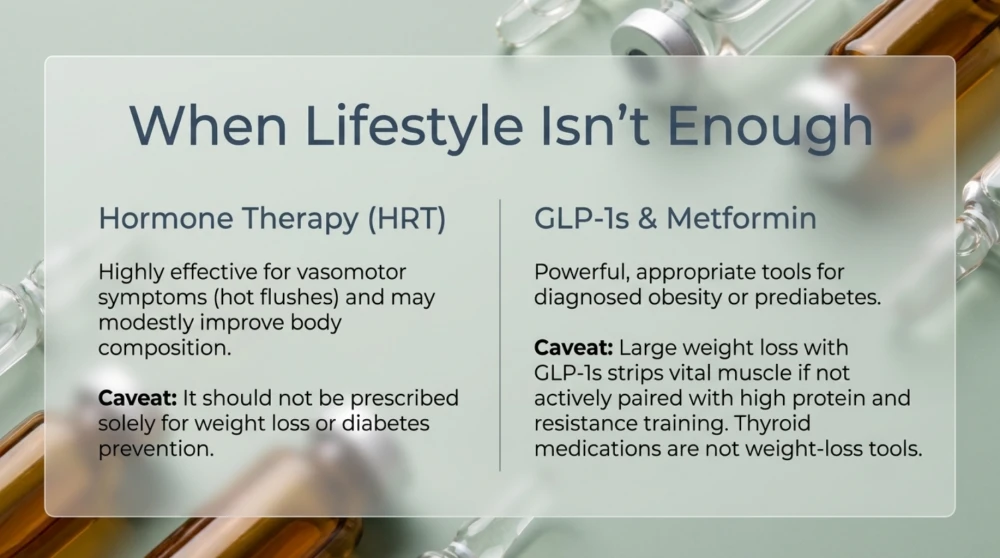
Menopausal hormone therapy can have favourable effects on some aspects of glucose metabolism and body composition, and research suggests it may reduce new-onset diabetes while treatment is being used in some populations.
However, hormone therapy should not be prescribed primarily as a diabetes-prevention or weight-loss treatment.
The Main Indication for Hormone Therapy Is Menopausal Symptom Management
For appropriately selected women with bothersome vasomotor symptoms or other established indications, menopausal hormone therapy can be highly effective.
The decision depends on age, time since menopause, symptoms, cardiovascular and thrombotic risk, breast cancer risk, uterine status and personal preferences.
Its metabolic effects can be considered part of the overall discussion, but they should not become the sole reason for treatment.
What Should You Track Instead of Weight Alone?
For women concerned about menopause and insulin resistance, a broader metabolic dashboard can be more useful than daily weighing.
| Marker | What to Look For |
|---|---|
| Waist circumference | Long-term direction rather than daily fluctuations |
| Body weight | Useful trend, but not the only goal |
| Strength | Ability to maintain or progressively improve muscle performance |
| Physical activity | Weekly aerobic exercise, resistance training and daily movement |
| Blood pressure | Properly measured trend over time |
| Glucose/HbA1c | Progression toward or away from prediabetes and diabetes |
| Triglycerides and HDL | Changes in the broader metabolic pattern |
Why This Approach Works Better Than Chasing a Lower Scale Weight
Imagine that after six months a woman weighs only 2 kg less.
She might consider the programme unsuccessful.
But suppose her waist has fallen by 6 cm, she can now perform resistance training consistently, her triglycerides have improved, HbA1c has fallen and she is sleeping better.
Those changes represent meaningful metabolic progress even though the scale has moved modestly.
The Main Lesson From Part 2
The relationship between menopause and insulin resistance cannot be understood from fasting insulin or body weight alone.
Look at the broader pattern: waist circumference, glucose regulation, HbA1c, lipids, blood pressure, fatty liver risk, muscle mass and strength, physical activity and sleep.
At the same time, treatment should not become an increasingly restrictive diet.
After midlife, protecting muscle becomes particularly important. Adequate protein, resistance training, aerobic exercise, post-meal movement and less sedentary time can improve the metabolic environment while supporting long-term physical function.
How Can You Reduce Menopause Belly Fat Without Losing Muscle?
For many women, the most frustrating part of the menopausal transition is not simply weight gain. It is the change in where weight is carried.
The waist becomes larger, abdominal fat becomes more noticeable and the body may feel softer even when body weight has changed only modestly.
Trying to correct this with aggressive dieting can create another problem: loss of skeletal muscle.
A better approach to menopause and insulin resistance is to aim for gradual reduction in excess body fat while protecting muscle through adequate protein, resistance training, regular movement and sustainable energy intake.
You Cannot Selectively Burn Belly Fat
Abdominal exercises can strengthen abdominal muscles, but they do not selectively remove visceral or subcutaneous abdominal fat.
Fat loss occurs according to overall energy balance, genetics, hormones and individual fat distribution.
The useful target is therefore improvement in overall body composition rather than attempting to “spot reduce” the abdomen.
Avoid the Cycle of Crash Dieting and Weight Regain
When a woman suddenly notices increasing abdominal fat, the natural response may be to cut calories dramatically.
This can produce rapid initial weight loss, but a substantial calorie deficit combined with inadequate protein and no resistance training increases the risk of losing lean tissue.
If the diet later becomes unsustainable and weight returns, the resulting body composition may be less favourable than expected.
Slower Fat Loss Can Be Metabolically More Sensible
The goal should not be to lose the maximum possible number of kilograms in the shortest possible time.
For women with excess weight, a sustainable calorie deficit that allows adequate nutrition, protein intake and exercise is usually a better long-term strategy.
What Should a Menopause-Friendly Meal Look Like?
There is no single “menopause diet.”
A practical meal should provide adequate protein, vegetables or another fibre-rich food, an appropriate portion of minimally processed carbohydrate and predominantly unsaturated fats.
This structure can improve satiety while making it easier to control overall energy intake.
A Practical Indian Meal Example
Instead of making lunch predominantly rice or roti, build the meal around vegetables and a meaningful protein source such as dal, paneer, curd, tofu, soya, eggs, fish or chicken.
Rice or roti can then be included in an appropriate portion according to energy requirements, glucose status and activity.
This is usually more sustainable than declaring rice, roti or fruit completely forbidden.
Does Breakfast Matter for Menopause and Insulin Resistance?
Breakfast is not compulsory for every healthy adult, and eating breakfast does not automatically improve insulin sensitivity.
However, the composition of breakfast matters when someone chooses to eat it.
A breakfast dominated by refined carbohydrate can provide substantial calories while containing relatively little protein or fibre.
A “Healthy” Breakfast Can Still Be Poorly Balanced
Large portions of cereal, granola, fruit juice, sweetened yoghurt, biscuits marketed as high-fibre foods or multiple slices of bread can create a carbohydrate-heavy meal despite having a healthy image.
For many midlife women, including a meaningful protein source at breakfast can improve meal quality and help distribute protein more evenly through the day.
Examples include eggs, curd or Greek-style yoghurt, paneer, tofu, soya or an appropriate protein supplement when required.
Do You Need to Stop Eating Fruit?
No.
Whole fruit provides fibre, vitamins, minerals and phytochemicals and can be included in a metabolically healthy diet.
The important distinction is between whole fruit and fruit juice.
Whole Fruit Is Not the Same as Juice
Juicing removes much of the structural fibre and makes it easy to consume the carbohydrate from several pieces of fruit quickly.
For someone trying to improve glucose control or reduce calorie intake, whole fruit is generally a more useful choice than fruit juice.
Healthy Foods Can Still Cause Weight Gain if Portions Become Large
Nuts, seeds, peanut butter, granola, dates, dark chocolate and healthy oils can all fit into a nutritious diet.
But several of these foods are energy dense.
A handful of nuts can gradually become several handfuls. A spoon of peanut butter can become three. Olive oil poured freely over meals can add substantial energy without much effect on fullness.
Food Quality and Quantity Both Matter
Calling a food healthy does not make its calories disappear.
Portion awareness becomes especially useful when total energy expenditure has declined with age or activity.
What About Alcohol During and After Menopause?
Alcohol provides calories, can interfere with sleep and may contribute to higher triglycerides in susceptible individuals.
It can also make portion control more difficult by reducing inhibition around food.
For women with elevated triglycerides, fatty liver or difficulty managing weight, alcohol intake deserves particular attention.
Alcohol Should Not Be Started for Heart Health
Older observational studies sometimes created the impression that moderate alcohol consumption was cardioprotective.
Alcohol is not recommended as a strategy for preventing cardiovascular disease.
For cancer risk, less alcohol is generally better.
What if Diet and Exercise Are Not Enough?
Lifestyle intervention remains foundational, but obesity, prediabetes and type 2 diabetes are medical conditions—not simply failures of discipline.
Some women will meet criteria for pharmacological treatment in addition to lifestyle intervention.
The appropriate medicine depends on the actual diagnosis rather than menopause itself.
Does Metformin Treat Menopause and Insulin Resistance?
Metformin is an established medicine for type 2 diabetes and is also used in selected people at high risk of developing diabetes.
It can improve glucose regulation and insulin sensitivity, but menopause alone is not an indication for metformin.
Do Not Treat a High Fasting Insulin Number Automatically
Prescribing metformin solely because a commercial laboratory panel reports “high insulin resistance” is not necessarily appropriate.
The decision should consider glucose status, previous gestational diabetes, BMI, overall diabetes risk, kidney function and other clinical factors.
What About GLP-1 Medicines After Menopause?
GLP-1 receptor agonists such as semaglutide and related incretin-based treatments have significantly changed the management of obesity and type 2 diabetes.
For women who meet appropriate medical criteria, these medicines can produce substantial weight loss and improve several cardiometabolic outcomes.
They are not, however, treatments specifically for menopause.
Muscle Preservation Becomes Particularly Important During Large Weight Loss
Weight lost during pharmacological obesity treatment includes both fat and some lean tissue.
For a woman already entering an age when muscle preservation is increasingly important, adequate nutrition and resistance exercise should not be treated as optional extras.
Protein intake, strength training and avoidance of unnecessary extreme calorie restriction deserve attention throughout treatment.
Do GLP-1 Medicines Permanently Fix Insulin Resistance?
These medicines can produce substantial improvements in weight and metabolic health while treatment is continued, but obesity is a chronic condition and weight regain can occur after medication withdrawal.
Patients should therefore understand treatment as part of long-term disease management rather than a short “course” designed to reset metabolism permanently.
Can Menopausal Hormone Therapy Prevent Belly Fat?
Menopausal hormone therapy can influence body composition and glucose metabolism, and evidence suggests that it may modestly reduce central fat accumulation and improve some metabolic measures.
However, it should not be prescribed primarily as a weight-loss treatment.
Hormone Therapy Has Specific Indications
Menopausal hormone therapy is the most effective treatment for bothersome vasomotor symptoms such as hot flushes and night sweats and has an important role in appropriate women with other menopausal indications.
Whether it is suitable depends on individual factors including age, time since menopause, symptoms, cardiovascular and thrombotic risk, cancer history, whether the uterus is present and personal preferences.
Does Hormone Therapy Cause Weight Gain?
Fear of weight gain is one reason some women avoid menopausal hormone therapy.
Current evidence does not support the idea that appropriately prescribed menopausal hormone therapy is a major cause of midlife weight gain.
Changes in weight and body composition occurring during these years are much more complex.
Do Not Use Hormone Therapy Solely to Prevent Diabetes
Although hormone therapy can have favourable effects on glucose metabolism and has been associated with lower incidence of diabetes during treatment in clinical trials, it is not recommended solely for diabetes prevention.
Its benefits and risks should be considered according to established menopausal indications.
Could Thyroid Disease Be Causing the Weight Gain?
Hypothyroidism can cause symptoms that overlap with menopause, including fatigue, weight change, constipation, dry skin and altered mood.
Thyroid dysfunction should therefore be considered when symptoms or clinical circumstances suggest it.
But Do Not Blame Every Midlife Weight Change on the Thyroid
When thyroid function is normal, taking thyroid hormone does not provide a safe or appropriate weight-loss strategy.
Similarly, nonspecific symptoms alone should not be interpreted as evidence of “suboptimal thyroid function” when appropriate testing is normal.
When Does Rising Blood Sugar Become Prediabetes?
Prediabetes can be identified using fasting plasma glucose, HbA1c or a 2-hour glucose value during a 75-g OGTT.
| Test | Prediabetes Range | Diabetes Range |
|---|---|---|
| Fasting plasma glucose | 100–125 mg/dL | ≥126 mg/dL |
| HbA1c | 5.7–6.4% | ≥6.5% |
| 2-hour glucose during 75-g OGTT | 140–199 mg/dL | ≥200 mg/dL |
In the absence of unequivocal hyperglycaemia, an abnormal diagnostic result generally requires confirmation according to standard diagnostic criteria.
Prediabetes Is a Warning, Not an Inevitable Progression to Diabetes
Finding prediabetes during menopause can actually create an opportunity for early intervention.
Weight management when appropriate, regular physical activity, improved dietary quality and treatment of other cardiovascular risk factors can substantially alter future risk.
Do Not Wait Until HbA1c Reaches the Diabetes Range
The metabolic changes leading to type 2 diabetes develop gradually.
An increasing waist, rising triglycerides, fatty liver, hypertension and progressively increasing glucose can provide opportunities to intervene before overt diabetes develops.
A Practical 12-Week Strategy for Menopause and Insulin Resistance
Rather than changing everything at once, a structured three-month approach can make progress easier to measure.
Weeks 1–4: Establish the Baseline
- Measure body weight and waist circumference.
- Review fasting glucose and HbA1c when clinically appropriate.
- Check blood pressure.
- Review lipid profile.
- Assess sleep quality and possible sleep apnoea symptoms.
- Estimate current daily activity and prolonged sitting.
- Identify where meaningful protein sources are missing from meals.
Weeks 5–8: Build Muscle and Improve Meal Structure
- Progress toward resistance training at least twice weekly.
- Continue or gradually increase aerobic activity.
- Include a meaningful protein source in major meals.
- Increase vegetables, legumes and other fibre-rich foods gradually.
- Reduce frequent liquid calories and ultra-processed snacks.
- Use short walks after meals when practical.
- Break up prolonged periods of sitting.
Weeks 9–12: Review Trends Rather Than Perfection
Look again at waist circumference, body weight, strength, activity, sleep and dietary consistency.
Laboratory tests do not necessarily need repeating after only 12 weeks in everyone. The timing of repeat glucose, HbA1c or lipid testing should depend on the original abnormality and clinical plan.
The objective is to establish habits that can continue for years rather than complete a temporary “menopause challenge.”
What Does Successful Progress Actually Look Like?
Success does not require returning to the body weight you had at age 25.
It may mean losing some abdominal fat while becoming stronger.
It may mean preventing further waist gain.
It may mean lowering HbA1c from the prediabetes range, improving triglycerides, controlling blood pressure or walking upstairs without becoming exhausted.
These outcomes often matter more for long-term health than achieving an arbitrary number on the weighing scale.
Common Myths About Menopause and Insulin Resistance
Myth 1: Menopause Automatically Causes Diabetes
False. Menopause can contribute to changes in body composition and metabolic risk, but type 2 diabetes results from multiple interacting factors.
Myth 2: Belly Fat After Menopause Is Entirely Due to Low Oestrogen
False. Hormonal changes influence fat distribution, while ageing, physical activity, nutrition, sleep, genetics and overall energy balance also contribute.
Myth 3: If Your Weight Has Not Increased, Your Metabolic Health Has Not Changed
False. Muscle can decrease while visceral fat increases without a large change in total body weight.
Myth 4: A Normal Fasting Glucose Rules Out Insulin Resistance
False. Compensatory insulin secretion can maintain normal fasting glucose during earlier metabolic dysfunction.
Myth 5: Everyone Needs a Fasting Insulin and HOMA-IR Test
False. These measurements have limitations and are not required routinely to assess diabetes risk.
Myth 6: Carbohydrates Must Be Completely Eliminated
False. Carbohydrate quality, quantity and overall meal structure matter more than simply labelling all carbohydrates harmful.
Myth 7: Walking Is Enough to Prevent Muscle Loss
Walking is excellent exercise, but progressive resistance training provides a stronger stimulus for preserving muscle and strength.
Myth 8: Hormone Therapy Is a Weight-Loss Treatment
False. Menopausal hormone therapy has established indications for menopausal symptoms and other selected circumstances; it should not be prescribed primarily for weight loss.
Myth 9: Weight Gain Means You Have a Hormonal Imbalance
False. Midlife weight change is multifactorial. Hormonal changes are relevant, but they are only one part of the picture.
When Should You Discuss Rising Blood Sugar With a Doctor?
Medical assessment becomes particularly important when fasting glucose or HbA1c enters the prediabetes or diabetes range, when results are progressively increasing, or when several cardiometabolic risk factors occur together.
Evaluation is also worthwhile when increasing abdominal adiposity is accompanied by hypertension, elevated triglycerides, fatty liver or a strong family history of diabetes.
Some Symptoms Need More Prompt Assessment
Seek medical evaluation if you develop marked thirst, unusually frequent urination, unexplained weight loss, recurrent infections, persistent blurred vision or other symptoms suggesting significant hyperglycaemia.
However, remember that prediabetes and early type 2 diabetes are commonly asymptomatic. Screening should therefore not depend on symptoms alone.
Menopause and Insulin Resistance: A Practical Checklist
- Do not judge metabolic health from body weight alone.
- Track waist circumference as well as weight when central fat is increasing.
- Know your fasting glucose and HbA1c when screening is appropriate.
- Review triglycerides, HDL, LDL and blood pressure.
- Consider fatty liver risk when abdominal adiposity and metabolic abnormalities coexist.
- Include adequate protein rather than relying on predominantly carbohydrate-based meals.
- Perform resistance exercise regularly to protect muscle.
- Continue aerobic activity and increase everyday movement.
- Use brief post-meal walks when practical.
- Investigate persistent poor sleep, snoring and excessive daytime sleepiness.
- Avoid crash diets that produce rapid weight loss at the expense of muscle.
- Do not start metformin, GLP-1 medicines or hormone therapy solely because menopause has occurred.
Key Takeaways: Menopause and Insulin Resistance
- Menopause and insulin resistance can be connected through changes in body-fat distribution, muscle, sleep, activity and ovarian hormone exposure.
- Menopause appears particularly important for the shift toward abdominal and visceral fat, while ageing also contributes to overall weight and muscle changes.
- A larger waist can be metabolically important even when body weight changes very little.
- South Asian women may develop metabolic risk at comparatively lower BMI levels, making central adiposity particularly relevant.
- Normal fasting glucose does not necessarily mean that metabolic risk is absent.
- Fasting glucose, HbA1c, lipids, blood pressure and waist circumference generally provide more actionable information than chasing one fasting-insulin number.
- Muscle is metabolically important tissue and deserves active protection after midlife.
- Resistance training, adequate protein, aerobic exercise and regular daily movement should work together.
- Crash dieting can reduce both fat and muscle and should not be the default response to menopausal weight gain.
- Menopausal hormone therapy should be prescribed for appropriate menopausal indications—not simply as a treatment for abdominal fat or diabetes prevention.
- Obesity, prediabetes and diabetes can be treated medically when appropriate; needing treatment is not evidence that lifestyle intervention has “failed.”
References
- The Menopause Society. Current clinical guidance and position statements on menopause, menopausal hormone therapy and midlife health.
- American Diabetes Association Professional Practice Committee. Standards of Care in Diabetes—2026. Recommendations for screening, diagnosis and prevention of type 2 diabetes and management of cardiometabolic risk.
- World Health Organization. WHO Guidelines on Physical Activity and Sedentary Behaviour. Recommendations for aerobic and muscle-strengthening activity in adults.
- International Diabetes Federation. Consensus recommendations addressing central obesity and cardiometabolic risk, including population-specific waist circumference considerations.
- Recent clinical and epidemiological literature examining menopause, visceral adiposity, body composition, skeletal muscle, glucose metabolism, sleep and cardiometabolic risk across the menopausal transition.
Medical note: Changes in weight, waist circumference or blood glucose during menopause have multiple possible causes. Individual assessment is particularly important when glucose, blood pressure or lipids are abnormal, or when symptoms are new, severe or unexplained.
Written by Dr. Pankaj Kumar , General & Lifestyle Physician, Dwarka, New Delhi