
















.webp)
- 20th April 2026
Table of Contents
- The Frustration Many People Experience
- Activity Alone Cannot Compensate for Metabolic Imbalance
- The Role of Insulin Resistance
- Hidden Calorie Intake
- Overestimation of Physical Activity
- The Role of Diet Quality, Not Just Quantity
- Frequent Eating and Snacking Patterns
- Sleep and Stress: The Silent Contributors
- Muscle vs Fat: What Actually Matters
- Why Plateau Happens Despite Effort
- What Should You Focus on Instead of Just “Being Active”?
- 1. Prioritize Strength Training
- 2. Improve Meal Structure
- 3. Reduce Unnecessary Snacking
- 4. Optimize Sleep and Stress
- 5. Track Progress Beyond Weight
- Why Understanding the Root Cause Matters
- Practical Take-Home Messages
The Frustration Many People Experience
A common concern I hear in clinic is, “I am active, I walk daily, sometimes even exercise, but my weight is still increasing.” This creates confusion and often leads to the belief that something is seriously wrong.
In reality, weight gain despite activity is not unusual. It usually reflects underlying metabolic factors rather than lack of effort.
Activity Alone Cannot Compensate for Metabolic Imbalance
Physical activity improves health, but it cannot fully compensate for poor metabolic control. Many people overestimate the calorie burn from exercise and underestimate the impact of diet, hormones, and daily habits.
For example, a short walk may burn limited calories, but frequent snacking or high-calorie meals can easily exceed that expenditure.
.webp)
The Role of Insulin Resistance
One of the most common reasons for weight gain despite activity is insulin resistance. In this condition, the body’s cells do not respond effectively to insulin, leading to higher insulin levels.
Elevated insulin promotes fat storage and makes fat loss more difficult, even if a person is physically active.
Hidden Calorie Intake
Many individuals unknowingly consume more calories than they realize. Small additions like tea with sugar, biscuits, packaged snacks, or frequent “healthy” snacks can add up over the day.
Even when meals seem controlled, these hidden calories can prevent weight loss or lead to gradual weight gain.
Overestimation of Physical Activity
Not all activity has the same metabolic impact. Light walking or occasional exercise may not be sufficient to create a meaningful energy deficit or improve insulin sensitivity significantly.
Consistency, intensity, and type of activity all matter more than just being “generally active.”
The Role of Diet Quality, Not Just Quantity
Many people focus only on how much they eat, but what they eat matters equally. Diets high in refined carbohydrates and low in protein or fiber can lead to frequent hunger and poor satiety, even if total calories appear reasonable.
This often results in repeated eating throughout the day, which keeps insulin levels elevated and promotes fat storage over time.
Frequent Eating and Snacking Patterns
Frequent snacking is a common but often overlooked factor. Even small snacks trigger insulin release. When this happens repeatedly throughout the day, the body remains in a fat-storage mode for longer durations.
This pattern reduces the body’s ability to use stored fat as energy, making weight loss more difficult despite being active.
Sleep and Stress: The Silent Contributors
Sleep quality and stress levels significantly influence weight. Poor sleep increases hunger hormones and reduces insulin sensitivity. Similarly, chronic stress raises cortisol levels, which promotes fat accumulation, especially around the abdomen.
These factors often go unnoticed but can strongly affect weight despite regular activity.
Muscle vs Fat: What Actually Matters
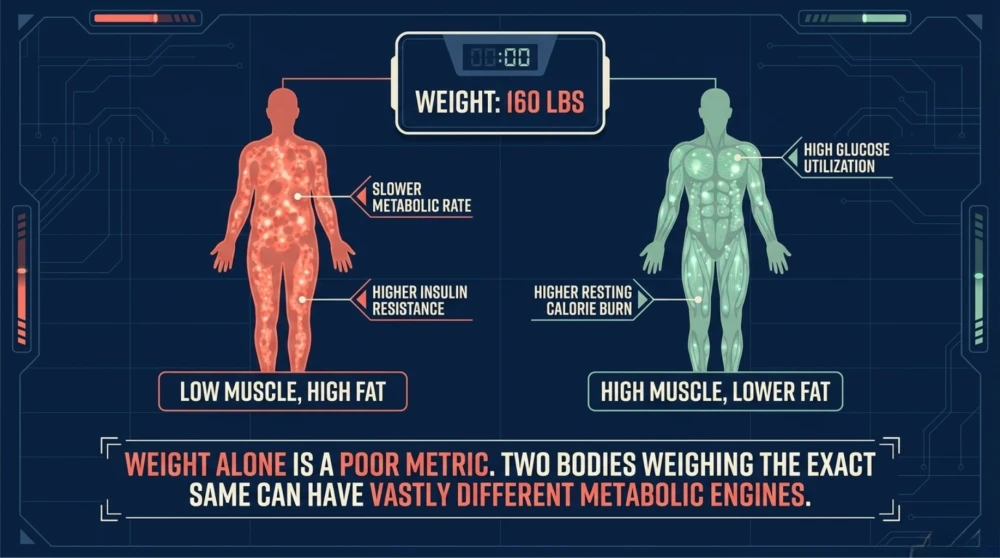 Body weight alone does not reflect metabolic health. Two individuals with the same weight may have very different body compositions.
Low muscle mass reduces metabolic rate and glucose utilization, while higher fat mass promotes insulin resistance. Without strength training, even active individuals may struggle to improve body composition.
Why Plateau Happens Despite Effort
Over time, the body adapts to routine activity. If the same level of exercise is continued without progression, its effectiveness decreases. This leads to a plateau where weight stops changing despite continued effort.
This is a physiological adaptation and not a failure of discipline.
What Should You Focus on Instead of Just “Being Active”?
The key shift is to move from simply being active to being metabolically effective. This means aligning activity, nutrition, and daily habits to support fat loss and metabolic health together.
1. Prioritize Strength Training
Building and maintaining muscle improves insulin sensitivity and increases resting metabolic rate. This makes the body more efficient at using glucose and burning calories even at rest.
2. Improve Meal Structure
Balanced meals that include protein, fiber, and healthy fats help reduce frequent hunger and stabilize blood sugar. This reduces unnecessary snacking and supports better fat utilization.
3. Reduce Unnecessary Snacking
Spacing meals appropriately allows insulin levels to fall between meals. This creates a metabolic environment where the body can utilize stored fat more effectively.
4. Optimize Sleep and Stress
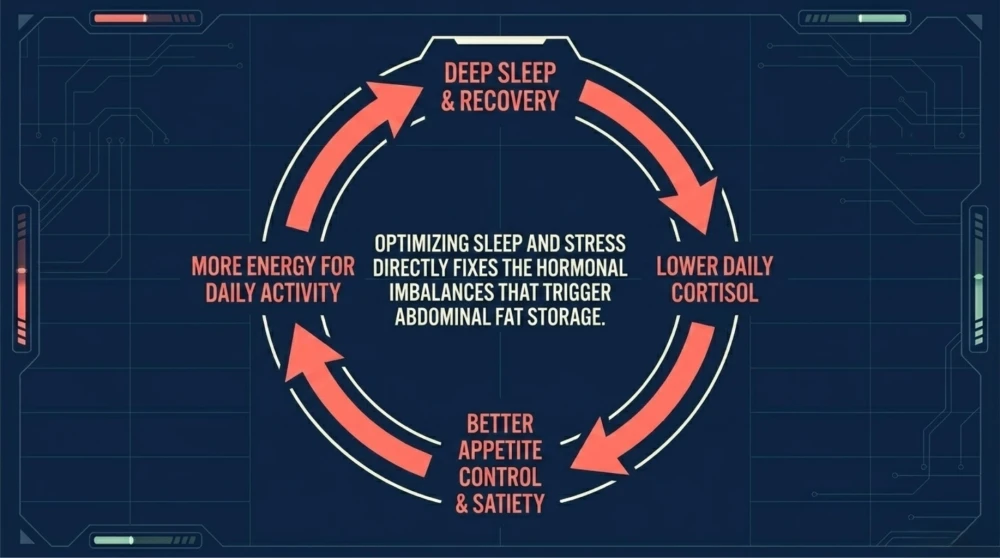
Improving sleep quality and managing stress are essential for hormonal balance. These factors directly influence appetite, energy levels, and fat storage patterns.
5. Track Progress Beyond Weight
Instead of focusing only on body weight, monitor waist circumference, energy levels, and strength improvements. These provide a better reflection of metabolic health.
Why Understanding the Root Cause Matters
Weight gain despite activity is often not due to lack of effort, but due to underlying metabolic inefficiency. Addressing only activity without correcting diet, sleep, and hormonal factors leads to limited results.
Once the root cause is identified and corrected, the same effort often starts producing visible results.
Practical Take-Home Messages
Being active is important, but it is only one part of the equation. Insulin resistance, diet quality, sleep, and stress all play critical roles in weight regulation.
A structured approach that combines these factors is far more effective than relying on activity alone.
You can book a consultation here: Book Appointment
Written by Dr. Pankaj Kumar, General & Lifestyle Physician, Dwarka, New Delhi