













- 10th April 2026
Table of Contents
- The Problem with “I Feel Fine”
- What Is Early Health Evaluation?
- Why Most Diseases Are Detected Late
- The Silent Phase: Where Prevention Is Possible
- Why Waiting for Symptoms Is Risky
- How Early Evaluation Detects Problems Before They Become Disease
- The Concept of Metabolic Health
- Why Lifestyle Diseases Are Increasing
- What Happens When Early Evaluation Is Ignored
- Who Should Consider Early Health Evaluation
- Common Mistakes People Make
- How to Approach Early Health Evaluation Practically
- The Advantage of Early Intervention
- Why a Doctor-Guided Approach Matters
- What General Adults Should Do Today
- Take-Home Messages
The Problem with “I Feel Fine”
One of the most common statements I hear in clinical practice is: “Doctor, I feel fine, so I didn’t think I needed any tests.” This belief is one of the biggest reasons why lifestyle diseases are detected late.
Conditions like diabetes, hypertension, fatty liver, thyroid disorders, and heart disease usually develop slowly and silently. By the time symptoms appear, significant damage may have already occurred. This is where early health evaluation becomes critical.
What Is Early Health Evaluation?
Early health evaluation means assessing your body before symptoms develop. It includes basic blood tests (glucose, lipid profile, liver function, thyroid), blood pressure monitoring, weight and waist circumference assessment, and lifestyle evaluation (diet, sleep, activity).
The goal is simple: identify risk early and act before disease develops.
Why Most Diseases Are Detected Late
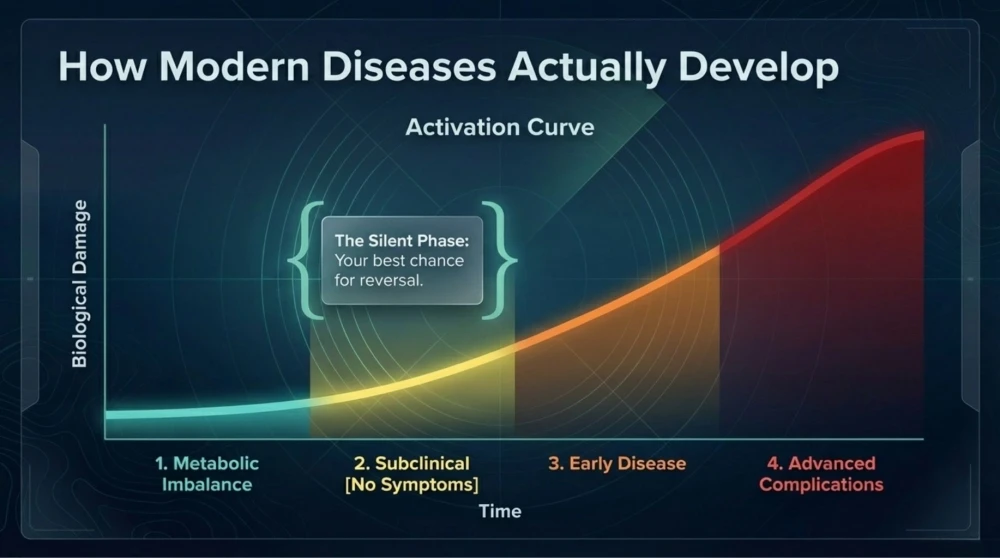
Modern lifestyle diseases are not sudden events. They progress in stages:
- Initial metabolic imbalance
- Subclinical phase (no symptoms)
- Early disease
- Advanced disease with complications
Most people seek medical help only in the last stage.
For example:
- Diabetes may exist for years before diagnosis
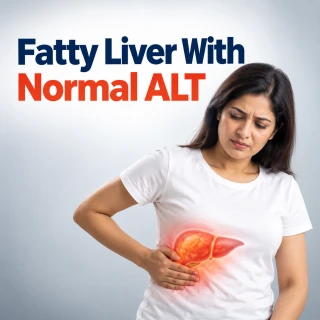
- Fatty liver often remains silent until advanced stages
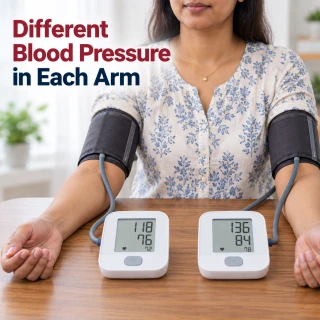
- Hypertension can damage organs without causing symptoms
This delay reduces the chances of easy reversal.
The Silent Phase: Where Prevention Is Possible
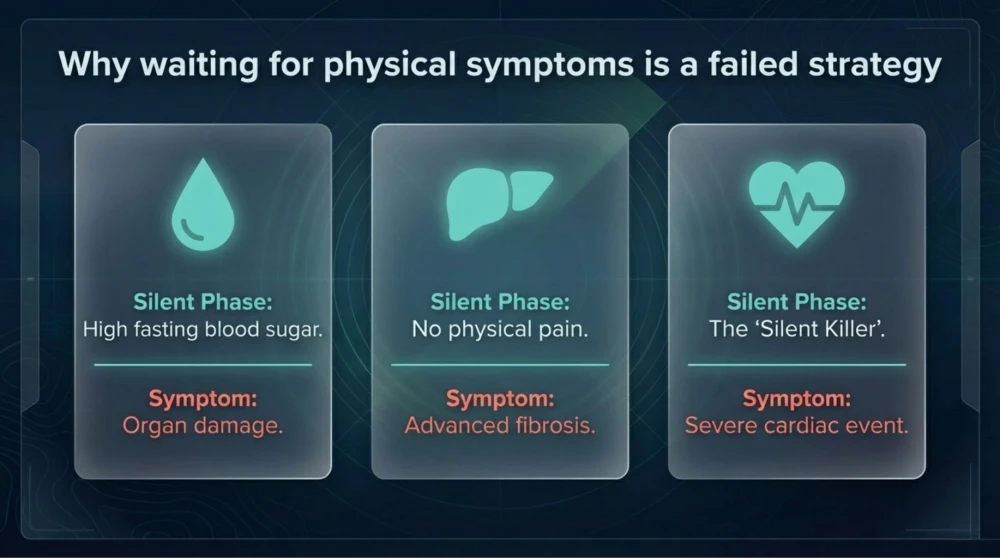
The most important stage is the silent phase.
This is when:
- Blood sugar may be slightly elevated
- Cholesterol may be borderline high
- Liver enzymes may be mildly abnormal
- Weight gain may start
At this stage:
- No symptoms are present
- Most people ignore the problem
- But intervention is highly effective
This is the window where disease can be prevented or reversed.
Why Waiting for Symptoms Is Risky
Symptoms often appear only after damage has progressed.
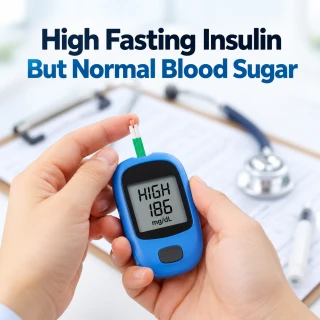
- High blood sugar may not cause symptoms initially
- Fatty liver rarely causes pain in early stages
- High blood pressure is often called a “silent killer”
So relying on symptoms is not a safe strategy. Early evaluation shifts the focus from treatment to prevention.
To understand how lifestyle correction helps prevent disease, you can explore the doctor-supervised lifestyle modification program.
How Early Evaluation Detects Problems Before They Become Disease
Early health evaluation helps identify metabolic changes long before they become full disease.
For example:
- Fasting glucose slightly elevated → indicates prediabetes
- Borderline cholesterol → early cardiovascular risk
- Mildly raised liver enzymes → early fatty liver
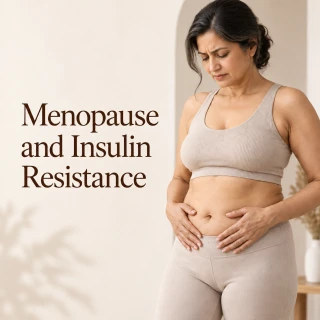
- Gradual weight gain → increasing insulin resistance
These changes are often ignored because they are “not serious yet”. But medically, this is the most important stage to intervene. A large body of clinical research shows that early detection and intervention significantly reduce long-term disease risk.
The Concept of Metabolic Health
Health is not defined only by absence of disease. It is defined by how well your metabolism is functioning. Key components of metabolic health include:
- Normal blood sugar regulation
- Healthy lipid profile
- Optimal body composition
- Good insulin sensitivity
- Balanced hormones
Early evaluation helps assess these parameters and identify deviations early.
Why Lifestyle Diseases Are Increasing
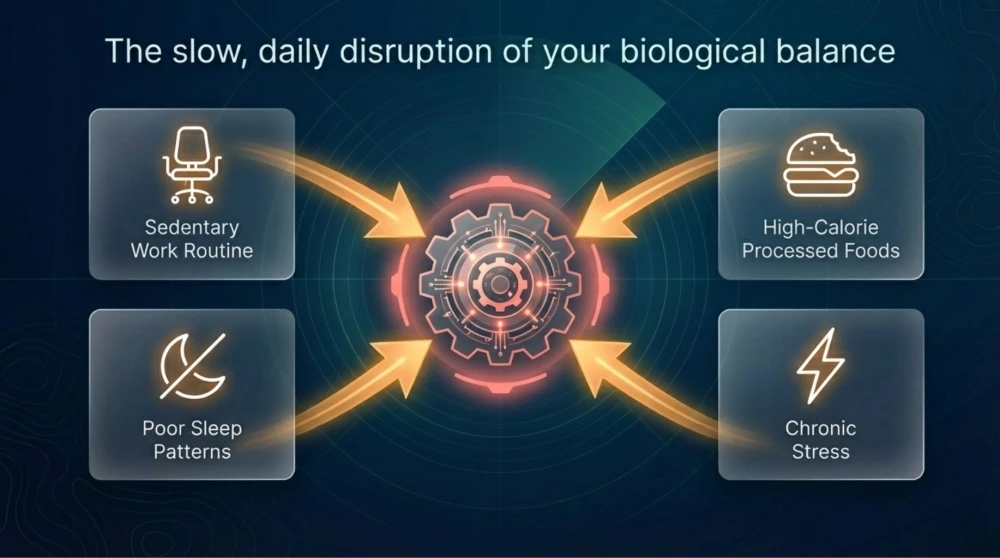
Modern lifestyle is one of the biggest reasons for increasing metabolic diseases.
- Sedentary routine
- High-calorie processed foods
- Poor sleep patterns
- Chronic stress
These factors gradually disturb metabolic balance.
What Happens When Early Evaluation Is Ignored
Ignoring early warning signs leads to progression of disease.
| Early Stage | Ignored Outcome | Advanced Disease |
|---|---|---|
| Prediabetes | Persistent high sugar | Type 2 diabetes |
| Mild fatty liver | Inflammation | NASH and fibrosis |
| Borderline BP | Sustained hypertension | Heart disease |
This progression is gradual but predictable. Early intervention can stop or reverse this process.
Who Should Consider Early Health Evaluation
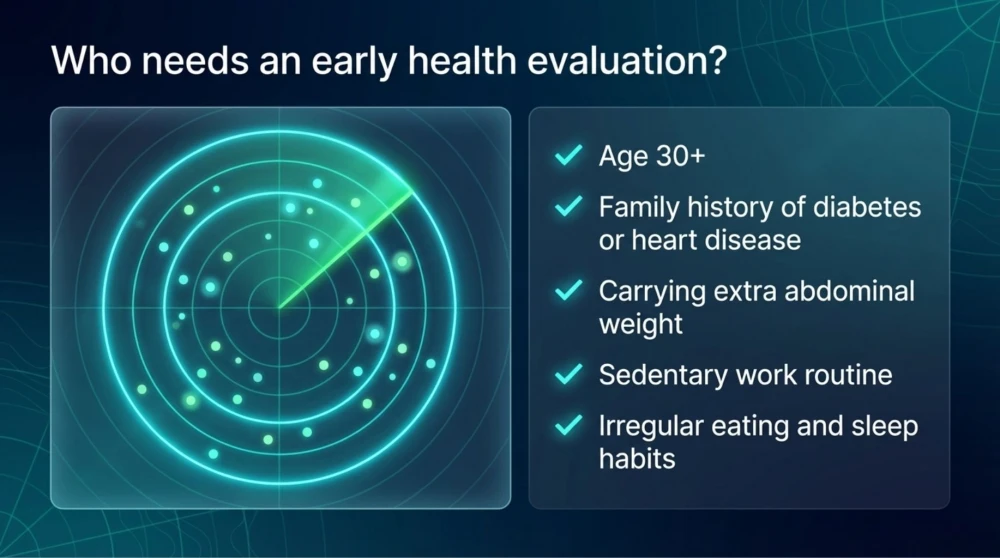
While everyone benefits, certain groups should prioritize early screening:
- Age above 30 years
- Family history of diabetes or heart disease
- Overweight or abdominal obesity
- Sedentary lifestyle
- Irregular eating and sleep habits
In these individuals, silent metabolic changes are more likely.
Common Mistakes People Make
Many people delay evaluation due to misconceptions:
- “I feel fine, so I must be healthy”
- “I will do tests when symptoms appear”
- “Borderline reports are normal”
These assumptions lead to delayed diagnosis and complications.
How to Approach Early Health Evaluation Practically
Early health evaluation does not mean doing unnecessary or excessive tests. It means doing relevant, structured assessment at the right time.
A practical approach includes:
- Basic blood tests once a year (or earlier if risk factors exist)
- Regular blood pressure monitoring
- Tracking weight and waist circumference
- Assessing sleep, diet, and physical activity
The goal is not just diagnosis, but early correction of risk factors.
Key Blood Tests to Consider
| Test | What It Indicates | Why It Matters |
|---|---|---|
| Fasting glucose / HbA1c | Blood sugar control | Detects prediabetes early |
| Lipid profile | Cholesterol levels | Predicts heart disease risk |
| Liver function tests | Liver health | Identifies fatty liver |
| Thyroid profile | Hormonal balance | Detects thyroid dysfunction |
The Advantage of Early Intervention
The biggest benefit of early evaluation is that intervention becomes simpler and more effective.
- Lifestyle changes work better in early stages
- Medication may be avoided or minimized
- Reversal is possible in many cases
For example:
- Prediabetes can often be reversed with lifestyle correction
- Early fatty liver can improve significantly
- Borderline hypertension can normalize
This is why early detection is not just helpful - it is critical.
Why a Doctor-Guided Approach Matters
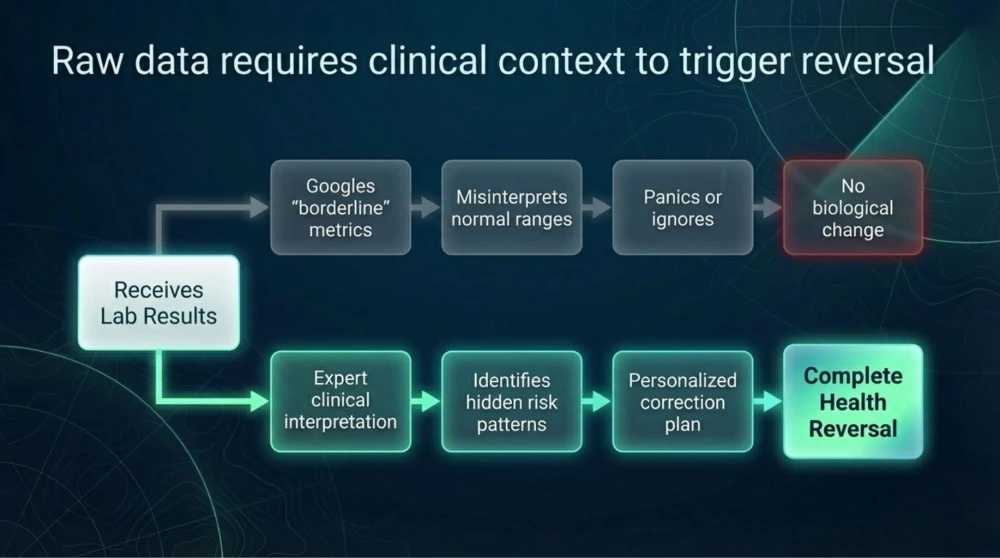
One important point to understand is that reports alone do not define health. Many patients misinterpret normal ranges, ignore borderline values, and rely on internet information without context.
A doctor-guided evaluation helps interpret results correctly, identify hidden risk patterns, and create a personalized correction plan. You can explore this approach here: why a structured lifestyle modification program works.
What General Adults Should Do Today
Instead of waiting for symptoms, take a proactive approach:
- Get a basic health check if not done recently
- Review your lifestyle honestly
- Start small but consistent changes
Prevention is not complicated, but it requires awareness and consistency.
Take-Home Messages
- Most lifestyle diseases develop silently before symptoms appear
- Early evaluation helps detect risk at a reversible stage
- Waiting for symptoms delays diagnosis and reduces recovery chances
- Simple tests can provide valuable early insights
- Prevention is more effective and easier than treatment
You can book a consultation here: Book Appointment
Written by Dr. Pankaj Kumar, General & Lifestyle Physician, Dwarka, New Delhi