










- 3rd February 2026
Table of Contents
Why Your Kidneys Need a Protective Shield
Imagine your kidneys as the body's highly skilled chemical plant that never takes a day off. They filter every drop of blood, keeping what you need and discarding the rest. At the Dr. Pankaj Kumar Medical and Lifestyle Clinic, we focus on shielding these vital organs through proactive care. Many common foods place an "extra load" on this natural filtration system, causing it to wear down over time. It might surprise you to learn how simple dietary shifts can protect your long-term health. Let us look at the specific triggers that can strain your renal function and how to avoid them.
Understanding the "Heavy Lifters": Why Certain Foods Strain the Kidneys
In our clinic, we often explain that kidneys manage the "heavy lifters" of your internal chemistry: sodium, potassium, and phosphorus. These are essential nutrients, but they can turn into "internal toxins" if they back up in the blood because the filtration capacity is exceeded. High sodium leads to fluid retention and high blood pressure, which damages the renal filters. Excess potassium can disrupt heart rhythms, while high phosphorus pulls calcium from your bones, making them brittle. We often suggest increasing whole fruit and vegetable intake, which can decrease blood pressure and net acid production (NEAP), helping your kidneys breathe a little easier.
The 6 Foods and Drinks to Avoid to Protect Your Kidneys
These six items are selected because they represent the most common "hidden" stressors in a modern diet. Many people consume these daily without realizing the long-term impact on their renal function.
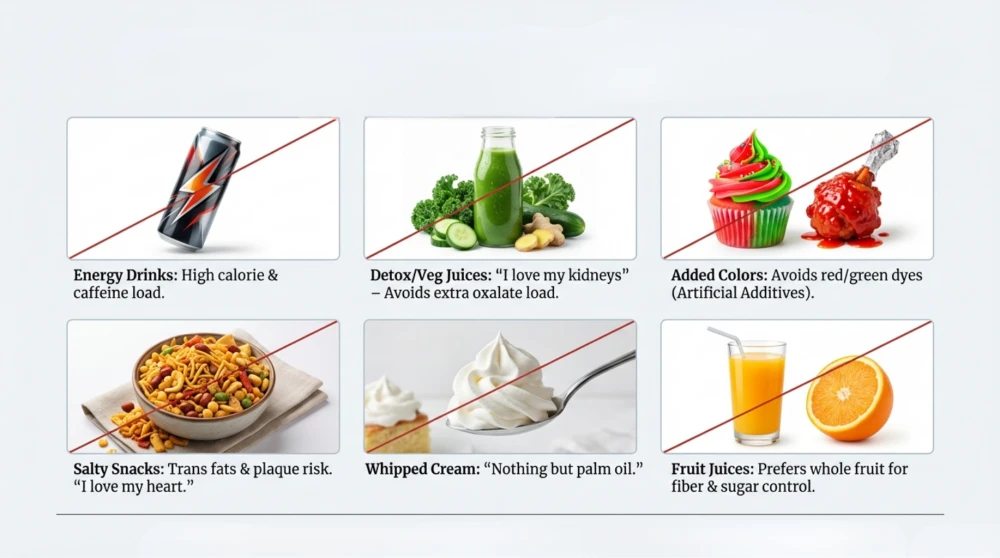
Item 1: Energy Drinks and High-Caffeine Beverages These drinks are often a double-hit of high calories and extreme caffeine levels. This combination can overstimulate the heart and metabolic system, causing strain. At the clinic, we advise choosing water or herbal tea to avoid this unnecessary load.
Item 2: Detox Juices and Vegetable Juices Filtered "detox" drinks often remove the beneficial fiber that helps your body. Without fiber, these juices deliver a heavy "oxalate load" that can cause stones. Eating the whole fruit is always safer for your kidneys than drinking its juice.
Item 3: Processed Salty Snacks (Namkeen, Farsan, and Bhujia) Deep-fried snacks like bhujia are packed with sodium and unhealthy trans fats. These fats contribute to plaque formation in your arteries and raise blood pressure. Even a handful can exceed the daily sodium limit that your kidneys can handle.
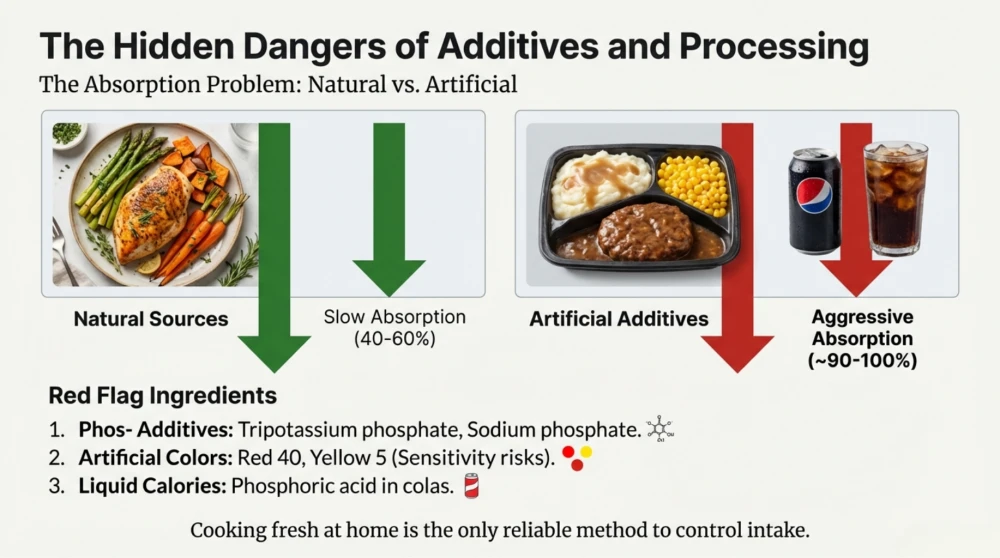
Item 4: Foods with Added Colors and Artificial Additives Items like "chicken lollipops" or bright cakes use artificial dyes that act as stressors. Watch for "phosphate additives," which have nearly 100% bioavailability in the body. Unlike natural phosphorus, these inorganic additives are absorbed instantly, taxing the kidneys.
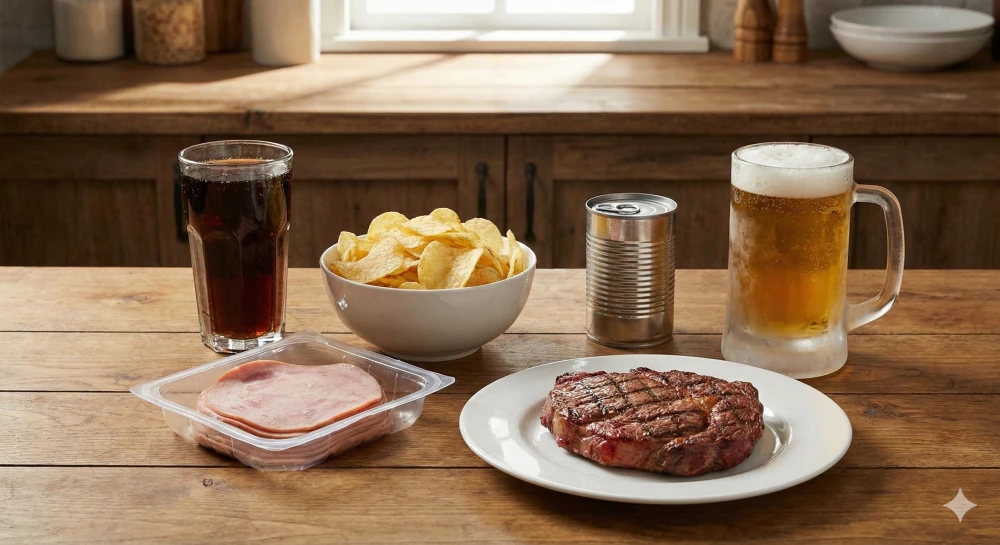
Item 5: Dark Colas and Sugary Sodas Many dark sodas use phosphoric acid as a preservative and flavoring agent. This chemical additive is particularly difficult for the renal system to process. Even sugar-free sodas contain chemicals that offer no nutrition and cause strain.
Item 6: Whipped Toppings and Processed Creams Most commercial whipped toppings are made from palm oil rather than real dairy. These high saturated fats impair your lipid profiles and increase cardiovascular risk. We suggest avoiding these to protect both your heart and your renal filtration system.
By moving toward whole, less-processed foods, you reduce the workload on your kidneys and help them function efficiently for years to come.
Who should be careful?
Kidney protection is a wise move for everyone, but for some, it is urgent. If you are taking the blood thinner warfarin, you must not take Vitamin K supplements, as they interfere with the medicine. Keeping your Vitamin K levels consistent is key when on these medications.
Patients managing diabetes or high blood pressure must be extremely vigilant with sodium and sugar, as these conditions are primary drivers of kidney disease progression. If you have a history of kidney stones, avoid high-oxalate items like "detox" juices. Finally, pregnant women and those with reflux should limit high-caffeine drinks to maintain metabolic stability and healthy sleep patterns.
Key points
- Choose whole fruits instead of filtered juices to maintain fiber and lower oxalate intake.
- Keep your daily sodium intake under 2.3 grams to protect your blood pressure and filters.
- Check labels for "phos-" ingredients; inorganic phosphate is absorbed almost completely.
- Swap salty farsan or bhujia for kidney-friendly snacks like plain, unsalted popcorn.
- Reach for water or milk instead of dark colas and energy drinks to reduce chemical load.
Medical Disclaimer
Educational only, not a substitute for medical advice.
Helping you make better choices for a healthier life at the Dr. Pankaj Kumar Medical and Lifestyle Clinic.
You can book a consultation here: Book Appointment
Written by Dr. Pankaj Kumar, General & Lifestyle Physician, Dwarka, New Delhi