









- 20th October 2026
Table of Contents
- Fatty Liver and Heart Disease: Why the Connection Deserves More Attention
- What Is Fatty Liver Disease?
- Why Fatty Liver Is More Than a Liver Problem
- Is Heart Disease Really a Major Cause of Death in People With Fatty Liver?
- Fatty Liver and Heart Disease: What Does the Research Suggest?
- How Fatty Liver and Heart Disease Are Connected
- 1. Insulin Resistance
- 2. Atherogenic Dyslipidaemia
- 3. Abdominal and Visceral Fat
- 4. Chronic Low-Grade Inflammation
- 5. Endothelial Dysfunction
- Common Cardiometabolic Abnormalities Seen With Fatty Liver
- Can Fatty Liver Increase the Risk of a Heart Attack?
- Can Fatty Liver Cause Blockage in Heart Arteries?
- Does the Grade of Fatty Liver Predict Heart Disease?
- Can Mild Fatty Liver Be Associated With Significant Heart Risk?
- Fatty Liver With Normal ALT: Can Cardiovascular Risk Still Be Present?
- Why Normal Liver Function Tests Can Create False Reassurance
- Fatty Liver and Heart Disease in People With Normal Body Weight
- Why Fatty Liver Should Trigger a Broader Health Assessment
- How Should Cardiovascular Risk Be Assessed in Patients With Fatty Liver?
- Why Cardiovascular Risk Assessment Is Important in MASLD
- Which Blood Tests Are Useful When Fatty Liver Is Diagnosed?
- Fatty Liver and Cholesterol: Why LDL-C Alone May Not Tell the Whole Story
- What Is the Role of ApoB in Patients With Fatty Liver?
- ApoB vs LDL Cholesterol in Fatty Liver: A Clinical Example
- Is Non-HDL Cholesterol Useful in Fatty Liver?
- Fatty Liver and Diabetes: A Particularly Important Combination
- Fatty Liver and High Blood Pressure
- Fatty Liver and Heart Disease in Patients With Normal Blood Sugar
- Does Fatty Liver Increase Cardiovascular Risk in Lean Individuals?
- Should Every Patient With Fatty Liver Undergo an ECG?
- Is a Treadmill Test Necessary for Fatty Liver?
- What Is a Coronary Artery Calcium Score?
- Coronary Calcium Scoring vs CT Coronary Angiography
- Which Cardiac Tests Are Appropriate in Fatty Liver?
- Why Liver Fibrosis Assessment Must Not Be Ignored
- What Is the FIB-4 Score?
- What Is the Role of FibroScan in Fatty Liver?
- FIB-4, FibroScan and Cardiovascular Risk: What Each Test Tells Us
- Can Advanced Liver Fibrosis Increase Cardiovascular Risk?
- What About Fatty Liver in Patients With Existing Heart Disease?
- Does Fatty Liver Mean a Patient Should Start Aspirin?
- Should Patients With Fatty Liver Take Statins?
- Does Improving Fatty Liver Automatically Reduce Heart Disease Risk?
- A Practical Approach to Evaluating Fatty Liver and Heart Disease Risk
- How Can Patients With Fatty Liver Reduce Their Risk of Heart Disease?
- Does Reversing Fatty Liver Reduce Cardiovascular Risk?
- Weight Loss and Fatty Liver: How Much Is Usually Needed?
- Why Waist Circumference May Matter Alongside Body Weight
- What Is the Best Diet for Fatty Liver and Heart Disease?
- Indian Dietary Strategies for Fatty Liver and Cardiovascular Health
- Practical Food Changes for Patients With MASLD
- Should Patients With Fatty Liver Avoid Rice and Roti?
- Is Fruit Safe for Patients With Fatty Liver?
- Does Coffee Help Fatty Liver?
- How Exercise Protects Both the Liver and Heart
- Why Strength Training Matters in MASLD
- Can Weight Loss Improve Fatty Liver but Reduce Muscle Mass?
- Do Statins Protect the Heart in Patients With Fatty Liver?
- Does Treating Cholesterol Also Treat Fatty Liver?
- Diabetes Treatment and Cardiovascular Protection in MASLD
- Can Semaglutide or Tirzepatide Help Patients With Fatty Liver?
- Is There a Specific Medicine for MASH?
- Why Blood Pressure Control Matters in Fatty Liver
- Smoking and Alcohol: Two Important Considerations
- Does Sleep Apnoea Increase Risk in Fatty Liver?
- How Should Patients Monitor Progress?
- Common Myths About Fatty Liver and Heart Disease
- Myth 1: Fatty Liver Only Affects the Liver
- Myth 2: Grade 1 Fatty Liver Is Always Harmless
- Myth 3: Normal ALT Means the Heart Is Safe
- Myth 4: Everyone With Fatty Liver Needs a CT Coronary Angiogram
- Myth 5: Statins Must Be Avoided in Fatty Liver
- Myth 6: Thin People Cannot Develop Fatty Liver
- Myth 7: If Fatty Liver Improves, Heart Disease Risk Disappears
- Myth 8: Liver Detox Supplements Can Prevent Heart Attacks
- Frequently Asked Questions About Fatty Liver and Heart Disease
- What I Explain to Patients With Fatty Liver
- Key Takeaways: Fatty Liver and Heart Disease
- Fatty Liver and Metabolic Health Consultation in Dwarka, Delhi
- Scientific References
Fatty Liver and Heart Disease: Why the Connection Deserves More Attention
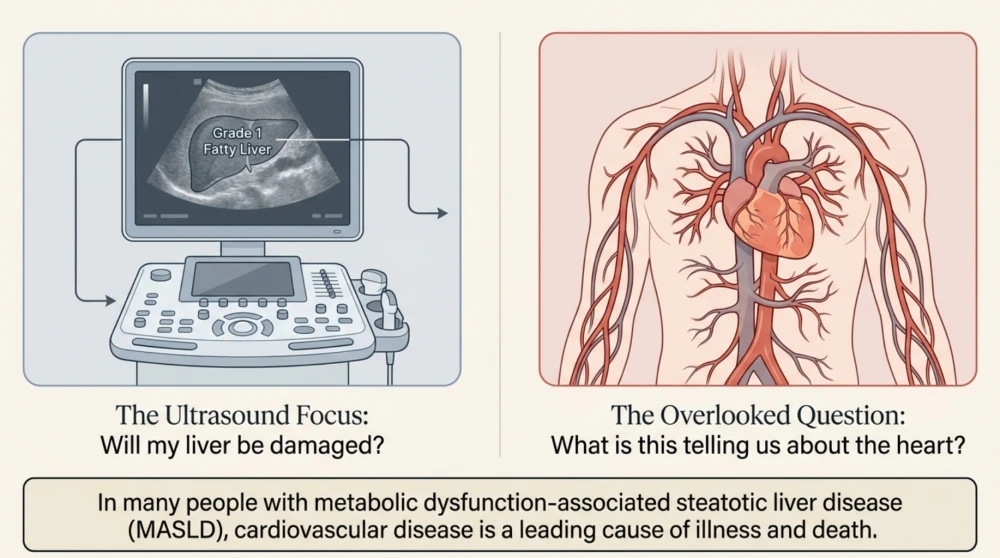
When a patient undergoes an abdominal ultrasound and the report mentions Grade 1 or Grade 2 fatty liver, the immediate concern is usually about the liver.
Will the fatty liver progress to cirrhosis? Is the liver permanently damaged? Should the patient stop eating fatty foods? Will medication be required?
These are reasonable questions. However, another important question is often overlooked.
What does fatty liver tell us about the patient's cardiovascular health?
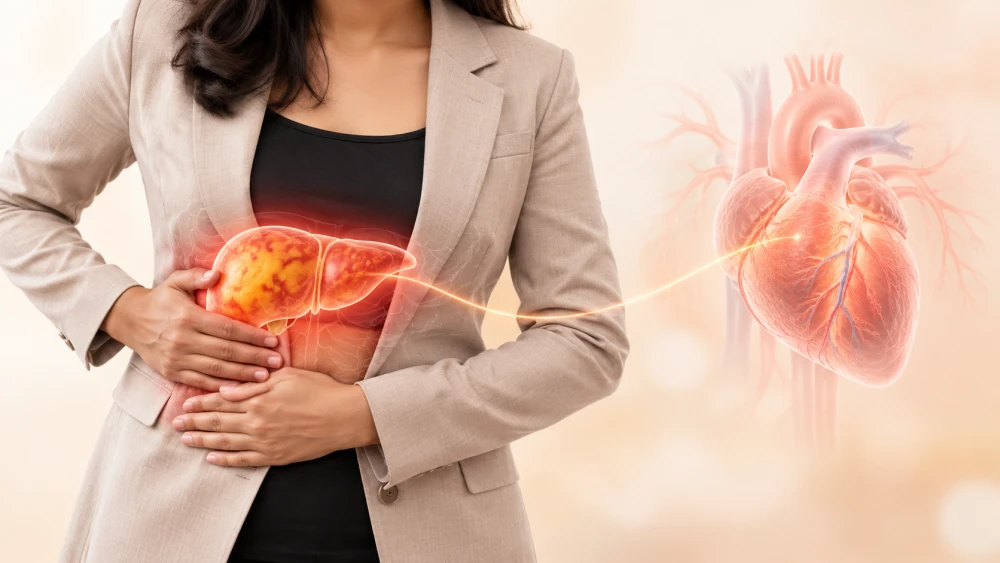
The relationship between fatty liver and heart disease is clinically important because fatty liver frequently occurs alongside metabolic abnormalities that increase the risk of coronary artery disease, heart attack, stroke and other cardiovascular complications.
In many people with metabolic dysfunction-associated steatotic liver disease (MASLD), cardiovascular disease is a leading cause of illness and death.
This does not mean that liver complications are unimportant. Advanced liver fibrosis, cirrhosis and liver cancer remain serious potential outcomes in selected patients.
However, focusing exclusively on liver enzymes or ultrasound findings may cause clinicians and patients to overlook other important health risks.
For example, a patient may have mild fatty liver on ultrasound but also have abdominal obesity, elevated blood pressure, high triglycerides, prediabetes and a family history of premature heart disease.
In such a patient, cardiovascular risk assessment may be at least as important as evaluating the liver itself.
The central message is that fatty liver should not always be viewed as an isolated liver condition. It may also be a marker of broader metabolic dysfunction.
What Is Fatty Liver Disease?
Fatty liver disease refers to excessive accumulation of fat within liver cells.
Small amounts of fat can normally be present in the liver. However, when fat accumulation exceeds the usual physiological range, hepatic steatosis may be identified through imaging, histology or other validated assessment methods.
Fatty liver can develop through different mechanisms.
Some cases are related to metabolic dysfunction, while others may be associated with alcohol exposure, medications or less common medical conditions.
Therefore, identifying fat in the liver is the beginning of an assessment rather than a complete diagnosis.
What Is MASLD?
Metabolic dysfunction-associated steatotic liver disease, abbreviated as MASLD, is the term used for hepatic steatosis occurring in the presence of at least one defined cardiometabolic risk factor, when other diagnostic criteria are satisfied.
The terminology was introduced to better reflect the metabolic factors commonly associated with this condition.
MASLD replaces the older term non-alcoholic fatty liver disease (NAFLD) in contemporary nomenclature.
However, the newer terminology is not simply a change of name. Its diagnostic criteria are framed around the presence of cardiometabolic risk factors.
These may include abnormalities involving body weight or waist circumference, glucose regulation, blood pressure, triglycerides or HDL cholesterol.
Alcohol intake and other potential causes of liver disease must still be assessed appropriately.
Why Fatty Liver Is More Than a Liver Problem
The liver is a central organ in glucose regulation, lipid metabolism and energy storage.
It helps regulate the production and clearance of circulating lipoproteins and participates in several hormonal and metabolic pathways.
When metabolic dysfunction develops, fat may accumulate within the liver.
At the same time, the individual may develop insulin resistance, abnormal triglyceride metabolism, elevated blood pressure or impaired glucose regulation.
These conditions can increase cardiovascular risk.
Therefore, fatty liver often appears as one component of a broader cardiometabolic disorder.
However, it is important to distinguish association from causation.
Although MASLD is associated with increased cardiovascular risk, the extent to which liver fat independently causes cardiovascular events remains an active area of research.
Shared risk factors explain part of the relationship, while liver-related biological mechanisms may also contribute.
Is Heart Disease Really a Major Cause of Death in People With Fatty Liver?
Observational studies involving people with fatty liver disease have consistently identified cardiovascular disease as a major cause of mortality.
In populations without advanced liver disease, cardiovascular events and non-liver conditions may account for a substantial proportion of deaths.
However, the pattern changes with liver disease severity.
Patients with advanced fibrosis or cirrhosis face increasingly important risks of liver-related complications.
Therefore, the statement that heart disease is the biggest risk for every person with fatty liver would be inaccurate.
A more clinically useful interpretation is that cardiovascular disease is a major competing risk in MASLD, particularly in patients with metabolic abnormalities and without advanced liver disease.
Fatty Liver and Heart Disease: What Does the Research Suggest?
Large observational studies and meta-analyses have found associations between fatty liver disease and increased cardiovascular events.
These include coronary artery disease, myocardial infarction and stroke.
However, the magnitude of the association varies between studies.
Differences in diagnostic methods, study populations, metabolic risk factors and liver disease severity influence the findings.
Some analyses suggest that the association is stronger in patients with more advanced liver disease.
Nevertheless, cardiovascular risk should not be estimated from ultrasound findings alone.
A comprehensive assessment remains necessary.
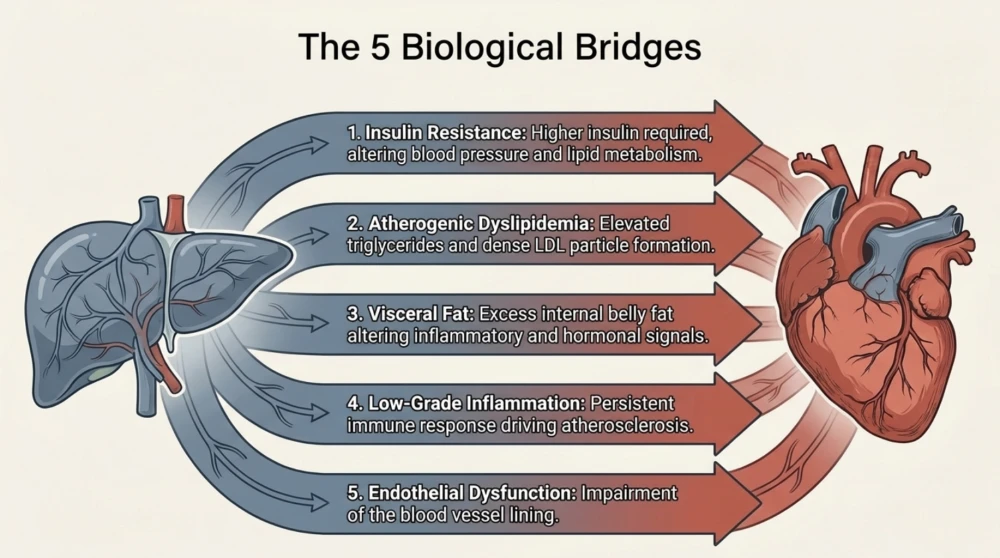
How Fatty Liver and Heart Disease Are Connected
Several biological and metabolic pathways may help explain the relationship between fatty liver and cardiovascular disease.
These pathways often overlap and reinforce one another.
1. Insulin Resistance
Insulin resistance is a common feature of metabolic dysfunction.
When tissues become less responsive to insulin, the body may require higher insulin concentrations to maintain normal glucose levels.
Insulin resistance can influence hepatic fat accumulation, triglyceride metabolism, blood pressure regulation and other metabolic processes.
These changes may contribute to cardiovascular risk.
However, not every patient with fatty liver has the same degree of insulin resistance, and the condition cannot be diagnosed solely from an ultrasound report.
2. Atherogenic Dyslipidaemia
Many patients with MASLD have abnormal lipid profiles.
A common pattern includes elevated triglycerides, reduced HDL cholesterol and changes in LDL particle composition.
Some individuals may have increased concentrations of ApoB-containing lipoprotein particles even when LDL cholesterol does not appear markedly elevated.
These particles are relevant because they participate in atherosclerotic plaque development.
Consequently, evaluating cardiovascular risk may require attention to more than total cholesterol alone.
3. Abdominal and Visceral Fat
Excess visceral adipose tissue is associated with metabolic dysfunction.
Visceral fat can contribute to increased fatty acid delivery to the liver and alterations in inflammatory and hormonal signalling.
These changes may influence liver fat accumulation and cardiovascular risk factors.
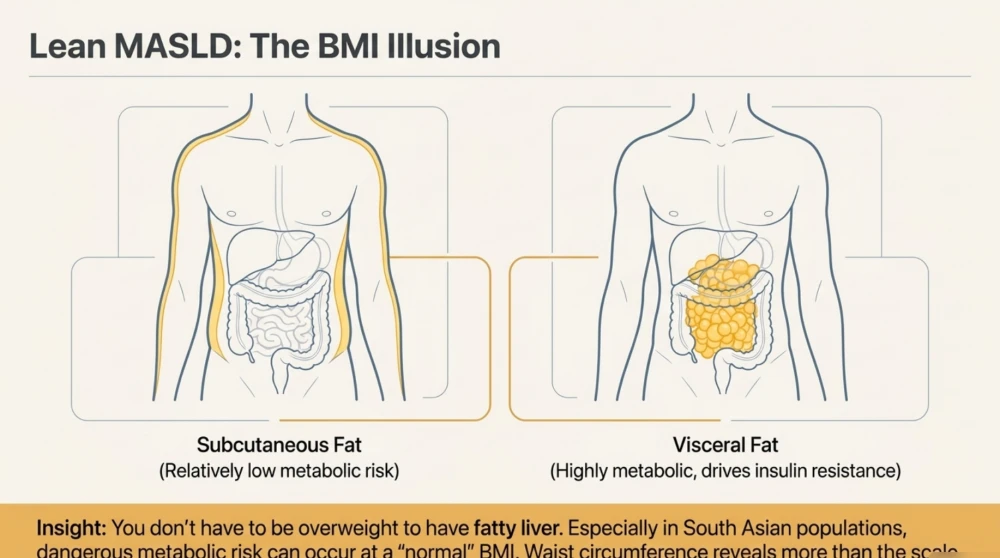
However, MASLD can also occur in people whose body mass index is within the conventional normal range.
Therefore, a normal BMI does not exclude metabolic fatty liver disease.
4. Chronic Low-Grade Inflammation
Metabolic dysfunction may be associated with persistent low-grade inflammation.
Inflammatory pathways are relevant to both progressive liver injury and atherosclerosis.
However, commonly available inflammatory markers cannot establish that fatty liver is directly causing cardiovascular disease.
The relationship is complex and involves multiple interacting mechanisms.
5. Endothelial Dysfunction
The endothelium is the inner lining of blood vessels.
It plays an important role in vascular tone, blood clotting and inflammatory regulation.
Metabolic abnormalities associated with MASLD may impair endothelial function.
Endothelial dysfunction is one of several processes involved in atherosclerotic cardiovascular disease.
Common Cardiometabolic Abnormalities Seen With Fatty Liver
| Associated Condition | Relationship With MASLD | Cardiovascular Relevance |
|---|---|---|
| Type 2 diabetes | Frequently coexists with MASLD | Increases cardiovascular and kidney risk |
| Abdominal obesity | Associated with increased visceral and hepatic fat | Often accompanies insulin resistance and other risk factors |
| Elevated triglycerides | Common lipid abnormality in metabolic dysfunction | May indicate increased triglyceride-rich lipoprotein burden |
| Hypertension | Frequently coexists with metabolic fatty liver | Major modifiable cardiovascular risk factor |
| Chronic kidney disease | May coexist through shared metabolic risk factors | Associated with increased cardiovascular risk |
| Obstructive sleep apnoea | Common in some patients with obesity and metabolic dysfunction | May contribute to hypertension and other cardiovascular problems |
Can Fatty Liver Increase the Risk of a Heart Attack?
People with MASLD may have a higher prevalence of several established cardiovascular risk factors.
These include diabetes, hypertension, dyslipidaemia and abdominal obesity.
Consequently, some patients have an increased likelihood of developing coronary artery disease.
However, fatty liver does not mean that a heart attack is inevitable.
The patient's actual risk depends on age, sex, smoking status, blood pressure, lipid levels, diabetes, kidney function, family history and other factors.
A fatty liver diagnosis should therefore prompt appropriate cardiovascular risk assessment rather than unnecessary alarm.
Can Fatty Liver Cause Blockage in Heart Arteries?
Fatty liver does not directly demonstrate that coronary arteries are blocked.
An ultrasound report showing hepatic steatosis cannot determine whether coronary atherosclerotic plaques are present.
However, fatty liver may identify a patient who has metabolic risk factors associated with atherosclerosis.
This distinction is important.
Some people with fatty liver have no clinically significant coronary artery disease.
Others may have substantial cardiovascular risk because of their broader metabolic profile.
Coronary investigations should be selected according to symptoms, risk assessment and established clinical indications.
Does the Grade of Fatty Liver Predict Heart Disease?
Ultrasound reports frequently classify fatty liver as Grade 1, Grade 2 or Grade 3.
These descriptions generally reflect the sonographic appearance of hepatic steatosis.
They do not directly measure cardiovascular risk.
For example, a person with Grade 1 fatty liver may have poorly controlled diabetes, hypertension and significant dyslipidaemia.
Another person with more pronounced hepatic steatosis may have a different overall cardiovascular risk profile.
Therefore, ultrasound grading should not be used as a substitute for cardiovascular risk assessment.
Why Liver Fibrosis Is Different From Fatty Liver Grade
Hepatic steatosis and liver fibrosis are different findings.
Steatosis refers to fat accumulation, whereas fibrosis refers to scar tissue formation within the liver.
Fibrosis severity is a major predictor of liver-related outcomes.
However, routine ultrasound grading cannot reliably determine the stage of liver fibrosis.
Patients with MASLD may require fibrosis risk assessment using validated non-invasive tools, depending on clinical circumstances.
Can Mild Fatty Liver Be Associated With Significant Heart Risk?
Yes.
A patient may have relatively mild hepatic steatosis but several major cardiovascular risk factors.
For example, a hypothetical 52-year-old individual may have Grade 1 fatty liver, type 2 diabetes, blood pressure of 150/94 mmHg, elevated triglycerides and a strong family history of premature coronary artery disease.
In this situation, cardiovascular prevention deserves substantial attention even if liver enzymes are only mildly elevated or normal.
The example illustrates why the clinical importance of fatty liver cannot be determined solely by the ultrasound grade.
Fatty Liver With Normal ALT: Can Cardiovascular Risk Still Be Present?
Yes.
Alanine aminotransferase (ALT) is a liver enzyme commonly measured during routine blood testing.
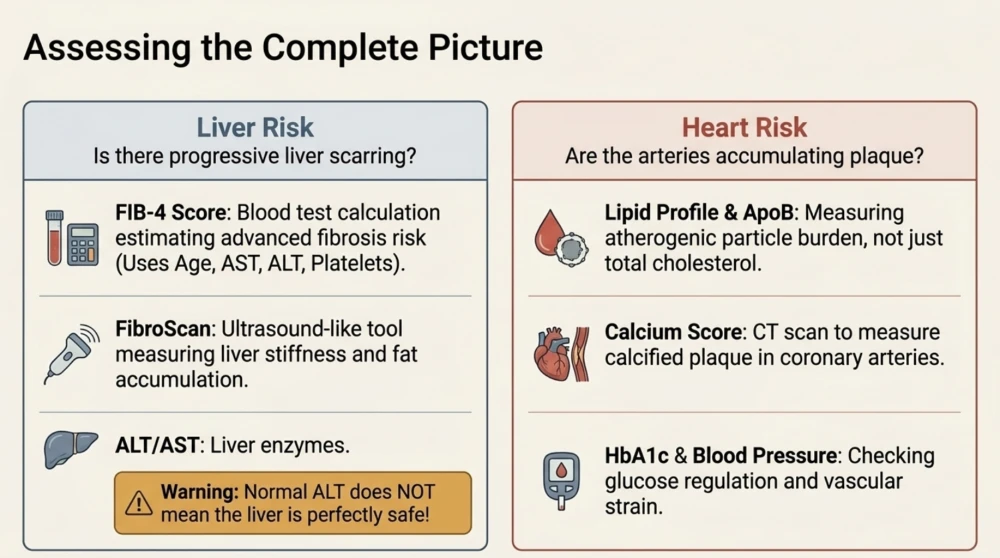
ALT may increase when liver cells are injured, but normal ALT does not exclude MASLD, significant fibrosis or metabolic abnormalities.
Likewise, normal liver enzymes do not eliminate cardiovascular risk.
A patient may have normal ALT while also having diabetes, hypertension or an abnormal lipid profile.
These cardiovascular risk factors require assessment independently of liver enzyme values.
Why Normal Liver Function Tests Can Create False Reassurance
Patients sometimes assume that normal liver blood tests mean their fatty liver is harmless.
However, liver enzymes are not a complete measure of liver disease severity.
They also provide little direct information about coronary artery disease or cardiovascular risk.
For this reason, a patient with fatty liver and normal liver enzymes may still benefit from evaluation of glucose regulation, blood pressure, lipids and other cardiometabolic factors.
Fatty Liver and Heart Disease in People With Normal Body Weight
Fatty liver can occur in individuals who are not overweight according to conventional BMI categories.
This is particularly relevant in South Asian populations, where metabolic abnormalities may occur at comparatively lower BMI values.
Some individuals have increased visceral adiposity or insulin resistance despite a body weight that appears normal.
However, not every lean person with fatty liver has the same metabolic profile.
Assessment should include waist circumference, glucose regulation, lipid measurements and other relevant clinical information rather than relying exclusively on BMI.
Why Fatty Liver Should Trigger a Broader Health Assessment
The discovery of fatty liver provides an opportunity to evaluate metabolic and cardiovascular health.
This does not mean that every patient requires extensive cardiac testing.
Instead, the initial assessment should identify established cardiovascular risk factors and determine whether additional investigation is indicated.
For many patients, the most important first steps involve measuring blood pressure, assessing glucose status, reviewing the lipid profile, evaluating kidney health and discussing lifestyle factors.
At the same time, the clinician should assess the risk of progressive liver fibrosis.
Both aspects of care are important.
How Should Cardiovascular Risk Be Assessed in Patients With Fatty Liver?
When fatty liver is identified on an ultrasound or another imaging investigation, the next step should not be limited to repeating liver function tests.
A comprehensive assessment should consider two related but distinct questions.
First, is the patient at risk of progressive liver disease, particularly advanced fibrosis?
Second, does the patient have metabolic abnormalities or established cardiovascular risk factors that increase the likelihood of heart attack, stroke or other vascular complications?
These questions require different assessments, although several investigations may overlap.
For example, blood glucose, lipid levels, kidney function and blood pressure provide important information about cardiovascular health. Platelet count and liver enzymes may contribute to liver fibrosis risk assessment.
The presence of fatty liver alone does not mean that every patient requires a CT coronary angiogram, treadmill test or extensive cardiac investigation.
Instead, testing should be guided by symptoms, cardiovascular risk, age, medical history and established clinical indications.
The objective is to identify clinically important cardiovascular risk without exposing patients to unnecessary tests, costs or procedures.
Why Cardiovascular Risk Assessment Is Important in MASLD
Metabolic dysfunction-associated steatotic liver disease, or MASLD, commonly occurs alongside diabetes, hypertension, obesity and abnormal lipid metabolism.
These conditions may increase cardiovascular risk independently of the degree of liver fat accumulation.
Therefore, a patient with mild hepatic steatosis and multiple metabolic abnormalities may require more intensive cardiovascular prevention than a patient whose liver imaging appears more abnormal but who has fewer cardiovascular risk factors.
Importantly, the relationship between fatty liver and heart disease should not be reduced to a single laboratory value.
Cardiovascular risk develops through cumulative exposure to multiple factors over time.
A practical clinical assessment must therefore examine the complete risk profile.
Which Blood Tests Are Useful When Fatty Liver Is Diagnosed?
The initial evaluation of fatty liver often includes tests that help assess liver health, metabolic abnormalities and cardiovascular risk.
However, the precise investigations depend on the patient's age, symptoms, medical history and previous results.
| Investigation | What It Helps Assess | Clinical Relevance |
|---|---|---|
| Lipid profile | LDL-C, HDL-C, triglycerides and total cholesterol | Identifies important lipid-related cardiovascular risk factors |
| HbA1c or fasting glucose | Glucose regulation | Helps identify prediabetes or diabetes |
| ALT and AST | Liver enzyme abnormalities | May contribute to liver assessment and fibrosis scores |
| Complete blood count | Including platelet count | Platelets are used in FIB-4 calculation |
| Creatinine and eGFR | Kidney function | Kidney disease influences cardiovascular risk and treatment decisions |
| Urine albumin-to-creatinine ratio | Albuminuria | Useful in selected patients, especially those with diabetes or hypertension |
| ApoB | Atherogenic lipoprotein particle burden | May add information when LDL-C underestimates particle burden |
| Lipoprotein(a) | Largely inherited cardiovascular risk | May refine risk assessment, particularly with premature family cardiovascular disease |
Not every patient needs all these tests at every visit. Investigation should be individualised, and previous reliable results should be reviewed before repeating tests.
Fatty Liver and Cholesterol: Why LDL-C Alone May Not Tell the Whole Story
One important connection between fatty liver and heart disease involves abnormal lipoprotein metabolism.
The liver produces and processes several types of circulating lipoproteins.
In people with insulin resistance, hepatic production of triglyceride-rich lipoproteins may increase.
Some patients develop elevated triglycerides, reduced HDL cholesterol and altered LDL particle composition.
This pattern is often described as atherogenic dyslipidaemia.
Importantly, LDL cholesterol may not be markedly elevated in every patient with this pattern.
Therefore, a lipid report showing relatively normal LDL-C should not automatically be interpreted as evidence of low cardiovascular risk.
Why Triglycerides Matter in Fatty Liver
Triglycerides are frequently elevated in patients with metabolic dysfunction.
Elevated triglycerides may indicate abnormalities in triglyceride-rich lipoprotein metabolism, including increased concentrations of remnant particles.
These metabolic changes often coexist with insulin resistance and increased cardiovascular risk.
However, triglyceride concentration alone does not quantify atherogenic particle number or determine whether coronary artery disease is present.
Very high triglycerides also require separate consideration because of the risk of acute pancreatitis.
What Is the Role of ApoB in Patients With Fatty Liver?
Apolipoprotein B, commonly abbreviated as ApoB, is a structural protein present on major atherogenic lipoprotein particles.
Because each LDL, VLDL, IDL and lipoprotein(a) particle contains one ApoB-100 molecule, ApoB concentration provides an estimate of circulating atherogenic particle number.
In patients with insulin resistance, the cholesterol content of individual particles may vary.
As a result, LDL-C and ApoB can become discordant.
A patient may have LDL cholesterol that appears reasonably controlled while ApoB remains relatively elevated.
This suggests that the number of atherogenic particles may be higher than LDL cholesterol alone indicates.
However, ApoB is not a diagnostic test for MASLD and does not measure liver fibrosis.
Its role is primarily related to cardiovascular risk assessment and lipid management.
ApoB vs LDL Cholesterol in Fatty Liver: A Clinical Example
Consider two hypothetical patients with fatty liver.
Both have LDL cholesterol of 105 mg/dL.
However, the first has triglycerides of 95 mg/dL and ApoB of 85 mg/dL, while the second has triglycerides of 250 mg/dL and ApoB of 120 mg/dL.
Although their LDL cholesterol concentrations are similar, the second patient has a higher estimated atherogenic particle burden.
This may provide additional information during cardiovascular risk assessment.
Nevertheless, the patient's absolute risk still depends on age, diabetes, blood pressure, smoking, kidney function and other factors.
These figures are hypothetical examples intended to illustrate lipid discordance, not diagnostic thresholds or treatment recommendations.
Is Non-HDL Cholesterol Useful in Fatty Liver?
Yes.
Non-HDL cholesterol is calculated by subtracting HDL cholesterol from total cholesterol.
It represents cholesterol carried by LDL and other non-HDL lipoproteins, including several triglyceride-rich particles.
Unlike ApoB, non-HDL cholesterol does not require a separate laboratory measurement when a standard lipid profile is available.
It may therefore be particularly useful in patients with elevated triglycerides.
However, non-HDL cholesterol measures cholesterol content rather than particle number, so it is not identical to ApoB.
Fatty Liver and Diabetes: A Particularly Important Combination
Type 2 diabetes and MASLD frequently coexist.
Both are strongly associated with insulin resistance and other metabolic abnormalities.
Patients with both conditions may have a higher likelihood of progressive liver fibrosis and cardiovascular complications.
However, the degree of risk varies substantially between individuals.
For example, a patient with newly diagnosed diabetes, normal kidney function and no other major cardiovascular risk factors has a different clinical profile from someone with long-standing diabetes, albuminuria, hypertension and previous cardiovascular disease.
Therefore, diabetes management in patients with MASLD should include attention to glucose control, blood pressure, lipids, kidney health and weight where appropriate.
Why HbA1c Alone Is Not Enough
HbA1c is an important measurement of average glycaemic exposure, but it does not provide a complete cardiovascular risk assessment.
A patient may have an acceptable HbA1c while continuing to have elevated blood pressure, abnormal lipids or kidney disease.
Similarly, improvement in HbA1c does not automatically mean that fatty liver, fibrosis risk or cardiovascular risk has normalised.
Comprehensive metabolic care requires assessment of multiple risk factors.
Fatty Liver and High Blood Pressure
Hypertension frequently coexists with metabolic fatty liver disease.
Shared mechanisms may include insulin resistance, visceral adiposity, altered kidney sodium handling and changes in neurohormonal regulation.
However, fatty liver does not establish the cause of hypertension in an individual patient.
Blood pressure should be assessed independently using appropriate measurement techniques.
When clinic and home readings differ, structured home monitoring or ambulatory blood pressure monitoring may be helpful.
Uncontrolled hypertension is a major modifiable cardiovascular risk factor and should not be overlooked because attention is focused on the liver.
Fatty Liver and Heart Disease in Patients With Normal Blood Sugar
Not everyone with MASLD has diabetes or prediabetes.
Some individuals maintain normal glucose measurements while having other metabolic abnormalities.
For example, a patient may have normal HbA1c but elevated triglycerides, abdominal obesity and hypertension.
These factors can still contribute to cardiovascular risk.
Therefore, normal blood sugar does not eliminate the need for broader metabolic assessment.
Does Fatty Liver Increase Cardiovascular Risk in Lean Individuals?
MASLD can occur in individuals with a body mass index within the conventional normal range.
This is sometimes described as lean MASLD.
In South Asian populations, metabolic risk may develop at comparatively lower BMI values.
Some lean individuals have increased visceral adiposity, insulin resistance or dyslipidaemia.
However, the cardiovascular risk profile is not identical in all patients with lean MASLD.
Waist circumference, metabolic measurements, family history and other clinical factors remain important.
Should Every Patient With Fatty Liver Undergo an ECG?
An electrocardiogram records the electrical activity of the heart.
It may be useful when a patient has symptoms, known cardiovascular disease, certain arrhythmia concerns or other clinical indications.
However, a normal ECG does not exclude coronary artery disease.
Likewise, fatty liver alone does not automatically justify routine ECG screening in every asymptomatic patient.
The decision should depend on clinical circumstances.
Is a Treadmill Test Necessary for Fatty Liver?
No.
A treadmill exercise test is not routinely indicated simply because an ultrasound identifies fatty liver.
Exercise testing may be appropriate in selected patients when symptoms or clinical evaluation suggest a need to investigate possible coronary disease.
However, routine screening of asymptomatic low-risk individuals can lead to false-positive findings and unnecessary downstream testing.
The choice of investigation should be based on the clinical question being addressed.
What Is a Coronary Artery Calcium Score?
Coronary artery calcium scoring is a CT-based investigation that measures calcified plaque within the coronary arteries.
It provides information about the presence and burden of calcified coronary atherosclerosis.
In selected asymptomatic adults, particularly when the decision about preventive lipid-lowering treatment remains uncertain, coronary calcium scoring may help refine cardiovascular risk assessment.
However, it is not a routine screening test for every patient with fatty liver.
Does a Calcium Score of Zero Mean There Is No Heart Disease?
No.
A calcium score of zero indicates that no calcified coronary plaque was detected by the test.
However, it does not exclude all non-calcified plaque or guarantee that a cardiovascular event cannot occur.
The result must be interpreted alongside age, diabetes, smoking, family history and other clinical factors.
Coronary Calcium Scoring vs CT Coronary Angiography
These investigations are different.
Coronary calcium scoring estimates calcified plaque burden and is commonly used for selected cardiovascular risk-assessment decisions.
CT coronary angiography provides anatomical information about coronary arteries and can identify coronary plaque and narrowing.
CT coronary angiography may be appropriate in selected patients with symptoms suggestive of coronary artery disease, depending on clinical assessment.
Neither test should be ordered automatically because fatty liver has been detected.
Which Cardiac Tests Are Appropriate in Fatty Liver?
| Test | Main Purpose | When It May Be Considered |
|---|---|---|
| ECG | Assesses cardiac electrical activity | Symptoms or other clinical indications |
| Echocardiography | Assesses cardiac structure and function | Suspected structural heart disease or other indications |
| Exercise stress testing | Assesses selected exercise-related cardiac responses | Appropriate patients with suspected coronary disease |
| Coronary calcium score | Measures calcified coronary plaque | Selected asymptomatic adults when preventive treatment decisions are uncertain |
| CT coronary angiography | Evaluates coronary plaque and arterial narrowing | Selected symptomatic patients after clinical assessment |
Why Liver Fibrosis Assessment Must Not Be Ignored
Although cardiovascular risk deserves attention in patients with MASLD, liver-related risk assessment remains essential.
Advanced liver fibrosis is a major predictor of liver-related complications.
Patients with significant fibrosis may require specialist assessment, closer follow-up and additional investigations.
Therefore, cardiovascular assessment should complement rather than replace fibrosis risk evaluation.
What Is the FIB-4 Score?
FIB-4 is a non-invasive score that uses age, AST, ALT and platelet count to help estimate the likelihood of advanced liver fibrosis.
It is commonly used as an initial risk-stratification tool in adults with suspected MASLD.
However, FIB-4 is not a direct measurement of liver fibrosis.
Its interpretation depends on age, clinical circumstances and the population being assessed.
For example, FIB-4 performs less reliably in younger adults and may produce more false-positive results in older individuals.
Common FIB-4 Interpretation in Adults With MASLD
In many clinical pathways, a FIB-4 score below 1.3 suggests a lower likelihood of advanced fibrosis in adults for whom the threshold is applicable.
A result of 1.3 or above may prompt additional assessment, often with vibration-controlled transient elastography or another validated fibrosis test.
For adults older than 65 years, a higher initial threshold is commonly used because age affects the score.
A FIB-4 score above 2.67 raises greater concern for advanced fibrosis and may support specialist referral.
These thresholds are not appropriate for every patient. FIB-4 has limited reliability in adults younger than 35 years and should not be used indiscriminately during acute illness.
Patients with diabetes or multiple metabolic risk factors may require ongoing reassessment even when an initial score is low.
What Is the Role of FibroScan in Fatty Liver?
FibroScan is a commonly used name for vibration-controlled transient elastography.
It measures liver stiffness, which can help estimate the likelihood of clinically significant fibrosis.
Some devices also provide a controlled attenuation parameter, or CAP, which helps assess hepatic steatosis.
However, liver stiffness can be influenced by factors other than fibrosis, including inflammation, congestion and recent food intake.
Results should therefore be interpreted according to the clinical context and the specific test conditions.
FibroScan does not directly measure cardiovascular risk or diagnose coronary artery disease.
FIB-4, FibroScan and Cardiovascular Risk: What Each Test Tells Us
| Assessment | Primary Purpose | What It Cannot Establish |
|---|---|---|
| FIB-4 | Initial risk stratification for advanced liver fibrosis | Does not directly measure fibrosis or coronary plaque |
| FibroScan | Liver stiffness and, where available, steatosis assessment | Does not determine cardiovascular risk |
| Lipid profile | Circulating cholesterol and triglyceride measurements | Does not directly show coronary plaque |
| ApoB | Atherogenic lipoprotein particle burden | Does not measure liver fibrosis or arterial narrowing |
| Coronary calcium score | Calcified coronary atherosclerotic plaque burden | Does not exclude all non-calcified plaque or measure liver disease |
Can Advanced Liver Fibrosis Increase Cardiovascular Risk?
Several observational studies suggest that greater liver disease severity may be associated with higher cardiovascular risk.
However, the relationship is complex.
Advanced fibrosis frequently coexists with longstanding metabolic dysfunction, diabetes and other cardiovascular risk factors.
In addition, patients with cirrhosis may develop circulatory abnormalities that differ from those seen in earlier stages of MASLD.
Therefore, fibrosis severity should not be treated as a standalone cardiovascular risk score.
Both liver-related and cardiovascular risks require appropriate assessment.
What About Fatty Liver in Patients With Existing Heart Disease?
Patients with established coronary artery disease who also have MASLD require coordinated management.
Cardiovascular secondary prevention remains important, including appropriate lipid-lowering treatment, blood pressure management, diabetes care and lifestyle interventions.
At the same time, the clinician should evaluate liver fibrosis risk and investigate other causes of liver abnormalities when indicated.
The presence of uncomplicated MASLD is not, by itself, a reason to withhold statins when they are otherwise indicated.
However, patients with advanced or decompensated liver disease require individualised medication decisions.
Does Fatty Liver Mean a Patient Should Start Aspirin?
No.
Fatty liver alone is not an indication for aspirin therapy.
Aspirin is important in many patients with established atherosclerotic cardiovascular disease, but its use for primary prevention requires careful consideration because of bleeding risk.
Patients should not begin aspirin solely because an ultrasound report mentions fatty liver.
Should Patients With Fatty Liver Take Statins?
Statins are frequently appropriate in patients with MASLD when there is an established cardiovascular indication.
Current liver disease guidance generally supports statin use for cardiovascular risk reduction in patients with MASLD, including many patients with compensated chronic liver disease.
Mild elevations in liver enzymes do not automatically prohibit statin treatment.
However, statin selection and monitoring should consider the overall clinical picture, including other liver conditions, medication interactions and disease severity.
Statins should not be prescribed solely to treat hepatic steatosis, because their principal established role in this context is cardiovascular risk reduction.
Does Improving Fatty Liver Automatically Reduce Heart Disease Risk?
Not necessarily.
Improvement in liver fat may accompany favourable changes in body weight, insulin sensitivity, blood pressure and lipid levels.
These changes can support cardiovascular health.
However, a reduction in liver fat does not independently prove that coronary plaque has regressed or that cardiovascular risk has been eliminated.
For example, a patient may achieve improvement in liver imaging while continuing to have uncontrolled hypertension or elevated LDL cholesterol.
Those risk factors still require appropriate management.
A Practical Approach to Evaluating Fatty Liver and Heart Disease Risk
In clinical practice, a useful approach begins with confirming the nature of the liver condition and reviewing relevant metabolic risk factors.
Blood pressure, waist circumference, glucose regulation, lipid measurements, smoking history, family history and kidney function help establish the broader cardiovascular profile.
At the same time, FIB-4 and, when indicated, transient elastography help assess the possibility of advanced liver fibrosis.
Cardiovascular risk estimation should use an appropriate validated tool and clinical judgement, recognising that risk calculators have limitations and may not fully account for all relevant factors.
Further cardiac testing should be selected according to symptoms and clinical indications rather than the ultrasound diagnosis alone.
How Can Patients With Fatty Liver Reduce Their Risk of Heart Disease?
When fatty liver is diagnosed, treatment should address more than the accumulation of fat within the liver.
For many patients, the most important long-term objective is to reduce the risk of cardiovascular disease while preventing progression to advanced liver fibrosis and cirrhosis.
This requires a comprehensive approach involving metabolic health, blood pressure, cholesterol, glucose regulation, physical activity, body weight and other modifiable risk factors.
However, the same treatment plan will not be appropriate for every individual.
A patient with mild MASLD and no major cardiovascular risk factors may require a different strategy from someone with type 2 diabetes, established coronary artery disease or advanced liver fibrosis.
Effective management of fatty liver and heart disease begins with identifying which risks are most important for the individual patient.
Does Reversing Fatty Liver Reduce Cardiovascular Risk?
Improvement in liver fat frequently occurs alongside improvements in body weight, insulin resistance, triglycerides and other metabolic measurements.
These changes may support cardiovascular health.
However, it is important to distinguish improvement in liver imaging from proven reduction in cardiovascular events.
A reduction in hepatic steatosis does not automatically mean that coronary artery plaque has regressed or that the risk of heart attack has disappeared.
For example, a patient may achieve substantial improvement in fatty liver after weight reduction but continue to have elevated LDL cholesterol or uncontrolled hypertension.
Those conditions still require treatment.
Therefore, liver improvement should be considered one component of successful metabolic management rather than the only measure of treatment effectiveness.
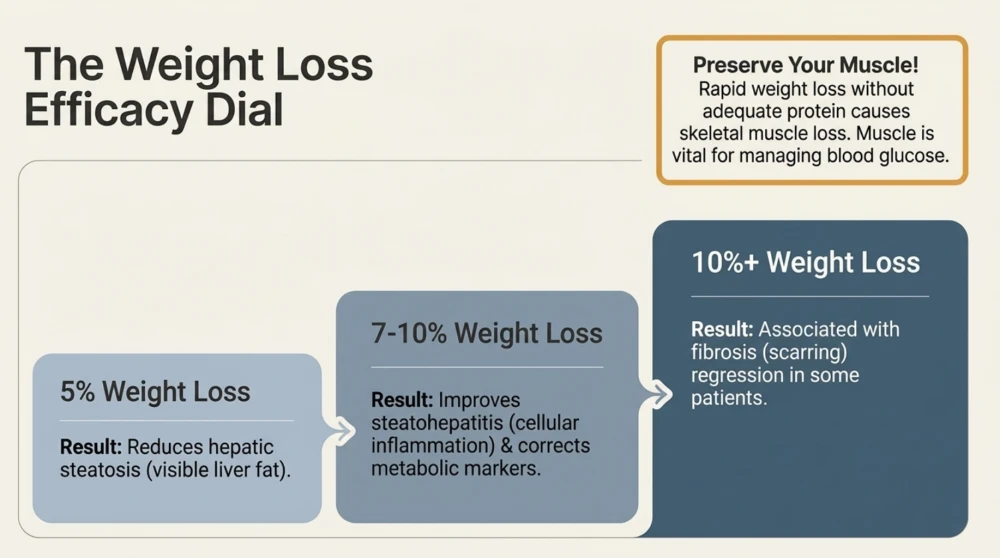
Weight Loss and Fatty Liver: How Much Is Usually Needed?
For patients with MASLD who have overweight or obesity, sustained weight reduction can improve hepatic steatosis and several cardiometabolic risk factors.
The amount of weight reduction required varies according to the desired outcome.
Clinical studies suggest that relatively modest weight loss may improve liver fat, while greater sustained weight loss is generally associated with more substantial improvements in liver inflammation and, in some patients, fibrosis.
However, these responses are not guaranteed.
| Approximate Sustained Weight Loss | Potential Liver Benefit | Important Consideration |
|---|---|---|
| Around 5% | May reduce hepatic steatosis | Response varies between individuals |
| Around 7–10% | May improve steatohepatitis and metabolic abnormalities | Sustained lifestyle changes remain important |
| More than 10% | Associated with greater likelihood of fibrosis improvement in some patients | Not every patient achieves fibrosis regression |
These percentages are general clinical estimates, not guaranteed outcomes or universal targets.
Patients with normal BMI, frailty, advanced liver disease or other medical conditions may require a different nutritional approach.
Why Waist Circumference May Matter Alongside Body Weight
Body mass index provides useful information about weight relative to height, but it does not directly measure visceral fat.
Visceral adiposity is associated with insulin resistance, altered lipid metabolism and several cardiovascular risk factors.
This is particularly relevant in South Asian populations, where metabolic risk can occur at relatively lower BMI values.
Waist circumference may therefore provide additional information during metabolic assessment.
However, waist measurements should not replace blood pressure, glucose, lipid and liver fibrosis assessments.
What Is the Best Diet for Fatty Liver and Heart Disease?
There is no single dietary pattern that is universally best for every patient with MASLD.
However, evidence supports dietary approaches that improve overall nutritional quality, reduce excessive energy intake when weight loss is appropriate and limit foods associated with adverse cardiometabolic outcomes.
Mediterranean-style dietary principles are commonly recommended because they emphasise vegetables, fruits, legumes, whole grains, nuts, unsaturated fats and suitable protein sources.
These principles can be adapted to familiar Indian meals without requiring imported or expensive ingredients.
The most effective dietary pattern is one that meets nutritional needs, is culturally acceptable and can be maintained over time.
Indian Dietary Strategies for Fatty Liver and Cardiovascular Health
A practical Indian diet for fatty liver should focus on food quality, appropriate portions and the patient's metabolic requirements.
Vegetables, pulses, whole grains and suitable protein sources can form the foundation of meals.
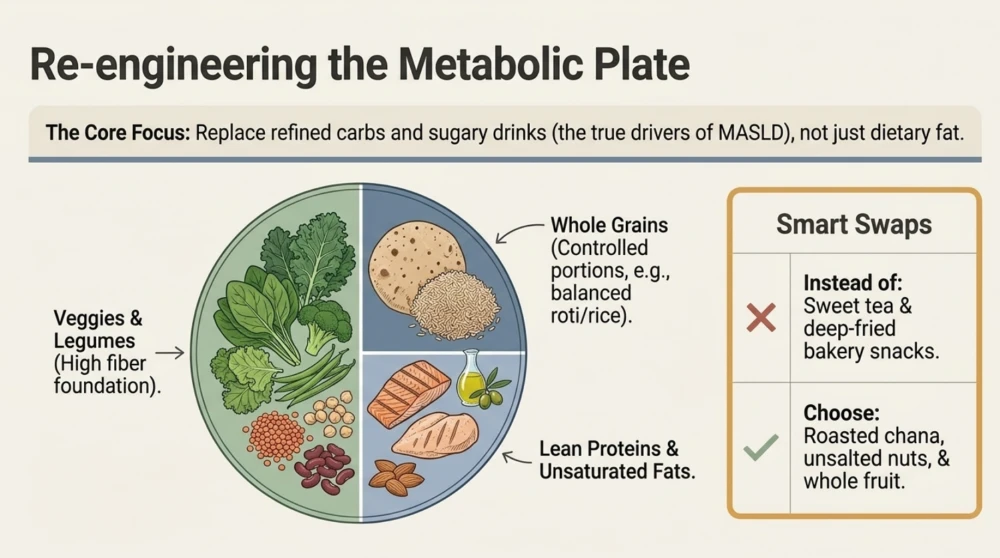
Frequent intake of sugar-sweetened beverages, refined carbohydrates, highly processed snacks and foods rich in saturated fat should be reduced.
For patients with diabetes, the quantity and distribution of carbohydrates may also require attention.
Why Replacing Refined Carbohydrates Matters
Many patients focus exclusively on reducing visible dietary fat after receiving a fatty liver diagnosis.
However, excessive intake of refined carbohydrates and sugar-sweetened beverages can contribute to excess energy intake and metabolic dysfunction.
Frequent consumption of sweetened drinks, desserts and refined snacks may make weight management more difficult.
Replacing these foods with higher-fibre and nutrient-dense alternatives can support metabolic health.
However, carbohydrate restriction should be individualised, particularly in patients taking glucose-lowering medications.
Does Eating Fat Cause Fatty Liver?
Fatty liver is not simply the result of eating dietary fat.
Hepatic fat accumulation is influenced by energy balance, insulin resistance, adipose tissue metabolism, dietary composition, genetics and other factors.
Therefore, removing all fat from the diet is neither necessary nor nutritionally appropriate.
The type of dietary fat matters.
Replacing excessive saturated fat with suitable unsaturated fat sources may improve cardiovascular lipid profiles.
Practical Food Changes for Patients With MASLD
| Common Habit | Practical Alternative | Potential Benefit |
|---|---|---|
| Sweetened tea several times daily | Gradually reduce added sugar | Reduces added sugar intake |
| Fruit juice instead of whole fruit | Choose whole fruit in appropriate portions | Provides fibre and supports satiety |
| Frequent bakery snacks | Roasted chana, fruit or suitable unsalted nuts | May improve dietary fibre and fat quality |
| Large portions of refined carbohydrates | Adjust portions and include vegetables and protein | Supports energy balance and glucose management |
| Frequent deep-fried snacks | Choose less-fried, minimally processed alternatives | May reduce excess energy and unhealthy fat intake |
| Very limited vegetable intake | Include vegetables at lunch and dinner | Improves dietary quality and fibre intake |
Should Patients With Fatty Liver Avoid Rice and Roti?
Rice and roti do not automatically need to be eliminated from the diet.
The more important considerations are portion size, overall carbohydrate intake, fibre content, accompanying foods and individual metabolic requirements.
For example, a meal containing roti, dal, vegetables and curd may provide a more balanced nutritional pattern than a meal dominated by refined carbohydrates with little protein or fibre.
Patients with diabetes may need additional adjustments based on glucose monitoring, medication and activity levels.
Is Fruit Safe for Patients With Fatty Liver?
Whole fruit can be included in a balanced diet for most patients with MASLD.
Whole fruits provide fibre, vitamins, minerals and other beneficial dietary components.
However, fruit juices and sweetened fruit beverages are not nutritionally equivalent to whole fruit.
Patients with diabetes should consider portions and total carbohydrate intake rather than avoiding all fruit.
Does Coffee Help Fatty Liver?
Observational studies have associated coffee consumption with favourable liver outcomes in some populations.
However, the evidence does not establish that coffee is a substitute for appropriate MASLD treatment.
Patients who already drink coffee may be able to include it within a balanced dietary pattern.
However, people with certain arrhythmias, sleep disturbances, reflux symptoms or caffeine sensitivity may need to limit intake.
Sweetened coffee beverages containing large quantities of sugar and cream should not be assumed to provide the same potential benefits.
How Exercise Protects Both the Liver and Heart
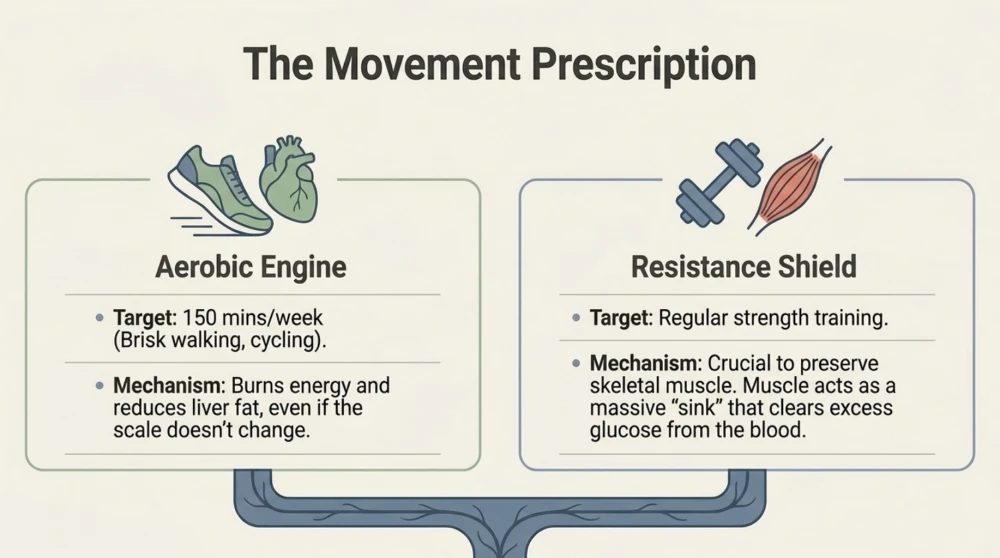
Physical activity is particularly valuable in MASLD because it can improve several metabolic processes simultaneously.
Regular exercise can improve insulin sensitivity, cardiovascular fitness and body composition.
It may also reduce hepatic fat even when substantial weight loss does not occur.
However, the magnitude of improvement varies between individuals.
For many adults, a reasonable goal is at least 150 minutes of moderate-intensity aerobic activity each week.
Additional activity may provide further benefits when appropriate.
Is Walking Enough for Fatty Liver?
Brisk walking can be a useful starting point, especially for previously inactive individuals.
However, exercise benefits depend on intensity, duration, consistency and individual fitness.
Some patients may benefit from gradually increasing activity or combining walking with other forms of exercise.
People with established cardiovascular disease, significant symptoms or physical limitations should follow an individualised activity plan.
Why Strength Training Matters in MASLD
Resistance training helps maintain or improve skeletal muscle mass and strength.
Skeletal muscle plays an important role in glucose disposal and metabolic health.
Loss of muscle mass can complicate weight management, particularly during ageing or substantial weight reduction.
Therefore, a comprehensive exercise programme should generally include suitable resistance training in addition to aerobic activity.
Patients should aim to preserve muscle mass rather than focusing exclusively on weight loss.
Can Weight Loss Improve Fatty Liver but Reduce Muscle Mass?
Yes.
Weight reduction can involve loss of both fat mass and lean tissue.
Very restrictive diets, inadequate protein intake and lack of resistance training may increase the risk of unwanted muscle loss.
For patients with MASLD, preserving muscle function is important for long-term metabolic health.
Dietary protein requirements should be individualised, particularly in patients with kidney disease or other medical conditions.
Do Statins Protect the Heart in Patients With Fatty Liver?
Statins are among the most important medications for reducing atherosclerotic cardiovascular risk when clinically indicated.
They lower LDL cholesterol and reduce the risk of major cardiovascular events in appropriate patient populations.
For patients with MASLD, the presence of hepatic steatosis is not generally a contraindication to statin treatment.
Statins can be used in many patients with MASLD, including those with compensated chronic liver disease, when there is a cardiovascular indication.
However, advanced or decompensated liver disease requires careful individualised assessment.
Should Statins Be Stopped When ALT Is Mildly Elevated?
Not automatically.
Mild liver enzyme elevation associated with MASLD does not necessarily require discontinuation of statin treatment.
The clinician should consider the degree and pattern of enzyme elevation, symptoms, medication history and other potential causes.
Patients should not stop prescribed statins solely because an ultrasound report mentions fatty liver.
Does Treating Cholesterol Also Treat Fatty Liver?
Lipid-lowering treatment primarily addresses cardiovascular risk.
Some lipid-lowering therapies may influence liver-related measurements, but they should not automatically be regarded as treatments for hepatic fibrosis or steatohepatitis.
The presence of MASLD does not eliminate the need for appropriate cholesterol treatment.
Likewise, successful LDL cholesterol reduction does not guarantee that liver fibrosis has improved.
Diabetes Treatment and Cardiovascular Protection in MASLD
In patients with both type 2 diabetes and MASLD, treatment selection should consider glycaemic control, body weight, kidney function, cardiovascular disease and liver-related risk.
Some glucose-lowering medications have demonstrated cardiovascular or kidney benefits in specific patient populations.
For example, selected GLP-1 receptor agonists and SGLT2 inhibitors have established cardiovascular or renal outcome benefits in appropriate groups of patients with type 2 diabetes.
However, these benefits depend on the individual medication and the population studied.
Not every diabetes medicine has the same cardiovascular evidence.
Can Semaglutide or Tirzepatide Help Patients With Fatty Liver?
Incretin-based treatments such as semaglutide and tirzepatide can produce clinically meaningful weight reduction in appropriately selected patients.
Studies have also demonstrated improvements in several liver-related measurements and histological outcomes in selected populations.
However, treatment decisions must consider the specific indication, regulatory approval, patient characteristics and available clinical evidence.
These medicines should not be presented as universally appropriate for every patient with fatty liver.
Potential adverse effects, contraindications, nutritional adequacy and preservation of muscle mass require attention.
Furthermore, improvement in liver fat or steatohepatitis should not be assumed to guarantee cardiovascular event reduction for every drug and patient population.
Is There a Specific Medicine for MASH?
Metabolic dysfunction-associated steatohepatitis, or MASH, is a more inflammatory form of metabolic fatty liver disease.
Drug treatment options for selected patients with non-cirrhotic MASH and clinically significant fibrosis have evolved.
However, regulatory approvals and availability differ between countries and may change over time.
Such treatments require appropriate diagnosis, fibrosis staging and specialist consideration.
They should not be prescribed merely because an ultrasound shows Grade 1 or Grade 2 fatty liver.
Why Blood Pressure Control Matters in Fatty Liver
Hypertension is a major modifiable cardiovascular risk factor.
Patients with MASLD should have blood pressure assessed using appropriate measurement techniques.
When hypertension is confirmed, treatment may include dietary sodium reduction, physical activity, weight management and medication when indicated.
Blood pressure targets should be individualised according to cardiovascular risk, age, kidney function, tolerability and the guideline being followed.
Improvement in liver fat does not eliminate the need for hypertension treatment.
Smoking and Alcohol: Two Important Considerations
Smoking is an established cardiovascular risk factor and should be addressed independently of fatty liver severity.
Smoking cessation can provide substantial cardiovascular health benefits.
Alcohol intake also deserves assessment because it can contribute to liver injury and other health risks.
Patients with MASLD should discuss alcohol use openly with their clinician.
Those with advanced fibrosis or cirrhosis are generally advised to abstain from alcohol.
Patients should not assume that a particular alcoholic beverage is protective simply because some observational studies have reported favourable associations in selected populations.
Does Sleep Apnoea Increase Risk in Fatty Liver?
Obstructive sleep apnoea commonly coexists with obesity and metabolic dysfunction.
It can contribute to sleep fragmentation, intermittent hypoxia and elevated blood pressure.
Patients with loud snoring, witnessed breathing pauses, excessive daytime sleepiness or resistant hypertension may require evaluation for sleep apnoea.
However, fatty liver alone does not establish a diagnosis of sleep apnoea.
Appropriate assessment should be based on symptoms and clinical risk.
How Should Patients Monitor Progress?
Successful management should be assessed using several complementary measurements.
Body weight and waist circumference may help monitor changes in adiposity.
Blood pressure, HbA1c and lipid measurements help evaluate cardiometabolic risk factors.
Liver enzymes and non-invasive fibrosis assessments provide information about liver-related health.
However, no single measurement can confirm that all cardiovascular and liver risks have resolved.
| Measurement | What It Helps Monitor | Important Limitation |
|---|---|---|
| Weight and waist circumference | Changes in body size and abdominal adiposity | Do not directly measure liver fibrosis or coronary plaque |
| Blood pressure | Hypertension control | Requires reliable measurement technique |
| HbA1c | Average glycaemic exposure | Does not assess every cardiovascular risk factor |
| Lipid profile | Cholesterol and triglyceride response | Does not directly measure coronary plaque |
| ALT and AST | Liver enzyme abnormalities | Normal results do not exclude significant fibrosis |
| FIB-4 and elastography | Risk of clinically significant liver fibrosis | Require appropriate interpretation and follow-up |
Common Myths About Fatty Liver and Heart Disease
Myth 1: Fatty Liver Only Affects the Liver
False. MASLD frequently coexists with metabolic abnormalities that increase cardiovascular risk.
Myth 2: Grade 1 Fatty Liver Is Always Harmless
False. Mild steatosis does not exclude significant cardiometabolic risk factors or liver fibrosis.
Myth 3: Normal ALT Means the Heart Is Safe
False. Liver enzymes do not determine cardiovascular risk.
Myth 4: Everyone With Fatty Liver Needs a CT Coronary Angiogram
False. Cardiac investigations should be selected according to symptoms, cardiovascular risk and clinical indications.
Myth 5: Statins Must Be Avoided in Fatty Liver
False. Statins are generally appropriate for cardiovascular risk reduction in many patients with MASLD when indicated.
Myth 6: Thin People Cannot Develop Fatty Liver
False. MASLD can occur in people with normal BMI, including those with visceral adiposity or other metabolic abnormalities.
Myth 7: If Fatty Liver Improves, Heart Disease Risk Disappears
False. Other cardiovascular risk factors may remain and require continued management.
Myth 8: Liver Detox Supplements Can Prevent Heart Attacks
False. There is no reliable evidence that commercial liver detox supplements prevent cardiovascular events. Some supplements may also cause liver injury or interact with medications.
Frequently Asked Questions About Fatty Liver and Heart Disease
1. Can fatty liver increase the risk of heart attack?
MASLD is associated with metabolic abnormalities and increased cardiovascular risk in many populations. However, the individual's risk depends on factors such as diabetes, blood pressure, cholesterol, smoking and family history.
2. Is heart disease more dangerous than fatty liver?
Cardiovascular disease is a major cause of adverse outcomes in many people with MASLD, particularly without advanced liver disease. However, advanced fibrosis and cirrhosis carry serious liver-related risks. Both require appropriate assessment.
3. Can Grade 1 fatty liver cause heart disease?
Grade 1 fatty liver does not directly establish coronary disease. However, patients with mild steatosis may have cardiovascular risk factors that require evaluation.
4. Should I undergo a heart test if I have fatty liver?
Not automatically. Initial assessment usually focuses on symptoms, blood pressure, glucose regulation, lipids and other risk factors. Additional cardiac testing is considered when clinically indicated.
5. Can weight loss improve fatty liver and cardiovascular health?
In patients with excess body weight, sustained weight reduction can improve liver fat and several cardiometabolic risk factors. However, cardiovascular risk must still be assessed independently.
6. Are statins safe in fatty liver?
Statins are generally considered appropriate in many patients with MASLD when there is a cardiovascular indication. Advanced liver disease and other clinical circumstances require individualised assessment.
7. Can fatty liver occur with normal cholesterol?
Yes. MASLD can occur even when routine cholesterol measurements are within laboratory reference ranges. Other metabolic risk factors may still be present.
8. Does fatty liver mean I have insulin resistance?
Insulin resistance is common in MASLD but cannot be diagnosed solely from liver imaging. Clinical and metabolic assessment is required.
9. Can exercise reduce liver fat without weight loss?
Yes. Studies suggest that regular physical activity can reduce hepatic fat even without substantial weight loss, although the response varies between individuals.
10. Does normal ALT mean fatty liver has resolved?
No. Normal ALT does not reliably exclude hepatic steatosis, steatohepatitis or significant fibrosis.
11. Is fatty liver reversible?
Hepatic steatosis can improve substantially with appropriate interventions. However, the likelihood of reversing inflammation or fibrosis depends on disease severity and individual circumstances.
12. How often should fatty liver and cardiovascular risk be reviewed?
Follow-up frequency depends on diabetes, blood pressure, lipid abnormalities, fibrosis risk, medications and treatment response. Patients with higher-risk conditions may require more frequent review.
What I Explain to Patients With Fatty Liver
When a patient brings an ultrasound report showing fatty liver, I do not focus exclusively on the grade mentioned in the report.
I review the patient's weight, waist circumference, blood pressure, glucose regulation, lipid profile and other metabolic risk factors.
I also consider whether the patient may have significant liver fibrosis.
For example, a patient with mild fatty liver, type 2 diabetes, elevated triglycerides and uncontrolled hypertension may need substantial attention to cardiovascular prevention.
Another patient with advanced fibrosis may require more intensive liver-related evaluation and specialist care.
Both situations are important, but the clinical priorities differ.
I also explain that normal liver enzymes do not automatically mean that fatty liver is harmless.
Similarly, improvement in liver fat does not eliminate the need to control cholesterol, blood pressure or diabetes.
The goal is to improve long-term health by addressing both liver disease and the metabolic factors that contribute to cardiovascular risk.
Key Takeaways: Fatty Liver and Heart Disease
- MASLD frequently coexists with diabetes, hypertension, dyslipidaemia and abdominal obesity.
- Cardiovascular disease is a major cause of adverse outcomes in many patients with MASLD.
- Advanced liver fibrosis remains an important predictor of liver-related complications.
- Ultrasound fatty liver grade does not directly determine cardiovascular risk.
- Normal ALT does not exclude significant liver disease or cardiovascular risk.
- Blood pressure, glucose regulation, lipids and kidney function deserve attention.
- ApoB and lipoprotein(a) may refine cardiovascular risk assessment in selected patients.
- Routine coronary imaging is not necessary for every patient with fatty liver.
- Weight management, dietary quality and regular physical activity support metabolic health.
- Statins should not automatically be avoided because of MASLD.
- Improvement in fatty liver does not guarantee elimination of cardiovascular risk.
- Long-term care should address both cardiovascular prevention and liver fibrosis risk.
Fatty Liver and Metabolic Health Consultation in Dwarka, Delhi
If you have been diagnosed with fatty liver, particularly alongside diabetes, high cholesterol, elevated triglycerides, hypertension or abdominal obesity, a comprehensive metabolic assessment may help identify important health risks.
Dr. Pankaj Kumar, General & Lifestyle Physician, provides consultations for fatty liver disease, diabetes, hypertension, obesity and related metabolic disorders in Sector 6, Dwarka, New Delhi.
Assessment may include reviewing liver investigations, metabolic risk factors, cardiovascular health and the need for fibrosis evaluation.
Management is individualised according to the patient's clinical condition and treatment goals.
Clinic location: Doctors Lane, Sector 6, Dwarka, opposite Dhanwantari Labs, New Delhi.
Book a Consultation Enquire on WhatsApp
Scientific References
- European Association for the Study of the Liver, European Association for the Study of Diabetes and European Association for the Study of Obesity. EASL–EASD–EASO Clinical Practice Guidelines on the Management of Metabolic Dysfunction-Associated Steatotic Liver Disease (MASLD). Journal of Hepatology. 2024. Clinical Practice Guidelines.
- Rinella ME, et al. AASLD Practice Guidance on the Clinical Assessment and Management of Nonalcoholic Fatty Liver Disease. Hepatology. 2023. https://doi.org/10.1097/HEP.0000000000000323.
- Rinella ME, et al. A Multisociety Delphi Consensus Statement on New Fatty Liver Disease Nomenclature. Hepatology. 2023. https://doi.org/10.1097/HEP.0000000000000520.
- American Heart Association. Nonalcoholic Fatty Liver Disease and Cardiovascular Risk: A Scientific Statement. Arteriosclerosis, Thrombosis, and Vascular Biology. 2022. https://doi.org/10.1161/ATV.0000000000000153.
- World Health Organization. WHO Guidelines on Physical Activity and Sedentary Behaviour. 2020. WHO Physical Activity Guidelines.
- European Society of Cardiology. Clinical Practice Guidelines on Cardiovascular Prevention and Dyslipidaemia. ESC Guidelines.
Medical disclaimer: This article is intended for general health education and does not replace individual medical advice. Fatty liver diagnosis, liver fibrosis assessment, cardiovascular risk evaluation and medication decisions require appropriate clinical assessment. Do not start, stop or adjust prescribed medicines solely on the basis of this article.