














- 17th October 2026
Table of Contents
- Masked Hypertension: Why Normal Blood Pressure at the Clinic May Not Tell the Whole Story
- What Is Masked Hypertension?
- Why Can Blood Pressure Be Normal at the Clinic but High at Home?
- Masked Hypertension vs White-Coat Hypertension
- What Is Masked Uncontrolled Hypertension?
- How Common Is Masked Hypertension?
- Who Is More Likely to Have Masked Hypertension?
- Can Young Adults Have Masked Hypertension?
- Can Masked Hypertension Occur in People With Diabetes?
- Masked Hypertension and Chronic Kidney Disease
- Does Masked Hypertension Cause Symptoms?
- Is Masked Hypertension Dangerous?
- Why Blood Pressure Outside the Clinic Matters for the Heart
- Masked Hypertension and Left Ventricular Hypertrophy
- Masked Hypertension and Stroke Risk
- Can Masked Hypertension Affect the Kidneys?
- Why Night-Time Blood Pressure Is Important
- Home Blood Pressure Monitoring vs Ambulatory Blood Pressure Monitoring
- Why One High Home BP Reading Is Not Enough for Diagnosis
- How Is Masked Hypertension Diagnosed?
- Why Correct Home Blood Pressure Measurement Matters
- How to Measure Blood Pressure Correctly at Home
- Step 1: Rest Before Taking the Reading
- Step 2: Sit in the Correct Position
- Step 3: Use the Correct Cuff Size
- Step 4: Take Repeated Measurements
- Common Home BP Measurement Mistakes
- Which Arm Should Be Used for Home Blood Pressure Monitoring?
- How Often Should Blood Pressure Be Checked at Home?
- Sample Home Blood Pressure Recording Chart
- How Is the Average Home Blood Pressure Calculated?
- What Home Blood Pressure Is Considered High?
- Commonly Used Blood Pressure Thresholds
- What Is 24-Hour Ambulatory Blood Pressure Monitoring?
- How Does a 24-Hour ABPM Test Work?
- What Does an ABPM Report Show?
- What Is Nocturnal Hypertension?
- What Is a Non-Dipping Blood Pressure Pattern?
- Can a Home BP Monitor Detect Nocturnal Hypertension?
- When Should a Doctor Suspect Masked Hypertension?
- What If Home BP Is High but ABPM Is Normal?
- Can Wrist Blood Pressure Monitors Be Trusted?
- Are Smartwatch Blood Pressure Readings Reliable?
- Should You Bring Your Home BP Monitor to the Clinic?
- What Tests May Be Needed After Masked Hypertension Is Confirmed?
- How Is Masked Hypertension Treated?
- Why a Normal Clinic BP Should Not Automatically Prevent Treatment
- Can Lifestyle Modification Control Masked Hypertension?
- Reducing Salt Intake: One of the Most Important Dietary Changes
- Indian Dietary Strategies for Masked Hypertension
- Practical Indian Food Changes for Better Blood Pressure Control
- Can Potassium-Rich Foods Help Lower Blood Pressure?
- Weight Management and Masked Hypertension
- How Exercise Helps Control Blood Pressure
- Resistance Training and Blood Pressure
- Stress and Masked Hypertension
- Sleep Quality and Night-Time Blood Pressure
- Does Treating Sleep Apnoea Lower Blood Pressure?
- When Are Medicines Needed for Masked Hypertension?
- Which Blood Pressure Medicines May Be Used?
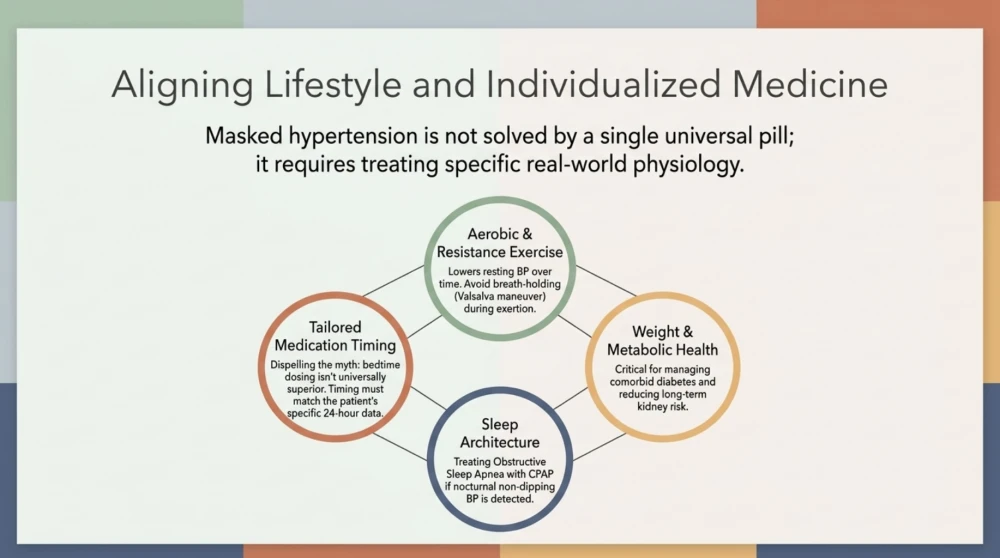
- Should Blood Pressure Medicines Be Taken at Night?
- What If Clinic BP Becomes Too Low After Starting Treatment?
- How Should Masked Hypertension Be Monitored After Treatment?
- Why Blood Pressure Targets Must Be Individualised
- Masked Hypertension in People With Diabetes
- Masked Hypertension and Chronic Kidney Disease
- Can Masked Hypertension Become Sustained Hypertension?
- Common Myths About Masked Hypertension
- Myth 1: If My Clinic BP Is Normal, I Cannot Have Hypertension
- Myth 2: Home BP Monitors Always Give Higher Readings
- Myth 3: One Reading of 150/90 Means I Have Masked Hypertension
- Myth 4: Hypertension Always Causes Headache
- Myth 5: Pink Salt Is Safe for People With High BP
- Myth 6: Blood Pressure Medicines Should Always Be Taken at Night
- Myth 7: Young Adults Do Not Develop Masked Hypertension
- Myth 8: If I Feel Well, High Home BP Does Not Matter
- Frequently Asked Questions About Masked Hypertension
- When Is High Blood Pressure an Emergency?
- What I Tell Patients Whose Clinic BP Is Normal but Home BP Is High
- Key Takeaways About Masked Hypertension
- Blood Pressure Consultation in Dwarka, New Delhi
- Scientific References
Masked Hypertension: Why Normal Blood Pressure at the Clinic May Not Tell the Whole Story
Imagine a 46-year-old man visiting his doctor for a routine health check-up. His blood pressure is measured at 124/78 mmHg. He feels well, has no major complaints and is reassured that his blood pressure is normal.
However, he has been checking his blood pressure at home for the previous two weeks. Many of his readings are between 140/88 and 150/94 mmHg.
He is confused. If his blood pressure is normal at the clinic, why does his home monitor repeatedly show higher values?
One possible explanation is masked hypertension.
Masked hypertension describes a situation in which blood pressure appears normal during a clinic consultation but is elevated when measured outside the clinic, such as at home or during ambulatory blood pressure monitoring.
This pattern matters because the cardiovascular system is exposed to blood pressure throughout the day and night, not only during a brief medical appointment.
A normal clinic reading therefore does not always exclude hypertension.
However, a few elevated home readings do not automatically establish masked hypertension. Incorrect measurement technique, unsuitable equipment and temporary influences can also produce high values.
The diagnosis requires reliable out-of-office blood pressure assessment and appropriate clinical interpretation.
What Is Masked Hypertension?
Masked hypertension is a blood pressure pattern in which office or clinic measurements are below the relevant hypertension threshold, while measurements taken outside the clinic are elevated.
The term "masked" refers to the fact that hypertension may remain hidden during routine office assessment.
For example, a patient may have a clinic blood pressure of 126/80 mmHg but an average home blood pressure of 139/88 mmHg.
If the measurements are reliable and meet the applicable diagnostic criteria, this pattern may indicate masked hypertension.
It is important to recognise that blood pressure thresholds differ between major clinical guidelines. Some guidelines use a clinic threshold of 140/90 mmHg with a corresponding home threshold of 135/85 mmHg, while others use lower thresholds.
Therefore, the diagnosis should not be based on one universal cut-off without considering the guideline and clinical setting.
Masked Hypertension Is Not the Same as Occasional High Blood Pressure
Blood pressure naturally changes throughout the day.
Physical activity, emotional stress, pain, caffeine, nicotine, sleep and other factors can temporarily influence measurements.
A single high reading after climbing stairs or during an argument does not necessarily indicate hypertension.
Masked hypertension refers to a reproducible pattern of elevated out-of-office blood pressure despite apparently normal clinic measurements.
Why Can Blood Pressure Be Normal at the Clinic but High at Home?
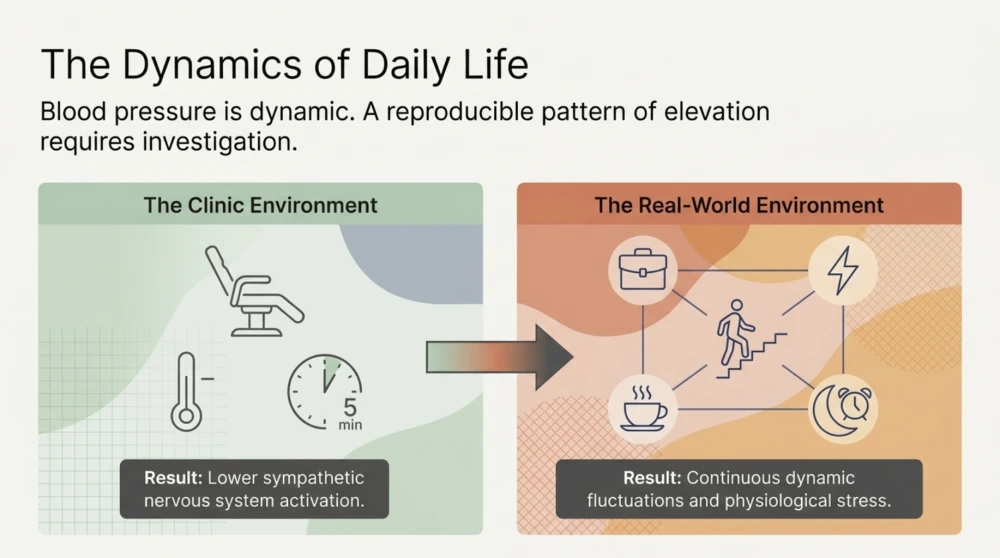
Blood pressure is dynamic rather than fixed.
During a clinic visit, a patient may be seated quietly in a controlled environment for several minutes before the measurement is taken.
At home or during daily activities, blood pressure may be influenced by work demands, physical activity, emotional stress, sleep disruption and medication timing.
Some patients may therefore have higher average blood pressure outside the clinic.
However, differences between clinic and home readings are not always caused by true physiological differences.
They can also result from measurement errors or differences in equipment.
Masked Hypertension vs White-Coat Hypertension
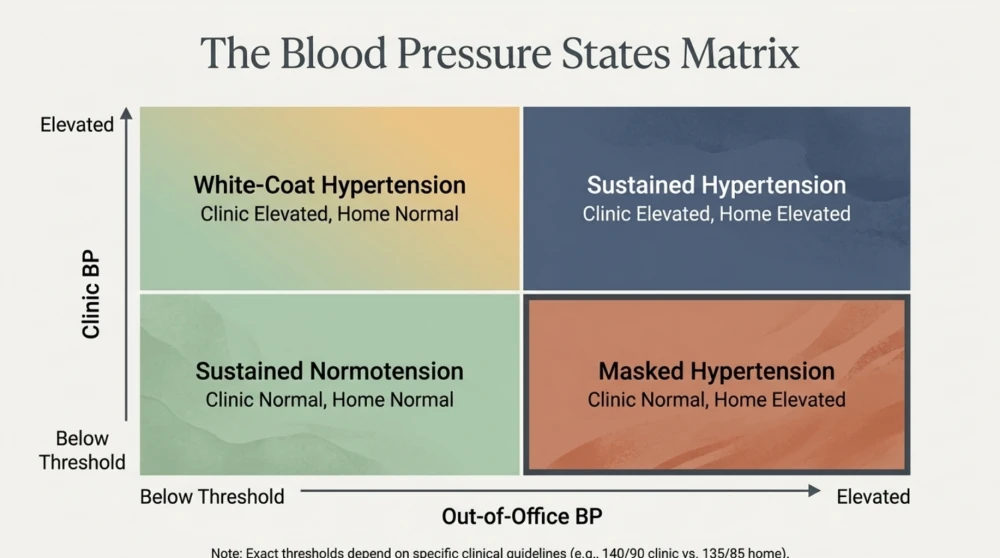
Masked hypertension and white-coat hypertension represent opposite patterns.
In white-coat hypertension, blood pressure is elevated in the clinic but below the relevant threshold outside the clinic.
In masked hypertension, clinic blood pressure is below the relevant threshold, but out-of-office blood pressure is elevated.
Both patterns demonstrate why relying exclusively on clinic measurements can sometimes be misleading.
| Blood Pressure Pattern | Clinic BP | Out-of-Office BP |
|---|---|---|
| Sustained normotension | Below threshold | Below threshold |
| White-coat hypertension | Elevated | Below threshold |
| Masked hypertension | Below threshold | Elevated |
| Sustained hypertension | Elevated | Elevated |
These categories depend on the blood pressure thresholds used in the relevant clinical guideline.
What Is Masked Uncontrolled Hypertension?
Masked hypertension is commonly discussed in people who have not previously been diagnosed with or treated for hypertension.
A related condition is masked uncontrolled hypertension.
This occurs when a patient receiving blood pressure treatment has apparently controlled clinic readings but elevated out-of-office blood pressure.
For example, a patient taking antihypertensive medication may record 128/78 mmHg at the clinic, while repeated home readings remain around 145/90 mmHg.
This may indicate that blood pressure is not adequately controlled throughout the day or night.
Possible contributors include medication timing, insufficient treatment effect, adherence difficulties or other factors.
However, medication changes should not be made solely because of one or two home readings.
How Common Is Masked Hypertension?
Masked hypertension is not rare, but its reported prevalence varies substantially between studies.
Differences in study populations, age, blood pressure thresholds, measurement methods and whether participants are receiving treatment all influence prevalence estimates.
It is therefore difficult to provide one percentage that accurately applies to every population.
The practical concern is that some people classified as having normal clinic blood pressure may have elevated blood pressure during their usual daily activities or sleep.
Who Is More Likely to Have Masked Hypertension?
Masked hypertension can occur in adults of different ages and backgrounds.
However, certain clinical features may increase suspicion.
These include clinic blood pressure near the upper end of the normal range, smoking, obesity, diabetes, chronic kidney disease and other cardiovascular risk factors.
Some patients with suspected sleep apnoea or evidence of hypertension-related organ damage may also require out-of-office blood pressure assessment.
These associations do not mean that every person with these characteristics has masked hypertension.
Why High-Normal Clinic Blood Pressure Deserves Attention
A clinic reading just below a diagnostic threshold may appear reassuring.
However, patients whose clinic blood pressure is consistently near that threshold may be more likely to have elevated out-of-office readings than those with substantially lower clinic measurements.
This is one reason some guidelines recommend considering ambulatory or home blood pressure monitoring in selected patients with high-normal office readings.
Can Young Adults Have Masked Hypertension?
Yes.
Hypertension is not limited to older adults.
Younger adults may have elevated blood pressure outside the clinic, particularly when relevant risk factors are present.
However, age alone does not establish the diagnosis.
Repeated, properly performed measurements are necessary.
Can Masked Hypertension Occur in People With Diabetes?
Yes.
Blood pressure assessment is particularly important in diabetes because hypertension and diabetes frequently coexist and contribute to cardiovascular and kidney risk.
Some people with diabetes may have apparently acceptable clinic readings but elevated home or ambulatory blood pressure.
Out-of-office monitoring may therefore be helpful when clinic readings do not fit the broader clinical picture.
However, blood pressure targets and treatment decisions should be individualised rather than applying the same threshold to every patient.
Masked Hypertension and Chronic Kidney Disease
Blood pressure and kidney function are closely related.
Chronic kidney disease may coexist with hypertension, and abnormal blood pressure patterns can complicate clinical management.
Patients with kidney disease may also experience altered night-time blood pressure patterns.
Ambulatory blood pressure monitoring can be particularly informative when nocturnal hypertension is suspected.
Nevertheless, elevated blood pressure is not the only cause of kidney disease, and the relationship between kidney function and blood pressure can be bidirectional.
Does Masked Hypertension Cause Symptoms?
Most people with masked hypertension do not experience distinctive symptoms.
They may feel completely well during routine daily activities.
This is one reason the condition can remain undetected.
Headache, dizziness, fatigue or palpitations may occur for many reasons and are not reliable diagnostic indicators of masked hypertension.
The absence of symptoms does not exclude elevated blood pressure.
Why Symptoms Are Not a Reliable Guide to Blood Pressure
Many patients assume that they will develop a headache whenever their blood pressure is high.
However, mild or moderate hypertension is frequently asymptomatic.
Similarly, headaches can occur in people with normal blood pressure.
Therefore, blood pressure should be assessed through reliable measurements rather than symptoms alone.
Is Masked Hypertension Dangerous?
Masked hypertension is clinically important because elevated out-of-office blood pressure is associated with increased cardiovascular risk.
Observational studies have linked masked hypertension with adverse outcomes compared with consistently normal blood pressure.
However, an individual's absolute risk depends on multiple factors, including age, diabetes, smoking, kidney function, cholesterol levels and the degree of blood pressure elevation.
It would be inaccurate to assume that every person with masked hypertension has the same risk.
Why Blood Pressure Outside the Clinic Matters for the Heart
The heart and blood vessels are exposed to blood pressure continuously.
Persistent elevation can increase the workload on the cardiovascular system.
Over time, hypertension may contribute to structural and functional changes in the heart and blood vessels.
Because a brief clinic measurement captures only a small part of the day, it may not adequately represent a person's usual blood pressure exposure.
Masked Hypertension and Left Ventricular Hypertrophy
Left ventricular hypertrophy refers to increased thickness or mass of the heart's left ventricular muscle.
Long-standing hypertension is one possible contributor.
Some studies have found associations between masked hypertension and measures of hypertension-mediated organ damage, including left ventricular hypertrophy.
However, this does not mean that every patient with masked hypertension has structural heart disease.
Cardiac assessment should be guided by the patient's overall clinical condition.
Masked Hypertension and Stroke Risk
Hypertension is a major modifiable risk factor for stroke.
Elevated out-of-office blood pressure may therefore be relevant even when clinic measurements appear normal.
However, stroke risk depends on many factors, and a diagnosis of masked hypertension does not predict that an individual will necessarily experience a stroke.
Appropriate detection and management form part of broader cardiovascular risk reduction.
Can Masked Hypertension Affect the Kidneys?
Persistent hypertension can contribute to kidney damage, while kidney disease itself may make blood pressure more difficult to control.
In selected patients, assessment of kidney function and urine albumin may help evaluate overall cardiovascular and renal risk.
These tests are not required solely because one home blood pressure reading is elevated.
The decision depends on the confirmed blood pressure pattern and associated clinical findings.
Why Night-Time Blood Pressure Is Important
Blood pressure usually follows a circadian rhythm.
In many people, it decreases during sleep compared with waking hours.
However, some individuals have elevated night-time blood pressure or a reduced nocturnal decline.
These patterns may carry clinical significance and are not reliably identified by routine daytime clinic measurements.
What Is Nocturnal Hypertension?
Nocturnal hypertension refers to elevated blood pressure during sleep, assessed using appropriate monitoring and diagnostic thresholds.
It may occur alongside daytime hypertension or as a more isolated abnormality.
Ambulatory blood pressure monitoring is particularly useful because it can record measurements during sleep.
Ordinary home blood pressure measurements taken while awake generally cannot establish the overnight blood pressure pattern.
Home Blood Pressure Monitoring vs Ambulatory Blood Pressure Monitoring
Two important approaches are used to assess blood pressure outside the clinic.
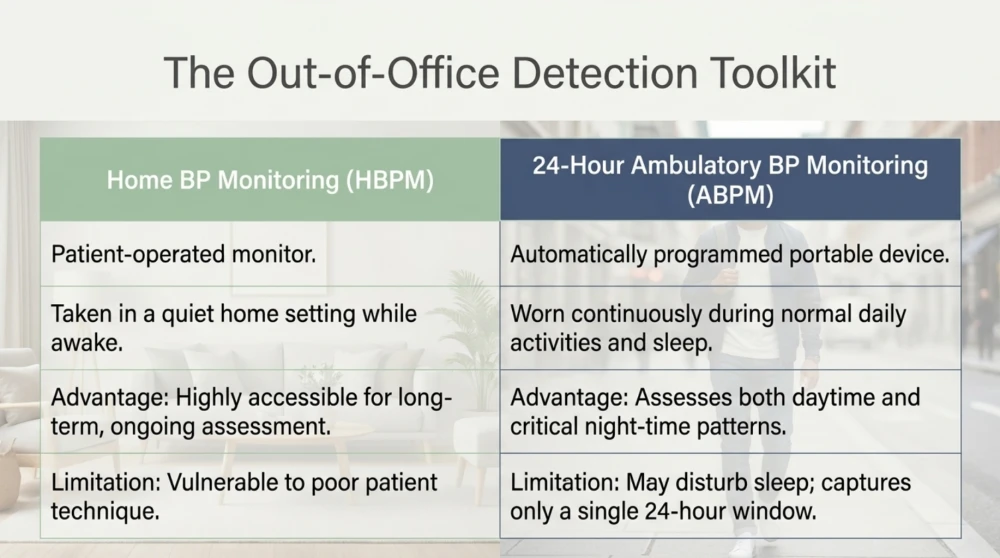
Home blood pressure monitoring (HBPM) involves repeated measurements using an appropriate blood pressure monitor, usually while seated and resting.
Ambulatory blood pressure monitoring (ABPM) uses a portable device that automatically records blood pressure at intervals over approximately 24 hours, including during usual daily activities and sleep.
Both methods can provide information beyond routine clinic measurements.
However, they are not interchangeable in every clinical situation.
| Feature | Home BP Monitoring | 24-Hour Ambulatory BP Monitoring |
|---|---|---|
| Measurement method | Patient-operated monitor | Automatically programmed portable device |
| Usual setting | Home or another quiet setting | Daily activities and sleep |
| Night-time readings | Usually not available | Available |
| Long-term monitoring | Convenient for repeated use | Usually performed for a defined monitoring period |
| Main advantage | Accessible and useful for ongoing assessment | Assesses daytime and night-time blood pressure patterns |
| Important limitation | Technique and timing influence accuracy | May disturb sleep and may not represent every usual day |
Why One High Home BP Reading Is Not Enough for Diagnosis
Blood pressure varies from moment to moment.
A single measurement may be influenced by recent activity, anxiety, pain, caffeine, nicotine or incorrect technique.
For this reason, home blood pressure assessment generally relies on multiple measurements collected over several days.
The average of appropriately obtained readings is more informative than selecting the highest value.
However, markedly elevated blood pressure or concerning symptoms may require prompt assessment rather than waiting to complete a routine monitoring schedule.
How Is Masked Hypertension Diagnosed?
Diagnosing masked hypertension requires more than comparing one clinic blood pressure reading with one home measurement.
Blood pressure naturally fluctuates throughout the day. Physical activity, emotional stress, pain, caffeine, nicotine, sleep and medication timing can influence readings.
For this reason, a reliable diagnosis depends on properly performed measurements collected under appropriate conditions.
The two principal methods used to assess blood pressure outside the clinic are home blood pressure monitoring (HBPM) and ambulatory blood pressure monitoring (ABPM).
Both methods provide information that may not be available during a routine consultation.
However, they have different strengths and limitations.
Why Correct Home Blood Pressure Measurement Matters
Many patients begin checking their blood pressure after purchasing a digital monitor.
Unfortunately, not every reading obtained at home is reliable.
Common measurement errors include using the wrong cuff size, placing the arm below heart level, talking during measurement or checking blood pressure immediately after physical activity.
These errors can produce misleading results and may create unnecessary anxiety.
Before diagnosing masked hypertension, the clinician should therefore review the patient's measurement technique and equipment.
How to Measure Blood Pressure Correctly at Home
For most adults, a validated automatic upper-arm blood pressure monitor is preferred.
The device should have an appropriately sized cuff and should be used according to the manufacturer's instructions.
Measurements should be taken in a quiet environment after sufficient rest.
Step 1: Rest Before Taking the Reading
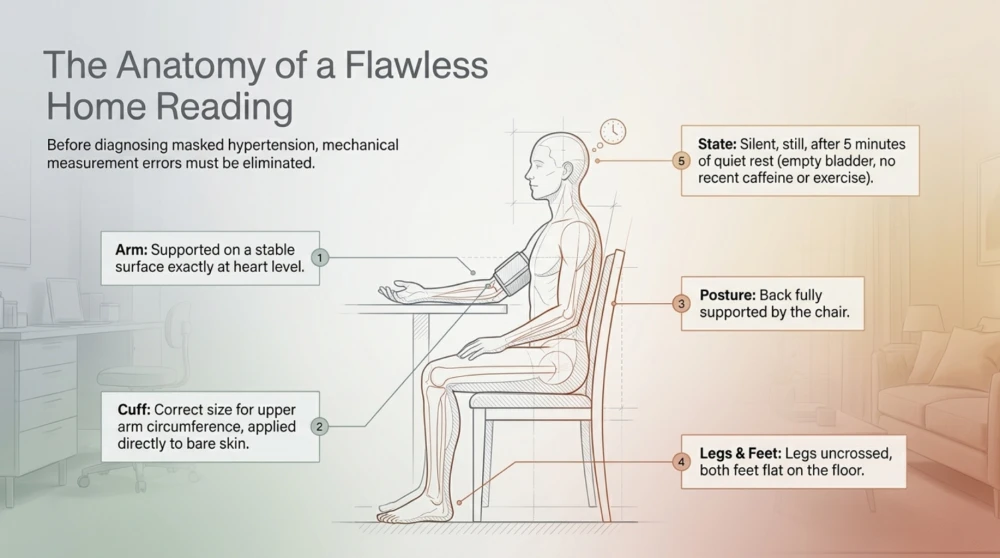
Sit quietly for at least five minutes before measuring blood pressure.
Avoid exercise, smoking and caffeine for approximately 30 minutes beforehand.
Empty your bladder if necessary, because a full bladder can affect the reading.
Do not measure blood pressure immediately after climbing stairs or rushing home from work.
Step 2: Sit in the Correct Position
Sit in a chair with your back supported and both feet resting flat on the floor.
Keep your legs uncrossed.
Rest your arm on a table or another stable surface so that the cuff is approximately at heart level.
Do not talk, use your phone or move during measurement.
Step 3: Use the Correct Cuff Size
The cuff should fit the circumference of the upper arm.
A cuff that is too small may produce falsely elevated readings, while a cuff that is too large may produce inaccurately low values.
This is particularly relevant for people with larger upper arms.
The cuff should be applied to bare skin rather than over thick clothing.
Step 4: Take Repeated Measurements
Home blood pressure monitoring protocols commonly recommend taking two readings approximately one minute apart during each measurement session.
Both readings should be recorded.
Repeated measurements help reduce the influence of random variation.
However, patients should avoid repeatedly checking blood pressure every few minutes because of anxiety about an isolated result.
Common Home BP Measurement Mistakes
| Measurement Mistake | Why It Matters | Correct Approach |
|---|---|---|
| Measuring immediately after walking | Recent activity can temporarily increase blood pressure | Rest quietly before measurement |
| Talking during measurement | May alter the reading | Remain silent and still |
| Crossing the legs | Can influence blood pressure measurement | Keep feet flat and legs uncrossed |
| Unsupported arm | Muscle tension and arm position may affect readings | Support the arm at heart level |
| Incorrect cuff size | Can produce inaccurate values | Use a cuff appropriate for arm circumference |
| Checking repeatedly because of anxiety | May increase distress and produce inconsistent readings | Follow a structured monitoring schedule |
Which Arm Should Be Used for Home Blood Pressure Monitoring?
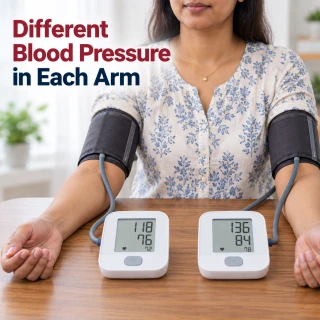
During initial clinical assessment, blood pressure should generally be measured in both arms.
A persistent difference between arms may require further assessment.
For ongoing home monitoring, the arm with the higher reproducible blood pressure is generally preferred, unless the clinician advises otherwise.
Using the same arm consistently helps make readings more comparable.
How Often Should Blood Pressure Be Checked at Home?
For diagnostic home blood pressure monitoring, many established protocols recommend morning and evening measurements over several consecutive days.
At each session, two readings are commonly taken approximately one minute apart.
A seven-day schedule is often preferred, although shorter protocols may be acceptable in certain clinical circumstances.
Some guidelines recommend excluding the first day's readings when calculating the diagnostic average.
Because protocols vary, the clinician should specify how readings will be collected and analysed.
A Practical Seven-Day Home BP Monitoring Schedule
A patient may be asked to measure blood pressure twice in the morning and twice in the evening for seven days.
Morning readings are commonly obtained before breakfast and before morning blood pressure medication, if applicable and clinically appropriate.
Evening readings should be taken at a consistent time under resting conditions.
Patients should not delay or skip prescribed medication merely to obtain a blood pressure reading unless specifically instructed.
Sample Home Blood Pressure Recording Chart
The following chart illustrates how home blood pressure measurements may be recorded.
| Day | Morning Reading 1 | Morning Reading 2 | Evening Reading 1 | Evening Reading 2 |
|---|---|---|---|---|
| Day 1 | 142/88 | 138/86 | 146/90 | 140/88 |
| Day 2 | 138/86 | 136/84 | 144/90 | 140/86 |
| Day 3 | 140/88 | 138/86 | 142/88 | 138/84 |
| Day 4 | 136/84 | 134/82 | 140/88 | 138/86 |
| Day 5 | 138/86 | 136/84 | 144/90 | 140/88 |
| Day 6 | 140/86 | 138/84 | 142/90 | 138/86 |
| Day 7 | 136/84 | 134/82 | 140/88 | 138/86 |
Note: These are hypothetical readings for educational purposes, not actual patient data.
How Is the Average Home Blood Pressure Calculated?
The diagnostic home blood pressure average should be calculated from the readings collected according to the selected monitoring protocol.
For example, under a seven-day protocol that excludes the first day, the clinician calculates the mean systolic and mean diastolic blood pressures from the remaining valid readings.
The systolic and diastolic values are averaged separately.
It is incorrect to diagnose hypertension using only the highest reading or by averaging selected readings that appear concerning.
Why the Average Matters More Than the Highest Reading
Suppose a patient records one blood pressure of 152/94 mmHg but most other readings are around 120/78 mmHg.
This pattern is different from a patient whose readings remain consistently around 145/90 mmHg.
The average and the overall pattern provide more reliable information than an isolated peak.
However, severely elevated readings or concerning symptoms require prompt assessment regardless of the average.
What Home Blood Pressure Is Considered High?
There is no single threshold used identically by all international hypertension guidelines.
Many European and UK diagnostic frameworks use a clinic blood pressure threshold of 140/90 mmHg and a corresponding home blood pressure threshold of 135/85 mmHg.
Other frameworks, including the 2017 ACC/AHA guideline, use lower thresholds for defining hypertension and corresponding out-of-office values.
Therefore, clinicians should apply a consistent guideline rather than combining thresholds from different systems.
Commonly Used Blood Pressure Thresholds
| Measurement Setting | Common Diagnostic Threshold in 140/90-Based Frameworks |
|---|---|
| Clinic BP | 140/90 mmHg or higher |
| Home BP average | 135/85 mmHg or higher |
| Daytime ABPM average | 135/85 mmHg or higher |
| Night-time ABPM average | 120/70 mmHg or higher |
| 24-hour ABPM average | 130/80 mmHg or higher |
These values represent commonly used thresholds in a particular diagnostic framework, not universal targets for every patient.
A reading is generally considered elevated when the systolic or diastolic component meets the applicable threshold.
What Is 24-Hour Ambulatory Blood Pressure Monitoring?
Ambulatory blood pressure monitoring, commonly abbreviated as ABPM, uses a portable device that records blood pressure repeatedly over approximately 24 hours.
The patient wears a cuff connected to a small recording unit while continuing usual daily activities.
The device automatically inflates at programmed intervals.
Unlike ordinary clinic or home measurements, ABPM can assess blood pressure during waking hours and sleep.
This makes it particularly useful for identifying masked hypertension and nocturnal hypertension.
How Does a 24-Hour ABPM Test Work?
During ABPM, the patient wears the device throughout the monitoring period.
The cuff usually inflates at regular intervals during the day and less frequently during sleep, depending on the device protocol.
Patients are generally advised to continue their usual activities unless instructed otherwise.
During cuff inflation, the arm should remain as still as possible.
The device records multiple measurements, which are subsequently analysed.
Why Patients Should Maintain a Simple Activity Diary
Recording sleep and wake times, medication timing, exercise and unusual symptoms may help interpret the ABPM report.
For example, a temporary blood pressure increase during strenuous activity should not automatically be interpreted in the same way as persistently elevated resting blood pressure.
The clinician considers the complete monitoring pattern.
What Does an ABPM Report Show?
An ABPM report commonly includes the average blood pressure over 24 hours, daytime average, night-time average and graphical trends.
It may also describe the change in blood pressure between waking and sleeping periods.
These measurements help identify patterns that are not apparent during clinic consultations.
What Is Nocturnal Hypertension?
Nocturnal hypertension refers to elevated blood pressure during sleep.
It can occur alongside daytime hypertension or in patients whose daytime readings are relatively normal.
Night-time blood pressure is clinically important because it has been associated with cardiovascular and kidney outcomes in observational research.
ABPM is generally required to evaluate this pattern reliably.
What Is a Non-Dipping Blood Pressure Pattern?
In many individuals, blood pressure decreases during sleep.
A reduction of approximately 10–20% compared with daytime blood pressure is often described as a normal dipping pattern.
When the reduction is less than 10%, the pattern is commonly termed non-dipping.
However, dipping classification can vary between monitoring sessions and may be affected by sleep quality, medication timing and other factors.
A single non-dipping result should therefore be interpreted cautiously.
Can Sleep Apnoea Contribute to Abnormal Night-Time BP?
Obstructive sleep apnoea can produce intermittent hypoxia, sleep fragmentation and sympathetic nervous system activation.
These processes may contribute to elevated nocturnal blood pressure in some individuals.
Patients with loud snoring, witnessed breathing pauses or excessive daytime sleepiness may require appropriate sleep assessment.
However, a non-dipping blood pressure pattern alone does not diagnose sleep apnoea.
Can a Home BP Monitor Detect Nocturnal Hypertension?
Most conventional home blood pressure monitors are designed for measurements taken while awake and seated.
They do not automatically measure blood pressure throughout sleep.
Some specialised home devices offer night-time measurement features, but they are not equivalent to every aspect of a standard ABPM assessment.
When nocturnal hypertension is clinically suspected, ABPM is generally the preferred method.
When Should a Doctor Suspect Masked Hypertension?
Masked hypertension may be suspected when clinic readings appear normal but other clinical information suggests elevated blood pressure exposure.
Examples include consistently elevated home readings, clinic blood pressure near the diagnostic threshold or evidence of hypertension-related organ damage without an obvious explanation.
Patients with diabetes, chronic kidney disease or other cardiovascular risk factors may also warrant closer evaluation when clinically appropriate.
What If Home BP Is High but ABPM Is Normal?
Occasionally, home and ambulatory measurements do not agree.
Possible explanations include differences in measurement technique, daily activities, monitoring duration or the representativeness of the monitoring period.
Device accuracy and cuff fit should also be reviewed.
The clinician may recommend repeating measurements or performing additional monitoring when the discrepancy remains unexplained.
One method should not automatically be declared incorrect without assessing the circumstances.
Can Wrist Blood Pressure Monitors Be Trusted?
Validated upper-arm monitors are generally preferred for routine home blood pressure assessment.
Wrist devices can be more sensitive to positioning errors because the wrist must be held accurately at heart level.
Some validated wrist devices may be appropriate in selected circumstances, such as when upper-arm cuff measurement is impractical.
However, patients should not assume that every commercially available wrist monitor is clinically validated.
Are Smartwatch Blood Pressure Readings Reliable?
Some smartwatches and wearable devices provide estimated blood pressure measurements.
However, the reliability of these features varies substantially between devices and technologies.
Cuffless blood pressure estimates should not automatically replace validated upper-arm measurements for diagnosing hypertension.
A wearable alert may encourage further assessment, but a diagnosis should be based on appropriate clinical measurements.
Should You Bring Your Home BP Monitor to the Clinic?
Yes, this can be useful.
Patients may bring their home monitor so the clinician can review cuff size, positioning and measurement technique.
Comparing readings obtained under similar conditions may help identify obvious discrepancies.
However, one comparison does not formally validate a device.
Whenever possible, patients should choose a monitor that has undergone recognised independent validation.
What Tests May Be Needed After Masked Hypertension Is Confirmed?
Once hypertension is confirmed, further evaluation depends on the patient's age, clinical history, examination findings and cardiovascular risk.
Assessment may include kidney function, electrolytes, glucose status, lipid profile and urine albumin testing when appropriate.
An electrocardiogram may also be considered as part of cardiovascular evaluation.
Additional tests are selected according to clinical indications rather than performed indiscriminately.
How Is Masked Hypertension Treated?
Once masked hypertension has been confirmed through reliable home blood pressure monitoring or 24-hour ambulatory blood pressure monitoring, the next step is to assess the patient's overall cardiovascular risk and determine an appropriate management plan.
Treatment should not be based only on the difference between clinic and home readings. The degree of blood pressure elevation, age, kidney function, diabetes status, cardiovascular history, medication use and other risk factors must also be considered.
For some patients, lifestyle modification and structured monitoring may be appropriate initially. Others may require antihypertensive medication alongside lifestyle measures.
Importantly, the evidence specifically demonstrating that treating masked hypertension reduces cardiovascular events is less extensive than the evidence supporting treatment of sustained hypertension. Clinical decisions therefore rely on the confirmed out-of-office blood pressure pattern, overall cardiovascular risk and established hypertension management principles.
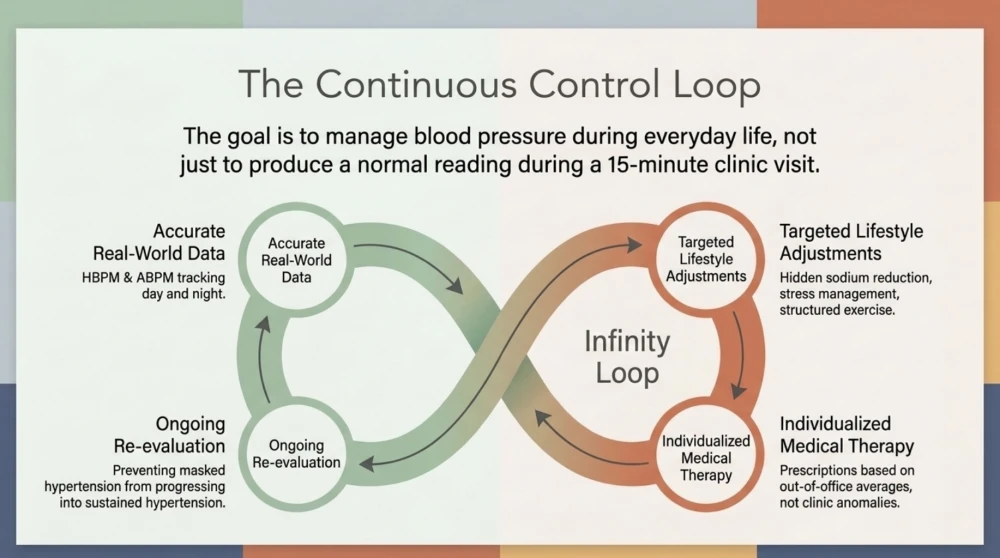
The goal of masked hypertension treatment is to manage elevated blood pressure during everyday life, not simply to produce a normal reading during a clinic visit.
Why a Normal Clinic BP Should Not Automatically Prevent Treatment
Consider a patient whose clinic blood pressure repeatedly measures around 126/78 mmHg, while properly collected home readings average 145/90 mmHg.
It would be inappropriate to dismiss the home readings solely because the clinic measurement appears normal.
At the same time, medication should not be started automatically without confirming the accuracy and persistence of the elevated out-of-office readings.
The clinician should first review the monitoring technique, device validation, medication history and clinical circumstances.
When the diagnosis is confirmed, treatment decisions should reflect the patient's actual blood pressure exposure and cardiovascular risk.
Can Lifestyle Modification Control Masked Hypertension?
Lifestyle modification is an important component of hypertension management.
Changes in dietary habits, sodium intake, physical activity, body weight, sleep and tobacco exposure can help reduce blood pressure.
However, lifestyle modification does not guarantee that every patient with masked hypertension can avoid medication.
The response varies according to baseline blood pressure, underlying physiology, adherence and associated medical conditions.
Patients with diabetes, chronic kidney disease, established cardiovascular disease or substantially elevated out-of-office readings may require a more intensive approach.
Reducing Salt Intake: One of the Most Important Dietary Changes
Excessive sodium intake contributes to elevated blood pressure in many individuals.
Reducing dietary sodium is therefore a well-established lifestyle intervention for hypertension.
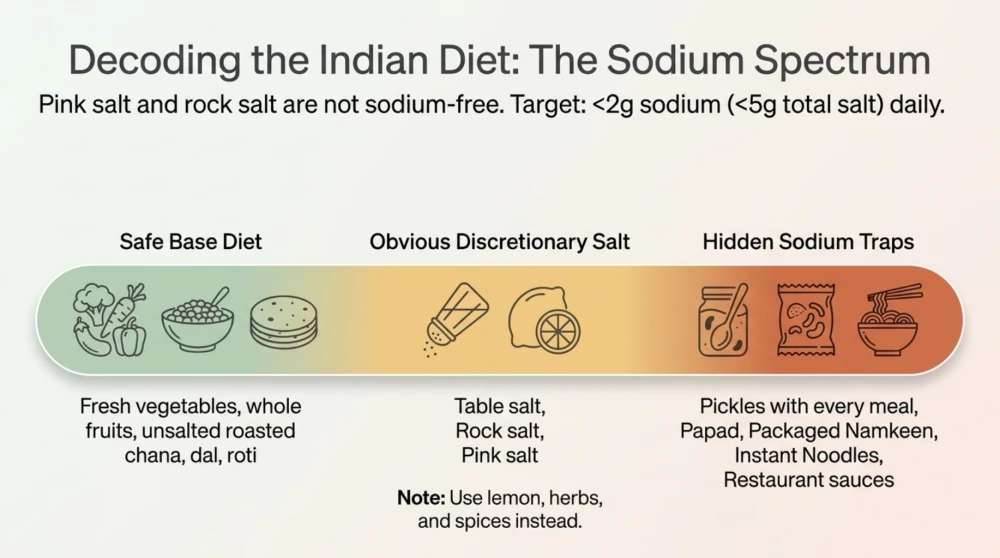
The World Health Organization recommends that adults consume less than 2 grams of sodium per day, equivalent to less than approximately 5 grams of salt from all sources.
This includes salt naturally present in foods, salt added during cooking and sodium contained in packaged or restaurant foods.
Hidden Salt in the Indian Diet
Many patients believe that reducing salt means simply avoiding extra salt at the dining table.
However, a considerable amount of dietary sodium may come from processed foods, packaged snacks, pickles, papad, sauces, instant noodles and restaurant meals.
Even foods that do not taste particularly salty may contain significant sodium.
Reading nutrition labels and reducing dependence on heavily processed foods can therefore be useful.
Does Rock Salt or Pink Salt Lower Blood Pressure?
Rock salt, Himalayan pink salt and regular table salt all contain substantial amounts of sodium chloride.
Replacing ordinary salt with pink salt does not eliminate the blood pressure effects of excessive sodium intake.
The more important consideration is total sodium consumption.
Patients with hypertension should not assume that a particular variety of salt can be consumed without restriction.
Indian Dietary Strategies for Masked Hypertension
A blood pressure-friendly diet does not require abandoning familiar Indian foods.
A balanced dietary pattern can include vegetables, whole fruits, pulses, whole grains, appropriate protein sources and unsaturated fats.
The DASH dietary pattern, which emphasises fruits, vegetables, low-fat dairy, whole grains and other nutrient-rich foods while limiting sodium and saturated fat, has demonstrated blood pressure benefits.
Its principles can be adapted to Indian vegetarian and non-vegetarian meals.
For example, a meal containing dal, vegetables, roti and curd can be compatible with blood pressure management when portions, sodium content and overall nutritional needs are considered.
Practical Indian Food Changes for Better Blood Pressure Control
| Common Habit | Practical Alternative | Why It May Help |
|---|---|---|
| Frequent namkeen and packaged snacks | Fresh fruit or unsalted roasted chana | May reduce sodium intake |
| Pickle with every meal | Use smaller quantities or choose fresh salad | Reduces reliance on high-salt accompaniments |
| Adding extra salt at the table | Use lemon, herbs and spices for flavour | Helps reduce discretionary salt |
| Frequent instant noodles or processed meals | Home-prepared meals with controlled salt | Allows better control over sodium content |
| Sugary drinks and frequent high-calorie snacks | Water and balanced meals | Supports weight and metabolic management |
Patients with chronic kidney disease or medications that increase potassium may need individualised advice about potassium-rich foods and salt substitutes.
Can Potassium-Rich Foods Help Lower Blood Pressure?
Dietary potassium can support blood pressure regulation in many people.
Foods such as vegetables, fruits, pulses and certain dairy products contribute potassium to the diet.
However, increasing potassium intake is not appropriate for everyone.
People with impaired kidney function or those taking medications that can increase blood potassium may be at risk of hyperkalaemia.
Potassium supplements and potassium-based salt substitutes should therefore not be used indiscriminately.
Weight Management and Masked Hypertension
Excess body weight is associated with elevated blood pressure through several physiological mechanisms.
These may include changes in sympathetic nervous system activity, kidney sodium handling and hormonal regulation.
For people with overweight or obesity, sustained weight reduction can improve blood pressure and other cardiometabolic risk factors.
However, masked hypertension also occurs in individuals with normal body weight.
Therefore, weight loss should not be treated as the only solution.
Avoid Extreme Dieting for Rapid BP Reduction
Highly restrictive diets may produce short-term changes in body weight and blood pressure, but they can be difficult to maintain.
Some approaches may also create nutritional deficiencies or interact with medications.
A sustainable dietary pattern, appropriate energy intake and regular physical activity are generally preferable.
How Exercise Helps Control Blood Pressure
Regular physical activity is an important part of hypertension prevention and management.
Aerobic exercise can improve cardiovascular fitness and help lower resting blood pressure over time.
Walking, cycling, swimming and other suitable activities may be incorporated according to individual fitness and medical circumstances.
Adults are generally encouraged to work towards at least 150 minutes of moderate-intensity aerobic activity each week, with additional benefits possible at higher activity levels.
Patients who are inactive can begin gradually.
Does Blood Pressure Rise During Exercise?
Yes. Systolic blood pressure normally increases during many forms of physical activity.
This physiological response is different from persistently elevated resting blood pressure.
Patients should not interpret every exercise-related blood pressure increase as evidence that physical activity is harmful.
However, people with markedly uncontrolled hypertension, cardiovascular symptoms or significant medical conditions should seek appropriate guidance before strenuous exercise.
Resistance Training and Blood Pressure
Resistance training can improve muscular strength and support metabolic health.
When performed appropriately, it can form part of a comprehensive physical activity programme for many adults with hypertension.
Patients should avoid unnecessary breath-holding during exertion because the Valsalva manoeuvre can cause substantial transient blood pressure changes.
Exercise intensity and technique should be adapted to the individual's condition.
Stress and Masked Hypertension
Emotional stress can temporarily increase blood pressure through sympathetic nervous system activation.
Some individuals may experience elevated readings during demanding workdays or stressful situations.
However, masked hypertension should not automatically be dismissed as a stress-related problem.
Persistently elevated out-of-office blood pressure requires appropriate assessment even when stress appears to be a contributing factor.
Stress-management practices may support general well-being, but they do not replace evidence-based blood pressure treatment when medication is indicated.
Sleep Quality and Night-Time Blood Pressure
Sleep duration and sleep quality may influence blood pressure regulation.
Obstructive sleep apnoea is particularly relevant because repeated upper-airway obstruction can contribute to intermittent hypoxia and sympathetic activation.
Some patients with sleep apnoea have elevated night-time blood pressure or abnormal nocturnal dipping patterns.
However, sleep apnoea should be diagnosed through appropriate clinical assessment and testing rather than inferred from an ABPM report alone.
Does Treating Sleep Apnoea Lower Blood Pressure?
Continuous positive airway pressure (CPAP) can improve sleep-related breathing in patients with obstructive sleep apnoea.
Studies have demonstrated modest average blood pressure reductions in some treated populations, although the response varies.
CPAP should not be considered a guaranteed replacement for antihypertensive medication.
Patients with both conditions may require coordinated management of sleep apnoea and blood pressure.
When Are Medicines Needed for Masked Hypertension?
Medication decisions should follow confirmation of the diagnosis and assessment of cardiovascular risk.
Antihypertensive medication may be appropriate when out-of-office blood pressure is persistently elevated, particularly when other cardiovascular risk factors or evidence of hypertension-mediated organ damage are present.
However, direct randomised trial evidence specifically comparing treatment strategies for masked hypertension is more limited than the evidence for sustained hypertension.
Therefore, treatment should be individualised rather than based on a single home reading.
Which Blood Pressure Medicines May Be Used?
Several established medication classes are used in hypertension management.
These include angiotensin-converting enzyme inhibitors, angiotensin receptor blockers, calcium-channel blockers and thiazide or thiazide-like diuretics.
The appropriate choice depends on factors such as age, kidney function, potassium levels, diabetes, cardiovascular history, pregnancy potential and other medical conditions.
There is no single medicine that is automatically best for every patient with masked hypertension.
Why Patients Should Not Adjust BP Medicines Independently
Some patients increase their medication dose whenever a home reading is high.
Others skip medication because the clinic reading is normal.
Both approaches can be unsafe.
Blood pressure treatment should be based on a consistent monitoring pattern and an agreed clinical plan.
Unsupervised dose changes can increase the risk of hypotension, dizziness, electrolyte abnormalities or kidney-related complications.
Should Blood Pressure Medicines Be Taken at Night?
Patients sometimes assume that taking antihypertensive medication at bedtime is always better, particularly when night-time blood pressure is elevated.
However, major randomised trials have not established a universal cardiovascular advantage of routine bedtime dosing over morning dosing for all patients.
Medication timing should consider the specific medicine, duration of action, adherence, side effects and individual blood pressure pattern.
Patients should not change dosing time solely because they suspect masked hypertension.
What If Clinic BP Becomes Too Low After Starting Treatment?
When medication is started or adjusted, both out-of-office blood pressure and symptoms should be reviewed.
A patient may experience dizziness, weakness or postural symptoms if blood pressure becomes excessively low.
In some circumstances, standing blood pressure measurements may be useful.
The treatment plan may need adjustment when symptomatic hypotension or other adverse effects occur.
However, one low clinic reading does not automatically mean that treatment should be discontinued.
How Should Masked Hypertension Be Monitored After Treatment?
Ongoing monitoring helps determine whether treatment is effective during normal daily life.
Home blood pressure monitoring is often practical for follow-up because patients can collect readings over several days.
Repeat ABPM may be useful when nocturnal hypertension is suspected, home readings remain inconsistent or treatment effectiveness is uncertain.
The frequency of follow-up depends on the patient's blood pressure, medication changes, symptoms and overall risk.
Why Blood Pressure Targets Must Be Individualised
Blood pressure targets are influenced by the clinical guideline being followed and by the patient's circumstances.
Some patients may benefit from more intensive blood pressure control when it can be achieved safely.
Others may require a less intensive approach because of frailty, orthostatic hypotension, adverse effects or other concerns.
Home and ambulatory targets should not be assumed to be numerically identical to clinic targets in every guideline framework.
The treating clinician should explain which threshold and treatment goal apply to the patient.
Masked Hypertension in People With Diabetes
Diabetes and hypertension are important contributors to cardiovascular and kidney risk.
When masked hypertension is identified in a person with diabetes, management should consider glycaemic control, kidney function, urine albumin, lipid abnormalities and other risk factors.
Blood pressure medication selection may be influenced by kidney disease or albuminuria.
However, the presence of diabetes alone does not determine which medicine should be prescribed.
Masked Hypertension and Chronic Kidney Disease
Patients with chronic kidney disease may require closer blood pressure monitoring because kidney function and blood pressure influence one another.
Some antihypertensive medicines require monitoring of serum creatinine and potassium after initiation or dose adjustment.
Salt intake, fluid balance and other medical conditions may also affect management.
Individualised treatment is essential, particularly in patients with advanced kidney disease.
Can Masked Hypertension Become Sustained Hypertension?
Yes. Some people with masked hypertension may later develop elevated clinic blood pressure as well.
This is one reason follow-up matters even when clinic measurements remain normal initially.
However, progression is not inevitable, and the rate varies between individuals.
Appropriate monitoring helps identify changes in blood pressure patterns over time.
Common Myths About Masked Hypertension
Myth 1: If My Clinic BP Is Normal, I Cannot Have Hypertension
False. Some patients have elevated blood pressure outside the clinic despite normal office readings.
Myth 2: Home BP Monitors Always Give Higher Readings
False. Home readings can be higher or lower than clinic readings. Accuracy depends on the device, cuff size, technique and circumstances.
Myth 3: One Reading of 150/90 Means I Have Masked Hypertension
False. Diagnosis requires a reliable pattern of elevated out-of-office blood pressure alongside clinic measurements below the applicable threshold.
Myth 4: Hypertension Always Causes Headache
False. Many people with hypertension have no symptoms. Headache is not a reliable indicator of routine blood pressure elevation.
Myth 5: Pink Salt Is Safe for People With High BP
False. Pink salt still contributes sodium and should not be considered a sodium-free alternative.
Myth 6: Blood Pressure Medicines Should Always Be Taken at Night
False. Routine bedtime dosing is not universally superior. Timing should be individualised.
Myth 7: Young Adults Do Not Develop Masked Hypertension
False. Masked hypertension can occur in younger adults, although risk varies.
Myth 8: If I Feel Well, High Home BP Does Not Matter
False. Hypertension is frequently asymptomatic, and persistent elevation deserves clinical assessment.
Frequently Asked Questions About Masked Hypertension
1. What is masked hypertension?
Masked hypertension occurs when clinic blood pressure is below the relevant diagnostic threshold but blood pressure measured outside the clinic is elevated.
2. Why is my BP normal at the doctor's clinic but high at home?
Possible explanations include true masked hypertension, differences in daily activity or stress, medication timing, or inaccurate home measurement technique. Repeated reliable measurements help distinguish these possibilities.
3. Is 140/90 at home considered high blood pressure?
A repeated home average of 140/90 mmHg is above commonly used home hypertension thresholds. However, diagnosis should use a structured monitoring protocol rather than one isolated reading.
4. Is masked hypertension dangerous?
Masked hypertension is associated with increased cardiovascular risk compared with consistently normal blood pressure in observational studies. Individual risk depends on the degree of elevation and other health factors.
5. Can masked hypertension be cured?
Blood pressure may improve with lifestyle changes and, when needed, medication. However, it is not possible to guarantee permanent resolution, and ongoing monitoring may be necessary.
6. Is ABPM necessary for every patient?
No. Reliable home monitoring may provide useful diagnostic information. ABPM is particularly helpful when night-time blood pressure, discordant readings or complex patterns need assessment.
7. Can stress cause masked hypertension?
Stress can contribute to blood pressure elevation, but persistent high out-of-office readings should not automatically be attributed to stress without proper assessment.
8. Should I stop my BP medicine if my clinic reading is normal?
No. Patients should not discontinue prescribed antihypertensive treatment solely because of a normal clinic reading. Medication changes require clinical review.
9. Can exercise reduce masked hypertension?
Regular physical activity can help lower resting blood pressure and improve cardiovascular health. However, some patients may also require medication.
10. How often should I check BP at home?
The frequency depends on whether monitoring is being used for diagnosis, medication adjustment or long-term follow-up. A structured schedule is generally more useful than repeated unscheduled measurements.
When Is High Blood Pressure an Emergency?
Most elevated home blood pressure readings do not require emergency treatment, but some situations need immediate attention.
If blood pressure is extremely elevated, particularly around or above 180 mmHg systolic or 120 mmHg diastolic, repeat the measurement after a brief period of quiet rest if it is safe to do so.
If the reading remains severely elevated, prompt medical advice is necessary.
Seek emergency medical care immediately if elevated blood pressure is accompanied by chest pain, severe breathlessness, new weakness or numbness, difficulty speaking, sudden visual disturbance, confusion or other symptoms suggesting acute organ injury.
Do not delay emergency care simply to collect additional home readings.
What I Tell Patients Whose Clinic BP Is Normal but Home BP Is High
When a patient tells me that their clinic blood pressure is normal but their home readings remain high, I do not immediately assume that the home monitor is faulty.
I first review how the readings were obtained.
Was the patient seated and rested?
Was the cuff appropriate for the arm?
Was the monitor validated?
Were the measurements taken repeatedly over several days?
I also review the patient's medical history, medication use, diabetes status, kidney function and cardiovascular risk factors.
If the pattern suggests masked hypertension, structured home monitoring or 24-hour ABPM may be appropriate.
Once the diagnosis is established, the treatment plan should address the patient's actual blood pressure exposure rather than relying exclusively on clinic measurements.
For some patients, lifestyle changes may be an important initial intervention. Others may need medication and closer monitoring.
The important principle is to treat confirmed hypertension appropriately without overreacting to isolated readings.
Key Takeaways About Masked Hypertension
- Masked hypertension occurs when clinic BP is below the relevant threshold but out-of-office BP is elevated.
- A normal clinic reading does not always exclude hypertension.
- Diagnosis requires reliable repeated home measurements or ambulatory monitoring.
- Incorrect cuff size and measurement technique can produce misleading readings.
- ABPM can identify elevated night-time blood pressure.
- Masked hypertension is associated with increased cardiovascular risk in observational studies.
- Salt reduction, physical activity and weight management can support blood pressure control.
- Pink salt and rock salt are not sodium-free alternatives.
- Some patients require antihypertensive medication.
- Medication selection and timing should be individualised.
- Patients should not stop treatment because one clinic reading is normal.
- Long-term follow-up is important because blood pressure patterns may change.
Blood Pressure Consultation in Dwarka, New Delhi
If your home blood pressure readings are consistently higher than those recorded during clinic visits, a medical consultation can help determine whether the pattern represents masked hypertension or a measurement-related issue.
Dr. Pankaj Kumar, General & Lifestyle Physician, provides consultations for hypertension, diabetes and related metabolic conditions in Sector 6, Dwarka, New Delhi.
Assessment may include reviewing home blood pressure records, measurement technique, current medications and relevant cardiovascular risk factors.
When indicated, additional investigations or ambulatory blood pressure monitoring may be recommended.
The clinic is located in Doctors Lane, Sector 6, Dwarka, opposite Dhanwantari Labs.
Scientific References
- European Society of Cardiology. 2024 ESC Guidelines for the Management of Elevated Blood Pressure and Hypertension. European Heart Journal. ESC Guidelines.
- National Institute for Health and Care Excellence. Hypertension in Adults: Diagnosis and Management (NG136). NICE Guideline NG136.
- Whelton PK, et al. 2017 ACC/AHA Guideline for the Prevention, Detection, Evaluation, and Management of High Blood Pressure in Adults. Hypertension. https://doi.org/10.1161/HYP.0000000000000065.
- World Health Organization. Guideline for the Pharmacological Treatment of Hypertension in Adults. WHO Hypertension Guideline.
- World Health Organization. Sodium Reduction. WHO Sodium Reduction Fact Sheet.
- World Health Organization. WHO Guidelines on Physical Activity and Sedentary Behaviour. WHO Physical Activity Guidelines.
Medical disclaimer: This article is intended for general health education and does not replace individual medical advice. Diagnosis and treatment of hypertension require appropriate clinical assessment. Do not start, stop or adjust blood pressure medication solely on the basis of information in this article.
Written by Dr. Pankaj Kumar , General & Lifestyle Physician, Dwarka, New Delhi