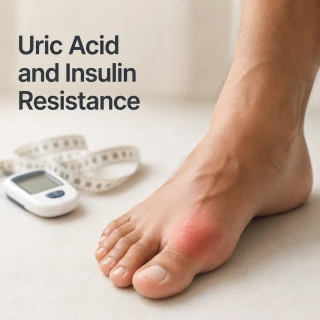
Insulin resistance occurs when your cells stop responding properly to insulin, forcing your pancreas to overproduce it. Early detection can halt progression to type 2 diabetes and protect your heart.
• Overweight or abdominal obesity (waist > 35″ in women, > 40″ in men)
• Sedentary lifestyle—regular movement boosts insulin sensitivity by up to 30%
• Family history of type 2 diabetes or genetic predisposition
• Metabolic syndrome traits: high blood pressure, elevated triglycerides, low HDL, abdominal fat
• PCOS in women, affecting up to 70% with insulin issues
• Ethnic background (South Asian, African American, Hispanic, Native American) and age over 45
Look for elevated fasting glucose (100–125 mg/dL), high fasting insulin (> 15 µU/mL), or skin patches (acanthosis nigricans). Diagnostic tools include:
If you identify risk factors, talk to your doctor about testing. Simple lifestyle shifts—Mediterranean‑style eating, 150 minutes of exercise per week, and 5–10% weight loss—can restore insulin sensitivity. Don’t wait for symptoms: find out your risk and reclaim your health!