

















- 29th May 2026
Table of Contents
- The Digestive System Is the Gateway to Metabolic Health
- Why Digestion Influences Hunger and Fullness Signals
- Why Poor Digestive Health Often Leads to Cravings
- Why Bloating and Weight Management Frequently Occur Together
- Why Digestive Health Influences Energy Levels
- How Digestive Health Affects Nutrient Absorption
- Why Stress Affects Both Digestion and Weight
- Why Digestive Health and Weight Management Cannot Be Separated
- Why the Gut Microbiome Has Become a Major Topic in Weight Management
- Why Digestive Health and Insulin Resistance Frequently Occur Together
- Why Constipation Can Affect Weight Management More Than People Realize
- Why Meal Timing Influences Digestive Efficiency
- Why Emotional Eating Often Begins in the Digestive-Brain Connection
- How Modern Dietary Patterns Damage Digestive Health
- Why Post-Meal Fatigue Can Signal Digestive and Metabolic Imbalance
- Why Digestive Symptoms Are Often Early Warning Signs
- What Actually Helps Improve Digestive Health for Better Weight Management
- Why Sleep Plays a Critical Role in Digestive Health
- Why Regular Movement Supports Better Digestion
- Why Eating Patterns Matter More Than Many People Realize
- Why Protein Supports Both Digestion and Weight Management
- Why Stress Management Is Essential for Digestive Health
- Why Quick Fixes Rarely Produce Long-Term Results
- Why Digestive Health Supports Long-Term Fat Loss
- Why Sustainable Lifestyle Structure Matters Most
- Key Takeaways: What You Should Remember
When people think about weight management, they usually focus on calories, exercise, and dieting. While these factors are certainly important, modern research and clinical experience increasingly show that successful weight management involves much more than simply eating less and moving more.
Many individuals carefully count calories, join gyms, avoid sweets, and follow various diet plans, yet continue struggling with stubborn weight gain, cravings, bloating, fatigue, and difficulty maintaining long-term results. This is where digestive health enters the conversation.
The digestive system does far more than simply process food. It influences how nutrients are absorbed, how hunger signals are regulated, how efficiently metabolism functions, and even how the body responds to food emotionally and hormonally.
This is exactly why understanding why digestive health plays a major role in weight management has become increasingly important in modern metabolic healthcare.
The Digestive System Is the Gateway to Metabolic Health
Every nutrient the body uses for energy, repair, hormone production, and metabolic function must first pass through the digestive system.
If digestion is functioning efficiently, the body is generally better able to absorb nutrients, regulate appetite, maintain energy levels, and support metabolic flexibility. However, when digestive health becomes compromised, several problems can begin appearing simultaneously.
Many individuals start experiencing:
- Bloating
- Irregular appetite
- Cravings
- Fatigue after meals
- Digestive discomfort
- Difficulty managing body weight
These symptoms often seem unrelated at first glance, but they frequently reflect deeper digestive and metabolic imbalance.
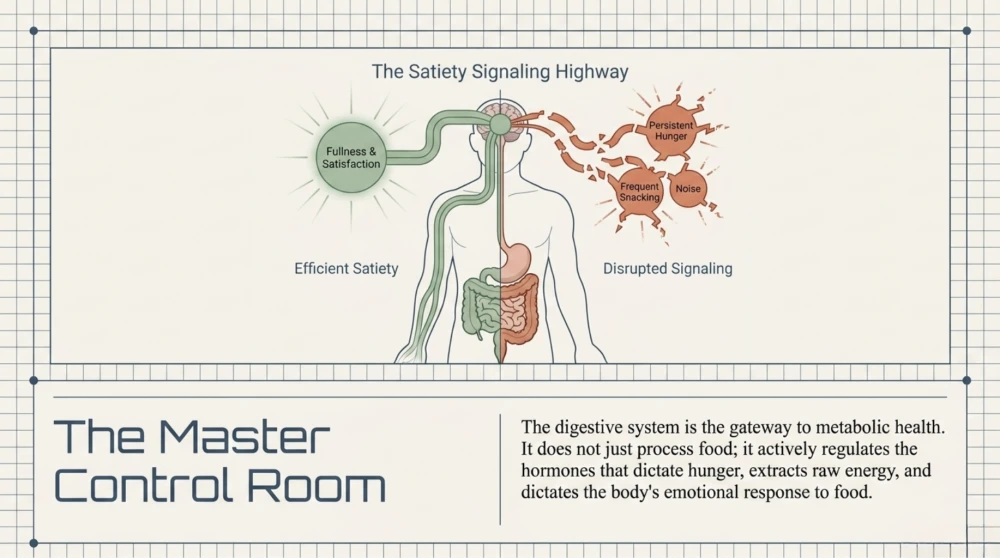
Why Digestion Influences Hunger and Fullness Signals
One of the most important but overlooked roles of the digestive system is appetite regulation.
Many people assume hunger is controlled only by willpower or stomach size. In reality, appetite is regulated through complex communication between the digestive system, hormones, brain, and metabolism.
After eating, the digestive tract releases multiple signals that help inform the brain whether the body has received enough nourishment. When digestion and meal patterns become disrupted, these signals may become less efficient.
As a result, some individuals experience:
- Persistent hunger
- Frequent snacking
- Difficulty feeling satisfied after meals
- Cravings shortly after eating
Over time, these appetite disturbances can significantly affect calorie intake and body weight.
Why Poor Digestive Health Often Leads to Cravings
Many patients are surprised when digestive health and cravings are discussed together. However, digestive function strongly influences energy stability throughout the day.
When digestion becomes inefficient, individuals frequently experience:
- Energy crashes
- Post-meal fatigue
- Blood sugar fluctuations
- Irregular appetite patterns
These situations often trigger cravings for quick energy sources such as:
- Sugary foods
- Processed snacks
- Refined carbohydrates
- Sweet beverages
Many people mistakenly interpret these cravings as lack of discipline when they may actually reflect deeper digestive and metabolic instability.
Why Bloating and Weight Management Frequently Occur Together
One of the most common complaints among individuals struggling with weight management is persistent bloating. Bloating does not directly cause body fat accumulation, but it often signals underlying digestive dysfunction that can influence overall metabolic health.
Many individuals with recurrent bloating also report:
- Irregular eating patterns
- Poor sleep
- Stress overload
- Sedentary lifestyles
- Insulin resistance
These factors frequently interact with each other. As a result, bloating often becomes one visible symptom of a broader metabolic picture rather than an isolated digestive issue.
If you want to understand this relationship more deeply, you may also explore why bloating after meals should not be ignored.
Why Digestive Health Influences Energy Levels
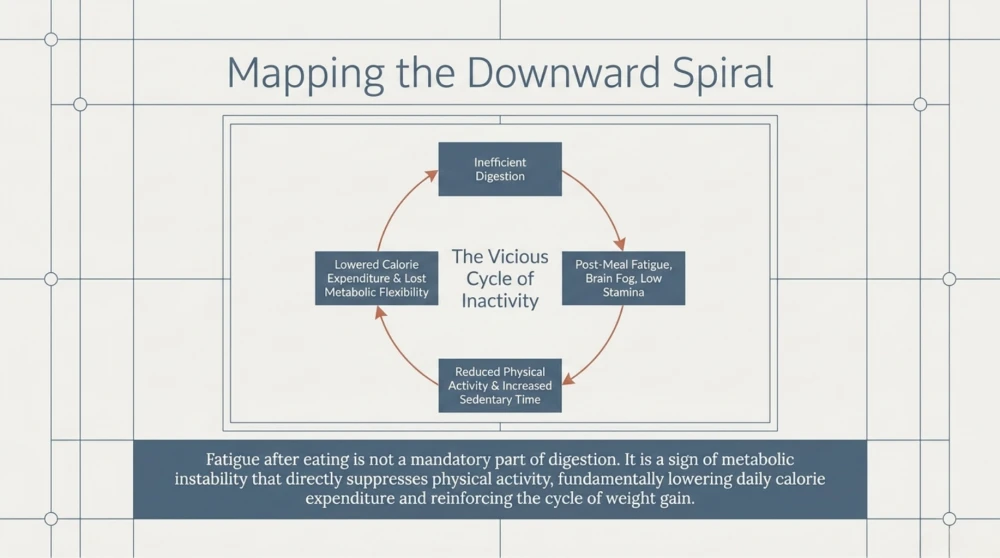
Weight management becomes much harder when energy levels remain consistently low.
Many individuals experiencing digestive dysfunction also report:
- Fatigue after eating
- Low stamina
- Brain fog
- Poor exercise tolerance
When energy remains low, physical activity naturally declines. People begin moving less, exercising less consistently, and spending more time sitting.
This gradually reduces calorie expenditure and worsens metabolic flexibility. Over time, poor digestive health and reduced physical activity can reinforce each other, creating a cycle that makes weight management increasingly difficult.
How Digestive Health Affects Nutrient Absorption
The body requires adequate nutrition not only to survive but also to maintain healthy metabolism.
Protein, vitamins, minerals, and other nutrients play critical roles in:
- Muscle maintenance
- Hormone production
- Energy generation
- Metabolic regulation
When digestive function becomes compromised, nutrient utilization may become less efficient.
This can contribute to:
- Low energy
- Poor recovery
- Reduced metabolic efficiency
- Difficulty maintaining lean muscle mass
Because muscle tissue strongly influences calorie expenditure and insulin sensitivity, digestive health indirectly affects long-term body composition as well.
Why Stress Affects Both Digestion and Weight
Modern lifestyles frequently expose individuals to continuous stress. Many people underestimate how strongly the digestive system responds to emotional and mental strain.
When stress remains elevated:
- Digestive efficiency may decline
- Appetite patterns become unstable
- Cravings increase
- Sleep quality worsens
This combination frequently contributes to weight gain over time. Many individuals therefore find themselves trapped in a cycle where stress worsens digestion, poor digestion worsens eating behavior, and unhealthy eating patterns further worsen metabolic health.
Why Digestive Health and Weight Management Cannot Be Separated
One of the biggest misconceptions in weight loss is viewing digestion and metabolism as completely separate systems. In reality, they constantly communicate with each other.
The digestive system influences:
- Appetite regulation
- Energy stability
- Nutrient absorption
- Metabolic flexibility
- Eating behavior
This is why many individuals struggling with long-term weight management often benefit from improving digestive health alongside nutrition, sleep, movement, and stress recovery.
Structured approaches such as the Lifestyle Modification Program focus on these interconnected factors rather than viewing weight management purely through calorie restriction.
Why the Gut Microbiome Has Become a Major Topic in Weight Management
Over the past decade, one of the most exciting developments in metabolic health research has been the growing understanding of the gut microbiome.
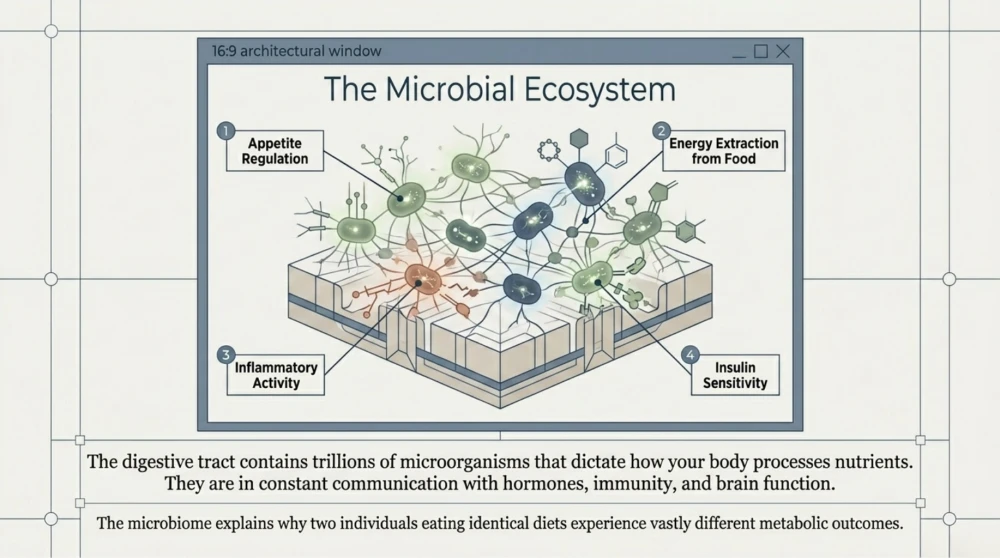
The digestive tract contains trillions of microorganisms that continuously interact with food, metabolism, hormones, immunity, and even brain function. While the microbiome is not a magical solution to weight loss, it clearly plays a meaningful role in how the body processes nutrients and regulates metabolism.
Many studies suggest that digestive health and microbial balance may influence:
- Appetite regulation
- Energy extraction from food
- Inflammatory activity
- Insulin sensitivity
- Body composition
This helps explain why two individuals eating similar diets may sometimes experience very different metabolic outcomes. The digestive system is not merely processing food. It is actively communicating with multiple metabolic pathways throughout the body.
Why Digestive Health and Insulin Resistance Frequently Occur Together
One of the most common observations in modern metabolic practice is the overlap between digestive symptoms and insulin resistance.
Many patients who struggle with:
- Belly fat
- Fatty liver
- Prediabetes
- Weight gain
also report digestive complaints such as bloating, heaviness after meals, irregular appetite patterns, and post-meal fatigue. This is not necessarily a coincidence.
As insulin resistance develops, the body gradually becomes less efficient at handling energy. Blood sugar regulation becomes more unstable, cravings increase, and appetite control becomes less predictable.
Many individuals therefore find themselves trapped in a cycle where:
Digestive discomfort leads to poor eating habits, poor eating habits worsen insulin resistance, and insulin resistance further affects digestive comfort. This is why digestive health and metabolic health often need to be addressed together rather than separately.
Why Constipation Can Affect Weight Management More Than People Realize
Constipation is often viewed as a minor inconvenience, but chronic constipation frequently reflects broader lifestyle and digestive dysfunction.
Many individuals experiencing constipation also report:
- Low water intake
- Poor dietary quality
- Sedentary lifestyles
- Inadequate physical activity
- High stress levels
These same factors often contribute to weight gain and metabolic dysfunction.
When bowel habits become irregular, many people experience:
- Bloating
- Abdominal discomfort
- Reduced digestive comfort
- Feeling heavy after meals
Although constipation itself is not usually the direct cause of obesity, it frequently reflects lifestyle patterns that are also driving metabolic problems. This is why addressing bowel health often becomes part of a broader weight-management strategy.
Why Meal Timing Influences Digestive Efficiency
Modern lifestyles have dramatically altered eating patterns. Many individuals now skip breakfast, eat irregularly throughout the day, and consume their largest meals late at night.
While occasional schedule disruptions are normal, chronically irregular eating patterns can affect digestive efficiency significantly. The digestive system functions best when it receives relatively predictable signals.
When meal timing becomes highly inconsistent, many individuals begin experiencing:
- Digestive discomfort
- Bloating
- Irregular hunger
- Cravings
- Overeating episodes
Over time, these patterns can influence calorie intake and body weight. Many people are surprised that improving meal timing consistency often helps regulate appetite as much as changing food choices themselves.
Why Emotional Eating Often Begins in the Digestive-Brain Connection
One fascinating aspect of digestive health is its close relationship with the brain. The digestive tract and nervous system communicate continuously through what is often referred to as the gut-brain axis.
When individuals experience:
- Stress
- Anxiety
- Poor sleep
- Emotional exhaustion
digestive function frequently changes as well.
Many patients notice that during stressful periods they experience:
- More bloating
- Increased cravings
- Irregular appetite
- Digestive discomfort
At the same time, emotional stress often encourages consumption of highly rewarding foods such as sweets and processed snacks. This creates a cycle where emotional health, digestion, and body weight become closely interconnected.
How Modern Dietary Patterns Damage Digestive Health
One of the biggest challenges facing digestive health today is the increasing consumption of ultra-processed foods.
Many modern dietary patterns are dominated by foods that are:
- Highly refined
- Calorie dense
- Nutrient poor
- Easy to overconsume
These foods often provide large amounts of energy without delivering the same level of satiety and nutritional support found in minimally processed foods.
As a result, individuals may experience:
- Frequent hunger
- Cravings
- Digestive discomfort
- Weight gain
Over time, these eating patterns can contribute to broader metabolic dysfunction including insulin resistance and fatty liver disease.
Why Post-Meal Fatigue Can Signal Digestive and Metabolic Imbalance
Many individuals regularly feel sleepy or mentally foggy after meals. While mild relaxation after eating is normal, persistent post-meal fatigue deserves attention.
Common contributors include:
- Overeating
- Highly refined meals
- Insulin resistance
- Poor digestive efficiency
- Sedentary behavior
Many people assume post-meal sleepiness is simply part of digestion. However, repeated energy crashes after meals often reflect deeper metabolic instability. This is one reason digestive health plays such an important role in sustainable weight management.
Why Digestive Symptoms Are Often Early Warning Signs
One important lesson from clinical practice is that digestive symptoms frequently appear before more obvious metabolic disease develops.
Patients often report years of:
- Bloating
- Irregular appetite
- Post-meal heaviness
- Cravings
- Digestive discomfort
before eventually developing:
- Weight gain
- Prediabetes
- Fatty liver
- Insulin resistance
This does not mean digestive symptoms automatically predict disease. However, they often serve as early indicators that the body's metabolic environment may be moving in an unhealthy direction.
What Actually Helps Improve Digestive Health for Better Weight Management
Once people understand that digestive health and body weight are closely connected, the next logical question becomes: “What should I realistically do to improve my digestion and support sustainable weight management?”
The answer usually does not involve expensive supplements, extreme detox programs, or highly restrictive diets. In most cases, digestive health improves when the body experiences greater biological stability. This means creating an environment where digestion, metabolism, sleep, appetite regulation, and recovery can function efficiently together.
Many people focus exclusively on food while ignoring the broader lifestyle factors that strongly influence digestive function. However, digestion is affected by much more than what appears on the plate.
Why Sleep Plays a Critical Role in Digestive Health
One of the most underestimated influences on digestion is sleep quality. Many individuals experiencing bloating, cravings, irregular appetite, and difficulty managing weight are also struggling with poor sleep.
The digestive system and nervous system communicate continuously. During healthy sleep, the body performs important recovery processes that help regulate:
- Appetite hormones
- Stress hormones
- Blood sugar control
- Digestive function
When sleep becomes poor, these regulatory systems become less efficient.
Many individuals then begin experiencing:
- More cravings
- Irregular hunger
- Late-night eating
- Digestive discomfort
- Weight gain
This is one reason digestive symptoms and metabolic dysfunction frequently develop together rather than independently.
Why Regular Movement Supports Better Digestion
The digestive system is designed to function within an active body. Modern lifestyles often involve prolonged sitting, minimal movement, and long hours in front of screens. While these habits may seem unrelated to digestion, they can significantly influence digestive efficiency.
Regular movement helps:
- Support gut motility
- Improve circulation
- Enhance insulin sensitivity
- Reduce post-meal sluggishness
Many individuals notice that digestion feels better during periods when they remain physically active compared with periods of prolonged inactivity. Even simple activities such as walking after meals can positively influence digestive comfort and blood sugar regulation.
Why Eating Patterns Matter More Than Many People Realize
Successful weight management is rarely determined by a single food. More often, it reflects overall eating patterns repeated consistently over time.
Many individuals struggling with digestive issues commonly report habits such as:
- Skipping meals
- Eating too quickly
- Late-night overeating
- Frequent snacking
- Highly irregular meal schedules
These patterns can affect both digestion and appetite regulation.
When meals become more structured and predictable, many people notice improvements in:
- Satiety
- Craving control
- Digestive comfort
- Energy stability
The digestive system generally performs best when it receives consistent signals rather than constant unpredictability.
Why Protein Supports Both Digestion and Weight Management
Protein is often discussed in the context of muscle building, but it also plays an important role in appetite regulation and metabolic health. Adequate protein intake tends to improve satiety and helps many individuals feel fuller for longer after meals.
This often reduces:
- Frequent snacking
- Cravings
- Overeating episodes
Protein also supports maintenance of lean muscle mass, which is important because muscle tissue contributes significantly to overall metabolic activity. Many individuals consuming highly processed diets may be eating enough calories while still failing to consume adequate high-quality protein.
This can contribute to both poor satiety and reduced metabolic efficiency.
Why Stress Management Is Essential for Digestive Health
Modern lifestyles frequently expose people to chronic stress. Unfortunately, the digestive system is highly sensitive to stress-related physiological changes.
Many individuals notice worsening digestive symptoms during periods of:
- Work pressure
- Emotional stress
- Poor sleep
- Mental overload
Stress can affect appetite, digestive comfort, eating behavior, and even food choices. Some individuals lose appetite under stress, while others begin consuming highly processed comfort foods more frequently.
Over time, these responses can influence both digestive health and body weight. This is why sustainable weight management often requires attention to emotional recovery and stress regulation in addition to nutrition itself.
Why Quick Fixes Rarely Produce Long-Term Results
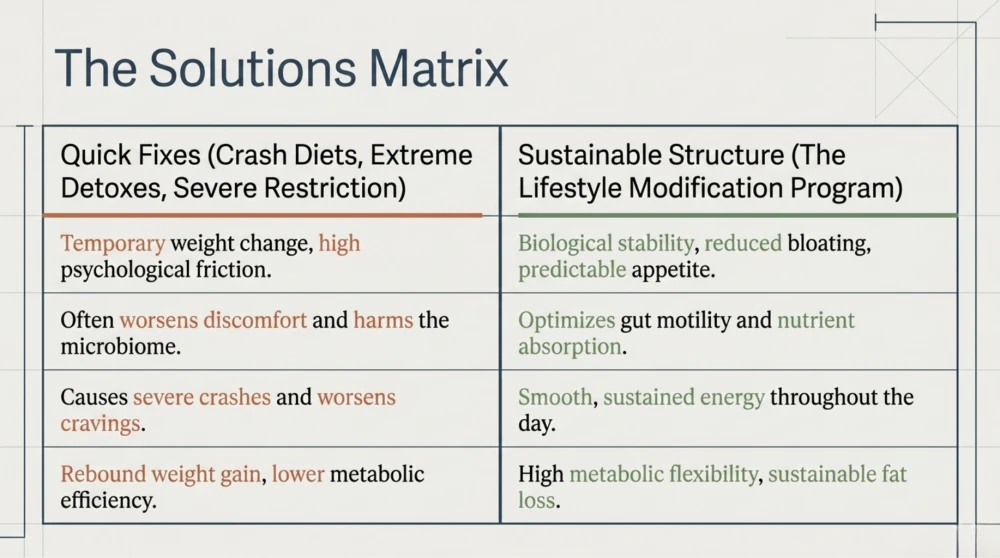
One of the biggest reasons many weight-loss attempts fail is the search for rapid solutions.
People frequently try:
- Extreme detox programs
- Crash diets
- Very low-calorie plans
- Highly restrictive eating patterns
While these approaches may produce temporary changes, they often fail to address the underlying digestive and metabolic factors contributing to weight gain.
In many cases, they can actually worsen:
- Cravings
- Energy levels
- Digestive comfort
- Long-term adherence
True metabolic improvement usually develops through sustainable lifestyle change rather than short periods of extreme restriction.
Why Digestive Health Supports Long-Term Fat Loss
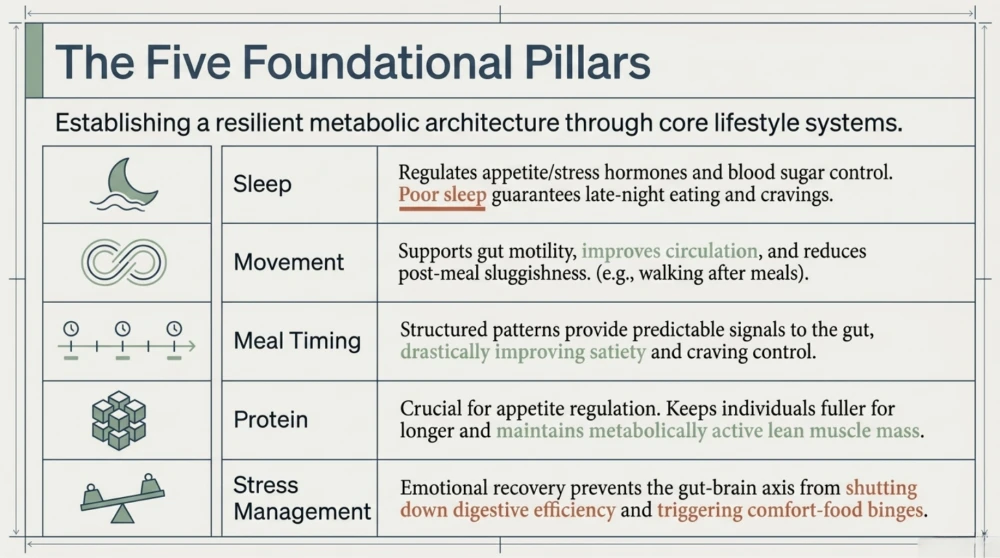
Long-term fat loss is not simply about reducing body weight temporarily. It is about creating a metabolic environment that supports healthy appetite regulation, stable energy levels, efficient nutrient utilization, and sustainable eating behavior. Digestive health contributes to all of these processes.
When digestion functions well, individuals often experience:
- Better appetite control
- More stable energy
- Fewer cravings
- Improved meal satisfaction
- Greater consistency with healthy habits
These benefits may seem subtle individually, but together they can have a significant impact on long-term weight management success.
Why Sustainable Lifestyle Structure Matters Most
One consistent observation in clinical practice is that individuals who achieve sustainable weight management rarely rely on a single intervention.
Instead, they gradually improve multiple interconnected areas of health, including:
- Sleep quality
- Digestive health
- Meal consistency
- Physical activity
- Stress recovery
This is exactly why structured approaches such as the Lifestyle Modification Program focus on long-term metabolic improvement rather than short-term dieting alone.
Key Takeaways: What You Should Remember
- Digestive health influences appetite, cravings, nutrient absorption, and metabolic regulation.
- Poor digestive health can contribute to bloating, irregular appetite, and difficulty managing body weight.
- Sleep quality, stress levels, movement, and meal timing all affect digestive function.
- Digestive symptoms often overlap with insulin resistance, fatty liver, and broader metabolic dysfunction.
- Structured eating patterns and adequate protein intake support both digestion and weight management.
- Quick fixes rarely solve long-term digestive or metabolic problems.
- Sustainable lifestyle change remains the most effective strategy for long-term weight control.
You can book a consultation here:
Book Appointment
Written by Dr. Pankaj Kumar, General & Lifestyle Physician, Dwarka, New Delhi