
















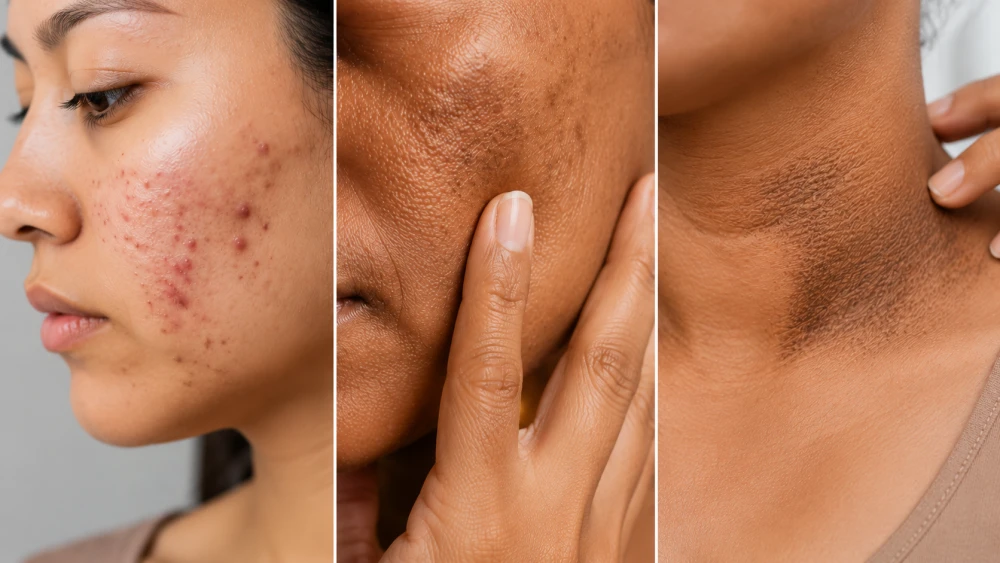
- 24th June 2026
Table of Contents
- Why the Skin Often Reveals More Than Cosmetic Concerns
- The Skin and Metabolism Are Closely Connected
- Why Insulin Resistance Can Affect the Skin
- Why Skin Tags Are Sometimes Associated With Metabolic Health
- Why Diabetes Can Affect Skin Health
- Why Obesity Can Influence Skin Changes
- Why Thyroid Disorders Can Affect the Skin
- Why Nutritional Deficiencies May Affect the Skin
- Why Skin Findings Should Be Viewed as Clues, Not Diagnoses
- Why Fatty Liver Can Sometimes Be Associated With Skin Changes
- Why Chronic Inflammation Can Influence Skin Health
- Why PCOS Often Produces Visible Skin Clues
- Why Poor Sleep Can Affect Skin Appearance
- Why Skin Aging Is Influenced by More Than Age Alone
- Why Delayed Wound Healing Deserves Attention
- Why Recurrent Skin Infections May Reflect Internal Health Issues
- Why Certain Skin Findings Are Frequently Ignored
- Why the Skin Can Be an Early Warning System
- How Improving Metabolic Health Can Benefit the Skin
- Why Weight Loss Can Influence Certain Skin Changes
- Why Nutrition Plays a Major Role in Skin Health
- Why Hydration Affects Skin Appearance
- Why Exercise Supports Healthy Skin
- Why Sleep Is Often Overlooked in Skin Health
- When Should Skin Changes Be Medically Evaluated?
- Why Treating Only the Skin May Not Solve the Problem
- Why Lifestyle Medicine Plays an Important Role
- Key Takeaways: What You Should Remember
Why the Skin Often Reveals More Than Cosmetic Concerns
Most people think of the skin as an external organ whose primary purpose is appearance and protection. As a result, skin changes are often viewed as purely cosmetic issues that can be managed with creams, lotions, or beauty treatments.
However, the skin is much more than a protective covering.
It is the largest organ in the human body and frequently reflects what is happening internally. In many cases, the skin acts as an early warning system, providing visible clues about changes occurring beneath the surface.
Doctors often pay close attention to skin findings because they can sometimes reveal important information about metabolic health, hormonal balance, nutritional status, and overall well-being.
This is exactly why understanding why skin changes can sometimes reflect internal metabolic problems is important.
Not every skin change indicates a serious illness. However, certain patterns may deserve attention because they occasionally signal underlying conditions that benefit from early identification and management.
The Skin and Metabolism Are Closely Connected
Although people often think of the skin and metabolism as separate systems, they are closely interconnected.
Healthy skin depends on:
- Good blood circulation
- Stable blood sugar regulation
- Adequate nutrition
- Hormonal balance
- Healthy immune function
- Proper hydration
When these systems function efficiently, the skin generally maintains its normal appearance and healing capacity.
However, when metabolic health begins deteriorating, the skin may sometimes display early signs before other symptoms become obvious.
This is one reason doctors often examine the skin carefully during routine medical evaluations.
Why Insulin Resistance Can Affect the Skin
One of the most common metabolic problems associated with visible skin changes is insulin resistance.
Insulin resistance develops when the body's cells become less responsive to insulin signals. Initially, blood sugar levels may remain relatively normal because the pancreas compensates by producing more insulin.
During this stage, visible symptoms are often limited.
However, some individuals develop characteristic skin findings that may provide important clues.
One of the best-known examples is a condition called:
Acanthosis nigricans.
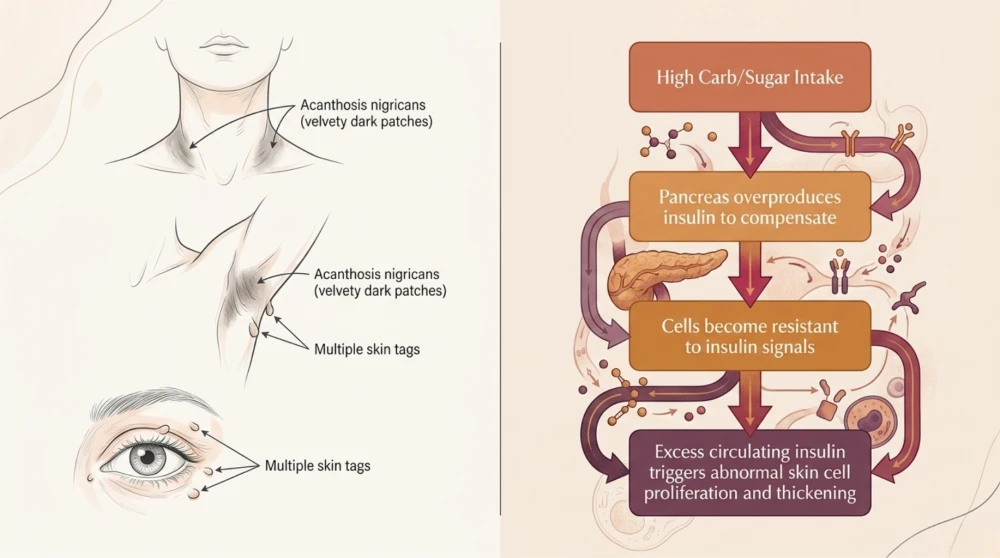
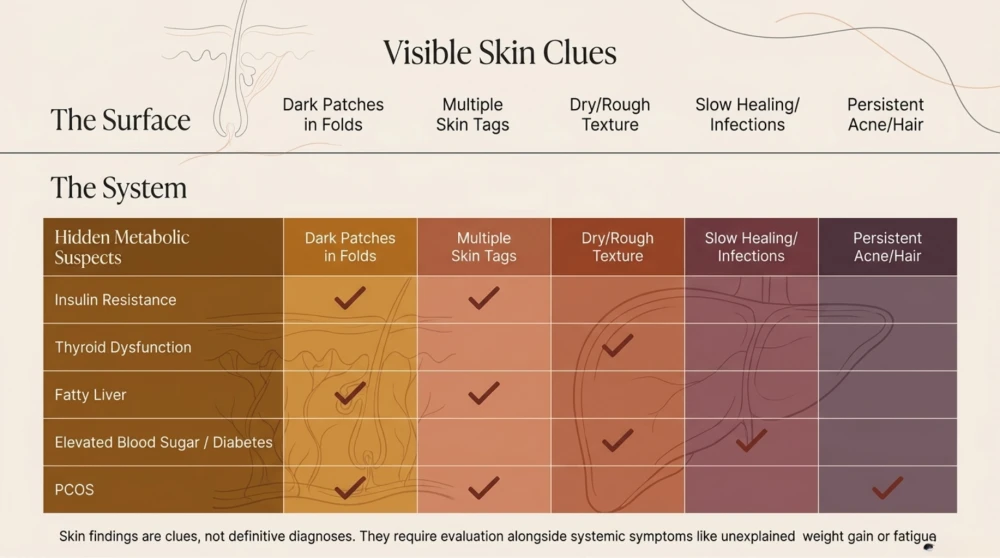
This appears as darkened, thickened, velvety patches of skin that commonly affect:
- The neck
- The underarms
- The groin area
- Skin folds
Although not dangerous by itself, acanthosis nigricans is frequently associated with insulin resistance, obesity, prediabetes, and metabolic syndrome.
For many individuals, it may represent one of the earliest visible signs that metabolic health needs attention.
Why Skin Tags Are Sometimes Associated With Metabolic Health
Another skin finding that occasionally overlaps with metabolic dysfunction is the presence of multiple skin tags.
Skin tags are small, soft, flesh-colored growths that commonly appear around:
- The neck
- The underarms
- The eyelids
- The groin
Many skin tags are harmless and occur as part of normal aging.
However, when numerous skin tags develop alongside abdominal obesity, insulin resistance, or acanthosis nigricans, they may sometimes indicate an underlying metabolic pattern.
This does not mean every skin tag signals disease, but it highlights the importance of viewing skin findings within the broader clinical context.
Why Diabetes Can Affect Skin Health
Diabetes influences multiple body systems, including the skin.
When blood sugar levels remain elevated over long periods, the skin's normal protective and healing functions may become affected.
Many individuals with poorly controlled diabetes experience:
- Dry skin
- Itching
- Slow wound healing
- Recurrent infections
- Changes in skin texture
In some cases, these symptoms may appear before diabetes has been formally diagnosed. This is one reason persistent skin issues sometimes prompt further metabolic evaluation.
Why Obesity Can Influence Skin Changes
Excess body weight affects more than body shape and appearance.
As body fat increases, particularly around the abdomen, changes often occur throughout the body, including the skin.
Individuals with obesity may be more likely to experience:
- Skin fold irritation
- Fungal infections
- Acanthosis nigricans
- Excess sweating
- Skin friction changes
These problems often arise because metabolic, hormonal, and mechanical factors interact simultaneously. This is one reason skin findings sometimes provide clues about broader metabolic health concerns.
Why Thyroid Disorders Can Affect the Skin
The thyroid gland influences metabolism throughout the body.
When thyroid function becomes abnormal, changes may appear in:
- Energy levels
- Body weight
- Hair
- Nails
- Skin texture
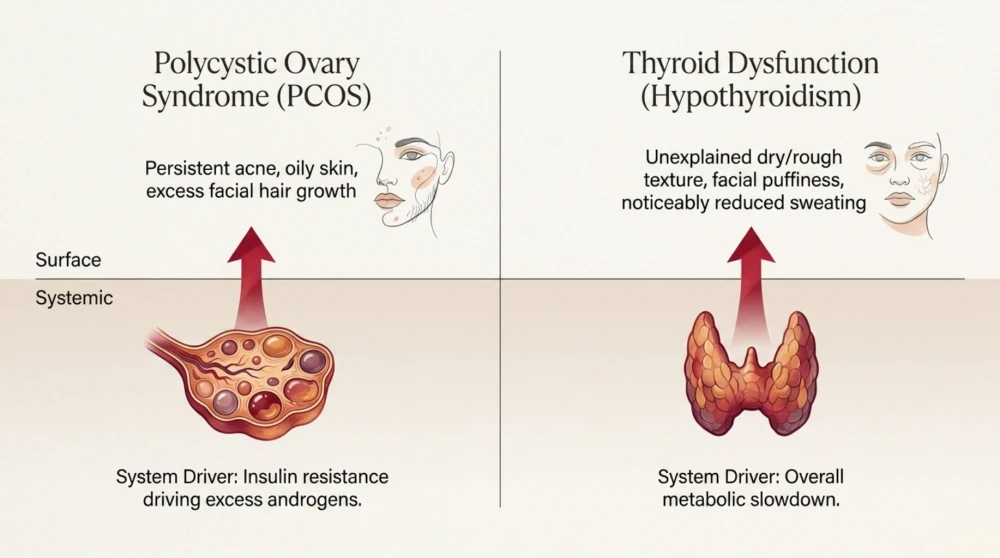
Many individuals with hypothyroidism report:
- Dry skin
- Rough skin texture
- Puffiness
- Reduced sweating
Because thyroid disorders often develop gradually, these changes may be overlooked or attributed to aging.
However, they sometimes provide important clues that warrant further evaluation.
Why Nutritional Deficiencies May Affect the Skin
The skin depends on a steady supply of nutrients to maintain normal structure and function.
Deficiencies involving vitamins, minerals, or protein may sometimes contribute to changes in:
- Skin texture
- Skin healing
- Hair quality
- Nail health
Many people focus exclusively on skincare products while overlooking the role that internal nutrition plays in maintaining healthy skin.
This is one reason persistent skin changes occasionally lead doctors to investigate nutritional status.
Why Skin Findings Should Be Viewed as Clues, Not Diagnoses
One important principle is that skin changes rarely provide a diagnosis by themselves. A skin finding is usually a clue rather than definitive proof of a specific condition.
For example, a dark neck does not automatically mean diabetes. Dry skin does not automatically mean thyroid disease. Skin tags do not automatically indicate insulin resistance.
However, when these findings occur alongside symptoms such as:
- Weight gain
- Fatigue
- Prediabetes
- Abdominal obesity
- Family history of metabolic disease
they may provide valuable information that supports further evaluation.
This is why skin findings are often interpreted as part of a larger clinical picture rather than in isolation.
Why Fatty Liver Can Sometimes Be Associated With Skin Changes
Many people think of fatty liver disease as a condition that affects only the liver. In reality, fatty liver is often a manifestation of broader metabolic dysfunction involving insulin resistance, abdominal obesity, chronic inflammation, and altered energy regulation.
Because fatty liver frequently develops alongside other metabolic abnormalities, individuals may sometimes notice skin changes occurring at the same time.
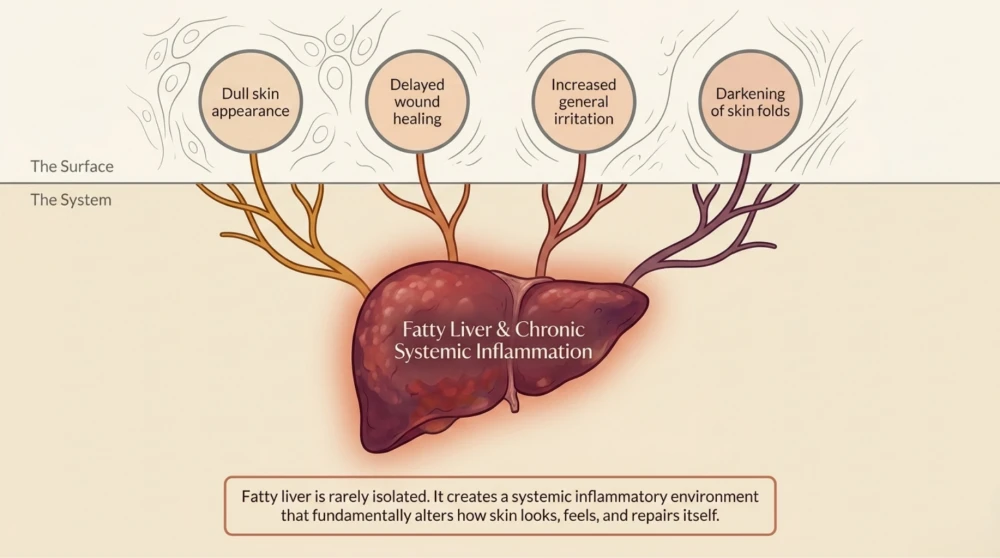
For example, a person with fatty liver may also experience:
- Darkening of skin folds
- Increased skin tags
- Weight gain around the abdomen
- Changes associated with insulin resistance
The skin changes are not necessarily caused directly by the liver itself. Instead, both may reflect the same underlying metabolic environment.
This is one reason doctors often evaluate metabolic health when multiple skin findings appear together.
If you want to understand this relationship further, you may also explore Why Many Adults Discover Fatty Liver During Routine Checkups: 8 Hidden Reasons.
Why Chronic Inflammation Can Influence Skin Health
The skin and immune system are closely connected. When low-grade inflammation persists throughout the body, it can influence multiple organs, including the skin.
Chronic inflammation is commonly associated with conditions such as:
- Obesity
- Insulin resistance
- Metabolic syndrome
- Fatty liver disease
Over time, inflammatory processes may affect how the skin looks, feels, and repairs itself.
Some individuals notice:
- Dull skin appearance
- Delayed healing
- Increased irritation
- Persistent skin complaints
Although these findings are not specific to any one disease, they highlight the fact that skin health is often influenced by internal physiology.
Why PCOS Often Produces Visible Skin Clues
One of the most common examples of metabolic and hormonal changes appearing on the skin is polycystic ovary syndrome (PCOS).
Many women with PCOS experience insulin resistance, even when blood sugar levels remain within the normal range.
As a result, certain skin changes may develop, including:
- Acanthosis nigricans
- Acne
- Excess facial hair growth
- Oily skin
- Skin tags
These changes often cause significant emotional distress because they affect appearance. However, they can also serve as important clues that hormonal and metabolic evaluation may be beneficial.
In many cases, addressing the underlying metabolic issues helps improve both internal health and skin-related symptoms.
Why Poor Sleep Can Affect Skin Appearance
Sleep is one of the body's most important recovery mechanisms. During healthy sleep, numerous physiological processes occur that support tissue repair, hormonal regulation, immune balance, and overall recovery.
When sleep becomes chronically inadequate, individuals often notice changes in their appearance.
Common complaints include:
- Dull-looking skin
- Tired facial appearance
- Dark circles around the eyes
- Reduced skin vitality
These changes are often accompanied by fatigue, poor concentration, cravings, and reduced metabolic health.
This overlap highlights how closely skin health and overall health are connected.
Why Skin Aging Is Influenced by More Than Age Alone
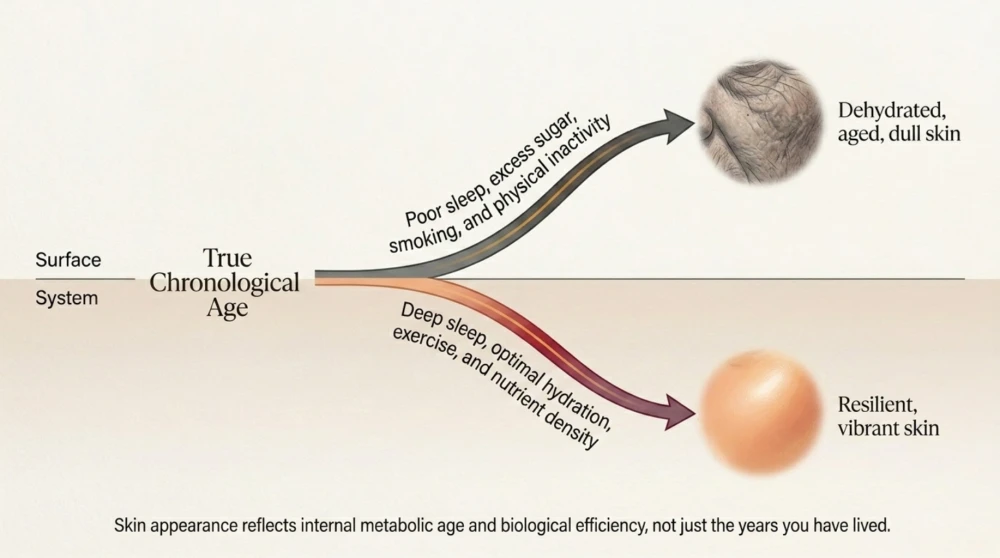
Many people assume skin aging is determined entirely by genetics and chronological age. While both factors matter, metabolic health also plays an important role.
Healthy skin depends on:
- Good circulation
- Adequate nutrition
- Hormonal balance
- Healthy sleep
- Proper hydration
When these systems become disrupted, the skin may appear older than expected.
Many lifestyle factors associated with metabolic dysfunction can accelerate visible aging, including:
- Smoking
- Poor sleep
- Excess sugar intake
- Physical inactivity
- Chronic stress
This is why skin appearance often reflects overall health rather than age alone.
Why Delayed Wound Healing Deserves Attention
One skin-related sign that should never be ignored is delayed wound healing. Healthy skin typically repairs itself efficiently after minor injuries.
When wounds take unusually long to heal, several underlying issues may need consideration.
Possible contributors include:
- Diabetes
- Poor circulation
- Nutritional deficiencies
- Chronic inflammation
- Immune dysfunction
Many individuals dismiss slow healing as a minor inconvenience, but it may occasionally represent a clue to deeper health concerns.
Why Recurrent Skin Infections May Reflect Internal Health Issues
Occasional skin infections are common and usually not a cause for concern.
However, recurrent fungal infections, repeated bacterial infections, or persistent skin irritation may sometimes indicate underlying metabolic problems.
For example, poorly controlled diabetes can increase susceptibility to infections because elevated blood sugar levels may impair normal immune function.
Similarly, obesity-related skin folds may create environments where irritation and infections become more likely.
When infections occur repeatedly, it is often worth considering whether a broader health issue may be contributing.
Why Certain Skin Findings Are Frequently Ignored
Many metabolic conditions develop gradually over years. Because the progression is slow, people often adapt to subtle changes without recognizing their significance.
Examples include:
- Darkening around the neck
- Increasing skin tags
- Persistent dryness
- Slow wound healing
- Repeated skin infections
These findings are frequently attributed to aging, weather, genetics, or cosmetic issues.
While those explanations may sometimes be correct, certain skin changes can also provide valuable clues about underlying metabolic health.
This is why paying attention to persistent or progressive changes may be beneficial, particularly when other symptoms are present.
Why the Skin Can Be an Early Warning System
One of the most remarkable aspects of the skin is its visibility. Unlike internal organs, the skin can be observed directly.
As a result, it sometimes provides some of the earliest visible signs that metabolic, hormonal, or nutritional changes may be occurring inside the body. This does not mean every skin change indicates disease.
However, it highlights why seemingly minor skin findings should occasionally prompt a broader view of health rather than focusing only on cosmetic treatment.
How Improving Metabolic Health Can Benefit the Skin
One of the most encouraging aspects of many metabolism-related skin changes is that they often improve when overall health improves.
While not every skin condition is reversible, many skin findings associated with insulin resistance, obesity, poor blood sugar control, and unhealthy lifestyle habits may become less prominent as metabolic health improves.
This is because the skin is continuously influenced by what is happening inside the body.
When blood sugar regulation improves, inflammation decreases, sleep becomes better, and body composition improves, the skin often benefits as well.
This highlights an important principle that is sometimes overlooked: healthy skin is not only a dermatological goal but also a reflection of overall health.
Why Weight Loss Can Influence Certain Skin Changes
For individuals with obesity and insulin resistance, sustainable weight loss may contribute to improvements in several skin-related concerns.
As body fat decreases, particularly around the abdomen, metabolic function often becomes more efficient.
Many individuals experience improvements in:
- Insulin sensitivity
- Blood sugar regulation
- Inflammatory activity
- Hormonal balance
Because many skin findings are linked to these underlying processes, positive changes may become visible over time.
For example, some individuals notice partial improvement in acanthosis nigricans after meaningful improvements in metabolic health.
However, it is important to remember that results vary between individuals and changes usually occur gradually rather than overnight.
Why Nutrition Plays a Major Role in Skin Health
The skin is constantly renewing itself. To perform this process effectively, it requires an ongoing supply of nutrients.
Many people focus heavily on topical skincare products while paying relatively little attention to nutrition.
However, healthy skin depends on adequate intake of:
- Protein
- Vitamins
- Minerals
- Essential fatty acids
- Antioxidants
Dietary patterns dominated by highly processed foods may provide excess calories while supplying relatively poor nutritional support.
Over time, poor dietary quality can affect not only metabolic health but also skin appearance and healing capacity.
This is one reason nutritional improvement frequently forms part of a broader strategy for supporting both internal health and skin health.
Why Hydration Affects Skin Appearance
Hydration is another factor that is frequently discussed in relation to skin health.
Although drinking more water is not a cure for every skin concern, adequate hydration supports normal physiological function throughout the body.
When fluid intake is inadequate, some individuals may notice:
- Dry skin
- Reduced skin comfort
- Fatigue
- Reduced overall well-being
Hydration works best when viewed as one component of an overall healthy lifestyle rather than a standalone solution.
Why Exercise Supports Healthy Skin
Most people associate exercise with weight management and cardiovascular health.
However, regular physical activity also supports several factors that influence skin health.
Exercise contributes to:
- Healthy circulation
- Blood sugar regulation
- Stress reduction
- Metabolic health
- Overall well-being
Because the skin relies on healthy circulation and efficient metabolic function, these benefits may indirectly support healthier skin over time.
Exercise should not be viewed as a cosmetic treatment, but rather as part of a comprehensive strategy for improving overall health.
Why Sleep Is Often Overlooked in Skin Health
Many skincare discussions focus on products while largely ignoring sleep. Yet sleep remains one of the body's most important recovery mechanisms.
During healthy sleep, the body performs numerous functions related to:
- Tissue repair
- Hormonal regulation
- Immune balance
- Recovery from daily stress
When sleep becomes chronically inadequate, many individuals notice changes in both physical and mental well-being. The skin is no exception.
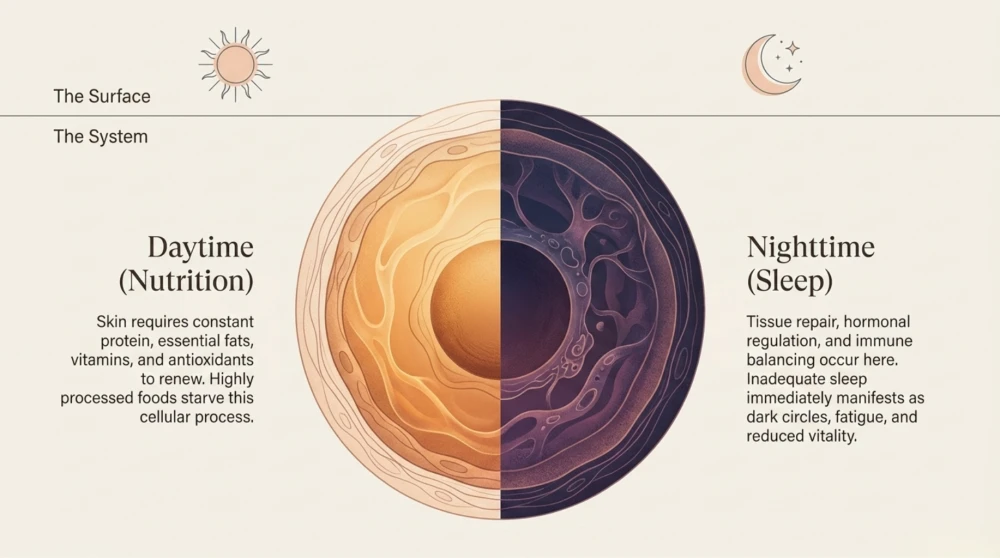
This is one reason sleep should be considered an important part of any long-term strategy for maintaining healthy skin and metabolic health.
When Should Skin Changes Be Medically Evaluated?
Most skin changes are not medical emergencies.
However, certain findings deserve professional evaluation, particularly when they are persistent, progressive, or associated with other symptoms.
Examples include:
- Darkening of skin folds
- Multiple new skin tags
- Unexplained itching
- Persistent dryness
- Slow wound healing
- Repeated skin infections
Evaluation becomes especially important when these findings occur alongside:
- Weight gain
- Fatigue
- Prediabetes
- Diabetes
- PCOS
- Family history of metabolic disease
Because skin changes may occasionally represent early warning signs, proper assessment can help identify underlying conditions before more serious complications develop.
Why Treating Only the Skin May Not Solve the Problem
One common mistake is focusing exclusively on cosmetic treatment while ignoring potential internal contributors.
For example, a cream may improve dryness temporarily, but if hypothyroidism remains untreated, the underlying cause persists.
Similarly, cosmetic treatments may improve the appearance of certain skin findings, but metabolic dysfunction may continue progressing if insulin resistance remains unaddressed.
This does not mean topical treatments are unimportant.
Rather, it highlights the importance of considering both external and internal factors when evaluating persistent skin concerns.
Why Lifestyle Medicine Plays an Important Role
Many of the metabolic conditions associated with skin changes are strongly influenced by lifestyle habits.
Factors such as:
- Nutrition
- Physical activity
- Sleep quality
- Stress management
- Weight management
can significantly influence long-term metabolic health.
This is why lifestyle medicine approaches often focus on improving the underlying metabolic environment rather than addressing symptoms alone.
When metabolic health improves, benefits are often observed across multiple systems, including the skin.
Key Takeaways: What You Should Remember
- The skin can sometimes provide early clues about internal metabolic health.
- Acanthosis nigricans and multiple skin tags may be associated with insulin resistance.
- Diabetes, obesity, thyroid disorders, PCOS, and nutritional deficiencies can influence skin appearance.
- Fatty liver and chronic inflammation often coexist with certain skin findings.
- Poor sleep, inadequate nutrition, and sedentary lifestyles may affect both skin health and metabolic health.
- Persistent or progressive skin changes deserve proper evaluation.
- Treating underlying metabolic issues may improve both overall health and skin-related concerns.
You can book a consultation here:
Book Appointment
Written by Dr. Pankaj Kumar, General & Lifestyle Physician, Dwarka, New Delhi