

















- 30th June 2026
Table of Contents
- Why Healthy Habits Often Disappear on Weekends
- Why Small Weekend Habits Can Add Up Quickly
- Why the Body Does Not Recognize Weekdays and Weekends
- Why Weekend Overeating Can Affect Blood Sugar Regulation
- Why Weekend Eating Patterns Can Influence Fatty Liver Risk
- Why Late-Night Weekend Eating Affects Metabolic Health
- Why Weekend Overeating Often Triggers More Cravings
- Why Weekend Social Eating Creates Unique Challenges
- Why Weekend Habits Matter More Than People Realize
- Why Weekend Overeating Can Worsen Insulin Resistance
- Why Alcohol Consumption Can Affect Metabolic Health
- Why Sleep Disruption During Weekends Matters
- Why the "Cheat Day" Mentality Can Backfire
- Why Weekend Weight Gain Is Not Always Body Fat
- Why Social Gatherings Often Contain Hidden Calories
- Why Physical Activity Often Declines on Weekends
- Why Metabolic Health Depends on Weekly Patterns, Not Individual Days
- How to Enjoy Weekends Without Compromising Your Health Goals
- Why Mindful Eating Makes a Big Difference
- Why Balance Works Better Than Restriction
- Why Protein Can Help Control Weekend Appetite
- Why Weekend Movement Is Just as Important as Weekday Exercise
- Why Sleep Consistency Matters Even on Weekends
- Why Sustainable Habits Always Beat Short-Term Dieting
- Why Families Should Build Healthy Weekend Traditions
- Why Weekend Habits Reflect Long-Term Lifestyle Patterns
- Key Takeaways: What You Should Remember
Why Healthy Habits Often Disappear on Weekends
Many people follow a structured routine from Monday to Friday. They wake up on time, eat relatively balanced meals, stay active, and try to maintain healthy habits despite busy work schedules. However, the weekend often brings a completely different lifestyle.
Late breakfasts, restaurant meals, sugary beverages, social gatherings, late-night snacks, alcohol consumption, and prolonged screen time become increasingly common. For many individuals, weekends are viewed as an opportunity to reward themselves after a stressful week.
Occasional indulgence is a normal part of life and should not create unnecessary guilt. The problem arises when weekend overeating becomes a regular pattern that consistently disrupts healthy habits.
Many people are surprised to discover that two days of excessive eating can significantly influence their progress during the remaining five days of the week. This is exactly why understanding why weekend overeating can affect weight and metabolic health is important for long-term well-being.
Why Small Weekend Habits Can Add Up Quickly
One common misconception is that occasional overeating has little impact on overall health. While a single celebration meal is unlikely to cause major problems, repeated weekly patterns tell a different story.
Many weekend routines include:
- Restaurant dining
- Sweetened beverages
- Late-night eating
- Frequent snacking
- Large portion sizes
- Reduced physical activity
Individually, each behavior may seem harmless. Together, however, they can contribute a substantial number of extra calories every week. Over months and years, this pattern may influence body weight, insulin sensitivity, and overall metabolic health.
This is one reason many individuals feel frustrated when their weekday efforts fail to produce expected results.
Why the Body Does Not Recognize Weekdays and Weekends
Human metabolism functions continuously. The body does not distinguish between Monday and Saturday when processing calories, regulating blood sugar, or storing excess energy.
From a physiological perspective, repeated weekend overeating still contributes to the body's overall metabolic load.
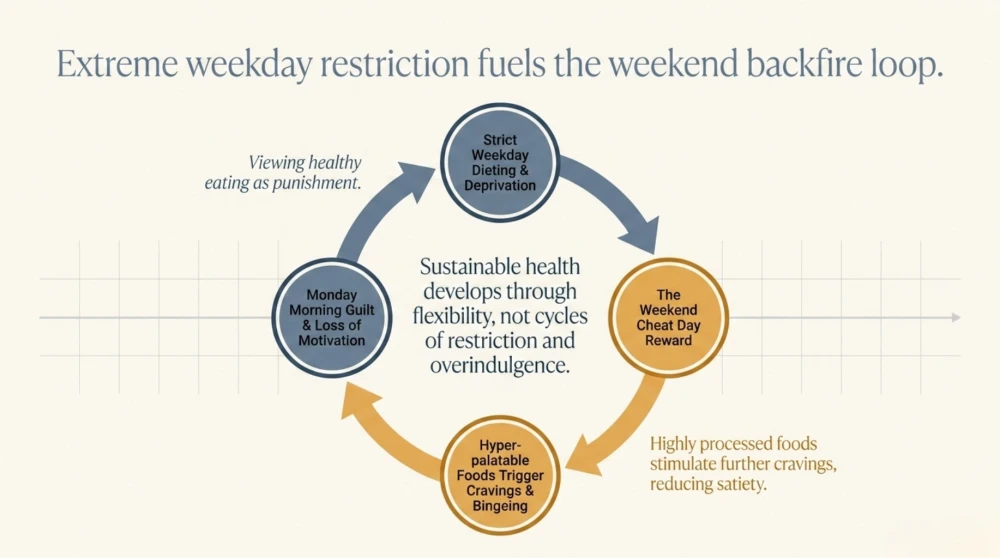
Many people unknowingly create a cycle where:
- Healthy eating occurs during the week
- Overeating occurs during the weekend
- Weight loss progress slows or stops
- Motivation declines
This often leads to the belief that their metabolism is unusually slow when, in reality, inconsistent eating patterns may be playing an important role.
Why Weekend Overeating Can Affect Blood Sugar Regulation
Many popular weekend foods are rich in refined carbohydrates, sugars, and calorie-dense ingredients.
Examples include:
- Pizza
- Burgers
- Desserts
- Sugary beverages
- Bakery products
- Processed snacks
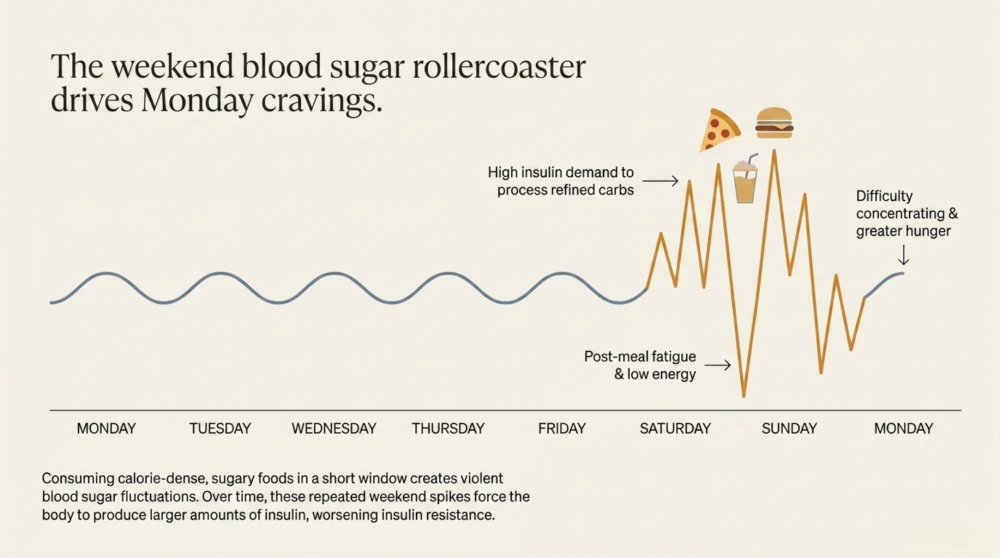
Consuming large amounts of these foods within a short period may create significant fluctuations in blood sugar levels. For individuals with insulin resistance or prediabetes, these fluctuations may be even more pronounced.
Many people notice:
- Post-meal fatigue
- Increased cravings
- Low energy
- Difficulty concentrating
- Greater hunger the following day
Over time, repeated cycles of overeating and blood sugar instability may contribute to worsening metabolic health.
Why Weekend Eating Patterns Can Influence Fatty Liver Risk
The liver plays a central role in processing nutrients and regulating energy metabolism. When excess calories, refined carbohydrates, and sugary beverages are consumed regularly, the liver may gradually accumulate fat.
Weekend overeating alone does not directly cause fatty liver disease. However, when it becomes a long-term pattern, it can contribute to the broader metabolic environment that promotes fat accumulation in the liver.
Many individuals with fatty liver report lifestyle patterns that include:
- Irregular eating habits
- Weekend indulgence
- Physical inactivity
- Frequent restaurant meals
This is why liver health should be viewed within the context of overall lifestyle rather than isolated dietary events.
Why Late-Night Weekend Eating Affects Metabolic Health
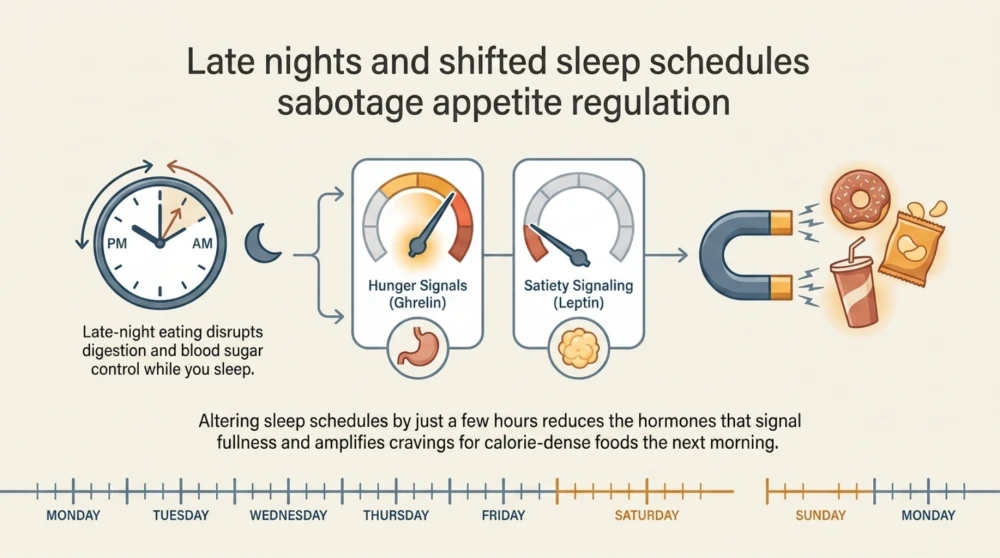
Weekends often involve staying awake later than usual. Late-night movies, social events, family gatherings, and celebrations frequently lead to eating much closer to bedtime.
Late-night eating may influence:
- Sleep quality
- Appetite regulation
- Blood sugar control
- Digestive comfort
Many individuals notice feeling sluggish or excessively hungry the next morning after late-night meals. Although occasional late dinners are not inherently harmful, consistently disrupting eating and sleep schedules may affect long-term metabolic health.
Why Weekend Overeating Often Triggers More Cravings
One interesting observation is that overeating frequently increases appetite rather than reducing it. Many people assume that eating large amounts during the weekend will satisfy cravings for several days. In reality, highly processed foods often stimulate further cravings.
After a weekend of excessive indulgence, many individuals experience:
- Greater hunger
- Sugar cravings
- Reduced satiety
- Difficulty returning to healthy routines
This can make Monday mornings particularly challenging for individuals trying to maintain consistent weight-loss habits.
If you want to understand this relationship further, you may also explore Why Food Cravings Make Weight Loss Difficult.
Why Weekend Social Eating Creates Unique Challenges
Food plays an important social role in most cultures. Family gatherings, celebrations, dining out, and social events often revolve around eating. There is nothing inherently wrong with enjoying food socially.
However, social environments sometimes encourage:
- Larger portions
- Mindless eating
- Frequent snacking
- Multiple high-calorie meals in one day
Because these behaviors are normalized, many people underestimate their long-term impact on health and body weight.
Why Weekend Habits Matter More Than People Realize
One of the most important lessons in lifestyle medicine is that consistency matters more than perfection. Healthy habits practiced only during weekdays may be insufficient if weekends repeatedly undo much of that progress.
This does not mean avoiding celebrations or never enjoying favorite foods. Rather, it means recognizing that weekend behaviors contribute meaningfully to overall metabolic health and deserve the same level of awareness as weekday routines.
Why Weekend Overeating Can Worsen Insulin Resistance
One of the most important effects of repeated weekend overeating is its influence on insulin sensitivity.
Insulin helps move glucose from the bloodstream into cells where it can be used for energy. When eating patterns become consistently excessive, particularly with foods rich in refined carbohydrates and sugars, the body must repeatedly produce larger amounts of insulin.
Over time, this may contribute to worsening insulin resistance in susceptible individuals.
Many people with prediabetes or abdominal obesity notice that weekends often involve:
- More sweets and desserts
- Restaurant meals
- Soft drinks and sugary beverages
- Late-night snacking
- Larger portions than usual
These habits may create temporary spikes in blood sugar and insulin levels, making it more difficult to maintain metabolic stability. This is one reason consistency often matters more than strict dieting during the weekdays.
Why Alcohol Consumption Can Affect Metabolic Health
For many adults, weekends are closely associated with social drinking. Moderate alcohol consumption may fit into some lifestyles, but frequent or excessive intake can influence metabolism in several ways.
Alcohol provides calories without offering significant nutritional value, and many alcoholic beverages are accompanied by high-calorie snacks and restaurant foods.
In addition, alcohol may affect:
- Sleep quality
- Appetite regulation
- Food choices
- Liver metabolism
Many individuals notice increased cravings for salty, fried, or sugary foods after drinking alcohol.
Over time, regular weekend drinking patterns may contribute to weight gain, fatty liver disease, and metabolic dysfunction, particularly when combined with physical inactivity and poor dietary habits.
Why Sleep Disruption During Weekends Matters
Weekend schedules often differ dramatically from weekday routines. People stay awake later, sleep at irregular hours, and sometimes attempt to compensate by sleeping longer the next morning.
Although occasional changes are unlikely to cause major problems, repeated disruption of sleep patterns may influence metabolic health.
Sleep affects several hormones involved in:
- Hunger regulation
- Satiety signaling
- Blood sugar control
- Energy balance
When sleep quality declines, many people experience:
- Greater appetite
- More cravings
- Reduced motivation for physical activity
- Preference for calorie-dense foods
This creates a situation where poor sleep and overeating reinforce each other, making healthy habits harder to maintain.
Why the "Cheat Day" Mentality Can Backfire
Many individuals follow extremely strict eating patterns during the week and then allow themselves an unrestricted "cheat day" on weekends. Psychologically, this approach may appear reasonable because it offers a reward for disciplined behavior.
However, it sometimes creates unintended consequences. People may begin viewing healthy eating as punishment and overeating as a reward.
This mindset often encourages:
- Binge eating tendencies
- Loss of portion awareness
- Guilt after eating
- Difficulty maintaining long-term habits
Sustainable health usually develops through flexibility and consistency rather than cycles of extreme restriction followed by overindulgence.
Why Weekend Weight Gain Is Not Always Body Fat
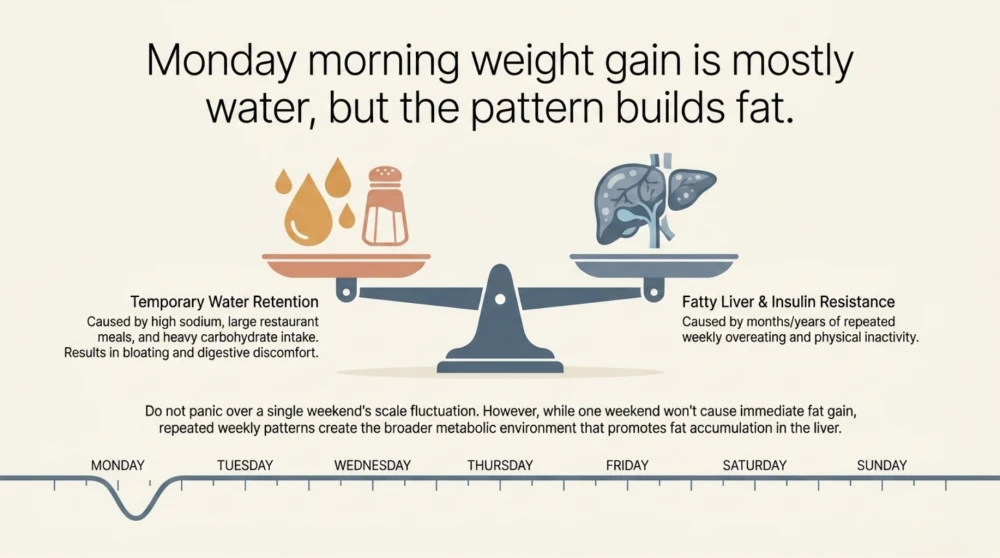
Many individuals notice an increase in body weight after weekends and immediately assume they have gained significant body fat. Fortunately, this is not always the case.
Large restaurant meals, salty foods, and higher carbohydrate intake often increase water retention temporarily.
This may result in:
- Feeling bloated
- Temporary weight gain
- Reduced energy levels
- Digestive discomfort
However, while short-term weight changes may largely reflect water retention, repeated weekly overeating can still contribute to gradual fat accumulation over months and years.
This is why looking at long-term patterns is more meaningful than focusing on a single weekend.
Why Social Gatherings Often Contain Hidden Calories
Many people underestimate how many calories are consumed during social events.
Unlike structured meals at home, social eating often involves:
- Repeated snacking
- Buffet-style dining
- Sugary drinks
- Large portion sizes
- Mindless eating during conversations
Because attention is focused on social interaction rather than hunger cues, people may eat far beyond their actual energy requirements.
This phenomenon explains why occasional celebrations can sometimes contribute more calories than expected.
Why Physical Activity Often Declines on Weekends
Interestingly, weekends do not always mean increased movement. For many individuals, weekends involve long periods of sitting, watching television, scrolling through phones, or resting after a demanding workweek.
Reduced physical activity combined with increased calorie intake creates an environment that favors positive energy balance.
Over time, this pattern may contribute to:
- Weight gain
- Reduced fitness levels
- Poor insulin sensitivity
- Metabolic dysfunction
Maintaining some level of enjoyable movement during weekends can therefore play an important role in supporting overall health.
Why Metabolic Health Depends on Weekly Patterns, Not Individual Days
One of the biggest misconceptions about nutrition is that a single healthy meal or a single unhealthy meal determines long-term outcomes. In reality, the body responds to patterns repeated consistently over time.
Weekend habits represent nearly one-third of every week. When those two days involve excessive eating, poor sleep, and inactivity, they may significantly influence overall metabolic health.
This does not mean avoiding celebrations or social events. Rather, it highlights the importance of maintaining reasonable balance and consistency throughout the entire week.
How to Enjoy Weekends Without Compromising Your Health Goals
One of the biggest misconceptions about healthy living is the belief that weekends must either be completely unrestricted or extremely disciplined. In reality, long-term success usually comes from finding a balance between enjoyment and consistency.
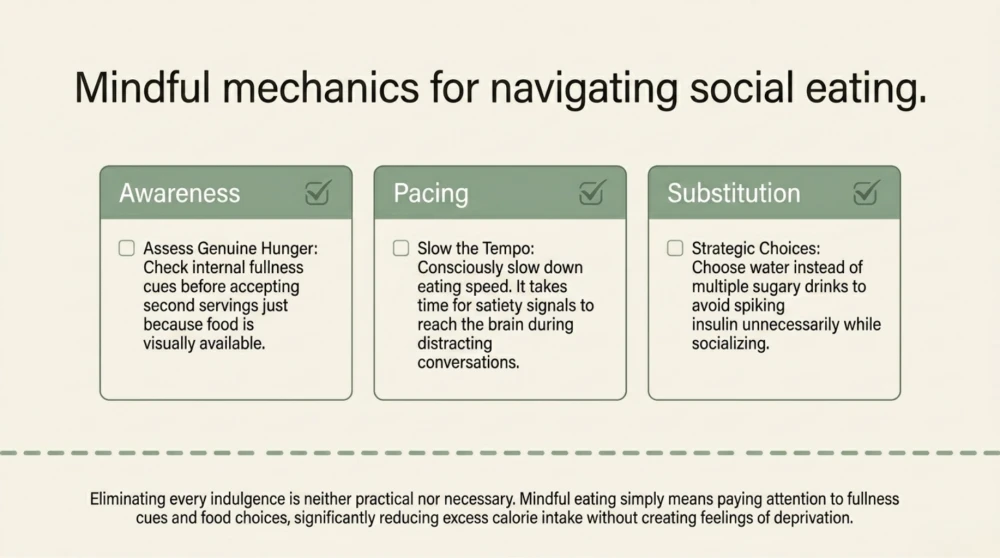
Food is an important part of family life, celebrations, and social connections. Eliminating every indulgence is neither practical nor necessary. The goal is not perfection.
The goal is ensuring that weekend habits support overall health rather than repeatedly undoing the progress made during the rest of the week.
Why Mindful Eating Makes a Big Difference
Many episodes of weekend overeating occur because people eat automatically rather than consciously. Social gatherings, restaurants, and celebrations often encourage distracted eating.
Individuals may continue eating simply because food remains available rather than because they are genuinely hungry.
Mindful eating means paying attention to:
- Hunger signals
- Fullness cues
- Food choices
- Portion sizes
- Eating speed
Simple habits such as eating slowly, avoiding unnecessary second servings, and focusing on the meal itself can significantly reduce excess calorie intake without creating feelings of deprivation.
Why Balance Works Better Than Restriction
Many people approach weekends with an all-or-nothing mindset. They either avoid every enjoyable food or abandon all healthy habits completely.
Neither approach is usually sustainable. A more practical strategy involves balance.
For example, someone attending a family celebration might:
- Enjoy favorite foods in reasonable portions
- Avoid unnecessary snacking throughout the day
- Choose water instead of multiple sugary drinks
- Remain physically active
This approach allows enjoyment without creating the metabolic stress associated with repeated overeating.
Why Protein Can Help Control Weekend Appetite
Many weekend meals are heavily focused on refined carbohydrates and calorie-dense foods while providing relatively little protein.
Protein plays an important role in:
- Satiety
- Appetite regulation
- Blood sugar stability
- Muscle preservation
Including adequate protein in weekend meals may help reduce:
- Frequent snacking
- Late-night cravings
- Overeating during social events
Many individuals find that balanced meals are easier to maintain than highly restrictive approaches that leave them feeling hungry and deprived.
Why Weekend Movement Is Just as Important as Weekday Exercise
Physical activity should not stop simply because the workweek ends.
In fact, weekends often provide opportunities for enjoyable forms of movement that may be difficult during busy weekdays.
Examples include:
- Family walks
- Cycling
- Outdoor sports
- Swimming
- Light strength training
- Recreational activities
These activities support:
- Blood sugar regulation
- Energy expenditure
- Stress reduction
- Metabolic health
The goal is not to compensate for overeating through excessive exercise. Instead, it is about maintaining an active lifestyle throughout the entire week.
Why Sleep Consistency Matters Even on Weekends
Many people use weekends to recover from poor sleep accumulated during the workweek.
While extra rest may be helpful occasionally, large variations in sleep schedules can disrupt the body's internal rhythms.
Consistent sleep habits support:
- Appetite regulation
- Energy levels
- Blood sugar control
- Mental well-being
Maintaining reasonably similar sleep and wake times throughout the week often helps individuals avoid the fatigue and cravings that commonly follow irregular weekend schedules.
Why Sustainable Habits Always Beat Short-Term Dieting
One of the most important principles in lifestyle medicine is that consistency matters more than intensity. Extreme diets during weekdays followed by unrestricted weekends rarely produce lasting results.
Instead, sustainable habits tend to work better over the long term. Healthy lifestyles are built on routines that can be maintained for years rather than weeks.
This means allowing flexibility while preserving the core principles of good nutrition, physical activity, sleep, and stress management. If healthy habits disappear every weekend, long-term progress becomes much more difficult.
Why Families Should Build Healthy Weekend Traditions
Weekends provide valuable opportunities to create family traditions that support health rather than undermine it.
Instead of centering every gathering around excessive eating, families can incorporate activities such as:
- Morning walks
- Outdoor games
- Cooking healthy meals together
- Exploring parks and nature
- Participating in recreational sports
These habits not only support physical health but also strengthen social connections and emotional well-being.
Healthy lifestyles become easier to maintain when the entire family participates rather than relying on individual willpower alone.
Why Weekend Habits Reflect Long-Term Lifestyle Patterns
Perhaps the most important lesson is that weekends are not separate from overall health. They are an integral part of weekly routines.
The body responds to consistent behaviors rather than isolated events.Two days of unhealthy habits repeated every week eventually become long-term lifestyle patterns.
Likewise, balanced and enjoyable weekends can reinforce healthy behaviors and support sustainable metabolic health.
This is why lifestyle medicine focuses on building routines that fit real life rather than expecting perfection every day.
Key Takeaways: What You Should Remember
- Weekend overeating can contribute to weight gain and metabolic dysfunction when it becomes a regular pattern.
- Healthy weekday habits may be undermined by repeated weekend indulgence.
- Large portions, sugary drinks, alcohol, and late-night eating commonly increase calorie intake.
- Weekend sleep disruption may affect appetite regulation and cravings.
- The "cheat day" mindset often promotes overeating rather than sustainable eating habits.
- Regular movement during weekends supports blood sugar control and metabolic health.
- Balanced, flexible eating patterns work better than extreme restriction.
- Consistency throughout the week matters more than perfection on individual days.
You can book a consultation here:
Book Appointment
Written by Dr. Pankaj Kumar, General & Lifestyle Physician, Dwarka, New Delhi