

















- 20th July 2026
Table of Contents
- What Does Post Meal Sleepiness Actually Mean?
- Digestion Is Active, but It Does Not Simply “Steal Blood” From the Brain
- Why Large Meals Commonly Cause More Sleepiness
- Why Refined Carbohydrates Can Make Post Meal Sleepiness Worse
- The Connection Between Post Meal Sleepiness and Insulin Resistance
- Why Poor Sleep Often Reveals Itself After Meals
- Why Sitting After Meals Can Intensify the Problem
- Why This Symptom May Appear More Often With Age
- When Post Meal Sleepiness Deserves Greater Attention
- How Prediabetes Can Contribute to Post Meal Sleepiness
- Why Reactive Hypoglycaemia Is Often Misunderstood
- Why Sleep Apnoea Can Make Meal-Related Fatigue Much Worse
- Why Heavy Office Lunches Reduce Afternoon Productivity
- Why Skipping Breakfast Can Increase Sleepiness After Lunch
- Why Low Protein Meals Often Fail to Maintain Energy
- Why Dehydration Can Intensify Post Meal Fatigue
- How Medications Can Affect Alertness After Meals
- Why Anaemia and Nutritional Deficiencies May Be Missed
- Why Thyroid Dysfunction Can Affect Energy After Eating
- Why Older Adults May Experience Stronger Post Meal Sleepiness
- Why the Pattern Matters More Than a Single Episode
- How to Reduce Post Meal Sleepiness Without Following an Extreme Diet
- Start by Reducing Meal Size, Not by Starving Yourself
- Build a More Balanced Plate
- Eat More Slowly and Pay Attention to Fullness
- Use Light Movement After Meals
- Do Not Try to Correct Sleepiness With Repeated Caffeine
- Protect Sleep Before Blaming the Meal
- Maintain Adequate Hydration, but Avoid Overstating Its Role
- Review Alcohol and Sugary Beverages
- Keep a Short Symptom and Meal Record
- Which Tests May Be Considered?
- When Post Meal Sleepiness Requires Prompt Attention
- Why Sustainable Changes Work Better Than Extreme Restrictions
- Key Takeaways
Feeling slightly relaxed after eating is common, particularly after a heavy lunch or a late dinner. However, some people begin noticing that the tiredness is becoming stronger, occurring more frequently, and interfering with their work, concentration, or daily routine. They may struggle to remain alert after lunch, feel mentally slow during afternoon meetings, or need tea, coffee, or something sweet just to continue working. When this pattern starts appearing after ordinary meals rather than only after occasional overeating, it is reasonable to ask why it is happening more often than before.
Post meal sleepiness is not a disease by itself. It is a symptom that can arise from several overlapping factors, including meal composition, portion size, inadequate sleep, irregular eating patterns, physical inactivity, medication effects, and changes in blood sugar regulation. In many people, the explanation is relatively simple. In others, repeated post meal sleepiness may be one part of a broader metabolic picture that deserves proper evaluation.
What Does Post Meal Sleepiness Actually Mean?
Post meal sleepiness refers to reduced alertness, mental heaviness, fatigue, or a strong desire to rest after eating. Some people describe heavy eyelids, while others experience brain fog, poor concentration, reduced motivation, or an abrupt decline in productivity. The symptoms may begin within 30 minutes of a meal or become more noticeable over the next one to three hours.
A mild dip in alertness after lunch can occur because human wakefulness naturally fluctuates during the day. Many people experience a normal afternoon decline in alertness, even without eating. A meal may make that natural dip more noticeable, especially when it is large, rich in refined carbohydrates, or consumed after several nights of inadequate sleep. Therefore, feeling sleepy once in a while does not automatically indicate diabetes, insulin resistance, or another medical disorder.
The concern becomes greater when post meal sleepiness occurs almost every day, follows relatively normal portions, has become progressively worse, or is accompanied by other symptoms such as increased waist circumference, intense food cravings, excessive thirst, frequent urination, snoring, morning headaches, unexplained weakness, or difficulty losing weight.
Digestion Is Active, but It Does Not Simply “Steal Blood” From the Brain
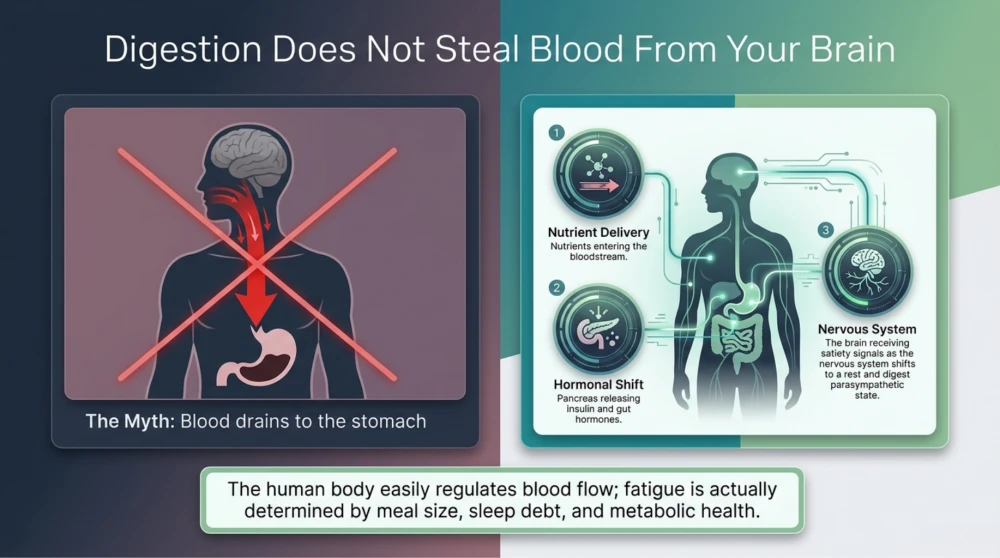
A common explanation for sleepiness after eating is that blood is redirected from the brain toward the digestive system. This statement is an oversimplification. The body is capable of regulating blood flow to different organs without depriving the brain of oxygen under normal circumstances. Digestion does increase activity within the gastrointestinal system, but ordinary post meal sleepiness is not usually caused by the brain receiving too little blood.
The more accurate explanation involves several processes occurring together. After eating, nutrients enter the bloodstream, insulin and gut hormones are released, the nervous system shifts toward a more relaxed “rest and digest” state, and the brain responds to signals related to satiety and energy availability. Meal size, food composition, circadian timing, sleep debt, and individual metabolic health determine how strongly these changes affect alertness.
This is why two people can eat the same lunch and feel completely different afterward. One may remain alert, while the other develops pronounced post meal sleepiness. Their response may differ because of sleep quality, physical activity, insulin sensitivity, meal timing, medications, stress, or underlying health conditions.
Why Large Meals Commonly Cause More Sleepiness
Meal size is one of the most practical explanations for feeling tired after eating. A very large meal requires more digestive processing and produces stronger hormonal and nervous-system responses than a moderate meal. Restaurant lunches, buffet meals, wedding food, festive dinners, and weekend overeating commonly combine large portions with refined carbohydrates, fried foods, desserts, and sugary beverages.
After such meals, people often experience abdominal heaviness, bloating, reduced motivation, and sleepiness. The problem is not necessarily one specific ingredient. It is usually the total metabolic load created by a large quantity of food consumed within a short period. A person who eats lightly during the morning and then consumes an oversized lunch may experience more severe post meal sleepiness because the meal is both large and poorly timed.
Repeatedly eating beyond comfortable fullness can also make weight management more difficult. Large meals may provide substantially more energy than the body requires, while the resulting fatigue reduces the likelihood of walking or remaining active afterward. Over time, this combination can support weight gain, worsening insulin sensitivity, and more frequent fatigue after meals.
Why Refined Carbohydrates Can Make Post Meal Sleepiness Worse
Meals dominated by rapidly digested carbohydrates may produce a sharper change in blood glucose and insulin than balanced meals containing protein, fibre, vegetables, and minimally processed carbohydrates. Common examples include large portions of white rice, refined-flour breads, sugary cereals, sweetened beverages, bakery products, desserts, and meals that contain very little protein or fibre.
After such a meal, blood glucose may rise rapidly. The pancreas responds by releasing insulin, which helps move glucose into muscle, liver, and other tissues. In healthy individuals, this process is usually well controlled. However, some people experience a pronounced rise followed by a noticeable decline in energy and alertness. They may describe a “crash” one or two hours after eating, along with hunger, irritability, or a desire for tea, coffee, or sweets.
This does not mean carbohydrates should be eliminated. Carbohydrates are a normal source of energy and can be part of a healthy diet. The issue is more often the amount, degree of processing, lack of protein and fibre, and the person’s underlying metabolic response. A balanced plate containing protein, vegetables, fibre-rich foods, and an appropriate carbohydrate portion is less likely to produce severe post meal sleepiness than a large meal composed mainly of refined carbohydrates.
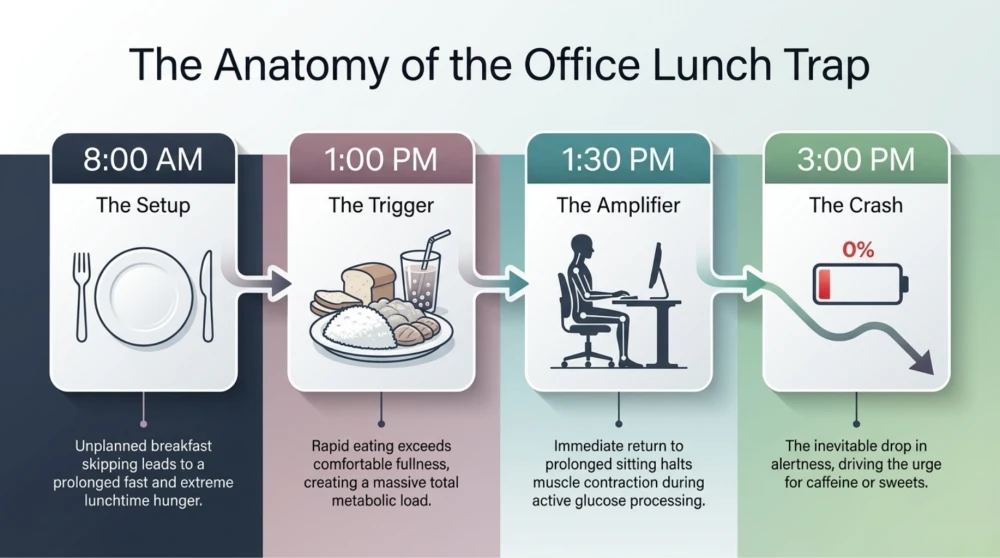
The Connection Between Post Meal Sleepiness and Insulin Resistance
Insulin resistance develops when tissues become less responsive to insulin. The pancreas initially compensates by producing more insulin, allowing blood glucose results to remain within the normal range for some time. This means a person can develop metabolic dysfunction before fasting glucose becomes clearly abnormal.
Some individuals with insulin resistance report fatigue after meals, increased hunger, difficulty controlling portions, abdominal weight gain, cravings for refined carbohydrates, and reduced energy during the afternoon. These symptoms are not specific enough to diagnose insulin resistance, but together they may justify evaluation, especially when there is a family history of type 2 diabetes or associated conditions such as fatty liver, high triglycerides, PCOS, or central obesity.
It is important not to claim that every episode of post meal sleepiness is caused by insulin resistance. Many people with normal metabolic health feel tired after a heavy meal, and many people with insulin resistance may not feel sleepy at all. The symptom becomes more clinically meaningful when it appears repeatedly alongside other metabolic warning signs.
Why Poor Sleep Often Reveals Itself After Meals
A person who is chronically sleep deprived may remain functional during the morning because of stress hormones, caffeine, work demands, and mental stimulation. After eating, the body becomes more relaxed, and the underlying sleep debt becomes harder to ignore. The meal may not be the sole cause of fatigue; it may simply expose tiredness that was already present.
This is especially common among people who sleep for five or six hours on weekdays, stay awake late using phones or laptops, snore heavily, wake repeatedly at night, or depend on weekend oversleeping for recovery. Their post meal sleepiness may be accompanied by morning headaches, irritability, poor concentration, increased cravings, and reduced exercise motivation.
Obstructive sleep apnoea deserves particular attention. People with obesity, loud snoring, witnessed pauses in breathing, resistant hypertension, or excessive daytime sleepiness may have poor-quality sleep despite spending enough hours in bed. In such cases, dietary changes alone may not correct the fatigue because the underlying sleep disorder remains untreated.
Why Sitting After Meals Can Intensify the Problem
Modern work routines often involve eating lunch and immediately returning to a chair. The person may remain seated for several hours while attending meetings, checking emails, or working on a computer. This inactivity reduces muscle contraction at a time when the body is processing glucose from the meal.
Skeletal muscle is an important site for glucose utilisation. Light activity after eating can support glucose uptake and may reduce the size of post-meal glucose excursions in many individuals. In contrast, prolonged sitting may contribute to greater sluggishness, especially after a large or carbohydrate-heavy meal.
A short, comfortable walk after lunch is not a cure for all causes of post meal sleepiness, but it can be a useful habit. It supports circulation, activates muscle tissue, improves digestive comfort for many people, and interrupts long periods of sedentary behaviour. The benefit comes from regularity rather than intensity; there is no need to perform strenuous exercise immediately after eating.
Why This Symptom May Appear More Often With Age
Many adults notice that meals which once caused no difficulty now leave them feeling tired. This does not necessarily mean ageing alone is responsible. Over time, several changes may accumulate: physical activity declines, muscle mass reduces, sleep becomes less restorative, waist circumference increases, medications are added, and insulin sensitivity may worsen.
Muscle tissue plays an important role in glucose disposal. When adults become less active and gradually lose muscle, the body may handle the same meal less efficiently than it did ten or fifteen years earlier. The meal has not changed, but the metabolic context has.
This is one reason repeated post meal sleepiness should be considered within the broader picture of body composition, physical activity, sleep, nutrition, and metabolic health rather than dismissed automatically as normal ageing.
When Post Meal Sleepiness Deserves Greater Attention
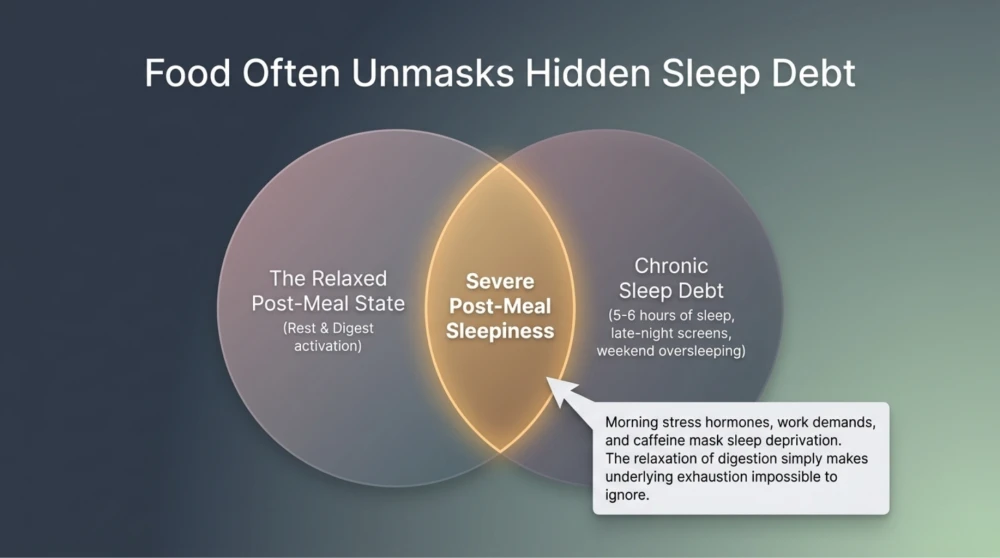
Occasional tiredness after an unusually heavy meal is generally not concerning. Proper evaluation becomes more important when the symptom is frequent, worsening, or severe enough to interfere with driving, work, study, or daily responsibilities.
Attention is also warranted when post meal sleepiness occurs with symptoms such as persistent weakness, excessive thirst, frequent urination, unexplained weight change, increased waist circumference, loud snoring, morning headaches, palpitations, dizziness, breathlessness, black stools, or significant bowel changes. These features may point toward metabolic, hormonal, sleep-related, nutritional, cardiovascular, or gastrointestinal causes that should not be managed through diet alone without assessment.
The purpose of evaluation is not to create fear. It is to distinguish normal occasional drowsiness from a recurring symptom that may provide an early opportunity to improve sleep, meal quality, physical activity, and metabolic health.
How Prediabetes Can Contribute to Post Meal Sleepiness
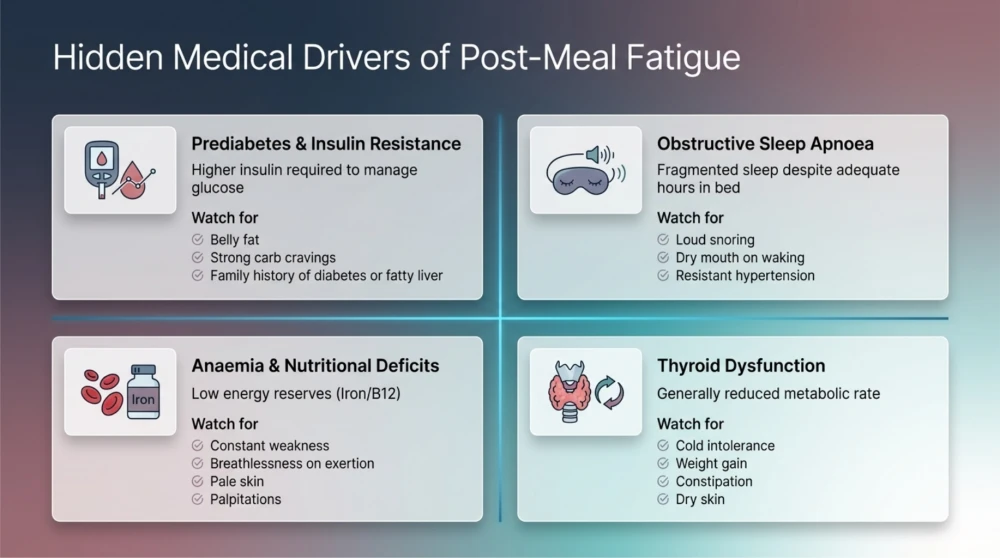
Prediabetes often develops silently. Many people assume blood sugar problems begin only when fasting glucose becomes clearly abnormal, but metabolic changes usually start much earlier. During this stage, the body may already be producing higher amounts of insulin to keep blood glucose within an acceptable range. The person may feel generally well, yet begin noticing subtle changes such as increasing belly fat, stronger carbohydrate cravings, fatigue after meals, or reduced energy during the afternoon.
Repeated post meal sleepiness can sometimes appear in this broader metabolic pattern. After a meal, especially one rich in refined carbohydrates, the body must manage a significant glucose load. If insulin sensitivity is reduced, the response may become less efficient. Some people feel unusually tired, mentally dull, or hungry again within a few hours. These symptoms are not enough to diagnose prediabetes, but they become more meaningful when they occur alongside a family history of diabetes, central obesity, fatty liver, high triglycerides, or a sedentary lifestyle.
This is why persistent post meal sleepiness should not always be dismissed as a harmless reaction to digestion. In selected individuals, it may be one of several early signs suggesting that blood sugar regulation deserves closer attention.
Why Reactive Hypoglycaemia Is Often Misunderstood
Some people describe a pattern in which they feel fine immediately after eating but become weak, shaky, hungry, irritable, or sleepy one to three hours later. This is sometimes referred to as reactive or postprandial hypoglycaemia, although true low blood glucose needs to be documented rather than assumed from symptoms alone.
The symptoms may occur after meals high in refined carbohydrates because blood glucose rises rapidly and is followed by a strong insulin response. In some individuals, glucose may then fall quickly, producing a noticeable decline in energy and concentration. However, similar symptoms can also occur without true hypoglycaemia, especially in people who are sleep deprived, anxious, dehydrated, or consuming irregular meals.
Self-diagnosing low blood sugar based only on post meal sleepiness can therefore be misleading. A proper clinical history, meal pattern review, and appropriate testing are more useful than assuming every energy crash is caused by hypoglycaemia.
Why Sleep Apnoea Can Make Meal-Related Fatigue Much Worse
Many people with severe daytime sleepiness focus only on food and completely overlook the quality of their sleep. Obstructive sleep apnoea is especially important because it can fragment sleep repeatedly throughout the night, even when the person believes they slept for seven or eight hours.
During obstructive sleep apnoea, breathing repeatedly narrows or stops for short periods. The brain briefly wakes the body to restore airflow, but these awakenings are often too short to be remembered. The result is poor-quality sleep, reduced oxygen stability, and persistent daytime fatigue.
People with sleep apnoea may experience post meal sleepiness simply because eating unmasks an already severe level of sleep deprivation. The relaxed state that follows lunch or dinner makes it harder to stay alert, especially in the afternoon.
Clues that increase suspicion include loud snoring, witnessed pauses in breathing, morning headaches, dry mouth on waking, resistant hypertension, obesity, and excessive daytime sleepiness. In such cases, changing meal composition may help only partially because the underlying sleep disorder still requires evaluation and treatment.
Why Heavy Office Lunches Reduce Afternoon Productivity
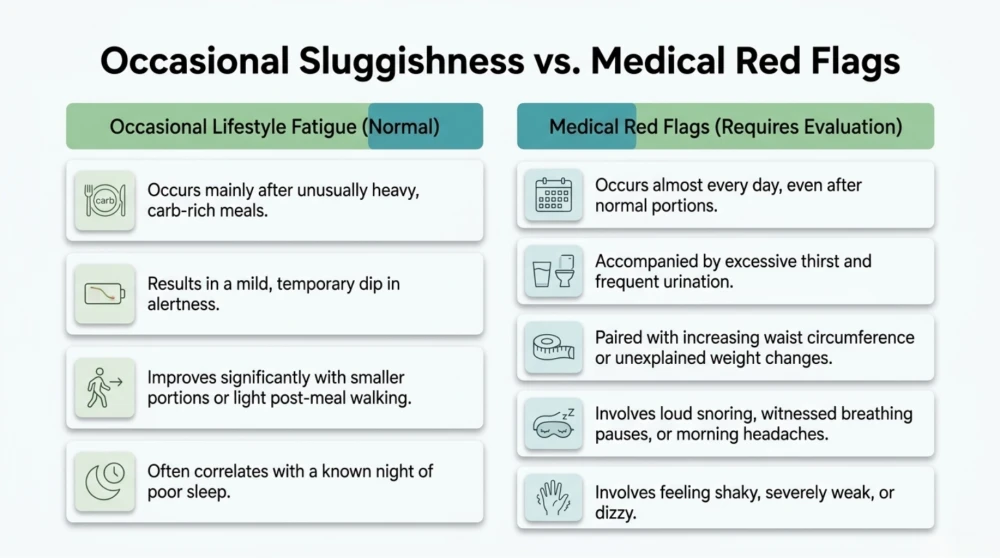
Office lunches often combine several features that encourage fatigue. They may be eaten quickly, consumed after a long morning without food, and followed immediately by prolonged sitting. Many common meals are large, carbohydrate-heavy, low in protein, and accompanied by sweet beverages or dessert.
This creates a predictable sequence. The person arrives at lunch extremely hungry, eats rapidly, exceeds comfortable fullness, returns to the desk, and then struggles with concentration for the next two or three hours. The resulting post meal sleepiness is often blamed on a busy schedule, but the meal pattern itself may be playing an important role.
A more balanced lunch usually includes an appropriate portion of protein, vegetables, fibre-rich foods, and a moderate amount of carbohydrate. For an Indian office worker, this could mean dal, curd, paneer, eggs, chicken, or fish paired with vegetables and a controlled portion of rice or roti rather than a very large plate dominated by refined carbohydrate.
The aim is not to make lunch excessively small. An inadequate lunch may lead to intense evening cravings and overeating later. The better approach is to improve meal balance and portion size so that energy remains more stable without leaving the person hungry.
Why Skipping Breakfast Can Increase Sleepiness After Lunch
Some people skip breakfast because they are not hungry in the morning or because they are trying to reduce calorie intake. This may work well for certain individuals when it is planned carefully. However, for others, unplanned breakfast skipping leads to excessive hunger by lunchtime.
When the first major meal of the day is consumed after a prolonged fast, people often eat more rapidly and choose larger portions. A very heavy lunch may then trigger pronounced post meal sleepiness, bloating, and reduced concentration.
The problem is not necessarily breakfast skipping itself. The problem is the pattern it creates. If skipping breakfast leads to overeating at lunch, repeated afternoon fatigue, and evening cravings, the strategy may not be suitable for that person.
Meal timing should therefore be personalised rather than copied from social media trends. The most useful eating pattern is one that supports stable energy, reasonable hunger, good digestion, and long-term consistency.
Why Low Protein Meals Often Fail to Maintain Energy
Many common meals provide enough calories but relatively little protein. A breakfast based mainly on refined cereal, toast, biscuits, or sweetened tea may feel convenient but may not provide lasting satiety. Similarly, a lunch dominated by rice or roti with minimal dal, curd, paneer, eggs, fish, or chicken may leave a person feeling sleepy and hungry again soon afterward.
Protein helps support satiety, muscle maintenance, and more stable meal satisfaction. It also slows the rate at which some meals are digested, particularly when combined with fibre and minimally processed foods.
This does not mean protein completely prevents post meal sleepiness, nor does it mean every meal must be extremely high in protein. However, improving protein distribution across the day often helps reduce large swings in hunger and energy, especially in people whose current diet is heavily carbohydrate-dominant.
Why Dehydration Can Intensify Post Meal Fatigue
Mild dehydration can produce fatigue, headache, poor concentration, and reduced physical performance. During busy workdays, many adults consume several cups of tea or coffee but very little plain water. By lunchtime, they may already be mildly dehydrated.
After eating, the combination of a heavy meal, prolonged sitting, poor hydration, and existing sleep debt may create pronounced post meal sleepiness. The meal becomes the most visible trigger, but it is not the only contributor.
Maintaining regular fluid intake throughout the day can help support alertness and reduce unnecessary fatigue. However, water should not be presented as a cure for persistent sleepiness. If symptoms continue despite adequate hydration, other causes still need to be considered.
How Medications Can Affect Alertness After Meals
Certain medicines can cause drowsiness or reduce alertness. When these medicines are taken around mealtimes, patients may assume the food itself is responsible for their sleepiness.
Examples may include some antihistamines, anxiety medicines, sleep medicines, pain medicines, and other drugs that affect the central nervous system. In addition, some glucose-lowering medicines can contribute to low blood sugar in susceptible individuals, especially when meals are delayed or inadequate.
Patients should not stop prescribed medicines on their own. However, new or worsening post meal sleepiness should be discussed with the treating doctor if it begins after a medication change, dose adjustment, or addition of a new drug.
Why Anaemia and Nutritional Deficiencies May Be Missed
Iron deficiency, vitamin B12 deficiency, and other nutritional problems can cause persistent fatigue and reduced concentration. In these cases, meals may appear to trigger sleepiness because the person is already functioning with low energy reserves.
Women with heavy menstrual bleeding, vegetarians with poor vitamin B12 intake, older adults, and people with gastrointestinal disorders may be at greater risk of specific deficiencies. Symptoms may include weakness, breathlessness on exertion, palpitations, pale skin, numbness, or poor stamina.
If post meal sleepiness occurs within a broader pattern of constant fatigue, it is important to look beyond food composition. Correcting meal timing alone will not solve fatigue caused by anaemia, thyroid disease, vitamin deficiency, infection, or another underlying condition.
Why Thyroid Dysfunction Can Affect Energy After Eating
Thyroid hormones influence metabolic rate, energy production, digestion, and body temperature. When thyroid function is low, many individuals feel tired throughout the day, gain weight more easily, develop constipation, and experience mental slowing.
After meals, this underlying fatigue may become more noticeable. The person may describe severe post meal sleepiness, but the deeper issue may be a generally reduced metabolic state rather than the meal itself.
Thyroid testing is not necessary for every person who feels sleepy after eating. However, evaluation becomes more reasonable when fatigue is persistent and accompanied by symptoms such as weight gain, cold intolerance, constipation, dry skin, hair changes, menstrual irregularity, or a family history of thyroid disease.
Why Older Adults May Experience Stronger Post Meal Sleepiness
Older adults may experience meal-related fatigue for several reasons. Muscle mass often declines with age, physical activity may reduce, sleep becomes more fragmented, and the number of medications usually increases. Blood pressure may also fall after meals in some older individuals, a condition known as postprandial hypotension.
Postprandial hypotension can cause weakness, dizziness, light-headedness, blurred vision, or even falls after eating. It is more common in older adults and in people with certain neurological or cardiovascular conditions.
Therefore, post meal sleepiness in an older person should not always be treated as simple tiredness, particularly when it occurs with dizziness or instability. Blood pressure assessment before and after meals may sometimes be clinically useful.
Why the Pattern Matters More Than a Single Episode
A single episode of sleepiness after a festive meal rarely provides useful medical information. What matters more is the pattern over time.
Important questions include whether post meal sleepiness occurs after every meal or only after large lunches, whether it improves with smaller balanced meals, whether it is associated with snoring or poor sleep, and whether other metabolic symptoms are present.
Keeping a brief record of meal timing, food composition, sleep duration, activity, and symptoms can sometimes reveal a clear pattern. This helps distinguish occasional physiological drowsiness from a persistent problem that deserves medical evaluation.
How to Reduce Post Meal Sleepiness Without Following an Extreme Diet
Once people begin noticing frequent tiredness after eating, they often respond by removing carbohydrates completely, skipping meals, relying on caffeine, or making lunch so small that they become extremely hungry later in the day. These approaches may temporarily change how they feel, but they rarely address the full reason behind recurrent post meal sleepiness.
A more useful approach is to examine the complete pattern. Meal size, carbohydrate quality, protein intake, sleep duration, hydration, physical activity, medications, and underlying metabolic health can all influence alertness after eating. Improving one factor may help, but the best results usually come from correcting several small problems together.
The goal is not to prevent every natural dip in energy. Mild relaxation after a meal can be normal. The real objective is to reduce excessive post meal sleepiness that interferes with concentration, work, driving, exercise, or everyday functioning.
Start by Reducing Meal Size, Not by Starving Yourself
Very large meals are among the most common triggers of post-meal fatigue. This is especially relevant when a person skips food for several hours and then eats rapidly because they are extremely hungry. The resulting meal may contain more calories, carbohydrates, fat, and total volume than the body can comfortably manage at one time.
Reducing portion size does not mean eating an inadequate lunch or surviving on salad alone. An excessively small meal may create hunger, irritability, and overeating later. Instead, the aim should be to stop at comfortable satisfaction rather than eating until the abdomen feels heavy or stretched.
People who regularly experience post meal sleepiness may benefit from observing whether symptoms improve when they eat a moderately sized meal slowly. This simple comparison can provide more useful information than immediately blaming one food group.
Build a More Balanced Plate
A meal dominated by refined carbohydrates may produce less stable energy than one containing protein, vegetables, fibre, and an appropriate carbohydrate portion. This does not mean rice, roti, bread, fruit, or other carbohydrate-containing foods must be eliminated. The amount, processing, and overall composition of the meal matter more than the presence of carbohydrate alone.
For an Indian lunch, a more balanced plate might include dal, curd, paneer, eggs, chicken, or fish; a generous portion of vegetables or salad; and a controlled serving of rice or roti. Someone eating a Western-style meal could follow the same principle by combining lean protein, vegetables, legumes or whole grains, and an appropriate carbohydrate portion.
Protein and fibre generally improve meal satisfaction and may reduce the rapid return of hunger. They also help prevent the common pattern in which a person feels sleepy after lunch and then reaches for tea, biscuits, sweets, or another snack within a short time.
There is no universally perfect plate for preventing post meal sleepiness. The meal should be adapted to the person’s appetite, medical conditions, cultural preferences, physical activity, and treatment plan.
Eat More Slowly and Pay Attention to Fullness
Meal speed is frequently overlooked. People who eat while working, watching videos, attending meetings, or scrolling through their phone may finish a large portion before the brain has had enough time to register fullness.
Slower eating encourages better awareness of appetite and makes it easier to stop before uncomfortable fullness develops. It may also reduce swallowed air, bloating, and the heavy sensation that many people confuse with metabolic fatigue.
A practical approach is to sit away from the computer when possible, chew adequately, and allow enough time for the meal rather than treating lunch as another task to complete quickly. For many working professionals, this behavioural change is more realistic and sustainable than following a rigid diet.
Use Light Movement After Meals
Returning immediately to a chair after lunch allows very little muscle activity during the post-meal period. A short walk, light household activity, or gentle movement can activate skeletal muscle and support glucose utilisation.
For many people, walking comfortably for approximately 10 to 15 minutes after a meal is practical. Others may need to begin with a shorter duration, particularly if they have joint pain, poor fitness, cardiovascular disease, dizziness, or another medical limitation.
The walk does not need to be exhausting. Intense exercise immediately after a large meal may cause discomfort and is unnecessary for most people. The benefit comes from interrupting inactivity and using the muscles rather than remaining seated continuously.
Regular post-meal movement may help reduce sluggishness, improve digestive comfort, and support blood sugar regulation, but it should not be presented as a guaranteed cure for post meal sleepiness. Persistent symptoms still require assessment when appropriate.
Do Not Try to Correct Sleepiness With Repeated Caffeine
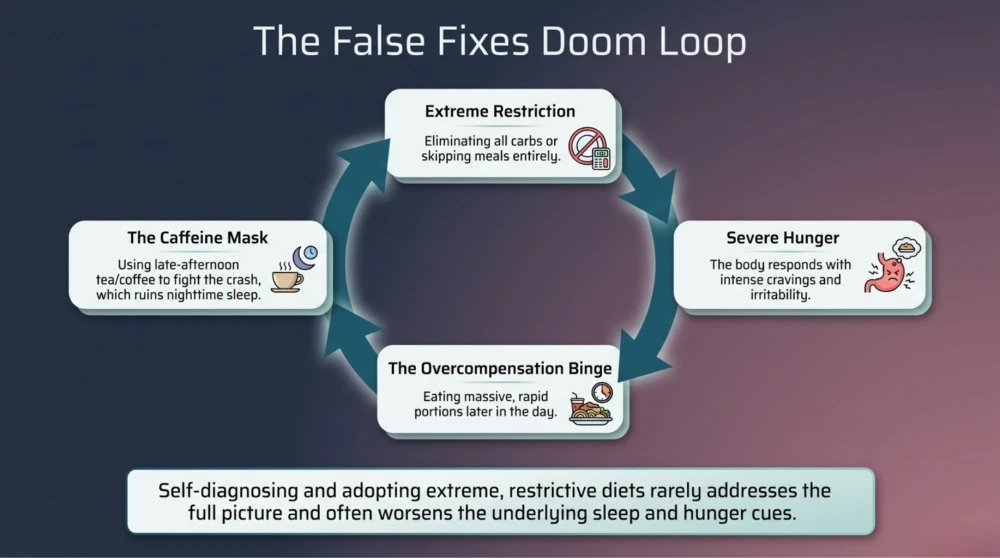
Tea and coffee can temporarily improve alertness, which is why many people automatically reach for caffeine after lunch. Moderate caffeine intake may be acceptable for many adults, but using it repeatedly to overcome severe fatigue can create a cycle.
Late-afternoon or evening caffeine may delay sleep or reduce sleep quality. Poor sleep then increases fatigue the following day, making the person even more dependent on caffeine after meals. The immediate symptom improves briefly while the underlying sleep debt becomes worse.
People experiencing regular post meal sleepiness should therefore ask whether caffeine is helping recovery or merely masking inadequate sleep. The answer may become clear by reviewing bedtime, sleep duration, snoring, nighttime awakenings, and morning freshness.
Protect Sleep Before Blaming the Meal
Dietary adjustments have limited value when someone is chronically sleep deprived. A person sleeping five hours each night is likely to experience daytime fatigue regardless of how carefully lunch is planned.
Improving sleep requires more than spending extra time in bed on weekends. A reasonably consistent bedtime, reduced late-night screen exposure, appropriate caffeine timing, and a sleep environment that supports uninterrupted rest are more helpful than repeatedly accumulating sleep debt.
Persistent loud snoring, choking or gasping during sleep, witnessed breathing pauses, morning headaches, resistant hypertension, and excessive daytime sleepiness should raise concern about obstructive sleep apnoea. In that situation, post meal sleepiness may be only one expression of a broader sleep disorder.
People who feel dangerously sleepy while driving should not rely on coffee, loud music, or opening the car window. They should avoid driving when drowsy and seek proper evaluation because excessive daytime sleepiness can create a serious safety risk.
Maintain Adequate Hydration, but Avoid Overstating Its Role
Mild dehydration can contribute to fatigue, headache, poor concentration, and reduced physical performance. Regular water intake is therefore important, particularly during hot weather, exercise, long working hours, or illness.
However, drinking water alone will not correct post meal sleepiness caused by sleep apnoea, anaemia, thyroid disease, medication effects, insulin resistance, or an excessively large meal. Hydration should be treated as one part of the assessment rather than a universal explanation.
A practical strategy is to drink fluids consistently through the day rather than consuming very little during work and then attempting to compensate in the evening. People with heart failure, advanced kidney disease, severe liver disease, or medically prescribed fluid restrictions should follow individual advice rather than increasing water intake indiscriminately.
Review Alcohol and Sugary Beverages
Alcohol can increase drowsiness and may intensify fatigue when consumed with meals. It can also worsen sleep quality later in the night, even when it initially makes falling asleep feel easier. Repeated use of alcohol with dinner may therefore contribute to both immediate sleepiness and poor recovery.
Sugar-sweetened beverages add rapidly absorbed carbohydrate without providing the same satiety as solid food. When consumed with an already large meal, they can increase the total glucose and calorie load substantially.
Replacing sugary drinks with water or unsweetened beverages is a practical change for many people. The objective is not to create a rigid rule but to reduce unnecessary contributors when post meal sleepiness is occurring frequently.
Keep a Short Symptom and Meal Record
Post-meal fatigue is easier to understand when patterns are documented rather than recalled vaguely. A simple record maintained for one or two weeks can include meal timing, approximate portions, major food components, sleep duration, activity after eating, caffeine intake, and the severity of sleepiness.
This may reveal that symptoms occur mainly after restaurant meals, refined-carbohydrate-heavy lunches, poor nights of sleep, or days involving prolonged sitting. Alternatively, it may show that post meal sleepiness occurs after almost every meal regardless of composition, which makes medical evaluation more important.
There is usually no need to track every calorie or weigh every ingredient. The purpose is to identify patterns, not to create anxiety around eating.
Which Tests May Be Considered?
There is no single test that explains every case of post meal sleepiness. Testing should be selected according to the person’s symptoms, examination, medical history, medications, and risk factors.
Depending on the clinical situation, a doctor may consider evaluation for blood sugar disorders, anaemia, thyroid dysfunction, vitamin B12 deficiency, liver disease, kidney disease, sleep apnoea, or other causes of persistent fatigue. This may involve tests such as fasting glucose, HbA1c, a complete blood count, thyroid profile, liver and kidney function tests, or selected nutritional markers.
An oral glucose tolerance test or continuous glucose monitoring is not automatically required for every person who feels sleepy after eating. These tools should be used when the clinical question justifies them. Similarly, fasting insulin or calculations of insulin resistance should not be interpreted in isolation without considering the broader clinical picture.
Older adults who experience dizziness, weakness, blurred vision, or instability after meals may need blood pressure assessment because postprandial hypotension is different from ordinary drowsiness and may increase the risk of falls.
When Post Meal Sleepiness Requires Prompt Attention
Most episodes are not emergencies, but certain situations should not be managed solely through meal changes. Prompt assessment is advisable when sleepiness is sudden, severe, or associated with fainting, confusion, chest discomfort, significant palpitations, one-sided weakness, speech difficulty, severe dizziness, or inability to remain awake.
Medical evaluation is also important when post meal sleepiness is accompanied by excessive thirst, frequent urination, unexplained weight loss, recurrent low-glucose readings, persistent vomiting, black stools, progressive breathlessness, or severe weakness.
These symptoms may reflect conditions that require timely diagnosis rather than routine lifestyle advice.
Why Sustainable Changes Work Better Than Extreme Restrictions
People often improve for a few days after adopting a very restrictive diet, but such plans may be difficult to maintain and can lead to cravings, inadequate protein intake, social disruption, and eventual overeating. A better strategy is to identify the smallest changes that produce a noticeable improvement in energy.
For one person, that may mean reducing lunch portions and adding protein. For another, it may mean treating sleep apnoea, correcting anaemia, walking after meals, or adjusting a medication under medical supervision.
Successful management depends on identifying the actual contributor rather than assuming every person needs the same diet. This patient-specific approach is especially important because post meal sleepiness is a symptom with many possible causes.
Key Takeaways
- Occasional mild sleepiness after a large meal can be normal.
- Frequent post meal sleepiness may be influenced by meal size, refined carbohydrates, poor sleep, prolonged sitting, dehydration, medications, or underlying illness.
- Post meal sleepiness alone does not diagnose insulin resistance, prediabetes, or reactive hypoglycaemia.
- Balanced portions containing protein, fibre, vegetables, and an appropriate carbohydrate serving may support steadier energy.
- Light walking after meals can activate muscle tissue and support post-meal glucose regulation.
- Loud snoring, witnessed apnoea, morning headaches, and severe daytime sleepiness require evaluation for sleep apnoea.
- Persistent fatigue may require investigation for anaemia, thyroid dysfunction, nutritional deficiencies, glucose disorders, or medication effects.
- Sudden severe sleepiness, fainting, confusion, neurological symptoms, or chest discomfort requires prompt medical attention.
You can book a consultation here:
Book Appointment
Written by Dr. Pankaj Kumar, General & Lifestyle Physician, Dwarka, New Delhi