














- 28th July 2026
Table of Contents
- Why Normal Weight Does Not Always Mean Normal Metabolism
- Why Visceral Fat Matters More Than Total Body Weight
- Why Muscle Mass Protects Against Prediabetes
- Genetics Can Increase the Risk of Prediabetes in Thin Adults
- Modern Lifestyle Can Lead to Prediabetes in Thin Adults
- Early Symptoms of Prediabetes in Thin Adults Are Often Missed
- Why Fatty Liver Can Develop in Prediabetes in Thin Adults
- Hidden Insulin Resistance in Prediabetes in Thin Adults
- Foods That May Increase the Risk of Prediabetes in Thin Adults
- Who Should Be Tested for Prediabetes in Thin Adults?
- Can Prediabetes in Thin Adults Be Prevented?
- Why Early Diagnosis Makes a Difference
- Key Takeaways About Prediabetes in Thin Adults
- References
Many people believe that prediabetes only affects individuals who are overweight or obese. This common misconception often leads thin adults to assume they are protected from developing blood sugar problems.
However, prediabetes in thin adults is more common than many people realise. A person may have a normal body weight, wear the same clothing size for years, and still develop insulin resistance or prediabetes.
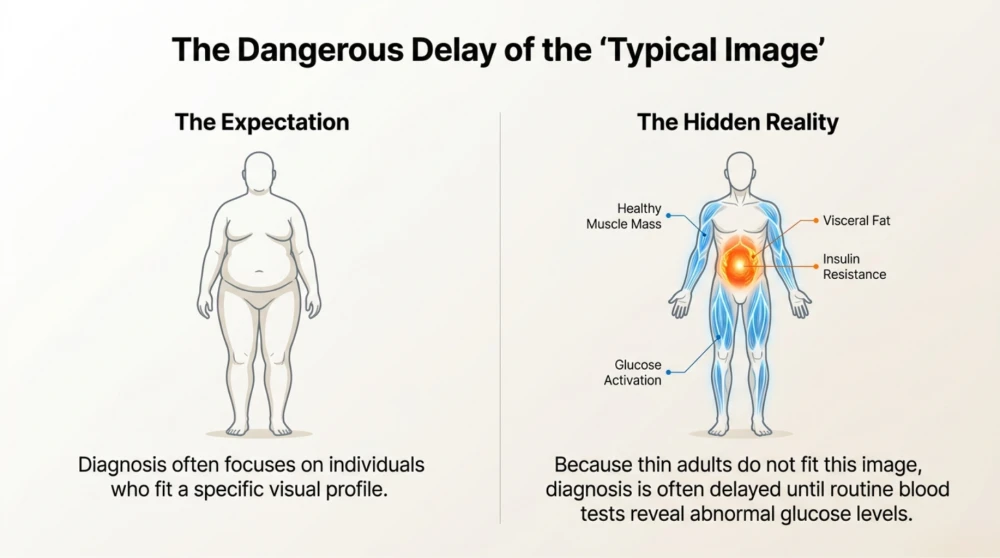
Because these individuals do not fit the typical image of someone at risk, the diagnosis is often delayed until routine blood tests reveal abnormal glucose levels.
Understanding prediabetes in thin adults is important because body weight alone cannot accurately predict metabolic health.
Why Normal Weight Does Not Always Mean Normal Metabolism
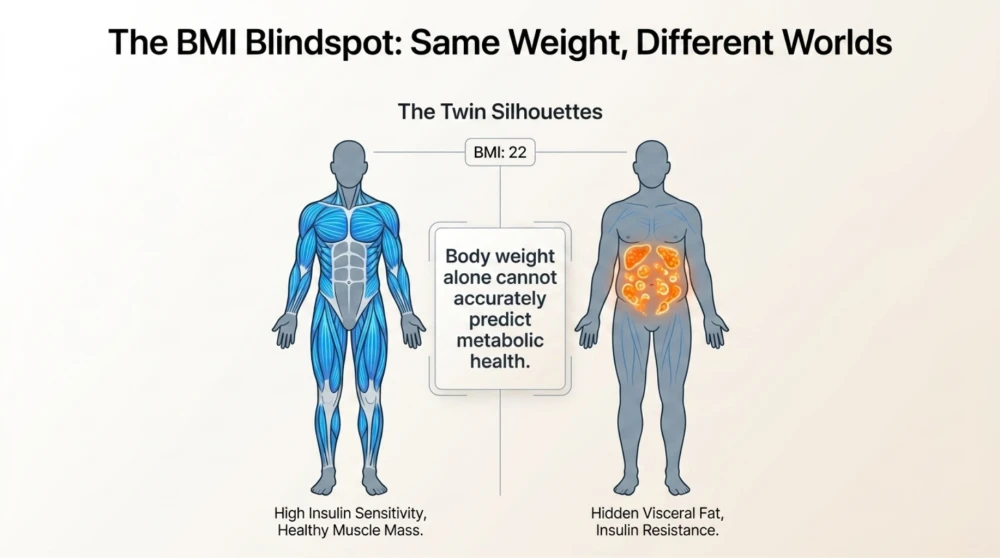
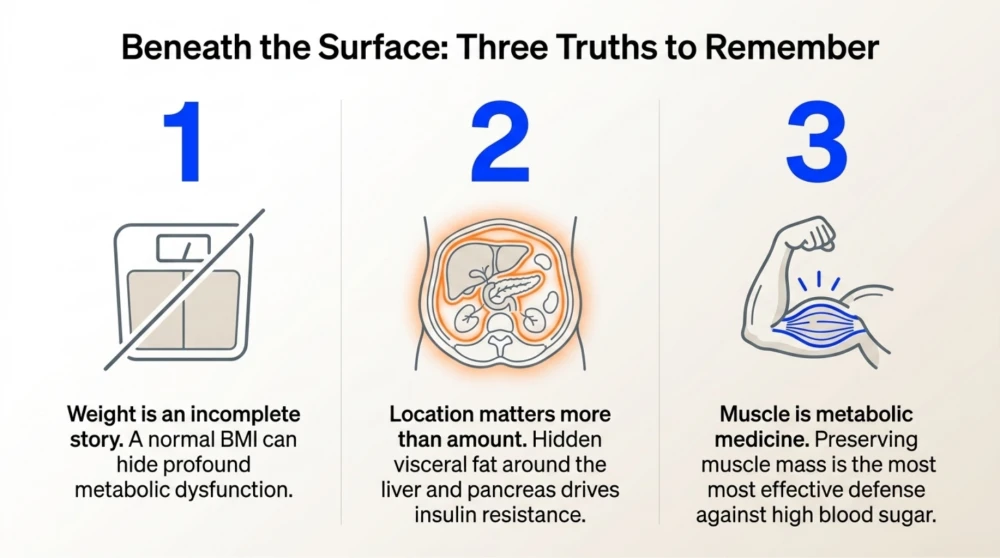
Body weight is only one measure of health. Two people with the same weight and Body Mass Index (BMI) may have very different metabolic profiles.
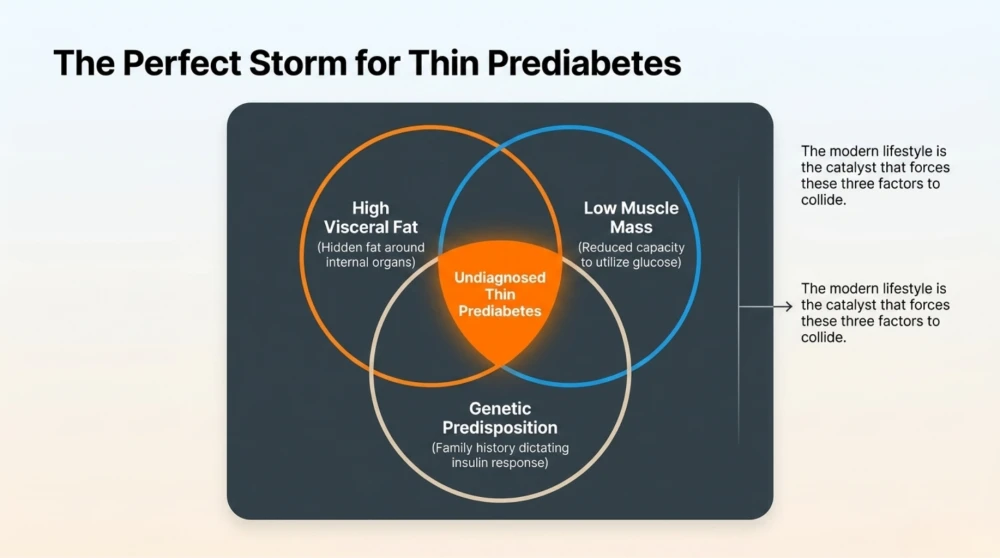
One person may have healthy muscle mass, good insulin sensitivity, and low visceral fat, while the other may have excess fat around internal organs despite appearing lean.
This hidden fat, often called visceral fat, is metabolically active and may contribute to insulin resistance even when body weight appears normal.
This explains why prediabetes in thin adults can occur despite having a BMI within the healthy range.
Why Visceral Fat Matters More Than Total Body Weight
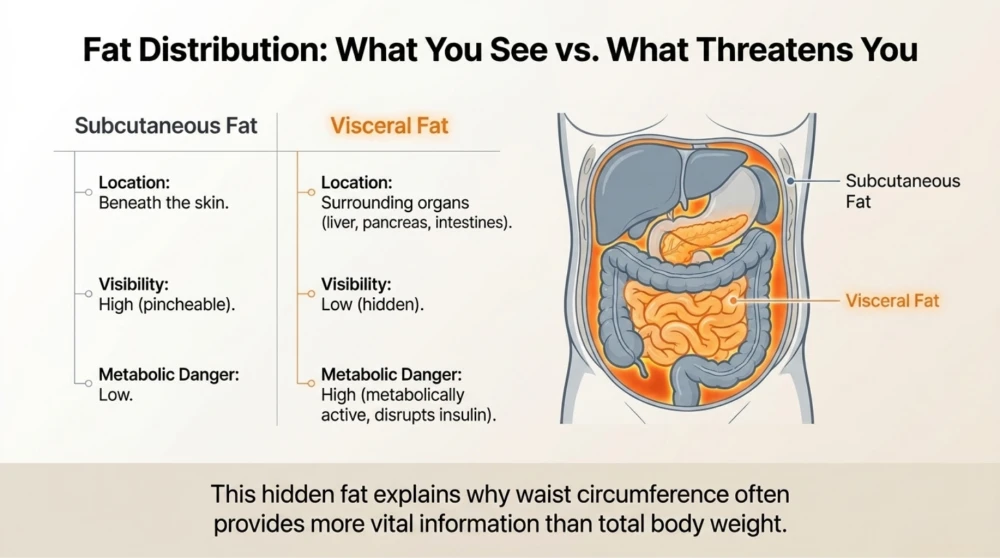
Many thin adults assume they have very little body fat. However, fat distribution is often more important than the total amount of fat.
Visceral fat accumulates around organs such as the liver, pancreas, and intestines. Unlike the fat beneath the skin, visceral fat is associated with metabolic disturbances.
People with prediabetes in thin adults frequently have relatively higher visceral fat despite maintaining a normal appearance.
This is one reason waist circumference sometimes provides more useful information than body weight alone.
Why Muscle Mass Protects Against Prediabetes
Muscle tissue plays a major role in using glucose from the bloodstream.
Adults with low muscle mass may have reduced capacity to utilise glucose efficiently, even if they are not overweight.
This is particularly relevant for people who:
- Have sedentary jobs.
- Rarely perform resistance training.
- Consume inadequate dietary protein.
- Lose muscle with ageing.
Improving muscle mass is one of the most effective lifestyle strategies for reducing the risk of prediabetes in thin adults.
Genetics Can Increase the Risk of Prediabetes in Thin Adults
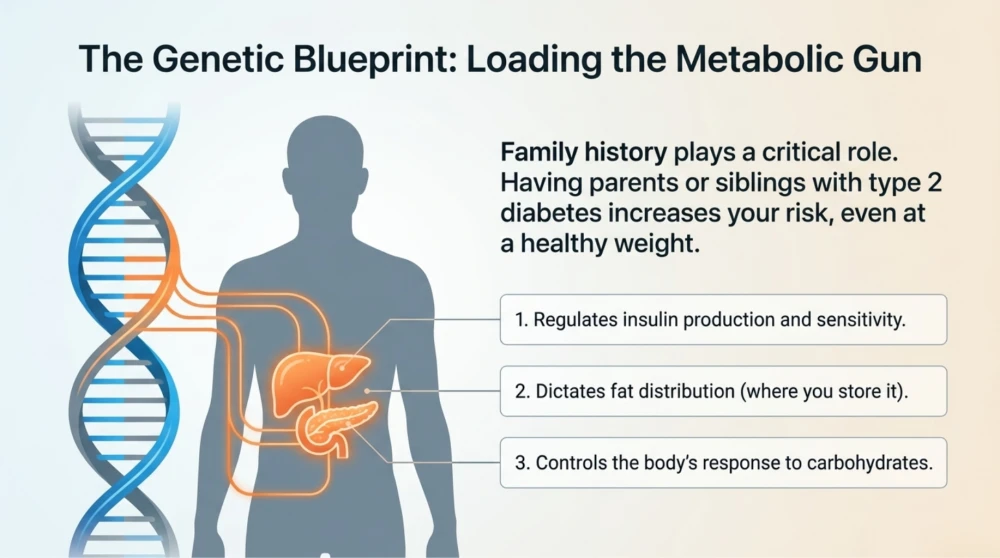
Family history plays an important role in metabolic health.
A person with parents or siblings who have type 2 diabetes may develop prediabetes in thin adults even if they maintain a healthy body weight.
Genetics influence insulin production, insulin sensitivity, fat distribution, and the body's response to carbohydrates.
While genes cannot be changed, healthy lifestyle habits can significantly reduce the likelihood of progression from prediabetes to type 2 diabetes.
Modern Lifestyle Can Lead to Prediabetes in Thin Adults
Many lean individuals believe they are healthy simply because they have not gained weight.
However, modern lifestyle habits may quietly impair metabolic health regardless of body size.
Common contributors include:
- Long sitting hours.
- Poor sleep quality.
- Chronic stress.
- Highly processed foods.
- Frequent sugary beverages.
- Minimal physical activity.
Over time, these factors may contribute to prediabetes in thin adults despite maintaining a stable body weight.
Early Symptoms of Prediabetes in Thin Adults Are Often Missed
One reason prediabetes in thin adults frequently remains undiagnosed is that symptoms are usually mild or absent during the early stages.
Some people may notice:
- Feeling sleepy after meals.
- Increased hunger.
- Afternoon fatigue.
- Difficulty concentrating.
- Gradual increase in abdominal fat despite stable weight.
Because these symptoms are common and non-specific, they are often attributed to stress, ageing, or a busy lifestyle instead of changes in blood sugar regulation.
Why Fatty Liver Can Develop in Prediabetes in Thin Adults
Many people associate fatty liver disease with obesity, but this is not always the case. A growing number of individuals with prediabetes in thin adults are also found to have excess fat deposited in the liver despite having a normal Body Mass Index (BMI).
The liver plays a central role in regulating blood sugar and fat metabolism. When excess calories, refined carbohydrates, sugary beverages, and physical inactivity become part of daily life, fat may gradually accumulate within liver cells even without significant weight gain.
Thin adults with fatty liver often have hidden metabolic abnormalities that become apparent only after blood tests or imaging studies are performed.
This is why prediabetes in thin adults and fatty liver frequently coexist and should not be considered conditions that affect only overweight individuals.
Hidden Insulin Resistance in Prediabetes in Thin Adults
Insulin resistance means the body's cells become less responsive to insulin, making it more difficult for glucose to enter the cells efficiently.
Many people incorrectly assume that insulin resistance is visible from a person's appearance. In reality, someone with prediabetes in thin adults may appear perfectly healthy while significant metabolic changes are already developing internally.
Hidden insulin resistance may gradually lead to:
- Higher fasting blood sugar.
- Elevated HbA1c levels.
- Post-meal blood sugar spikes.
- Increasing abdominal fat.
- Fatty liver disease.
- Higher cardiovascular risk over time.
Because these changes often occur silently, routine screening becomes especially valuable for individuals at increased risk.
Foods That May Increase the Risk of Prediabetes in Thin Adults
Having a normal body weight does not provide protection against a poor-quality diet.
Some thin adults regularly consume foods that are high in refined carbohydrates, added sugars, and unhealthy fats while remaining relatively lean because of genetics or naturally lower calorie intake.
Examples include:
- Sugary soft drinks.
- Sweetened fruit juices.
- Bakery products.
- Refined breakfast cereals.
- White bread and refined flour products.
- Frequent restaurant and takeaway meals.
- Highly processed snack foods.
Over several years, these dietary habits may contribute to prediabetes in thin adults despite stable body weight.
Who Should Be Tested for Prediabetes in Thin Adults?
Many lean adults never consider checking their blood sugar because they believe they are at low risk.
However, screening may be appropriate for people with prediabetes in thin adults risk factors, particularly if they have:
- A family history of type 2 diabetes.
- History of gestational diabetes.
- Fatty liver disease.
- High blood pressure.
- Abnormal cholesterol levels.
- Polycystic ovary syndrome (PCOS).
- Persistent post-meal sleepiness.
- Increasing waist circumference despite stable body weight.
Simple blood tests such as fasting plasma glucose, HbA1c, or an oral glucose tolerance test may help identify prediabetes in thin adults before diabetes develops.
Can Prediabetes in Thin Adults Be Prevented?
The encouraging news is that prediabetes in thin adults is often preventable and, in many individuals, progression to type 2 diabetes can be delayed or even prevented through appropriate lifestyle changes.
Effective preventive strategies include:
- Regular physical activity.
- Resistance training to preserve muscle mass.
- Adequate protein intake.
- Eating more vegetables, legumes, and whole grains.
- Limiting sugary drinks and ultra-processed foods.
- Maintaining good sleep habits.
- Managing chronic stress.
These changes improve insulin sensitivity regardless of whether weight loss is needed.
Why Early Diagnosis Makes a Difference
Many people discover prediabetes in thin adults during routine health check-ups when they feel completely well.
This early diagnosis provides an opportunity to improve metabolic health before permanent complications develop.
Unlike type 2 diabetes, prediabetes often responds well to early lifestyle intervention. Identifying the condition before symptoms appear allows individuals to take action while the body's insulin-producing cells are still functioning relatively well.
Key Takeaways About Prediabetes in Thin Adults
- Prediabetes in thin adults is more common than many people realise.
- Normal body weight does not always indicate healthy metabolism.
- Hidden visceral fat and low muscle mass may increase metabolic risk.
- Family history plays an important role even in lean individuals.
- Fatty liver disease can occur despite a normal BMI.
- Routine screening helps identify prediabetes in thin adults before diabetes develops.
- Healthy eating, regular exercise, and resistance training improve insulin sensitivity.
- Early intervention offers the best opportunity to prevent progression to type 2 diabetes.
You can book a consultation here:
Book an Appointment
References
- American Diabetes Association. Standards of Care in Diabetes. Updated 2025.
- World Health Organization. Diabetes Fact Sheet. Updated 2025.
- International Diabetes Federation. IDF Diabetes Atlas, 11th Edition.
- American Association for the Study of Liver Diseases. Practice Guidance on MASLD.
- Centers for Disease Control and Prevention. Prediabetes: Your Chance to Prevent Type 2 Diabetes.
- Taylor R. Pathogenesis of Type 2 Diabetes and Reversal of Prediabetes. Diabetologia.
Written by Dr. Pankaj Kumar, General & Lifestyle Physician, Dwarka, New Delhi