

















- 31st July 2026
Table of Contents
- Why Protein at Breakfast Is Different from Other Nutrients
- Why Protein at Breakfast Helps Control Hunger
- Can Protein at Breakfast Reduce Sugar Cravings?
- Protein at Breakfast and Blood Sugar Control
- Why Many Adults Eat Too Little Protein at Breakfast
- Protein at Breakfast and Weight Management
- How Much Protein at Breakfast Is Enough?
- Why Distributing Protein Throughout the Day Matters
- Best Indian Sources of Protein at Breakfast
- Protein at Breakfast for Weight Loss
- Protein at Breakfast for Diabetes and Prediabetes
- Protein at Breakfast Helps Preserve Muscle Mass
- Common Mistakes People Make with Protein at Breakfast
- Skipping Breakfast Completely
- Depending Only on Refined Carbohydrates
- Relying Entirely on Protein Supplements
- Ignoring Overall Diet Quality
- Common Myths About Protein at Breakfast
- Myth 1: Protein at Breakfast Is Only for People Who Go to the Gym
- Myth 2: More Protein at Breakfast Is Always Better
- Myth 3: Protein at Breakfast Means Drinking Protein Shakes
- Who Should Discuss Protein Intake with a Doctor or Dietitian?
- Simple Ways to Increase Protein at Breakfast
- Add Protein to Your Existing Breakfast
- Prepare Breakfast the Night Before
- Think Beyond Traditional Breakfast Foods
- Protein at Breakfast Is Only One Part of Healthy Eating
- Key Takeaways About Protein at Breakfast
- References
Have you ever wondered why some mornings you feel hungry again just one or two hours after breakfast, while on other days you remain satisfied until lunchtime? The answer may have less to do with the number of calories you eat and more to do with the composition of your breakfast.
For many adults, breakfast consists primarily of refined carbohydrates such as bread, biscuits, breakfast cereals, fruit juice, or sweetened tea. These meals may provide quick energy, but they often contain very little protein. As a result, hunger returns quickly, energy levels fluctuate, and cravings for sugary snacks become more common later in the day.
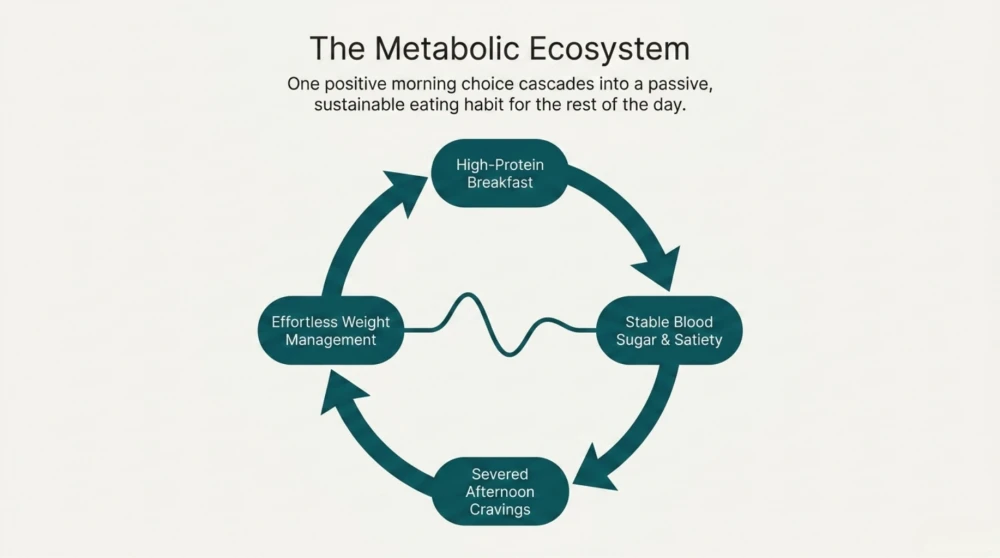
Increasing protein at breakfast has become an important topic in nutrition research because it may influence appetite, food choices, blood sugar regulation, muscle health, and long-term weight management. While no single meal can transform overall health, consistently including protein at breakfast may make healthy eating easier throughout the day
This article explains how protein at breakfast affects hunger, metabolism, and sugar cravings, and why it deserves greater attention in both weight management and diabetes prevention.
Why Protein at Breakfast Is Different from Other Nutrients
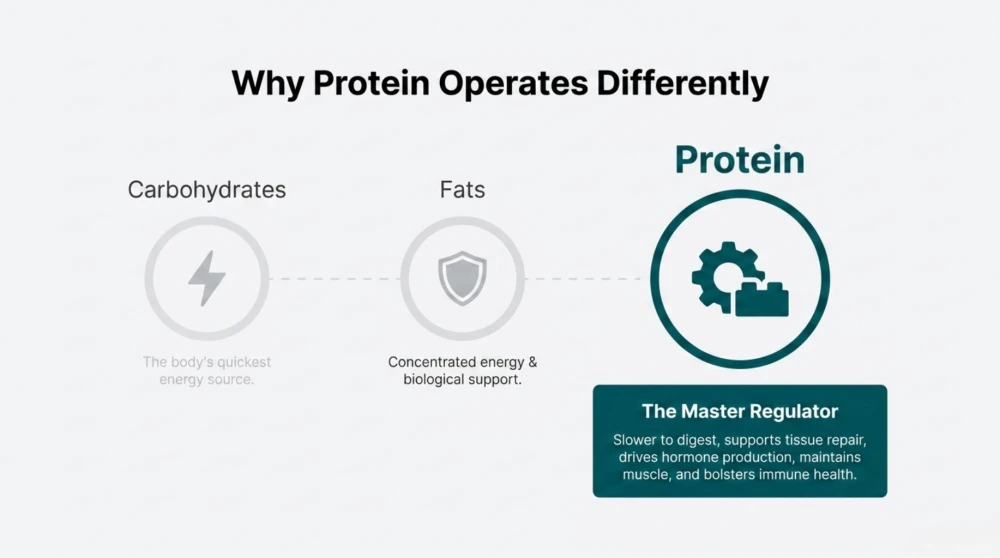
Every meal contains a combination of carbohydrates, fats, and proteins, but these nutrients affect the body differently.
Carbohydrates are generally the body's quickest source of energy. Fats provide concentrated energy and support many important biological functions. Protein, however, plays a unique role because it supports muscle maintenance, tissue repair, hormone production, enzyme function, and immune health.
Unlike refined carbohydrates, protein usually takes longer to digest. This slower digestion contributes to greater satiety and helps many people remain full for a longer period after eating. This is one of the main reasons why protein at breakfast has attracted so much attention in lifestyle medicine.
Why Protein at Breakfast Helps Control Hunger
Hunger is regulated by a complex interaction between the stomach, intestines, brain, and several hormones that influence appetite.
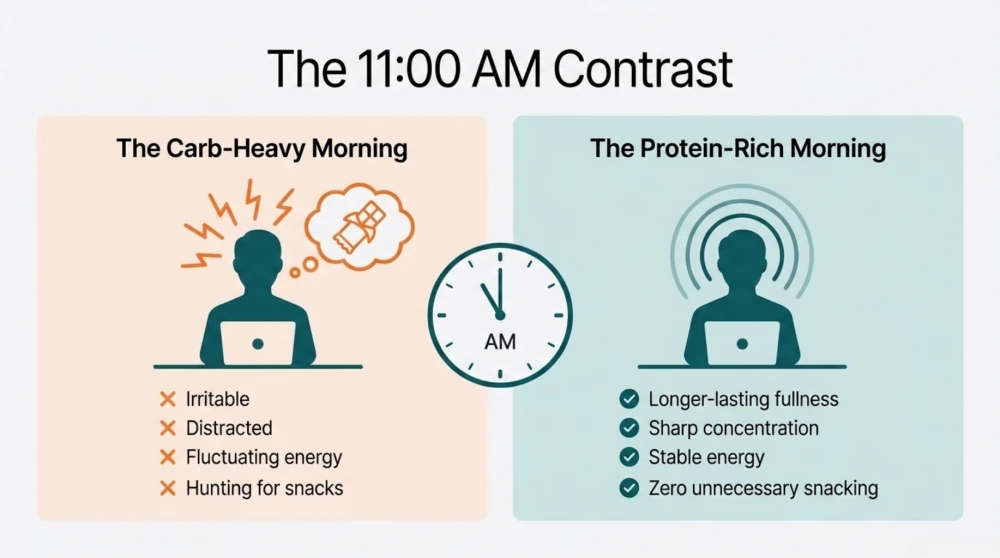
Meals containing adequate protein at breakfast generally stimulate satiety hormones more effectively than meals dominated by refined carbohydrates. They also tend to slow gastric emptying, meaning food leaves the stomach more gradually.
Because digestion occurs more slowly, many people experience:
- Longer-lasting fullness.
- Reduced mid-morning hunger.
- Fewer unnecessary snacks.
- Better concentration.
- More stable energy levels.
Although individual responses vary, these effects make protein at breakfast an important component of many healthy eating plans.
Can Protein at Breakfast Reduce Sugar Cravings?
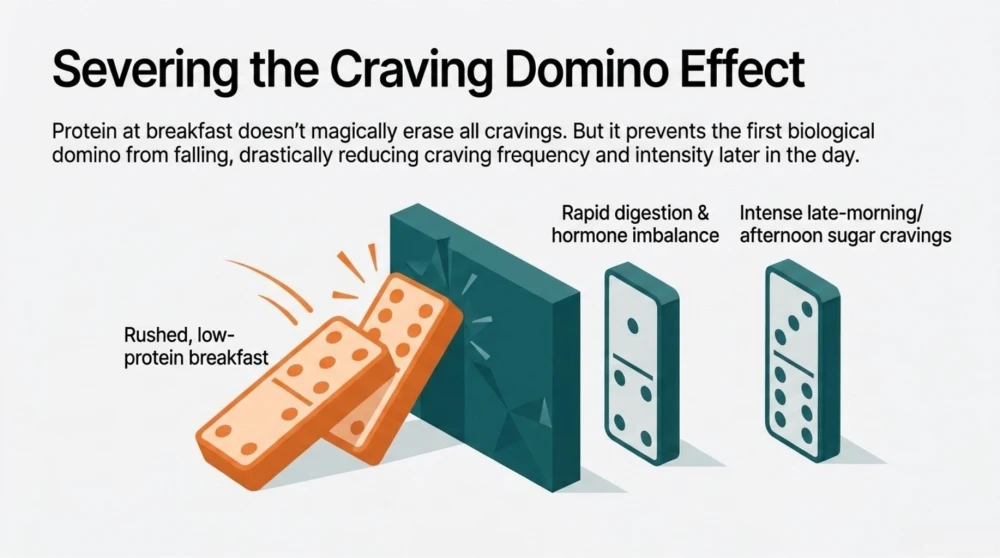
Many adults experience intense cravings for sweets during the late morning or afternoon. While poor sleep, stress, emotions, and habits all contribute to cravings, breakfast composition may also influence how hungry you feel later in the day.
Eating adequate protein at breakfast often promotes greater satiety, reducing the urge to snack repeatedly between meals.
This does not mean that simply eating more protein completely eliminates sugar cravings. However, several studies suggest that balanced, protein-rich breakfasts may reduce the frequency and intensity of cravings compared with breakfasts that are primarily composed of refined carbohydrates.
Protein at Breakfast and Blood Sugar Control
People living with prediabetes, diabetes, insulin resistance, or metabolic syndrome often benefit from paying attention to the quality of each meal rather than simply counting calories.
Including protein at breakfast alongside complex carbohydrates and healthy fats may help produce a steadier rise in blood glucose than consuming refined carbohydrates alone.
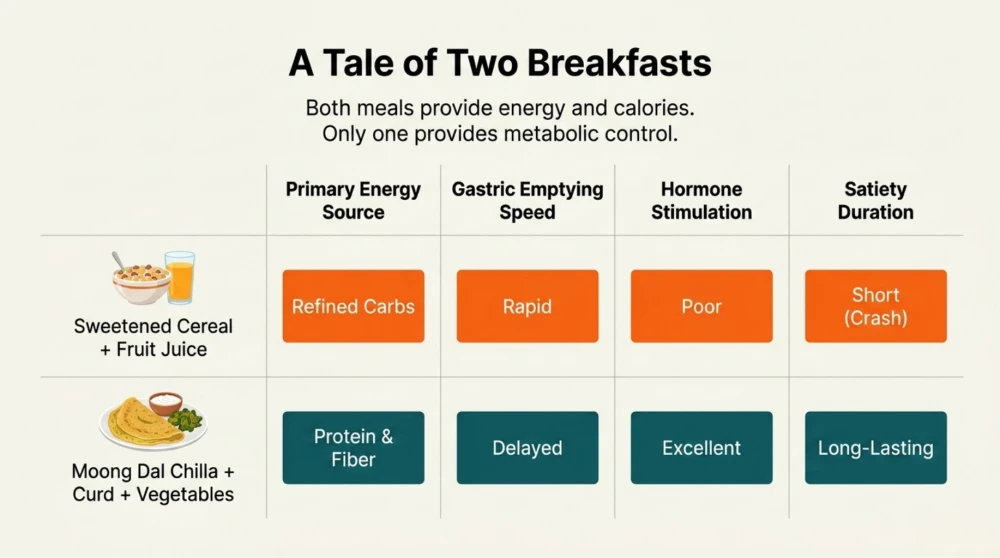
For example, compare these two breakfasts:
- Sweetened breakfast cereal with fruit juice.
- Moong dal chilla with curd and vegetables.
Although both meals provide energy, the second meal contains considerably more protein at breakfast, fibre, and nutrients that support satiety and metabolic health.
For people with diabetes, individual meal planning should always be personalised, but including protein at breakfast is often a useful strategy.
Why Many Adults Eat Too Little Protein at Breakfast
Breakfast is often the most rushed meal of the day.
Busy schedules encourage convenient foods such as toast, biscuits, tea, coffee, bakery products, or packaged cereals. Unfortunately, many of these meals contain relatively little protein.
As a result, total daily protein intake becomes concentrated at dinner rather than being distributed evenly throughout the day.
Nutrition experts increasingly recommend spreading protein intake across meals, beginning with protein at breakfast, instead of relying almost entirely on lunch or dinner.
Protein at Breakfast and Weight Management
Weight loss is influenced by total calorie intake, physical activity, sleep quality, stress, hormones, genetics, and long-term consistency. Nevertheless, controlling appetite remains one of the biggest challenges.
Because protein at breakfast may help reduce hunger, many individuals naturally consume fewer calories later in the day without consciously restricting food.
Rather than viewing protein at breakfast as a quick solution for weight loss, it is more accurate to consider it one practical tool that supports sustainable eating habits.
How Much Protein at Breakfast Is Enough?
One of the most common questions people ask is, "How much protein at breakfast should I eat?" Unfortunately, there is no single number that suits everyone.
The ideal amount depends on several factors, including age, body weight, physical activity, muscle mass, health conditions, and total daily protein requirements.
Rather than focusing on an exact number, most adults benefit from ensuring that breakfast contains a meaningful source of protein instead of relying almost entirely on refined carbohydrates.
Older adults, people trying to lose weight, individuals with diabetes, and those performing regular resistance training often have a greater need to prioritise protein at breakfast because maintaining muscle mass becomes increasingly important with age.
Why Distributing Protein Throughout the Day Matters
Many people consume very little protein in the morning, a moderate amount at lunch, and the majority of their daily protein at dinner.
This uneven pattern may not be the most effective way to support muscle maintenance and appetite regulation.
Distributing protein at breakfast, lunch, and dinner allows the body to receive a more consistent supply of amino acids throughout the day.
For many adults, this approach helps improve satiety while also supporting healthy ageing, physical performance, and muscle preservation.
Best Indian Sources of Protein at Breakfast
The good news is that increasing protein at breakfast does not require expensive supplements or imported foods. Traditional Indian meals can easily provide excellent sources of protein with a few thoughtful modifications.
Vegetarian Protein at Breakfast Options
- Moong dal chilla with curd.
- Besan chilla with paneer filling.
- Paneer bhurji with multigrain roti.
- Greek yogurt or unsweetened curd with nuts and seeds.
- Sprouted moong salad.
- Soya granules or tofu bhurji.
- Oats cooked with milk and roasted seeds.
- Mixed dal dosa with sambar.
These meals provide substantially more protein at breakfast than options such as biscuits, toast with jam, or sugary breakfast cereals.
Non-Vegetarian Protein at Breakfast Options
- Boiled eggs.
- Vegetable omelette.
- Egg bhurji.
- Grilled chicken with whole-grain toast.
- Fish with vegetables.
- Unsweetened Greek yogurt with eggs.
Including these foods regularly may help improve the quality of protein at breakfast while also supporting muscle health and satiety.
Protein at Breakfast for Weight Loss
Many people assume that successful weight loss depends only on reducing calories. Although calorie balance remains important, appetite control plays a major role in determining whether a dietary plan can be maintained.
Meals containing adequate protein at breakfast may help reduce hunger between meals, making it easier to avoid frequent snacking on biscuits, sweets, chips, and sugary beverages.
People who stay satisfied for longer often find it easier to maintain a calorie deficit without feeling constantly hungry.
It is important to remember that protein at breakfast supports weight management as part of an overall healthy lifestyle. It cannot compensate for consistently excessive calorie intake or physical inactivity.
Protein at Breakfast for Diabetes and Prediabetes
Individuals living with diabetes or prediabetes often experience larger fluctuations in blood glucose after meals that contain excessive refined carbohydrates.
Including protein at breakfast alongside vegetables, whole grains, and healthy fats may contribute to a steadier post-meal blood sugar response than consuming refined carbohydrates alone.
Examples of balanced breakfasts include:
- Moong dal chilla with paneer.
- Vegetable omelette with whole-grain toast.
- Greek yogurt with roasted nuts.
- Sprouts with vegetables and curd.
- Paneer and vegetable stuffed multigrain roti.
Meal planning should always be individualised, but prioritising protein at breakfast is frequently recommended in lifestyle-based diabetes management.
Protein at Breakfast Helps Preserve Muscle Mass
After the age of 30, adults gradually begin losing muscle mass unless they remain physically active and consume sufficient dietary protein.
Loss of muscle affects much more than physical strength. It also influences metabolic health, glucose utilisation, balance, mobility, and healthy ageing.
Regularly consuming protein at breakfast, together with resistance training, supports muscle maintenance throughout adult life.
This becomes particularly important for older adults, individuals recovering from illness, and people trying to lose body fat while preserving lean muscle.
Common Mistakes People Make with Protein at Breakfast
Skipping Breakfast Completely
Although some individuals successfully follow time-restricted eating under medical guidance, many people who skip breakfast compensate by overeating later in the day.
Depending Only on Refined Carbohydrates
Tea with biscuits, sugary cereals, sweet buns, and white bread provide energy but relatively little protein at breakfast.
Relying Entirely on Protein Supplements
Protein powders may be useful in selected situations, but most healthy adults can obtain adequate protein at breakfast from whole foods such as eggs, dairy products, legumes, soy products, fish, and lean meats.
Ignoring Overall Diet Quality
Adding extra protein cannot compensate for poor sleep, physical inactivity, excessive ultra-processed foods, or chronic overeating. Protein at breakfast should be viewed as one component of a balanced lifestyle rather than a standalone solution.
Common Myths About Protein at Breakfast
As the popularity of high-protein diets has grown, so have misconceptions about protein at breakfast. Understanding what current scientific evidence actually supports can help people make informed dietary decisions.
Myth 1: Protein at Breakfast Is Only for People Who Go to the Gym
This is one of the most common misconceptions.
While athletes and regular gym-goers certainly benefit from adequate protein intake, protein at breakfast is equally important for office workers, older adults, people with diabetes, individuals trying to lose weight, and anyone who wants to maintain muscle health.
Protein supports many essential body functions that extend far beyond building muscles.
Myth 2: More Protein at Breakfast Is Always Better
Increasing protein at breakfast can be beneficial, but consuming excessive amounts does not necessarily provide additional advantages.
A balanced breakfast should include:
- Good-quality protein.
- High-fibre carbohydrates.
- Healthy fats.
- Vegetables or fruit where appropriate.
The goal is nutritional balance rather than consuming protein in isolation.
Myth 3: Protein at Breakfast Means Drinking Protein Shakes
Many people believe that protein at breakfast requires supplements.
Fortunately, this is rarely necessary for healthy adults.
Whole-food protein sources such as eggs, paneer, curd, Greek yogurt, tofu, dals, sprouts, fish, chicken, and soy products usually provide excellent nutrition while also supplying vitamins, minerals, fibre, and other beneficial nutrients.
Who Should Discuss Protein Intake with a Doctor or Dietitian?
Although protein at breakfast is safe and beneficial for most healthy adults, some individuals should seek personalised advice before significantly increasing their protein intake.
This includes people with:
- Chronic kidney disease.
- Advanced liver disease.
- Certain inherited metabolic disorders.
- Specific dietary restrictions advised by their healthcare professional.
For these individuals, protein recommendations should be tailored to their medical condition rather than following general dietary advice.
Simple Ways to Increase Protein at Breakfast
Many people believe improving protein at breakfast requires completely changing their eating habits. In reality, small adjustments are often enough to make a meaningful difference.
Add Protein to Your Existing Breakfast
Instead of replacing your favourite breakfast, consider adding a protein-rich food alongside it.
Examples include:
- Add curd to poha or upma.
- Add paneer to vegetable sandwiches.
- Serve boiled eggs with whole-grain toast.
- Add roasted seeds or nuts to unsweetened yogurt.
- Include sprouts with traditional Indian breakfasts.
Prepare Breakfast the Night Before
Busy mornings are one of the biggest reasons people skip balanced meals.
Preparing ingredients in advance makes it easier to include protein at breakfast consistently rather than relying on processed convenience foods.
Think Beyond Traditional Breakfast Foods
There is no rule that breakfast must consist only of toast or cereal.
Leftover dal, grilled chicken, vegetable curry with paneer, or other balanced meals can all provide excellent protein at breakfast when they fit your routine and preferences.
Protein at Breakfast Is Only One Part of Healthy Eating
While protein at breakfast offers several potential benefits, it should not be viewed as a magic solution.
Long-term metabolic health depends on the overall quality of your lifestyle, including:
- Balanced nutrition.
- Regular physical activity.
- Adequate sleep.
- Stress management.
- Maintaining muscle mass.
- Limiting ultra-processed foods.
When these healthy habits work together, the benefits of protein at breakfast become even more meaningful.
Key Takeaways About Protein at Breakfast
- Protein at breakfast may help you stay full for longer and reduce mid-morning hunger.
- Including protein at breakfast may reduce unnecessary sugar cravings and frequent snacking.
- Balanced breakfasts that combine protein with fibre-rich carbohydrates and healthy fats support better overall nutrition.
- Good sources of protein at breakfast include eggs, paneer, curd, Greek yogurt, tofu, sprouts, dals, fish, and lean chicken.
- Protein-rich breakfasts may support weight management, blood sugar control, and healthy ageing when combined with an overall healthy lifestyle.
- Whole foods should remain the primary source of protein at breakfast for most healthy adults.
- People with chronic kidney disease or certain medical conditions should discuss their protein intake with their healthcare professional.
You can book a consultation here:
Book an Appointment
References
- Leidy HJ, et al. The Role of Protein in Weight Loss and Appetite Control. American Journal of Clinical Nutrition.
- American Diabetes Association. Standards of Care in Diabetes. 2025.
- Harvard T.H. Chan School of Public Health. The Nutrition Source: Protein.
- World Health Organization. Healthy Diet Fact Sheet.
- British Dietetic Association. Healthy Eating and Protein Guidance.
- Phillips SM, et al. Protein Requirements and Muscle Health Across the Lifespan. Nutrient.
Written by Dr. Pankaj Kumar, General & Lifestyle Physician, Dwarka, New Delhi