

















- 21st July 2026
Table of Contents
- What Are Recurrent Headaches?
- Why Many People Automatically Reach for Painkillers
- Why Stress Is One of the Most Common Causes
- Why Poor Sleep Frequently Causes Recurrent Headaches
- Why Medication Overuse Can Make Headaches Worse
- Why Vision Problems Can Trigger Headaches
- Why Migraine Is Frequently Misunderstood
- Why Certain Warning Signs Should Never Be Ignored
- Can High Blood Pressure Cause Recurrent Headaches?
- Why Hormonal Changes Can Trigger Recurrent Headaches
- Why Neck Problems Frequently Cause Recurrent Headaches
- Why Dehydration Is Often Overlooked
- Why Brain Tumours Are Not the Most Common Cause
- When Is Brain Imaging Actually Needed?
- Why Lifestyle Factors Should Always Be Considered
- Key Takeaways: What You Should Remember
Headaches are among the most common health complaints worldwide. Most adults will experience them at some point in their lives, and in many cases, they improve with rest, hydration, sleep, or occasional pain medication.
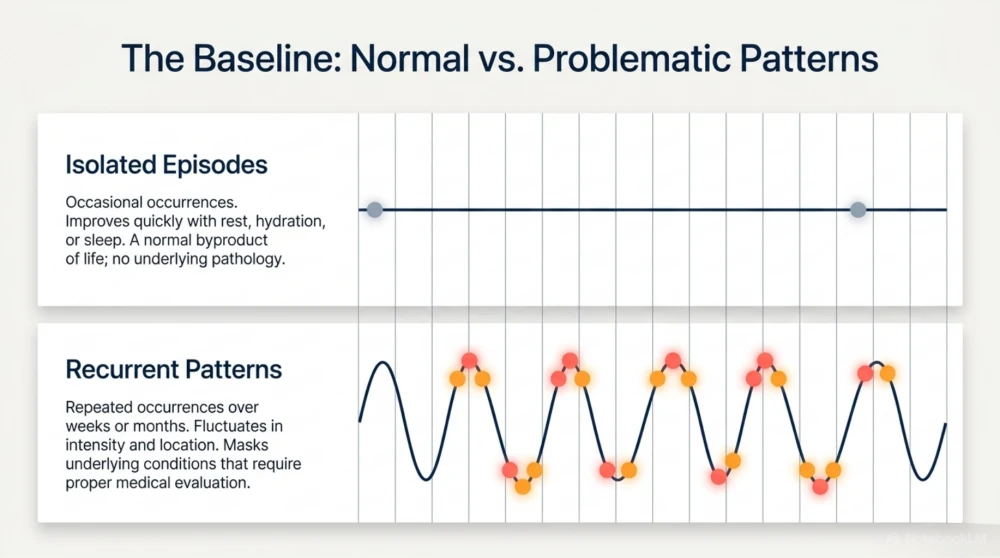
However, a growing number of people are experiencing recurrent headaches—headaches that appear repeatedly over weeks, months, or even years.
For some individuals, the pattern becomes so familiar that they stop paying attention to it altogether. They carry painkillers in their bag, keep tablets in their office drawer, or routinely purchase over-the-counter medication without considering why the headaches keep returning.
This approach may provide temporary relief, but it does not necessarily address the underlying cause.
Understanding why recurrent headaches should not always be self-treated is important because headaches can occasionally serve as an early warning sign of sleep disorders, migraines, high blood pressure, medication overuse, vision problems, stress, or other medical conditions that deserve proper evaluation.
What Are Recurrent Headaches?
Recurrent headaches refer to headaches that occur repeatedly rather than as isolated episodes. Some people experience headaches once or twice each month. Others develop symptoms several times each week.
The headaches may vary considerably in:
- Intensity
- Duration
- Location
- Associated symptoms
- Triggers
Examples include:
- Dull pressure around the head
- Pain behind the eyes
- Throbbing headaches on one side
- Morning headaches
- Headaches associated with neck stiffness
- Headaches accompanied by nausea or light sensitivity
Because headache patterns differ so widely, there is no single explanation for all cases of recurrent headaches.
Why Many People Automatically Reach for Painkillers
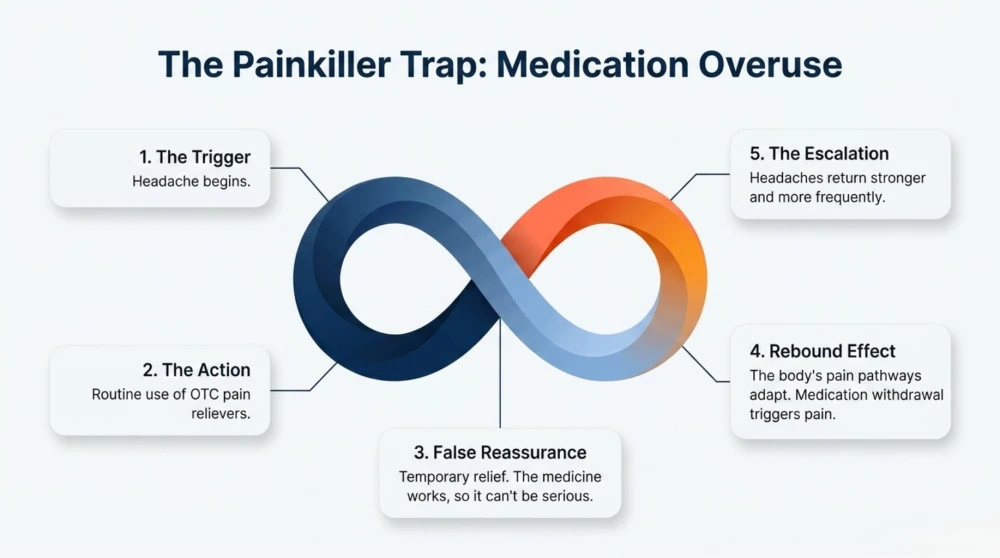
Self-treatment is understandable. Most headaches are not caused by serious illness, and many improve quickly after taking a pain reliever.
Unfortunately, successful short-term relief sometimes creates a false sense of reassurance.
People begin assuming:
- "It's just stress."
- "I've always had headaches."
- "The medicine works, so it can't be serious."
- "I'll deal with it later."
Over time, this can lead to repeated cycles of medication use without understanding why the headaches continue occurring. While occasional use of pain medication may be appropriate, persistent recurrent headaches deserve more attention than many people realize.
Why Stress Is One of the Most Common Causes
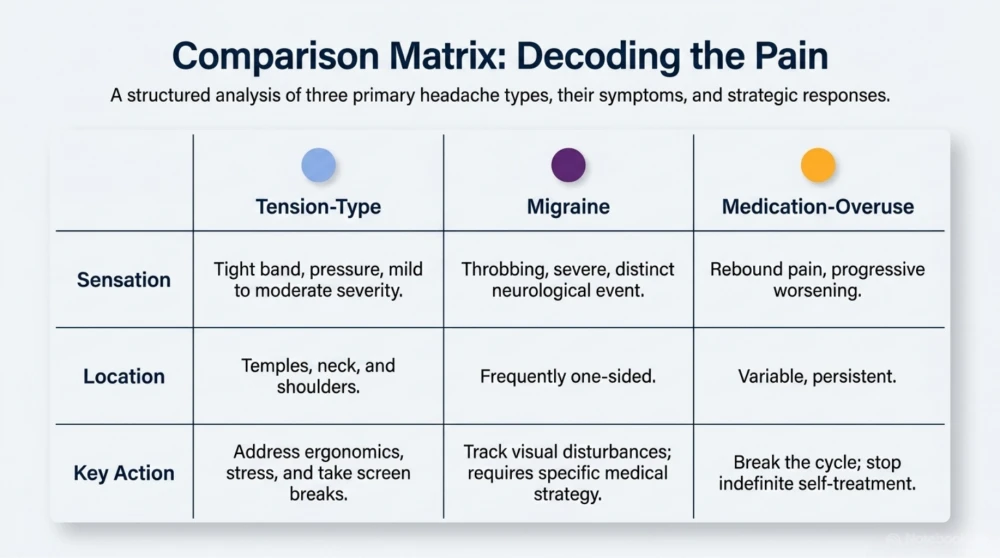
Modern life creates multiple sources of physical and emotional stress. Deadlines, financial concerns, prolonged screen time, sleep deprivation, and work-related pressure frequently contribute to tension-type headaches.
These headaches are often described as:
- A tight band around the head
- Pressure in the temples
- Neck and shoulder tightness
- Mild to moderate discomfort
Although stress-related headaches are common, repeatedly attributing every headache to stress may cause other explanations to be overlooked.
Why Poor Sleep Frequently Causes Recurrent Headaches
Sleep quality has a significant impact on headache frequency.
People who sleep poorly often report:
- Morning headaches
- Fatigue
- Brain fog
- Poor concentration
- Increased headache frequency
Conditions such as chronic sleep deprivation and obstructive sleep apnoea are frequently associated with recurrent headaches. In many individuals, treating the underlying sleep problem leads to substantial improvement.
Why Medication Overuse Can Make Headaches Worse
One of the most overlooked causes of persistent headaches is medication overuse. Ironically, medications taken to treat headaches can occasionally contribute to maintaining them.
People who take pain relievers very frequently may develop a cycle in which headaches improve temporarily before returning again. This phenomenon is known as medication-overuse headache.
It highlights an important principle: Persistent recurrent headaches should not simply be managed by continuously increasing medication use.
Why Vision Problems Can Trigger Headaches
Many adults spend prolonged periods reading, driving, or using digital devices.
Uncorrected vision problems may contribute to:
- Eye strain
- Forehead pain
- Headaches after screen use
- Difficulty focusing
Individuals who notice headaches becoming worse after reading or prolonged computer work may benefit from an eye examination. Although vision problems do not explain every case of recurrent headaches, they remain an important and treatable cause.
Why Migraine Is Frequently Misunderstood
Many people use the word "migraine" to describe any severe headache.
However, migraine is a distinct neurological condition that often produces additional symptoms.
These may include:
- Throbbing pain
- Nausea
- Sensitivity to light
- Sensitivity to sound
- Visual disturbances
Migraine frequently runs in families and may significantly affect quality of life.
People experiencing repeated migraine symptoms should seek appropriate evaluation rather than relying exclusively on self-treatment.
Why Certain Warning Signs Should Never Be Ignored
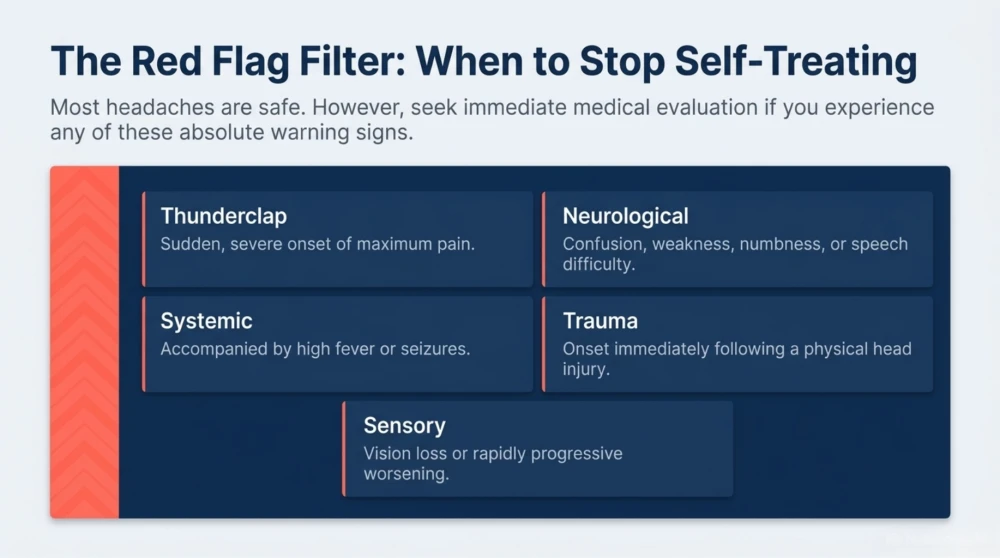
Fortunately, most headaches are not caused by serious disease. Nevertheless, some symptoms require prompt medical attention.
Seek medical evaluation if headaches are associated with:
- Sudden severe onset
- Confusion
- Weakness or numbness
- Speech difficulty
- Fever
- Seizures
- Head injury
- Vision loss
- Progressively worsening symptoms
These features do not automatically indicate a serious condition, but they should not be ignored or repeatedly self-treated at home.
Ultimately, occasional headaches are a normal part of life. However, recurrent headaches represent a pattern, and patterns deserve attention.
Can High Blood Pressure Cause Recurrent Headaches?
High blood pressure is frequently blamed whenever someone develops recurrent headaches. However, the relationship is often more complicated than many people realize.
Mild to moderate hypertension usually does not produce obvious symptoms. Many individuals live with elevated blood pressure for years without experiencing headaches at all.
That said, severely elevated blood pressure may sometimes be associated with headaches, particularly when accompanied by symptoms such as:
- Blurred vision
- Chest pain
- Shortness of breath
- Confusion
- Neurological symptoms
This is why persistent recurrent headaches should not automatically be attributed to blood pressure without actually measuring it. Fortunately, checking blood pressure is simple, inexpensive, and often provides valuable information during a medical evaluation.
Why Hormonal Changes Can Trigger Recurrent Headaches
Many women experience recurrent headaches that follow a predictable pattern related to their menstrual cycle. Others notice headaches becoming more frequent during pregnancy, perimenopause, or menopause.
Hormonal fluctuations may influence:
- Migraine frequency
- Headache severity
- Sensitivity to triggers
- Associated symptoms
Recognizing these patterns is important because they often help guide treatment decisions. Keeping a headache diary that includes dates, duration, severity, and possible triggers can be particularly useful.
Why Neck Problems Frequently Cause Recurrent Headaches
The muscles of the neck, shoulders, and upper back function as an interconnected system.
Modern lifestyles involving prolonged sitting, poor posture, and extensive screen use have contributed to a noticeable increase in posture-related headaches.
Many people with recurrent headaches also report:
- Neck stiffness
- Shoulder tightness
- Pain at the base of the skull
- Upper back discomfort
These symptoms frequently occur together because tight muscles in the neck and shoulders can contribute to tension-type headaches. For some individuals, improving posture, reducing sitting time, and addressing workplace ergonomics significantly reduces the frequency of recurrent headaches.
Why Dehydration Is Often Overlooked
Hydration is another commonly overlooked factor. Many adults spend busy workdays consuming tea, coffee, or sugary beverages while drinking very little water. Mild dehydration may contribute to:
- Headaches
- Fatigue
- Reduced concentration
- Dizziness
Although dehydration does not explain every case of recurrent headaches, maintaining adequate fluid intake is an important part of overall health. However, persistent headaches that continue despite proper hydration should not simply be dismissed as "not drinking enough water."
Why Brain Tumours Are Not the Most Common Cause
One of the biggest fears associated with persistent headaches is the possibility of a brain tumour. Fortunately, brain tumours are a relatively uncommon cause of recurrent headaches.
Most headaches are related to far more common conditions such as:
- Migraine
- Tension-type headaches
- Sleep problems
- Stress
- Medication overuse
- Poor posture
- Vision problems
This does not mean serious causes should be ignored. Rather, it highlights the importance of proper medical evaluation instead of assuming the worst whenever headaches occur repeatedly.
When Is Brain Imaging Actually Needed?
Many patients believe that every case of recurrent headaches requires a CT scan or MRI. In reality, imaging decisions are based on the overall clinical picture rather than headache frequency alone.
Doctors may consider imaging when headaches are associated with:
- Sudden severe onset
- Neurological symptoms
- Recent head trauma
- Progressive worsening
- Seizures
- Significant personality changes
- Abnormal neurological examination findings
In many cases of stable, long-standing headaches without concerning features, imaging may not be necessary. This is another reason why self-treating recurrent headaches without medical guidance can sometimes delay appropriate evaluation.
Why Lifestyle Factors Should Always Be Considered
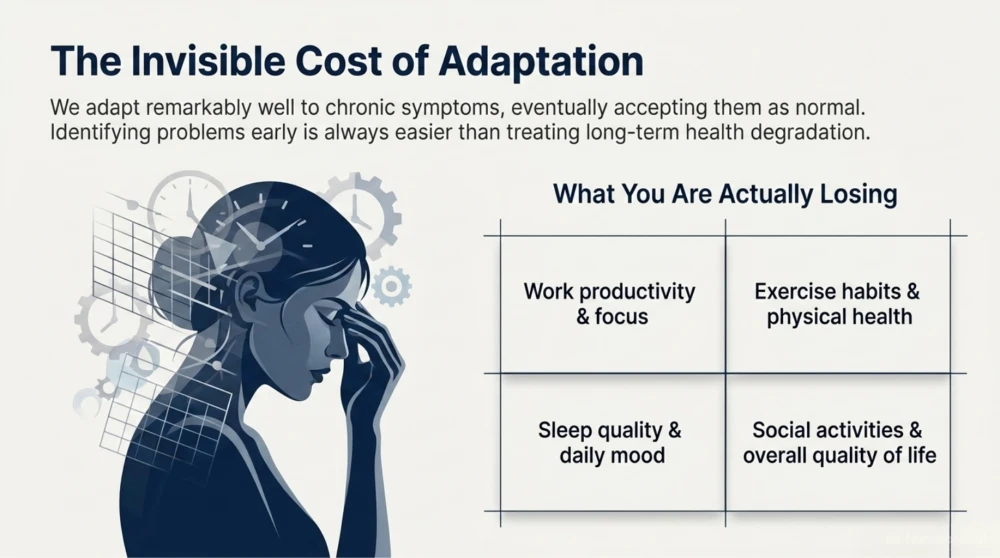
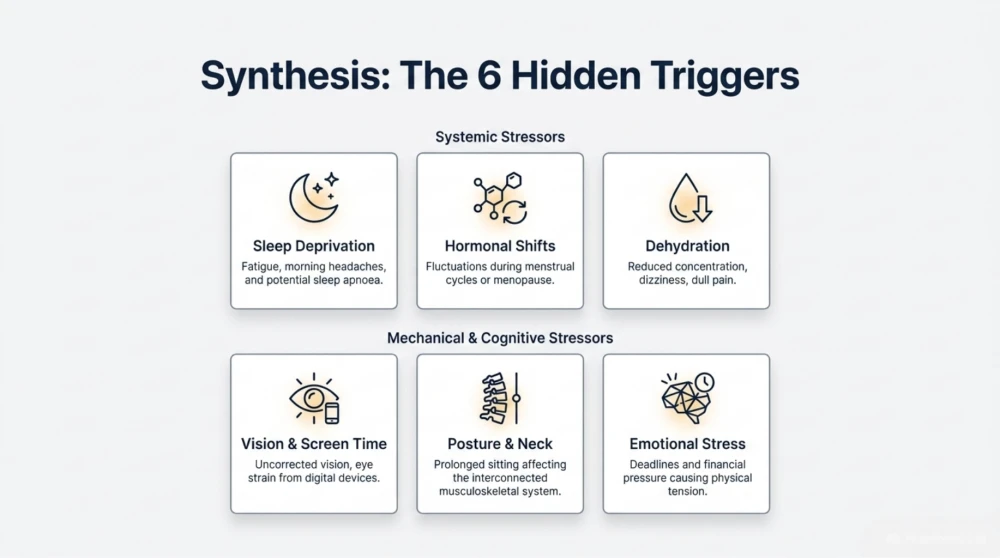
Many people search for a single explanation for their headaches. In reality, headaches are often multifactorial.
Several factors may interact simultaneously, including:
- Poor sleep
- Stress
- Long sitting hours
- Inadequate hydration
- Irregular meals
- Lack of physical activity
Addressing these factors may not eliminate every episode of recurrent headaches, but they frequently improve overall headache control.
Key Takeaways: What You Should Remember
- Recurrent headaches are common but should not always be repeatedly self-treated.
- Stress, poor sleep, migraines, dehydration, posture problems, and medication overuse are frequent causes.
- Persistent recurrent headaches may occasionally indicate an underlying medical condition.
- Brain tumours are an uncommon cause of recurrent headaches.
- Imaging is usually reserved for headaches associated with specific warning signs.
- Neck pain, poor posture, and prolonged screen use frequently contribute to recurrent headaches.
- Keeping a headache diary can help identify patterns and triggers.
- Persistent or worsening recurrent headaches deserve appropriate medical evaluation.
You can book a consultation here:
Book Appointment
Written by Dr. Pankaj Kumar, General & Lifestyle Physician, Dwarka, New Delhi