

















- 23rd July 2026
Table of Contents
- Why Metabolism After 35 Feels Different
- Why Muscle Mass Matters More Than Many People Realize
- Why Sleep and Stress Change How You Respond to Food
- Why Blood Sugar Control May Change With Age
- Why Food Has Not Changed—Your Lifestyle Has
- Why Hormonal Changes Influence Metabolism After 35
- Why Belly Fat Becomes More Common
- Why Protein Becomes Increasingly Important
- Why Exercise Matters More Than Ever
- Why Recovery Takes Longer
- Why Extreme Diets Usually Fail
- Why Health Checks Become More Important After 35
- Key Takeaways: What You Should Remember
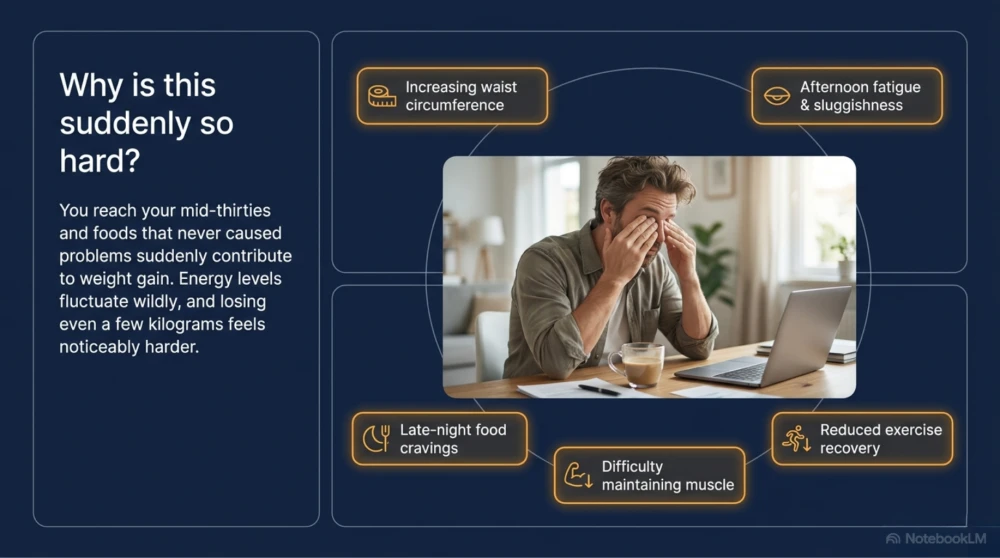
Many adults reach their mid-thirties and begin noticing changes that seem difficult to explain.
Foods that never caused problems before suddenly appear to contribute to weight gain. Late-night meals feel heavier. Energy levels fluctuate more than they used to, and losing even a few kilograms becomes noticeably harder.
Some people also report:
- Increasing waist circumference
- More frequent food cravings
- Afternoon fatigue
- Reduced exercise recovery
- Greater difficulty maintaining muscle mass
- Feeling sluggish after large meals
These changes are often blamed entirely on ageing. While age does play a role, the reality is more complex.
Understanding why your body responds differently to food after 35 is important because these changes are frequently influenced by muscle mass, physical activity, sleep, stress, hormones, and overall metabolic health.
Why Metabolism After 35 Feels Different
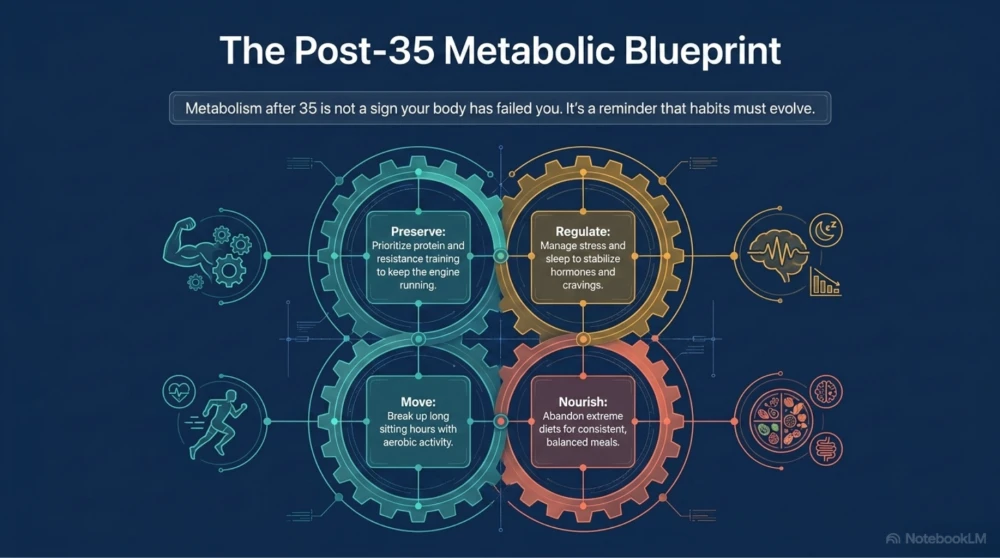
Many people believe that metabolism suddenly "slows down" after the age of 35. In reality, metabolism is influenced by multiple factors rather than a single biological switch. One of the biggest contributors is lifestyle.
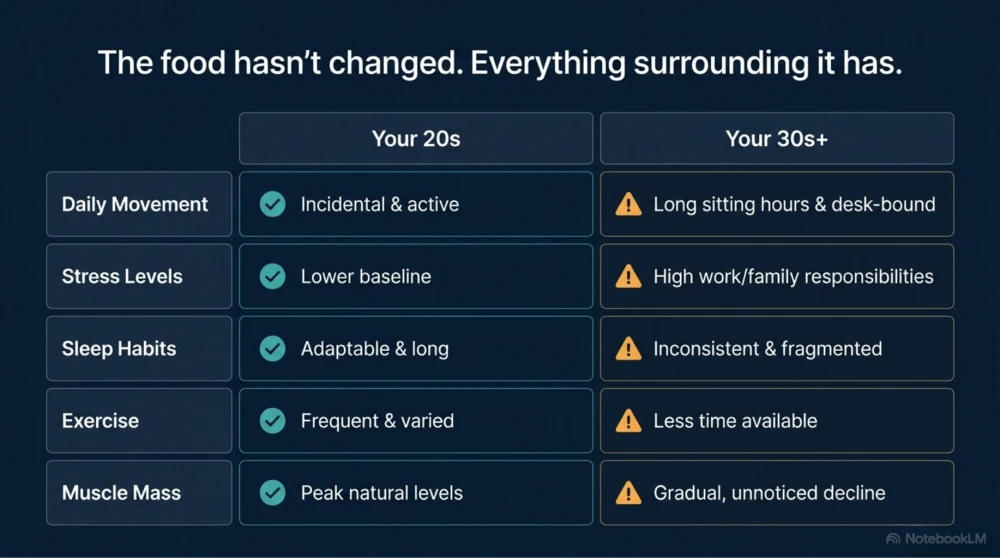
Compared with their twenties, many adults in their thirties have:
- Less time for exercise
- More work responsibilities
- Poorer sleep habits
- Higher stress levels
- Longer sitting hours
- Reduced daily movement
These changes gradually affect body composition and contribute to the perception that metabolism after 35 has dramatically changed.
Why Muscle Mass Matters More Than Many People Realize
Muscle tissue plays an important role in energy expenditure and glucose regulation. After the age of 30, adults may gradually lose muscle mass if they do not engage in regular resistance training or consume adequate protein.
This process is usually slow and often goes unnoticed. However, over several years, even modest muscle loss can influence:
- Energy expenditure
- Strength
- Insulin sensitivity
- Physical performance
- Body composition
As muscle mass declines, people may find that the same eating habits they maintained in their twenties no longer produce the same results. This is one reason why discussions about metabolism after 35 should always include muscle preservation.
Why Sleep and Stress Change How You Respond to Food
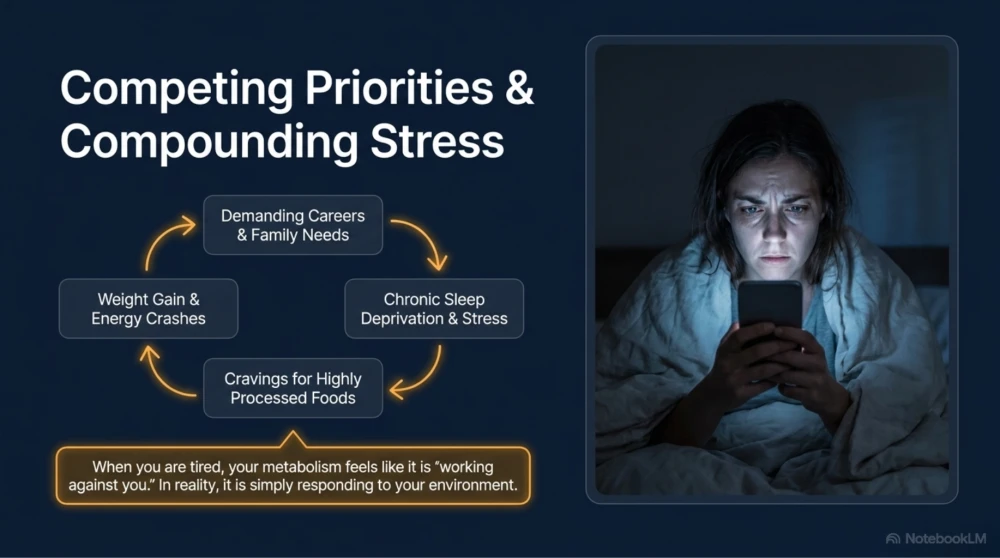
Life after 35 is often accompanied by competing priorities. Careers become more demanding. Family responsibilities increase. Sleep becomes less consistent.
Chronic sleep deprivation and stress may influence appetite, food choices, and energy levels. Many adults notice that they crave highly processed foods more often when they are tired or stressed.
Over time, these habits can contribute to weight gain and reinforce the impression that their body is suddenly “working against them.” In reality, metabolism after 35 is often a reflection of multiple lifestyle factors interacting simultaneously.
Why Blood Sugar Control May Change With Age
As people get older, changes in physical activity, body composition, and insulin sensitivity may influence how the body responds to meals.
Some individuals begin noticing:
- Post-meal sleepiness
- Increased hunger
- More abdominal fat
- Greater difficulty losing weight
- Reduced energy after large meals
These symptoms do not automatically indicate diabetes or prediabetes, but they may suggest that metabolic health deserves greater attention. This is another reason why metabolism after 35 feels different for many adults.
Why Food Has Not Changed—Your Lifestyle Has
Many people say, “I'm eating exactly the same as I did ten years ago.” Often, that statement is partially true. What has changed is everything surrounding the food:
- You move less.
- You sleep less.
- You sit more.
- You experience more stress.
- You may have less muscle mass.
Food is only one piece of the equation. The body's response to food reflects the combined influence of lifestyle, body composition, and metabolic health.
Fortunately, many of these factors remain modifiable. Improving sleep, preserving muscle mass, remaining physically active, and maintaining a balanced diet can significantly influence how you feel and function after 35.
Ultimately, metabolism after 35 is not a sign that your body has failed you. It is often a reminder that the habits that worked in your twenties may need to evolve as your life changes.
Why Hormonal Changes Influence Metabolism After 35
Hormones play an important role in regulating appetite, energy levels, muscle mass, sleep, and body composition. Although dramatic hormonal changes do not occur overnight when someone turns 35, subtle changes begin accumulating over time.
Women may eventually notice changes related to perimenopause and menopause, while men may experience gradual shifts in body composition and physical performance. These hormonal influences can affect:
- Appetite regulation
- Sleep quality
- Energy levels
- Fat distribution
- Muscle maintenance
This is another reason why metabolism after 35 often feels different compared with earlier decades of life.
Why Belly Fat Becomes More Common
One of the most common complaints among adults after 35 is increasing abdominal fat. Many people notice that even when their overall body weight remains relatively stable, their waist circumference gradually increases.
This change is usually influenced by multiple factors:
- Reduced muscle mass
- Long sitting hours
- Poor sleep
- Stress
- Lower physical activity levels
- Excess calorie intake over time
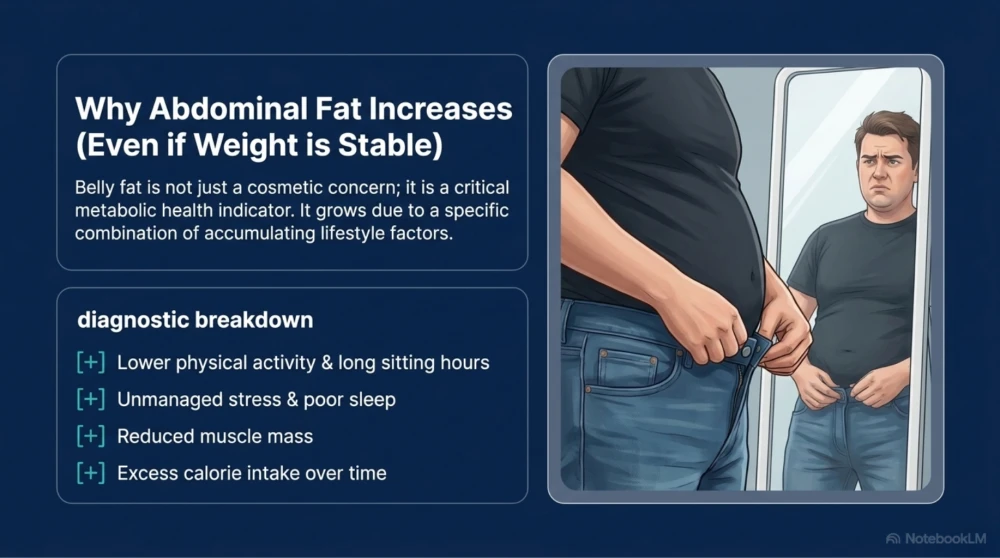
Importantly, abdominal fat is not simply a cosmetic concern. Increased waist circumference is often associated with broader metabolic health considerations. For many adults, improving metabolism after 35 begins with preserving muscle mass and reducing excess abdominal fat rather than focusing exclusively on body weight.
Why Protein Becomes Increasingly Important
Protein requirements do not disappear after the age of 35—in fact, maintaining adequate protein intake becomes increasingly important.
Protein supports:
- Muscle preservation
- Satiety
- Physical recovery
- Healthy ageing
- Overall body composition
Unfortunately, many adults consume meals that are predominantly composed of refined carbohydrates while providing relatively little protein.
Examples include:
- Tea and biscuits for breakfast
- Large portions of rice with minimal protein
- Skipping meals and overeating later
- Highly processed snacks
Improving protein intake is one of the most practical strategies for supporting metabolism after 35.
Why Exercise Matters More Than Ever
Many people attempt to address weight gain exclusively through dietary restriction. However, exercise becomes increasingly important as adults age. Regular physical activity supports:
- Muscle preservation
- Insulin sensitivity
- Cardiovascular health
- Mental well-being
- Long-term mobility

Resistance training deserves particular attention because it helps maintain the muscle mass that naturally declines over time. Walking, cycling, swimming, and other forms of aerobic exercise remain valuable, but preserving strength is an essential part of maintaining metabolism after 35.
Why Recovery Takes Longer
Many adults notice that they no longer recover from late nights, intense exercise sessions, or unhealthy eating habits as quickly as they did in their twenties.
This observation is often accurate.
Recovery is influenced by:
- Sleep quality
- Physical fitness
- Muscle mass
- Stress levels
- Nutrition
When these factors are not adequately addressed, people often feel that their body has suddenly become less forgiving. In reality, metabolism after 35 frequently reflects the cumulative effect of years of lifestyle habits rather than a single age-related event.
Why Extreme Diets Usually Fail
Adults concerned about weight gain frequently turn to restrictive diets that promise rapid results. Unfortunately, many of these approaches are difficult to maintain and may contribute to muscle loss if protein intake and resistance training are neglected.
Sustainable changes generally produce better long-term outcomes. These include:
- Eating balanced meals
- Remaining physically active
- Prioritizing sleep
- Managing stress
- Preserving muscle mass
Improving metabolism after 35 is rarely about finding a single perfect diet. More often, it involves building habits that can be maintained consistently for years.
Why Health Checks Become More Important After 35
For many adults, the years after 35 represent an ideal opportunity to become more proactive about preventive health. Conditions such as:
- Prediabetes
- High blood pressure
- Fatty liver disease
- Dyslipidemia
- Thyroid disorders
often develop gradually.
Routine health checks may help identify these conditions before significant symptoms appear. Rather than viewing metabolism after 35 as a problem to fear, many people benefit from viewing it as a reminder to pay closer attention to their long-term health.
Key Takeaways: What You Should Remember
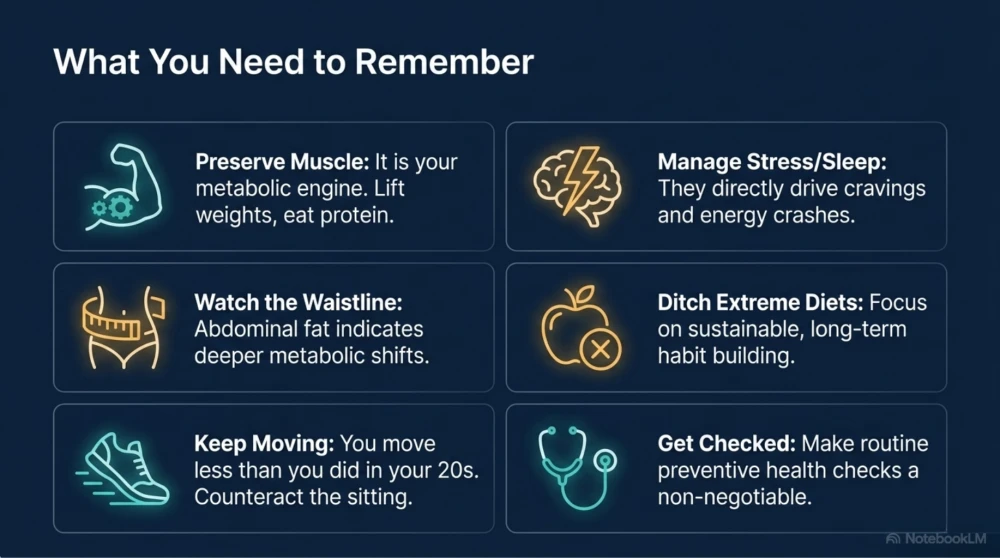
- Metabolism after 35 is influenced by muscle mass, activity levels, sleep, stress, and body composition.
- Muscle preservation becomes increasingly important with age.
- Abdominal fat often increases because of lifestyle changes rather than age alone.
- Protein intake and resistance training support healthy ageing.
- Poor sleep and chronic stress may influence appetite and energy levels.
- Extreme diets rarely provide sustainable results.
- Routine health checks become increasingly valuable after 35.
- Small, consistent lifestyle changes often have the greatest long-term impact.
You can book a consultation here:
Book Appointment
Written by Dr. Pankaj Kumar, General & Lifestyle Physician, Dwarka, New Delhi